Best Season to Book a Marlin Charter
Trying to figure out the absolute best time to book a marlin charter in Hawaii can feel like you're trying to solve a complex puzzle, especially with so many variables like seasons, weather, and fish migrations at play. It's a common struggle for both first-time visitors and seasoned anglers alike, all dreaming of that epic billfish battle in paradise. This comprehensive guide is here to untangle that complexity, helping you understand the nuances of Hawaii's marlin fishing seasons so you can plan your trip for the highest chance of success and an unforgettable experience.
Understanding Marlin Species and Their Seasons in Hawaii
Hawaii is a world-renowned destination for billfish, and marlin are undoubtedly the kings of these waters. However, it's not a one-size-fits-all scenario. Different species of marlin frequent Hawaiian waters, and each has its own preferred seasons, making your timing crucial depending on what you hope to encounter. Knowing what you're targeting will significantly refine your booking strategy.
Blue Marlin: The Crown Jewel of Kona
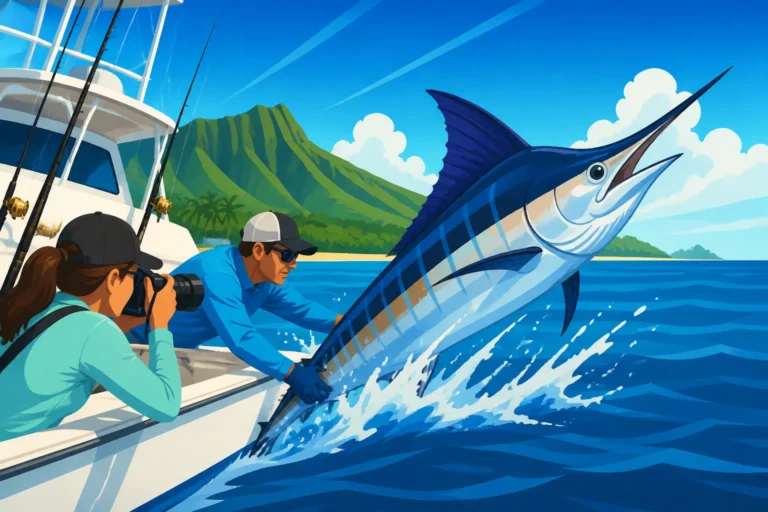
When most people dream of marlin fishing in Hawaii, they're almost certainly picturing the magnificent blue marlin. These powerful, acrobatic fish are the stuff of legend, especially off the Kona Coast of the Big Island, which is famously dubbed the "Marlin Capital of the World." Blue marlin can be found here year-round, which is fantastic news, but their presence truly ramps up during specific months. They are pelagic wanderers, always following bait and favorable water conditions.
While you can catch a blue marlin any day of the year, the hot bite typically kicks off in late spring, around April or May, and runs strong through the summer months, peaking from June through September. This is when the largest fish, including those coveted "grandeur" blue marlin weighing over 1,000 pounds, are most frequently encountered. The waters are generally calmer during these months, and the baitfish schools are abundant, drawing in these massive predators. Charters during this time are often booked well in advance, so if a giant blue marlin is on your bucket list, you'll want to plan ahead. For more insight into these incredible fish, you can learn about Marlin Growth Rate to Grander Size.
Striped Marlin: A Seasonal Delight
Beyond the mighty blues, Hawaii is also home to the elegant striped marlin. These beautiful fish, characterized by their iridescent blue stripes when agitated, are smaller than their blue counterparts but offer an incredibly exciting fight on lighter tackle. Unlike the blue marlin, striped marlin are more seasonal visitors to Hawaii's nearshore waters.
Their season typically runs during the cooler months, from roughly November through March or April, with the peak often hitting in January, February, and March. During this period, they move closer to shore, making them accessible to a wider range of fishing vessels. This can be an excellent option for anglers looking for a thrilling billfish experience when the blue marlin action might be a little slower, or if they prefer a different kind of fight. Many anglers specifically target striped marlin for their acrobatic displays and the challenge they present on lighter gear. Understanding the distinctions between species is important, so you might want to read up on Blue Marlin vs Striped Marlin Identification.
Spearfish: The Elusive Billfish
While not as commonly targeted as blue or striped marlin, the elusive shortbill spearfish is another exciting billfish that graces Hawaiian waters. These slender, fast-moving fish are often encountered incidentally while trolling for other pelagics, but they do have their own preferred season. They are prized for their spirited fight and delicious meat.
Spearfish tend to be more abundant during the cooler, winter months, overlapping significantly with the striped marlin season. From December through April, you have a better chance of encountering a spearfish, particularly off the Kona Coast. They are typically found in slightly shallower waters than blue marlin and can offer a fantastic surprise catch. While you might not book a charter specifically for spearfish, knowing they're around during these months adds another layer of excitement to your winter fishing plans.
Key Factors Influencing Marlin Charter Seasons
Deciding on the "best" season isn't just about when the fish are statistically most present. There are a handful of other crucial factors that play a big role in your overall experience, from the comfort of your trip to the availability of charters and even the cost. Ignoring these can lead to disappointment, even if you hit the peak fish season.
Ocean Conditions and Weather Patterns
Hawaii's weather is generally delightful, but ocean conditions can vary dramatically throughout the year and impact your fishing experience. Calm seas make for a more comfortable ride, especially if you're prone to seasickness, and can also make it easier for captains to spot signs of feeding fish or birds working bait.
The summer months (June to September) typically offer the calmest and most predictable ocean conditions. The tradewinds are generally lighter, and swells are usually smaller, particularly on the leeward sides of the islands like the Kona Coast. This makes for a much more pleasant day out on the water, whether you're trolling offshore or enjoying the scenery. Conversely, the winter months (December to March) can bring larger swells and stronger winds, especially if a winter storm system moves through. While the fish are still there, the ride out to the fishing grounds might be bumpier, and fishing itself can be more challenging. It's always a good idea to check local marine forecasts a few days before your trip, regardless of the season you choose, and charter operators will keep a close eye on these conditions for your safety and comfort.
Baitfish Availability and Migration
Marlin, like all predators, go where the food is. The presence and migration patterns of their primary baitfish are enormous drivers for when and where marlin will congregate. In Hawaii, this often means focusing on schools of skipjack tuna (aku), mackerel scad (opelu), and various smaller tunas. When these baitfish are abundant, the marlin are usually not far behind.
While baitfish are present year-round, their concentrations can fluctuate. For blue marlin, the warmer summer waters often bring massive schools of aku, which in turn attract the larger marlin. This is a significant reason why the summer months are so productive for big blues. During the cooler months, different baitfish patterns might emerge, drawing in striped marlin closer to shore. A savvy captain will always be keyed into these local bait movements, often relying on years of experience and network knowledge to find the feeding grounds. Understanding these patterns is key to the Best Time of Year to Fish in Hawaii more broadly, not just for marlin.
Angler Crowds and Pricing Considerations
Hawaii is a popular tourist destination, and certain times of the year see much larger crowds than others. This directly impacts the availability of desirable charters and can influence pricing. If you're looking for a more laid-back experience or trying to manage your budget, these factors are definitely worth considering.
The peak tourist seasons in Hawaii generally coincide with school holidays and summer vacations. This means that from June through August, and again during the winter holiday season (late December and early January), demand for fishing charters, especially the top-tier ones, will be at its highest. During these times, charters can book out months in advance, and you might find less flexibility in pricing or scheduling. If you're planning a trip during these peak times, booking well ahead of time is crucial. You might find more options and potentially better deals during the shoulder seasons (spring and fall) or the slower parts of winter, even if it means slightly fewer blue marlin. Websites like FishingBooker can be incredibly helpful for seeing real-time availability and comparing options, allowing you to secure your spot when it counts. Looking into the Hawaii Fishing Charter Cost Guide can give you an idea of what to expect financially.
A Month-by-Month Guide to Marlin Fishing in Hawaii
While blue marlin can technically be caught year-round, and striped marlin have their distinct season, breaking it down month by month provides a clearer picture of what you can realistically expect during your visit. This detailed look will help you pinpoint the sweet spot for your marlin quest.
Peak Season: Summer (June – August)
If you're dead set on catching a grander blue marlin, or simply want the absolute best shot at a large blue marlin on relatively calm seas, the summer months are your prime window. This is when the Kona Coast truly comes alive with big game fishing.
From June through August, the conditions are often ideal. The water temperatures are warm, drawing in massive schools of aku and other pelagic baitfish. This abundance of food creates a feeding frenzy, attracting blue marlin, including the giants. The seas are generally calm, making for a comfortable troll far offshore. This is the busiest time for charters, and it's not uncommon to hear tales of multiple marlin hookups in a single day. Many of the major marlin tournaments are also held during these months, signaling the high probability of landing a trophy. If you plan to visit during this period, booking your Best Marlin Charters off the Kona Coast several months in advance is non-negotiable. You can find excellent options on platforms like FishingBooker, which makes it easy to compare and secure your spot. Don't forget to check out When marlin migrate past the Kona Coast for more detailed migration patterns during these months.
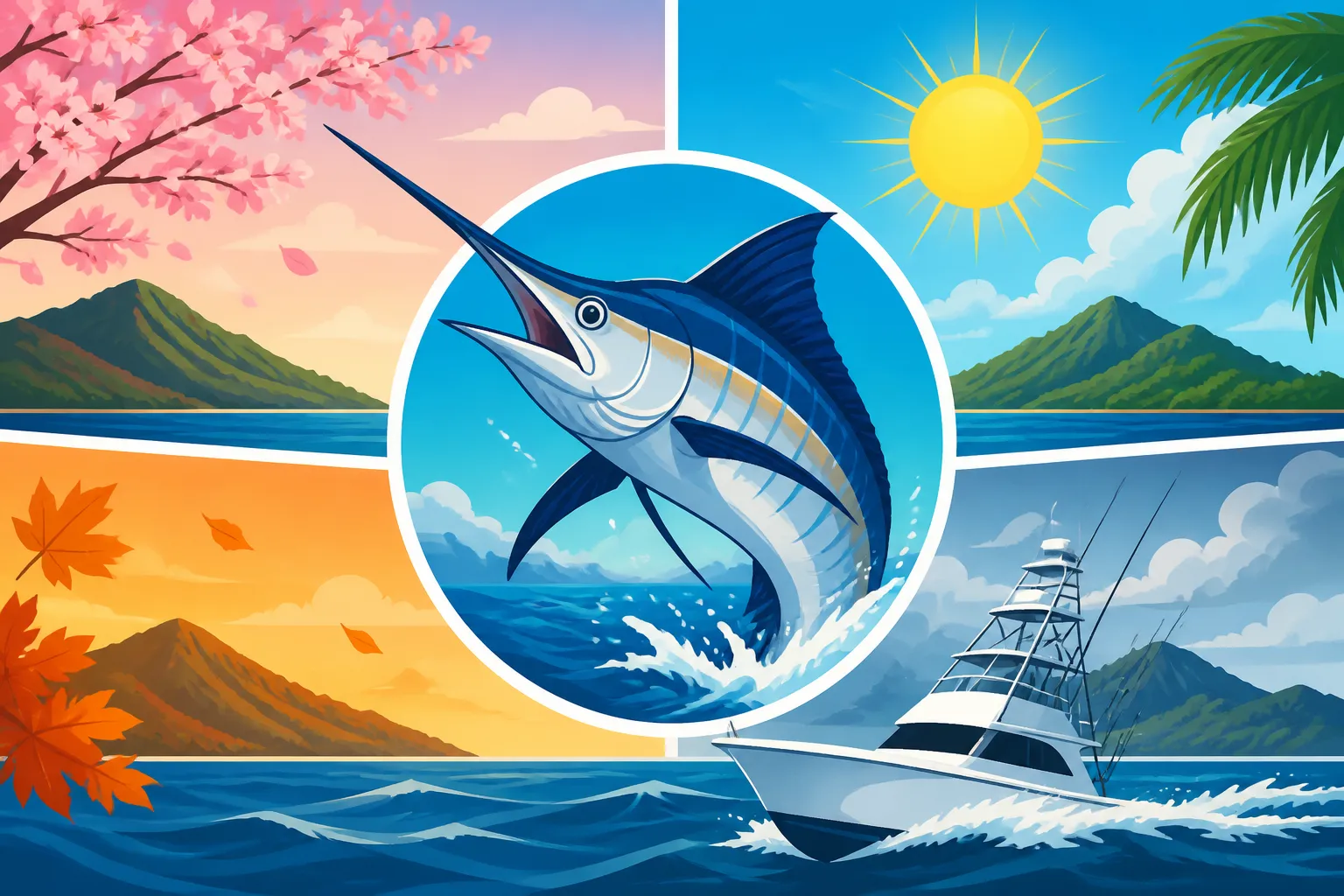
Shoulder Seasons: Spring (March – May) & Fall (September – November)
The shoulder seasons offer a fantastic balance for many anglers, often providing excellent fishing opportunities without the peak season crowds or prices. These months can be incredibly rewarding for those who are flexible and enjoy a slightly less frantic pace.
Spring (March – May): As winter transitions to summer, the fishing really begins to heat up. March and April are still prime for striped marlin, offering some of the best action for these acrobatic billfish. As May rolls around, the blue marlin start to show up in greater numbers, signaling the unofficial start of their primary season. Ocean conditions generally improve steadily, becoming calmer and warmer. This can be a sweet spot for a mixed bag, giving you a shot at both striped and early season blue marlin. If you're interested in specific techniques for this time, consider Best Techniques for Spring Marlin Fishing.
Fall (September – November): After the peak summer heat, the fall months continue to offer excellent blue marlin fishing, particularly in September and October. While perhaps not quite as red-hot as mid-summer, big blues are still very much present, and the pressure on charters might begin to ease slightly. As November approaches, the focus can shift a bit more towards striped marlin as they start their migration back into Hawaiian waters. The weather remains largely pleasant, and the decreasing crowds can make for a more relaxed experience on the water.
Off-Season Opportunities: Winter (December – February)
Don't let the term "off-season" deter you entirely. While blue marlin might be less consistently abundant and the weather can be a bit more unpredictable, winter in Hawaii offers unique and exciting marlin fishing opportunities, particularly for striped marlin and spearfish.
From December through February, the cooler waters and changing currents bring striped marlin in stronger numbers, often closer to shore. This is their absolute prime time, and catching a handful of these beautiful fish in a day is certainly possible. Spearfish are also a more likely encounter during these months. While you might face larger swells on some days, there are plenty of calm windows too, especially on the protected leeward coasts. Charters are generally less crowded, and you might find more flexibility in booking. This is also an excellent time for other pelagic species like mahi-mahi and ono, so you could have a fantastic mixed-bag day even if the blue marlin are playing hard to get. It’s a great chance to experience the ocean when it's not buzzing with summer tourists.
| Marlin Species | Peak Season (Primary) | Secondary Season (Good) | Key Characteristics |
|---|---|---|---|
| Blue Marlin | June – September | April – May, Oct – Nov | Largest, most powerful; year-round but strongest summer bite. |
| Striped Marlin | January – March | Nov – Dec, Apr – May | Smaller, acrobatic; strong seasonal runs in cooler months. |
| Shortbill Spearfish | Dec – April | May, Nov | Elusive, fast; often caught incidentally in cooler months. |
Choosing the Right Charter for Your Marlin Adventure
Once you have a handle on the best season, the next critical step is selecting the right charter. This decision can make or break your trip, as the boat, crew, and overall experience are just as important as the timing.
Private vs. Shared Charters
The first big decision is whether to book a private charter or join a shared trip. Each has its own set of pros and cons, largely revolving around cost, flexibility, and privacy.
Private Charters: With a private charter, you book the entire boat for your group, no matter how small. This means you have complete control over the fishing focus, the pace of the day, and who you share the experience with. Want to spend an extra hour trolling for that one last bite? Prefer to target a specific species? With a private charter, the boat is yours. This option is ideal for families, groups of friends, or serious anglers who want a dedicated experience. Naturally, it comes at a higher price point, but for many, the exclusivity and customization are well worth it. Companies like FishingBooker list many private charter options, allowing you to compare boats and prices to find the perfect fit for your group. For more details on what you might expect, check out What to Expect on a Hawaii Fishing Charter.
Shared Charters: Shared charters, sometimes called "walk-on" trips, allow individual anglers or small groups to book a spot on a boat with others they don't know. This is a much more budget-friendly option, as the cost of the charter is split among all the passengers. The downside is less flexibility; the captain will usually decide the fishing strategy based on the group's general consensus or what's biting best. You'll also be sharing rods and potentially rotating turns in the fighting chair. If you're traveling solo or with just one or two others and looking to save money, a shared charter can be an excellent way to experience offshore fishing in Hawaii without breaking the bank. It's also a great way to meet other passionate anglers!
Boat Size, Crew Experience, and Equipment
Beyond the type of charter, the specifics of the boat and crew are paramount. These details speak volumes about the quality of the experience you'll have and your chances of success.
Boat Size and Comfort: The size and type of fishing vessel vary greatly. Larger sportfishing yachts offer more space, often have air-conditioned cabins, private restrooms, and a smoother ride in choppier conditions. Smaller center consoles are faster and more nimble but offer less protection from the elements. Consider your group size, comfort preferences, and how susceptible you are to seasickness when making your choice. A full-day offshore trip on a cramped boat can quickly become uncomfortable.
Crew Experience and Reputation: This is arguably the most critical factor. An experienced captain and crew who know the local waters, bait patterns, and marlin behavior are invaluable. They can read the ocean, adjust tactics, and put you on the fish. Look for charters with a long-standing reputation, positive reviews, and captains who have spent years fishing these specific grounds, especially the Kona Coast. A good crew is also about more than just finding fish; they ensure your safety, offer instruction, and make the day enjoyable, regardless of the catch. Many charters, especially those focused on How to Catch Marlin off the Kona Coast, will highlight their captain's long history and success stories.
Equipment: Ensure the charter provides high-quality, well-maintained fishing gear appropriate for marlin. This includes heavy-duty rods, reels, and tackle. A reputable charter will have all the necessary safety equipment on board, from life jackets to first-aid kits. Don't hesitate to ask about the boat's amenities and the quality of their fishing gear when booking.
Booking Your Trip: Tips and Resources
Once you've decided on the season and the type of charter, it's time to make it happen. A few practical tips can help ensure a smooth booking process.
Firstly, book as far in advance as possible, especially if you're targeting the peak blue marlin season (summer) or traveling during major holidays. The best boats and crews fill up quickly. For peak times, six months to a year out isn't unreasonable. For shoulder seasons, a few months should suffice.
Secondly, read reviews and compare options. Websites like FishingBooker are fantastic resources for this, allowing you to browse numerous charters, see their ratings, read testimonials from past clients, and even view photos of their catches and boats. This helps you get a real sense of what to expect and find a charter that aligns with your expectations. You can also filter by location, such as Best Charters Out of Honokohau Harbor, which is a major hub for Kona marlin fishing.
Finally, communicate openly with your chosen charter. Let them know your expectations, whether you're hoping for a specific species, looking to learn, or simply want to enjoy a day on the water. A good charter operator will appreciate this transparency and can better tailor the trip to your group. They can also advise on things like Hawaii Boating Laws for Anglers or current fishing conditions that might not be obvious to an out-of-towner.
Maximizing Your Chances: Beyond Just the Season
While choosing the right season is fundamental, there are always additional steps you can take to further increase your odds of a successful marlin charter experience. Fishing is, after all, an art as much as a science, and a little preparation goes a long way.
Understanding Daily Conditions
Even within the "best" season, every day on the ocean is different. Local factors like tides, currents, recent weather, and even lunar phases can influence how actively marlin are feeding. While you can't control these, your captain certainly pays attention to them.
A truly experienced captain will be checking multiple weather models, listening to VHF radio reports from other boats, and observing the ocean itself for signs like diving birds, baitfish schools, or current lines. They'll adjust their trolling speed, lure patterns, and even fishing areas based on these real-time observations. Trust your captain's judgment; they are your eyes and ears on the water, constantly processing information to put you in the best position. For instance, sometimes a slight change in What water temperature marlin prefer can shift where they're actively feeding. If you're interested in preparing yourself, learning more about general conditions can give you an edge; a good resource is Best Time of Year to Fish in Hawaii.
Patience and Persistence
Marlin fishing is often described as hours of boredom punctuated by moments of sheer terror. It's a game of patience, and sometimes, the bite just doesn't happen right away. You might troll for hours without a single strike, and then suddenly, the lines scream, and chaos erupts.
It's crucial to go into your charter with a realistic mindset. While the aim is always to catch fish, especially a magnificent marlin, there are no guarantees in fishing. Enjoy the beauty of the Hawaiian ocean, the camaraderie with your crew and fellow anglers, and the thrill of the chase. A positive attitude and persistence can make all the difference, not just in your enjoyment but sometimes even in coaxing that reluctant bite. Don't get discouraged if the first few hours are slow; that grander could be just around the next corner.
What to Bring on Your Charter
Being properly prepared for a day offshore will significantly enhance your comfort and overall enjoyment. Even if the charter provides all the fishing gear, there are several personal items you should always bring.
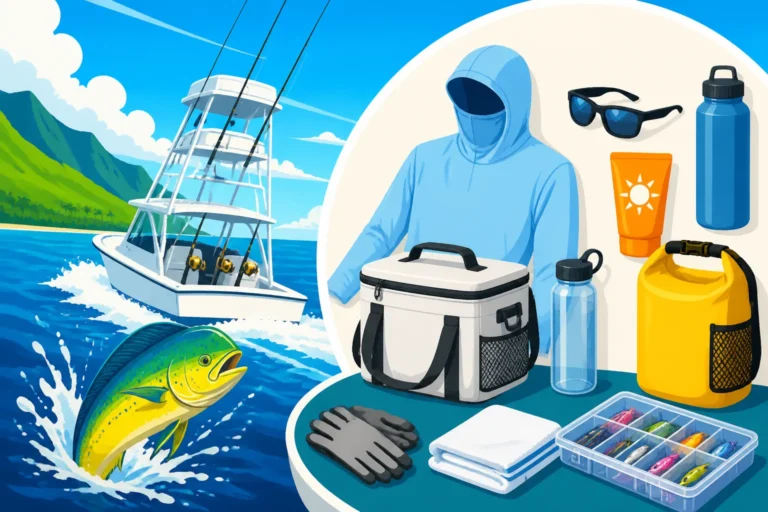
First and foremost, sun protection is vital. The Hawaiian sun is intense, even on cloudy days. Bring a wide-brimmed hat, polarized sunglasses (essential for spotting fish or bait), and plenty of high SPF sunscreen. Long-sleeved, lightweight shirts and pants can also offer excellent protection. Secondly, stay hydrated. Bring plenty of water and other non-alcoholic beverages. Most charters will have a cooler, but having your own supply is a good idea. Thirdly, consider seasickness medication if you're at all prone to motion sickness. It's far better to take it proactively before leaving the harbor than to suffer once offshore. Finally, don't forget a camera to capture those incredible moments, and comfortable, non-slip deck shoes. If you're on a shared charter, a small cooler for your lunch and snacks might be helpful. For a comprehensive list, consult What to Bring on a Hawaii Fishing Charter.
Disclaimer
This article is for general informational purposes only and does not constitute professional advice. Laws, prices and regulations vary by location and change over time. Consult a qualified professional for guidance on your specific situation.