When marlin migrate past the Kona Coast
Anglers visiting Hawaii often dream of battling a majestic marlin, but timing your trip to coincide with their presence off the Kona Coast can feel like a guessing game. Understanding the migration patterns of these incredible game fish is key to increasing your chances of a successful hook-up. This guide will demystify the seasonal movements of marlin, helping you plan your ultimate big-game fishing adventure in Kona.
The Rhythmic Dance of Marlin Seasons off Kona
Kona is legendary for its year-round marlin fishery, but that doesn't mean they're equally abundant every single month. These pelagic powerhouses follow complex patterns influenced by food sources, water temperature, and spawning cycles. While you can catch a marlin any day of the year here, certain times definitely offer better odds for specific species, making it crucial to understand the seasonal ebb and flow. It’s not just about being in the right place, but at the right time. The ocean is a dynamic environment, and the grand movements of these fish are a testament to nature's intricate design.
Blue Marlin: The Kona Coast's Crown Jewel
When people talk about "Kona marlin," they're usually thinking of the majestic blue marlin, and for good reason. Kona is one of the few places in the world where "grand slam" (catching a blue marlin, striped marlin, and spearfish in one day) and "grander" (a marlin weighing 1,000 pounds or more) opportunities are relatively common. Blue marlin are present throughout the year, but their peak season for sheer numbers and the chance at those truly giant fish generally runs from late spring through fall, roughly May to October. This is when the water temperatures are consistently warm, bringing in vast schools of baitfish that these apex predators gorge on. Imagine the thrill of seeing a monstrous blue marlin erupt behind your lure, its bill thrashing as it attacks! This is the peak time to experience that. This period often aligns with more consistent weather patterns, making for smoother runs offshore. You can learn more about targeting these giants in our Marlin Fishing off the Kona Coast guide.
During these peak months, charter boats often report multiple blue marlin hook-ups in a single day, and the chance of encountering that "fish of a lifetime" significantly increases. The atmosphere at Honokohau Harbor, the main departure point for Kona charters, buzzes with excitement as boats return with tales of epic battles. Anglers from all over the world flock to Kona during this window, hoping to add a world-class blue marlin to their angling resume.
Striped Marlin and Shortbill Spearfish: Cooler Water Visitors
While blue marlin dominate the warmer months, the cooler water periods, particularly from late fall through early spring (November to April), see a noticeable increase in striped marlin and shortbill spearfish. These billfish prefer slightly cooler conditions than their blue counterparts. Striped marlin are known for their spectacular aerial displays and can be incredibly fun on lighter tackle, often putting on a dazzling show of jumps and tail walks. Shortbill spearfish, while smaller, are notoriously fast and put up a valiant fight, proving to be a challenge for even experienced anglers due to their speed and evasive maneuvers.
Many anglers who fish the Kona Coast regularly will tell you that while the "big blues" might be less frequent in winter, the sheer action from striped marlin and spearfish can be phenomenal. It's a different kind of excitement, often characterized by more bites and a faster pace, which can be fantastic for those who prioritize quantity over chasing a single grander. These months also offer great opportunities for other pelagic species, making for a diverse catch. For instance, it's not uncommon to encounter mahi-mahi and ono (wahoo) alongside these billfish, creating a true mixed bag day. This period offers a unique charm, with calmer seas sometimes allowing for more comfortable fishing and a different suite of species to target.
Environmental Cues: What Drives Marlin Migration?
Marlin don't just swim around aimlessly; their movements are deeply influenced by the ocean's intricate ecosystem. Understanding these environmental cues can help you predict when and where you might encounter them, even within their typical seasonal windows. It's like being a detective, looking for clues the ocean provides in terms of temperature, food sources, and underwater geography. These factors combine to create the complex patterns that dictate the whereabouts of these magnificent fish.
Water Temperature: The Prime Motivator
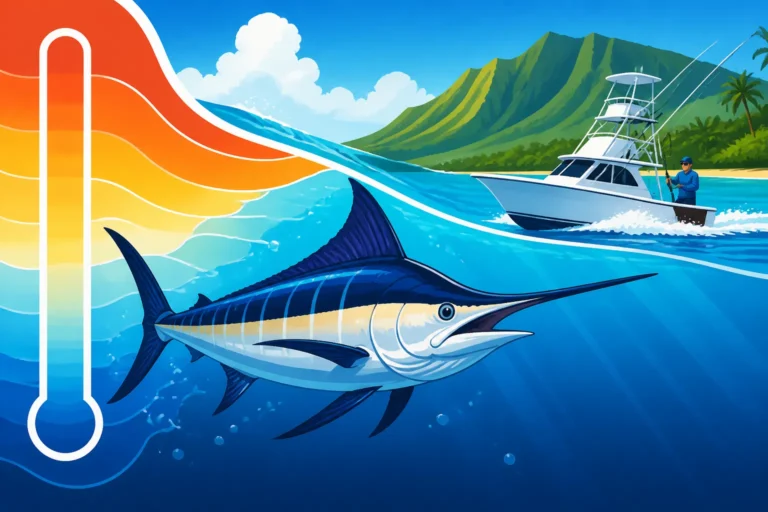
Water temperature is arguably the most critical factor influencing marlin presence. Blue marlin thrive in warm, tropical waters, generally preferring temperatures between 75°F and 85°F. The Kona Coast typically offers these ideal conditions for much of the year due to its unique leeward position, sheltered from strong trade winds. This geographic advantage results in remarkably calm waters, often referred to as "Kona glass," which is ideal for spotting fish and trolling lures effectively. When ocean currents bring warmer water close to shore or form distinct temperature breaks offshore, it creates a highway for blue marlin, drawing them into prime fishing grounds. Conversely, cooler currents, often arriving in the winter months, signal the arrival of striped marlin and spearfish, which are more tolerant of a broader temperature range and actually prefer these slightly cooler conditions.
Tracking sea surface temperature charts can be a useful tool for anglers and captains alike, even if you’re just trying to gauge the general conditions before your trip. A noticeable drop or rise in temperature can indicate a shift in marlin activity. For instance, a persistent cold eddy might push blue marlin further offshore, while a warm water filament could bring them closer. Knowing What water temperature marlin prefer is key intelligence for any serious angler hoping to maximize their chances.
Baitfish Abundance: Following the Food Chain
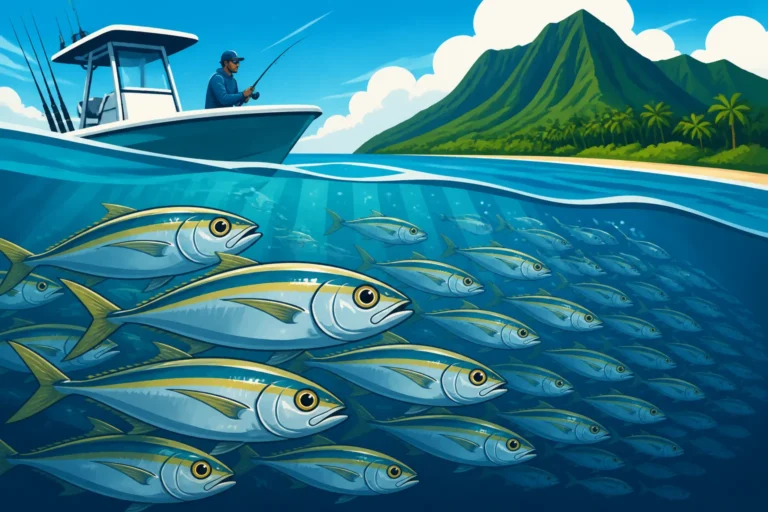
Marlin, like all predators, go where the food is. Their migration patterns are intricately linked to the movements and spawning cycles of their primary prey species, such as skipjack tuna (aku), mackerel scad (opelu), and various other schooling fish. These baitfish form the base of the pelagic food chain and their presence is a magnet for all top predators, including marlin, tuna, and dolphin. When large bait balls gather along current lines, temperature breaks, or offshore seamounts, marlin are sure to follow, creating incredible feeding frenzies. The abundance of these baitfish can fluctuate throughout the year, sometimes creating unexpected hot bites outside of typical peak seasons. For example, a sudden influx of large aku schools can ignite a blue marlin bite in almost any month, regardless of the usual seasonal expectations.
Local knowledge from experienced captains is invaluable here, as they constantly monitor baitfish activity through sonar readings, bird activity, and direct observation. They often share observations of porpoise schools, which frequently travel with tuna and other baitfish, indicating a strong possibility of billfish nearby. Sometimes, even purchasing a high-quality pair of polarized sunglasses from a reliable retailer like Amazon can help you spot bait schools closer to shore or see the subtle signs of feeding activity, giving you an edge. The presence of 'ʻōpelu' (mackerel scad) in particular is often a strong indicator for marlin, as these are a favorite food source.
Ocean Currents and Topography: Natural Highways
The deep waters off the Kona Coast plunge rapidly, creating dramatic underwater topography with seamounts, ledges, and channels. These features interact with ocean currents to create upwellings and current lines that concentrate baitfish and, consequently, attract marlin. The famous "Kona Grounds," located just a few miles offshore, and the steep drop-offs are essentially underwater highways for these fish. Marlin often travel along these invisible highways, using them as ambush points or feeding grounds where they can easily corral and pick off prey. The deep canyons and pinnacles provide structure that baitfish school around, and where marlin lie in wait.
Understanding how currents interact with the unique underwater landscape is something local captains have honed over decades, and it plays a significant role in where they decide to troll on any given day. The volcanic origins of the Big Island have blessed Kona with this incredible deep-water access just a short run from shore, meaning you don't have to spend hours traveling to reach prime marlin territory. A strong current sweeping across a seamount can be like a conveyor belt for food, creating an irresistible draw for hungry marlin. This intimate knowledge of the local currents and bottom structure is a huge advantage for Kona's fishing fleet.
Planning Your Kona Marlin Adventure
Knowing when marlin typically migrate is one thing, but translating that knowledge into a successful fishing trip requires careful planning. From choosing the right time of year to booking the best charter, every decision counts in your pursuit of these magnificent fish. A well-planned trip enhances your chances and ensures a memorable experience, regardless of the final catch.
Best Time to Book for Specific Marlin Species
If your ultimate goal is to catch a giant blue marlin, targeting the months of May through October gives you the highest statistical probability. During this period, the warmer water and plentiful bait make for consistent action and the best chance at a grander. You'll often hear reports of multiple blue marlin being caught, and the sheer number of boats targeting them indicates the confidence in these months. However, if you're looking for steady action and a good chance at striped marlin or spearfish, consider a trip during the cooler months, November through April. This period can also be fantastic, often with less crowded fishing grounds and still plenty of other exciting pelagic species like mahi-mahi and ono (wahoo). Sometimes, the "shoulder seasons" just before or after the peak blue marlin run can offer excellent opportunities for both species as the ocean transitions. For example, late April or early November can be transitional periods where you might encounter a wider variety of billfish. If you want to dive deeper into general fishing seasonality, check out our Best Time of Year to Fish in Hawaii article.
A quick reference table for marlin species and their peak presence off Kona:
| Marlin Species | Peak Season (General) | Preferred Water Temperature | Common Characteristics |
|---|---|---|---|
| Blue Marlin | May – October | Warm (75°F – 85°F) | Largest, most powerful, often solitary, grander potential |
| Striped Marlin | November – April | Cooler (70°F – 78°F) | Aerial acrobatics, often school, smaller than blues |
| Shortbill Spearfish | November – April | Cooler (70°F – 78°F) | Fastest, slender, smaller, challenging on light tackle |
Booking Your Charter and Monitoring Conditions
Once you have your desired season in mind, booking a reputable fishing charter is the next crucial step. Kona is home to some of the world's most experienced marlin captains, who possess an unparalleled understanding of these migration patterns and local conditions. They constantly monitor everything from bait movements to subtle shifts in water temperature, which can make all the difference on a given day. It's often best to book well in advance, especially for peak season dates, as the most popular boats fill up quickly. When researching, you might find that many excellent charter companies have detailed websites or even suggest specific types of fishing gear that can be easily purchased on Amazon. You'll want to choose a charter that specializes in the type of fishing you want to do and has a strong track record. Our guide on Best Marlin Charters off the Kona Coast offers some great starting points.
Furthermore, even if you’ve planned your trip for a peak season, current conditions can still vary. Keep an eye on local fishing reports, weather forecasts, and even scientific data like satellite sea surface temperature maps if you're really getting into the weeds. While you can't control the ocean, being informed helps set realistic expectations and sometimes allows for last-minute adjustments. Remember, even in the "off-season," a skilled captain knows where to look for a hungry fish. They have decades of experience reading the subtle signs of the ocean, knowing where to put the lures for the best chance of success.
Beyond Migration: Other Factors for Success
While knowing when marlin migrate is fundamental, a successful day on the water involves more than just calendar dates. Several other elements can significantly impact your chances, transforming a good fishing day into an unforgettable one. It's the culmination of these details that often distinguishes a truly epic trip from a merely good one.
Moon Phases and Tides
Believe it or not, the moon and tides can play a role in marlin activity. Many experienced captains observe that certain moon phases, particularly those around the new and full moons, can correlate with increased feeding activity. The stronger tidal movements during these phases can stir up baitfish and create more pronounced current lines, essentially ringing the dinner bell for predators. For example, the stronger currents during a full moon might push bait into specific areas, making them prime hunting grounds. While not a definitive rule, paying attention to the lunar calendar might give you a slight edge or at least offer an interesting conversation topic with your crew. It’s one of those subtle nuances that seasoned anglers discuss over a cold drink after a long day at sea, trying to piece together the ocean's intricate puzzle. Don't forget to pack plenty of sunscreen and a good hat, easily found on Amazon, regardless of the moon phase, because the Hawaiian sun is always powerful.
Local Knowledge and Experience
No amount of internet research or seasonal charts can replace the intimate, day-to-day knowledge of a seasoned Kona fishing captain. These professionals spend hundreds, if not thousands, of hours on the water each year, developing an almost sixth sense for where the fish are holding. They understand the subtle nuances of local currents, baitfish movements, and even the personalities of individual fishing grounds. They know Where to Find Blue Marlin off Kona based on real-time observations and decades of accumulated wisdom. When you book a charter, you're not just paying for a boat; you're investing in this invaluable expertise. Listening to their advice, asking questions, and trusting their judgment will significantly boost your chances of success. They also know How to Catch Marlin off the Kona Coast better than anyone, from choosing the right lures to understanding the precise trolling speeds that entice a strike. This local expertise is truly priceless.
They've learned the patterns of bait schools, observed how different weather systems affect the fishing, and have a deep understanding of the habits of the different marlin species that frequent these waters. This accumulated wisdom often means the difference between a slow day and an exciting one.
The Element of Surprise and Persistence
Despite all the science and local knowledge, fishing for marlin still has a glorious element of unpredictability. Sometimes, a monster will strike when you least expect it, or a slow day can suddenly ignite into a flurry of action. Persistence is key. Marlin fishing is often described as "hours of boredom punctuated by moments of sheer terror." Don't get discouraged if the bites aren't immediate. Keep your lines in the water, stay alert, and trust your captain and crew. Every cast, every troll, holds the potential for that dream fish. Even if you don't land a marlin, a day on the beautiful Kona waters is an experience in itself, filled with breathtaking scenery and the chance to spot whales, dolphins, and other incredible marine life. The unexpected nature of a marlin strike is part of what makes it so thrilling. You could be chatting, relaxing, and then suddenly the drag screams and chaos erupts, pushing your adrenaline to its limits. To make sure you're prepared for any unexpected weather, a good waterproof bag for your essentials can be a lifesaver, and you can find many options on Amazon.
Ultimately, while marlin certainly migrate past the Kona Coast in more predictable patterns during certain times of the year, the beauty of this fishery is its year-round potential. By understanding these patterns and relying on local expertise, you can greatly enhance your chances of encountering one of these magnificent fish on your next Hawaiian fishing adventure. Always remember that fishing is a blend of science, skill, and a little bit of luck!
Disclaimer
This article is for general informational purposes only and does not constitute professional advice. Laws, prices and regulations vary by location and change over time. Consult a qualified professional for guidance on your specific situation.