Where the biggest ulua live in Hawaii
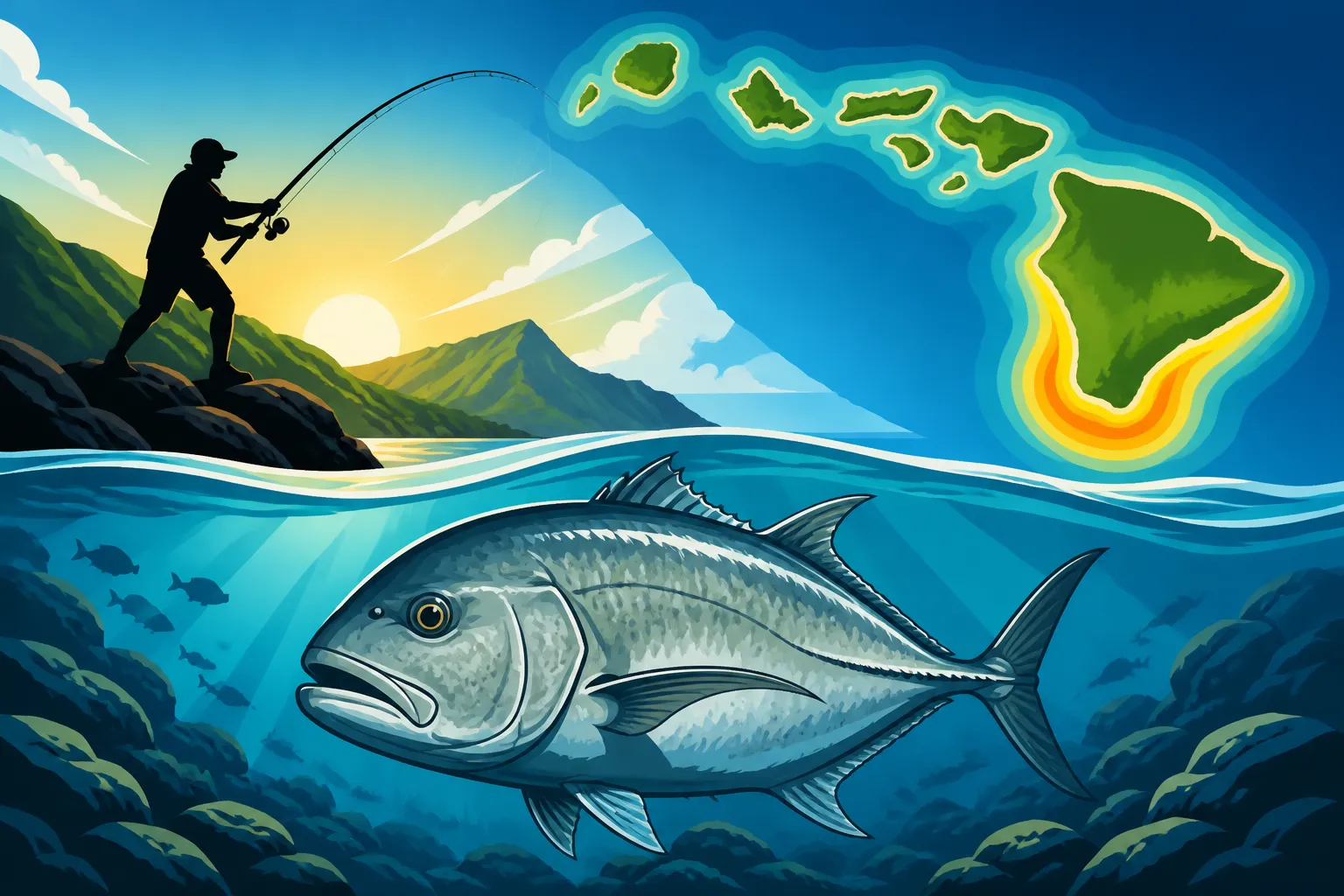
If you've ever dreamt of battling a true monster from the deep, then the ulua, Hawaii's formidable Giant Trevally, is probably at the top of your list. These powerful fish test anglers to their absolute limits, and while catching any ulua is a thrill, landing one of the giants is a lifelong memory. But the burning question for every dedicated angler is always: where do those truly massive ulua hide? This guide will dive deep into the specific habitats and legendary spots where the biggest ulua in Hawaii are known to live, helping you refine your search for these incredible apex predators.
Understanding Ulua and Their Habitat Preferences
Before we can pinpoint where the biggest ulua live, it's crucial to understand what makes them tick and why certain environments are more conducive to growing truly monstrous specimens. Ulua, locally known as Giant Trevally (GT), are not just common reef fish; they are top-tier predators with specific needs that allow them to reach epic proportions in Hawaiian waters. They are territorial, incredibly strong, and opportunistic hunters, always seeking out locations that offer a combination of shelter, abundant food, and strategic ambush points.
The Life Cycle and Growth of Ulua
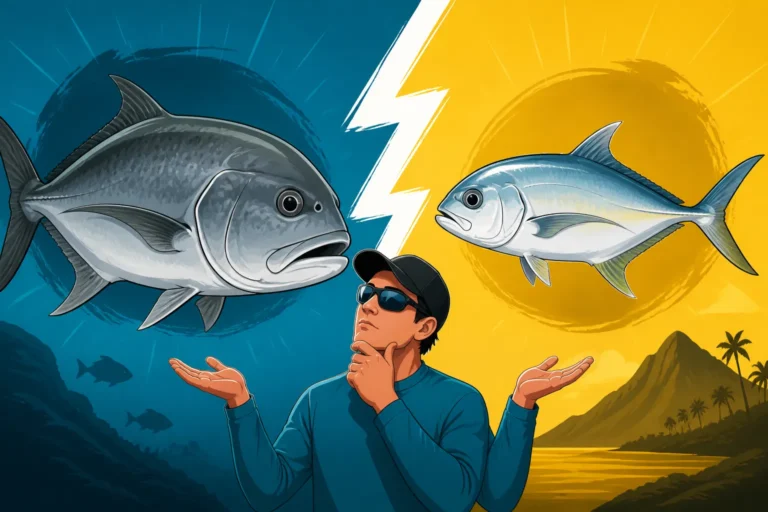
Every giant ulua starts its life as a much smaller papio. The terms "papio" and "ulua" aren't different species; they simply refer to different size classes of the same fish. Typically, any Giant Trevally over about 10 pounds is considered an ulua, and from there, they can grow to truly staggering weights, easily exceeding 100 pounds. The progression from a small, agile papio darting around the reefs to a dominant, broad-shouldered ulua is a fascinating journey. For a deeper dive into their distinctions, check out our article on Ulua vs Papio: What's the Difference.
What allows some ulua to become behemoths while others remain modest in size? It primarily boils down to age, consistent access to high-quality food, and a favorable habitat that provides both safety and ample hunting grounds. As ulua grow, their diet shifts from smaller crustaceans and juvenile fish to larger prey like octopus, various reef fish, and even smaller pelagics. They become less skittish and more confident, often holding prime positions on the reef or along deep-water structures where they can efficiently ambush passing meals. An older, larger ulua has learned the best hunting spots, survived countless challenges, and honed its predatory instincts, making it a truly formidable opponent.
Key Environmental Factors for Trophy Ulua
To find the biggest ulua, you need to think like one. They crave structure, current, and food. Imagine a giant, powerful fish that needs to eat a lot to maintain its size and strength. It won't hang out in barren, calm areas. Instead, it will patrol specific zones that act like natural feeding lanes.
Look for areas with pronounced topographical features such as deep drop-offs, underwater pinnacles, steep ledges, and channels between reefs. These structures provide excellent ambush points and often concentrate baitfish. Strong currents are equally vital. Not only do they bring in a constant supply of food, but they also help keep the water oxygenated and clean, creating a dynamic ecosystem. These currents sweep baitfish and other prey past the ulua's lair, turning static locations into conveyor belts of opportunity. The presence of healthy baitfish schools, like akule, opelu, or various reef fish, is a dead giveaway that ulua are likely in the vicinity. These areas are the "dinner tables" for trophy ulua, where they expend minimal energy for maximum caloric reward.
Prime Big Island Hotspots for Giant Ulua
When people talk about trophy ulua in Hawaii, the Big Island, and specifically the Kona Coast, often comes up first. There's a good reason for this reputation: the geography here is uniquely suited to growing and holding giant ulua. The dramatic volcanic landscape extends far beneath the waves, creating an underwater topography that's a dream for these powerful predators.
The Legendary Kona Coast and Its Deepwater Ledges
The Kona Coast on the Big Island is renowned worldwide for its deep-sea fishing, and while much of that fame comes from marlin, the same unique conditions that attract grander marlin also create a perfect environment for giant ulua. The west coast of the Big Island drops off dramatically, with incredibly deep water often just a stone's throw from shore. This proximity to the deep allows ulua to access nutrient-rich currents and larger pelagic baitfish that might not venture into shallower areas.
Massive lava flows have sculpted an intricate underwater landscape of canyons, caves, ledges, and pinnacles. These geological features provide countless ambush points and sheltered spots for ulua to rest or stalk prey. The consistent currents along this coast bring in a steady parade of food, making these ledges and drop-offs prime real estate for a dominant ulua. While specific spots are often guarded secrets among local anglers, targeting areas around the mouths of major harbors like Honokohau or looking for significant depth changes close to shore are good starting points. You'll find many of the features that make it great for ulua also attract other prized species, as detailed in Best marlin fishing spots off the Kona Coast. Often, the biggest ulua are caught by anglers targeting pelagic species offshore, a testament to their deep-water habits.
South Point Ka Lae and Remote Southern Shores
Another area of the Big Island that holds incredible potential for giant ulua is the southern tip, known as Ka Lae or South Point. This is the southernmost point in the United States and is characterized by its incredibly strong currents and often rough, exposed coastline. It's not for the faint of heart, but the sheer power of the ocean here creates a unique ecosystem that can produce truly massive fish.
The extreme currents around South Point churn up nutrients and baitfish, creating a feeding frenzy that attracts large predators, including some of the biggest ulua. The untouched, rugged shores and steep underwater drop-offs mean there are vast areas of prime, undisturbed habitat for these fish to grow old and large. However, accessing these areas can be challenging, often requiring serious hiking or specialized boat access. Safety is paramount when fishing in such powerful waters. If you're considering this adventurous option, our guide on South Point Ka Lae Fishing Spots provides valuable insights into the area. The biggest ulua in these remote zones are often highly resident fish, dominating their territory and growing to impressive sizes due to consistent food sources and minimal angling pressure.
Oahu's Battlegrounds for Trophy Ulua
While the Big Island gets a lot of the spotlight for its ulua, Oahu, with its diverse coastline and strong fishing culture, also holds a significant population of giant ulua. Don't let the urban sprawl fool you; many parts of Oahu still offer wild, productive fishing grounds where a true trophy could be lurking. It just takes more dedication and a different approach to find them amidst the more populated areas.
North Shore's Rugged Coastline and Deep Channels
Oahu's North Shore is famous for its massive winter surf, but beneath those legendary waves lies a rugged, complex underwater world that is perfect for ulua. The consistent heavy surf and strong currents along this coastline constantly sculpt the reef, creating deep channels, lava tubes, and rocky points that serve as prime hunting grounds.
Anglers targeting ulua here often brave challenging conditions, casting heavy tackle into powerful swells. These are not spots for light gear; you need robust rods and reels capable of handling immense pressure, much like what's discussed in Best rod setup for surfcasting ulua and Best line for surfcasting from a rocky shore. The biggest ulua on the North Shore thrive in this dynamic environment, using the turbulent water and complex structure to their advantage when ambushing prey. Areas like Kaena Point, with its remote access and deep water close to shore, are particularly well-regarded for their ulua potential. You can learn more about its specific features in Kaena Point Shore Fishing and Best deep water access at Kaena Point. These fish are typically aggressive and well-muscled from constantly fighting currents, making them an incredible catch.
West and South Shore's Lesser-Known Deep Zones
Beyond the famous North Shore, Oahu's West and South Shores also hold hidden gems for trophy ulua. While perhaps less talked about in the same breath as Kona, these areas have deep portals and structure that consistently produce large fish for persistent anglers. Spots around Barbers Point, known for its harbor and industrial areas, can be surprisingly productive where deep water meets structure. Even certain stretches along the South Shore, particularly where fringing reefs drop off sharply into deeper channels, can host significant ulua populations.
These areas often require a good understanding of local currents, tides, and underwater topography. Many of the biggest ulua caught here are taken during night fishing expeditions, when these nocturnal predators are most active, often described in guides like Night Fishing for Ulua in Hawaii. Local knowledge is key, as is patience and a willingness to explore lesser-known spots. Anglers often employ sliding bait rigs with large, live baits, or heavy casting gear with big lures to entice these powerful fish. While not as outwardly dramatic as the North Shore, these zones offer consistent opportunities for anglers who put in the time.
Other Islands and the Elusive Ulua
While the Big Island and Oahu often dominate the discussion for giant ulua, every major Hawaiian island has the potential to produce these magnificent fish. The key is to look for similar habitat features: deep water close to shore, strong currents, and plenty of structure with abundant baitfish. Maui, Kauai, Molokai, and Lanai all have coastlines that fit this bill, even if the angling pressure or local lore is different.
Maui's Volcanic Slopes and Offshore Pinnacles
Maui's rugged coastline, particularly on the dryer, leeward sides, offers impressive drop-offs and volcanic structures that attract ulua. Areas like La Perouse Bay on the south side, known for its relatively untouched lava fields and clear water, provide ideal conditions for large fish. Remote stretches of the Hana Highway coastline on the east side, while challenging to access, also have incredible potential due to their isolation and deep-water access.
Just like on the Big Island, Maui has numerous offshore pinnacles and ledges that serve as aggregation points for baitfish and, consequently, large predators. Anglers often target these deep structures from boats, using heavy jigs or baits to probe the depths. While the harbor areas like Maalaea or Lahaina might not be known for trophy ulua right within their basins, the nearby open ocean and surrounding coastlines certainly hold them. Our guide on Maalaea Harbor Fishing Access can give you a starting point for exploring the wider area. Patience and exploration are crucial, as many of Maui's best ulua spots are well-guarded by those who fish them regularly.
Kauai's Wild Shores and River Mouths
Kauai, known as the Garden Isle, boasts a dramatic and wild coastline that is less developed than some of its sister islands. This natural ruggedness provides extensive habitat for ulua to thrive without constant pressure. The Na Pali Coast, for instance, with its soaring cliffs and deep, inaccessible coves, is undoubtedly home to truly giant ulua, though accessing these areas requires specialized boats or extensive hiking.
River mouths, particularly on the more remote parts of the island, can also be productive. As rivers empty into the ocean, they create brackish water zones and often carve out deep channels, attracting baitfish and providing a unique hunting ground for ulua. Look for areas with strong currents that sweep past rocky points or ledges. Hanalei Bay, while a popular surfing and recreation spot, also has nearby deep water and reef structure that can attract ulua, especially at night or during favorable tides. Consult Hanalei Bay Fishing Access for more details on local regulations and access points. Kauai's ulua are often extremely powerful, reflecting their wild and challenging environment.
Strategies for Targeting Hawaii's Biggest Ulua
Finding where the biggest ulua live is only half the battle; the other half is understanding how to target them effectively. These fish are not easily fooled, and landing a giant requires the right gear, technique, and a healthy dose of patience.
Choosing the Right Gear for Trophy Ulua
When you're after a trophy ulua, your gear needs to be up to the task. This means heavy-duty surf rods for shore casting, capable of throwing large baits or lures long distances and handling immense stress. Offshore, robust conventional reels spooled with heavy braided line (think 80-130 lb test) are essential. A stout leader, often 200-300 lb monofilament or fluorocarbon, is critical to withstand their powerful runs and the abrasive reef structure they often dive into.
For shore anglers, specialized tackle capable of deploying large live or dead baits (like whole opelu, akule, or octopus) is key. The classic Hawaiian slide bait rig is a popular choice for presenting large baits far offshore. If you're planning to tackle these giants from shore, consider investing in a high-quality fishing backpack, easily found on platforms like Amazon, to carry your heavy tackle and bait to remote locations.
Effective Techniques and Timing
Ulua are primarily nocturnal predators, so night fishing is often the most productive time for targeting the biggest specimens from shore. During the day, they tend to move into deeper water or seek shelter in caves and under ledges. When fishing from a boat, targeting deep drop-offs, FADs (Fish Aggregating Devices), and underwater pinnacles with heavy jigs or live baits can be very effective. Chumming can also bring these powerful fish out of their lairs. The tide and moon phase can also play a significant role in ulua activity, with many anglers preferring the days around the new or full moon when tidal currents are strongest. For more detailed techniques, be sure to read How to Catch Ulua from Shore and Best time of day to catch ulua from shore.
Here's a quick comparison of common ulua fishing locations:
| Location Type | Key Habitat Features | Average Ulua Size Potential | Access & Difficulty Rating | Common Techniques |
|---|---|---|---|---|
| Kona Coast Deep Ledges | Steep drop-offs, volcanic canyons, consistent currents | High (Trophy) | Medium (Boat preferred) | Live bait, heavy jigging, deep trolling |
| South Point (Big Island) | Extreme currents, remote rocky shores, deep water | High (Trophy) | Difficult (Shore/Boat) | Sliding bait, heavy casting, live baiting |
| Oahu North Shore | Heavy surf, deep channels, lava tubes, rocky points | Medium-High | Difficult (Shore) | Heavy surfcasting, sliding bait |
| Oahu West/South Shore | Deep channels near reefs, harbor mouths, ledges | Medium-High | Medium (Shore/Boat) | Night fishing, live bait, heavy casting |
| Maui Leeward Shores | Volcanic slopes, offshore pinnacles, drop-offs | Medium | Medium (Shore/Boat) | Bottom fishing, live bait, deep jigging |
| Kauai Wild Coasts | Remote cliffs, river mouths, deep reef systems | Medium | Difficult (Shore/Boat) | Heavy casting, live baiting, bottom fishing |
Respecting the Resource
Catching a giant ulua is a truly special experience, but it comes with the responsibility of respecting these magnificent fish. Many anglers practice catch and release, especially for the largest specimens, to ensure the sustainability of the population. If you do choose to keep one, be mindful of local regulations regarding size and bag limits, which can be found in resources like Hawaii Bag and Size Limits by Species. Always handle large fish carefully, ensuring they are revived properly if released. Observing local customs and traditions, particularly regarding access to fishing spots, is also crucial for maintaining good relationships within the fishing community.
The quest for the biggest ulua in Hawaii is an adventure, one that combines an understanding of nature, skillful angling, and often, a touch of grit. Whether you're casting from a remote shoreline or dropping lines over deep water, the thrill of hooking into one of these magnificent fish is an experience you won't soon forget.
Disclaimer
This article is for general informational purposes only and does not constitute professional advice. Laws, prices and regulations vary by location and change over time. Consult a qualified professional for guidance on your specific situation.