What lures imitate the baitfish ulua eat
One of the biggest joys, and sometimes the biggest headaches, in fishing Hawaii's beautiful waters is figuring out what these incredible fish are actually looking to eat. You stand there, looking out at the shimmering ocean, a tackle box full of promises, and you wonder: out of all the lures you have, which one is going to fool that giant trevally, that ulua, into striking? It's a common frustration, but understanding what lures best imitate the baitfish ulua eat can dramatically change your luck. This guide is all about peeling back the layers of ulua feeding habits and showing you how to choose the perfect imitation to tempt these powerful predators.
Understanding Ulua Forage Habits
Before you even think about tying on a lure, it’s essential to get inside the head of an ulua – or at least understand its stomach. These are incredibly powerful and opportunistic predators, but they’re not just eating anything that swims by. They have preferences, and those preferences are heavily influenced by what's readily available in their environment. Knowing what makes an ulua tick, what it hunts, and how it hunts, is the first step in successful lure selection.
The Ulua Diet: From Small Fry to Giants
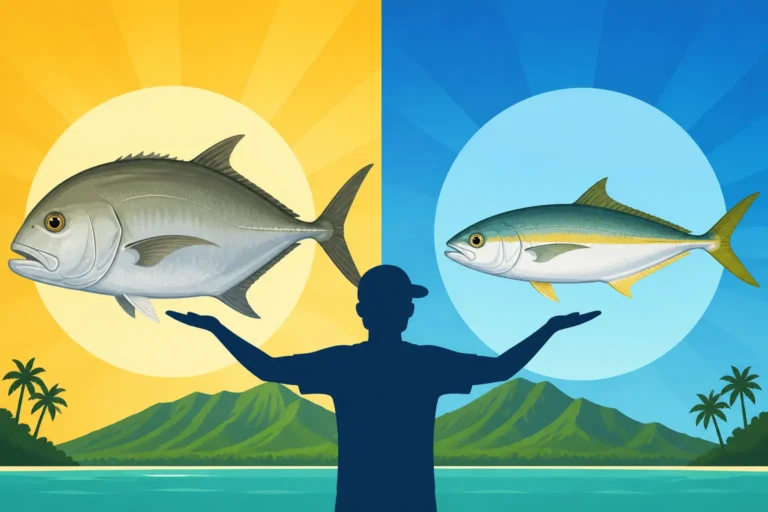
Ulua, which is the Hawaiian name for giant trevally (GT), are apex predators of the reef and nearshore waters. Their diet is incredibly varied, but it primarily consists of other fish, crustaceans, and cephalopods. The younger ulua, often called papio, tend to feed on smaller prey like shrimp, crabs, and tiny baitfish closer to the reef or in estuaries. As they grow into their formidable adult size, their diet shifts to larger, more substantial meals. Think about it: a 50-pound ulua needs a lot more calories than a 5-pound papio! They become expert hunters of schooling baitfish, octopus, and even smaller reef fish. They’re not picky eaters in the sense that they'll pass up an easy meal, but they are efficient predators who key into specific food sources when they're abundant. Understanding this progression is key, as a lure that works for a small papio might barely get a glance from a massive ulua. If you’re curious about the different stages, we have a great article on Ulua vs Papio: What's the Difference that dives deeper into their growth.
Key Baitfish Species in Hawaiian Waters
Hawaii's waters are teeming with life, and ulua have a buffet of baitfish to choose from. When you're trying to "match the hatch," these are some of the most common species you'll want to imitate:
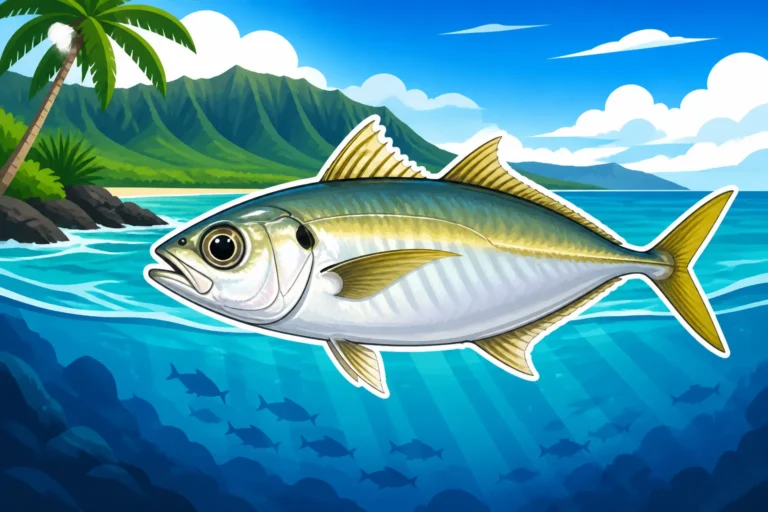
- Akule (Bigeye Scad): These are perhaps one of the most important baitfish for ulua, especially when they form massive schools near shore or around FADs (Fish Aggregating Devices). Akule are silvery, slender fish, typically ranging from a few inches to over a foot long. Ulua will absolutely gorge themselves when an akule school is present.
- Opelu (Mackerel Scad): Similar to akule, opelu are another prime schooling baitfish. They are a bit more elongated and often have a greenish tint on their backs. Ulua, and many other pelagic predators, will ambush schools of opelu with incredible ferocity.
- Moi (Pacific Threadfin): While moi are often targeted by anglers themselves, smaller moi can become prey for larger ulua. They have a distinctive, somewhat flattened body profile and tend to cruise closer to sandy areas and surf zones.
- Papio (Juvenile Trevally): Yes, ulua will eat their smaller brethren! This cannibalistic tendency means that lures imitating smaller trevally can be incredibly effective, especially when ulua are actively hunting near reefs where papio congregate.
- Reef Fish: Many smaller reef fish like various triggerfish, goatfish (kumu, weke), or even juvenile parrotfish (uhu) can become ulua prey, especially when they stray from cover or are injured.
- Squid and Octopus: While not strictly baitfish, squid (lolo) and octopus (tako) are also a significant part of an ulua’s diet, particularly at night or in deeper waters. Lures imitating these can be very effective in certain situations.
Observing what's swimming around in the area you're fishing, or even asking local anglers about recent bait movements, can give you a huge advantage in selecting the right lure.
Reading the Water: Signs of Ulua Feeding Activity
It's one thing to know what they eat, and another to know when and where they're eating it. Ulua are visual predators, and they're also highly attuned to changes in their environment. Spotting signs of feeding activity can give you crucial clues about what kind of bait they're currently keyed in on and, therefore, what lure to throw.
- Birds Diving: This is often the most obvious sign. If you see seabirds like terns or boobies diving repeatedly into the water, especially in open areas or just outside the surf break, it’s a strong indicator that baitfish schools are being pushed to the surface by predators from below. Ulua are very often part of these feeding frenzies, alongside tuna, mahimahi, and ono.
- Boiling Water / Surface Busts: Sometimes, you'll see the water itself "boiling" or erupting as large fish smash into bait schools from below. This is an unmistakable sign of aggressive feeding. Pay attention to the size and type of splashes – small, frantic splashes usually mean smaller predators or baitfish, while large, powerful explosions often point to bigger game like ulua.
- Jumping Baitfish: If you see schools of small fish leaping clear of the water, it's a clear signal they're trying to escape something. Cast your lure directly into or just beyond where the bait are jumping.
- Shadows in the Water: In clear, shallow waters, you might actually spot the dark silhouettes of baitfish schools or even ulua themselves cruising near drop-offs, channels, or around rocky points. If the ulua are actively pushing a bait ball, the whole school will move in unison.
- Tide and Current: Ulua often position themselves in ambush points where current brings food to them, or where baitfish are concentrated. Stronger incoming or outgoing tides, especially around points and channels, can be prime feeding times. You can learn more about general ulua habits in Ulua (Giant Trevally) Fishing in Hawaii.
By carefully observing these signs, you can quickly deduce what the ulua are targeting and adjust your lure choice to perfectly mimic that prey. It's like having an inside scoop on their dinner plans!
Mimicking Nature: Lure Types for Ulua
Now that we understand what ulua eat and how to spot their feeding patterns, let's talk about the tools of the trade: lures. The goal here isn't just to throw any lure; it's to select one that moves, looks, and feels like the specific baitfish an ulua is hunting. Different types of lures excel at mimicking different behaviors of prey, from a panicked surface sprint to a wounded, struggling dive.
Surface Poppers and Stickbaits
When ulua are actively feeding on baitfish pushed to the surface, or when they're cruising in relatively shallow water, nothing beats the excitement of a topwater strike. Poppers and stickbaits are designed specifically for this scenario.
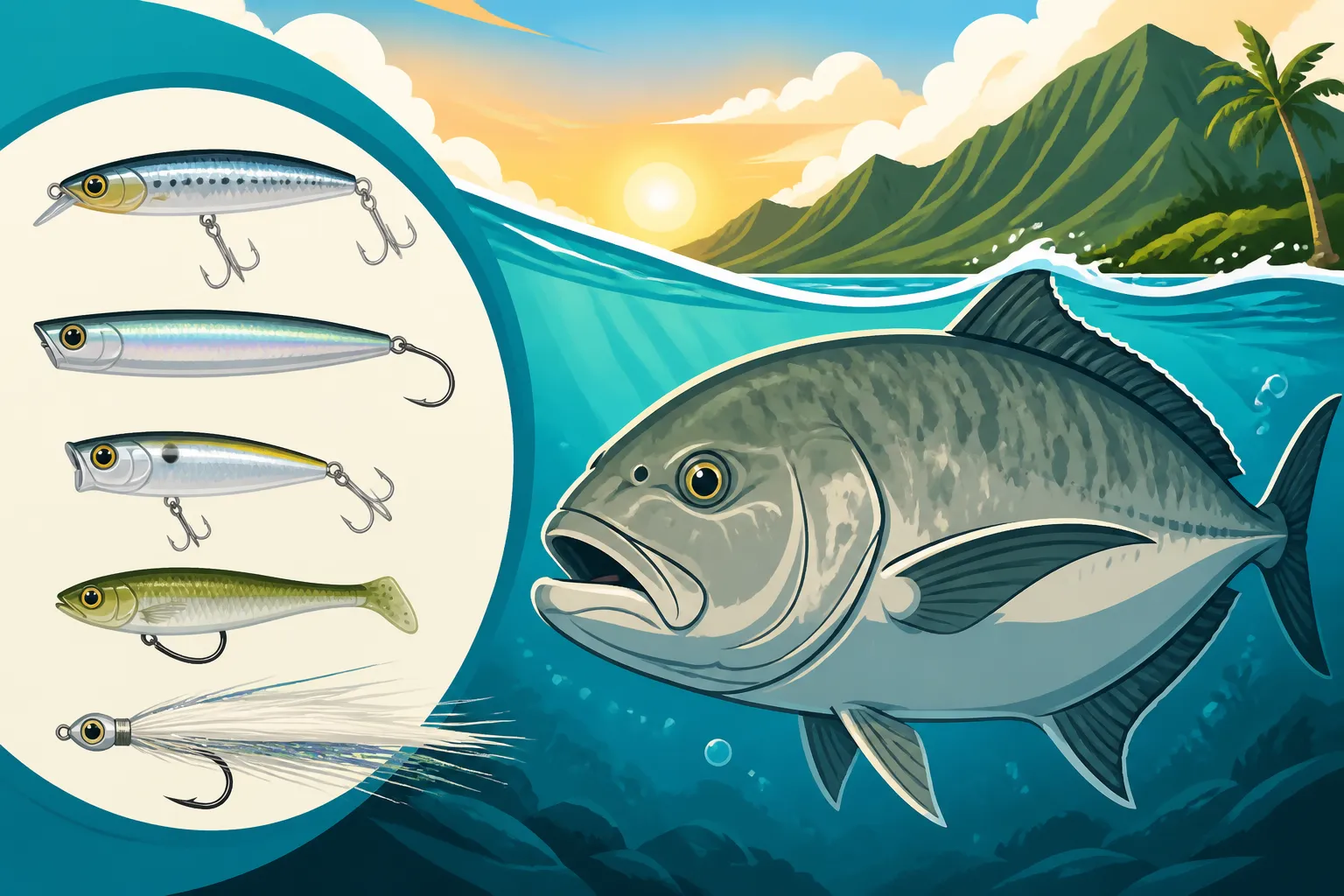
- Poppers: These lures have a concave or "cupped" face that displaces water when retrieved, creating a loud "pop" or "chug" sound and a significant splash. This action perfectly imitates a baitfish struggling on the surface, or even a larger fish ambushing prey. The sound and splash are huge attractants for ulua, especially from a distance. You typically work poppers with a sharp twitch of the rod tip, then reel in the slack, creating a rhythmic "pop-pop-pause" or "chug-chug-pause" retrieve. The pause is often when the strike happens, so be ready!
- Stickbaits: Unlike poppers, stickbaits have a more slender, often torpedo-shaped body without a deeply cupped face. Their action is created by the angler, imparting a "walk-the-dog" retrieve, where the lure glides side-to-side across the surface, mimicking a dying or disoriented baitfish. There are also "diving stickbaits" or "sub-surface walkers" that sink slowly and can be twitched just below the surface, adding another dimension. Stickbaits can be incredibly subtle yet effective, especially when ulua are wary or the baitfish are smaller. Both poppers and stickbaits are fantastic choices for dawn and dusk, or when fish are feeding aggressively on the surface, like around a breaking bait ball. They are a staple for anyone trying to master Shore Fishing Techniques for Hawaii.
Subsurface Swimmers and Jigs
When the ulua are holding a bit deeper, or when surface activity isn't present, you'll need lures that can get down into the water column. This is where subsurface swimmers and jigs come into play, offering a versatile range of presentations.
- Lipped Plugs/Diving Lures: These lures have a plastic or metal "lip" on the front that causes them to dive to a specific depth when retrieved. They come in various sizes and diving depths, making them ideal for covering different parts of the water column. The wobbling action of these lures imitates a swimming baitfish, and many have rattles inside that add an auditory attractant. They are excellent for casting and retrieving along reef edges, drop-offs, or through areas where bait schools are holding deeper. Some of these can even be trolled from kayaks or small boats.
- Metal Jigs: These are heavy, often slender lures designed to sink quickly and be worked vertically or cast out and retrieved. Their primary appeal is their flash and erratic, darting action.
- Casting Jigs: When cast out and retrieved quickly, casting jigs skip and flash, mimicking a fleeing baitfish. They are excellent for covering a lot of water quickly and reaching distant feeding frenzies. The weight allows for long casts, which is a huge advantage for shore anglers.
- Vertical Jigs: For deeper water, vertical jigs are dropped straight down and then worked with a series of aggressive lifts and drops, mimicking a wounded or dying baitfish fluttering through the water. This technique is more common from boats, but can be effective from deep-water shore access points as well.
- Spoon Lures: While less common than dedicated jigs for ulua, large, heavy spoons can also imitate a wounded baitfish with their wobbling and flashing action on the retrieve. They are particularly effective when retrieved quickly to mimic a fleeing fish.
The key with these lures is to match the diving depth to where the ulua are holding and to impart an action that screams "easy meal."
Soft Plastics and Swimbaits
Soft plastics have revolutionized many fisheries, and ulua fishing is no exception. Their incredible realism, versatility, and natural feel make them powerful tools, especially when fish are finicky or when a more subtle presentation is required.
- Soft Plastic Swimbaits: These are molded to perfectly resemble baitfish, often with a paddle tail that creates a natural swimming action on a straight retrieve. They can be rigged on weighted jig heads to reach various depths, or on weedless hooks for working through structure. The soft material gives them a very lifelike feel and action, making them incredibly enticing. You can find these in a huge range of sizes, colors, and profiles, making it easy to mimic everything from a tiny opelu to a larger akule.
- Soft Plastic Stick Worms/Grubs: While not always the first choice for ulua, larger soft plastic stick baits or grubs can be effective, especially when paired with a heavy jig head for bottom fishing or working through current. They can imitate squid or a slower, injured baitfish. Their versatility allows for various retrieves, from slow hops along the bottom to a faster, darting action.
- Eel/Squid Imitations: For night fishing, or when ulua are known to be targeting cephalopods, soft plastic imitations of eels or squid can be absolutely deadly. They often have long, flowing tails or tentacles that create a lot of movement in the water, even with a slow retrieve. These are especially effective for targeting larger, more solitary ulua that might be less inclined to chase a fast-moving baitfish imitation.
The beauty of soft plastics is their ability to be fished at almost any depth and with a huge variety of retrieves, making them incredibly adaptable to different ulua feeding scenarios. You can browse a wide selection of these versatile lures, along with all the necessary tackle, on sites like Amazon.
Matching the Hatch: Choosing the Right Lure Imitation
So you've got your understanding of ulua habits and a selection of lure types. Now comes the crucial part: putting it all together to choose the best lure for the specific situation you're facing. This isn't just about throwing a lure that looks like a fish; it's about making it look like the right fish, at the right time, and behaving in the right way. This is where the art of lure fishing truly shines.
Color and Pattern Selection
Color is one of the first things an angler considers, and for good reason. It can be a massive factor in whether an ulua decides to strike. The general rule is to "match the hatch" – choose colors and patterns that closely resemble the baitfish ulua are feeding on in that particular area.
- Natural Colors: When baitfish are abundant and visible, natural colors are usually your best bet. Silvery, chrome, blue-backed, or green-backed lures with white or pearl bellies mimic common baitfish like akule, opelu, or smaller papio. These work especially well in clear water and bright conditions.
- Contrast and Silhouette: Sometimes, it's not about an exact color match, but about creating a strong silhouette or contrast. On overcast days, at dawn or dusk, or in murky water, darker lures (black, purple, dark green) can present a clearer silhouette against the sky, making them easier for ulua to spot. Similarly, patterns with a strong lateral line or a distinct belly color can stand out.
- Flash and Iridescence: Baitfish scales flash as they dart and turn, sending out reflections that attract predators. Lures with holographic finishes, metallic flakes, or prism tapes can mimic this flash, making them highly visible and enticing, especially in sunny conditions.
- "Reactionary" Colors: Sometimes, when fish are not actively feeding, a bright, unnatural color (like chartreuse, pink, or orange) can trigger a "reaction strike" out of aggression or curiosity. These are often used when other, more natural colors aren't producing. Think of it as a last resort, or when you know fish are there but aren't biting conventionally.
Always consider the water clarity and light conditions. Clear, bright days call for more natural, subtle colors; cloudy days or low light might benefit from darker or more vibrant, contrasting hues.
Size and Profile
Just as important as color is the size and profile of your lure. An ulua, especially a large one, isn't going to expend energy chasing a tiny lure if it's used to eating larger meals.
- Match the Bait Size: Observe the size of the predominant baitfish in the area. If you see schools of 6-inch akule, a 6-inch lure is a great starting point. If they're feeding on smaller, younger fish, scale down. If they're targeting big opelu, go with a longer, more slender profile.
- General Ulua Preference: While papio might strike smaller lures, adult ulua typically prefer larger offerings, especially for topwater. Lures ranging from 6 to 12 inches are very common for trophy ulua, sometimes even larger. Don't be afraid to throw a big lure – a big fish often wants a big meal.
- Profile Matters: The shape of the lure should also mimic the profile of the baitfish. Is the baitfish slender and torpedo-shaped (like opelu)? Or is it deeper-bodied (like some reef fish)? Match the lure's body shape accordingly. A long, slender stickbait will imitate an akule better than a short, fat popper, for instance.
Remember, a lure that's too small might be ignored, while one that's too large might look unnatural or intimidating unless the ulua are specifically targeting oversized prey.
Action and Retrieval
A lure's color and size get an ulua's attention, but it's the action and retrieval that often trigger the strike. Your goal is to make the lure behave like a living, breathing, and often panicked or wounded baitfish.
- Vary Your Retrieve: Don't just cast and reel in at a steady pace. Experiment!
- Fast and Erratic: This mimics a fleeing baitfish, often triggering aggressive strikes. Think quick twitches, pauses, and sudden bursts of speed, especially with jigs or stickbaits.
- Slow and Steady: Sometimes, a slower, more deliberate retrieve, especially with a lipped plug or a swimbait, can imitate a calmly cruising baitfish or a wounded one struggling to swim. This can be effective when ulua are less aggressive.
- "Walk the Dog": For stickbaits, learning to "walk the dog" (making the lure zig-zag side-to-side across the surface) is an essential skill that perfectly imitates a disoriented baitfish.
- "Pop and Pause": For poppers, a series of hard pops followed by a significant pause can be deadly. The pop gets attention, and the pause gives the ulua time to zero in and strike.
- Mimic Distress: Injured baitfish are easy targets. Incorporate pauses, erratic movements, and sudden changes in direction to make your lure look vulnerable. A lure that suddenly stops and sinks slowly, or twitches erratically, can often be irresistible.
- Feel the Bite: Ulua strikes can be explosive and unmistakable, but sometimes they're subtle. Stay focused, and be ready to set the hook hard. After all, you're trying to land one of Hawaii's strongest game fish! For tips on timing your trips, check out Best Time of Day to Catch Ulua.
| Baitfish Type | Typical Appearance | Ulua Lure Type Recommendation | Lure Color/Pattern Recommendation | Ideal Lure Action |
|---|---|---|---|---|
| Akule (Bigeye Scad) | Silvery, slender, small eyes | Stickbait, Casting Jig, Large Soft Swimbait | Chrome, Silver/Blue Back, Green/White, Holographic | Fast, erratic retrieve; "walk the dog" for stickbaits; quick darting for jigs |
| Opelu (Mackerel Scad) | Greenish-blue back, elongated | Stickbait, Diving Plug, Casting Jig | Green/Silver, Blue/Silver, natural baitfish patterns | Steady retrieve with occasional twitches; aggressive jigging |
| Moi (Pacific Threadfin) | Deep-bodied, silvery, 5-7 dorsal filaments | Diving Plug, Soft Plastic Swimbait | Natural silvery, pearl white, light blue back | Slow to moderate retrieve; subtle wobble; bouncing along structure |
| Papio (Juvenile Trevally) | Silvery, similar shape to Ulua | Smaller Stickbait, Popper, Lipless Crankbait | Chrome, Silver, any natural baitfish pattern | Erratic, aggressive surface action (poppers); fast subsurface retrieve |
| Squid/Octopus (Night) | Pale, translucent (squid); Mottled (octopus) | Soft Plastic Squid/Eel Imitation, Glow Jig | White, Pink, Clear with glitter, Glow-in-the-dark, Dark purples | Slow, rhythmic jigging; long pauses; bouncing off bottom for octopus |
| Reef Fish | Varied, often colorful | Diving Plug, Medium Swimbait, Jig | Natural reef fish patterns, brown, gold, red, orange | Erratic darting, bumping structure; slow retrieve with pauses |
Practical Tips for Ulua Lure Fishing
You've learned about ulua's diet, the types of lures, and how to choose them. Now let's talk about the practicalities of getting that lure in front of an ulua and, more importantly, landing it. Ulua are notoriously strong fighters, and a successful trip isn't just about getting a bite; it's about being prepared for the battle that follows.
Gear Considerations for Heavy Tackle
Ulua fishing is not for the faint of heart, or for light tackle. These fish are incredibly powerful, known for blistering runs and dogged fights. Your gear needs to be up to the task, especially if you're targeting trophy-sized fish from shore.
- Rods: Look for heavy-action rods, typically 9 to 12 feet long for shore casting, capable of handling heavy lures and putting significant pressure on a fish. Boat rods can be shorter but still need a heavy backbone. Graphite or composite blanks offer a good balance of power and sensitivity.
- Reels: A high-quality, robust spinning reel (size 8000 to 20000) or a conventional reel with a strong drag system is essential. It needs to hold a lot of heavy line and have smooth, consistent drag. Make sure your reel is well-maintained and rinsed after every saltwater use.
- Line: Braided line is almost universally preferred for ulua due to its incredible strength-to-diameter ratio, zero stretch for solid hooksets, and long casting capabilities. Mainline should typically be 50 to 100-pound test, depending on the size of fish you're targeting and the terrain.
- Leader: This is absolutely critical. Ulua have abrasive mouths and will often run you into jagged rocks and coral. A heavy monofilament or fluorocarbon leader, usually 100 to 200-pound test, is a must. The length can vary, but a few feet is common. The leader should be connected to your main line with a strong knot, like an FG knot or a good double uni.
- Hooks and Hardware: Ensure all hooks on your lures are strong, sharp, and saltwater-resistant. Replace weak split rings and treble hooks with heavy-duty alternatives. Ulua can bend or break inferior components with ease.
- Gloves and Tools: Bring sturdy gloves for handling fish, pliers for hook removal, and a fish gripper or gaff (check local regulations) for larger fish you intend to keep.
You can find a massive array of heavy-duty rods, reels, line, and terminal tackle suitable for ulua fishing by checking out online retailers like Amazon.
Best Times and Locations for Lure Fishing
Knowing when and where to fish can be just as important as choosing the right lure. Ulua are primarily nocturnal feeders, but they can be caught during the day, especially in certain conditions.
- Night Fishing: This is prime time for big ulua, particularly from shore. Under the cover of darkness, ulua are more confident to cruise in shallower waters and ambush prey. Lures that create a strong silhouette (dark colors), vibration, or glow-in-the-dark properties are excellent choices. Tides, especially the incoming tide, can be crucial for night fishing. We have an entire article dedicated to Night Fishing for Ulua in Hawaii.
- Dawn and Dusk: These transitional periods often see increased feeding activity as light levels change, and baitfish become more active or vulnerable. Topwater lures are particularly effective during these times.
- Moving Tides: Ulua often prefer moving water, as it concentrates baitfish and provides ambush opportunities. Look for areas with good current flow around points, channels, and reef entrances. The hours around the peak of the incoming or outgoing tide can be very productive.
- Structural Elements: Ulua love structure. This includes rocky points, lava ledges, submerged reefs, channels, deep drop-offs, and even harbor mouths. These features provide cover, ambush points, and attract baitfish.
- Areas with Baitfish: This might sound obvious, but fishing where you see signs of baitfish (as discussed earlier) is paramount. If there's no bait, there's unlikely to be ulua.
Consider the season as well; while ulua can be caught year-round, certain times of the year might see larger fish moving closer to shore or certain baitfish becoming more prevalent.
The Importance of Presentation
Even with the perfect lure and location, a poor presentation can mean the difference between a trophy catch and an empty cooler. Presentation is about making your lure look as natural and enticing as possible.
- Casting Accuracy: Ulua often hold in specific ambush points. Being able to cast your lure precisely to the edge of a reef, into a channel, or near a visible structure is crucial. Practice your casting to improve your accuracy and distance.
- Stealth: Ulua are wary fish, especially in clearer, shallower water. Approach your fishing spot quietly, avoid making loud noises or shining bright lights directly into the water (if night fishing), and make casts that don't spook the fish. A heavy splash from a poorly executed cast can send them running.
- Varying Your Retrieve: As mentioned before, experiment with your retrieve speed and action. Don't be afraid to try different rhythms, pauses, and twitches until you find what triggers a strike. Sometimes a slight change in retrieve is all it takes.
- Feel for the Strike: Ulua strikes can be incredibly violent, almost ripping the rod out of your hands. But sometimes, especially with larger fish, it can be a subtle "thump" or just increased pressure. Always be ready to set the hook firmly and immediately. Maintain constant tension once hooked, and be prepared for those powerful runs. Remember, these fish are incredibly tough, and the fight can be long and grueling. Persistence and patience are key.
Disclaimer
This article is for general informational purposes only and does not constitute professional advice. Laws, prices and regulations vary by location and change over time. Consult a qualified professional for guidance on your specific situation.