Shore Fishing Techniques for Hawaii
Stepping onto Hawaii's stunning shoreline with a fishing rod in hand is a dream for many, but the reality can quickly turn into frustration if you're not prepared for the unique challenges these waters present. Unlike mainland fishing, Hawaii's volcanic geology, dynamic ocean conditions, and diverse reef systems demand a different approach. This comprehensive guide will unravel the mysteries of shore fishing in Hawaii, equipping you with the techniques, gear knowledge, and local insights needed to turn those dreams into successful catches.
Understanding Hawaii's Unique Shoreline Environment
Hawaii's coastlines are a tapestry of dramatic lava formations, pristine sandy beaches, and vibrant coral reefs, each offering distinct fishing opportunities and challenges. If you've ever tried to cast into what looks like a perfect spot only to get snagged repeatedly or find no fish, it’s likely because you haven't yet learned to "read" the unique environment beneath and beyond the waves. Understanding these nuances is the first step to becoming a successful shore angler here.
Reefs, Lava Rock, and Sandy Flats
Picture this: you're standing on a rugged lava rock point on the Big Island, the waves crashing against ancient volcanic formations. This isn't your typical sandy beach pier. Hawaii's shorelines are predominantly volcanic, meaning sharp, abrasive rocks and complex reef structures dominate much of the coast. These areas are prime habitat for a vast array of reef fish and larger predators that cruise the reef edges. However, they're also notorious for snagging lines and breaking off tackle. You need to be aware of the contours, the drop-offs, and the hidden crevices where fish hide but your hook might get stuck. Learning to cast accurately and retrieve quickly over these structures is key. On the flip side, many islands also boast stretches of beautiful sandy beaches. While seemingly less hazardous, these areas still hold their secrets. Sandy flats often transition into reef patches offshore, or hide channels and troughs where fish like moi and papio congregate. The challenge here is often finding the subtle depressions or current lines that hold fish, rather than avoiding snags.
Understanding Tides, Currents, and Swells
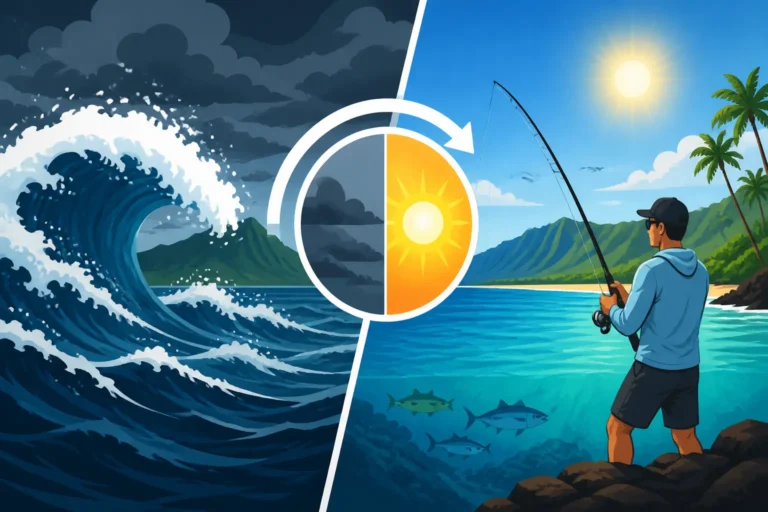
The ocean in Hawaii is a living, breathing entity, constantly influenced by tides, currents, and powerful swells that travel thousands of miles across the Pacific. Ignoring these forces is like trying to drive a car without knowing how to steer – you're just along for the ride, and it won't end well for your fishing efforts. Tides, while not as dramatic in height difference as some other places, still create crucial current flows, especially around points, channels, and harbor entrances. These currents can concentrate baitfish and, in turn, attract larger game fish. Imagine a strong outgoing tide flushing bait out of a bay; that's a prime feeding opportunity. Swells, on the other hand, bring immense power, carving out new structure, stirring up the bottom, and creating powerful rip currents. Fishing during or immediately after a big swell can be incredibly productive, as dislodged baitfish and invertebrates become easy prey. However, it's also when conditions are most dangerous, with rogue waves capable of sweeping you off the rocks. Learning to recognize the direction and strength of the swell, and how it interacts with the shoreline, will not only keep you safe but also point you to the most active feeding zones.
Marine Life Conservation Districts and Restricted Areas
Hawaii is fiercely protective of its natural resources, and rightly so. This means there are numerous areas designated as Marine Life Conservation Districts (MLCDs) or other restricted zones where fishing may be prohibited, limited, or subject to special rules. It’s absolutely essential to know where these are, as violations can lead to hefty fines and confiscation of your gear. For example, popular snorkeling spots like Hanauma Bay on Oahu or Kealakekua Bay on the Big Island are prime examples of MLCDs where fishing is either completely banned or highly restricted. You might find what looks like an ideal fishing spot, but if it falls within a protected zone, casting a line could land you in serious trouble. The best practice is to always consult the latest regulations from the Hawaii Department of Land and Natural Resources (DLNR) before heading out. Understanding Hawaii Marine Life Conservation Districts, Explained is crucial for any responsible angler. It's not just about avoiding trouble; it's about respecting the `aina (land and sea) and ensuring these incredible fisheries remain vibrant for future generations.
Essential Gear for Hawaii Shore Fishing
You wouldn't bring a butter knife to a sword fight, and you shouldn't bring inappropriate gear to Hawaii's rugged shorelines. The wrong setup here means lost fish, broken tackle, and a lot of frustration. Hawaiian shore fishing demands durability, power, and often, a surprising amount of finesse. For anyone serious about tackling the islands' unique angling challenges, investing in the right equipment is paramount.
Rods, Reels, and Lines for the Pacific Punch
When it comes to shore fishing in Hawaii, a lightweight freshwater spinning combo just won't cut it. You need gear that can stand up to powerful currents, sharp reef, and the sheer strength of hard-fighting tropical species. For general whipping and casting light to medium lures, a 9 to 11-foot medium-heavy to heavy action spinning rod is a popular choice. Look for rods with a fast taper for good casting distance and backbone to muscle fish away from structure. Paired with this, a robust spinning reel in the 5000-8000 size range, capable of holding at least 200-300 yards of 30-60 lb braided line, is ideal. Brands like Penn, Shimano, and Daiwa offer excellent saltwater-specific options that can handle the corrosive Hawaiian environment. For targeting larger ulua or using sliding bait rigs, anglers often step up to 12-14 foot heavy to extra-heavy "ulua rods" paired with conventional reels (like a Penn Squall or Shimano TLD) or even larger spinning reels (10000+ size) spooled with 80-100 lb braid. This heavy setup is necessary for launching big baits and then stopping powerful fish from reaching the reef. As for line, braided line is almost universally preferred for its strength-to-diameter ratio and lack of stretch, which provides excellent sensitivity. A 50-80 lb fluorocarbon leader of 3-6 feet is then tied to the braid, offering abrasion resistance against sharp rocks and reef, and increased stealth in clear Hawaiian waters.
Terminal Tackle and Baits for Shore Success
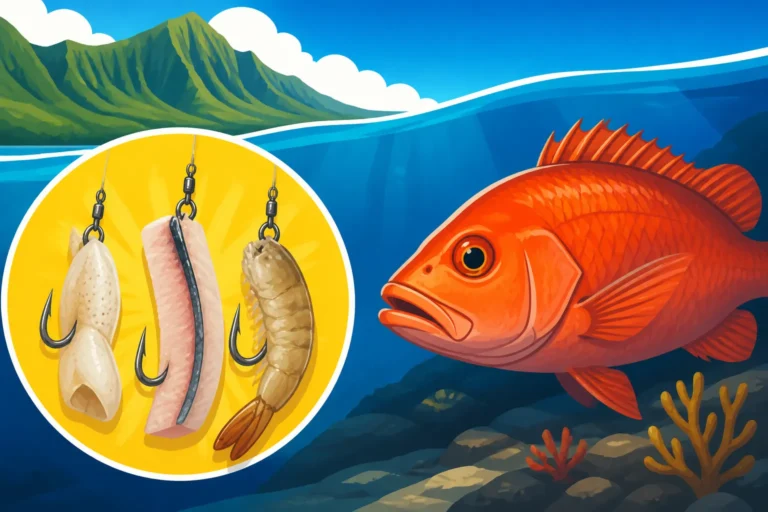
Once you have your rod, reel, and line sorted, it’s all about what goes on the business end. Hawaiian shore fishing requires a specific array of hooks, weights, and swivels to be effective. For whipping, you'll need an assortment of artificial lures like Kastmaster spoons (1-3 oz), poppers, stick baits, and soft plastics that imitate local baitfish. Popular colors often include chrome, blue, green, and pink. Make sure all hooks on your lures are strong, saltwater-grade treble hooks, or better yet, switch them out for heavy-duty single hooks to reduce snags and improve fish safety. When it comes to bait fishing, fresh is always best. Common baits include pieces of hage (needlefish), `ōpelu (mackerel scad), squid, or even shrimp. Many local anglers also use live bait when possible, catching small baitfish with a throw net or sabiki rig right at their fishing spot.
Weights are another critical component. Pyramid or bank sinkers ranging from 1 to 6 ounces are common for keeping bait on the bottom in strong currents, while lighter egg sinkers are used for sliding rigs. Always carry an assortment, as conditions can change rapidly. Robust swivels and snaps are necessary to connect leaders and lures, preventing line twist and ensuring quick changes. You can find a wide range of these specialized hooks, lures, and other tackle on online retailers like Amazon, making it convenient to stock up on essentials before your trip. Having a well-stocked tackle box means you're prepared for whatever the ocean throws at you, from finicky papio to hard-fighting ulua.
Essential Accessories for a Day on the Rocks
Shore fishing in Hawaii isn't just about the rod and reel; it's an adventure that often takes you to rugged, slippery, and exposed locations. Having the right accessories can make the difference between a memorable day and a miserable one. First and foremost, safety gear is paramount. Wading boots with felt or felt-spiked soles are non-negotiable for navigating slippery lava rock and uneven reef. A good pair of polarized sunglasses will help you spot fish, read changes in water color, and protect your eyes from the intense Hawaiian sun. Sun protection is critical: a wide-brimmed hat, long-sleeved UPF-rated shirt, and plenty of reef-safe sunscreen are a must.
Beyond safety, consider practicality. A sturdy backpack or tackle bag to carry your gear, water, and snacks is essential, especially if you're hiking to a remote spot. A reliable headlamp is a lifesaver for early morning starts or late-night finishes, common when targeting ulua. Pliers or a multi-tool are vital for cutting line, crimping sleeves, and removing hooks. And don't forget a cooler with ice for your catch – you'll want to keep those fresh fish in prime condition until you get them home. Many of these essential accessories, from quality wading shoes to sun-protective clothing, can be easily purchased through online platforms like Amazon, ensuring you're fully equipped before you even touch Hawaiian soil.
Popular Shore Fishing Techniques in Hawaii
Hawaii's shorelines offer a playground for anglers, but success often hinges on mastering specific techniques tailored to the local conditions and target species. Forget simply casting and waiting; these methods are active, engaging, and have been honed by generations of local knowledge.
Whipping for Papio and Other Reef Dwellers
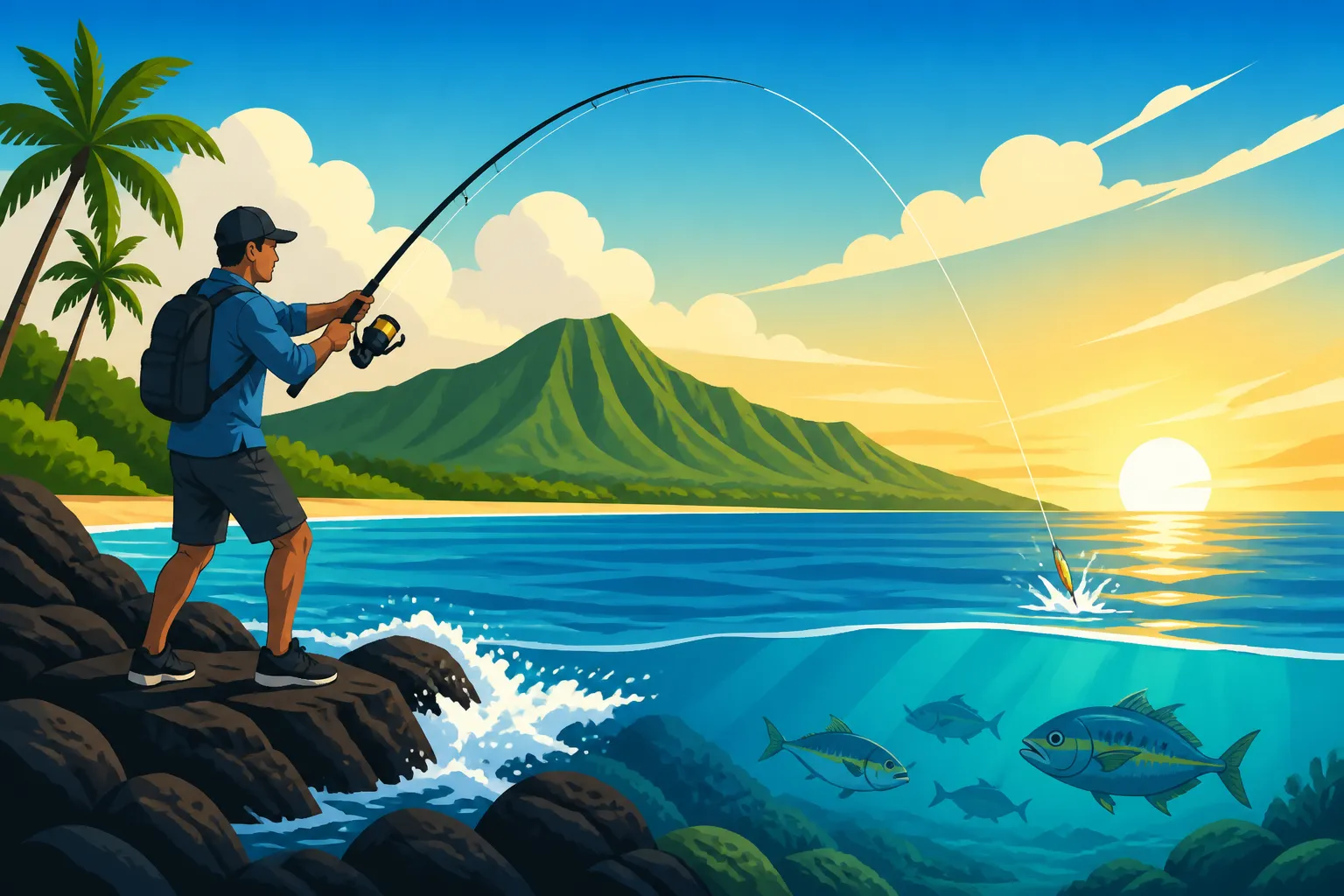
"Whipping" is arguably the most popular and exhilarating shore fishing technique in Hawaii, especially for targeting schooling fish like papio (juvenile trevally), kamanu (barracuda), and sometimes even small ulua. The technique involves rapidly casting and retrieving artificial lures, mimicking a fleeing baitfish. It's a high-energy method that requires constant casting, covering a lot of water to entice predatory fish. Anglers typically use a relatively light, yet powerful, spinning setup (9-11 ft rod, 5000-6000 size reel, 30-50 lb braid). The key is to find areas where baitfish congregate or where currents create feeding lanes, like around rocky points, sandy channels, or reef drop-offs.
When whipping, vary your retrieve speed and add twitches or pauses to make your lure look more alive. Sometimes a fast, erratic retrieve triggers a strike, while other times a slower, more methodical approach is needed. Popular lures include metal spoons (like the classic Kastmaster or Ahi Killer), poppers that create surface commotion, and various jerkbaits or soft plastics rigged with jig heads. Early mornings and late afternoons are often the most productive times, as fish are more actively feeding. The beauty of whipping is its versatility; you can target a wide range of species, and the visual thrill of a fish exploding on a topwater lure is unmatched. Mastering How to Catch Papio on Hawaii's Shoreline will significantly boost your whipping success.
Sliding Bait for Ulua and Larger Predators
If whipping is about speed and action, "sliding bait" is about patience and power, aimed at landing the true monsters of the Hawaiian shore: the ulua (giant trevally) and other large predatory fish like sharks or stingrays. This technique involves casting a heavy sinker far out into the ocean, letting it settle on the bottom, and then attaching a live or large dead bait to your main line via a specialized slider rig. The bait then "slides" down the line to the water, where it's carried by currents into deeper water or along the edge of a drop-off. This method allows you to present large baits in areas inaccessible with direct casting.
A typical sliding bait setup requires heavy-duty gear: a 12-14 foot extra-heavy ulua rod, a large conventional or spinning reel spooled with 80-100 lb braided line, and a long, stout leader (100-200 lb fluorocarbon) with a large circle hook. Popular baits include whole `ōpelu, hage, or even small moi. The waiting game can be long, often extending through the night, but the reward of hooking into a powerful ulua that can pull like a freight train is what keeps anglers coming back. This technique is often practiced from sturdy lava rock ledges or piers, where anglers can get their bait into deep water. For detailed instruction on this method, be sure to check out How to Catch Ulua from Shore.
Ewa-Style and Throw Netting (where permitted)
Beyond the rod and reel, other traditional and specialized techniques are practiced by local anglers in Hawaii, particularly for subsistence or catching bait. One such method is "Ewa-style" fishing, named after the Ewa plains of Oahu. This unique approach is often used for catching moi (Pacific threadfin) and involves using a long, slender bamboo pole (or a specialized rod) with a light line and a tiny, almost invisible hook baited with limu (seaweed) or a small piece of shrimp. Anglers gently dab the bait along sandy bottoms or calm reef fringes, targeting moi, which are known for their delicate bite. It's a method that requires incredible patience and a subtle touch, often done barefoot to feel the subtle vibrations of the ocean floor.
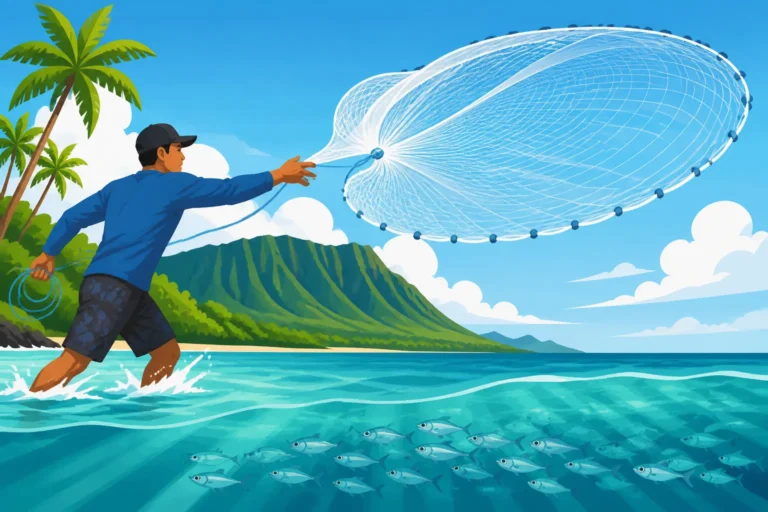
Another traditional and highly effective method for catching baitfish (and sometimes smaller eating fish) is "throw netting." This involves skillfully casting a circular net with weights around its perimeter, allowing it to spread open and sink over schools of small fish like `ōpelu or akule. Throw netting requires significant practice to master the casting technique and is heavily regulated. It's crucial to understand Hawaii Net Fishing Restricted Areas and possess the necessary permits or licenses if you intend to use a throw net, as misusing or illegally deploying one can lead to severe penalties. These methods connect anglers to the deeper cultural roots of fishing in Hawaii, emphasizing skill, knowledge of the environment, and respect for the resource.
Targeting Specific Species from Shore
The beauty of shore fishing in Hawaii lies in the incredible diversity of species you can encounter. From the spirited papio darting around the reefs to the elusive bonefish cruising the flats, each species offers a unique challenge and requires a tailored approach. Knowing what you're after and how to target it will greatly increase your chances of success.
Chasing Papio and Roi
Papio, the juvenile stage of ulua (giant trevally), are arguably the most commonly targeted and exciting fish for shore anglers using lighter tackle. They are aggressive, hard-fighting, and can be found in a variety of habitats, from rocky points to sandy beaches and reef edges. Their smaller size makes them ideal for whipping techniques with spoons, poppers, and soft plastics. Look for signs of baitfish schools or areas with current eddies that might concentrate their food. Early mornings and late afternoons are prime times, as are incoming and outgoing tides. When a school of papio is in a feeding frenzy, the action can be non-stop, offering a fantastic experience for anglers of all skill levels.
Roi (Peacock Grouper) is another common reef fish that can be targeted from shore, often by anglers seeking dinner. While considered an invasive species in Hawaii, they are abundant and can be caught using bait or artificial lures. They tend to hide in rocky crevices and coral heads, ambushing prey. Bottom fishing with chunks of bait (squid, fish pieces) on a simple high-low rig is effective for roi. You'll need stout tackle to pull them away from the structure quickly, as they will try to "rock you up" the moment they feel the hook. Always check Hawaii Bag and Size Limits by Species for specific regulations on papio and roi, as rules can change.
Hooking Ulua and Oio (Bonefish)
For many serious shore anglers, the ultimate prize is the ulua. These powerful giant trevally can grow to immense sizes and are pound-for-pound one of the hardest-fighting fish in the ocean. As discussed, targeting ulua typically involves the sliding bait technique with large, fresh baits, often fished through the night. Key locations for ulua include deep water access points, rocky ledges with strong currents, and the edges of significant drop-offs. Patience is a virtue when ulua fishing; you might spend many hours, or even multiple nights, without a bite, but the one you hook will be an unforgettable battle. A specific, heavy-duty rod and reel setup is essential to have any chance against these brutes.
On the lighter tackle side, the elusive oio, or bonefish, offers a thrilling challenge for sight-fishing enthusiasts. Hawaii's shallow sand and mud flats, particularly on Oahu, are famous for their healthy bonefish populations. Targeting oio requires stealth, a keen eye, and delicate presentations, often with small jigs, soft plastics, or flies that imitate shrimp and crabs. Wading quietly across the flats, spotting the "ghost of the flats" as it cruises for food, and then making an accurate cast is what makes bonefishing so addictive. For the best chances, explore Best Bonefishing Spots in Hawaii and consider hiring a local guide who knows the specific flats and tides.
Catching Moi and Uhu
Moi (Pacific Threadfin) hold a special place in Hawaiian culture, once reserved for royalty. Today, they are a highly prized table fish and a favorite target for shore anglers. Moi are typically found over sandy bottoms, often near reef edges or in calmer bays. They have a delicate bite and prefer subtle presentations. As mentioned earlier, the Ewa-style technique is very effective, using tiny hooks and natural baits like limu or small pieces of shrimp. You'll need light tackle and a sensitive rod to detect their gentle takes. Moi have a closed season during spawning to protect their populations, so always consult Hawaii Moi Closed Season, Explained before heading out.
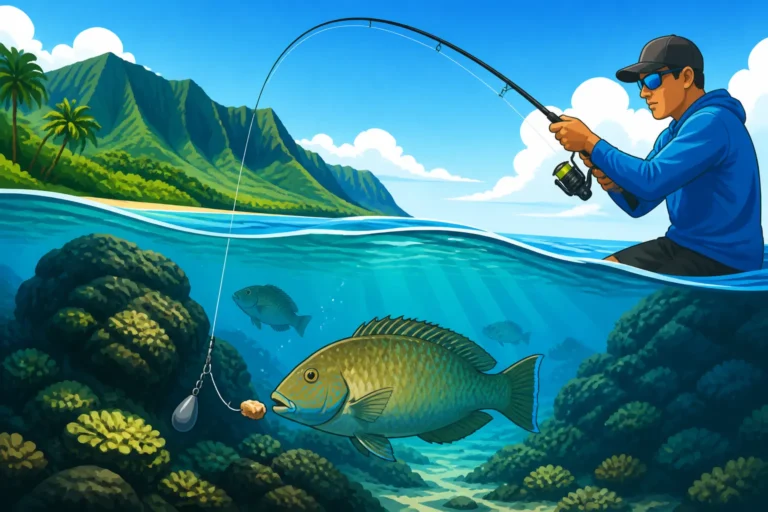
Uhu (Parrotfish) are another beautiful and delicious reef fish that can be targeted from shore, though they are primarily herbivorous, grazing on algae from rocks and coral. This makes them a bit more challenging to catch on traditional baits. Anglers often target them by using small pieces of limu or seaweed as bait, presented on light tackle directly into rocky areas where they feed. Spearfishing is also a popular method for uhu where legal, but for rod-and-reel anglers, a careful approach and understanding of their feeding habits are key. Like moi, uhu have specific regulations regarding size and bag limits, including a closed season for certain species, so always be aware of the Hawaii Uhu (Parrotfish) Size and Bag Limits. Respecting these rules helps ensure healthy populations for generations to come.
Reading the Ocean and Spot Selection
Choosing where to cast your line in Hawaii is far more critical than simply picking a pretty spot. The ocean holds secrets, and learning to "read" its subtle cues can dramatically improve your fishing success. It's about understanding how water moves, what lies beneath, and how fish interact with their environment.
Identifying Fishy Structure from Shore
Hawaii's volcanic origins mean that "structure" isn't always obvious from the shoreline. You're not just looking for a pier or a sandy beach. Instead, you're looking for underwater features that break the current, offer shelter, or concentrate baitfish. This includes rocky points that extend into the ocean, creating current eddies on their leeward side; channels or cuts through reef flats where fish might travel; offshore bommies (isolated coral heads) or lava fingers that rise from deeper water; and even subtle changes in bottom composition from sand to rock.
To spot these, look for changes in water color (darker water often indicates deeper areas or reef), white water breaking over submerged rocks, or even subtle current lines and rips. Sometimes, a high vantage point can offer a clearer view, allowing you to see further into the water and identify potential holding areas. Pay attention to bird activity too; diving birds often indicate baitfish schools, which means predatory fish are likely nearby. Don't be afraid to cast into seemingly barren areas if you suspect structure lies beneath, but be prepared for snags in rocky zones.
Using Water Conditions to Your Advantage
The clarity and movement of the water play a huge role in shore fishing success. Crystal clear, calm water might look inviting, but it can make fish very skittish, especially during the day. This is when stealth and natural presentations become paramount. Conversely, slightly turbid or "off-color" water, often caused by a recent swell or rain runoff, can be fantastic. The reduced visibility makes fish less wary, and the stirred-up bottom can dislodge food, triggering a feeding frenzy.
Current is another major factor. Fish are rarely found in dead, stagnant water. They position themselves in currents, either facing into the flow to ambush prey or tucked into eddies to conserve energy while waiting for food to wash by. Look for areas where currents are created or enhanced by natural features – a gap in the reef, a channel near a point, or even the outgoing flow from a bay. The push and pull of the ocean, especially during tide changes, can activate feeding behavior. Learning to identify these productive water conditions and adapting your technique accordingly is a skill that comes with experience and observation.
Understanding Tides and Their Impact
While Hawaii's tidal swings aren't as dramatic as some other coastlines, they still exert a significant influence on fish behavior and accessibility of fishing spots. The rising tide (incoming) can push baitfish closer to shore and flood shallow reef flats, allowing predators to move in and feed. Conversely, the falling tide (outgoing) can draw baitfish out of bays and channels, concentrating them at specific points where larger fish lie in wait.
Many experienced local anglers swear by fishing the "moving water" – the periods around high or low tide when the water is transitioning. Often, the hour before and after the peak of high or low tide can be the most productive. However, depending on the specific location and target species, one tide might be better than another. For instance, bonefish often prefer a rising or high tide to access their feeding flats, while ulua might be more active on an outgoing tide flushing bait. Keeping a tide chart handy and observing how different tides affect your chosen fishing spot will help you develop a deeper understanding of when and where to fish.
Safety and Etiquette for Hawaii Shore Anglers
Shore fishing in Hawaii is an incredible experience, but it comes with inherent risks and a deep cultural expectation of respect. Prioritizing safety and adhering to local etiquette isn't just about avoiding trouble; it's about honoring the `aina (land and sea) and ensuring a positive experience for everyone.
Prioritizing Personal Safety on Uneven Terrain
Hawaii's coastlines are beautiful, but they can be incredibly treacherous. Slippery, jagged lava rock, sudden drop-offs, powerful shore break, and rogue waves are constant hazards. Never turn your back on the ocean. Even on a calm day, a larger-than-average wave can sweep you off a rock ledge, with potentially fatal consequences. Always scout your spot during daylight hours before attempting to fish it in the dark. Wear appropriate footwear – felt-soled or spiked wading boots are non-negotiable for traction on wet lava.
Always tell someone where you're going and when you expect to return. Carry a fully charged cell phone, a headlamp (even if fishing during the day, for unexpected delays), and a basic first-aid kit. Consider fishing with a buddy, especially in remote areas or at night. If conditions look too rough or dangerous, it's always better to err on the side of caution and find another spot or fish another day. No fish is worth risking your life over.
Respecting the `Aina and Other Anglers
In Hawaii, the concept of `aina encompasses a deep reverence for the natural environment. This extends to fishing practices. Always pack out everything you pack in, and if you see any trash, take it with you. Do not leave broken lines, hooks, or other debris on the shoreline, as it can harm marine life and other users. Be mindful of the marine ecosystem; avoid trampling on coral or sensitive tide pool areas.
Beyond environmental respect, there's also etiquette towards fellow anglers and local communities. If a spot is already occupied, find another area or ask politely if there's room, giving them plenty of space. Avoid casting over other people's lines. Be quiet and respectful, especially near residential areas or at night. Many fishing spots are accessed through private or community land, so always respect property rights and avoid trespassing. Remember, you are a guest here, and demonstrating respect goes a long way. This includes understanding Hawaii shoreline fishing rights and public access rules.
Understanding Bag Limits and Regulations
The Hawaiian Islands have a complex but essential set of fishing regulations designed to protect their unique marine ecosystems. Ignorance of the law is no excuse, and wardens are diligent in their enforcement. Before every fishing trip, it's critical to familiarize yourself with the current Hawaii Fishing Regulations Explained. This includes understanding bag and size limits for specific species (e.g., papio, ulua, moi, uhu), closed seasons for certain fish or areas, and restrictions on gear types. For example, some areas may prohibit spearfishing, or limit the number of hooks per line.
Also, be aware that you do need a license for freshwater fishing in Hawaii, and while historically an ocean fishing license was not required for residents, that has changed in recent years for non-residents. While the requirement for a general marine recreational fishing license for all anglers has been discussed and implemented in phases, it's crucial to confirm the latest status. Check out Do You Need a Fishing License in Hawaii for the most up-to-date information. Carrying a copy of the regulations (many are available online as PDF) or having access to them on your phone is a smart move. When in doubt, call the DLNR Division of Aquatic Resources (DAR) for clarification. These regulations are in place to ensure sustainable fishing for everyone.
Seasonal Considerations for Shore Fishing
While Hawaii is often portrayed as an eternal summer paradise, the ocean seasons do shift, influencing fish behavior, migrations, and the overall productivity of shore fishing. Understanding these subtle changes can help you plan your trips for maximum success.
Year-Round Opportunities and Seasonal Peaks
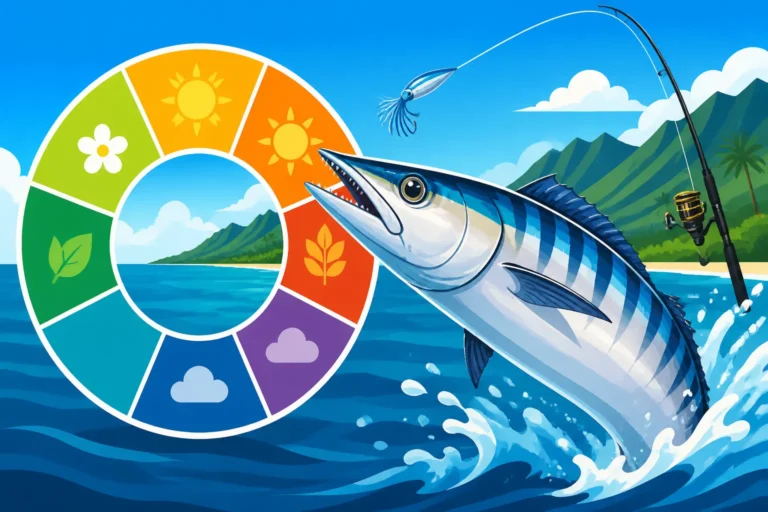
The great news for Hawaii anglers is that shore fishing is a year-round activity. There's almost always something biting, thanks to the consistent warm water temperatures. However, certain species have distinct seasonal peaks when they are more abundant, active, or in larger sizes. For example, while papio can be caught year-round, their activity might increase during specific times when baitfish schools are plentiful. Ulua are also present year-round, but many serious anglers target them more intensely during the cooler, stormier winter months when larger fish tend to move closer to shore.
The "summer doldrums" (roughly May to September) can bring very calm, clear conditions, which might make some inshore species more skittish during the day. However, these conditions can be excellent for sight fishing bonefish on the flats or for species that prefer less turbulent water. Conversely, the "winter swells" (roughly October to April) bring larger waves and stronger currents, which can stir up the bottom and create prime feeding conditions for predatory fish, making it a favorite time for ulua fishing. To truly optimize your outings, it's worth diving into resources like Best Time of Year to Fish in Hawaii.
Weather Patterns and Their Influence
Beyond just the seasons, daily and weekly weather patterns play a huge role in shore fishing success. A sudden drop in barometric pressure before a storm front, for example, can often trigger a feeding frenzy, as fish sense the impending change. Light rain can also be beneficial, washing terrestrial insects and detritus into the nearshore waters, attracting baitfish and then predators. However, heavy, prolonged rain can muddy the water, making it less appealing for sight feeders and potentially pushing some species further offshore.
Wind direction and strength are also critical. Strong onshore winds can make casting difficult, create rough, unmanageable surf, and pile up seaweed, making fishing nearly impossible. Offshore winds, on the other hand, often flatten the water, provide clearer conditions, and can make for much more comfortable and productive fishing. Always check the local marine forecast before heading out, paying close attention to swell height, wind speed, and direction. Learning to adapt your target species and fishing spot based on these forecasts is a hallmark of an experienced Hawaiian shore angler.
Specific Species Migrations and Spawning
Many of Hawaii's prized shore species exhibit seasonal migrations or distinct spawning periods, which directly impact when and where you can find them. Moi, for instance, have a very strict closed season during their spawning period, usually from June to August, to ensure population sustainability. Uhu (parrotfish) also have regulated closed seasons depending on the species. Understanding these biological cycles isn't just about adhering to regulations; it's about knowing when the fish are most likely to be present and active.
Some pelagic species, while primarily offshore, can sometimes venture closer to shore depending on bait concentrations or specific oceanic conditions. While you won't typically catch marlin from shore, you might encounter large schools of `ōpelu or akule during their seasonal runs, which in turn can attract larger predatory fish like papio or even small tuna species within casting range. Staying informed about these natural cycles, perhaps by chatting with local tackle shop owners or experienced anglers, can provide invaluable insights into seasonal hot spots and species availability.
Troubleshooting Common Shore Fishing Challenges
Even with the best gear and knowledge, shore fishing in Hawaii presents unique challenges that can test the patience of any angler. From constant snags to frustrating slow bites, knowing how to troubleshoot these common issues can save your day and keep your spirits high.
Dealing with Snags and Lost Tackle
The beautiful, jagged lava rock and vibrant coral reefs that make Hawaii's waters so productive are also notorious for snagging lines and gobbling up expensive tackle. It's a rite of passage for every Hawaiian shore angler to lose a significant amount of gear. However, there are ways to minimize the damage. When casting near structure, try to land your lure or bait in open pockets or sandy patches, and begin your retrieve immediately to keep your hook from sinking into the reef. If you feel a snag, don't just pull harder; sometimes, a gentle slackening of the line can free the hook from a crevice. Other times, applying steady, heavy pressure and then letting go repeatedly can "pop" the lure free.
Using a heavier leader (e.g., 60-80 lb fluorocarbon) can sometimes help retrieve snagged lures by allowing you to bend the hook out, but it also makes your rig less stealthy. Carrying a de-snagger tool can be a game-changer for retrieving expensive lures. Ultimately, prevention is key. Fish with an awareness of the bottom, adjust your weight to match the current, and consider using weedless hooks or single hooks instead of trebles in particularly snaggy areas. And always bring plenty of extra terminal tackle – hooks, sinkers, and leaders – because you will lose some.
Adapting to Changing Conditions
Hawaii's ocean conditions can change rapidly. A calm, clear morning can quickly turn into a windy, choppy afternoon, or a rising tide can create an unexpected current. The ability to adapt your strategy on the fly is crucial for success. If the water suddenly becomes muddy due to runoff, switch from natural-colored lures to brighter, more visible ones (like chartreuse or pink), or consider using baits with a strong scent. If the current picks up significantly, you might need to use heavier sinkers to keep your bait on the bottom, or switch to a different technique altogether, like whipping with heavier spoons that can cut through the current.
If the fish suddenly stop biting in one spot, don't be afraid to move. Even a short walk down the beach or around a point can put you into more productive water. Pay attention to what the ocean is telling you: Are birds working offshore? Is the water clearer or dirtier in a different area? Are there visible baitfish? Flexibility and a willingness to experiment with different lures, baits, retrieve speeds, and depths are often the keys to unlocking a bite when conditions are tricky.
Overcoming a Slow Bite
Every angler experiences slow days, and Hawaii is no exception. It can be incredibly frustrating to stand on a beautiful shoreline for hours with no action, but don't give up! When the bite is slow, it's time to get creative and methodical. First, re-evaluate your spot: Is there current? Is there structure? Are there any signs of bait? If not, consider moving to a more promising area. Next, think about your presentation. Are you using the right bait or lure for the conditions? Fish might be finicky and prefer a smaller bait, a different color lure, or a slower, more subtle retrieve.
Try varying your retrieve speed, adding pauses, or fishing different depths if possible. If using bait, ensure it's fresh and well-presented. Sometimes, switching from artificial lures to natural bait can make all the difference. Consider downsizing your leader for increased stealth in clear water, or going with a lighter line. Chatting with other anglers (respectfully, of course) can sometimes offer clues or insights into what's been working. Remember, even on a slow day, just being out on Hawaii's stunning shoreline is a reward in itself. The fish will come.
Disclaimer
Fishing inherently involves risks, including but not limited to adverse weather, dangerous terrain, and encounters with marine life. The information provided in this guide is for informational purposes only and should not be considered a substitute for personal judgment, professional advice, or adherence to all local, state, and federal laws and regulations. Always prioritize your safety, respect the environment, and be aware of all current fishing licenses, bag limits, and size restrictions as set by the Hawaii Department of Land and Natural Resources (DLNR). Regulations can change, so it is your responsibility to verify the most up-to-date rules before engaging in any fishing activity.