How to Catch Papio on Hawaii’s Shoreline
The thrill of battling a strong, feisty fish from the shoreline is an experience many anglers in Hawaii cherish, and when that fish is a papio, it's particularly special. For many, the frustration often starts with knowing where to find these elusive creatures, let alone how to entice them to bite amidst the vastness of our beautiful Pacific waters. This comprehensive guide is designed to cut through that confusion, giving you the real-world insights and practical strategies you need to successfully target and catch papio from the rugged and diverse shorelines of Hawaii.
Understanding the Elusive Papio: Our Shoreline Fighters
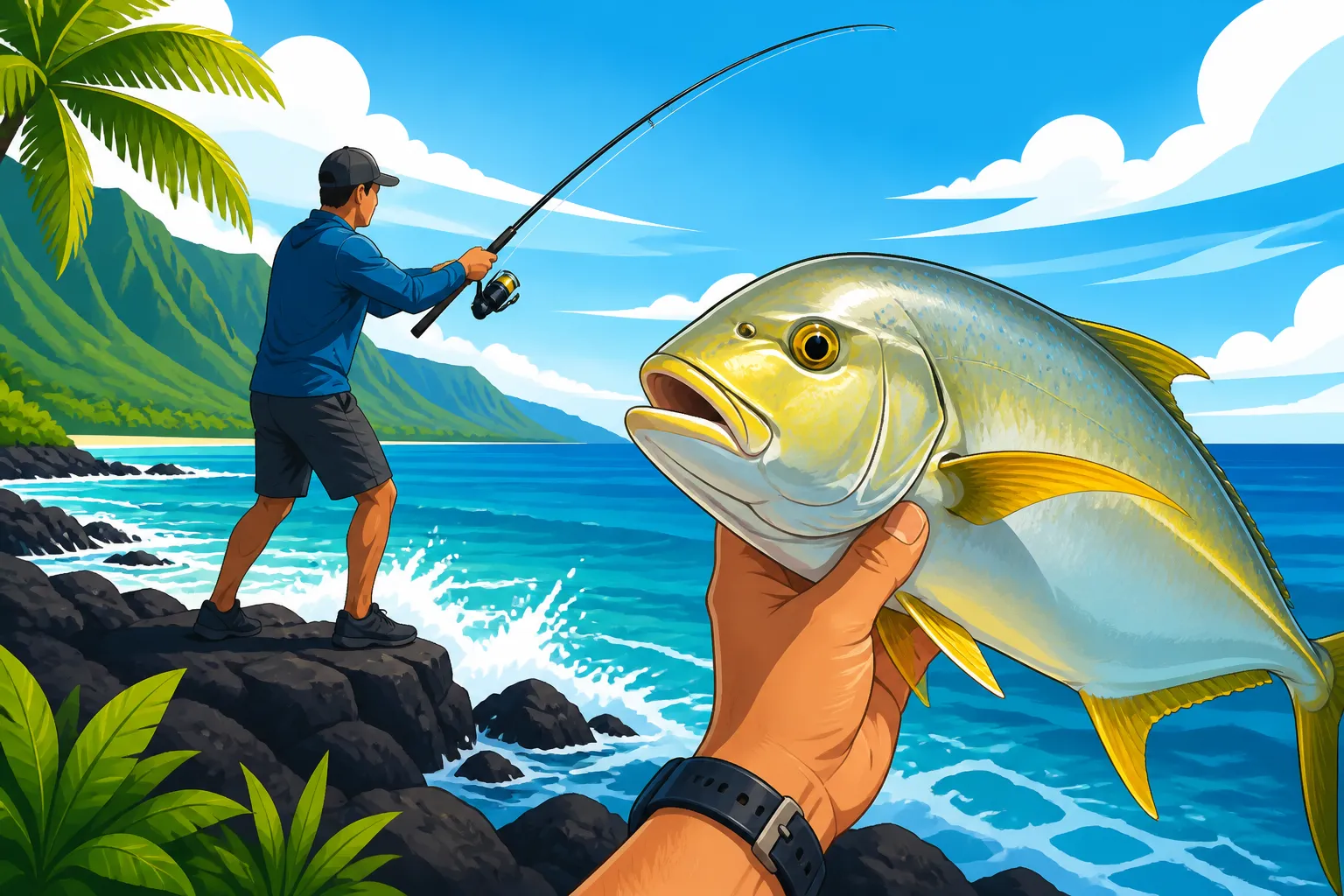
Before you even think about casting a line, getting a solid grasp on what papio are, where they hang out, and what makes them tick is absolutely crucial. Papio is the local Hawaiian term for juvenile trevally, specifically referring to the smaller versions of species like the giant trevally (ulua), bluefin trevally, and golden trevally. These aren't just any small fish; they're future giants, already packed with incredible fight and cunning. They might be small now, but their instinct to ambush and their sheer power make them formidable opponents, especially on light tackle.
Papio Species You'll Encounter
When we talk about papio, we're generally lumping together several different species of juvenile trevally, but a few stand out as common catches from the shore. The most sought-after is often the juvenile giant trevally, which will eventually grow into the mighty ulua. Then there's the bluefin trevally papio, recognizable by its darker blue fins, and the golden trevally papio, which sports a lovely yellow hue and often follows larger fish. Each of these has slightly different preferences, but generally, they share similar habits that make them excellent targets for shoreline anglers. The trick is to identify them correctly, not just for bragging rights, but also because some, as they grow, might fall under different size and bag limits set by the state. Learning about their specific characteristics and behaviors will definitely improve your chances.
Preferred Habitats and Feeding Behavior
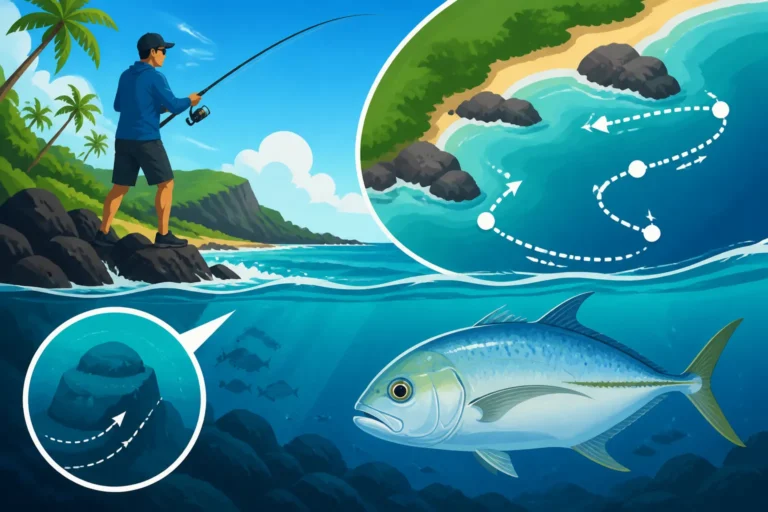
Papio are opportunistic predators, and their habitats reflect this. You'll find them lurking anywhere baitfish or crustaceans might be hiding. Think rocky points, coral reef flats, sandy channels adjacent to reefs, and even harbor entrances. They love structure – places where they can ambush prey or hide from larger predators themselves. This means looking for anything that breaks up the current or provides cover: lava rock formations, submerged ledges, tide pools, and even the shadow lines cast by piers or jetties. Their feeding behavior is aggressive and swift. They'll often school up and hunt cooperatively, herding baitfish against structure before striking. They're particularly active during periods of strong water movement, like incoming or outgoing tides, which disorients bait and makes it easier for them to hunt. Understanding these patterns is key to positioning yourself for success. If you want to dive deeper into how these juveniles transition, check out our guide on Papio Growth Stages Into Trophy Ulua.
Essential Gear for Shoreline Papio Success
Having the right tools for the job is non-negotiable when you're targeting papio from the shore. This isn't just about having a rod and a reel; it's about having the right rod and reel that can stand up to the rigorous demands of Hawaiian shoreline fishing and the powerful surges of a hooked papio. Believe me, a weak setup will lead to heartbreak and lost fish, and nobody wants that after battling the elements to get to your favorite spot.
Rods, Reels, and Line Choices
For shoreline papio, you'll generally want a medium to medium-heavy spinning rod, typically between 7 to 10 feet in length. The extra length helps with casting distance, which is often crucial when trying to reach deeper channels or outer reef lines. A fast action tip with a strong backbone is ideal, allowing for both accurate casting of lighter lures and the power needed to turn a charging fish away from sharp coral. For reels, a 4000 to 6000 series spinning reel from a reputable brand like Penn, Shimano, or Daiwa is a solid choice. It needs to have a smooth drag system and enough line capacity to handle those powerful runs.
Speaking of line, braided line is almost universally preferred for papio. It offers superior casting distance due to its thinner diameter, incredible sensitivity to feel those subtle bites, and most importantly, incredible strength for its size. I’d recommend 20 to 40-pound test braided line. You'll want to connect this to a fluorocarbon leader, typically 20 to 50-pound test, using a strong knot like an FG or a Double Uni. Fluorocarbon is less visible in the water and more abrasion-resistant, which is vital when fishing around sharp rocks and coral. If you're looking to upgrade your setup, you can find a wide array of options on Amazon, from high-performance rods to durable braided lines, all delivered right to your door.
Terminal Tackle: Hooks, Sinkers, and Swivels
Your terminal tackle is the business end of your fishing setup, and getting it right can mean the difference between a successful hook-up and a frustrating miss.
- Hooks: For bait fishing, strong, sharp circle hooks or J-hooks are essential. Sizes can range from 1/0 to 4/0, depending on your bait size and target papio. Circle hooks are often favored because they tend to hook fish in the corner of the mouth, reducing gut-hooking and making catch-and-release easier, which is especially important for smaller papio that you want to grow into ulua.
- Sinkers: The type and weight of your sinker will depend entirely on the conditions. For whipping with lures, you often won't need a sinker. But for bait fishing, especially in strong currents, pyramid sinkers or Sputnik sinkers (known for their ability to grip the bottom) from 1 to 4 ounces are common. You want just enough weight to hold your bait in place without spooking the fish or making it unnatural.
- Swivels: High-quality barrel swivels or ball bearing swivels (size 4-7) are crucial for preventing line twist, especially when using spinning gear or casting lures that spin. Always opt for strong, corrosion-resistant swivels, as the saltwater environment is tough on gear. Don't skimp on these small but mighty components, as a failed swivel can cost you a trophy papio.
| Gear Category | Item Type | Recommended Specifications | Key Considerations |
|---|---|---|---|
| Rods | Spinning Rod | 7-10 feet, Medium to Medium-Heavy power, Fast action | Casting distance, backbone for fighting fish, sensitivity |
| Reels | Spinning Reel | 4000-6000 series | Smooth drag, line capacity, saltwater resistant |
| Main Line | Braided Line | 20-40 lb test | Casting distance, sensitivity, strength, low stretch |
| Leader Line | Fluorocarbon Leader | 20-50 lb test | Low visibility, abrasion resistance, knot strength |
| Hooks | Circle or J-hooks | 1/0 – 4/0 | Sharpness, strength, appropriate size for bait, C&R friendly (circle hooks) |
| Sinkers | Pyramid/Sputnik (baiting) | 1-4 oz (conditions dependent); no sinker for lure casting | Hold bottom in current, avoid spooking fish, castability |
| Swivels | Barrel/Ball Bearing Swivels | Size 4-7 (rated for main line/leader strength) | Prevent line twist, strong, corrosion-resistant |
| Lures | Poppers, Jigs, Spoons | 1/2 oz – 2 oz (various colors, baitfish patterns) | Mimic local bait, casting weight, action in water |
| Bait (Live/Cut) | Opelu, Akule, Oama, Squid | Fresh and lively for live bait, fresh for cut bait | Local availability, target species preference, size for hook |
| Pliers/Forceps | Long-nose, Stainless Steel | Rust-resistant, strong jaws | Hook removal, cutting line, crimping |
| Casting Gloves | Fingerless or Full-finger | Durable material, good grip | Protect hands from line cuts and abrasions during powerful casts |
Prime Locations for Shoreline Papio in Hawaii
You can have the best gear and the freshest bait, but if you're not fishing where the papio are, you're just getting exercise. Finding the right spot is a skill that comes with observation, local knowledge, and a little bit of adventurous spirit. Hawaii's diverse coastline offers countless opportunities, but certain features consistently attract these aggressive predators.
Rocky Points and Lava Rock Formations
One of the absolute best places to find papio are along rocky points and intricate lava rock formations. These areas create natural current breaks and eddies, which are perfect ambush points for papio. The jagged underwater structure also provides excellent cover for their prey – small baitfish, crabs, and shrimp. When water rushes past these points, it churns up nutrients and disorients bait, making it an easy meal for waiting papio.
When targeting these spots, look for areas where the waves crash against the rocks, creating white water. This turbulent zone is often where papio will hunt. Cast your lures or bait into the white water or along the edges of the current seams. Be prepared for quick strikes and immediate battles, as papio hooked in these areas will try to dart back into the structure, risking a cut-off. Some of the most productive rocky points can be found along the Kona Coast on the Big Island or the rugged windward shores of Oahu. Always be mindful of the ocean conditions and your footing on slippery rocks.
Reef Flats and Channels
Reef flats, especially those with deeper channels running through or adjacent to them, are another prime papio hunting ground. These expansive, relatively shallow areas are teeming with marine life, making them a buffet for hungry papio. The channels act like highways, providing deeper access for papio to move onto and off the flats with the tide, and also serving as migration paths for schools of baitfish.
When fishing a reef flat, pay attention to the tide. Papio often move onto the flats during incoming tides to feed, retreating to the safety of deeper channels as the tide drops. Look for signs of baitfish activity –nervous water, splashes, or even small birds diving. Casting small poppers or shallow-diving crankbaits across the flats, particularly near the edges of channels, can be incredibly effective. For those who enjoy getting into the water, wading these flats, carefully, can give you access to untouched areas. Learn about Wading Techniques for Hawaii Shore Fishing to ensure your safety and success.
Harbor Entrances and Sandy Beaches Near Structure
Don't overlook man-made structures and seemingly less exciting spots like sandy beaches – especially if they're close to a rocky outcrop or a harbor entrance. Harbor entrances are natural funnels for baitfish, and the deeper water combined with the current makes them ideal feeding zones for papio. The convergence of different water types (inshore vs. offshore) often concentrates bait, making them easy targets.
Sandy beaches, while often associated with calmer species, can be fantastic for papio, particularly if there's a nearby rocky point, a submerged reef, or a sudden drop-off. Papio will patrol these areas, especially at dawn and dusk, looking for small crustaceans or baitfish that venture too far from cover. Look for slight depressions in the sand, areas of darker water indicating a change in depth, or any kind of current rip that might congregate bait. Using light tackle and casting small jigs or metal spoons can be highly effective in these spots. Places like Kewalo Basin on Oahu or Maalaea Harbor on Maui often hold papio near their entrances.
Effective Papio Fishing Techniques from Shore
Now that you know where to find them and what gear you need, let's talk about the fun part: how to actually catch a papio! There are several tried-and-true techniques that Hawaii's local anglers employ, and mastering them will significantly boost your success rate. Each method has its time and place, depending on the conditions and the specific spot you're fishing.
Whipping and Plugging
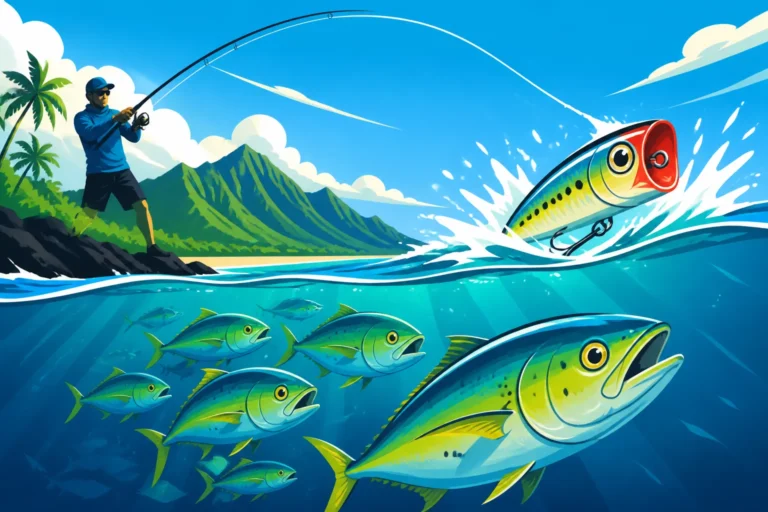
"Whipping" is a popular and highly effective technique for papio, and it essentially involves casting and retrieving artificial lures rapidly. This method is incredibly active and requires constant engagement, making it a favorite for those who love the thrill of an aggressive strike. The goal is to imitate a fleeing baitfish, triggering a predatory response from the papio.
For whipping, you'll want to use lures like metal spoons, small Kastmasters, lipless crankbaits, or even small soft plastics rigged on a jig head. Cast your lure as far as you can, let it sink for a few seconds (depending on water depth), and then retrieve it with a series of quick twitches and pauses. Vary your retrieve speed and action until you find what the papio are responding to. Sometimes a steady, fast retrieve works best, other times it's a stop-and-go action that mimics an injured baitfish. The key is to cover a lot of water and present a tempting target. Many anglers find the "Whip It" lure a local favorite, but brands like Luhr-Jensen and even some readily available options on Amazon offer great alternatives. Practicing your Best Casting Technique for Shore-Based Papio will definitely improve your reach and accuracy.
Dunking (Bait Fishing)
While whipping is exciting, sometimes papio just prefer a natural, presented meal, and that's where "dunking" comes in. This is essentially bait fishing, allowing a natural bait to sit in a likely feeding zone, relying on the papio's keen sense of smell and opportunistic nature. Dunking is often less active than whipping, making it a great choice for soaking bait during prime feeding windows or when the fish are less aggressive.
For dunking, you'll need fresh bait (more on that below), a sinker to hold your bait on the bottom, and a strong leader with a sharp hook. Cast your bait out into a channel, a deeper hole near a reef, or along a current seam. Let your sinker hit the bottom, and then slightly reel in any slack to feel for bites. Sometimes papio will pick at the bait, other times they'll hammer it. It requires patience, but when that rod tip bends over, the fight is on! This method is particularly effective for larger papio or when fishing during slower periods. Be sure to use enough weight to prevent your bait from being swept away by strong currents, which is a common challenge in Hawaii's waters.
Slide Baiting for Larger Papio and Ulua
For those aiming for bigger papio or even the occasional juvenile ulua, slide baiting is a highly specialized and effective technique. This method allows you to present a large, often live, bait far offshore without having to cast it directly. It’s a bit more involved but can yield truly impressive results.
The basic setup involves casting a heavy sinker and leader out as far as possible, getting it to hold on the bottom. Once your main line is tight, you then attach a live or large cut bait to a specialized "slide" rig that clips onto your main line. The current or a gentle pull then carries this bait down your main line, out towards your anchor weight. This allows you to present substantial baits far beyond normal casting range, often in deeper water where bigger papio and ulua might be lurking. You'll need a very sturdy rod and reel for this, capable of handling the heavy sinker cast and the powerful strike of a large fish. Learning How to Catch Ulua from Shore goes hand-in-hand with mastering this technique, as papio are simply the younger versions of these magnificent fish.
Best Baits and Lures for Papio
What you put on your hook or tie to your line can make all the difference. Papio are not overly picky, but they do have preferences, and matching the hatch (or at least presenting something enticing) is key. Local knowledge about baitfish in the area you're fishing will give you a significant advantage.
Live Bait and Cut Bait Favorites
When it comes to bait, fresh is always best. Live bait is often irresistible to papio, as it perfectly mimics their natural prey.
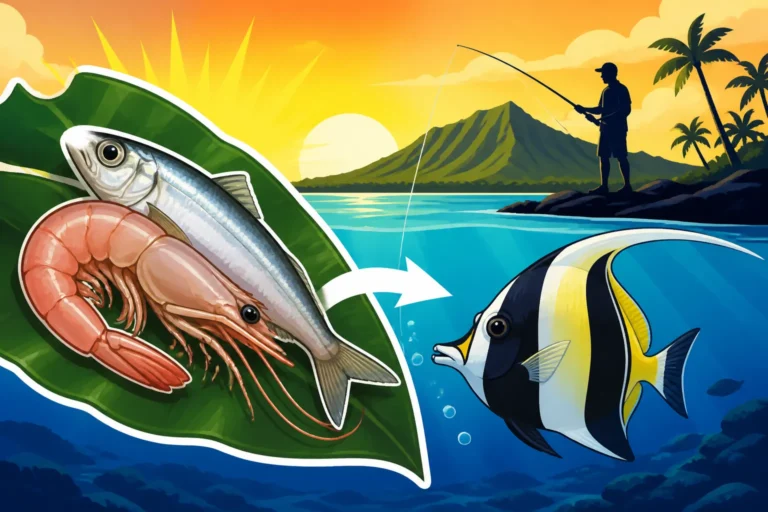
- Oama: These small juvenile goatfish are absolute papio magnets. They are often netted in shallow, protected waters during certain seasons. A lively oama hooked through the nose or back will swim naturally and drive papio wild.
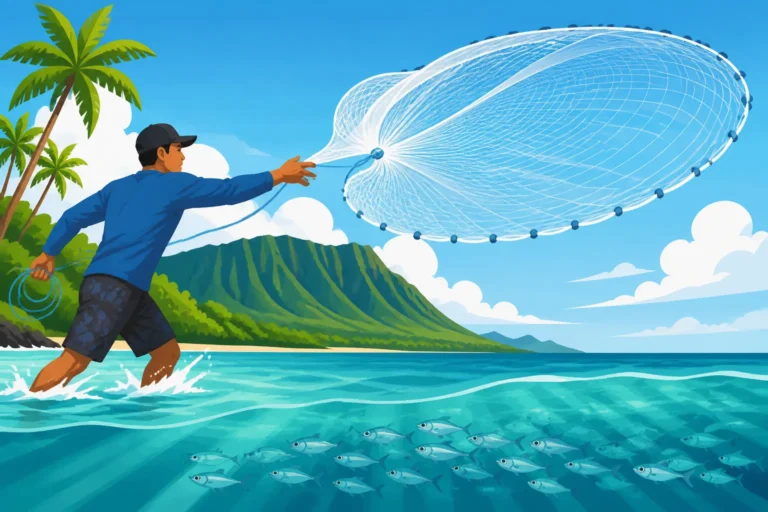
- Akule (Bigeye Scad) and Opelu (Mackerel Scad): Larger papio love these baitfish. Small akule or opelu, either live or cut into chunks, are excellent choices, especially when fishing deeper channels or around harbor entrances. You can catch your own with small nets or Sabiki rigs.
- Shrimp and Crabs: These crustaceans are natural forage for papio, especially smaller ones on the reef flats. Live shrimp, or even chunks of fresh crab, can be highly effective, particularly when jigged slowly along the bottom.
- Squid: Fresh squid, cut into strips or small chunks, is a universal bait that works for almost anything, including papio. It’s tough, stays on the hook well, and has a strong scent trail.
Always try to match your bait size to the papio you're targeting. Too big, and they might ignore it; too small, and you might get picked apart by smaller fish.
Top Artificial Lures and Their Presentation
Artificial lures are fantastic for covering a lot of water and actively seeking out fish. The key is to select lures that mimic local baitfish and to present them with action.
- Metal Spoons: Classic metal spoons like the Kastmaster or Toby are incredibly versatile. They cast far and have a seductive wobbling action on the retrieve. Silver, gold, or blue and silver combinations are generally effective. Retrieve them steadily, or with a retrieve-and-fall action to imitate a struggling baitfish.
- Poppers and Surface Lures: Nothing beats the excitement of a topwater strike! Poppers, chuggers, and walk-the-dog style lures are fantastic, especially during dawn and dusk when papio are actively feeding on the surface. Work them with a series of jerks and pauses to create splashes and mimic a panicked baitfish. For more on this, check out Topwater Fishing for Papio in Hawaii.
- Jigs and Soft Plastics: Small jigs (1/4 to 1 oz) with bucktail or soft plastic bodies are very effective, especially when fishing deeper areas or around structure. Soft plastics that imitate shrimp, small fish, or grubs, rigged on a jig head, can be deadly. Vary your retrieve from a slow crawl along the bottom to a fast twitching action through the water column. Pearl white, chartreuse, or natural baitfish colors are great starting points. You can find a huge variety of these lures on Amazon, often in multi-packs, making it easy to experiment.
- Small Plugs and Crankbaits: Shallow-diving plugs that imitate small fish can also work wonders, especially over reef flats or near channel edges. Look for lures that have a tight wobble and come in natural baitfish patterns.
Experimentation is key with lures. What works one day might not work the next. Pay attention to the conditions, water clarity, and any signs of baitfish, and adjust your lure choice and retrieve accordingly.
Timing Your Papio Pursuit: Tides, Times, and Seasons
Fishing in Hawaii isn't just about showing up with a rod and reel; it's about understanding the rhythm of the ocean. Papio, like most predatory fish, are highly influenced by environmental factors. Being in the right place at the right time significantly increases your chances of success.
Best Tide Stages for Papio
Tides are arguably the single most important factor when targeting papio from the shoreline. The movement of water associated with tides creates currents, stirs up nutrients, and disorients baitfish, all of which trigger papio to feed aggressively.
- Incoming Tide: As the tide rises, water pushes over reef flats and into shallow areas, bringing with it fresh bait and oxygen. This is an excellent time for papio to move onto the flats and hunt. Fish the leading edge of the incoming tide, especially around points and channels that connect to deeper water.
- Outgoing Tide: As the tide recedes, water pulls off the flats and back into deeper channels, often carrying baitfish with it. Papio will position themselves at the mouths of channels or along drop-offs to ambush this outflow of food. Fishing the last hour of a high tide and the first two hours of an outgoing tide can be exceptionally productive.
- Slack Tide: The period of slack water at the peak of high or low tide is generally the slowest for papio, as there's less current to trigger their feeding instincts. While you can still catch fish, your chances are usually better during moving water.
Strong tidal movements, particularly around new and full moons, tend to produce more active feeding periods. Always consult a local tide chart for your specific fishing location before heading out.
Time of Day and Moon Phases
Beyond tides, the time of day and the moon's influence also play significant roles.
- Dawn and Dusk: These low-light periods are universally recognized as prime feeding times for most predatory fish, and papio are no exception. The changing light conditions provide them with a tactical advantage over their prey, and baitfish are often more active during these transitions. The hour before sunrise and the hour after sunset are often magical times for shoreline papio.
- Night Fishing: Don't discount night fishing for papio, especially for larger specimens. Under the cover of darkness, papio become even bolder. Fishing under streetlights, dock lights, or with a portable lantern can attract baitfish, which in turn attracts papio. Large cut baits or slow-retrieved dark-colored jigs can be effective after dark. Many experienced local anglers swear by fishing during specific moon phases for bigger ulua, which also applies to their juvenile papio stages. For more on this, consider our guide on Best Time of Day to Catch Ulua.
- Moon Phases: While tides are directly driven by the moon, the overall phase can affect fish behavior. The periods around the new moon and full moon, when tidal swings are most extreme (known as "spring tides"), are often considered the best for active feeding. During the quarter moon phases ("neap tides") when tidal movement is weaker, fishing can be slower.
Seasonal Considerations
While Hawaii doesn't experience the drastic seasonal changes of temperate climates, there are subtle shifts that can affect papio fishing.
- Winter (Rougher Seas): The winter months often bring larger swells, particularly to the north shores of the islands. While this can make shoreline fishing challenging and even dangerous in some spots, it can also stir up food and bring baitfish closer to shore in more protected areas. Fishing the calmer, leeward sides of the islands can be productive during this time.
- Summer (Calmer Seas): Summer generally offers calmer ocean conditions, making more shoreline spots accessible. This can be a great time for wading reef flats and exploring new areas. Baitfish are abundant, and papio are often actively feeding.
Ultimately, pay attention to local conditions. If the water looks murky after heavy rain, or if there's an unusual amount of debris, fishing might be slower. Clear, moving water with signs of baitfish is always a good indicator.
Safety and Regulations for Shoreline Papio Anglers
Fishing our beautiful Hawaiian waters is a privilege, and it comes with responsibilities – both to your personal safety and to the health of our marine environment. Understanding and adhering to local regulations and practicing safe angling habits are paramount. There's nothing worse than getting a fine or, even worse, getting injured because you weren't prepared.
Hawaii Fishing Regulations
The State of Hawaii, through the Department of Land and Natural Resources (DLNR) Division of Aquatic Resources (DAR), has specific regulations in place to protect our precious marine resources. These regulations cover everything from size limits, bag limits, and closed seasons for certain species, to permitted gear and restricted areas.
- Size and Bag Limits: Papio, as juvenile trevally, are subject to specific size and bag limits once they reach a certain size, transitioning into ulua. It's crucial to know the current Hawaii Papio and Ulua Size Rules. These regulations can change, so always check the latest DLNR DAR rules before you head out. Generally, there's a minimum size limit for ulua, and any papio below that size should be carefully released.
- Restricted Areas: Certain areas, such as Marine Life Conservation Districts (MLCDs) like Hanauma Bay, are strictly protected, and fishing or the removal of any marine life is prohibited. Other areas might have specific gear restrictions or seasonal closures. Knowing where you can and cannot fish is vital. Our guide on Hawaii Marine Life Conservation Districts, Explained can help clarify these areas.
- Gear Restrictions: While typically geared more towards commercial fishing, there are general rules about net fishing or the use of certain types of gear that can harm the environment. For shoreline fishing with rod and reel, most standard practices are fine, but always be aware.
- Licenses: For recreational ocean fishing, Hawaii residents do not currently need a license. Non-residents, however, do require one. If you're visiting, make sure you have your Hawaii Nonresident Marine Fishing License, Explained in order. Even if not strictly required for residents, understanding Hawaii Fishing License Guide for 2026 is good practice for all anglers.
Always practice catch and release for smaller papio. Handle them gently, minimize their time out of water, and use de-hooking tools if possible to ensure they swim away strong and healthy to grow into future ulua.
Ocean Safety for Shoreline Anglers
Hawaii's ocean is magnificent, but it can also be unforgiving. Safety should always be your number one priority when fishing from the shoreline.
- Observe Ocean Conditions: Before you even step onto the rocks, spend time watching the waves and currents. Look for rogue waves, strong surges, or dangerous rip currents. Never turn your back on the ocean. If conditions look too rough or unpredictable, it's always better to err on the side of caution and find a safer spot or fish another day.
- Footwear: Wear sturdy, closed-toe shoes with excellent grip (like tabi boots or reef shoes) when fishing rocky areas. Slippery rocks covered in limu (algae) are a serious hazard. Bare feet or flip-flops are an invitation for injury.
- Awareness of Surroundings: Be mindful of slippery spots, jagged rocks, and unstable ledges. Don't venture too close to the water's edge if there's a risk of being swept in. Inform someone of your fishing plans and expected return time, especially if you're fishing alone in a remote area.
- Sun Protection: The Hawaiian sun is intense. Wear a wide-brimmed hat, sunglasses, and long-sleeved sun-protective clothing. Apply reef-safe sunscreen frequently. Dehydration can also be a serious issue, so bring plenty of water.
- Bring a First-Aid Kit: Minor cuts and scrapes are common when fishing around rocks. A small, well-stocked first-aid kit can address these issues quickly.
- Trash In, Trash Out: Always pack out everything you pack in, and if you see any trash left by others, consider taking that out too. Let's keep our beautiful coastlines pristine for everyone.
Handling Your Catch and Beyond
So, you've battled a feisty papio and successfully landed it on the shore. Now what? The final steps of your fishing adventure involve properly handling your catch, whether you intend to release it to grow bigger or take it home for a delicious meal. How you handle the fish post-catch can significantly impact its survival or the quality of its meat.
Releasing Papio Safely
Many anglers choose to release smaller papio, recognizing their potential to grow into large ulua. Practicing proper catch-and-release techniques is vital for the survival of these fish.
- Minimize Handling: The less you handle the fish, the better. Try to keep it in the water as much as possible while removing the hook. If you must bring it out, do so quickly.
- Wet Hands: Always wet your hands before touching the fish. Dry hands can remove the protective slime coat, making the fish more susceptible to disease.
- Support the Fish: If taking a quick photo, support the fish horizontally with both hands, one under the belly and one near the tail. Avoid holding it vertically by the jaw or gill plate, as this can damage its internal organs.
- Quick Hook Removal: Use needle-nose pliers or a de-hooking tool to quickly and gently remove the hook. If the hook is deeply embedded and cannot be easily removed, consider cutting the line as close to the hook as possible; often, the hook will rust out.
- Revival: If the fish seems stressed or tired, hold it gently in the water, facing into a gentle current, until it regains strength and swims away on its own. Never just toss a tired fish back into the water.
By following these steps, you contribute to a healthy and sustainable papio population for future generations of anglers.
Preparing Papio for the Table
If you've landed a legal-sized papio and decide to take it home for dinner, you've got a treat in store. Papio meat is firm, white, and delicious, perfect for a variety of culinary preparations.
- Bleeding and Icing: To ensure the best eating quality, it's best to bleed your fish immediately after catching it. A quick cut to the gills will allow the blood to drain, resulting in whiter, tastier fillets. Then, place the fish on ice as soon as possible. Keeping it cold is crucial for preserving its freshness and flavor. A good cooler is an essential piece of equipment for any angler planning to keep their catch.
- Cleaning and Filleting: Once home, you'll need to clean and fillet your papio. Start by scaling and gutting the fish. Then, using a sharp fillet knife, carefully remove the fillets from both sides of the backbone. Papio have relatively few bones, making them easy to fillet. You can also leave the skin on for grilling or remove it, depending on your preference.
- Cooking Methods: Papio is incredibly versatile. It can be grilled, pan-fried, baked, or even used in poke. Many local recipes call for simple preparations to let the natural flavor of the fish shine through. Consider seasoning with local Hawaiian salt, pepper, and a squeeze of lemon or lime, perhaps with a sprinkle of fresh herbs like cilantro or green onion. A simple pan-fry with a light batter is a classic way to enjoy its firm, flaky texture.
Remember, always respect the fish and the regulations, and you'll not only enjoy a fantastic fishing experience but also some incredible local cuisine.
Disclaimer
Please be aware that fishing regulations in Hawaii, including bag limits, size restrictions, and protected areas, can change. It is always your responsibility as an angler to consult the most current rules and regulations published by the Hawaii Department of Land and Natural Resources (DLNR) Division of Aquatic Resources (DAR) before engaging in any fishing activity. This guide is for informational purposes only and should not be considered a substitute for official legal guidelines. Always prioritize your safety and respect the marine environment.