Topwater Fishing for Papio in Hawaii
There’s nothing quite like the heart-stopping explosion of a papio hitting a topwater lure. But let's be real, getting those aggressive strikes isn't always as easy as the videos make it look. You've probably spent hours casting, feeling that excitement build with every retrieve, only to see fish turn away or miss the strike entirely. This comprehensive guide is here to break down everything you need to know about topwater fishing for papio in Hawaii, from understanding their behavior to choosing the right gear and mastering the techniques that will get you those exhilarating surface blow-ups.
Understanding Papio and Their Topwater Habits
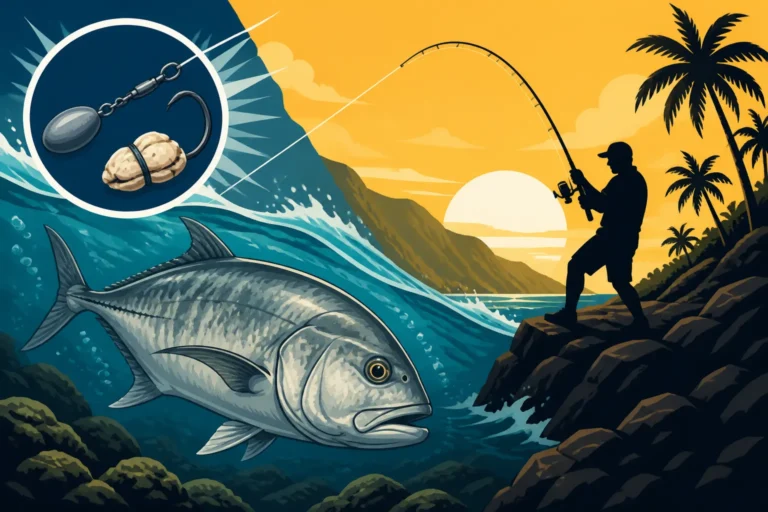
Papio, the Hawaiian term for juvenile trevally, are some of the most sought-after game fish for shore anglers across our islands. They’re known for their incredible fighting spirit, but more importantly for topwater enthusiasts, their aggressive feeding behavior near the surface.
What Makes Papio So Exciting on Topwater
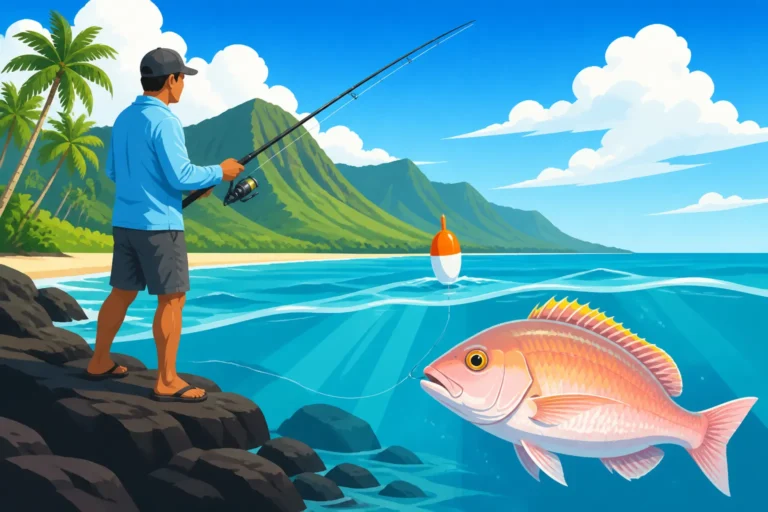
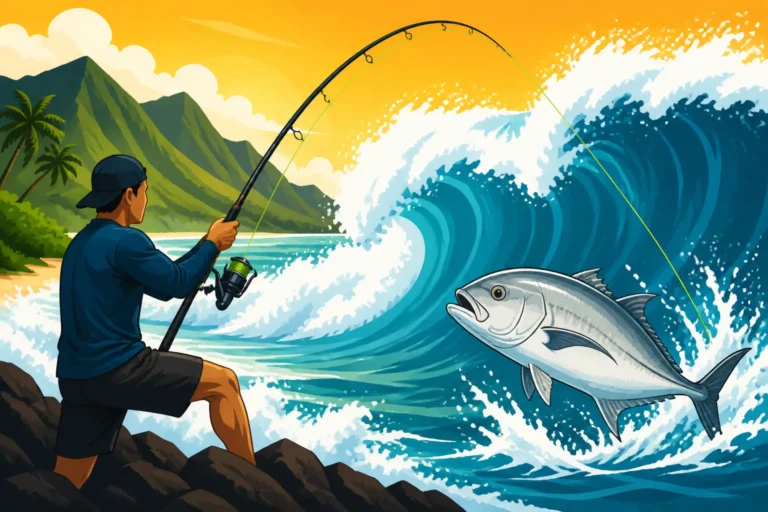
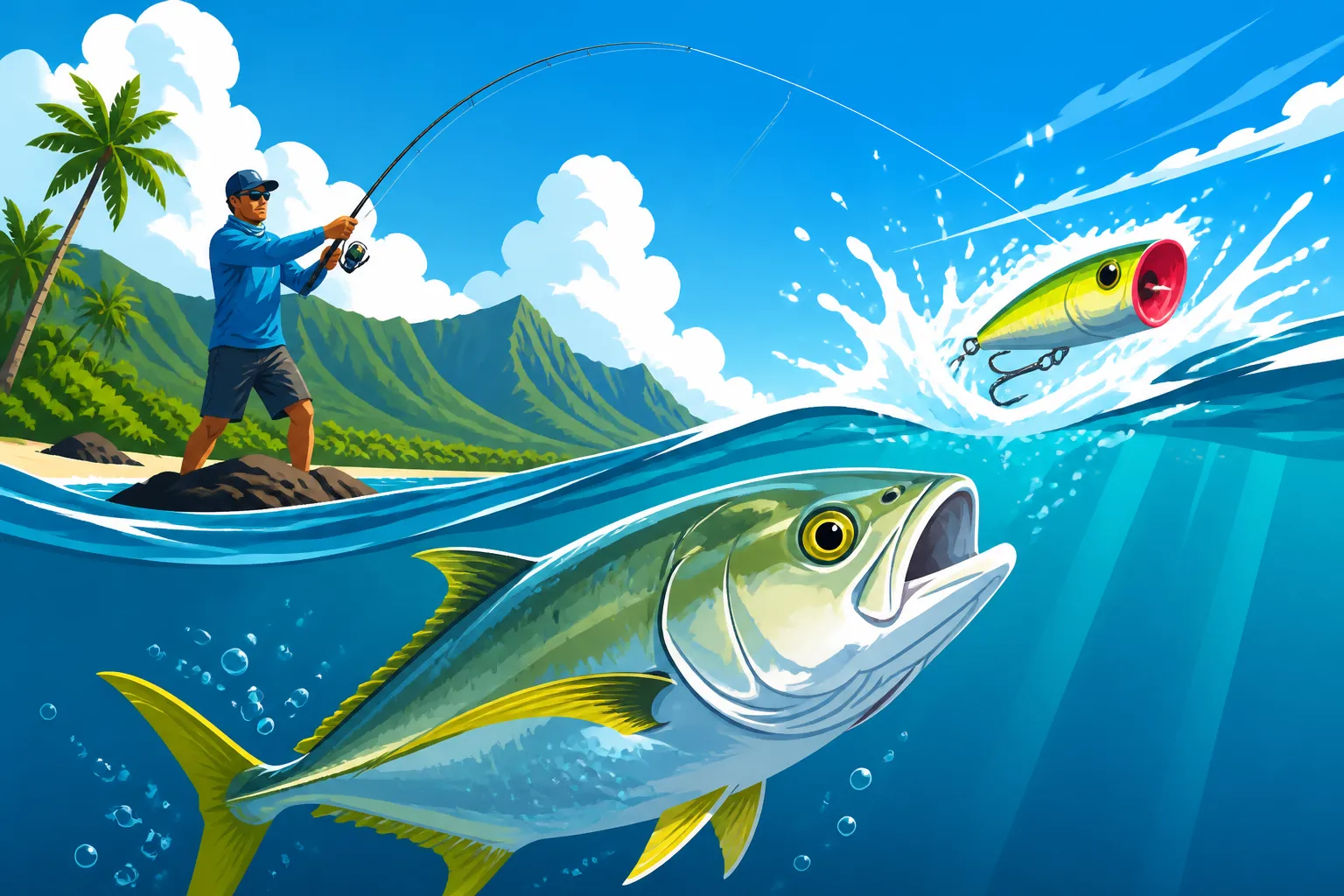
Imagine the scene: crystal-clear Hawaiian water, a gentle ripple on the surface, and then, BAM! A powerful splash as a papio erupts from below, inhaling your lure. That's the magic of topwater fishing for these fish. Papio are visual predators, often hunting in schools and pushing baitfish to the surface or ambushing them near structure. When they’re in the mood, nothing beats the visual thrill of a topwater strike. It’s not just about the catch; it’s about witnessing that explosive aggression, feeling the immediate weight of the fish, and knowing you enticed it with a precisely worked lure. This makes it an incredibly engaging and active form of fishing, keeping you on your toes with every cast.
Many anglers specifically target papio with topwater lures because it often indicates an active bite and healthy, aggressive fish. It's a testament to their predatory nature, and when you connect, the fight is usually spectacular. They tend to make strong, fast runs, often stripping line and using their broad, powerful tails to resist. The shallow water where topwater fishing often occurs also amplifies the fight, as the fish has less depth to use to its advantage.
Identifying Papio Species for Topwater Action
When we talk about "papio," it's a general term that encompasses several species of juvenile trevally. The most common ones you'll encounter on topwater are the bluefin trevally (ʻōmilu) and the giant trevally (ulua). Both are incredibly aggressive and readily hit surface lures, though they have slightly different preferences and habits.
The bluefin trevally, or ʻōmilu, is often recognized by its vibrant blue fins (especially the caudal fin) and spotted body. These fish tend to be smaller than their ulua counterparts when in their papio stage, typically ranging from a pound or two up to around 10-15 pounds. They frequently hunt in packs on shallow reefs, around rocky points, and in sandy areas adjacent to deeper water, making them prime targets for topwater. Their aggressive schooling behavior means that if you catch one, there are often more nearby, eager to strike.
Juvenile giant trevally, the future ulua, are also frequently caught on topwater. While their larger, more mature forms, the true Ulua (often over 20 pounds), tend to cruise deeper waters, the younger papio-sized ulua will readily hunt on the surface. These fish are powerful even at a smaller size, characterized by their robust, stocky bodies and darker coloration compared to ʻōmilu. They might be found in similar habitats but can often hold in slightly deeper channels or near larger submerged structures. Knowing the difference, and understanding that Ulua vs Papio: What's the Difference, can help you fine-tune your approach, as larger juvenile ulua might prefer a slightly bigger or more robust lure. Additionally, their Papio Growth Stages Into Trophy Ulua are fascinating to observe, and catching them at the papio stage with topwater is a fantastic challenge.
Essential Topwater Gear for Papio
Having the right equipment is absolutely crucial for successful topwater papio fishing. It's not just about getting a bite; it's about being able to cast effectively, work your lure properly, and have the backbone to land these powerful fish before they can cut you off on the reef.
Rods, Reels, and Line Choices for Shore and Kayak
For shore-based topwater papio fishing, you're going to want a rod that can cast a good distance while also having enough power to handle a surging fish. A medium-heavy to heavy action spinning rod, typically 9 to 11 feet long, is a fantastic choice. This length gives you the leverage for long casts over choppy water and helps keep your line clear of nearshore obstacles. The stiffer action is essential for effectively working topwater lures like poppers and walkers, which require sharp twitches and sweeps of the rod tip. If you’re fishing from a kayak or a smaller boat, a shorter rod, perhaps 7 to 8 feet, medium-heavy action, might be more manageable, offering better control in tighter spaces.
When it comes to reels, a durable spinning reel in the 4000 to 6000 size range is ideal. Look for models with a smooth drag system, as papio are known for their initial powerful runs, and a high gear ratio can be beneficial for quickly taking up slack line or working a lure rapidly. Brands like Daiwa BG or Penn Battle III are popular choices among Hawaiian anglers for their reliability and saltwater performance. You can often find great deals on these and other fishing essentials on platforms like Amazon.
Your line choice is equally important. Braided line is almost a necessity for topwater papio fishing. Its low stretch allows for excellent sensitivity, crucial for feeling subtle bites and imparting precise action to your lures. It also provides superior casting distance. A braided line in the 20 to 40 lb test range is a good starting point. Color isn't as critical since you'll be using a leader. Speaking of leaders, a fluorocarbon leader is non-negotiable. Its invisibility underwater and abrasion resistance are vital for fishing around sharp coral and lava rock. A 30 to 50 lb fluorocarbon leader, about 3-5 feet long, connected to your main line with an FG knot or a double uni knot, will give you the stealth and strength needed.
Topwater Lure Selection: Poppers, Walkers, and Stickbaits
The world of topwater lures is vast and exciting, but for papio, three main categories consistently produce results: poppers, walk-the-dog style baits (or "walkers"), and stickbaits. Each has its unique action and excels in different situations.
Poppers are probably the most iconic topwater lure. They have a concave face that "pops" and sprays water when retrieved, mimicking a struggling baitfish or a feeding frenzy. This commotion is excellent for attracting papio from a distance, especially in choppy water or when you need to draw attention. Good sizes for papio range from 3 to 5 inches. Colors can vary, but clear, white, or chrome often work well, especially when mimicking common baitfish like opelu or akule. Retrieve them with a "pop-pop-pause" rhythm, letting the ripples spread before the next series of pops. Sometimes, a single, loud pop followed by a longer pause is all it takes.
Walk-the-Dog baits, or "walkers," such as the Heddon Super Spook or various Z-Man models, are designed to glide side-to-side across the surface with a rhythmic twitch-twitch-pause retrieve. This "walking" action mimics a wounded baitfish struggling on the surface, a sight that often proves irresistible to papio. They create less splash than poppers but offer a more subtle, erratic movement. These are fantastic for calmer conditions or when fish are being a bit more finicky. Experiment with your retrieve speed and the length of your pauses; sometimes a fast, frantic walk triggers a strike, while other times a slow, deliberate sashay is key. Many anglers swear by these for their ability to entice bites when other lures fail.
Stickbaits, both floating and sinking, can also be worked on the surface for papio. While some are designed for subsurface action, many floating stickbaits, like certain offerings from Halco or Daiwa, can be twitched and swept across the surface to imitate a fleeing baitfish. They typically have a more streamlined profile than poppers or walkers and can be cast a mile. These are particularly effective when papio are chasing schools of slender baitfish and you need to cover a lot of water quickly. A quick sweep of the rod, followed by a slight pause, can make them dart and glide enticingly on the surface. For all these lure types, consider investing in quality hooks. Papio have tough mouths and a strong fight, so upgrading your treble hooks to stronger, sharper models right out of the box (many are available on Amazon) can significantly improve your hook-up ratio and prevent lost fish.
| Lure Type | Action / Mimicry | Ideal Conditions | Pros | Cons |
|---|---|---|---|---|
| Popper | "Pop" and splash, injured baitfish | Choppy water, low light, aggressive fish | Attracts from distance, high visibility | Can be too noisy for finicky fish, requires rhythmic retrieve |
| Walk-the-Dog | Side-to-side glide, wounded baitfish | Calm to moderate chop, clear water, finicky fish | Subtle, erratic, highly realistic | Requires practice to master "walk," less splash |
| Stickbait (Floating) | Darting, gliding, fleeing baitfish | Calm to moderate chop, covering water, chasing fish | Excellent casting distance, versatile retrieve | Can be less "flashy" than poppers, might require more finesse |
Mastering Topwater Techniques for Papio
It's one thing to have the right gear; it's another entirely to know how to use it effectively. Topwater fishing is an art form, demanding attention to detail in your casting, retrieval, and observation of the water.
The Art of Casting and Retrieval for Explosive Strikes
When it comes to casting, precision and distance are your best friends. Papio often hold near structure or where baitfish are congregating, so being able to land your lure accurately near these spots without spooking the fish is critical. Practice casting to specific targets. A long, smooth cast not only covers more water but also gives your lure more time to work its magic and attracts fish from further away. For those fishing from shore, mastering a good overhead or sidearm cast will allow you to reach those distant reef edges or channels that often hold bigger papio. Remember, sometimes papio will follow a lure for a while before striking, so a longer retrieve path increases your chances.
Once your lure hits the water, the retrieval technique is paramount. For poppers, a "pop-pop-pause" cadence is standard. Vary the strength and frequency of your pops. Sometimes a subtle "chug" is all that's needed, while other times a violent splash will trigger a strike. Always allow a brief pause after your pops; this gives the fish time to react and often results in a strike as the lure sits motionless. For walk-the-dog baits, the trick is to get that rhythmic side-to-side glide. This is achieved by combining subtle twitches of the rod tip (pointing downwards) with a steady retrieve of the reel. It takes practice, but once you get the rhythm, it's incredibly effective. The lure should "dance" across the surface, looking like a disoriented baitfish. Stickbaits, when worked on the surface, benefit from short, sharp sweeps of the rod to make them dart, followed by pauses. The key is to experiment. Papio can be moody, and what worked yesterday might not work today. Don't be afraid to change your retrieve speed, the length of your pauses, or the intensity of your lure's action until you find what triggers a strike. Remember, a common frustration is when fish swipe at the lure but don't commit. This might mean your retrieve is too fast, or the lure isn't sitting still long enough during pauses. Slow down, extend your pauses, and sometimes a smaller lure can make a difference.
Reading the Water and Targeting Productive Zones
Successfully catching papio on topwater is as much about understanding their environment as it is about lure presentation. You need to become a keen observer of the water around you, looking for subtle clues that indicate where papio might be lurking.
One of the first things to look for is baitfish activity. Are you seeing schools of small fish showering on the surface? Are there ripples or disturbances that suggest bait being pushed? This is often a dead giveaway that predators like papio are in the area. Focus your casts on the edges of these baitfish schools or where you see them being harassed. Structure is another critical element. Papio love to ambush prey around reef edges, rocky points, submerged lava flows, and channels that funnel water and bait. Cast your lure so it lands just beyond these structures and work it back along the edge. The change in depth or current often creates an ideal ambush point. In areas like Hanauma Bay (outside of protected zones, of course) or the edges of Marine Life Conservation Districts where fishing is permitted, these structures are abundant.
Currents and tides play a massive role. Papio often position themselves in current breaks, waiting for baitfish to be swept past them. An incoming tide can bring in fresh bait and clearer water, often stimulating a bite. Look for rip currents, eddies, and areas where water flows around points or through channels. These are high-percentage spots. For instance, fishing the tidal push around areas like Kaʻena Point can be incredibly productive for shore anglers. Understanding Best Time of Day to Catch Ulua can give you an edge, as papio often follow similar feeding patterns. Also, consider the clarity of the water. While papio are visual feeders, overly clear, calm conditions might make them wary of your line or leader. A slight chop on the water surface can break up the visibility and make them more comfortable striking.
Optimal Conditions and Timing for Topwater Papio
Timing can be everything when it comes to topwater fishing for papio. While they can be caught throughout the day, certain windows of opportunity significantly increase your chances of that thrilling surface strike.
Best Times of Day and Tidal Influences
The golden hours for topwater papio fishing are undoubtedly dawn and dusk. Just as the sun begins to peek over the horizon or dip below it, baitfish become more active, and predators like papio move into shallower water to feed. The lower light conditions provide a sense of security for the papio, making them less wary of surfacing for a meal. You'll often find that the first hour after sunrise and the last hour before sunset are when the most aggressive and explosive topwater bites occur. The water is usually calmer, and the slightly cooler temperatures also seem to invigorate them.
While dawn and dusk are prime, papio can still be caught midday, especially on overcast days or in areas with consistent baitfish activity and good water movement. However, the bites might be less frequent or less aggressive.
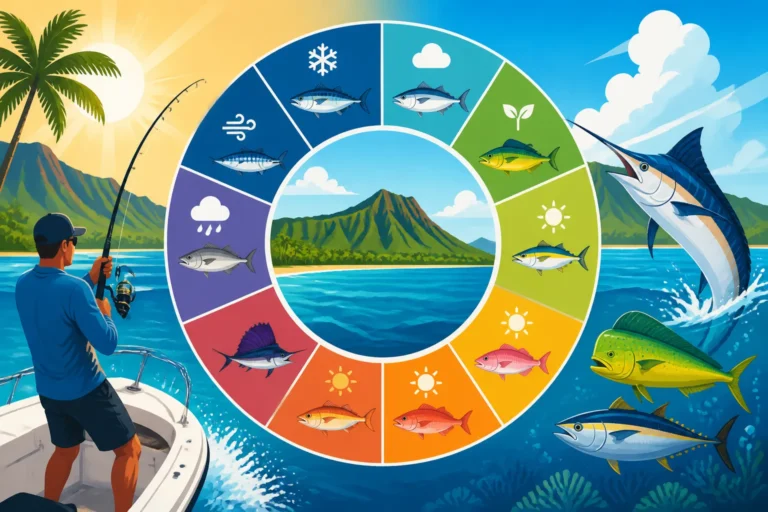
Tidal influences are equally important, perhaps even more so for shore-based anglers. The period around an incoming or high tide is often the most productive. As the tide rises, it pushes baitfish closer to shore and over shallow reefs and submerged structures that were previously inaccessible. This influx of water and prey stimulates papio to feed actively. Conversely, a falling tide can draw fish away from the shoreline, making them harder to reach with topwater lures, though they might congregate at channel mouths or deeper drop-offs as the water recedes. Many experienced Hawaiian anglers meticulously check tide charts before heading out, focusing their efforts around the peak of the incoming tide. For some areas, the period just before high tide, when the current is at its strongest, can be particularly fruitful. This insight into understanding Hawaii Fishing Seasons by Month can help you plan your trips.
Weather and Water Conditions for Success
Beyond the time of day and tide, specific weather and water conditions can significantly impact your topwater success. Don't just show up and expect results; understand what the fish prefer.
A light chop on the water surface is often ideal. It breaks up the surface tension, making your lure's action more natural and less suspicious to the papio. It also helps to obscure your presence, making the fish less likely to be spooked. A completely calm, glassy surface, while beautiful, can make papio very wary, especially in bright sunlight. They become more cautious and might only "boil" or "swipe" at the lure without fully committing. In these conditions, you might need to try a smaller, more subtle lure or slow down your retrieve significantly.
Overcast skies are generally preferred over bright, sunny conditions for topwater fishing. The diffused light reduces glare, making it easier for fish to see your lure from below without being silhouetted. It also helps to extend those "golden hour" conditions throughout the day. However, papio can still be caught on sunny days, especially if there's good chop or you're fishing in shaded areas or very early/late.
Water clarity is also a factor. Generally, clearer water is better for visual predators like papio, allowing them to spot your lure from a distance. However, extremely clear, flat water can make them leader-shy. A slight murkiness, often seen after a small rain or with some wave action, can sometimes work in your favor by providing a bit of cover. Conversely, heavily turbid or muddy water is usually poor for topwater, as the fish's visibility is severely reduced. Look for areas where the water is a clean blue or green, indicative of good oceanic conditions. These factors, combined with choosing best time to fish a popper for schooling papio, will greatly increase your chances.
Common Challenges and Troubleshooting Topwater Papio Fishing
Even with the perfect gear and ideal conditions, topwater papio fishing can throw curveballs. It’s a game of constant adjustment and learning. Don’t get discouraged; these challenges are part of the thrill!
Dealing with Finicky Fish and Missed Strikes
One of the most frustrating aspects of topwater fishing is seeing a massive splash or boil behind your lure, only for the fish to miss the hook entirely, or worse, to see them follow and then turn away. When papio are being finicky, it's time to troubleshoot.
First, change your retrieve. If you're walking the dog fast, try slowing it down. If you're popping aggressively, try softer chugs with longer pauses. Sometimes, a completely erratic, "panic" retrieve can trigger a reaction strike, while other times, a slow, deliberate presentation is key. Think about what a natural baitfish would do. A quick, fleeing baitfish might be ignored, while a struggling, dying one might be irresistible.
Next, change your lure size or type. If they’re missing a big popper, switch to a smaller walker. The smaller profile might be easier for them to engulf, or the different action might be what they’re looking for. Don't be afraid to go down a size or two, or even change the style completely, perhaps from a loud popper to a more subtle stickbait. Color can sometimes play a role, but action and size are usually more critical. Ensure your hooks are razor-sharp. Even with a light tap, a super sharp hook can catch, whereas a dull one will just slide off. You can easily find hook sharpeners or replacement hooks on Amazon.
Finally, consider your leader visibility. If the water is crystal clear and the sun is high, a heavy fluorocarbon leader, while strong, might be more visible. You might need to drop down a few pounds in leader test (e.g., from 40lb to 30lb) to increase your chances, though this comes with the trade-off of less abrasion resistance around structure. Sometimes, adding a longer leader (up to 6-8 feet) can also help to distance the main line from the lure. Remember that some papio, especially the larger ones, can be quite wary, and presenting a natural-looking lure with minimal visible tackle is important.
Navigating Structure and Snags
Fishing around prime papio habitat often means fishing near structure – reefs, rocks, lava ledges. While this is where the fish live, it’s also where you can easily lose expensive lures and powerful fish.
Know your casting limits and aim for precision. Avoid casting directly into areas where you know there are submerged obstacles you can't see. Instead, cast to the edges of the structure and work your lure along the clean lines. If you're fishing from a kayak or boat, use a fish finder to identify potential snag zones before you cast. If you’re fishing from shore, a good pair of polarized sunglasses will help you spot submerged rocks and coral heads.
When a fish does strike near structure, fight it aggressively and try to steer it away from the snags immediately. Papio are notorious for making powerful initial runs straight back into the reef or under ledges. Keep your rod tip high and maintain constant pressure to turn their head. If a fish does dive into the reef, sometimes slackening the line for a few seconds can confuse it, and it might swim out. Then, quickly re-engage and continue the fight. This aggressive retrieve and strong rod backbone is critical, especially when fishing How to Catch Ulua from Shore – the larger cousins of papio.
Lure choices can also mitigate snags. While topwater lures sit on the surface, the hooks are still vulnerable. Consider using lures with two treble hooks instead of three, or even replacing trebles with single inline hooks if permitted by the lure's design and action. This reduces the number of points that can snag. When a lure does get snagged, resist the urge to pull straight back with full force; this can often bury the hook deeper. Instead, try moving to a different angle if possible and using a slow, steady pull. A strong line and leader can sometimes help you retrieve a snagged lure, but it’s always a risk. Prevention through careful casting and aggressive fish fighting is the best strategy.
Disclaimer
Fishing in Hawaii involves inherent risks, including but not limited to changing ocean conditions, sharp coral, strong currents, and marine life encounters. Always prioritize safety, check local weather and surf forecasts, and be aware of your surroundings. The information provided in this guide is for informational purposes only, and anglers are responsible for knowing and adhering to all current Hawaii Division of Aquatic Resources (DAR) fishing regulations, including bag limits, size restrictions, and protected areas. Always practice responsible angling, respect the environment, and if in doubt about any rule, consult the official Hawaii DAR guidelines.