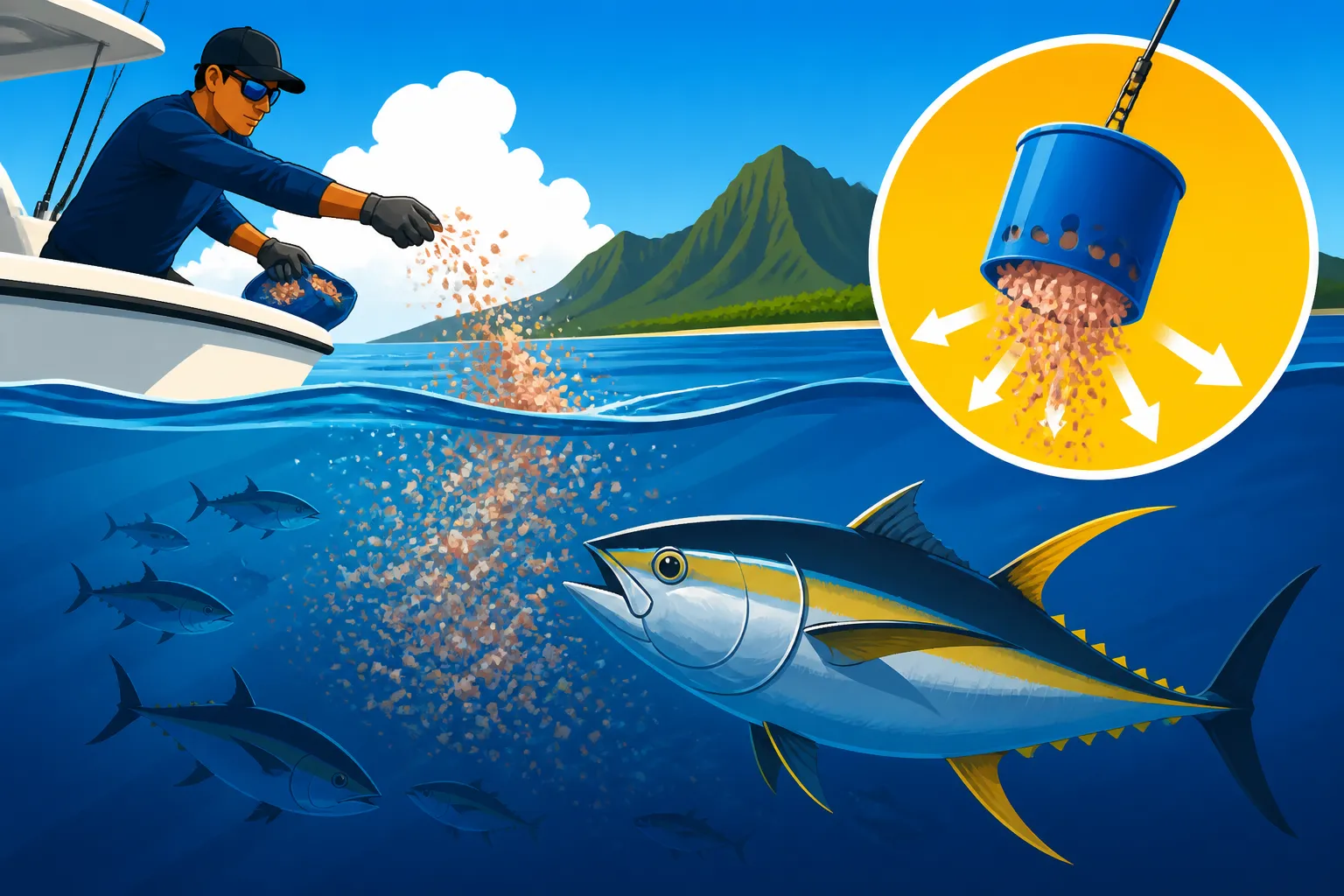
Best chumming technique for ahi
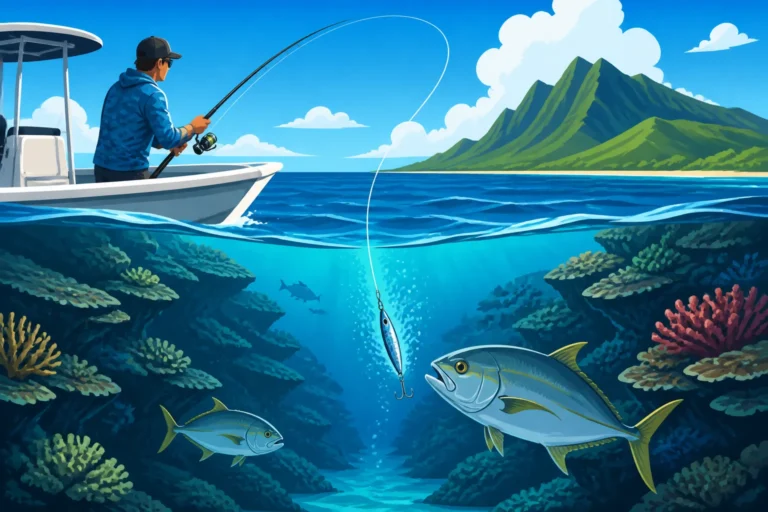
Trying to target ahi (yellowfin tuna) in Hawaii can sometimes feel like chasing ghosts in the vast Pacific. These powerful, fast-swimming pelagics are incredible fighters and even better table fare, but coaxing them to bite consistently takes more than just blind luck. If you've ever spent hours trolling or drifting, hoping to stumble upon a school, only to come up empty-handed, you know the frustration. This guide will walk you through the very best chumming techniques for ahi, helping you understand their behavior and how to create an irresistible buffet to bring them right to your boat, turning those frustrating days into epic fishing memories.
Understanding Ahi Behavior and Why Chumming Works
Ahi, or yellowfin tuna, are magnificent creatures of the open ocean, known for their incredible speed and stamina. To effectively chum for them, you first need to understand a bit about their world and how they interact with their environment. It’s not just about tossing bait over; it’s about mimicking nature and tapping into their primal instincts.
The Pelagic Nature of Ahi
Ahi are truly pelagic, meaning they spend their entire lives in the open ocean, far from shore. They roam vast distances, often associated with temperature breaks, current lines, and deep-water structures like seamounts and FADs (Fish Aggregating Devices). Unlike reef fish that have distinct territories, ahi are always on the move, following baitfish schools like opelu and akule, which form their primary diet. This constant movement is why actively drawing them to your boat with chum is so effective; you're essentially creating a temporary, localized feeding zone in their migratory path.
Their transient nature means that if you're just sitting there, waiting, you might miss them entirely as they zip past. Chumming provides a powerful scent trail and a visual stimulant that can pull these wanderers off their course and directly to your fishing grounds. It's about taking the initiative and creating an opportunity rather than passively hoping. This proactive approach is a game-changer when you're out in the deep blue. If you want to learn more about these incredible fish, check out our guide on Ahi (Yellowfin Tuna) Fishing in Hawaii.
How Ahi Hunt and Feed
Ahi are opportunistic predators with excellent eyesight and a highly developed sense of smell. They typically hunt in schools, herding baitfish to the surface or pinning them against structures. When they're in a feeding frenzy, they can be incredibly aggressive, but in calmer periods, they can be more finicky. Chumming works by appealing to both their visual hunting cues and their keen sense of smell.
By dispersing small, appetizing pieces of bait, you create a scent corridor that travels down current, alerting any nearby ahi to a potential food source. Visually, the scattered pieces resemble a distressed bait school, triggering their predatory instincts. The key is to provide just enough food to entice them to investigate and stay in the area, but not so much that they get full without ever seeing your hooked bait. It’s a delicate balance of temptation and tease, ensuring they stay hungry and curious. Understanding their Ahi Migration Patterns Around Hawaii can also help you position your boat in the right areas for maximum chumming success.
Essential Gear and Bait for Ahi Chumming
Before you even think about tossing chum overboard, having the right tools and, more importantly, the right type of chum, is absolutely critical. This isn't a casual affair; it's a strategic operation that requires specific equipment to be effective and efficient.
The Right Chumming Tools
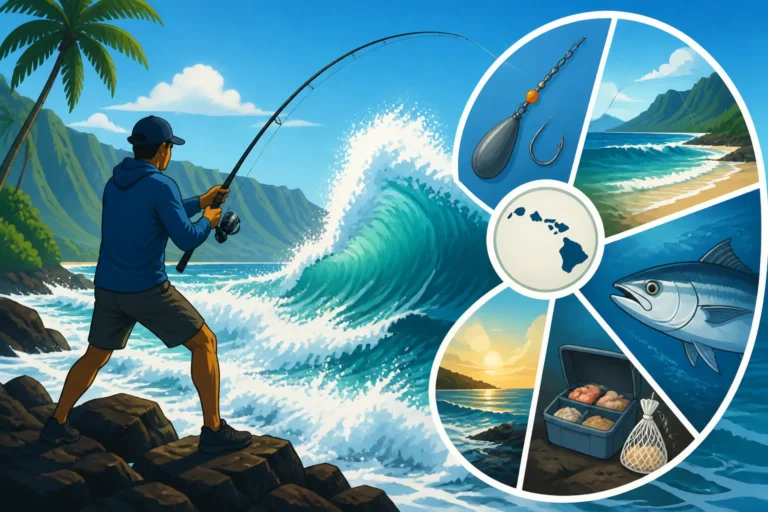
First off, you'll need a good quality chum grinder or a sharp bait knife if you're preparing fresh chum. For frozen block chum, a sturdy mesh bag is indispensable. These bags allow the chum to slowly disperse, creating a consistent scent trail without dumping too much at once. Many anglers find durable, industrial-grade mesh bags available on sites like Amazon to be perfect for this, as they can withstand the rigorous conditions of offshore fishing. You'll also need a strong line to deploy your chum bag, along with a weight if you plan to send it deeper into the water column.
A dedicated chum bucket or container is also vital to keep your bait fresh and organized on deck, preventing a slimy mess. Some anglers even use specialized "chum dispensers" that allow for controlled release, particularly when trying to fine-tune the rate of dispersion. Having a few spare buckets is also wise, one for mixing and one for deployment, keeping your workspace clean and efficient, especially during a hot bite. This preparation makes all the difference in maintaining a steady chum line.
Choosing Your Chum
The effectiveness of your chum largely depends on what it's made of. For ahi, oily baitfish are king. Opelu (mackerel scad), akule (bigeye scad), and even chopped mackerel or sardines are excellent choices. The oilier the fish, the stronger and longer the scent trail it leaves in the water, which is precisely what you want to draw in those distant ahi. Many tackle shops in Hawaii sell frozen blocks of ground opelu or akule specifically for chumming. You can also buy whole frozen baitfish and grind or chop them yourself onboard.
Supplementing your fish chum with other ingredients can also enhance its appeal. Some anglers mix in fish oil, oats, or even dry cat food (which swells and creates a visual cloud) to their ground chum mixture. The goal is to create a multi-sensory attractant: a strong scent, a visual cloud, and a few tantalizing morsels for them to sample. For deeper dives into what these powerful predators prefer, check out our guide on the Best Bait for Ahi Fishing. Always ensure your chum is fresh or properly frozen to avoid repelling fish with stale odors.
Step-by-Step Ahi Chumming Techniques
Now that you have your gear and your bait, let's talk about the actual techniques for deploying your chum to maximize your chances of hooking into some ahi. There are a couple of primary methods, each with its own nuances, but all centered around creating that irresistible invitation.
The Drift and Broadcast Method
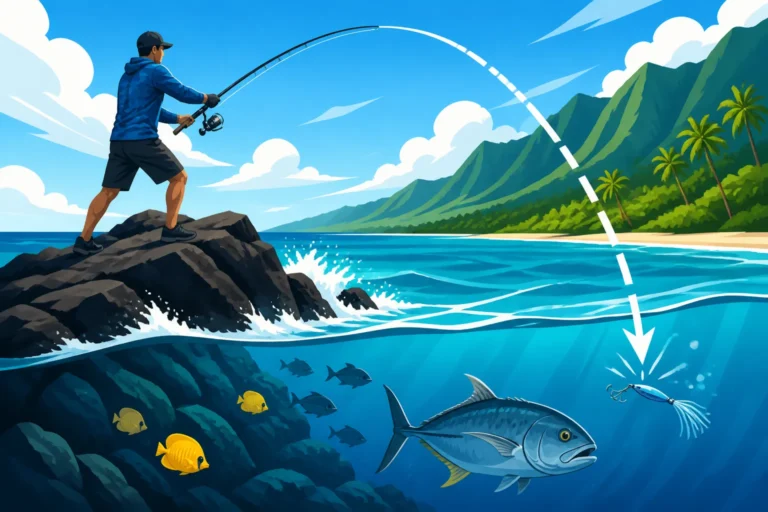
This is perhaps the most common and effective chumming technique for ahi, especially when you're actively searching or positioned over a known ahi haunt. The idea is to drift with the current, creating a continuous scent trail. As your boat drifts, you'll constantly, but sparingly, broadcast small handfuls of ground or chopped chum into the water. The emphasis here is on "small handfuls" and "sparingly." You don't want to feed the fish; you want to tease them and draw them closer to your boat.
The broadcast method works best when you're releasing chum every minute or two, letting the current carry it away from the boat in a wide, natural-looking plume. This wide dispersal covers more area and mimics a natural feeding event. Your baited lines should be deployed within this chum line, ideally at various depths, matching the size and type of your chum. Think of it as painting a picture for the ahi – a long, narrow strip of delectable treats leading right to your hook. This technique is often paired with Drift Fishing for Ahi in Hawaii, allowing your lures to naturally follow the chum line.
The "Chum Bag" Approach for Deeper Water
When ahi are holding deeper, or when you want a more controlled and sustained release of chum, the chum bag method really shines. This involves placing a frozen block of ground chum, or pre-made ground chum, into a mesh bag. You then deploy this bag on a weighted line to a desired depth, typically using a downrigger or a separate heavy line with a lead weight. This allows the chum to melt and disperse slowly, creating a concentrated scent plume at a specific depth.
This technique is particularly useful if you've marked fish on your sonar at a certain depth, or if you're fishing near deep-water FADs where ahi tend to congregate. By sending the chum bag down, you're not only creating a scent trail but also a persistent attractant that can keep fish in a particular area for an extended period. You can periodically pull the bag up and down a few feet to create a "burst" of chum, further enticing curious ahi. Remember to anchor your boat if you're trying to keep the chum in a very precise location, but often, a slow drift with a deep chum bag is also highly effective. Consider using a chum bag made of durable material from a reputable online retailer like Amazon to ensure it holds up to the strong currents and ocean environment.
Integrating Your Fishing Strategy with Chumming
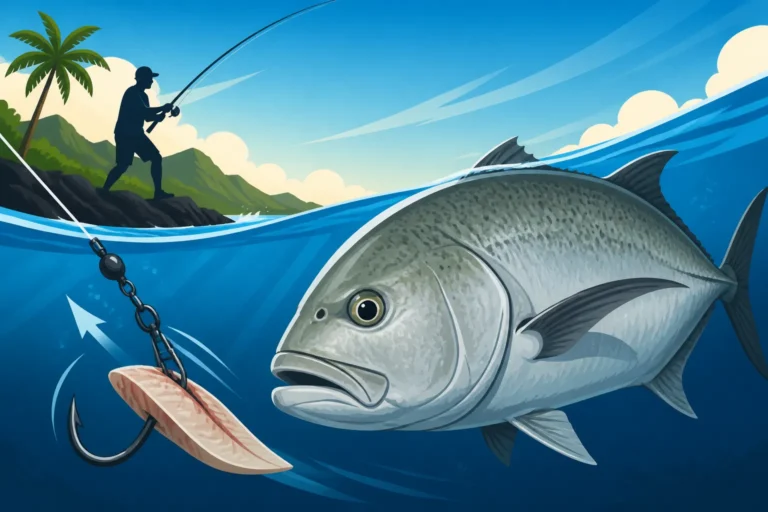
Chumming isn't just about the chum itself; it's about how you fish in conjunction with it. Your baited lines should be natural extensions of your chum line. Use light fluorocarbon leaders that are invisible in the water, and hooks that are appropriately sized for your bait and target fish. Ideally, your hooked bait should look exactly like the pieces of chum you are deploying. If you’re using cut opelu for chum, make sure your hook bait is also a fresh piece of opelu.
It’s often effective to deploy multiple lines at different depths and distances from the boat. Some lines can be free-lined, drifting naturally with the chum. Others can be weighted to get down to deeper depths, or even suspended under balloons to cover surface waters. The goal is to present your bait in a way that is indistinguishable from the free offerings. Pay close attention to which lines get bites; this will tell you at what depth and distance the ahi are feeding within your chum slick.
A common setup for those targeting ahi is to use heavy-duty offshore spinning reels or conventional reels spooled with strong braided line, topped with a fluorocarbon leader. When you're fishing the Best Deep Sea Fishing Spots in Hawaii, like those off the Kona Coast, this setup allows for powerful hooksets and the ability to handle the sustained runs of a large ahi. Don't forget that if you're on a charter, the captain and crew will handle most of the gear, but understanding the principles helps you participate better. For more details on catching these magnificent fish, take a look at our How to Catch Ahi in Hawaii guide.
Troubleshooting and Advanced Tips for Ahi Chumming
Even with the best gear and techniques, sometimes the ahi just aren't biting, or conditions make chumming challenging. Learning to adapt and refine your approach is what separates a good angler from a great one.
Adjusting to Conditions
Ocean conditions, particularly current and wind, play a huge role in chumming effectiveness. If the current is too strong, your chum might disperse too quickly or spread too thin, making it less effective at concentrating fish. In such cases, you might need to increase the frequency or volume of your chum drops, or use a heavier chum mixture that sinks faster. Conversely, in very light currents, your chum might just sit there, failing to create that crucial scent trail. Here, a bit of boat maneuverability, like a slow troll or occasional nudges with the engine, can help spread the chum.
Water temperature and clarity also matter. Ahi are visual feeders, and in murky water, they rely more on scent. This means upping the oiliness and potency of your chum. In crystal clear water, stealth becomes paramount; ensure your leaders are as light and invisible as possible. The presence of other species, like sharks, can also be a challenge. If sharks move into your chum slick, you might need to temporarily stop chumming, move your boat, or even try a different chum mixture that is less appealing to sharks but still attractive to ahi. Paying attention to these subtle cues and making quick adjustments is vital.
Safety First While Chumming
While the thrill of ahi fishing is undeniable, safety should always be your top priority, especially when chumming offshore. You're dealing with sharp knives, potentially slippery decks, and powerful fish in an open ocean environment. Always wear appropriate footwear with good grip to prevent slips and falls. If you're using a chum grinder, ensure your hands are clear of the blades and follow all manufacturer safety instructions. A good pair of fishing gloves can protect your hands from cuts and scrapes, as well as line burn during a long fight.
Be mindful of your surroundings. Keep an eye out for other boats, marine life, and changes in weather conditions. If you're solo, let someone know your float plan. If you're chumming from a charter boat, the crew will handle most of the dangerous tasks, but still, be aware of where lines are being deployed and retrieved. The ocean is unpredictable, and being prepared for anything, from a sudden rogue wave to an unexpected bite, is crucial. For information on specific fishing dates, be sure to check out Hawaii Fishing Season Dates and Closures.
Chumming for ahi is a skill that improves with practice, but understanding the why and how behind the technique will give you a significant advantage. By mimicking natural feeding patterns and creating an irresistible invitation, you'll dramatically increase your chances of having an unforgettable battle with one of Hawaii's most prized game fish.
| Chum Type | Best Use Case | Pros | Cons | Tips for Success |
|---|---|---|---|---|
| Ground Fish (Opelu/Akule) | General broadcast & chum bag | Strong scent, natural food source | Can be messy, needs grinding/chopping | Constant, small dispersal; keep it cold. |
| Frozen Block Chum | Sustained deep-water release | Easy to deploy, slow dispersion, less mess | Less immediate scent burst | Use sturdy mesh bag; deploy with weight to target depth. |
| Cut Bait Pieces | Visual appeal, specific target size | Highly attractive visual trigger | Can fill fish up quickly, more expensive if using good bait | Match size to your hook bait; sparingly broadcast. |
| Fish Oil/Liquid Attractants | Enhances scent, wide dispersal | Strong, long-lasting scent trail | No physical food, can be expensive | Mix with other chum; apply to rags or sponges. |
Disclaimer
This article is for general informational purposes only and does not constitute professional advice. Laws, prices and regulations vary by location and change over time. Consult a qualified professional for guidance on your specific situation.