Best Bait for Ahi Fishing
There's nothing quite like the thrill of a screaming reel when a powerful ahi (yellowfin tuna) hits your line in Hawaii. But let's be real, landing these magnificent pelagic fighters often boils down to more than just skill and good fortune – it's about what's dangling on the end of your hook. Many anglers, both seasoned locals and excited visitors, face the constant frustration of knowing ahi are in the area but not getting a bite, leaving them wondering if their bait choice is the missing piece of the puzzle. This comprehensive guide is here to unravel that mystery, diving deep into the best baits for ahi fishing in Hawaii, from the lively local favorites to the artificial wonders that can make all the difference.
Understanding Ahi: The Ultimate Predator's Palate
Before we even talk about specific baits, it's crucial to understand what makes ahi tick. Yellowfin tuna are apex predators, constantly on the hunt in the vast Pacific. Their diet is diverse, but they primarily target smaller fish and squid. What they're eating changes with the seasons, the location, and even the time of day, so being flexible with your bait choices is key to consistent success. Knowing what's naturally abundant in the waters you're fishing can give you a significant advantage, often dictating which bait will be most effective.
Ahi Feeding Behavior and Prey Preferences
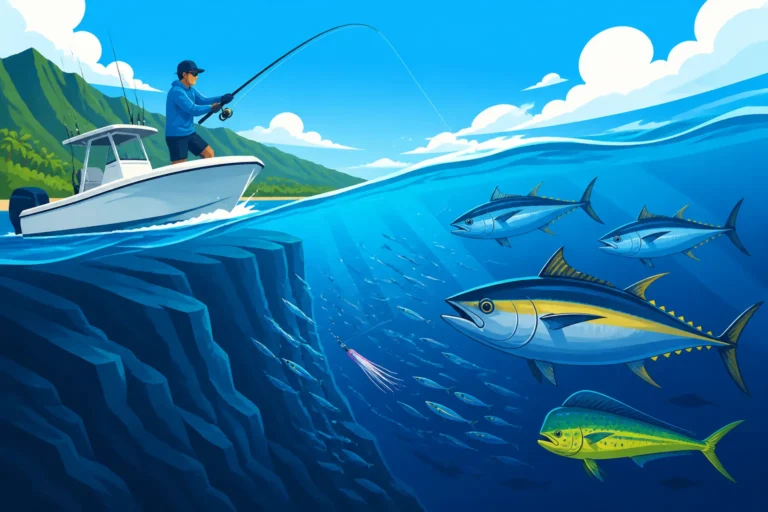
Ahi are opportunistic feeders, meaning they'll take what's readily available, but they definitely have preferences. They often feed in large schools, pushing baitfish to the surface where they can be easily picked off. This behavior is what makes birds diving a tell-tale sign of ahi activity. They possess incredible eyesight and a powerful sense of smell, allowing them to detect distress in baitfish or the scent of a fresh meal from afar. Their preferred prey includes smaller schooling fish like mackerel scad, skipjack tuna, and various types of squid. Understanding these natural inclinations helps us choose baits that mimic what ahi are already accustomed to hunting.
Environmental Factors Influencing Bait Choice
The ocean isn't a static environment, and a successful ahi angler adapts to its ever-changing conditions. Water temperature, current strength, clarity, and even the moon phase can influence how and what ahi eat. For instance, in clearer, calmer waters, a more natural presentation with live bait might be irresistible. Conversely, in choppier conditions or when ahi are particularly aggressive, a brightly colored, fast-moving lure might cut through the noise and grab their attention. Furthermore, the depth at which you're fishing plays a massive role. Are you trolling the surface, deep dropping, or drifting a chum slick? Each scenario calls for a tailored bait strategy. Keeping an eye on Ahi Migration Patterns Around Hawaii can also give you insights into what types of bait might be more prevalent in different areas at different times of the year.
Live Bait: The Gold Standard for Ahi
When it comes to consistency and maximizing your chances of hooking a trophy ahi, live bait is almost always the top choice. Nothing quite matches the natural movement, scent, and distress signals of a panicked live fish to entice a wary tuna. The effort involved in catching and keeping live bait can be significant, but for many serious anglers, the results speak for themselves. The dance of a lively baitfish struggling on the hook is often the trigger that turns a curious ahi into an aggressive attacker.
Opelu and Akule: Hawaii's Premier Live Baits
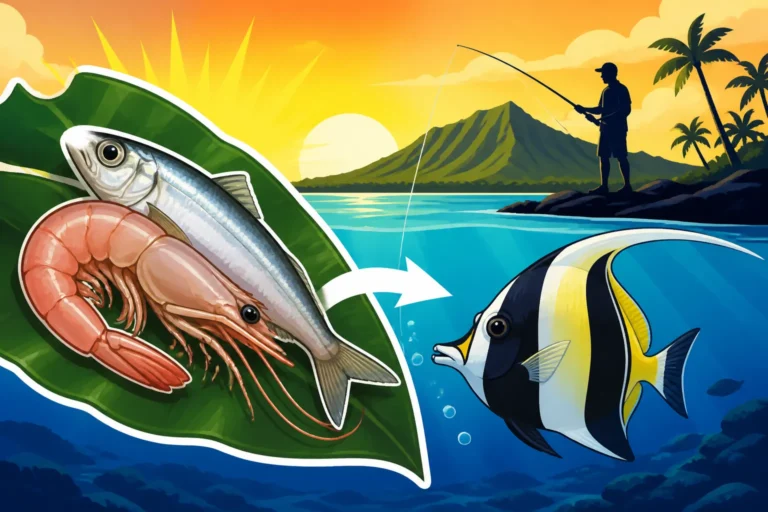
In Hawaiian waters, opelu (mackerel scad) and akule (bigeye scad) are the undisputed kings of live bait for ahi. These schooling fish are natural prey for yellowfin tuna and are incredibly effective. Opelu are particularly prized for their hardiness and ability to swim lively for extended periods. They can be caught using sabiki rigs, small hook-and-line setups, or even specialized nets around coastal areas, harbors, or near FADs (Fish Aggregating Devices). The key is to handle them gently and get them into a well-aerated livewell as quickly as possible.
Akule, while equally effective, can be a bit more delicate to keep alive. They tend to school in slightly deeper water and can be targeted with similar methods. The frantic movements of a healthy opelu or akule on the line send out irresistible vibrations and scent trails that ahi simply can't ignore. Knowing How to Catch Ahi in Hawaii often starts with mastering the art of catching and presenting these specific live baits.
Other Effective Live Baits: Skipjack Tuna (Aku) and Mackerel
While opelu and akule are favorites, other live baits can be incredibly successful. Smaller aku (skipjack tuna), especially those under 5 pounds, are fantastic live baits for larger ahi. Their robust swimming action and oily flesh make them a prime target. Catching live aku usually involves light tackle trolling with small feathers or spoons, or by jigging around schools. Once caught, they require a very large, well-oxygenated livewell to stay frisky. Many charter boats will have the capacity for this, but it's a consideration for private boaters.
Additionally, various species of mackerel, often referred to simply as "mackerel" by anglers, can be effective. While not as common as opelu or akule in all Hawaiian waters, if you can net them or jig them up, their sleek profile and energetic swimming make them excellent choices. The general rule is, if it's a baitfish that ahi naturally prey upon and it's lively, it's worth trying. You might even find success with smaller mahi-mahi or kawakawa if you're targeting truly giant ahi.
Keeping Your Live Bait Lively and Enticing
The secret to live bait success isn't just catching it; it's keeping it alive and vibrant. A sluggish, dying baitfish won't fool a smart ahi. A good livewell system is paramount, ensuring proper aeration and water circulation. Many serious anglers even add livewell additives to reduce stress and ammonia buildup. Temperature control can also be a factor, especially on longer trips. When you're ready to deploy, handle the bait as little as possible. Hooking it correctly – typically through the nose, behind the dorsal fin, or through the shoulders – allows it to swim naturally and present a tempting target. Investing in quality bait pens or robust livewells, perhaps even checking options on Amazon, can significantly improve your bait's lifespan and effectiveness.
Dead Bait: Proven Producers When Live Isn't an Option
Sometimes, live bait simply isn't an option. Maybe you couldn't catch any, or perhaps your livewell isn't up to snuff. Don't despair! Dead bait, when presented correctly, can still be incredibly effective for ahi. It requires a different approach, often focusing on scent, proper rigging, and drift techniques to mimic injured or dying prey. Many anglers find dead bait more manageable for longer trips or when a specific presentation is needed.
Whole Dead Baits: Mackerel, Squid, and Small Tuna
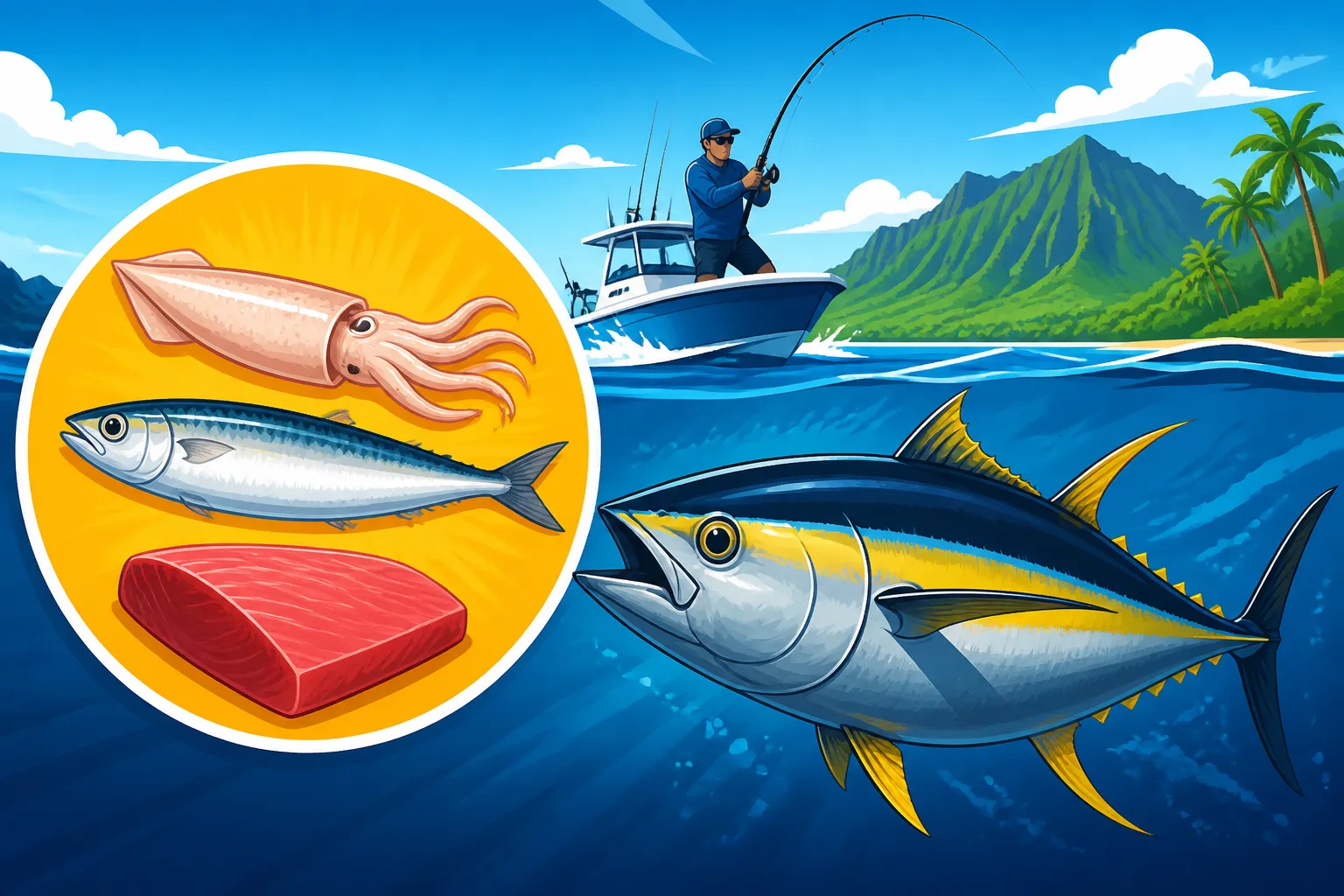
Whole dead baits like frozen mackerel, squid, and smaller skipjack tuna are classic choices. Mackerel, particularly species like Spanish mackerel or saury, are often imported or purchased from bait shops. They have a good oil content and a natural profile that ahi recognize. Squid, available frozen in most bait and tackle shops, is another versatile option. It has a strong scent and a tough texture that holds up well on the hook.
For rigging whole dead baits, a properly weighted and bridled presentation is key. Many anglers will "stitch" the bait onto a hook, ensuring it swims straight and doesn't spin, which can cause line twist. For larger ahi, a whole small aku (skipjack tuna) is a fantastic dead bait. Thaw it just enough to be flexible, then rig it to troll or drift. The aim is to make it look as natural as possible, mimicking a wounded fish. These baits often work exceptionally well in a chum line, where the scent trail brings ahi right to you.
Cut Baits: Chunks, Strips, and Chumming
Cut baits are all about scent and creating an irresistible trail. Chunks of oily fish like skipjack tuna, mahimahi, or even bonita are excellent. The fresh-cut edges release blood and oils into the water, signaling an easy meal. Strips of squid or fish belly can also be effective, especially when drifted naturally. When using cut baits, many anglers practice chumming – cutting up small pieces of fish and tossing them into the water at regular intervals to create a "scent highway" leading to their hooked bait. This is a highly effective technique, and understanding Best Techniques for Chumming for Ahi can significantly increase your success.
When preparing cut bait, ensure your knives are sharp to get clean cuts that bleed well. Keeping your bait on ice until ready to use is crucial for freshness. Many anglers also "brine" their cut baits in a saltwater-and-salt mixture to toughen them up and enhance their scent, making them more resilient to smaller bait stealers.
The Art of Dead Bait Presentation and Scent Enhancement
The biggest challenge with dead bait is making it look alive or incredibly tempting. For trolling, special rigging methods, like wire leaders and small skirts or chuggers, are used to impart a swimming action to the bait. When drifting, letting the bait sink naturally with the current, perhaps with minimal weight, is important. The goal is for it to appear like an easy target, either a stunned fish or a piece of food that's part of a larger feeding frenzy.
Scent enhancement is another critical aspect. Beyond natural oils and blood, many anglers use commercially available scents or fish oils to further attract ahi. These can be injected into the bait or applied externally. Investing in vacuum sealers for freezing leftover bait, easily found on Amazon, can also help preserve its quality and scent for future trips. Remember, a fresh, well-preserved dead bait will always outperform a poorly stored one.
Artificial Lures: When Presentation Trumps Natural
While live bait and dead bait leverage natural instincts, artificial lures tap into ahi's predatory aggression and curiosity. There are times and conditions where a well-presented lure can outperform natural bait, especially when ahi are actively feeding or when covering vast expanses of ocean is necessary. Lures offer versatility, allowing you to control speed, depth, and action in ways that natural baits can't always match.
Trolling Lures: Kona-Style Skirts and Jet Heads
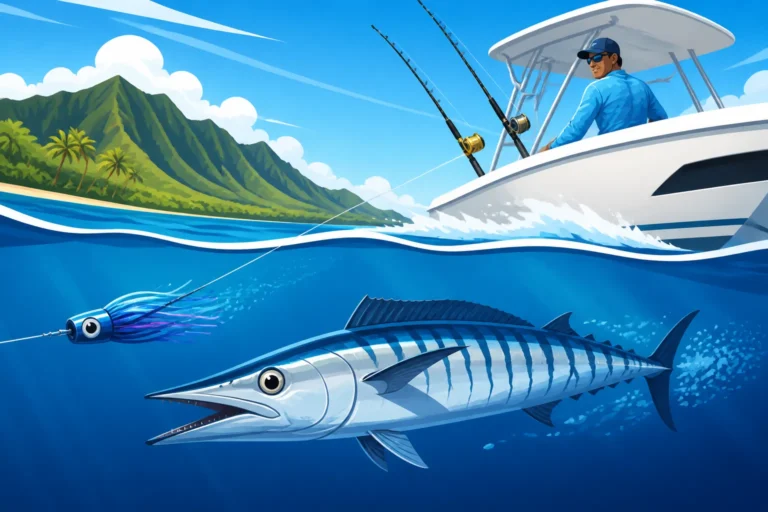
Trolling is perhaps the most popular method for targeting ahi with artificial lures in Hawaii. Kona-style trolling lures, characterized by their colorful skirts and heavy heads, are legendary. These lures, often made of resin, metal, or even mother-of-pearl, are designed to create a specific action in the water – darting, wiggling, or popping – mimicking fleeing baitfish. The color choice can be critical, with popular options often including shades of blue, green, pink, purple, and black, sometimes with iridescent or reflective properties. Matching the hatch (using colors similar to local baitfish) or going for high-contrast patterns can both be effective.
Jet heads, which feature holes that create a smoke trail of bubbles, are another highly effective trolling lure. This bubble trail simulates a distressed baitfish, making it incredibly attractive to ahi. A common strategy involves running a spread of various lures at different positions behind the boat, varying colors and sizes until you find what the ahi are hitting. The correct trolling speed, often between 6 to 10 knots, is crucial for giving these lures their intended action. Understanding Trolling Techniques for Hawaii Pelagics will significantly enhance your lure fishing success.
Jigs: Vertical, Horizontal, and Speed Jigging
Jigging is an increasingly popular and highly effective method for targeting ahi, especially when they are holding deeper or in specific areas. Vertical jigs, often long and slender, are dropped to the desired depth and then retrieved with a sharp, erratic motion, mimicking a dying or fleeing baitfish. Speed jigging involves a fast, aggressive retrieve that can trigger powerful reaction strikes from ahi. Butterfly jigs are a specific type of vertical jig that flutter on the drop, resembling an injured fish.
Horizontal jigs, also known as casting jigs, are typically heavier and designed to be cast out and retrieved with a jigging motion. This is effective when ahi are schooling near the surface or when you need to cover a wide area from a drifting boat. The key to jigging success lies in matching the jig's weight to the depth and current, and varying your retrieve speed and action until you find what the ahi respond to. Many anglers keep a variety of jigs in different weights and colors, readily available from retailers like Amazon, to adapt to changing conditions.
Poppers and Stickbaits: Topwater Thrills
For sheer visual excitement, nothing beats topwater fishing for ahi with poppers and stickbaits. This method is most effective when ahi are actively feeding on baitfish near the surface, often signaled by diving birds or visible boils. Poppers create a loud "bloop" or splash when retrieved, mimicking a struggling baitfish on the surface, while stickbaits dart and glide erratically.
These lures trigger aggressive strikes that are often explosive and highly visible. It's an active style of fishing that requires constant casting and retrieving, but the reward of seeing a massive ahi explode on your lure is unforgettable. Color choice is less critical with topwater lures; the action and disturbance they create are usually the primary attractants. However, natural baitfish patterns or bright, contrasting colors can still make a difference on a slow day.
Sourcing and Storing Your Ahi Bait
Whether you're leaning towards live bait, dead bait, or a mix of both, how you source and store your bait can make or break your ahi fishing trip. Freshness and quality are paramount, and a little planning goes a long way. There's nothing worse than having a perfect fishing day, only to realize your bait has gone bad or you don't have enough.
Catching Your Own Live Bait
For many seasoned local anglers, catching their own live bait is part of the tradition and often the most cost-effective way to ensure top quality. As mentioned, opelu and akule are often caught using sabiki rigs, small weighted lines with multiple small hooks adorned with shiny Mylar or fish skin. These rigs can be deployed from shore, piers, or boats, usually in areas where baitfish are known to congregate, like harbors or near FADs. Fine-mesh cast nets or throw nets are also commonly used, especially by experienced hands, to scoop up schools of baitfish.
The best time to catch bait is often early morning or late evening, though it can vary. Once caught, immediate transfer to a spacious, well-aerated livewell is critical. Overcrowding, poor water quality, or excessive handling will stress the bait and shorten its lifespan, making it less appealing to ahi. Remember, the healthier and more lively your bait, the better your chances.
Purchasing Bait from Local Shops and Markets
If catching your own live bait isn't feasible, don't worry! Many local tackle shops and fish markets across Hawaii sell frozen bait, and some specialized shops even offer live bait (though availability can be limited and prices can be high). When purchasing frozen bait like mackerel or squid, always inspect it for signs of freezer burn or discoloration, which indicate poor quality. Ask the staff when it was frozen and where it was sourced.
Local fish markets, especially early in the morning, can sometimes be a great source for fresh off-the-boat skipjack tuna (aku) or other small pelagics that make excellent dead bait for ahi. Don't be shy to ask the fishmongers for advice on what's fresh and what's currently being used by local fishermen. Quality bait from a reputable supplier is a solid investment in your fishing success.
Proper Storage and Preservation Techniques
The shelf life of your bait, especially dead bait, depends heavily on how it's stored. For frozen bait, keep it in an airtight, vacuum-sealed package if possible, and store it at the lowest possible freezer temperature to prevent freezer burn. Many anglers swear by brining dead baits in a super-saturated saltwater solution with added rock salt. This process toughens the bait's skin, making it more durable on the hook and enhancing its natural scent, which can be critical when fishing for extended periods or in strong currents.
For live bait, maintaining optimal conditions in your livewell is paramount. Ensure the water is consistently fresh, cool, and well-oxygenated. Avoid sudden temperature changes or high concentrations of ammonia from waste products. Some anglers use portable aerators or battery-powered pumps to keep bait alive in buckets if they don't have a dedicated livewell. Proper storage extends your bait's viability and ensures it's as effective as possible when you finally drop it into ahi territory.
Rigging Your Bait for Maximum Ahi Appeal
Having the best bait in the world won't matter if it's not rigged correctly. Proper rigging ensures your bait presents naturally, withstands the forces of trolling or casting, and, most importantly, results in a solid hookup when an ahi strikes. From hook choice to leader material, every detail counts.
Hook Selection and Placement
Choosing the right hook is fundamental. For ahi, sharp, strong, and corrosion-resistant hooks are a must. Circle hooks are highly recommended, especially when using live or dead bait, as they are designed to hook fish in the corner of the mouth, leading to fewer gut-hooked fish and higher survival rates for released fish. The size of the hook should match the size of your bait – large enough to hold the bait securely and penetrate the ahi's tough jaw, but not so large as to impede the bait's natural movement or scare off finicky fish.
When rigging live bait, common placement options include through the nose (for trolling or fast drifting), behind the dorsal fin (for slower drifts, allowing the bait to swim more naturally), or through the shoulders (for more robust baits like small skipjack, offering a strong anchor point). For dead baits, a bridle rig, where the hook is attached via a rubber band or dental floss to the bait's nose, allows the bait to swim freely and ensures the hook is fully exposed for a clean hookup.
Leader Material and Line Strength
Ahi have excellent eyesight, and strong, abrasion-resistant leader material is essential. Fluorocarbon leaders are a popular choice due to their near-invisibility underwater and their superior abrasion resistance compared to monofilament. The breaking strength of your leader should be appropriate for the size of ahi you're targeting – typically ranging from 80 lb to 200 lb test. While a lighter leader might get more bites, it also increases the risk of break-offs against their powerful runs or sharp fins.
The main line on your reel will typically be braided line, known for its strength-to-diameter ratio and lack of stretch, which provides excellent sensitivity. The leader is then connected to the main line via a strong knot or a swivel, ensuring smooth rotation and preventing line twist, especially when trolling or drift fishing with baits that might spin. Remember, the integrity of your entire line system, from reel to hook, needs to be able to withstand the incredible power of a hooked ahi. You can find quality leader materials and swivels readily available on Amazon or at local tackle shops.
Weights, Swivels, and Other Terminal Tackle
Depending on your fishing method, various terminal tackle components will be necessary. Swivels, particularly high-quality ball-bearing swivels, are crucial for preventing line twist, especially when trolling or deep dropping. They also serve as connection points between your main line and leader. Weights, like egg sinkers, cannonball sinkers, or cigar weights, are used to get your bait down to the desired depth. When drift fishing, using just enough weight to keep your bait in the strike zone is key; too much weight can make the presentation unnatural.
For specific techniques like "sliding bait" for ulua (giant trevally), a different setup might be needed, but for ahi, the focus is usually on simplicity and strength. Ensuring all your knots are strong and properly tied is paramount. Many anglers also use thimbles or crimps for heavier leaders to create secure loops for connections. The goal is a streamlined, strong, and subtle rig that allows your bait to perform its job without hindrance.
Ahi Fishing Success: Beyond Just the Bait
While bait choice and rigging are critical, remember that they're part of a larger picture when it comes to successful ahi fishing. The most effective bait is only as good as the angler presenting it and the conditions they find themselves in. Consistently landing ahi requires a holistic approach that integrates all aspects of the sport.
Reading the Ocean and Locating Ahi
Observing the ocean for signs of ahi activity is just as important as your bait selection. Look for diving birds, especially boobies and terns, as they often indicate baitfish being pushed to the surface by feeding tuna. Subsurface sonar can help locate bait balls and ahi schools. Water temperature breaks, current lines, and structure like FADs or seamounts are also prime areas to target. Understanding the nuances of Best Time of Year to Fish in Hawaii can give you insights into seasonal movements and aggregations of both ahi and their prey.
Experienced captains and anglers spend countless hours learning to read the ocean's subtle cues. A keen eye and a deep understanding of marine ecosystems often lead to more successful trips than simply relying on a "secret" bait.
Adjusting Your Strategy to Conditions
A truly successful ahi angler is adaptable. If ahi aren't responding to your live opelu on the troll, perhaps it's time to try deep dropping with a whole dead squid. If the bite is slow, maybe switching to an aggressive speed jigging technique will trigger a strike. Conditions change rapidly in the open ocean – current strength, water clarity, baitfish presence, and ahi mood can all fluctuate. Don't be afraid to experiment with different baits, lures, and presentations until you find what works on a given day. Sometimes, it's a matter of covering more ground, which is where a well-planned trolling spread excels.
Furthermore, being aware of and adhering to regulations like Hawaii Pelagic Species Bag Limits is crucial for sustainable fishing. It's not just about catching fish, but also about protecting this incredible resource for future generations.
The Role of Experience and Local Knowledge
There's no substitute for experience when it comes to ahi fishing. Seasoned local anglers and charter captains have spent decades learning the intricate patterns of Hawaiian waters, the preferred baits for specific areas, and the subtle art of presenting them. They understand when a certain current brings in schools of skipjack, or which moon phase might make ahi feed more aggressively. Booking a trip with a reputable charter, especially one experienced in Ahi (Yellowfin Tuna) Fishing in Hawaii), can provide invaluable insights and a shortcut to success. Even spending time talking with local fishermen at the docks or tackle shops can yield crucial tips and tricks that you wont find in any guide.
Disclaimer
Fishing inherently involves risks, including but not limited to adverse weather conditions, marine life encounters, and equipment malfunctions. Always prioritize safety, check local weather forecasts, and ensure your vessel and equipment are in good working order. Adhere strictly to all Hawaii fishing regulations, including licensing requirements, bag limits, and size restrictions. The information provided in this guide is for informational purposes only and should not be considered a substitute for professional guidance or personal due diligence.