How to catch ono on the troll
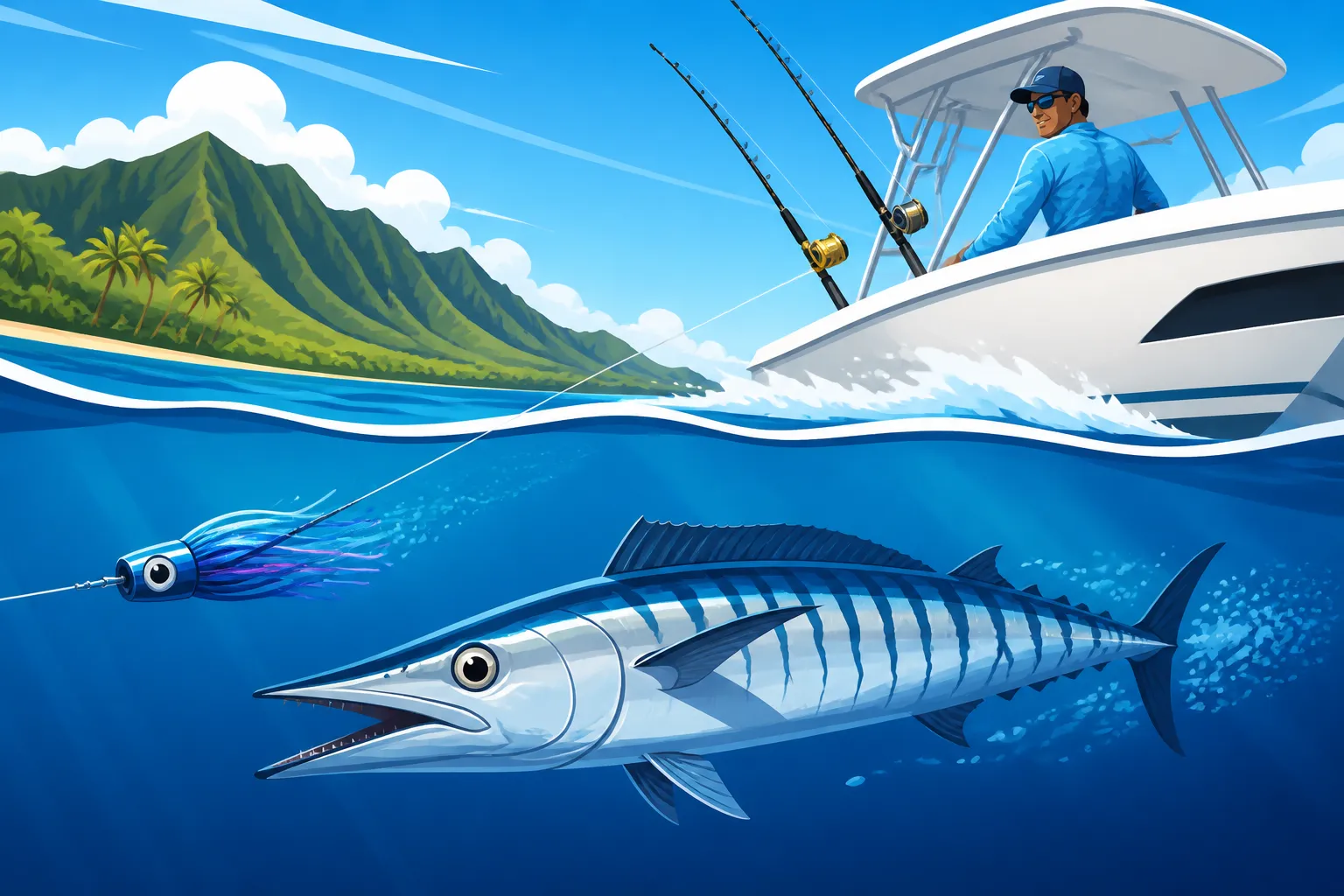
There's nothing quite like the electrifying strike of an ono (wahoo) when you're trolling the deep blue waters off Hawaii. However, many anglers, both visitors and kama'aina alike, find themselves frustrated by the elusive nature of this lightning-fast predator. It can feel like you're just dragging lures aimlessly, hoping for a miracle. This comprehensive guide is designed to demystify the art of catching ono on the troll, offering detailed insights into their behavior, the essential gear you'll need, and proven techniques to help you put more of these prized fish in your cooler.
Understanding Ono: The Speedy Spear of the Ocean
Ono are truly magnificent creatures, built for speed and aggression. Their sleek, torpedo-shaped bodies and razor-sharp teeth make them one of the ocean's most formidable predators. If you want to catch them consistently, you first need to understand what makes them tick and where they prefer to hunt.
Ono Behavior and Preferred Habitats
Ono, sometimes called wahoo, are solitary hunters for the most part, though you might occasionally find them in small, loose groups. What really defines them is their incredible speed – they're among the fastest fish in the ocean, capable of blistering runs that can strip line from your reel in seconds. This speed means they are constantly on the move, chasing down baitfish with precision. They are true pelagic species, meaning they spend most of their lives in the open ocean, but they have a keen eye for structure and current breaks.
You'll often find ono patrolling around various types of offshore structure. This includes seamounts, deepwater ledges, and drop-offs where the ocean floor plunges dramatically. These areas create upwellings and current changes that concentrate baitfish, making them prime hunting grounds for ono. Furthermore, man-made fish aggregating devices (FADs), which are essentially anchored buoys designed to attract pelagic fish, are magnets for ono and their prey. Current lines, where two different currents meet, creating a visible seam on the water's surface, are also hotspots. These lines often accumulate debris and, more importantly, baitfish, forming a natural ambush point for hungry ono. Knowing their preferred hangouts is half the battle; it saves you countless hours and gallons of fuel searching open water where they're less likely to be. They are ambush predators, so they like areas where they can dart out quickly and surprise their prey.
Reading the Ocean for Ono Sign
The vastness of the Hawaiian ocean can be incredibly intimidating, and it’s a common frustration to feel like you’re just guessing where the fish might be. But the ocean is constantly giving us clues if we know how to read them. For ono, spotting baitfish schools is paramount. Keep a sharp eye out for signs of activity, such as shimmering schools of akule (bigeye scad) or opelu (mackerel scad) on your sonar, or even visual cues on the surface. Where there's bait, there are usually predators.
Bird activity is another major indicator. Frigatebirds, boobies, and terns diving or circling aggressively often signal baitfish being pushed to the surface by feeding predators below. While these birds might be chasing tuna, ono are often in the mix, taking advantage of the chaotic feeding frenzy. Also pay close attention to water color and temperature breaks. Ono often prefer cleaner, bluer water, and a distinct change in water color can indicate a current break or temperature gradient that concentrates bait. Your boat's temperature gauge can be a valuable tool here. Look for subtle shifts, even a degree or two, that might mark a productive zone. Weed lines, especially those formed by drifting oceanic debris or mats of Sargassum, also create micro-ecosystems that attract small baitfish, which in turn attract ono. Trolling along the edges of these lines can be incredibly effective. The more you learn to observe these subtle signs, the less you'll feel like you're guessing and the more confident you'll become in finding your target.
Essential Gear for Ono Trolling Success
To successfully battle an ono, you need gear that can withstand its incredible speed and the punishing force of its runs, not to mention its notorious sharp teeth. Skimping on tackle is a surefire way to end up with a broken line and a story about "the one that got away."
Rods, Reels, and Line Selection
For ono trolling, you'll want to lean towards medium-heavy to heavy conventional trolling setups. These rods have the backbone to handle the violent strike and subsequent blistering runs of a large ono, while also providing enough leverage for the angler during the fight. Look for rods in the 30 to 50-pound class, preferably with a fast to moderate-fast action tip that can absorb shock but a strong butt section for lifting power.
Matching your rod with a high-quality conventional reel is crucial. Reels from reputable brands designed for offshore trolling are a must. They need to have a smooth, powerful drag system that can be precisely adjusted, as well as a high line capacity. Ono can make incredibly long runs, so having enough line on your spool (typically 300-500 yards of mainline) is non-negotiable.
When it comes to line, many anglers opt for a combination of braided mainline with a monofilament top shot. Braided line offers superior strength-to-diameter ratio, allowing for more line on the spool, and has no stretch, which provides excellent sensitivity to strikes. However, braid can be unforgiving. A 50 to 100-yard monofilament top shot (in the 50 to 80-pound range) acts as a shock absorber, cushioning the impact of the strike and the fierce head shakes of the ono, helping to prevent pulled hooks. This mono top shot also creates a bit of stretch, which is kinder to your knots and the rod. A good quality fishing line can easily be found online on platforms like Amazon, where you can compare different brands and strengths. Always check your line for nicks and abrasions after each trip; even a small imperfection can lead to a lost fish.
The Right Lures and Baits for Ono
Ono are aggressive predators, and they respond incredibly well to lures trolled at higher speeds. When it comes to lures, you'll want to focus on designs that imitate baitfish and can handle speeds from 8 to 15 knots (or even faster in some cases).
- High-Speed Trolling Lures: These are your bread and butter for ono.
- Bullet Heads: These lures have a sleek, narrow profile that tracks straight and true at high speeds. They dive slightly and create a subtle wiggle, mimicking a fleeing baitfish.
- Jet Heads: Similar to bullet heads but with jets that create a smoke trail of bubbles, adding a visual and auditory attractant that ono often can't resist.
- Chuggers and Poppers (trolling varieties): While more commonly associated with surface action, some chugging lures are designed for trolling. They create a more aggressive surface disturbance, splashing and popping, which can trigger an aggressive strike from curious ono.
- Color Choices: While ono aren't overly picky, certain colors tend to be more consistently productive. Dark purple, black, and red combinations are classic choices, especially in brighter conditions. Green and yellow patterns, often mimicking mahi-mahi (which ono prey on), are also excellent. Dorado patterns (green and gold) and various shades of blue and silver are also highly effective, especially on sunny days. Don't be afraid to experiment, but having a selection of these core colors is a great starting point.
- Natural Baits: While lures are popular, natural baits can be incredibly effective, especially rigged dead baits. Rigged ballyhoo, often combined with a small skirt or lure head, is a classic choice. Strip baits (long, narrow strips of fish flesh) can also be trolled effectively. The natural scent and action of these baits can often entice strikes when lures are being ignored. Always ensure your natural baits are rigged perfectly to swim straight and naturally at trolling speed; a spinning bait is a wasted bait.
Remember, the goal is to present something that looks and acts like a distressed or fast-moving baitfish. You can find a vast array of these lures and rigging supplies through online retailers like Amazon, making it easy to stock up before your next trip.
Crucial Terminal Tackle
Ignoring your terminal tackle is like building a skyscraper on a sand foundation. It's the weakest link if not properly addressed, and for ono, this means paying serious attention to their razor-sharp teeth.
- Wire Leaders: This is non-negotiable for ono. Their teeth can easily slice through monofilament or fluorocarbon leader in an instant. You'll need wire leaders, typically 6 to 12 feet long, in the 80 to 150-pound test range. Single-strand wire (like Malin wire) is very popular due to its stiffness, which helps prevent tangles with the main line, and its excellent abrasion resistance. Multi-strand wire (like AFW Surfstrand or similar) is more flexible and can be a good option for rigged baits where a more natural presentation is desired. Always use crimps or haywire twists to connect your wire leaders; knots typically fail with single-strand wire.
- Heavy-Duty Swivels and Snaps: Connect your wire leader to your main line or top shot with a high-quality, heavy-duty ball bearing swivel. This prevents line twist, especially when using lures that spin. Use robust snaps to easily change out lures without having to re-tie. Look for hardware rated well above your line strength to avoid any weak points.
- Hooks: For lures, most come pre-rigged with appropriate hooks. If you're rigging your own baits or replacing hooks, opt for sharp, strong, corrosion-resistant hooks, typically 7/0 to 10/0 J-hooks or circle hooks (depending on your preference and local regulations). Ensure they are offshore-grade and can handle the strain.
- Gaffs and Dehookers: Once you've hooked an ono, you need a safe and efficient way to bring it aboard. A sturdy, sharp gaff is essential for securing the fish alongside the boat. Have one ready and know how to use it safely. For any fish you plan to release, a long-handled dehooker is invaluable, minimizing stress on the fish and keeping your hands away from those teeth. Safety first, always! You never want to be fumbling for this crucial gear when a green ono is next to the boat.
Mastering the Art of Ono Trolling Techniques
Catching ono on the troll isn't just about dragging lures; it's a nuanced dance with the ocean currents and the fish's predatory instincts. Getting these techniques right can drastically increase your success rate.
Trolling Speed and Patterns
One of the biggest mistakes anglers make when targeting ono is trolling too slowly. Ono are built for speed and often respond best to lures moving at a brisk pace. While marlin and tuna might bite at 6-9 knots, ono often prefer speeds from 8 to 15 knots, sometimes even faster if the conditions allow and your lures can handle it. The exact speed will depend on your lures, sea conditions, and how the fish are biting, so be prepared to experiment. If the ocean is rough, you might need to slow down slightly to keep your lures running true. The goal is to make your lures appear as fast, fleeing baitfish.
Just straight-lining can feel like a waste of time, and it often is. To maximize your chances, incorporate S-turns, figure-eights, and sweeping turns into your trolling pattern. These maneuvers cause your lures to speed up and slow down, dart left and right, and change their depth. This erratic action often triggers a predatory strike from an ono that might otherwise ignore a constantly moving, predictable lure. When you make a turn, the lures on the inside of the turn will slow down and drop slightly, while those on the outside will speed up and rise. This change in action can be just the incentive an ono needs to strike. Focus on areas where you’ve seen bait, birds, or structure, and work those areas thoroughly with your varied trolling patterns.
Lure Placement and Spread
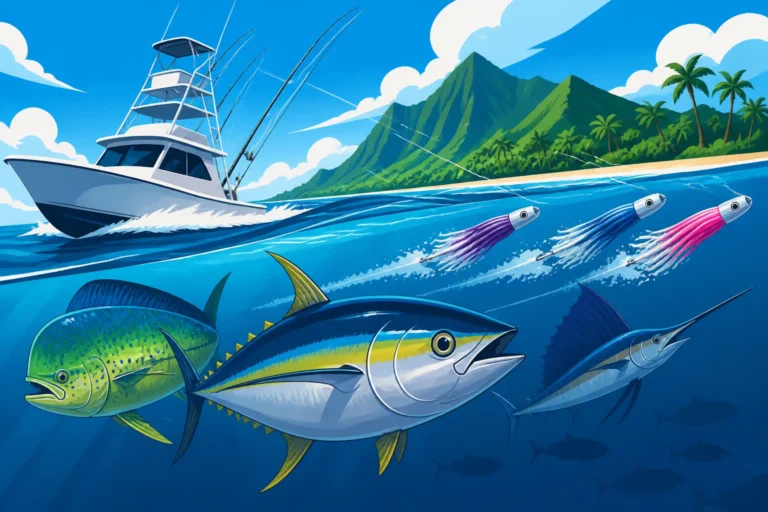
A well-organized lure spread is critical for successful ono trolling. It minimizes tangles, covers a wider area, and presents a variety of options to the fish. The idea is to stagger your lures at different distances behind the boat and in different positions to simulate a school of baitfish or multiple fleeing prey.
- Flat Lines: These are lines run directly off the stern of the boat, often with clips or rubber bands to keep the line low to the water. These are typically the closest lines to the boat, maybe 50-100 feet back. They often get strikes from fish investigating the prop wash.
- Outriggers: These long poles extend from the sides of your boat, allowing you to spread lures wider from the boat's wake. This creates a larger "footprint" of lures and helps prevent tangles. Lures deployed from outriggers are often run further back than flat lines, perhaps 100-200 feet out.
- Center Rigger (Shotgun Lure): If you have a center rigger, this is perfect for deploying a "shotgun" lure — a single lure run far, far back behind the spread (250-400+ feet). This lure is often a larger profile or different color, acting as a curiosity-provoking straggler. Sometimes, the shiest fish will hit the one furthest away.
- Staggering Depths: While trolling, especially at higher speeds, most lures will run close to the surface. However, you can use heavier lures or those with diving lips to get some of your offerings slightly deeper, covering more of the water column. Ensure your lures are staggered not just horizontally but also vertically to present an appealing range of targets. A common spread might have 5-7 lines out, with lures from 50 feet all the way back to 300+ feet. Consider using different lure types and colors across your spread to see what the fish prefer on any given day.
Hooking Up and Fighting Ono
The strike of an ono is unmistakable – a violent, drag-screaming explosion that will make your heart pound. They hit hard and fast! When an ono strikes, avoid the natural instinct to immediately set the hook with a strong jerk. Instead, let the rod load up naturally from the fish's initial run, then maintain steady pressure. With circle hooks, simply keeping the line tight and letting the boat's momentum do the work is often enough to set the hook firmly in the corner of the fish's mouth.
Fighting an ono requires a delicate balance of power and finesse. They are incredibly strong and will make several scorching runs, often punctuated by aggressive head shakes.
- Keep Tension: It's absolutely crucial to maintain constant, heavy tension on the line. Ono are notorious for throwing hooks, especially if the line goes slack for even a moment. If the fish jumps or shakes its head, resist the urge to drop your rod tip; keep it high and absorb the shock.
- Pump and Reel: Once the initial run is over, use a "pump and reel" technique. Lift the rod tip smoothly to gain line, then quickly drop it while reeling down to recover the slack. Repeat this process steadily.
- Work Together: If you're on a boat with crew, clear the other lines quickly to avoid tangles. The boat operator should try to keep the boat moving forward slightly, or circle around the fish, to maintain angle and prevent the fish from swimming under the boat.
- Landing the Fish: As the ono gets close to the boat, it will likely make another powerful dive or run. Be ready. When it's boat-side, the gaff person should make a clean, swift shot to secure the fish. Ono are still dangerous at this stage due to their teeth, so handle them with extreme caution. Once gaffed, get the fish into the boat and dispatch it quickly and humanely. A strong blow to the head is usually sufficient.
Advanced Tips and Ono-Specific Strategies
Beyond the basic mechanics, there are always ways to refine your approach and increase your chances of success with these formidable fish.
The Importance of a Sharp Eye and Preparedness
Catching ono isn't just about the gear you use; it's about the effort and attention you put into the entire process. The ocean is dynamic, and conditions can change in an instant. A sharp eye means constantly scanning the horizon for bird activity, looking for color changes in the water, and monitoring your electronics for baitfish schools or promising structure. The more observant you are, the better your chances of identifying a potential hot zone.
Preparedness goes hand-in-hand with observation. This means having a backup rod and reel ready to go, especially if you're fishing alone or with limited crew. Ono strikes are often so violent they can damage gear, or you might get a second fish hitting another lure shortly after the first. Knowing your knots are tied correctly, your drag is set properly, and your hooks are razor-sharp before you even leave the dock will save you heartache when that monster strike happens. Taking the time for routine maintenance and checking your gear thoroughly after each trip is essential. It's frustrating to finally get a bite only to lose the fish due to a preventable gear failure.
Utilizing Electronics and Local Knowledge
Modern marine electronics are powerful tools that can give you a significant advantage. Your fish finder isn't just for locating big red blobs; it's for finding the bait that ono feed on. Look for dense schools of baitfish, often appearing as clouds or arches, especially around structure or current breaks. Marking these areas on your GPS as waypoints is crucial. If you get a strike, immediately mark the spot. Ono often travel in loose schools, or they might be concentrated in a particular area, so returning to that exact spot or trolling in a pattern around it can yield more fish.
While electronics are great, nothing beats local knowledge. Engage with other anglers at the boat ramp, listen to what the charter captains are saying (though they might not reveal their secret spots!), and pay attention to fishing reports. Local knowledge often holds insights into seasonal patterns, productive depths, and even specific times of day when ono are most active in certain areas. Remember, building relationships with other anglers can be incredibly beneficial over time. However, always double-check any information you receive against your own experience and observations. For general understanding of fish habits in Hawaii, you might find articles like Ono (Wahoo) Fishing in Hawaii or Ono Habits and Feeding Behavior useful.
Safety and Regulations When Trolling for Ono
Safety should always be your number one priority when heading out on the water. Offshore trolling for ono means you'll be in deeper waters, sometimes far from shore, so preparation is key. Ensure your boat is well-maintained, that you have all required safety equipment, including life jackets for everyone on board (check out Life Jacket Requirements for Hawaii Boaters), and that someone on shore knows your float plan. Be aware of other boats, especially smaller vessels like kayaks or stand-up paddleboards, and always give swimmers and divers a wide berth.
Beyond general boating safety, it's absolutely vital to be aware of and adhere to Hawaii's specific fishing regulations. These rules are in place to protect our precious marine resources and ensure sustainable fishing for generations to come. Ono often have bag and size limits that can change, so always consult the latest regulations from the Hawaii Division of Aquatic Resources (DAR) before you go fishing. For detailed information, articles like Hawaii Pelagic Species Bag Limits and Hawaii Fishing Regulations Explained are excellent resources. You’ll also need to ensure you have the appropriate fishing license; typically, recreational ocean fishing for residents does not require a license, but non-residents usually do. You can learn more by checking Do You Need a Fishing License in Hawaii or How to Buy a Hawaii Fishing License Online. Knowing these rules isn't just about avoiding fines; it's about being a responsible angler in Hawaii.
Here’s a quick comparison of common trolling lure types for ono:
| Lure Type | Design Characteristics | Typical Trolling Speed | Optimal Conditions | Notes |
|---|---|---|---|---|
| Bullet Head | Sleek, cylindrical, sometimes with a weighted head | 8-15 knots | Calm to moderate seas | Tracks straight, mimics fleeing bait, good for high speed. |
| Jet Head | Bullet-shaped with rear jets for a bubble trail | 8-15 knots | Choppy to moderate seas, good visibility | Bubble trail adds visual attractant, often causes aggressive strikes. |
| Chugger/Popper | Concave face, creates splash and commotion | 7-12 knots | Calm to moderate seas, when fish are active near surface | Aggressive surface disturbance, good for attracting attention. |
| Diving Plug | Hard body, lipped for deeper dive | 6-10 knots | When fish are deeper in the water column | Gets below the surface, good for targeting fish holding on structure. |
| Rigged Bait | Natural bait (e.g., ballyhoo) with a small skirt/lead | 6-12 knots | Anytime, especially when fish are finicky | Natural scent and action, can be highly effective. |
Disclaimer
This article is for general informational purposes only and does not constitute professional advice. Laws, prices and regulations vary by location and change over time. Consult a qualified professional for guidance on your specific situation.