Best bait for moi from shore
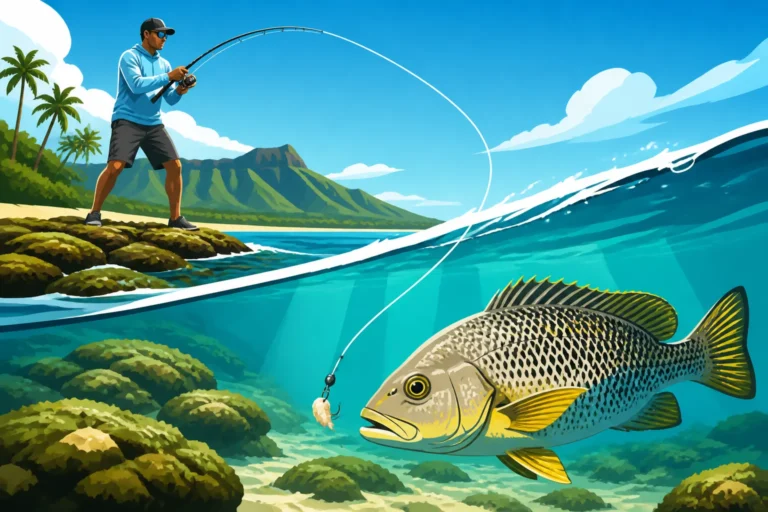
Ah, the elusive moi! If you've spent any time on Hawaii's shores, you know the frustration of trying to tempt these finicky but incredibly delicious fish. They're a true prize, and getting one to bite from the sand or reef can feel like cracking a secret code. This guide is all about demystifying the process, diving deep into the very best baits that moi simply can't resist when you're casting from shore, and how to present them just right.
Understanding Moi Behavior for Bait Selection
Before we even talk about specific baits, it's crucial to understand a bit about moi themselves. They're not like some of the more aggressive reef fish that'll smash anything that moves. Moi, also known as Pacific threadfin, are notoriously shy and particular. Knowing their habits, preferred hangouts, and natural diet will give you a significant edge in choosing and presenting your bait effectively. It's like being a detective, trying to figure out what their dinner preferences are for the night.
Where Moi Like to Hang Out
Moi are primarily found in the nearshore waters, often in areas where sandy bottoms meet reef structures or rocky outcrops. They love those transitional zones. Think about shallow flats, sandy channels, and the edges of reefs where waves gently break. These areas offer them both protection and a buffet of their favorite meals. You'll rarely find them in super deep water from shore, nor will you find them exclusively on barren sand. They need that mix.
During calmer periods, especially around dawn and dusk, moi will venture closer to the very shallow surf lines, sometimes in water barely covering their backs. This is prime time for shore anglers. If you're wading out, knowing the best wading techniques for Hawaii shore fishing can make all the difference in reaching those slightly deeper channels or reef edges without spooking them. They are easily spooked by sudden movements or loud noises, so a stealthy approach is key. Look for areas with a gentle current that might bring food past their noses, or slight depressions in the sand where they might ambush small prey.
What Moi Naturally Eat
Moi are opportunistic feeders with a preference for small invertebrates found in sandy and silty bottoms. Their diet largely consists of tiny crabs, shrimp, worms, and juvenile fish. They use those distinctive "threads" on their pectoral fins to probe the bottom for food, acting like sensitive feelers. This feeding behavior tells us a lot about what makes a good bait: it needs to be small, natural-looking, and ideally, something that mimics the critters they'd typically find scuttling or burrowing in the sand.
Because they're often grubbing along the bottom, a bait that sits naturally on or near the seabed is usually more effective than something suspended far above it. They are less likely to chase down a fast-moving lure and more inclined to gently mouth something that appears to be a natural part of their environment. Understanding their subtle feeding habits is critical, as a moi bite can often be incredibly light and hard to detect. They won't hammer your rod like a trevally; it's more of a gentle tug or a slight slackening of the line.
When Moi Are Most Active
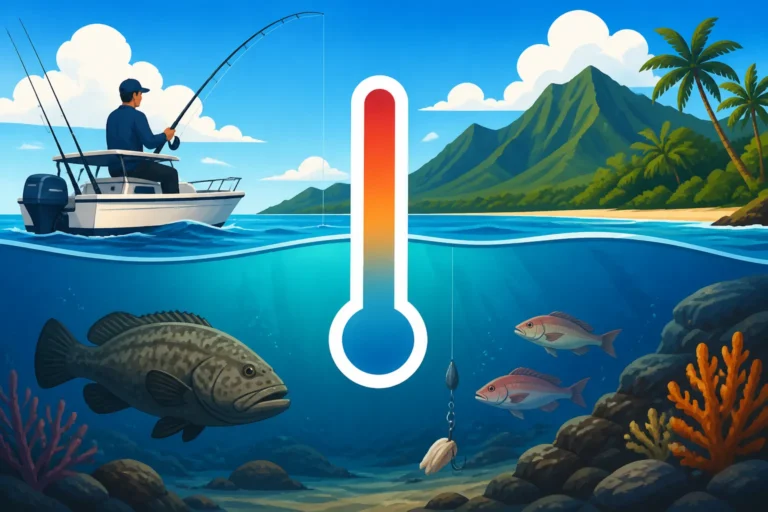
Timing is everything when targeting moi from shore. They are typically most active during low-light conditions – dawn and dusk are prime times. The dim light offers them cover from predators while they forage in shallower waters. Overcast days can also extend their feeding window. Additionally, certain tide cycles play a huge role. Moi often prefer incoming tides, especially as the water starts to fill in those shallow, sandy channels and over reef flats, bringing new food sources with it. Strong currents, however, can make it harder for them to feed effectively, so look for periods of more moderate flow.
It's also worth noting that moi can be quite seasonal. While you can catch them year-round in Hawaii, certain times of the year might see larger schools or more active feeding. However, always be mindful of specific protections, as the Hawaii moi closed season, explained by the Department of Aquatic Resources, is in place during certain months to protect spawning populations. You don't want to get caught accidentally keeping fish during this period! Always consult the Hawaii fishing season dates and closures before heading out.
The Best Baits for Moi from Shore
Alright, let's get down to the nitty-gritty: what actually works to lure these beauties in from the Hawaiian shoreline? When it comes to moi, natural baits that mimic their everyday diet are almost always your best bet. Forget the flashy plastics for these guys; they prefer a more subtle, organic approach.
Natural Baits: The Tried and True Favorites
If you want to truly maximize your chances, sticking with fresh, natural baits is the way to go for moi. These are the food items they regularly encounter and instinctively recognize as a meal.
Freshly Caught Oama or Juvenile Baitfish
Without a doubt, one of the most effective baits for moi, particularly larger ones, is oama (juvenile goatfish) or other small, live baitfish. The challenge, of course, is catching them. Oama schools tend to show up in nearshore waters during late summer and fall, making them a seasonal but highly prized bait. Rigging a live oama on a small hook, allowing it to swim naturally, is hard for a hungry moi to resist. The key here is freshness and liveliness. A moi is looking for an easy, natural meal, not something that's been in a bait bucket for hours. You can often find small sabiki rigs on Amazon that are perfect for catching these little baitfish right from the pier or beach before you start targeting moi.
If live bait isn't an option, a freshly cut piece of oama can also be effective. Cut a small, pencil-eraser-sized chunk and make sure the skin is still attached for scent and durability. The natural oils and scent trail are potent attractants for moi.
Small Crabs and Shrimp
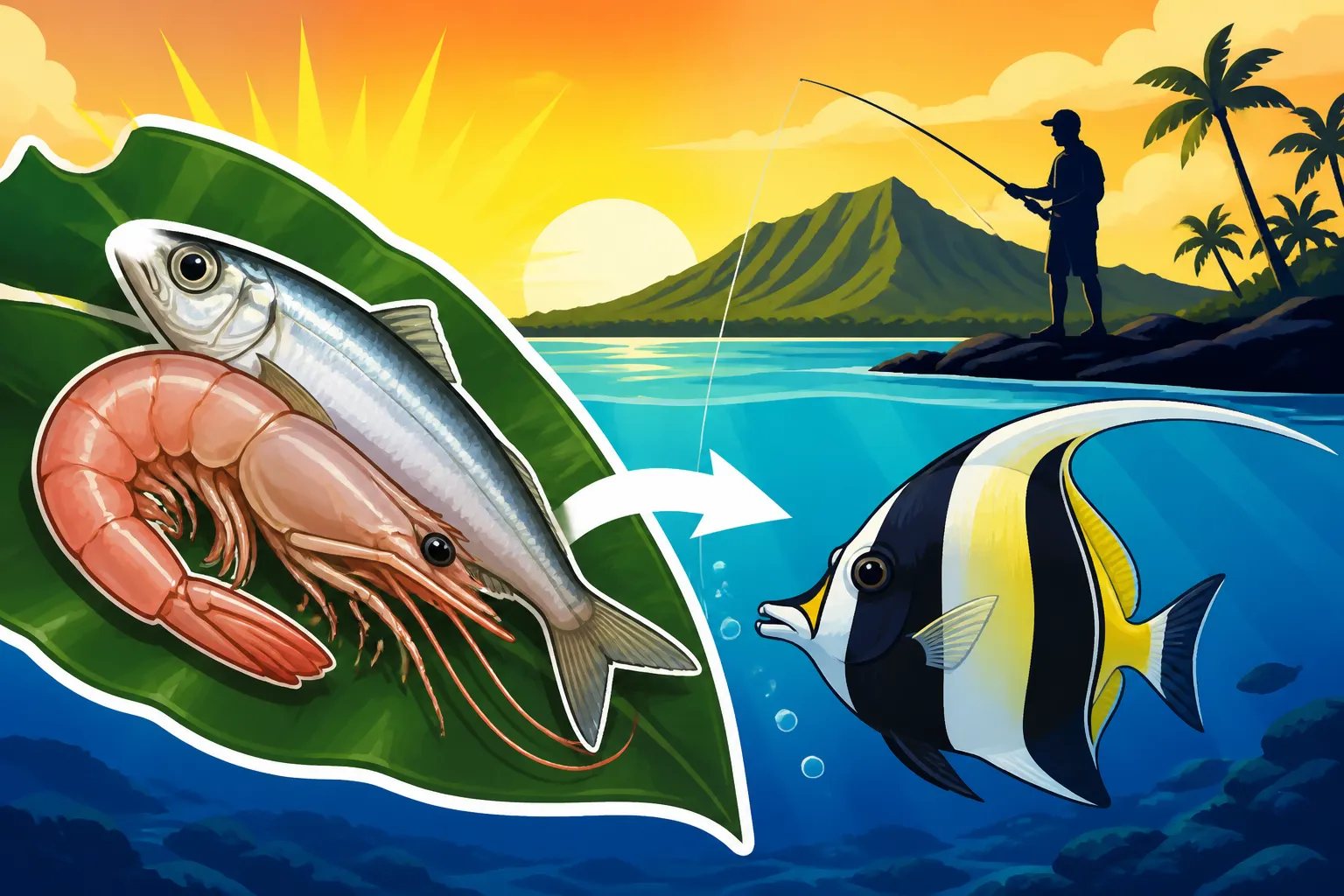
Moi absolutely love small crustaceans. Ghost crabs, hermit crabs, and various species of shrimp are staple foods in their diet. Collecting small ghost crabs from the beach at night or finding small shrimp in tide pools before your fishing session can provide you with exceptional bait. For ghost crabs, you'll want to use smaller ones, breaking off their legs and cutting them into manageable pieces if they're too large for your hook. The scent of fresh crab meat wafting through the water is a powerful call to a hungry moi.
Shrimp, whether live or freshly dead, are also fantastic. If using dead shrimp, make sure it's fresh and hasn't been frozen and thawed multiple times. Peel it, cut it into small, bite-sized pieces, and thread it onto your hook. The translucent flesh and natural scent are very appealing. Many anglers swear by the small, clear "glass shrimp" found in estuaries or tide pools as they mimic natural prey perfectly.
Marine Worms and Limu (Seaweed)
While less common, certain marine worms can be very effective, especially if you know where to find them burrowing in the sand. They offer a natural wiggle and scent that moi find hard to ignore. Similarly, some experienced local anglers have success with certain types of green limu (seaweed). Moi are not strictly carnivorous; they will sometimes graze on algae. This is a more specialized bait, often used when other baits fail or when targeting smaller moi. It's not as universally effective as live bait or crustaceans, but it’s worth experimenting with if you're dedicated to understanding the intricacies of moi fishing.
Artificial Baits: When to Consider Them
While natural baits reign supreme, there are situations where artificials might have a place, or at least serve as a backup. Moi are not typically targetable with traditional lures, but some soft plastics can be adapted.
Small Soft Plastic Shrimps or Grubs
If you're really struggling to find natural bait, or if you prefer the convenience of artificials, tiny soft plastic shrimp or grub imitations can sometimes work. The key here is size and presentation. You'll want something no bigger than an inch or two, in natural colors like clear, brown, or light tan. These should be fished very slowly, barely moving along the bottom, to mimic a natural invertebrate.
The challenge with artificials for moi is that they lack the natural scent. Some anglers will "sweeten" their soft plastics with a scent attractant, which can be purchased from tackle shops or online retailers like Amazon. However, even with scent, it's often an uphill battle compared to fresh, natural bait. They can be good for scouting a new area or practicing your retrieve, but don't expect the same consistent results as with the real deal.
Bait Presentation: Making Your Bait Irresistible
Choosing the right bait is only half the battle; how you present it is equally, if not more, important for moi. They are cautious feeders, and a poorly presented bait will be ignored.
Small Hooks and Light Line
Moi have excellent eyesight and are easily put off by heavy tackle. You need to downsize everything. Use the smallest, sharpest hooks you can get away with – typically size 6 to 10 octopus or mosquito hooks. These hooks are thin enough not to overpower the bait and allow for a natural presentation, but strong enough to hold a struggling fish.
Pair these small hooks with light monofilament or fluorocarbon leader, usually 6 to 10-pound test. The main line can be slightly heavier, but keep the leader as invisible as possible. Fluorocarbon is often preferred for its near-invisibility underwater. Using a long leader, perhaps 2-3 feet, can also help separate your bait from your main line, which can be more visible.
Natural Drift and Minimal Weight
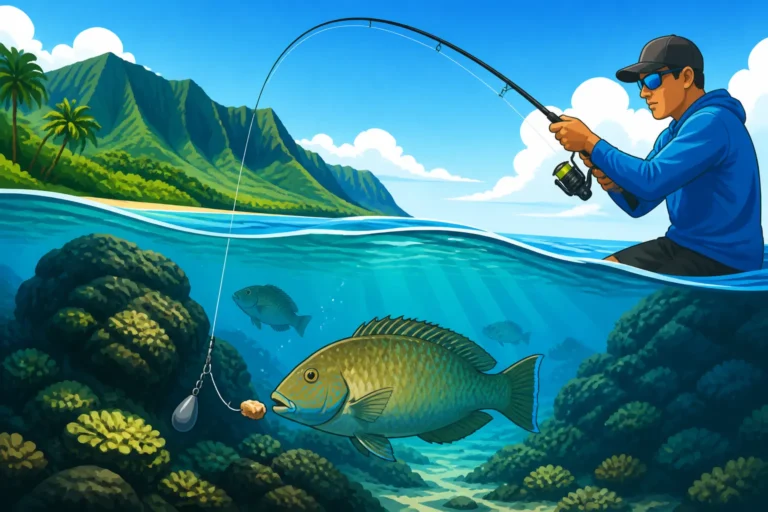
Moi prefer a bait that drifts naturally with the current or sits lightly on the bottom. Avoid heavy weights that pin your bait in place or cause it to dig into the sand. A small split shot or a very light sliding sinker (1/8 to 1/4 ounce, depending on conditions) is usually sufficient to get your bait down and keep it there without impeding its natural movement.
When float fishing for moi from shore, ensure your float is properly weighted so that only the tip is visible. This helps detect those notoriously light moi bites. The goal is to make your bait look like a struggling, injured, or simply vulnerable natural food item, not something unnaturally tethered or weighted down. This gentle, natural presentation is often the deciding factor in whether a moi commits to a bite.
Rigging Techniques for Moi Shore Fishing
Once you've got your prime bait, the next step is to rig it correctly. Moi are particular, and how your bait is presented can make all the difference between a frustrating blank and a successful catch. There are a few tried-and-true rigging methods that work wonderfully for these wary fish from the shore.
The Essential Slide Bait Rig
For many seasoned moi anglers, especially when targeting larger specimens, the slide bait rig is the go-to. This setup allows your bait to move freely and naturally, covering a good area on the bottom without needing to cast heavy weights directly onto the fish. It's an adaptation of classic bottom fishing, but refined for the moi's delicate nature.
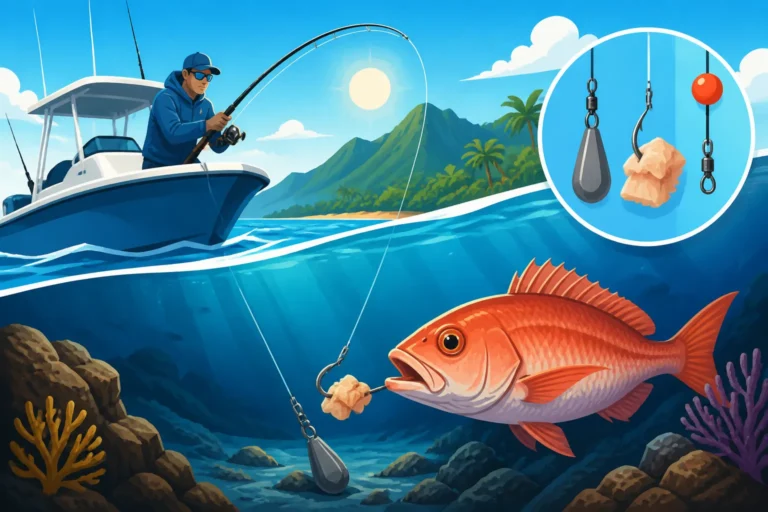
You start with your main line, which can be 10-20 lb monofilament or braid, depending on your rod and reel setup. Thread a small egg sinker (1/4 to 1/2 oz, sometimes heavier if dealing with strong currents or targeting distant channels) onto the main line, followed by a small bead to protect your knot. Then, tie on a swivel. To the other end of the swivel, attach a 2-4 foot length of fluorocarbon leader, typically 6-10 lb test. Finally, tie on your small, sharp hook. The beauty of this rig is that the moi can pick up the bait and swim a short distance without feeling the resistance of the sinker, which is crucial for their soft bite. This allows you to float fish for moi from shore, giving them the freedom to run with the bait.
When using this rig, cast out your sinker and let it settle. The current will then carry your bait, which is attached to the leader, around the bottom, making it appear as natural as possible. It's particularly effective when fishing sandy channels or the edges of reef flats where moi are actively foraging. You'll want to use a rod with a sensitive tip to detect those subtle takes, as the fish might just mouth the bait gently before committing.
Float and Leader Setups for Moi
Another excellent option, especially in shallower water or when you want to keep your bait suspended just above the bottom, is a float and leader setup. This rig is fantastic for preventing your bait from getting buried in the sand or snagged on shallow reef.
For this, you'll need a small, sensitive bobber or a Hawaiian-style pake float. The float should be just buoyant enough to keep your bait at the desired depth without making a huge splash when it hits the water. Attach the float to your main line, then tie a small swivel below it. From the swivel, run a 2-3 foot fluorocarbon leader (6-10 lb test) to your small hook. You might add one or two small split shot weights on the leader, a few inches above the hook, to get the bait down and stabilize it without impeding its natural movement. This setup is perfect for fishing over sandy patches adjacent to reef, or in calm bays where you can see the fish or their disturbances on the surface.
The float acts as your bite indicator. Any twitch, dip, or sudden movement of the float signals that a moi has taken interest. You'll often see them peck at the bait a few times before taking it fully, so don't set the hook on the first subtle movement. Wait for a more decisive pull or for the float to disappear. This can be an incredibly fun and visual way to fish for moi, especially when using lighter tackle. Many different bobbers and floats can be found on Amazon, offering various sizes and sensitivities suitable for this kind of delicate fishing.
Gear Considerations for Moi Anglers
Your gear selection is just as critical as your bait and rig for shore-based moi fishing. Remember, these fish are wary, and heavy, clunky gear will often deter them.
Rods and Reels
For moi, a lightweight, sensitive spinning rod is ideal. Look for a rod in the 7-9 foot range with a fast or moderate-fast action tip. This sensitive tip will allow you to feel those subtle moi bites that a stiffer rod would completely miss. A good quality graphite or carbon fiber rod is worth the investment here. Pair it with a small spinning reel (2500-3000 size) spooled with light braided line (10-15 lb test) for casting distance and sensitivity, backed by that light fluorocarbon leader. Brands like Shimano, Daiwa, and Penn offer excellent light tackle options that you can often find competitive prices for on Amazon.
Hooks, Swivels, and Leaders
As mentioned before, small, sharp hooks are non-negotiable. Octopus or mosquito hooks in sizes #6 to #10 are perfect. They have a wide gap to securely hook the fish's mouth without being too bulky. Small, high-quality swivels are also important to prevent line twist, especially when using soft baits that might spin in the current. Always use fluorocarbon leader material. Its refractive index is very close to water, making it virtually invisible underwater, which is a huge advantage when targeting sharp-eyed moi. Ensure your knots are strong and neat; a bulky knot can deter a fish just as much as a thick leader.
Always check the current Hawaii bag and size limits by species for moi. The Hawaii Moi Minimum Size Limit is strictly enforced, and it's essential to only keep legal-sized fish. Catching a short moi is part of the game, but releasing them carefully is critical for conservation. For a complete overview of all regulations, it’s always a good idea to consult the Hawaii Fishing License Guide for 2026 and even glance through Reading the Hawaii DLNR Fishing Regulations.
Mastering Your Moi Shore Fishing Strategy
Catching moi consistently from shore isn't just about bait and tackle; it's a strategic game that combines environmental awareness, patience, and a deep respect for the fish. Developing a keen eye for the water, understanding the subtle nuances of tides, and practicing stealth are skills that will elevate your moi fishing game.
Reading the Water and Tides
One of the biggest lessons I learned over the years is that the ocean tells a story if you know how to read it. For moi, this means paying close attention to water clarity, wave action, and, crucially, the tides. Moi generally prefer clearer, calmer water. Murky conditions or heavy surf can make them retreat to deeper, safer areas, or simply make it harder for them to see your bait effectively. While they might tolerate a gentle swell, big, crashing waves usually mean it's time to target other species. For fishing in these conditions, mastering techniques like "Best Techniques for Calm Water Reef Fishing" can really improve your success.
The tides are paramount. As mentioned earlier, incoming tides are often the most productive. As the water rises, it pushes baitfish and invertebrates from the deeper areas onto the shallower flats and into the channels where moi feed. Look for areas where the incoming tide creates small eddies or currents along sandbars or reef edges – these are often feeding zones. Knowing how to fish a channel between reefs where the tide is moving can be a goldmine. However, don't ignore outgoing tides entirely, as fish can sometimes stage in deeper pockets waiting for the next influx of food. Learning the specifics of tide changes and how they affect fish behavior in your local spots takes time and observation, but it’s an invaluable skill.
Patience and Stealth: Your Best Allies
Moi fishing from shore is not a "run and gun" affair. It requires a significant amount of patience and an even greater degree of stealth. Moi are incredibly wary fish. Loud noises, heavy footsteps on the sand, or sudden movements can send them scattering. When you approach a spot, do so quietly and slowly. Keep your profile low and avoid casting a long shadow over the water you intend to fish.
Once your bait is in the water, resist the urge to constantly check or retrieve it. Give the bait time to settle naturally and for any spooked fish to return. Often, the bites will be so subtle that you'll only notice a slight slackening of your line or a gentle tap. Don't immediately set the hook on every little bump. Instead, wait for a more definite pull or for your line to start moving deliberately. Sometimes, simply leaving your bait undisturbed for longer periods will yield results where constant fiddling won't. This calm, methodical approach is central to successful moi fishing.
Respecting Regulations and Moi Conservation
Finally, as with all fishing in Hawaii, it's absolutely vital to understand and respect the regulations set forth by the Division of Aquatic Resources (DAR). Moi are a highly valued food fish, and their populations need to be managed carefully to ensure future generations can enjoy them. This means adhering to the closed seasons, which are typically during their spawning period, and strictly observing the minimum size limits.
Always carry a ruler or tape measure with you to ensure any fish you keep are legal. If you catch an undersized moi, handle it with extreme care and release it quickly to maximize its chances of survival. Using barbless hooks or crushing the barb on your hooks can also make for easier, less damaging releases. Consider taking only what you need for a meal, rather than filling a cooler. Practicing responsible fishing not only helps conserve the species but also ensures that the "Best Shore Fishing Spots in Hawaii" remain vibrant and productive for everyone. Understanding these rules is part of being a responsible angler, and helps protect these incredible fish for years to come.
Moi Bait Comparison Table
To give you a quick overview of the baits discussed and their key characteristics for moi fishing from shore, here's a handy comparison table:
| Bait Type | Pros | Cons | Best Conditions/Use | Sourcing Difficulty |
|---|---|---|---|---|
| Live Oama / Juvenile Baitfish | Highly effective, natural movement, strong scent, targets larger moi. | Hard to catch, seasonal availability, requires delicate handling. | Calm, clear water; targeting trophy moi. | High |
| Fresh Cut Oama / Baitfish | Strong natural scent, easily cut to size, durable on hook. | Still requires baitfish, freshness is key, less enticing than live. | Any conditions where moi are active; good all-rounder. | Medium |
| Small Live Crabs | Excellent natural prey, very enticing movement, durable. | Hard to collect, may require specific habitats. | Over sandy bottoms near reef, slow current. | High |
| Fresh Cut Shrimp (Peeled) | Readily available (store-bought or collected), strong scent, easy to rig. | Can be soft on the hook, less durable than crab or oama. | All-round, especially when other baits are scarce. | Low |
| Small Soft Plastic Shrimp/Grubs | Convenient, reusable, no refrigeration needed, easy to source (Amazon). | Lacks natural scent/taste, generally less effective than natural bait. | When natural bait is unavailable, for scouting or practice. | Low |
| Marine Worms | Very natural prey, excellent scent, subtle movement. | Hard to find/collect consistently, can be delicate on hook. | Sandy/silty bottoms, after rain or strong tides. | High |
| Limu (Specific Types) | Extremely natural, can be found locally. | Very specialized, not universally effective, targets smaller moi often. | Grazing moi, calm reef flats. | Medium |
Disclaimer
The information provided in this guide is for general informational purposes only and is not intended as legal advice. Fishing regulations in Hawaii, including seasons, bag limits, and size restrictions, are subject to change by the Hawaii Department of Land and Natural Resources (DLNR). It is the angler's responsibility to consult the most current Hawaii Division of Aquatic Resources (DAR) regulations before engaging in any fishing activity. Always prioritize safety and practice responsible angling to help conserve Hawaii's precious marine resources.