Kayak Fishing Techniques for Hawaii Waters
There’s something truly special, almost magical, about being out on the Hawaiian waters in a kayak, paddle in hand, feeling the rhythm of the ocean beneath you. But let’s be real, the idea of kayak fishing here can also feel incredibly intimidating. With the powerful currents, deep blue waters dropping off just a stone's throw from shore, and a myriad of regulations that seem to change depending on what island you're on, it’s easy to feel overwhelmed before you even launch. This guide is here to cut through that confusion, offering practical, real-world techniques and advice for successful, safe, and respectful kayak fishing in Hawaii, whether you're chasing papio in the shallows or trolling for mahimahi offshore.
Understanding Hawaii's Kayak Fishing Environment
Before you even think about dropping a line, it's crucial to grasp the unique characteristics of Hawaii's marine environment. This isn't your average lake or calm bay; the Pacific Ocean here demands respect and a different approach than what you might be used to.
Inshore vs. Offshore Challenges
The beauty of kayak fishing in Hawaii lies in its incredible versatility. You can hug the coastline, exploring shallow reefs and sandy flats, or you can venture out into the vast blue, chasing pelagic titans. Each environment presents its own set of challenges and rewards.
Inshore kayak fishing means navigating close to the land, often within a mile or two of the shoreline. Here, you'll encounter vibrant coral reefs, jagged lava rock points, and sometimes surprising current rips around coves and channels. The fish you'll target are typically smaller but offer fantastic sport on light tackle – think papio (juvenile trevally), moi (Pacific threadfin), uhu (parrotfish), and various goatfish. The challenges include understanding the intricate reef structure to avoid getting snagged, being mindful of changing tides and swells that can push you onto rocks, and navigating busy areas shared with swimmers, snorkelers, and surfers. It's a game of precision, observation, and often stealth. You’re intimately connected to the environment, paddling over crystal-clear water where you can often spot your target fish before you cast.
Offshore kayak fishing, on the other hand, is a whole different beast. This is where the true adventure lies for many, venturing beyond the immediate reef lines into the deep blue water that quickly drops thousands of feet. Here, you're chasing the ocean's apex predators: mahimahi, ono (wahoo), ahi (yellowfin tuna), and even marlin. The challenges multiply exponentially. You’re dealing with powerful ocean currents, vast expanses of water where land can quickly disappear from sight, and the immense power of large pelagic fish that can tow a kayak for miles. Safety becomes paramount, and physical endurance is a must. The rewards, however, are unmatched – the thrill of hooking into a powerful tuna or the vibrant colors of a fresh mahimahi against the backdrop of the open ocean. It requires different gear, different techniques, and a significantly higher level of preparedness.
Weather and Ocean Conditions
Hawaii's weather is often depicted as perpetually sunny and calm, which is largely true, but the ocean tells a different story. The trade winds are a constant factor, typically blowing from the northeast. While they offer a refreshing breeze, they can also whip up significant chop, making paddling difficult and potentially unsafe, especially when heading offshore or trying to return to shore against them. Always check the wind forecast, and remember that sheltered leeward sides of the islands can offer calmer conditions.
Beyond the wind, swells are a major consideration. Hawaii experiences consistent open-ocean swells, which can range from gentle rollers to powerful, breaking waves, especially on the exposed north and west shores during winter. A seemingly calm day can quickly turn dangerous if a large swell set rolls in, making beach launches and landings hazardous. Currents are another critical element. The ocean here is a living, breathing entity with powerful currents that can carry you far from your intended fishing spot or launch point surprisingly quickly. Knowing the local currents, often influenced by tides and island geography (like the strong currents around points or between islands), is vital for safety and effective drift fishing.
Finally, the sun in Hawaii is no joke. The tropical sun can be incredibly intense, leading to rapid dehydration and severe sunburn if you're not adequately protected. Long sleeves, hats, sunglasses, and plenty of reef-safe sunscreen are non-negotiable. Always carry more water than you think you’ll need, even for shorter trips. The constantly changing interplay of these conditions means that what worked yesterday might be a bad idea today, so a flexible mindset and diligent pre-trip planning are key.
Essential Kayak Fishing Gear for Hawaii
You wouldn't go hiking a lava field in flip-flops, and you certainly shouldn't head out kayak fishing in Hawaii without the right equipment. The ocean here is powerful and unpredictable, and having reliable, purpose-built gear is not just about catching fish, but about ensuring your safety and enjoyment.
Choosing the Right Kayak
When it comes to selecting a kayak for Hawaiian waters, the "sit-on-top" style is almost universally preferred over sit-inside kayaks for fishing. This is primarily due to safety; if a sit-on-top kayak flips, it’s much easier to right and re-enter, and it won't fill with water. Plus, they offer more open deck space for gear and fish.
Within the sit-on-top category, you’ll find a spectrum of designs. Some prioritize stability, which is fantastic for standing to cast or battling larger fish, but might sacrifice a bit of speed. Others are sleeker, cutting through the water with less effort, which is great for covering long distances, but can feel tippy in choppy conditions. Consider where you plan to do most of your fishing: if it's primarily inshore, a shorter, more maneuverable kayak might be ideal. For offshore adventures, a longer, more stable craft, often 12-14 feet or more, offers better tracking and handling in open water.
Then there's the propulsion debate: pedal-drive versus paddle-power. Pedal-drive kayaks, like those from Hobie, are incredibly popular here. They allow you to use your legs to move the kayak, freeing your hands for fishing, rigging, or simply holding onto your rod while fighting a fish. This is a huge advantage, especially when trolling or needing to maintain position against a current. They can also cover distances much faster and with less fatigue than paddling. However, they are generally heavier, more expensive, and have moving parts that require maintenance in saltwater. Paddle-powered kayaks are simpler, lighter, and more affordable. They offer a more traditional kayak experience and are often preferred for accessing very shallow areas where pedal drives might snag. Many kayak anglers often find excellent deals on both types of kayaks, along with all their accessories, on platforms like Amazon, especially for outfitting their first vessel.
Regardless of propulsion, look for features like ample storage (both dry and wet), multiple flush-mounted or adjustable rod holders, a comfortable, elevated seat (especially for longer sessions), and a sturdy rudder system for steering. Scupper holes that drain water are also essential to keep the deck clear.
Rods, Reels, and Tackle
Your rod and reel selection will heavily depend on whether you’re targeting inshore reef fish or offshore pelagics. For inshore "whipping" and light tackle casting, a medium-light to medium action spinning rod, around 7-8 feet, paired with a 2500-4000 series spinning reel spooled with 10-20 lb braided line is a good all-around choice. This setup offers sensitivity for detecting subtle bites and enough backbone for smaller papio, moi, or goatfish. You’ll want a fluorocarbon leader of 15-30 lbs, depending on the target species and conditions.
For offshore kayak fishing, you’ll need to step up your game considerably. A medium-heavy to heavy conventional or spinning setup is recommended, often around 6-7 feet, capable of handling 30-80 lb braided line. Pair this with a robust reel, like a 6000-10000 series spinning reel or a lever drag conventional reel, known for its powerful drag system and large line capacity. When a mahimahi or a small ahi decides to peel line, you'll be glad for that extra capacity and smooth drag. Your leader will also need to be much heavier, often 60-100 lb fluorocarbon, especially when trolling for ono with its razor-sharp teeth. Many anglers find great deals on quality braided lines and fluorocarbon leaders in bulk on Amazon, which can really help with the budget.
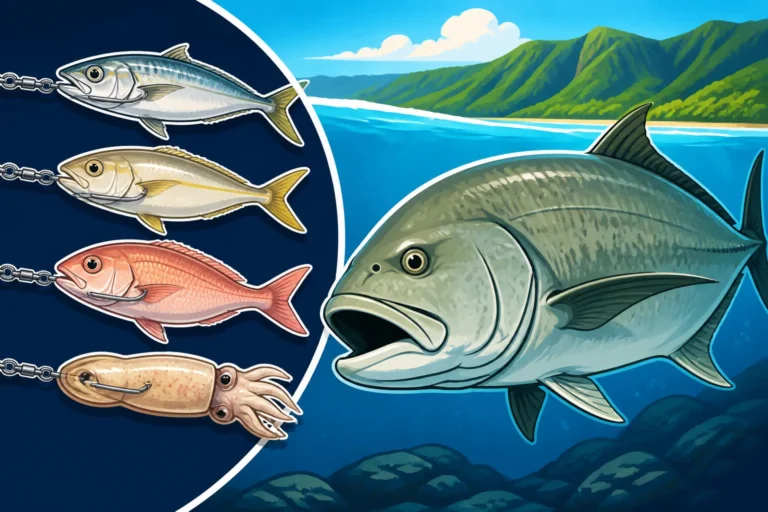
When it comes to lures and bait, versatility is key. For inshore, pack an assortment of small jigs, soft plastics (grubs, swimbaits), and small metal spoons. For offshore, you’ll need skirted trolling lures, diving plugs, and heavy metal jigs for vertical jigging. And don’t forget the essentials: a good pair of pliers, line cutters, a net or gaff (depending on fish size and regulations), a cutting board, and a cooler with plenty of ice to preserve your catch. A fish finder with GPS capabilities is also incredibly valuable for locating structure and marking fishing spots, both inshore and offshore.
Inshore Kayak Fishing Techniques (Reefs and Flats)
The shallow waters and intricate reef systems around Hawaii’s coastlines offer incredible opportunities for kayak anglers. It's a chance to explore hidden coves and flats that larger boats can’t access, often leading to unpressured fish. But it requires a delicate touch and an understanding of the local environment.
"Whipping" and Light Tackle Casting
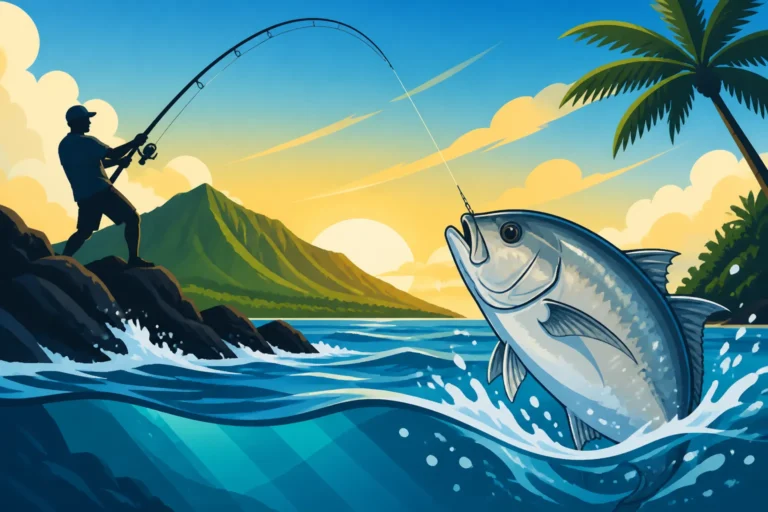
"Whipping" is a popular and highly effective technique for targeting a variety of inshore species, especially papio. It involves casting small, lightweight lures with a fast, erratic retrieve, mimicking fleeing baitfish or crustaceans. From your kayak, you have the advantage of stealth and maneuverability, allowing you to approach reef edges, rocky points, and sandy channels quietly without spooking the fish. Look for areas with current flow around structure, as these are often ambush points for predatory papio.
To execute a good whipping technique, you’ll want a sensitive, fast-action spinning rod that allows you to feel subtle bumps and quickly react. Small lead-head jigs rigged with soft plastic grubs, small metal spoons, or even tiny topwater poppers are excellent choices. Cast your lure towards promising structure – a wave breaking over a submerged rock, a channel running through a flat, or the edge of a darker reef patch – and retrieve it with quick twitches and pauses. Pay close attention to your line, as strikes can often feel like a subtle tap or a sudden weight. Vary your retrieve speed and depth until you figure out what the fish are keying in on. Targeting the surf zone, especially where waves wash over rocky ledges, can be particularly productive for bigger papio. This method is incredibly engaging and keeps you active, constantly casting and retrieving, making for an exciting day on the water. For more in-depth knowledge on this, check out our guide on Best Techniques for Whipping for Papio and How to Catch Papio on Hawaii's Shoreline.
Targeting Moi and Uhu
Moi and uhu are two highly prized Hawaiian reef fish, each requiring specific approaches from a kayak. Moi, or Pacific threadfin, are revered for their delicious flesh and sporty fight. They tend to frequent sandy bottoms adjacent to reefs, often in slightly deeper pockets or channels where baitfish gather. From a kayak, a stealthy approach is crucial. Float fishing with natural baits is often the most effective method for moi. Use a small slip bobber rig, allowing your bait – often fresh shrimp, limu (seaweed), or small pieces of cut fish – to drift naturally just above the sandy bottom. Position your kayak up-current from a likely moi spot and let your bait drift through, gently pulling it along with the current. Moi have delicate mouths, so a light touch and sharp, small hooks are essential. It's vital to remember that moi have specific closed seasons and strict size limits, which you can read more about in Hawaii Moi Closed Season, Explained. Always double-check current regulations with the Hawaii DLNR before targeting them.
Uhu, or parrotfish, are beautiful reef dwellers that provide a challenging sight-fishing opportunity. They are primarily herbivores, grazing on algae from rocks and coral. While often caught by spearfishermen, kayak anglers can target them effectively with small jigs or natural baits (like chunks of limu or crab). The key with uhu is stealth and precision. Paddle quietly over clear reef flats, looking for their distinctive grazing behavior or flashes of color. Once you spot an uhu, cast your bait or jig ahead of its path, allowing it to settle naturally. A slow retrieve or a subtle jigging motion can entice a bite. They can be finicky, so patience is key. Like moi, uhu also have specific Hawaii Uhu (Parrotfish) Size and Bag Limits to be aware of. Their vibrant colors make them an incredible catch, and responsibly targeting them from a kayak adds an extra layer of challenge and reward.
Offshore Kayak Fishing Techniques (Pelagics)
Stepping out into the Hawaiian blue on a kayak for pelagic species is an exhilarating experience, pushing your limits and connecting you directly to the power of the open ocean. It's a world away from inshore fishing, demanding different strategies and an unwavering commitment to safety.
Trolling for Ono and Mahimahi
Trolling from a kayak is a highly effective method for covering ground and encountering fast-swimming pelagic species like ono (wahoo) and mahimahi. These fish are typically found near structure, current breaks, or often around Fish Aggregating Devices (FADs) – buoys deployed by the state that attract baitfish and, subsequently, larger predators. From a kayak, you're limited in speed compared to a powerboat, so lure selection and spread are critical.
When setting up your trolling spread, typically two to three lines are manageable from a kayak, depending on its width and rod holder setup. Use small to medium-sized skirted lures, jet heads, or diving plugs that perform well at slower speeds (typically 3-6 knots, which is a fast paddle or a moderate pedal). Bright, flashy colors are often effective, as are lures mimicking local baitfish like opelu or akule. You can find a huge variety of these specialized lures on Amazon. Position your lures at different distances behind the kayak to avoid tangles and cover more of the water column. Many anglers will run one lure very close to the kayak, another mid-range, and a third further back. Pay close attention to weed lines – floating mats of seaweed that gather in current lines – as these are natural magnets for baitfish and mahimahi in particular.
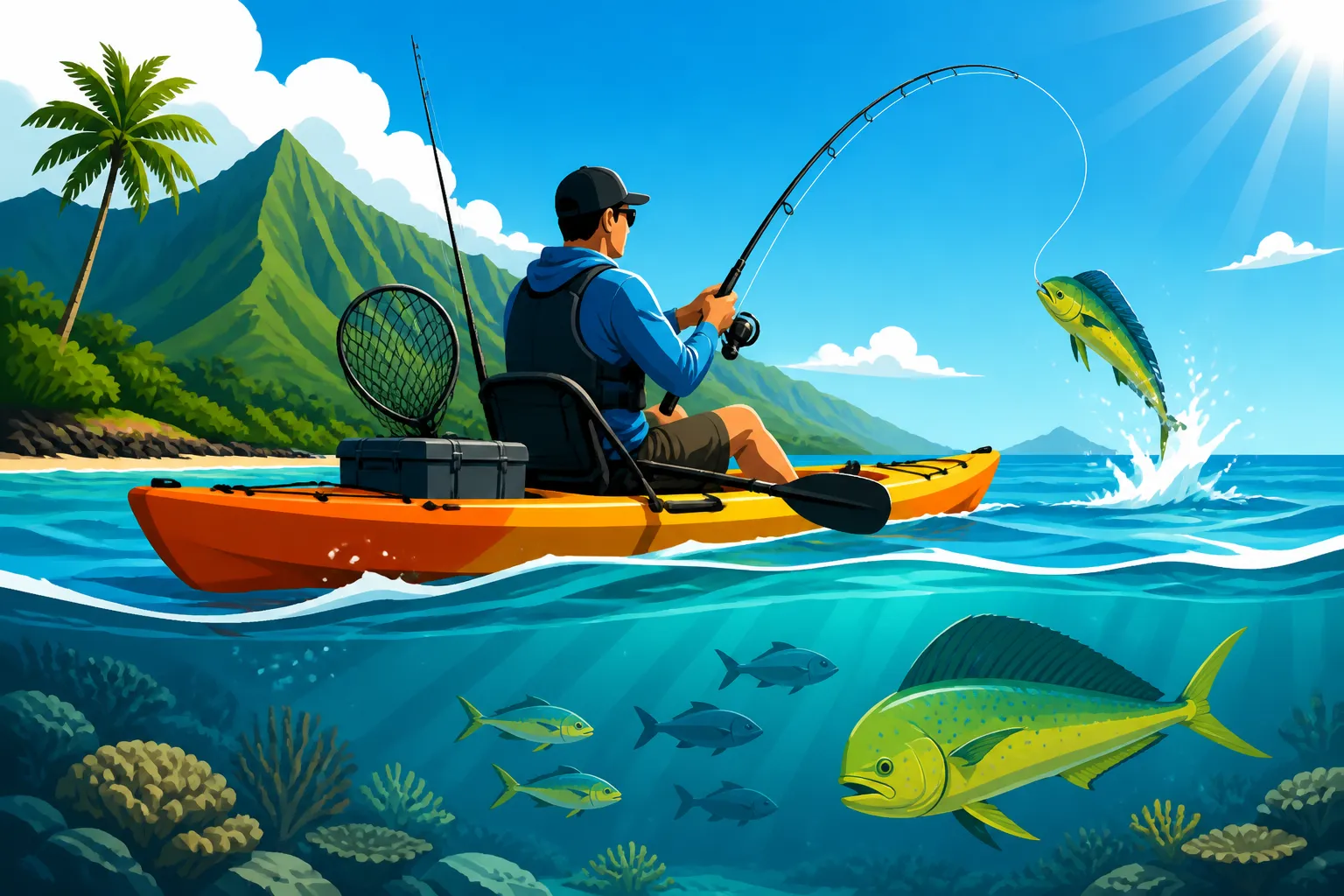
The real challenge comes when you get a strike. A solid ono or mahimahi can hit like a freight train, and fighting such a powerful fish from a small, unstable platform like a kayak requires practice and skill. It’s crucial to maintain your balance, often bracing your feet against the kayak’s footpegs or deck. Keep your rod tip up and fight the fish steadily, allowing your drag to do its job. Be prepared for a long, drawn-out battle that can pull your kayak for significant distances. Having a sharp gaff and a large fish bag or cooler ready is essential for landing and preserving your catch once it's subdued. This is truly where the direct connection to the fish is felt most acutely, a tug-of-war that tests both angler and gear. Dive deeper into the thrill with our guides on How to Catch Mahimahi in Hawaii and Ono (Wahoo) Fishing in Hawaii.
Live Baiting and Jigging for Ahi and Bottomfish
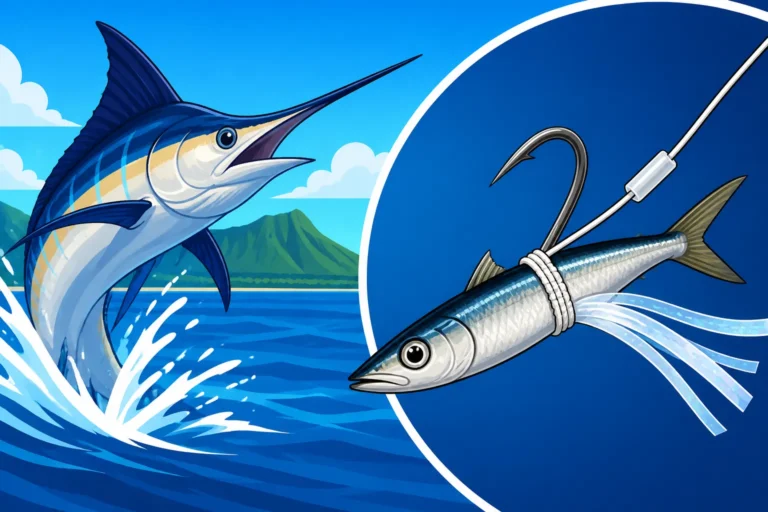
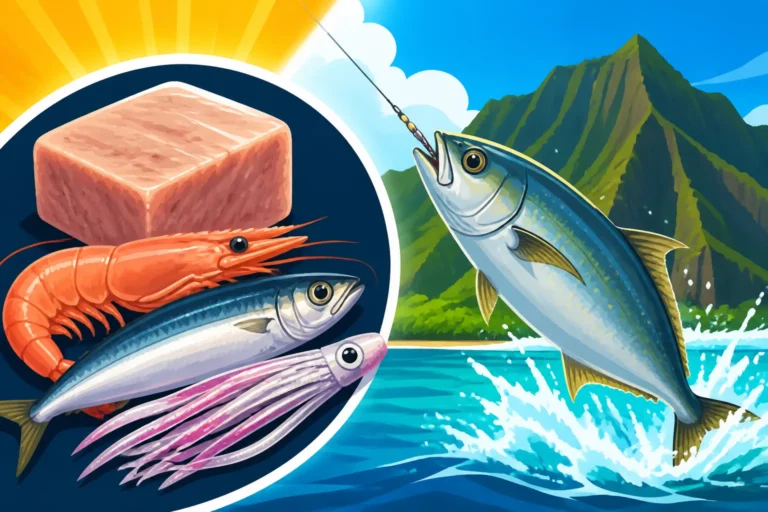
For many serious kayak anglers in Hawaii, the ultimate prize is an ahi (yellowfin tuna). While trolling can catch smaller ahi, live baiting is often the most effective method for targeting larger fish, especially around FADs or schools of porpoise. The challenge, of course, is acquiring live bait. This often involves catching opelu (mackerel scad) or akule (bigeye scad) with sabiki rigs near harbors or bait schools. Once you have a healthy supply of live bait, you can head offshore.
Drift fishing with live bait involves slowly drifting your kayak, often with the current, while deploying one or two live baits at varying depths. You can use a single hook through the nose or back of the baitfish, allowing it to swim naturally. Around FADs, ahi often cruise deeper, so a downrigger setup (though challenging on a kayak) or a deep-set live bait rig might be necessary. When an ahi strikes, hold on tight! These fish are incredibly strong and fast, known for their blistering runs. Keeping the kayak pointed towards the fish as much as possible helps manage the fight. Learn more about pursuing these powerful fish by exploring How to Catch Ahi in Hawaii.
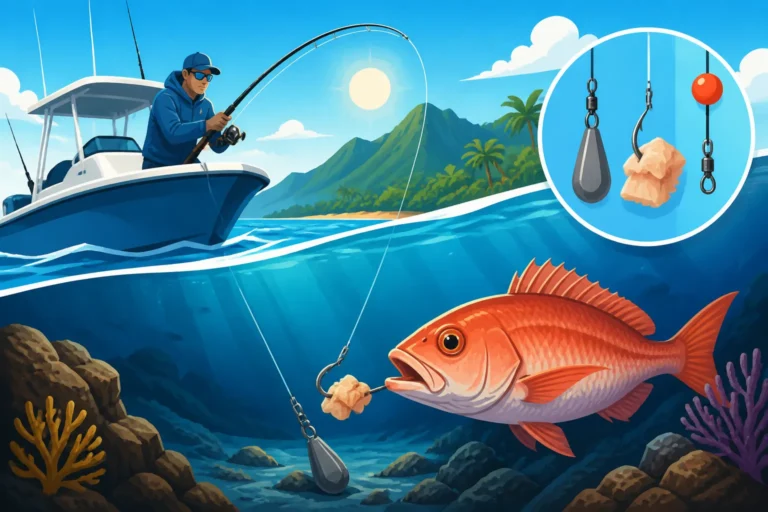
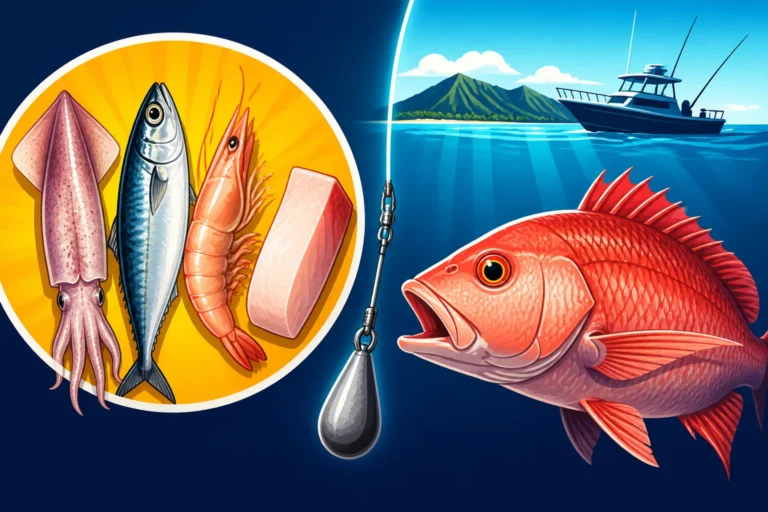
Jigging is another potent technique, particularly for bottomfish like opakapaka (pink snapper) and onaga (ruby snapper), but it can also entice ahi or other pelagics when they are holding deep. This involves dropping heavy metal jigs, often 6-12 ounces or more, to significant depths (100-500 feet) and working them back up with a series of lifts, drops, and pauses. Look for deep drop-offs, underwater pinnacles, or ledges on your fish finder. Many anglers use electric reels for deep dropping, but manual jigging is certainly possible, though it's a serious workout! Specialized slow-pitch jigs or knife jigs are very popular for this. The key is to find the right retrieve pattern and depth where the fish are holding. This is a very targeted approach, requiring good sonar to locate the fish and a lot of muscle. For a comprehensive look at this technique and target species, consult our Bottomfishing in Hawaii guide, and don't forget to explore our article on Jigging for Bottomfish in Hawaii for even more detailed advice.
Safety and Etiquette in Hawaii Kayak Fishing
The allure of Hawaii's waters is undeniable, but the ocean here, beautiful as it is, demands respect. Prioritizing safety and understanding local customs and regulations isn't just about avoiding penalties; it's about ensuring a memorable experience and fostering good relationships with the local community and marine environment.
Essential Safety Equipment
Never, ever underestimate the Hawaiian ocean. What looks like a calm morning can quickly change with shifting winds, currents, or unexpected swells. Carrying essential safety equipment is not optional; it’s absolutely mandatory.
First and foremost, a Personal Flotation Device (PFD) or life vest must be worn at all times. It doesn't matter how strong a swimmer you are; a sudden flip, an injury, or simply fatigue can render you vulnerable. A whistle attached to your PFD is crucial for attracting attention. Beyond that, a signal mirror can be used to flash distant boats or aircraft. For communication, a VHF marine radio is highly recommended, especially offshore. Cell phone service can be unreliable once you're a mile or two from shore. Better yet, consider a satellite messenger or a personal locator beacon (PLB) or EPIRB, which can broadcast your exact location in an emergency, accessible on Amazon. These devices can literally be lifesavers.
Other critical items include a leash for your paddle and rods – losing either could leave you stranded or unable to fish. A knife (mounted on your PFD for easy access) is essential for cutting tangled lines or emergency situations. Always carry enough fresh water to prevent dehydration, and pack plenty of sun protection – hats, sunglasses, long-sleeved shirts, and reef-safe sunscreen. A first-aid kit, a headlamp (even for daytime trips in case you're out longer than planned), and a sturdy anchor with enough line for various depths are also wise additions. Before every trip, file a float plan with someone reliable on shore, detailing where you’re going, your expected return time, and what your kayak looks like. This simple step can make all the difference if you don't return on schedule.
Navigating Regulations and Respecting the Ocean
Hawaii has a comprehensive set of fishing regulations designed to protect its unique marine resources. It’s absolutely critical to familiarize yourself with these rules before you go. First, while residents often have an exemption, non-residents will need a license for certain types of fishing. Don't skip this step; you can find all the details in our guide, Do You Need a Fishing License in Hawaii, and learn how to get one in Hawaii Fishing License Guide for 2026. The Hawaii Division of Aquatic Resources (DAR) website is your go-to for the most up-to-date information, which can also be summarized in documents like Hawaii Fishing Regulations Explained.
Pay very close attention to Marine Life Conservation Districts (MLCDs), areas like Hanauma Bay, where fishing is strictly prohibited or heavily restricted. These areas are clearly marked, and fishing within them can lead to significant fines. Understanding Hawaii Marine Life Conservation Districts, Explained is key. There are also specific bag limits and size limits for various species, along with seasonal closures for fish like moi. Ignorance of the law is no excuse, and wardens patrol these waters.
Beyond regulations, respect for the ocean (or aina) and its resources (or aloha 'āina) is deeply ingrained in Hawaiian culture. This means practicing catch-and-release when appropriate, taking only what you need, and never wasting resources. Be mindful of other ocean users: avoid paddling or fishing too close to surfers, swimmers, or divers. If you're fishing near a public beach or a traditional gathering area, use common sense and courtesy. Leave no trace, pack out all your rubbish, and if you see litter, consider picking it up. Being a good steward of the environment helps ensure these incredible fishing opportunities remain for future generations.
Maintenance and Post-Trip Considerations
Your kayak and gear are significant investments, and proper care is crucial, especially in the harsh saltwater environment of Hawaii. Beyond gear, how you handle your catch reflects not only respect for the resource but also impacts the quality of your meal.
Kayak and Gear Maintenance
Saltwater is incredibly corrosive, and the Hawaiian sun can be brutal on plastics and fabrics. After every single trip, no matter how short, rinse your kayak thoroughly with fresh water. Pay special attention to pedal drives, rudder systems, rod holders, and any crevices where salt crystals can accumulate. A mild soap can be used periodically to remove grime.
Inspect your kayak for any signs of wear and tear, especially cracks, dings, or loose fittings. Check all hatches to ensure they're still watertight. Lubricate moving parts on pedal drives, reels, and rod holder mechanisms with a marine-grade lubricant. For your fishing rods and reels, a quick freshwater rinse after each use is essential. Take extra care with reels, as saltwater intrusion can quickly seize up bearings and gears. Once a month or so, it’s a good idea to disassemble and clean your reels, applying fresh grease and oil.
Store your kayak out of direct sunlight whenever possible. UV rays can degrade the plastic over time, making it brittle. If outdoor storage is your only option, invest in a good quality kayak cover. Store rods and reels separately, ensuring lines are clean and lures are dried before being put away. Taking these few extra steps will dramatically extend the life of your expensive gear and ensure it’s ready for your next adventure. Many kayak parts, maintenance kits, and protective covers can be found readily on Amazon.
Handling Your Catch
Catching fish is only half the battle; proper handling ensures that your hard-earned meal is of the highest quality. In Hawaii, where temperatures can quickly rise, immediate and effective cooling is paramount. The best practice for eating fish is to bleed them immediately after landing. This can be done by cutting the gills or severing the caudal artery near the tail. Bleeding removes lactic acid and blood from the meat, resulting in a cleaner flavor and firmer texture.
Once bled, get your fish on ice as quickly as possible. A large, insulated cooler with plenty of ice is a non-negotiable item for kayak fishing in Hawaii, especially offshore. The goal is to rapidly drop the core temperature of the fish. Some anglers even use "slush" ice, a mixture of ice and saltwater, which is incredibly efficient at cooling. Never just throw fish into a dry cooler; they will spoil rapidly in the tropical heat.
It’s also crucial to be aware of local consumption advisories. While most Hawaiian fish are safe to eat, certain species, particularly larger reef predators in specific areas, can carry the risk of ciguatera fish poisoning. Always be informed about which species and areas might pose a risk. Finally, practice sustainable fishing. Adhere strictly to bag and size limits, consider releasing fish you don't intend to eat, and avoid wasting any part of your catch. The health of Hawaii's fisheries depends on every angler's responsible practices.
| Feature | Inshore Kayak Fishing | Offshore Kayak Fishing |
|---|---|---|
| Primary Targets | Papio, Moi, Uhu, Goatfish, Smaller Reef Species | Mahimahi, Ono, Ahi, Marlin, Bottomfish |
| Typical Depth | Shallows (0-60 ft), Reef Flats, Coves | Deep Waters (60 ft to thousands of ft), FADs, Drop-offs |
| Gear | Medium-light spinning, 10-20 lb braid, small lures, natural bait | Heavy conventional/spinning, 30-80 lb braid, large trolling lures, heavy jigs, live bait |
| Techniques | Whipping, Light casting, Float fishing, Sight fishing | Trolling, Live baiting, Vertical jigging, Deep dropping |
| Key Challenges | Navigating reefs, current rips, avoiding snags, shared space with swimmers | Powerful currents, long distances, fighting large fish, unpredictable weather |
| Safety Emphasis | Local knowledge of reefs, avoiding breaking surf | Communication (VHF/PLB), larger vessel awareness, dehydration, seasickness |
| Kayak Type | Agile, maneuverable, often paddle or pedal drive | Stable, faster, longer, usually pedal drive for endurance |
Disclaimer
Please remember that fishing regulations in Hawaii can change. Always consult the official Hawaii Department of Land and Natural Resources (DLNR) Division of Aquatic Resources (DAR) website for the most current rules and regulations before heading out on your fishing adventure. This guide is for informational purposes only and should not replace official legal advisories.