Best bait for opening day at Kokee
That first day of Kokee trout season is something special, isn't it? After months of anticipation, the thought of those shimmering rainbow trout rising to the bait gets every angler's heart pumping. But with all that excitement, one question always lingers: what's the best bait to guarantee success on opening day? This guide is here to cut through the chatter and arm you with the ultimate knowledge to make your Kokee opener an unforgettable triumph.
The Kokee Opening Day Vibe: Understanding Trout Behavior After the Closure
Kokee Public Fishing Area is a gem, a true oasis for freshwater anglers in Hawaii, and opening day is practically a holiday for many. But it’s not just about showing up; it’s about understanding the unique circumstances of opening day and how they influence trout behavior, especially after a period of closure.
What Makes Opening Day Different for Kokee Trout?
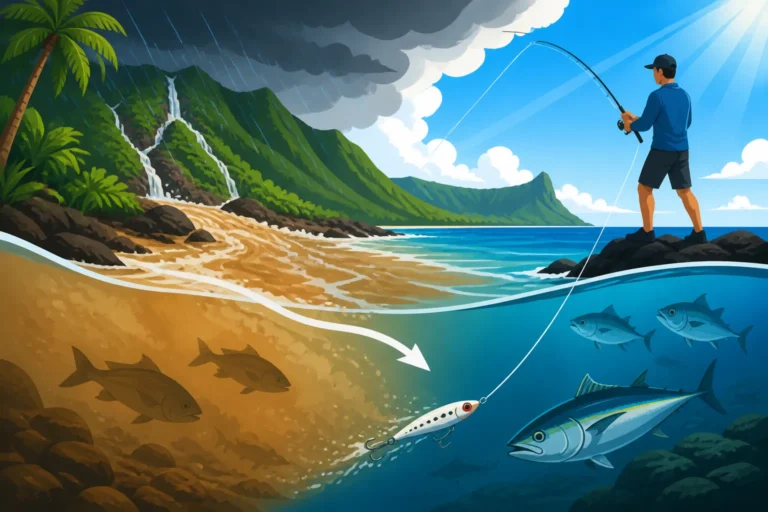
Think about it: these fish have had the streams and reservoirs to themselves for quite some time. While they might be a bit wary of heavy human activity, they’re also often eager to feed, especially if recent stocking has occurred. The pressure of many anglers arriving at once means that presenting your bait effectively and choosing something enticing is paramount. They’ve likely seen a more natural diet during the closure, making some traditional baits even more effective. Also, depending on the weather leading up to the opening, water levels and clarity can greatly impact visibility and how trout perceive your offerings. Cooler, clearer water usually means trout are more active and discerning. If the water is a bit murky from recent rains, scent becomes a much bigger factor.
Natural Forage vs. Stocked Fish Diet
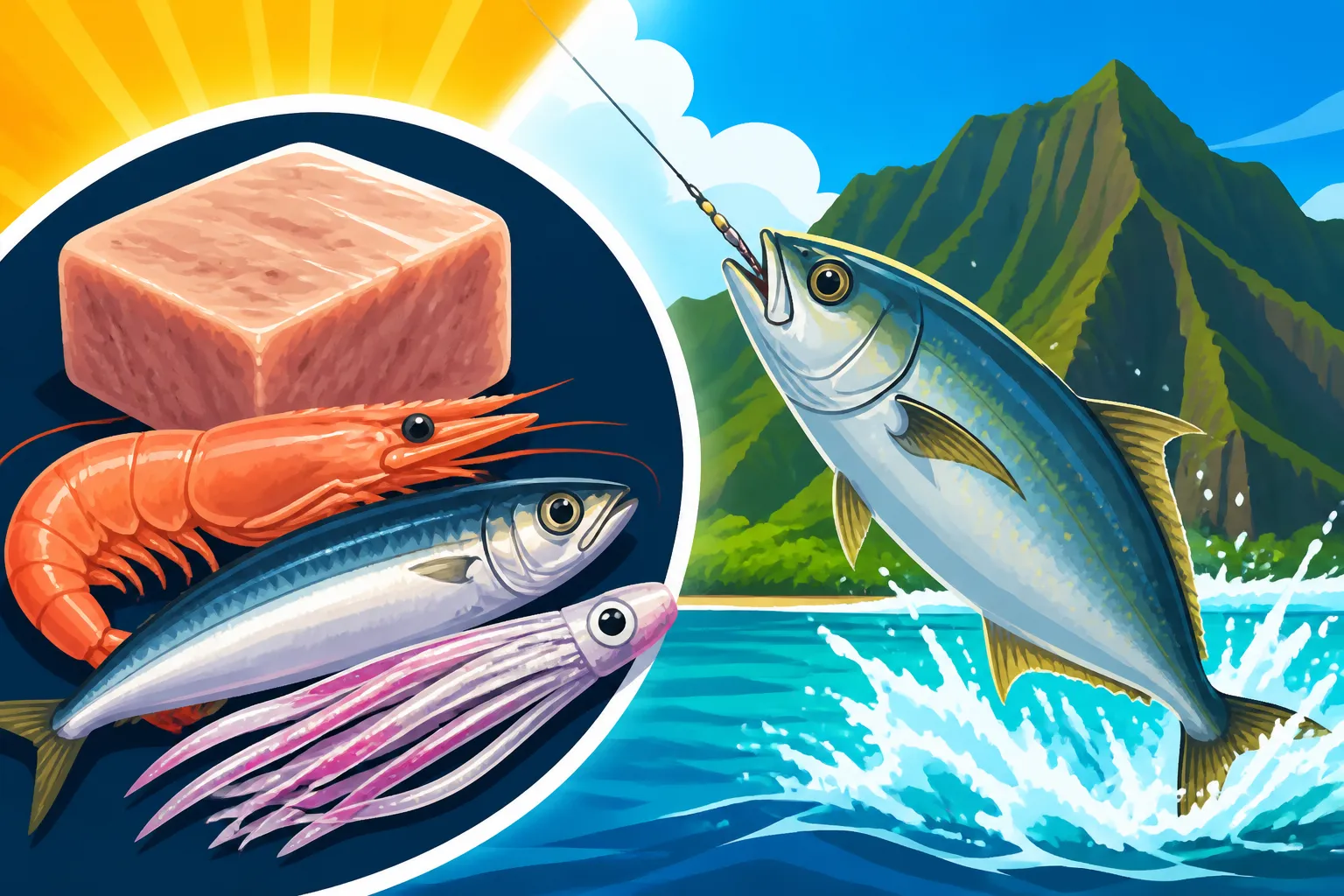
Kokee's trout fishery primarily relies on stocked rainbow trout, though some wild trout can be found in certain areas. This distinction is crucial for bait selection. Stocked trout, having grown up in hatcheries, are often accustomed to pelleted feeds, which translates into a strong preference for dough baits that mimic their early diet. They're also less wary than wild trout, making them more susceptible to brightly colored and scented options. However, even stocked trout revert to natural feeding patterns once introduced to the streams, supplementing their diet with insects, worms, and small crustaceans native to Kokee's waterways. This means that while artificial and dough baits have a strong appeal, natural presentations can also be incredibly effective, especially as the day progresses and the fish become more accustomed to the activity. Understanding the nuances of what both newly stocked and "holdover" trout might be keying in on will truly elevate your game.
Tried and True Baits for Kokee's Hungry Trout
When the morning mist is still hanging over the Kokee streams and reservoirs on opening day, you want baits that have a proven track record. These are the reliable choices that often lead to success, especially when trout are fresh and eager.
PowerBait: The Scented, Colorful Dough
For many Kokee regulars, PowerBait is practically synonymous with trout fishing. It’s a classic for a reason. Its vibrant colors, strong scent, and moldable texture make it incredibly appealing to stocked rainbow trout. On opening day, when the fish might be a little disoriented from recent stocking or just generally hungry, a well-presented glob of PowerBait can be irresistible.
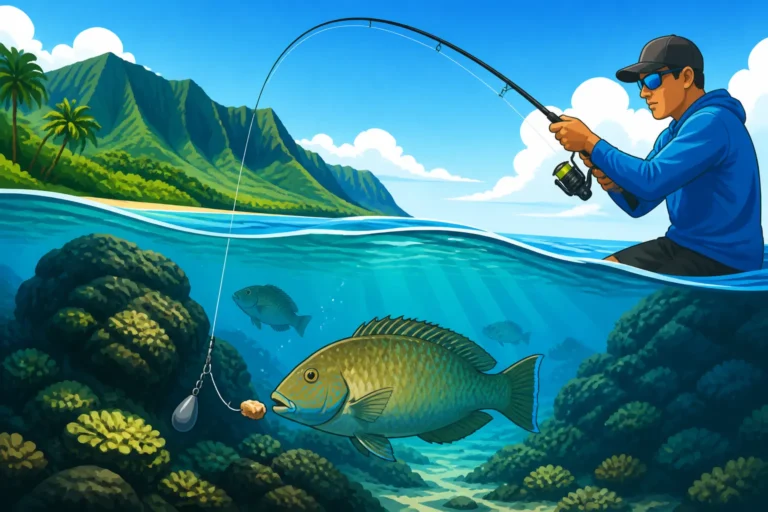
The key with PowerBait is usually flotation. Many varieties are designed to float off the bottom, lifting your hook and bait out of the weeds and into the fish's strike zone. A small treble hook, often size 10 or 12, buried completely within the dough, coupled with a small split shot weight a foot or so up the line, is a popular setup. Experiment with different colors – chartreuse, rainbow, and natural trout flavors are perennial favorites. Often, the bright colors are best early in the morning or in slightly off-color water. You can find a wide array of PowerBait colors and formulations easily on Amazon, ensuring you have options for any condition.
Worms: The All-Natural, Irresistible Classic
You simply cannot go wrong with a classic nightcrawler or garden worm. There’s something universally appealing about a wiggling, earthy worm that trout, both stocked and wild, find hard to pass up. On opening day at Kokee, when fish might be transitioning from hatchery food to a natural diet, a juicy worm offers the perfect bridge.
Worms work well in a variety of presentations. You can fish them on the bottom with a small sinker, allowing the worm to undulate naturally. You can also suspend them under a bobber, letting the current carry them into deeper pockets or under overhangs where trout might be hiding. For best results, use a smaller hook, perhaps a size 8 or 10, and thread the worm on so that the ends can still wriggle freely. This natural movement is often what triggers a strike when other baits might fail. Keep your worms fresh and lively, and don't be afraid to try smaller pieces if the bites are subtle.
Salmon Eggs: A Time-Honored Trout Treat
Salmon eggs, whether natural or artificially cured, are another staple for opening day at Kokee. These small, nutrient-rich orbs are a natural food source for trout in many environments, and even stocked fish seem to instinctively recognize them as a tasty morsel. Their bright colors and subtle scent can be incredibly effective, especially in clearer waters where trout are relying more on sight.
Similar to PowerBait, salmon eggs are typically fished on a small hook (size 12-16) with minimal weight, allowing them to drift naturally with the current. Sometimes, using a cluster of two or three eggs can create a more substantial target, while at other times, a single egg might be all it takes. The appeal of salmon eggs lies in their natural presentation and high protein content, making them a consistent producer when trout are actively feeding. Just be sure to check the specific regulations for the Kokee Public Fishing Area regarding bait types, though natural baits like worms and salmon eggs are generally permitted. For a detailed look at specific rules, you might want to check out the article on Reading the Hawaii DLNR Fishing Regulations.
Lure 'Em In: The Best Artificial Options for Aggressive Strikes
While natural baits are fantastic, opening day at Kokee can also be a prime time for artificial lures. Trout that haven't seen much pressure are often aggressive and willing to chase down a flashy offering. Using lures also allows for a more active fishing style, covering more water and potentially finding those eager biters.
Small Spinners: Flash and Vibration for Active Fish
Spinners are a go-to artificial lure for trout for good reason: they work. The flash of the spinning blade and the subtle vibration it emits in the water are incredibly attractive to trout, mimicking small baitfish or escaping insects. On Kokee's opening day, especially in the larger pools or slower stretches of stream, a well-cast spinner can provoke powerful strikes.
Look for spinners in sizes #0 to #2, with blade colors like silver, gold, or brass. Some come with dressed trebles or single hooks in various colors, adding to their appeal. Popular brands offer excellent options, and you can easily find a good selection of small inline spinners on Amazon. The trick is to cast them upstream or across the current and retrieve them just fast enough to get the blade spinning, allowing them to drift naturally through likely holding spots. Varying your retrieve speed and adding small twitches can often seal the deal. For more in-depth techniques, explore Best Techniques for Freshwater Trout at Kokee.
Spoons and Jigs: Subtle Shines and Vertical Drops
Small spoons and jigs might seem less common for trout, but they can be incredibly effective, particularly in deeper pools or when fish are holding tighter to the bottom. A small spoon, wobbling enticingly as it's retrieved, can imitate a wounded baitfish, triggering a predatory response. Similarly, tiny jigs, tipped with a small piece of bait or a scented soft plastic, can be deadly when fished with a subtle jigging motion.
For spoons, look for sizes under 1/8 ounce in silver, gold, or even holographic finishes. Cast them out and retrieve slowly, letting them flutter on the fall. With jigs, a 1/32 or 1/64 ounce jig head, perhaps dressed with marabou or a tiny grub tail, can be fished vertically in deeper pockets or under shaded banks. The slow, tantalizing fall of a small jig often appeals to less aggressive or deeper-holding trout. These can be particularly effective on those slightly colder opening days when trout aren't as willing to chase fast-moving baits.
Flies: Matching the Hatch (Even on Opening Day)
While many anglers associate fly fishing with dry flies and delicate presentations, even spin anglers can benefit from carrying a few small, weighted flies or nymphs. Under certain conditions on opening day, especially if there's an insect hatch, a fly can be the absolute best choice.
Flies can be fished under a small bobber or float, or even slowly retrieved with a casting bubble. Patterns like an "Eggi Juan Kenobi," a bead-head nymph, or a small woolly bugger can be highly effective. The key is to try and match the natural insects present in Kokee's waters. If you see tiny midges or mayflies, smaller, darker patterns might work. If larger stoneflies or caddis are active, a larger, more robust fly might be better. This approach can be particularly rewarding for those looking to mimic the trout's natural diet. For insights into the timing of the season, check out Hawaii Kokee rainbow trout season opening date.
Presentation is Everything: Maximizing Your Bait's Appeal on Opening Day
Having the best bait in your tackle box is only half the battle. How you present that bait on opening day at Kokee can make all the difference between a memorable catch and a frustrating day.
Light Line and Subtle Rigs
Trout, especially in clear mountain streams like those at Kokee, can be incredibly line-shy. On opening day, with potentially more anglers and commotion, using lighter line is crucial. I generally recommend 4-pound test monofilament or fluorocarbon as a main line, perhaps even dropping to a 2-pound test leader if the water is exceptionally clear and the fish are finicky. Fluorocarbon is less visible underwater and has less stretch, offering better feel for subtle bites.
When it comes to rigs, simplicity often wins. A basic slip-sinker rig or a split-shot rig are excellent choices. For a slip-sinker, use a small egg sinker above a swivel, with a 12-18 inch leader to your hook. This allows the fish to take the bait without feeling the weight of the sinker immediately. For split-shot, place one or two small weights about a foot above your hook. The goal is to get your bait to the strike zone naturally, minimizing any unnatural drag or visible line.
Reading the Water: Where Trout Hide on Opening Day
On opening day, trout will seek out areas that offer both food and shelter. Look for deeper pools where the current slows, allowing fish to rest and ambush passing prey. Shaded areas under overhanging trees or undercut banks are also prime spots, providing cover from predators and direct sunlight. Rocks, logs, and other submerged structures create current breaks and hiding spots.
Don't ignore the faster, oxygenated riffles, especially on warmer days, as trout will often move into these areas to feed. The key is to cover the water thoroughly but methodically. Cast upstream and let your bait drift naturally into these prime locations. Remember that the trout often face upstream, waiting for food to come to them, so presenting your bait from upstream can often yield better results. You might also find some excellent guidance on where to focus your efforts in Best trout fishing spots at Kokee.
Varying Your Approach and Being Patient
One of the biggest mistakes anglers make on opening day is sticking to one bait or one presentation if it’s not working. Trout can be unpredictable, and what worked for one fish might not work for the next, or conditions might change throughout the day. Start with a tried-and-true method, but be ready to adapt. If PowerBait isn't getting bites, switch to a worm. If worms are slow, try a spinner.
Vary your retrieve speeds with lures. With bait, try adjusting the depth or how far you're letting it drift. Sometimes, a subtle twitch can be enough to trigger a strike. Patience is also a virtue. While opening day can be hot, there will be lulls. If a spot isn't producing, give it a few minutes, or move to another promising area, then circle back. Sometimes, a short break or a change in angle is all it takes to entice a bite. And remember, before you cast a line, ensure you have the appropriate licensure. You can learn more about if What age requires a freshwater fishing license in Hawaii applies to you, or consult guides like Hawaii freshwater license cost for residents or Hawaii freshwater license cost for nonresidents for purchasing details.
Here's a quick reference table to help you decide on your opening day strategy:
| Bait Type | Pros | Cons | Best for Opening Day Conditions |
|---|---|---|---|
| PowerBait | Strong scent, bright colors, floats, appeals to stocked fish | Less natural presentation, can be messy, fish might get wary later in day | Early morning, slightly turbid water, newly stocked areas |
| Live Worms | Natural movement, universal appeal, effective for wild and stocked | Can be fragile, requires careful rigging, less flash | All conditions, especially clear water and transitioning fish |
| Salmon Eggs | Natural food source, good for clear water, subtle presentation | Very small, can be hard to keep on hook, less scent than PowerBait | Clear water, light bites, when fish are picky |
| Small Spinners | Flash and vibration, covers water quickly, aggressive strikes | Can spook wary fish in very clear, shallow water, requires active retrieve | Active fish, deeper pools, slightly off-color water |
| Jigs/Flies | Mimics insects, subtle, good for finicky fish or deeper spots | Requires finesse, smaller target, might need special rigging for spin fishing | Finesse fishing, deeper holding fish, matching a hatch |
Ultimately, opening day at Kokee is about getting out there, enjoying the natural beauty, and the thrill of the chase. By understanding trout behavior and bringing a diverse selection of baits and lures, you’ll maximize your chances of a successful and rewarding experience. Don't forget your polarized sunglasses and a good fishing vest, easily found on Amazon, to keep all your essential gear handy. Tight lines and happy fishing! And for more on preparing for the season, consider checking out Hawaii Fishing License Guide for 2026.
Disclaimer
This article is for general informational purposes only and does not constitute professional advice. Laws, prices and regulations vary by location and change over time. Consult a qualified professional for guidance on your specific situation.