How to catch trout right after Kokee’s season opens
Oh, the sheer anticipation that builds up before the opening day of trout season up in Kokee! It's a feeling every angler knows well – that mix of excitement, hope, and a tiny bit of anxiety about whether you'll actually catch anything. Many of us arrive, full of enthusiasm, only to find the trout acting a little differently than we expected, especially when they're fresh out of the hatchery. This guide is all about helping you understand those newly stocked Kokee trout and giving you the best strategies to make your opening day a resounding success.
Navigating the Opening Day Rush and Trout Behavior at Kokee
When the Kokee Public Fishing Area (PFA) opens its doors for trout season, it's not just a date on the calendar; it's practically a holiday for freshwater anglers in Hawaii. You'll find a buzz in the air, shared camaraderie, and a good number of fellow enthusiasts making the trek up to Kauai's beautiful highlands. But while the scenery is breathtaking, the fishing itself requires a bit of nuance, especially when dealing with recently stocked rainbow trout.
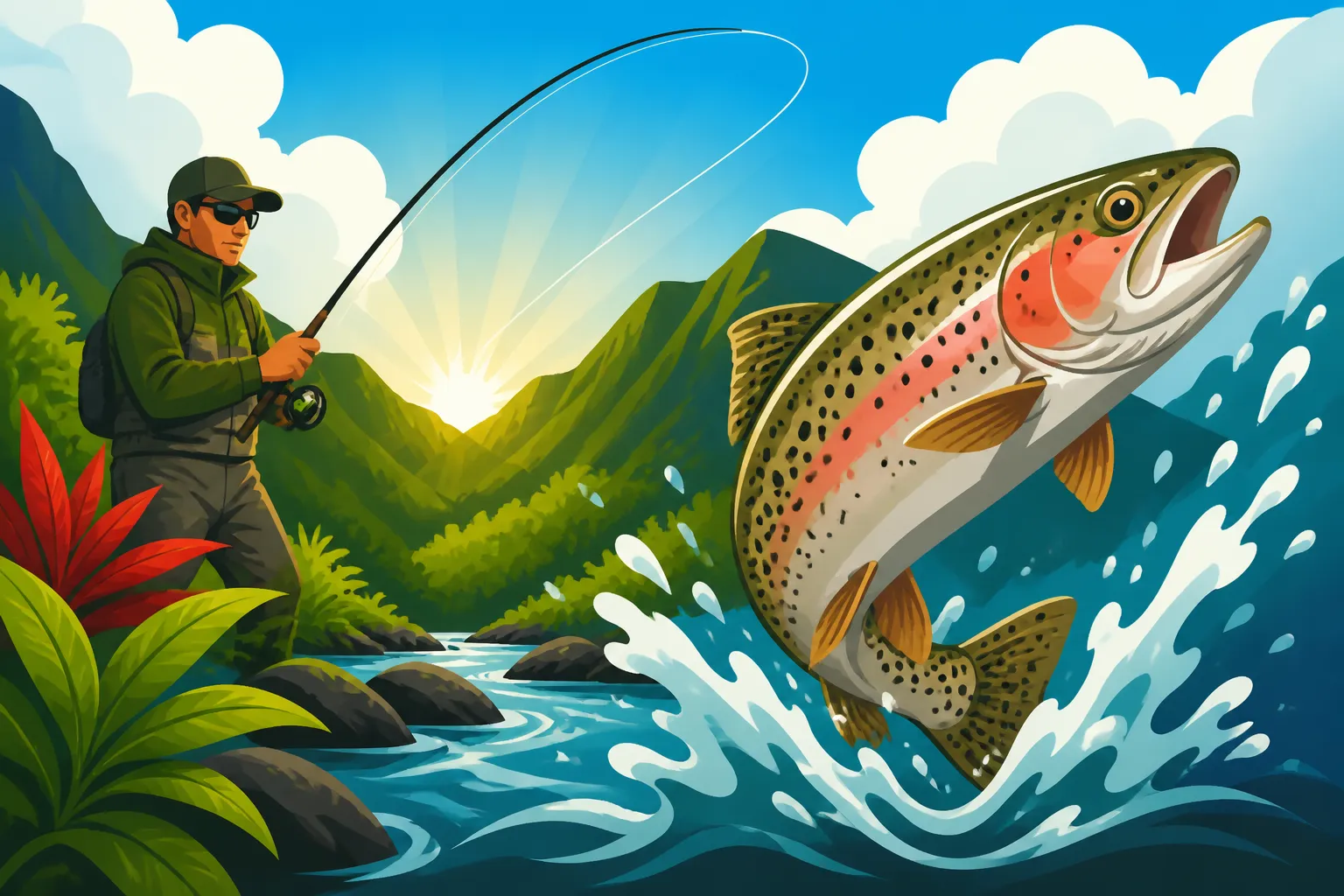
These fish, for the most part, are hatchery-raised. This means their behavior right after stocking is distinct from wild trout that have spent their lives navigating natural currents and evading predators. Immediately after being released into the streams and ponds of Kokee, they can be a bit disoriented. They're in a new environment, often encountering natural currents and structures for the first time. This initial period, especially on opening day and the few days following, presents a unique opportunity, but also requires understanding their immediate needs and reactions. They are often ravenously hungry, having been fed a consistent diet in the hatchery, and are now looking for readily available food sources in their new home. You'll find a detailed overview of this unique fishery in our Rainbow Trout: Hawaii's Only Freshwater Trout Fishery guide.
The challenge on opening day isn't just the trout's behavior; it's also managing the crowds. Everyone has the same idea: get there early, find a good spot, and start reeling them in. Knowing this, it’s crucial to think strategically about where you’ll cast your line and how you'll approach the water. Freshly stocked trout tend to congregate in certain areas, often near where they were released, or in deeper, slower pools where they feel a sense of security from the current. They haven't yet learned the intricate hiding spots or the wariness of their wilder cousins. This means that while they might be easier to spot, they can also be spooked by heavy foot traffic or sudden movements along the bank. Being stealthy, even when there are other anglers around, can give you a significant advantage.
Choosing Your Arsenal: Best Gear and Baits for Kokee's Opening
Getting your gear dialed in for Kokee's opening day is paramount. You don't need a heavy-duty setup; in fact, lighter is almost always better when it comes to these stream-dwelling trout.
The Right Rod, Reel, and Line
For Kokee trout, an ultra-light to light spinning rod, typically in the 5 to 6-foot range, is ideal. This length gives you enough casting distance for the streams and ponds, while still allowing for precision and sensitivity, which is key when you’re detecting subtle bites from trout. Pair this with a small spinning reel, something in the 1000 to 2000 series. The smaller reel keeps the overall setup light and balanced, making it a joy to cast all day. For line, going light is also the way to go. Four to six-pound test monofilament or fluorocarbon line is usually sufficient. Monofilament offers a bit more stretch and forgiveness, which can be helpful when a trout makes a sudden run, while fluorocarbon is nearly invisible underwater and offers increased sensitivity. Some anglers prefer braided line with a fluorocarbon leader for ultimate sensitivity and strength, especially if they're worried about snagging in submerged branches. You can find a fantastic selection of these lighter setups on platforms like Amazon, making it easy to get everything you need before the season begins.
The Best Opening Day Baits and Lures
This is where the magic happens for opening day! Freshly stocked trout often respond incredibly well to specific baits and lures, especially those that mimic the pellets they were fed in the hatchery or are simply easy for them to spot and grab.
- PowerBait and Similar Dough Baits: These are often the absolute king of opening day baits. Hatchery trout are accustomed to pellet food, and PowerBait, in its various forms (dough, nuggets), has a strong scent and often floats, presenting itself enticingly off the bottom. Colors like chartreuse, rainbow, and orange tend to be perennial favorites. Rigging it on a small hook (size 10 or 12), with a small split-shot weight about 12-18 inches above the hook, allows it to drift naturally or sit just off the bottom.
- Corn: Yes, plain old canned corn! It's cheap, effective, and trout absolutely love it. The bright yellow color is highly visible, and it's a natural food source in many environments. Use a single kernel or a small cluster on a tiny hook.
- Small Spinners: Mepps Aglia, Rooster Tail, or Panther Martin spinners in sizes #0 to #2 are incredibly effective. Their flashing blades and vibrations attract trout from a distance. Gold, silver, and fire tiger patterns are good starting points. Cast them across and slightly upstream, retrieving just fast enough to get the blade spinning.
- Worms: Natural earthworms or even synthetic alternatives are always a solid choice. Trout are opportunistic feeders, and a wiggling worm is hard for them to resist.
- Flies: For fly anglers, smaller nymph patterns (like Prince Nymphs, Hare's Ear Nymphs) and wet flies can be successful. Streamers that imitate small baitfish can also work, especially in larger pools. If you're looking to explore more specific techniques for Kokee, our guide on Best Techniques for Freshwater Trout at Kokee offers even deeper insights into different approaches.
Here's a quick comparison of popular opening day choices:
| Bait/Lure Type | Pros | Cons | Best Use |
|---|---|---|---|
| PowerBait | High scent, floats, familiar to hatchery fish, wide color selection. | Can be messy, sometimes requires specific rigging to float correctly. | Still or slow-moving water, deeper pools. |
| Corn | Cheap, natural appeal, highly visible, easy to rig. | Can fall off hook easily, less scent than PowerBait. | Still or slow-moving water, bottom fishing. |
| Small Spinners | Active presentation, covers water quickly, strong visual attraction. | Requires constant retrieve, can snag easily in shallow water. | Moving water, targeting active fish. |
| Worms | Natural scent and action, universally appealing to fish. | Can be messy, may attract non-target species. | Any water type, good for less active fish. |
| Small Flies | Natural imitation, subtle presentation, excellent for wary fish (later). | Requires specific fly fishing gear and technique. | Moving water, targeting specific feeding lanes. |
Mastering the Tactics: Where and How to Present Your Lure
Knowing what to use is only half the battle; knowing where and how to present it is the other, equally critical, half. On opening day, with freshly stocked trout, certain tactics tend to shine.
Locating the Fish
Right after stocking, trout often behave somewhat predictably. They're looking for comfort, food, and a sense of security.
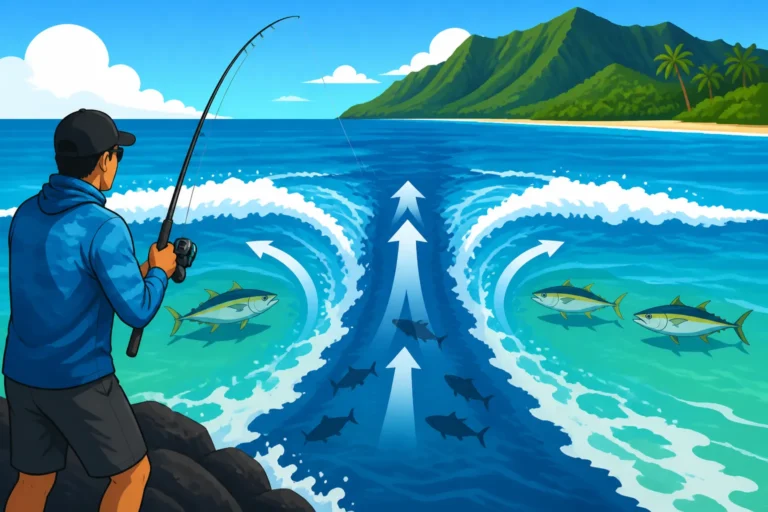
- Deeper Pools and Eddies: Look for stretches of water where the current slows down, creating deeper pools or eddies behind rocks, logs, or bends in the stream. These spots offer a respite from the main current and can hold significant numbers of trout. They're also where food tends to accumulate.
- Undercut Banks and Overhanging Vegetation: These areas provide excellent cover and shade, making trout feel safer. Fish will often hold close to these structures, ready to dart out for a passing meal.
- Points of Release: If you know where the fish were stocked, the areas immediately downstream (and sometimes slightly upstream if they've moved against the current) are prime locations. The trout often mill around these spots for a while before dispersing.
- Water Inflows: Any small feeder creeks or areas where fresh water enters the main stream can concentrate fish, as these spots often bring in new food sources and oxygen. Keep an eye out for these "sweet spots" which can sometimes be less obvious. Our Best Trout Fishing Spots at Kokee guide can give you an even more detailed breakdown of specific locations.
Presenting Your Bait or Lure
Once you've identified a promising spot, your presentation can make all the difference.
- Stealth is Key: Even with hatchery fish, a quiet approach is crucial. Avoid heavy footsteps along the bank, sudden movements, or casting shadows over the water. Trout, despite their initial disorientation, are still sensitive to vibrations and visual cues.
- Upstream Casts for Natural Drifts: If you're using bait (PowerBait, corn, worms) or nymphs, casting slightly upstream and letting your bait drift naturally downstream with the current is incredibly effective. This mimics how natural food items would travel. Keep just enough slack in your line to allow for a natural drift, but not so much that you can't feel a bite.
- Slow Retrieves for Spinners: When using spinners, cast them across the current or slightly upstream and retrieve them slowly. The goal is to get the blade spinning and create a flash, but not to rip it through the water. A slow, consistent retrieve is often all it takes to entice a strike. Experiment with different retrieve speeds until you find what the fish are responding to.
- Vary Your Depth: If you're not getting bites, try adjusting your depth. If you're using bait, add or remove split shot to get your bait closer to the bottom or suspended higher in the water column. For lures, let them sink a bit deeper before starting your retrieve. Trout might be holding tight to the bottom in cooler water or suspending mid-water looking for food.
- Be Patient, But Also Adaptable: Opening day can sometimes mean intense action, but it can also mean periods where the fish are less active. Don't be afraid to switch baits or lures if one isn't working. If a spot isn't producing after a few casts, move on to the next promising area. Sometimes just a few yards can make all the difference. You might consider grabbing a variety pack of small lures or PowerBait colors from Amazon before you head up, just so you have options.
Important Considerations: Regulations and Etiquette for Kokee Trout
Beyond the thrill of the catch, responsible angling is a huge part of the Kokee experience. Understanding and adhering to the rules, and practicing good etiquette, ensures that this precious fishery remains vibrant for years to come.
Fishing Licenses and Regulations
First and foremost, you absolutely need a freshwater fishing license to fish for trout at Kokee. This isn't an option; it's a requirement. You can't just show up and expect to fish legally. The good news is that obtaining one is straightforward, and the fees contribute directly to the management and stocking programs that keep Kokee a viable trout fishery. Make sure to check the specific requirements, especially regarding age, well before your trip. For residents and non-residents, there are different options, and understanding them is crucial. Our Hawaii Freshwater Fishing License and Rules guide provides all the details you’ll need, including information on Hawaii Freshwater Game Fishing License Cost and Hawaii Fishing License Age Requirements. Always consult the latest regulations from the Hawaii Division of Aquatic Resources (DAR) before heading out, as rules can change. This includes specifics on Hawaii Bag and Size Limits by Species for trout, which are strictly enforced.
Respecting the Resource and Fellow Anglers
Kokee is a special place, and on opening day, it can feel like a small community has gathered. Practicing good fishing etiquette is essential for everyone's enjoyment.
- Give Space: If someone is already fishing a particular run or pool, give them ample space. Don't crowd in or cast directly over their lines. A general rule of thumb is to allow at least 20-30 feet between anglers, or more if the area allows.
- Leave No Trace: Pack out everything you pack in. This includes old fishing line, bait containers, food wrappers, and anything else you bring. The beauty of Kokee's natural environment is part of what makes the fishing so special, and it's our responsibility to keep it pristine.
- Handle Fish Responsibly: If you plan to release fish, handle them gently. Wet your hands before touching them to protect their protective slime coat. Remove the hook carefully, or cut the line if the hook is deeply embedded. If you're keeping fish, dispatch them quickly and humanely.
- Be Mindful of Wildlife: Kokee is home to native birds and other wildlife. Observe from a distance and avoid disturbing their natural habitats.
- Know Your Limits: Be aware of the daily bag and size limits for trout. These limits are in place to ensure a sustainable fishery. Over-harvesting not only depletes the stock but can lead to fines and loss of fishing privileges. Remember, it's about the experience as much as the catch, and ensuring there's fish for future generations is paramount. For more detailed insights into opening day preparations, you might find our article on Best Bait for Opening Day at Kokee helpful in rounding out your tackle box.
By understanding the unique behavior of freshly stocked trout, preparing with the right gear and tactics, and always adhering to regulations and etiquette, your opening day at Kokee can be a truly rewarding experience. Tight lines, and enjoy the beauty of Hawaii's only dedicated trout fishery!
Disclaimer
This article is for general informational purposes only and does not constitute professional advice. Laws, prices and regulations vary by location and change over time. Consult a qualified professional for guidance on your specific situation.