Rainbow Trout: Hawaii’s Only Freshwater Trout Fishery
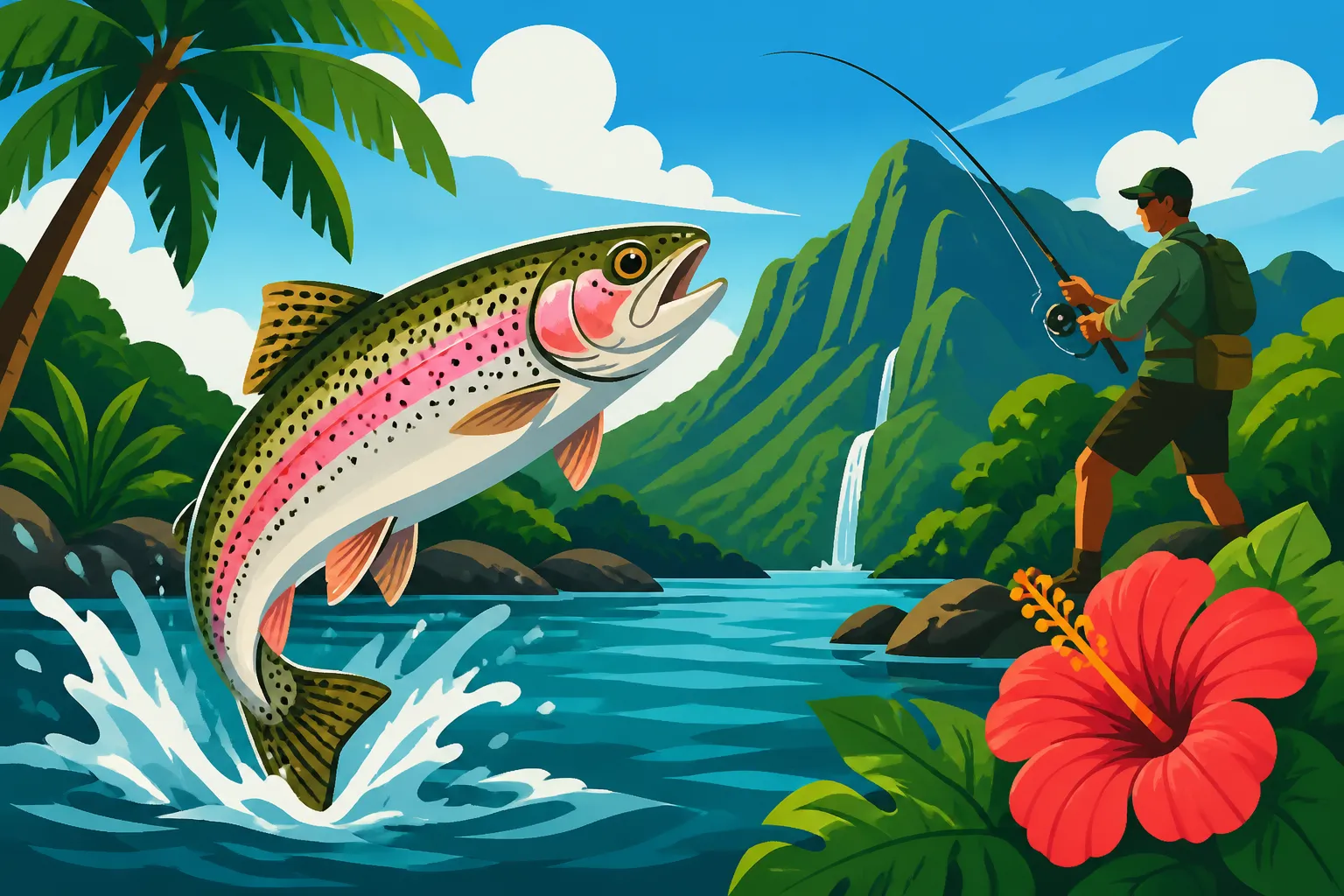
For many, the thought of fishing in Hawaii conjures images of deep blue oceans, battling marlin, or chasing bonefish across sun-drenched flats. But imagine standing by a cool, rushing stream, surrounded by lush, misty mountains, casting for rainbow trout. It sounds like something out of a dream, or perhaps a different state entirely! Yet, this incredibly unique experience is very real on the island of Kauaʻi, offering a refreshing contrast to the typical Hawaiian fishing narrative. This guide will walk you through everything you need to know about Hawaii's only freshwater trout fishery, ensuring you're prepared for this unexpected angling adventure in Kokee State Park.
The Unique Appeal of Hawaii's Freshwater Trout
Finding rainbow trout thriving in Hawaii is genuinely one of those "wait, really?" moments for many anglers. It challenges all preconceived notions of what fishing in the Aloha State is all about, adding a layer of unexpected joy and wonder to the islands' already rich outdoor offerings. It's a testament to the diverse microclimates that exist within these volcanic landmasses, proving that Hawaii truly holds a surprise around every bend.
A Tropical Anomaly: Trout in Paradise
The image of rainbow trout is typically associated with crisp, cool mountain streams in places like the Pacific Northwest or the Rockies. So, the idea of them flourishing in Hawaii, a place synonymous with warmth and tropical beaches, can be quite startling. This anomaly is precisely what makes the Kokee trout fishery so special and intriguing. It's not just about catching fish; it's about experiencing a stark contrast that highlights the incredible ecological diversity of the islands. You're trading sandy toes for muddy boots, saltwater spray for mountain mist, and the vast Pacific for intimate stream bends.
The very existence of these trout is a story in itself. They aren't native to Hawaii, of course, but were introduced over a century ago. What allowed them to thrive was the specific, temperate conditions found at higher elevations on Kauaʻi. While the coastal areas bake in the sun, Kokee's elevation provides the necessary chill, consistent rainfall, and oxygen-rich stream environments that trout require. It's a delicate balance, sustained through careful management and the unique geography of the island. This isn't just a quirky side note; it's a testament to how adaptable these fish can be when given the right conditions, even in the heart of the tropics.
Why Kokee State Park is the Trout Mecca
If you're looking to catch rainbow trout in Hawaii, Kokee State Park on Kauaʻi is your destination. This isn't just a spot; it's the spot. Nestled high in the mountains above Waimea Canyon, Kokee offers a completely different Hawaiian experience. Here, temperatures are significantly cooler, often dropping into the 50s and 60s Fahrenheit, especially during the mornings and evenings. The lush, verdant landscape is fed by frequent rains, creating a network of perennial streams that flow down the mountainsides, providing the ideal habitat for trout.
The park's elevation, averaging around 3,600 to 4,000 feet, combined with the consistent cloud cover and rainfall, ensures the water remains cool and well-oxygenated—critical factors for trout survival. These streams, such as the Waiʻalae, Mohihi, and Kawaikoi, wind through dense native forests and open meadows, creating picturesque fishing grounds that feel a world away from the island's famous beaches. Kokee's history as a trout fishery dates back to the early 1900s, when these streams were first stocked. Since then, it has been meticulously managed by the Hawaii Department of Land and Natural Resources (DLNR) to maintain a sustainable, albeit highly regulated, fishery. It's a special place, not just for the fishing, but for the profound sense of tranquility and connection to a wilder, cooler side of Hawaii.
Understanding Hawaii's Rainbow Trout
Before you head out, knowing a little about the specific trout you'll be targeting can make your experience more rewarding. These aren't just any rainbow trout; they are part of a unique fishery that has adapted to its Hawaiian mountain home. Their characteristics and behaviors are largely similar to their mainland cousins, but understanding their local context is key.
Species Overview and Characteristics
The rainbow trout found in Kokee State Park are typically of the Kamloops strain (Oncorhynchus mykiss), originally brought in from California. In Kokee's streams, they generally don't reach the gargantuan sizes sometimes seen in larger lakes or rivers, but they offer a thrilling challenge on light tackle. Anglers typically encounter fish ranging from 8 to 14 inches, with occasional catches pushing past the 16-inch mark. While these might not be trophy dimensions for some, a vibrant, hard-fighting rainbow trout in a Hawaiian mountain stream is a trophy in itself.
Their coloration can vary depending on the stream's substrate and water clarity, but you'll usually see the distinctive pink or red band running along their lateral line, with dark spots scattered over a silvery-green body. They are agile and quick, known for their spirited fights and acrobatic jumps once hooked. These trout are opportunistic feeders, consuming a diet of aquatic insects, small crustaceans, and even terrestrial insects that fall into the water. Their keen eyesight and wariness in the clear waters of Kokee mean that stealth and precision in your approach are paramount to success.
Life Cycle and Habitat in Kokee
The life cycle of rainbow trout in Kokee is heavily influenced by the DLNR's active management, specifically through stocking programs. While some natural reproduction might occur in certain areas, the fishery is largely sustained by annual stocking of fingerlings to ensure a healthy population for anglers. This helps manage the population size and provides consistent opportunities, especially since Hawaii's streams, while suitable, may not support large-scale natural spawning consistently due to various environmental factors. The DLNR plays a crucial role in maintaining this unique fishery, and their efforts are what allow anglers to enjoy this experience year after year. For more information on these efforts, you can check out details on Rainbow Trout Stocking at Kokee.
Trout in Kokee prefer cool, clear, well-oxygenated water, which is precisely what the park's mountain streams offer. They gravitate towards areas with good cover, such as undercut banks, submerged logs, and deeper pools, where they can ambush prey and hide from predators. Look for them in riffles where oxygen levels are high and insects are dislodged, or in the calmer pools below waterfalls and rapids where they can rest and feed. The streams themselves are often quite narrow and overgrown, requiring careful casting and presentation. The vegetation along the banks provides essential shade, keeping water temperatures down, and contributes to the insect life that forms the basis of the trout's diet. Understanding these habitat preferences will significantly increase your chances of locating and successfully catching Kokee's elusive rainbow trout.
Regulations and Licensing for Kokee Trout Fishing
Navigating fishing regulations can sometimes feel like trying to untangle a bird's nest of fishing line, but it’s absolutely critical, especially in a tightly managed, unique fishery like Kokee’s. Hawaii’s DLNR has specific rules in place to protect this valuable resource and ensure a fair and sustainable experience for all anglers. Trying to bend or break these rules isn't worth the headache, or the hefty fines you could face.
Essential Licenses for Freshwater Anglers
First and foremost, if you plan to fish for rainbow trout in Kokee State Park, you absolutely need a valid Hawaii freshwater fishing license. This isn't one of those areas where certain exemptions apply, like some marine fishing for residents. Whether you're a long-time resident of Kauaʻi or visiting from the mainland, a license is mandatory. Don't fall into the trap of assuming because it's a "state park" or "freshwater" that the rules are more relaxed; they're actually quite specific. You can find comprehensive details on obtaining the correct permit in the Hawaii Fishing License Guide for 2026 and specifically for freshwater, Hawaii Freshwater Fishing License and Rules.
The types of licenses available generally differ for residents and non-residents, with varying costs and durations. Residents typically have annual options, while non-residents might find short-term licenses (e.g., 7-day or 30-day options) more suitable for a vacation. It's always best to check the current rates and options directly with the DLNR or an authorized vendor, as these can change. Remember, these fees go directly towards managing and maintaining the fishery, including the stocking programs that keep Kokee a viable trout destination. Before you even think about packing your waders, make sure your license is secured. You can explore topics like Hawaii Freshwater Game Fishing License Cost or Hawaii freshwater license cost for residents for more specific financial details. The good news is, getting one is relatively straightforward these days, often available online or at designated retail locations, as detailed in Where and How to Buy a Hawaii Fishing License.
Season Dates and Specific Rules for Kokee
Unlike ocean fishing, where many species are open year-round with varying bag limits, trout fishing in Kokee State Park operates on a very strict, seasonal basis. This closed season is critical for the recovery and growth of the trout population, allowing the fish to mature without angling pressure. The season typically opens on the first Saturday in August and runs through the last day of September. However, these dates are subject to change and must be verified annually with the DLNR, as sometimes conditions or management decisions can alter the schedule. Always double-check the Hawaii Kokee Trout Fishing Season Dates or even the Hawaii Kokee rainbow trout season opening date for the most current information right before your trip.
Beyond the season, there are very specific rules regarding what you can and cannot do:
- Bag Limit: There's usually a daily bag limit, often set at 7 trout per person. This limit is strictly enforced, and going over it is a serious violation.
- Size Limit: While there might not be a strict minimum size limit, anglers are encouraged to release smaller fish to promote growth and natural selection, though you should always check the exact regulations.
- Gear Restrictions: Only certain types of lures and baits are permitted. Generally, artificial lures with a single barbless hook are preferred, and often required. Live bait might be prohibited to prevent the introduction of invasive species or diseases. Always consult the official Hawaii DLNR Fishing Regulations Explained before you go to avoid any misunderstandings.
- Hours: Fishing is usually restricted to daylight hours, from sunrise to sunset.
- Permitted Areas: While we'll cover this more, not all streams or parts of streams in Kokee are open to fishing. Stick to designated public fishing areas.
Understanding and adhering to these rules isn't just about avoiding penalties; it's about being a responsible steward of Hawaii's unique and fragile freshwater ecosystem.
Navigating Kokee State Park's Fishing Areas
Kokee State Park offers an intimate and sometimes challenging environment for trout fishing. The streams are not wide-open rivers, but rather smaller, often brush-lined waterways that require a bit of adventurous spirit and careful navigation. Knowing where you can and cannot go, and how to conduct yourself, is part of the experience.
Public Fishing Areas and Access Points
Within Kokee State Park, the primary streams open for public fishing include the Waiʻalae, Mohihi, and Kawaikoi streams. These aren't always easily accessible, and you won't typically find designated, manicured fishing spots like you might in other states. The fishing here often involves a bit of hiking, bushwhacking, and navigating uneven terrain. Access points are usually off the main Kokee Road or along various hiking trails within the park. Parking is available at various lookout points and trailheads, but make sure you’re not blocking any access roads or trails.
For example, the Kawaikoi Stream is often accessed via the Mohihi-Camp 10 Road, which itself can be challenging and might require a 4×4 vehicle, especially after heavy rains. The Waiʻalae Stream might involve hiking a portion of the Canyon Trail or other less-traveled paths. It’s a good idea to consult a detailed trail map of Kokee State Park before you go, and even speak with park rangers or local tackle shops for the most up-to-date conditions on stream access. Remember, some areas within the park, particularly around certain conservation zones or sensitive habitats, might be off-limits to fishing, so always pay attention to signage. This isn't a walk in the park; it's an adventure into the heart of Kauaʻi's highlands.
Respecting the Environment and Other Anglers
Kokee State Park is a truly special place, home to unique native flora and fauna, and it deserves the utmost respect. Practicing "Leave No Trace" principles is not just recommended, it's essential for preserving this fragile ecosystem. This means packing out everything you pack in, including all trash, leftover fishing line, and any discarded bait containers. Do not disturb wildlife, either terrestrial or aquatic, beyond the act of fishing itself. Stick to established trails as much as possible to avoid trampling delicate undergrowth and causing erosion, especially near stream banks.
Beyond environmental considerations, remember that you might encounter other anglers. Hawaiian fishing culture, even in its more remote areas, often emphasizes respect and camaraderie. Be mindful of others' space, avoid loud noises, and share the stream access points courteously. If you catch your limit, consider moving on or trying a different stream to allow others a chance. The small, intimate nature of these streams means that a single careless angler can negatively impact the experience for everyone else, and potentially harm the delicate balance of the fishery. We are all stewards of these resources, and ensuring Kokee remains a pristine trout fishery for future generations depends on our collective responsibility.
Effective Techniques and Gear for Kokee Trout
Catching trout in Kokee's streams is a rewarding challenge that calls for specific techniques and appropriate gear. These aren't vast, open waters, but rather intimate, often overgrown streams where stealth and precision are your best friends. Think light tackle and a subtle approach.
Recommended Tackle and Lures
For Kokee's smaller rainbow trout and often tight casting conditions, light spinning gear or a delicate fly fishing setup is ideal.
- Rods: A light-action spinning rod, around 5'6" to 6'6" in length, paired with a small spinning reel, is perfect. For fly anglers, a 2-weight to 4-weight fly rod, 6 to 7.5 feet long, will give you the necessary delicacy for these smaller streams. A shorter rod helps tremendously when casting in brushy areas or under low-hanging branches.
- Line: Spool your spinning reel with 4 to 6-pound test monofilament or fluorocarbon line. For fly fishing, a weight-forward floating line matched to your rod weight is standard, with a tapered leader (5x or 6x) to present your flies naturally. Using clear or low-visibility line is always a good idea in these clear waters.
- Lures: Small inline spinners (size 0 or 1) in silver, gold, or black, tiny spoons, or micro jigs are highly effective. For an added edge, consider small trout magnets or plastic grubs. Using single, barbless hooks is often required and always recommended for easier release and less harm to the fish. If you're struggling to find the right sizes or types locally,
Amazonhas a fantastic selection of light tackle lures that ship directly to your door, making it easy to gear up even in remote locations. - Flies: If you're a fly angler, a variety of small nymphs (like Prince Nymphs, Hare's Ears, or Pheasant Tails in sizes 14-18), dry flies (Caddis, Adams, or Elk Hair Caddis in sizes 14-18), and small streamers (Woolly Buggers) will cover most conditions. Matching the hatch might be tricky, but general attractor patterns usually work well.
- Bait: Check current regulations, but often small artificial baits like PowerBait or Gulp! Trout Baits might be permitted. Natural bait is usually prohibited to prevent contamination.
Here’s a quick overview of essential gear:
| Item | Spinning Gear Recommendation | Fly Fishing Gear Recommendation | Notes |
|---|---|---|---|
| Rod | 5'6" – 6'6" Light Action | 2-4 Weight, 6' – 7.5' | Shorter rods better for brushy streams |
| Reel | Small Spinning Reel (500-1000 series) | Fly Reel matched to rod weight | Smooth drag is key |
| Line | 4-6 lb Monofilament/Fluorocarbon | WF Floating Line, 5x-6x Leader | Low visibility helps in clear water |
| Lures/Flies | #0-#1 Spinners, Tiny Spoons, Micro Jigs | Small Nymphs (14-18), Dry Flies, Streamers | Single, barbless hooks preferred/required |
| Waders/Boots | Lightweight Wading Boots, Quick-Dry Pants | Lightweight Wading Boots, Quick-Dry Pants | Essential for comfortable stream access and crossing |
| Essentials | Pliers/Hemostats, Line Clippers, Net | Pliers/Hemostats, Line Clippers, Net | Catch and release tools, small net for handling fish |
| Sun Protection | Hat, Sunglasses, Sunscreen | Hat, Sunglasses, Sunscreen | Even in the mountains, sun can be strong |
| Navigation | Map, Compass/GPS, Phone | Map, Compass/GPS, Phone | Trails can be confusing, battery pack for phone |
| Rain Gear | Lightweight Rain Jacket | Lightweight Rain Jacket | Frequent mountain showers |
Fishing Strategies for Mountain Streams
Fishing Kokee's streams requires a thoughtful and often patient approach. The trout here are wild and wary, accustomed to a pristine environment and quick to spook. Best Techniques for Freshwater Trout at Kokee covers a lot of this, but let's dive deeper.
- Stealth is Key: Approach the stream quietly and cautiously. Wear natural, muted colors that blend with the surroundings. Avoid heavy footsteps on the bank that could send vibrations through the water. Cast from a kneeling or low position if possible, especially in clear, shallow sections. Trout have excellent vision, and your silhouette against the sky is a dead giveaway.
- Upstream Approach: Whenever possible, fish upstream. This allows you to present your lure or fly naturally with the current, drifting it down towards where the fish are likely holding. It also means you approach the fish from behind, reducing your chances of spooking them. Your presence, even subtle, is less likely to be detected as you move against the flow.
- Target Structure: Trout love cover. Cast your lure or fly to the edges of deeper pools, under undercut banks, around submerged rocks, and near fallen logs. These are prime ambush points where they feel safe and can dart out to feed. Don't neglect riffles and aerated sections below small waterfalls; these areas are often high in oxygen and food.
- Accurate Casting: With overgrown banks and narrow streams, accurate casting is paramount. Practice your roll casts or short, precise overhead casts to get your lure or fly exactly where you want it without getting hung up in the trees. A small, light lure or fly offers more control.
- Vary Your Retrieve/Presentation: If you're using spinners or jigs, experiment with different retrieve speeds and depths. For fly fishing, try different nymphing techniques, dead drifts for dry flies, or twitching small streamers. Sometimes a subtle change in presentation can make all the difference. Remember, the fish are looking for natural-looking food, so avoid anything that looks too unnatural or aggressive.
- Patience and Persistence: You might not catch a fish on every cast, or even every pool. Kokee trout fishing is about the experience and the challenge. Be patient, move slowly, and keep experimenting. Sometimes, simply changing the color of your lure or the size of your fly can turn a slow day into a productive one.
Best Times and Conditions for Trout Fishing
Just like any fishery, understanding the optimal times and conditions can significantly improve your chances of success when chasing trout in Kokee. While the season is quite specific, even within those months, certain days or periods will be more productive than others.
Seasonal Outlook and Weather Considerations
As we touched on, the Kokee trout season is generally limited to August and September. Within this narrow window, several factors can influence fishing success.
- Early Season (August): When the season first opens, enthusiasm is high, and fishing pressure can be heavier. The trout, having been unbothered for months, can be quite aggressive and less wary initially. However, early season might also see higher, faster water levels if the preceding winter and spring had abundant rainfall. Higher water means fish might be more spread out, and wading can be more challenging or even unsafe in some areas. If you can time it right, a few days after the opening rush, before the fish become too educated, can be fantastic.
- Late Season (September): As September progresses, water levels might recede, making the streams clearer and often easier to wade. This can make the trout warier, requiring even more stealth and refined presentation techniques. However, lower, clearer water also means you can often spot fish more easily, leading to exciting sight-fishing opportunities. The weather tends to be a bit more stable, with fewer heavy downpours, though mountain mist and occasional rain are always possibilities.
- Rainfall and Stream Levels: This is perhaps the most critical weather factor. Kokee is a rainforest environment at elevation, so rain is frequent. Heavy rains can cause streams to blow out, becoming muddy, fast, and unfishable for a day or two. Conversely, a period of dry weather can lead to very low, clear water, making fish extremely spooky. The sweet spot is often a few days after a good rain, when the water has begun to clear and drop, but before it gets too low. The trout will often be more active after a good flush. Always check local weather forecasts and stream conditions before heading out, as conditions can change rapidly in the mountains.
Understanding Trout Behavior in Hawaiian Climates
While you might be in Hawaii, the rainbow trout in Kokee still largely behave like trout anywhere else, but their tropical mountain environment adds a unique twist.
- Temperature Sensitivity: Trout are cold-water fish, and even at Kokee's elevation, water temperature is key. The coolest parts of the day—early morning and late afternoon/early evening—are often the most productive. Midday, especially if the sun is out and streams are lower, can be slower as trout retreat to deeper, cooler lies.
- Insect Activity: The frequent rainfall and lush vegetation mean a consistent supply of terrestrial insects (ants, beetles, grasshoppers) falling into the water. Anglers should pay attention to what's floating on the surface or what's present on stream-side vegetation. Aquatic insect hatches will also occur, and observing these can help you choose the right fly. If you see fish rising, that's your cue for dry flies!
- Cloud Cover vs. Bright Sun: Overcast days are generally better for trout fishing. The reduced light makes fish less wary and more likely to feed actively throughout the day. Bright, sunny days can make trout retreat to shaded areas or deeper pools, making them harder to entice. Polarized sunglasses, available widely on
Amazon, are absolutely essential for spotting fish in clear water, regardless of the sun. They cut the glare and allow you to see into the water, giving you a huge advantage. - Elevation Effects: While not directly affecting fish behavior in a unique Hawaiian way, the elevation means cooler air temperatures and often higher humidity. Be prepared for cooler conditions than at the beach, and potentially damp gear, which is why a good lightweight rain jacket is crucial. The unique mix of tropical lushness and cool, crisp air is part of the charm, but it also dictates what fish do and how anglers approach them.
Beyond the Catch: Experience and Preservation
While catching a rainbow trout in Hawaii is undoubtedly the primary goal for many anglers, the Kokee experience offers so much more. It's an opportunity to immerse yourself in a truly unique corner of the islands and contribute to its preservation.
The Broader Kokee State Park Experience
Fishing for trout in Kokee is not just about the act of angling; it’s an integral part of a much larger, unforgettable outdoor adventure. Kokee State Park, perched high above the stunning Waimea Canyon, often called the "Grand Canyon of the Pacific," offers breathtaking vistas that will leave you speechless. Imagine pausing your fishing to gaze out at the vast, colorful expanse of the canyon, or watching the mist roll in from the coast, shrouding the verdant ridges in a mystical cloak.
Beyond fishing, the park boasts an extensive network of hiking trails suitable for all levels, from easy strolls through native forests to challenging treks offering panoramic views. You can explore trails like the Alakaʻi Swamp Trail, leading to a rare high-elevation bog, or the Canyon Trail, which takes you down into the Waimea Canyon itself. Camping is also an option, with rustic cabins and designated campsites available, allowing for a multi-day immersion in this cooler, quieter side of Kauaʻi. Birdwatching is exceptional here, with opportunities to spot rare native forest birds that thrive in these pristine habitats. Combining a morning of trout fishing with an afternoon hike or a visit to the Kokee Natural History Museum truly rounds out the experience. It’s a chance to connect with a different facet of Hawaii, one that emphasizes its ancient geology and unique ecological heritage.
Conservation Efforts and the Future of the Fishery
The existence of a vibrant rainbow trout fishery in Hawaii is not a natural phenomenon but a testament to ongoing conservation and management efforts by the Hawaii Department of Land and Natural Resources (DLNR), Division of Aquatic Resources (DAR). These trout are an introduced species, and their presence requires careful balancing to ensure they don't negatively impact native ecosystems while still providing a recreational opportunity. The core of this management lies in the annual stocking programs. As mentioned earlier, Rainbow Trout Stocking at Kokee provides insight into how these populations are maintained, ensuring a fresh supply of fish each season. This proactive approach helps sustain the fishery for anglers while minimizing potential ecological disruptions.
Angler participation in conservation is paramount. Adhering strictly to all regulations—bag limits, size restrictions, and gear requirements—is not just about compliance, but about being a responsible steward of this unique resource. Practicing catch and release, especially for larger breeding-size fish or when you've already secured your daily limit, helps ensure future generations can enjoy this special fishery. Using barbless hooks, as often encouraged or required, significantly reduces harm to fish that are released. Furthermore, supporting the DLNR through license purchases directly funds these vital conservation efforts. The future of Hawaii's only freshwater trout fishery relies on a partnership between state agencies and a dedicated community of respectful anglers who appreciate the privilege of casting a line in this tropical anomaly.
Disclaimer
This article is for general informational purposes only and does not constitute professional advice. Laws, prices and regulations vary by location and change over time. Consult a qualified professional for guidance on your specific situation.