Hawaii state record ono weight
There's a special kind of excitement that bubbles up when you're out on the Hawaiian waters, dreaming of that one incredible catch that could cement your name in the record books. We've all heard the whispers of monster fish, and for many anglers, the sleek, fast-moving ono (wahoo) represents the ultimate challenge. This guide is dedicated to exploring the official Hawaii state record for ono, diving into what it takes to catch such a magnificent fish, and understanding the thrill of chasing that elusive, record-breaking wahoo.
The Quest for the Record: Understanding Ono
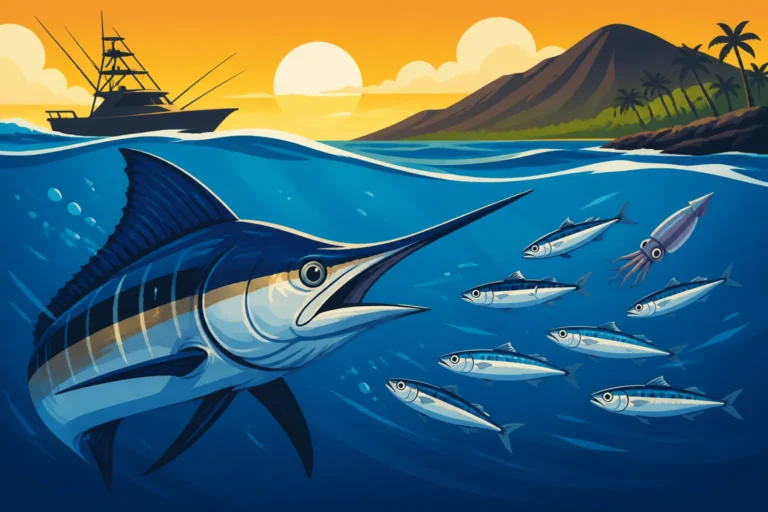
When you talk about speed and power in Hawaiian pelagic fishing, the ono, also known as wahoo, quickly comes to mind. These torpedo-shaped predators are a true test of an angler's skill and tackle, and landing a truly massive one is a badge of honor.
What Makes Ono Such a Coveted Catch?
Ono, meaning "delicious" in Hawaiian, certainly lives up to its name on the dinner plate, offering firm, white flesh that's fantastic grilled, seared, or in poke. But beyond their culinary appeal, they are prized sportfish due to their incredible speed and fighting prowess. When an ono strikes, it's often a lightning-fast run, stripping hundreds of yards of line from your reel in seconds. They're built for pure acceleration, with powerful tails and razor-sharp teeth that make short work of baitfish and unprepared fishing lines alike. Imagine the sheer adrenaline of a rod doubling over, the drag screaming as something invisible rockets away at 50 miles per hour – that's the ono experience. They typically travel alone or in small schools, often lurking around current lines, FADs (Fish Aggregating Devices), or submerged structure, making them a challenging but immensely rewarding target for any angler. This combination of speed, power, and deliciousness makes them an aspirational species for many who cast a line in Hawaii.
Their striking iridescent blue and silver stripes fade shortly after being caught, revealing a more subdued coloration, but the memory of their vibrant beauty in the water persists. Anglers often spend years refining their techniques, studying Ono Habits and Feeding Behavior to better understand when and where these elusive fish are most likely to strike. There's a certain respect that comes with successfully battling an ono, especially a big one, bringing it boat-side after a grueling fight. It’s not just about the size, but the sheer athletic performance of the fish itself.
Where Do Record Ono Typically Roam in Hawaii?
Ono are nomadic pelagic fish, meaning they live in the open ocean rather than near the coast or bottom. In Hawaii, they are often found in warmer waters, typically offshore but sometimes closer to shore when baitfish are abundant. They love structure – not necessarily physical reefs you can see, but underwater pinnacles, ledges, current breaks, and especially the famous FADs that the Division of Aquatic Resources maintains around the islands. These buoys attract baitfish, which in turn attract predators like ono. You'll often find them lurking along the "100-fathom line," where the ocean floor drops dramatically, creating upwellings and currents that concentrate food.
The Kona Coast of the Big Island is particularly renowned for its ono fishing, largely due to the deep water close to shore and the generally calm seas, allowing for effective trolling. However, excellent ono fishing can be had off all the main islands, from Maui to Oahu and Kauai. Anglers often look for specific signs, like diving birds indicating bait schools, or changes in water temperature and clarity, as these can all signal the presence of ono. Understanding Hawaii Fishing Seasons by Month can also give you an edge, as ono populations tend to fluctuate with the seasons, though they can be caught year-round. Targeting these fast movers often means venturing several miles offshore, requiring a capable boat and a keen eye for subtle ocean clues.
The Official Hawaii State Record for Ono
Every angler dreams of the day they might pull in "the one" – a fish so substantial it shatters existing records. For ono, that dream carries a specific weight.
The Current Record Holder and Its Story
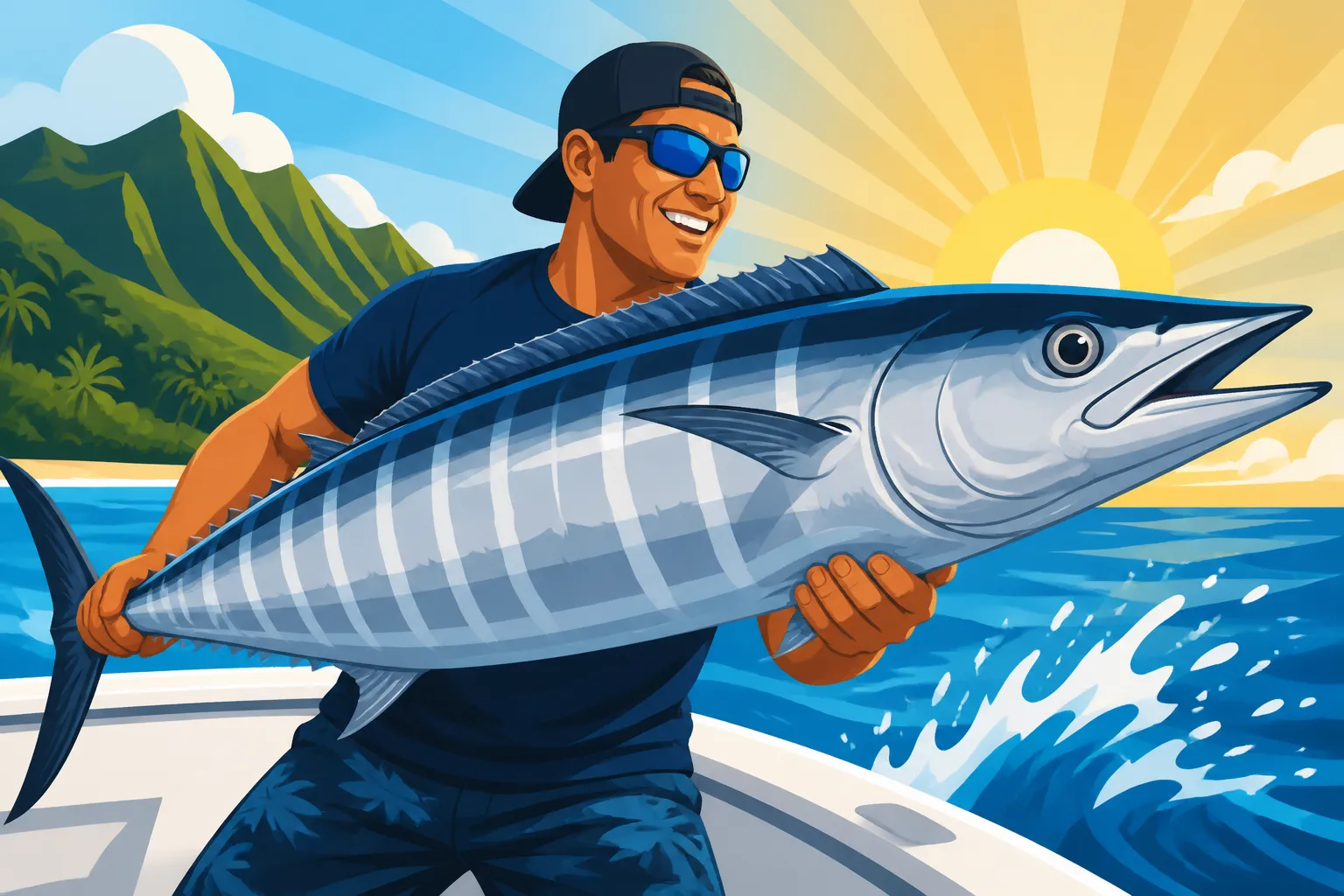
The official Hawaii state record for ono stands as a testament to the incredible fish that swim in our waters and the dedication of the anglers who pursue them. The current record for ono, or wahoo, in Hawaii is a magnificent fish weighing 133.2 pounds. This incredible catch was made off the Kona Coast of the Big Island, a testament to the region's reputation for producing world-class pelagic species. While the details of every record catch fade into legend over time, the weight itself remains a solid benchmark for anyone aiming to etch their name in the annals of Hawaiian fishing history. It speaks to the power and size these fish can attain in the nutrient-rich waters surrounding our islands.
Imagine the fight, the sheer brute force required to subdue a fish of that magnitude. It wasn't just a lucky catch; it was the culmination of skill, the right tackle, a bit of good fortune, and undoubtedly an epic battle that pushed both angler and gear to their limits. This record sets the bar incredibly high and serves as a constant challenge for those who venture offshore with visions of a record-breaking ono dancing in their heads. To learn more about other incredible catches, you can explore Hawaii State Fish Records by Species. It's a reminder that truly monumental fish are out there, swimming in our backyard.
The Thrill of Chasing a Potential Record
Chasing a state record isn't just about the fish; it's about the journey, the anticipation, and the knowledge that every cast, every troll, every strike could be the one. Anglers dedicate countless hours, days, and even years to understanding their target species, the nuances of the ocean, and the most effective techniques. The thrill lies in the challenge – overcoming the vastness of the ocean, the sheer power of the fish, and the often-unpredictable elements. When you hook into a fish that feels different, heavier, more powerful than anything you've felt before, that's when the record dreams truly ignite.
It's a combination of meticulous preparation and raw, in-the-moment grit. You might spend all day trolling, patiently watching the lures dance in the wake, then suddenly, chaos erupts. The line peels off, the rod bends double, and you know instantly this isn't just another fish. It's the moment your heart races, your muscles tense, and every ounce of your fishing experience comes to bear. Knowing that a fish of over 130 pounds is achievable fuels that passion. Every angler out there with a serious intent is constantly refining their approach, from mastering How to Catch Ono on the Troll to understanding every detail of their gear, hoping to be the next one to break that formidable record.
Gear and Strategy for Targeting Trophy Ono
Landing a state-record ono requires more than just luck; it demands specialized gear and a well-honed strategy. These fish are not to be underestimated.
Essential Tackle for Monster Wahoo
When you're targeting ono that could potentially break a state record, your tackle needs to be top-tier, robust, and absolutely reliable. We're talking about heavy-duty gear designed to withstand brutal, high-speed runs and immense pressure. For rods, a sturdy 50 to 80-pound class trolling rod is essential, typically paired with a conventional reel spooled with at least 50-pound monofilament or, increasingly, 80-pound or even 100-pound braided line topped with a monofilament or fluorocarbon leader. Braided line offers incredible strength for its diameter and minimal stretch, which is great for feeling bites, but a good quality monofilament top shot is still preferred by many for its shock-absorbing qualities during those initial explosive runs.
The business end of your line is critical. Ono have razor-sharp teeth, capable of slicing through standard mono like butter. This necessitates the use of a wire leader – usually 100 to 200-pound test single-strand wire or a multi-strand cable leader of similar strength. Hook size will vary depending on your lure or bait, but strong, sharp 8/0 to 12/0 hooks are common. Investing in high-quality crimps and swivels is just as important, as any weak link in your setup could spell disaster when a record fish decides to make its move. You can find a vast selection of robust conventional reels, heavy-duty trolling rods, and a variety of specialized wire leaders and crimping tools on platforms like Amazon, making it convenient to get exactly what you need for targeting those hard-hitting ono. Make sure your drag system is smooth and capable of handling sustained pressure without overheating.
Proven Techniques for Enticing Giant Ono
The primary method for catching ono in Hawaii is trolling. This involves dragging lures or rigged baits behind a moving boat at specific speeds. Ono are ambush predators, and a trolled lure imitating a fleeing baitfish perfectly triggers their instinct to strike. Speeds typically range from 7 to 15 knots, though some anglers go even faster, often called "high-speed trolling," to specifically target ono. The faster speeds can entice a reaction bite from even wary fish and can cover more ground when searching for them.
Lure selection is crucial. Classic wahoo lures often feature bullet heads, jet heads, or chuggers, frequently with Mylar skirts in dark colors like purple, black, or blue, sometimes with reflective surfaces. Natural baits like rigged ballyhoo or strip baits can also be incredibly effective when trolled. Setting up a proper trolling spread, with lures running at different distances and depths, increases your chances. Downriggers or planers are often used to get lures deeper into the water column where bigger ono might be lurking. Keeping a keen eye on your fishfinder for bait schools or changes in bottom contour can also guide your trolling path. Knowing the Best Techniques for Fall Ono Fishing or generally understanding Trolling Techniques for Hawaii Pelagics will give you a significant advantage in the pursuit of these elusive giants. It's an art form, really, balancing speed, lure action, and boat positioning to put your bait right in front of a hungry ono.
The Process of Documenting a Potential State Record
Catching a potential record fish is only half the battle; getting it officially recognized requires adherence to a strict protocol.
Steps for Official Certification
If you're lucky enough to land an ono that you suspect might be a new state record, the moments immediately following the catch are critical. First and foremost, you need to ensure the fish is weighed on a certified scale. This isn't just any old scale at the dock; it needs to be certified and regularly inspected for accuracy by a legal metrology body. Many commercial fishing docks or designated weigh stations at major harbors (like Honokohau Harbor on the Big Island or Kewalo Basin on Oahu) will have these. Two witnesses, unrelated to the angler, must be present during the weighing and must sign off on the weight.
Beyond the weight, documentation is key. You'll need clear photographs of the fish, ideally with the angler and the scale clearly visible, and multiple angles of the fish itself. Often, specific measurements (length, girth) are also required. The Hawaii Division of Aquatic Resources (DAR), part of the Department of Land and Natural Resources (DLNR), will have official forms that need to be filled out completely and accurately. These forms will ask for details about the catch, including the date, time, location, tackle used, and a sworn statement from the angler and witnesses. It's a meticulous process, but it ensures the integrity and fairness of the record-keeping. Don't rush this step; take your time, ensure all requirements are met, and remember to check the latest rules on Reading the Hawaii DLNR Fishing Regulations.
Responsible Angling and Conservation
While the pursuit of a state record is exhilarating, it's paramount to approach fishing with a strong sense of responsibility and conservation. Hawaii's marine ecosystems are precious, and preserving them for future generations is everyone's kuleana (responsibility). This means adhering strictly to all local Hawaii Fishing Regulations Explained, including bag and size limits, closed seasons, and gear restrictions. Even when targeting a record, knowing the rules around species like ono is crucial. For instance, while ono generally don't have strict size limits, understanding the overall health of the fishery is important.
If you happen to catch a large ono that isn't quite a record, or if you simply prefer, consider practicing catch and release. Many anglers, after a photo, will carefully revive and release fish, especially if they are not intended for consumption. For species that have a high survival rate after being released, this is an excellent practice. When handling large fish, minimize their time out of water, use dehooking tools if necessary, and support their body weight properly to avoid internal damage. Whether you're chasing a record or just enjoying a day on the water, thoughtful and ethical fishing practices ensure that Hawaii's incredible marine life continues to thrive.
| Ono Record Fact | Detail | Importance for Anglers |
|---|---|---|
| Current State Record Weight | 133.2 pounds | The ultimate benchmark to beat |
| Typical Location for Records | Offshore, Kona Coast | Guides focus for serious anglers |
| Preferred Gear | Heavy 50-80 lb class rods, wire leaders | Essential for landing large, toothy fish |
| Primary Technique | High-speed trolling | Most effective method for targeting ono |
| Certification Process | Certified scale, witnesses, DLNR forms | Critical for official recognition of a record |
| Conservation Mindset | Adhere to regulations, consider catch & release | Ensures sustainable fishing for future |
Disclaimer
This article is for general informational purposes only and does not constitute professional advice. Laws, prices and regulations vary by location and change over time. Consult a qualified professional for guidance on your specific situation.