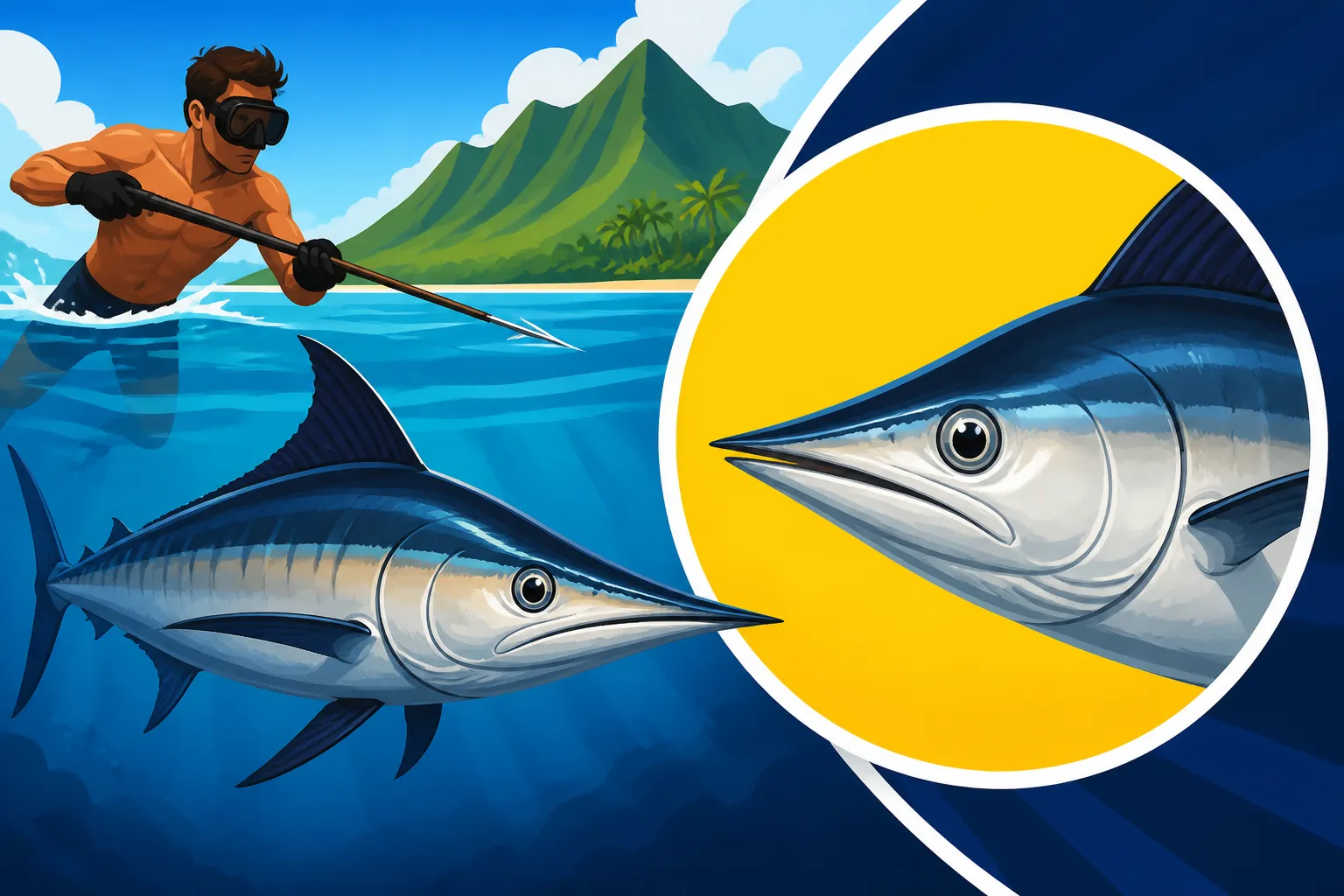
What a shortbill spearfish is
It’s easy to get caught up in the big names of Hawaiian sportfishing – the giant blue marlin, the hard-fighting ahi, the acrobatic mahimahi. But sometimes, it's the less frequently discussed species that truly add a layer of intrigue and excitement to your time on the water. Many anglers hear the term "spearfish" and aren't quite sure what distinguishes it from its larger billfish cousins. This guide aims to clear up that confusion, offering a comprehensive look at what a shortbill spearfish truly is, especially in the context of our amazing Hawaiian waters.
Understanding the Shortbill Spearfish: A Distinct Hawaiian Billfish
When you're out on the deep blue expanse off the Kona Coast or cruising offshore from Maui, you might be hoping for a grander marlin, but sometimes, a more slender, equally impressive billfish might come calling. This is often the shortbill spearfish, a species that, despite its name, holds its own in the pelagic ecosystem. It’s distinct, beautiful, and a fantastic fighting fish on lighter tackle.
What Makes a Shortbill Spearfish Unique?
The shortbill spearfish (scientific name: Tetrapturus angustirostris) stands out with several key features that differentiate it from other billfish you might encounter. First and foremost, as its name suggests, it has a noticeably shorter bill compared to marlin or swordfish. This bill is round in cross-section, not flattened like a swordfish's, and tapers sharply to a point. It’s proportionally much shorter than the bill of a blue marlin, which can be nearly as long as its head.
Another distinguishing characteristic is its slender, almost delicate body shape. Shortbill spearfish are much more streamlined and less bulky than marlin of similar length. They also possess a very tall, narrow dorsal fin that often extends forward almost to the eye, giving them a distinct profile in the water. This dorsal fin often has a darker, almost black coloration, sometimes with subtle blue or purple hues. Their body color typically ranges from dark blue or black on the back, fading to silvery-white on the belly, sometimes with faint vertical bars that can appear when the fish is excited or stressed. These fish rarely grow to the enormous sizes of marlin, usually topping out at around 60-70 pounds in Hawaiian waters, though larger specimens are certainly caught.
Habitat and Distribution in Hawaiian Waters
Shortbill spearfish are truly pelagic, meaning they live in the open ocean, far from coastlines and reef structures. In Hawaii, they are typically found in oceanic waters, often associating with current breaks, temperature changes, and areas where baitfish congregate. You'll often find them lurking in the upper layers of the water column, from the surface down to a few hundred feet, especially over deep drop-offs and seamounts.
While they are found throughout the Pacific, the waters around the Hawaiian Islands are prime habitat for them. Anglers often encounter them offshore from all the main islands, particularly off the Big Island's Kona Coast, which is renowned for its deep-sea fishing. They don't have distinct seasonal migrations in the same way some other species do, but their presence can fluctuate with oceanographic conditions, bait availability, and currents. They prefer warmer, tropical and subtropical waters, which is exactly what Hawaii offers year-round. While you might not specifically target them on every trip, they are a welcome surprise when they hit a trolling spread meant for something else.
Life and Habits of the Shortbill Spearfish
Understanding the life cycle and behaviors of the shortbill spearfish not only enhances your appreciation for these incredible creatures but also gives you a deeper insight into their place in the vast Hawaiian marine ecosystem. They are agile predators, perfectly adapted to their open-ocean environment.
Diet and Feeding Behavior
The shortbill spearfish is an opportunistic predator, primarily feeding on a variety of small to medium-sized pelagic fish and cephalopods. Their diet commonly includes squid, flying fish, small tunas like skipjack tuna (Aku (Skipjack Tuna) in Hawaii), and various species of mackerel and sardines. Their slender build and sharp, short bill make them incredibly efficient at pursuing and stunning their prey in the open water.
They employ a hunting strategy typical of many billfish: they slash through schools of baitfish with their bill to stun or injure them, then turn around to consume the disoriented prey. While they are powerful and fast swimmers, they also demonstrate remarkable patience, often lurking near current lines or floating debris where smaller fish and squid might gather. Anglers have observed them feeding both individually and occasionally in loose aggregations when bait is particularly abundant.
Reproduction and Growth
Shortbill spearfish are broadcast spawners, releasing their eggs and sperm into the open ocean where fertilization occurs externally. They typically spawn in warm, tropical waters, and it’s believed they may spawn multiple times throughout the year. Their larvae are pelagic, drifting with ocean currents and feeding on zooplankton until they grow large enough to pursue small fish and squid.
Compared to their larger billfish relatives, shortbill spearfish grow relatively quickly but don't reach the immense sizes of blue or black marlin. They mature at a smaller size and typically live for a shorter duration, often around 3 to 5 years. In Hawaiian waters, a good-sized shortbill spearfish might weigh between 30 and 50 pounds, though some larger individuals pushing past the 60-pound mark are certainly caught. Their growth rate allows them to fill a specific niche in the pelagic food web, contributing to the overall health and balance of the open ocean ecosystem around the islands.
How They Differ from Other Billfish
Distinguishing between billfish species can sometimes be tricky, especially for those new to offshore fishing. The shortbill spearfish has several key characteristics that set it apart from marlin and swordfish, which are also commonly found in Hawaiian waters. The most obvious difference, as mentioned, is the bill itself – short and rounded. Marlin bills are longer and conical, while a swordfish’s bill is long, flattened, and sword-like.
Their body shape is also a major tell. Shortbill spearfish are notably more slender and elongated, almost delicate in appearance compared to the robust, powerful bodies of marlin. Marlin tend to be much thicker through the shoulders and belly. The dorsal fin is another key identifier: the shortbill spearfish has a very tall, prominent dorsal fin that runs nearly the length of its back and often sits high above the body even when relaxed. Marlin's dorsal fins are usually shorter in height relative to their body depth. Lastly, size is a big differentiator; shortbill spearfish are generally much smaller, rarely exceeding 70 pounds, whereas marlin can weigh hundreds or even over a thousand pounds, and swordfish can also grow to immense sizes. Understanding these differences helps in proper identification and adherence to specific fishing regulations, such as those outlined in the Hawaii Pelagic Species Bag Limits.
Here's a quick comparison to help you tell them apart:
| Feature | Shortbill Spearfish | Marlin (Blue/Striped) | Swordfish |
|---|---|---|---|
| Bill | Short, round in cross-section, tapers sharply. | Long, conical, roundish in cross-section. | Very long, flat, sword-like. |
| Body Shape | Slender, elongated, less robust. | Robust, powerful, thick through shoulders. | Round, tapering to a narrower tail. |
| Dorsal Fin | Tall, narrow, extends far forward (almost to eye). | Shorter, usually curved, may have a "hump" at front. | Tall, sickle-shaped, then small second dorsal. |
| Pectoral Fins | Can fold flat against body. | Cannot fold flat (except for white marlin, not in HI). | Cannot fold flat against body. |
| Max Size (Avg) | 30-70 lbs (up to 90 lbs exceptionally). | Hundreds to over 1000 lbs. | Hundreds to over 1000 lbs. |
| Habitat | Pelagic, warmer tropical/subtropical. | Pelagic, tropical/temperate, often near structure. | Pelagic, deep water, wide range of temps. |
Encountering Shortbill Spearfish in Hawaii Fishing
While you might set out with grand dreams of a giant marlin, don't underestimate the thrill of hooking into a shortbill spearfish. They are often an exciting, unexpected bonus, and knowing a bit about where and how you might encounter them can enhance your deep-sea fishing experience in Hawaii.
Best Times and Locations to Target Shortbill Spearfish
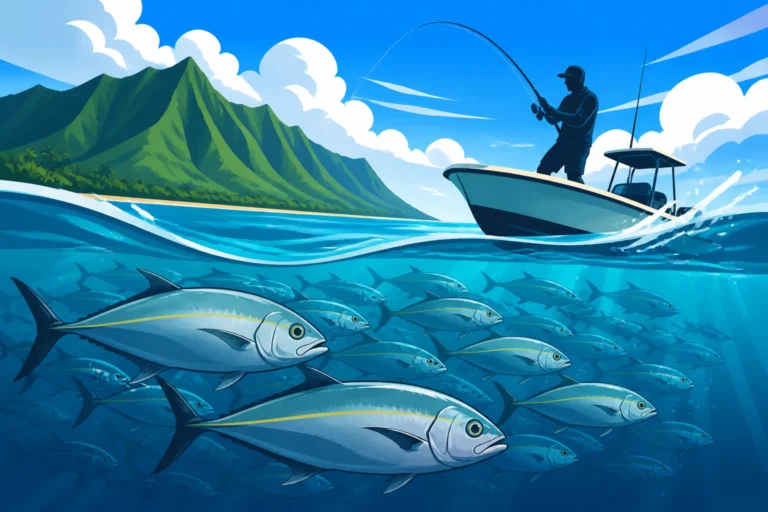
Shortbill spearfish are present in Hawaiian waters year-round, but like many pelagic species, their concentrations can fluctuate. There isn't a specific "spearfish season" in the way there is for, say, specific types of tuna. Instead, they are typically encountered while trolling offshore, particularly over deep water where the bottom drops off dramatically. The renowned Kona Coast of the Big Island, with its calm, deep waters just a short run from shore, is an excellent place to find them. They often frequent areas around FADs (Fish Aggregating Devices) or natural current lines and temperature breaks where baitfish congregate.
Anglers often find them as a bycatch when targeting other pelagic species like marlin, ono (wahoo), or mahimahi. They tend to prefer the same kind of open-ocean environment where these other game fish hunt. Keeping an eye on ocean conditions, like subtle color changes in the water, current rips, or flocks of working birds, can give you clues to areas where bait is present and, consequently, where a shortbill spearfish might be lurking. Remember, while they can be anywhere in the open ocean, the areas where structure and current meet are always prime hunting grounds.
Common Fishing Techniques and Gear
Since shortbill spearfish are often caught incidentally while trolling for other pelagic species, the techniques and gear used are generally the same. High-speed trolling with lures is a very effective method. They are fast swimmers and will readily strike a trolled lure. Lures don't need to be as large as those used for grander marlin, but a spread of medium-sized skirted lures (5 to 10 inches) in various colors (typically blue/white, green/yellow, pink/white, or black/purple) works well. You can find a vast array of these lures on platforms like Amazon, making it easy to experiment with different patterns and colors.
While they can be caught on heavy marlin tackle, they offer a much more sporting fight on lighter to medium offshore outfits. A 30 to 50-pound class stand-up rod and reel setup, spooled with braided line and a monofilament or fluorocarbon leader, is ideal. This allows for a more exciting battle without being overly cumbersome. If you’re fishing with live bait, especially small tunas or skipjack, they will also readily strike. Make sure your hooks are sharp and your leader material is abrasion-resistant, as these fish can be acrobatic and make fast, erratic runs. For specific lure choices that might entice a spearfish, you might look into what works for general pelagic trolling, as discussed in articles like Best Lures for Marlin Trolling off Kona.
Regulations and Conservation for Shortbill Spearfish
Responsible fishing is paramount in Hawaii, and that extends to species like the shortbill spearfish. While they are not considered endangered, sustainable fishing practices ensure their populations remain healthy for future generations. In Hawaii, shortbill spearfish are generally managed under broader pelagic species regulations. While there might not be specific size limits for spearfish as there are for some reef fish, general guidelines apply to all offshore species.
It's always crucial to check the most current regulations from the Hawaii Division of Aquatic Resources (DAR) before heading out. These regulations cover everything from recreational fishing licenses to bag limits for various species. You can find comprehensive details in resources like the Hawaii Fishing Regulations Explained. If you catch a shortbill spearfish that you don't intend to keep, proper catch-and-release techniques are essential to maximize the fish's survival. Minimize handling time, use de-hooking tools, and revive the fish carefully alongside the boat before release. This ensures that these beautiful billfish can continue to thrive in Hawaii's productive waters.
The Experience of Catching a Shortbill Spearfish
There's a unique thrill that comes with deep-sea fishing in Hawaii, and a shortbill spearfish can provide an unforgettable part of that adventure. It might not be the largest fish in the ocean, but its fight is disproportionately exciting, making it a favorite for many anglers.
The Fight and What to Expect
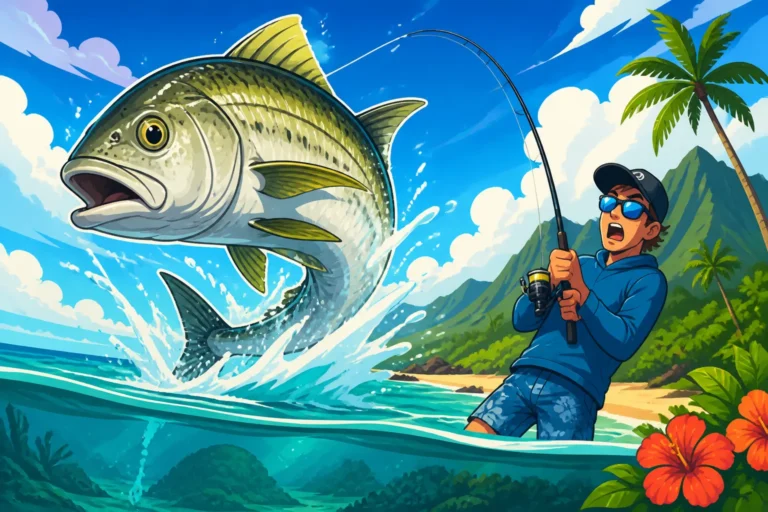
Hooking a shortbill spearfish often results in an electrifying battle, especially when you're using appropriate tackle. Unlike the sometimes-grinding fight of a massive marlin, a spearfish on the line is known for its incredible speed, acrobatic leaps, and impressive aerial displays. They can make screaming runs, vaulting out of the water multiple times in a single fight, shaking their head violently in an attempt to dislodge the hook.
This combination of speed and agility makes them a challenging and rewarding catch. You'll need quick reflexes and good boat handling to keep up with their erratic movements. Because they are often caught on lighter tackle intended for other species, the fight can feel even more intense, pushing your gear and skills to the limit. It's a true testament to their strength and fighting spirit, often leaving anglers with sore arms and big smiles. Many describe it as one of the most exciting fights for a fish of its size, a true "sport fish" in every sense of the word.
Culinary Value and Handling
While some anglers prefer to release all billfish, the shortbill spearfish is actually quite delicious and highly regarded as table fare. Its flesh is firm, mild, and has a clean taste, making it versatile for various cooking methods. It's excellent grilled, baked, or seared, and can also be used in poke or sashimi if handled properly. Its culinary quality is often compared to that of a good quality ono or even a leaner ahi.
If you decide to keep your spearfish for dinner, proper handling immediately after the catch is key to ensuring the best quality meat. As soon as the fish is boated, it's best to bleed it out quickly to preserve the quality of the flesh. This involves making a cut to sever the main arteries. After bleeding, the fish should be immediately placed on ice or in a slush of ice water to chill it down rapidly. This process inhibits bacterial growth and maintains the texture and flavor of the meat, making for a truly spectacular meal. Remember that for insights into other species' culinary values, you can explore guides like Is Ono Good to Eat?.
Why Anglers Appreciate This Smaller Billfish
The shortbill spearfish might not be the "grand slam" target that many deep-sea anglers dream of, but it holds a special place in the hearts of those who appreciate a spirited fight and a beautiful fish. Its sheer athleticism and acrobatic displays make it a truly memorable catch, often surprising anglers with its vigor on the line. For many, catching a shortbill spearfish is a cherished experience, representing a unique encounter with one of Hawaii’s most elegant pelagic predators.
They offer a fantastic light-tackle challenge, providing action and excitement even when the bigger marlin might be elusive. Furthermore, their striking appearance, with that distinctive short bill and tall dorsal fin, makes for impressive photos. It's a reminder that sometimes, the greatest joy in fishing comes not from the largest catch, but from the unexpected beauty and challenging fight of a unique species. Whether you're a seasoned billfish enthusiast or just starting your deep-sea adventures, encountering a shortbill spearfish in Hawaii is an experience you won't soon forget, making you appreciate the rich biodiversity of our ocean waters.
Disclaimer
This article is for general informational purposes only and does not constitute professional advice. Laws, prices and regulations vary by location and change over time. Consult a qualified professional for guidance on your specific situation.