What channel catfish eat in Hawaii’s reservoirs
Many anglers arriving in Hawaii are surprised to learn that freshwater fishing, especially for species like channel catfish, is a distinct and often overlooked opportunity amidst all the ocean bounty. But targeting these whiskered bottom-dwellers in our unique reservoir environments can be a real head-scratcher if you're not sure what they're actually munching on. It's not like the mainland, and figuring out their local diet is key to a successful outing. This guide will dive deep into the specific dietary habits of channel catfish in Hawaii's freshwater reservoirs, helping you understand their menu and select the most effective baits and techniques to land them.
Understanding Channel Catfish Diet in Hawaii's Reservoirs
Channel catfish, while not native to our islands, have adapted remarkably well to Hawaii's freshwater reservoirs, becoming a popular sportfish. However, their diet here can differ significantly from what they might consume in their natural habitats. Our reservoirs, often formed by damming streams, present a unique blend of introduced aquatic life and limited native freshwater species, which forces these omnivorous fish to be incredibly opportunistic eaters. Understanding this local culinary landscape is the first step to becoming a more effective catfish angler.
You see, catfish are primarily bottom-feeders, equipped with barbels (those prominent whiskers) that act as highly sensitive taste and smell receptors. They use these to scour the muddy or silty bottoms of reservoirs for anything edible. Unlike many sight-feeding fish, channel catfish excel in low-light conditions or murky waters, relying heavily on their chemical senses to detect food. This means that strong-smelling baits, or baits that closely mimic their natural, often decaying, food sources, tend to be the most effective here. Their broad diet allows them to thrive, making them a consistent target for those who prefer freshwater pursuits in Hawaii.
Native vs. Introduced Prey Availability
The Hawaiian freshwater ecosystem is quite distinct, largely devoid of many of the native insect larvae, crustaceans, and forage fish that channel catfish would typically encounter on the mainland. Instead, their diet is heavily influenced by the introduced species that now call our reservoirs home. This includes other introduced fish like tilapia and various smaller baitfish, as well as a range of invertebrate species that have found their way into these environments.
For instance, tilapia, which are abundant in many Hawaiian reservoirs, often become a significant food source for larger catfish. Catfish will readily prey on juvenile tilapia or scavenge on deceased adults. Similarly, freshwater shrimp and various insect larvae, which might have been introduced accidentally or intentionally, contribute to their diet. This adaptability to new food sources is precisely why channel catfish have been so successful in establishing populations in places like Lake Wilson (Wahiawa Reservoir) on Oahu or the Nuuanu Reservoirs. Anglers keen on targeting them should always consider what these specific introduced species are and how they contribute to the local food web.
Seasonal and Environmental Influences on Feeding Habits
Just like any other creature, a channel catfish's feeding habits aren't static; they change with the seasons and environmental conditions in our reservoirs. Water temperature is perhaps the most significant factor. In warmer months, catfish metabolisms speed up, making them more active and aggressive feeders. This is when you'll often find them roaming shallower areas, actively searching for a meal. Conversely, as water temperatures cool, their metabolism slows down, and they become less active. They tend to retreat to deeper, more stable water, and their feeding becomes less frequent and more lethargic.
Other environmental factors play a crucial role too. Oxygen levels, for example, can dictate where catfish congregate and feed. After heavy rains, runoff can wash new food sources, like worms and insects, into the reservoir, creating prime feeding opportunities, often near inlets or submerged structures. Turbidity, or how murky the water is, can also influence their behavior; while catfish can thrive in cloudy water due to their keen senses, extreme turbidity might temporarily reduce their foraging efficiency. Understanding these shifts allows anglers to adjust their approach, from bait choice to fishing location, maximizing their chances of success throughout the year.
Common Natural Food Sources in Hawaiian Reservoirs
When you consider what a channel catfish in a Hawaii reservoir might eat naturally, it's often a mix of opportunism and what's simply available. They're not picky eaters, which is one of the reasons they've adapted so well to new environments. Their diet truly reflects the unique ecosystem of our island's freshwater bodies. From rooting around in the soft bottom for unseen morsels to chasing down a smaller fish, their feeding strategies are diverse, making them a fascinating species to study and target. Knowing these natural food sources is the cornerstone of choosing effective bait.
Invertebrates and Crustaceans
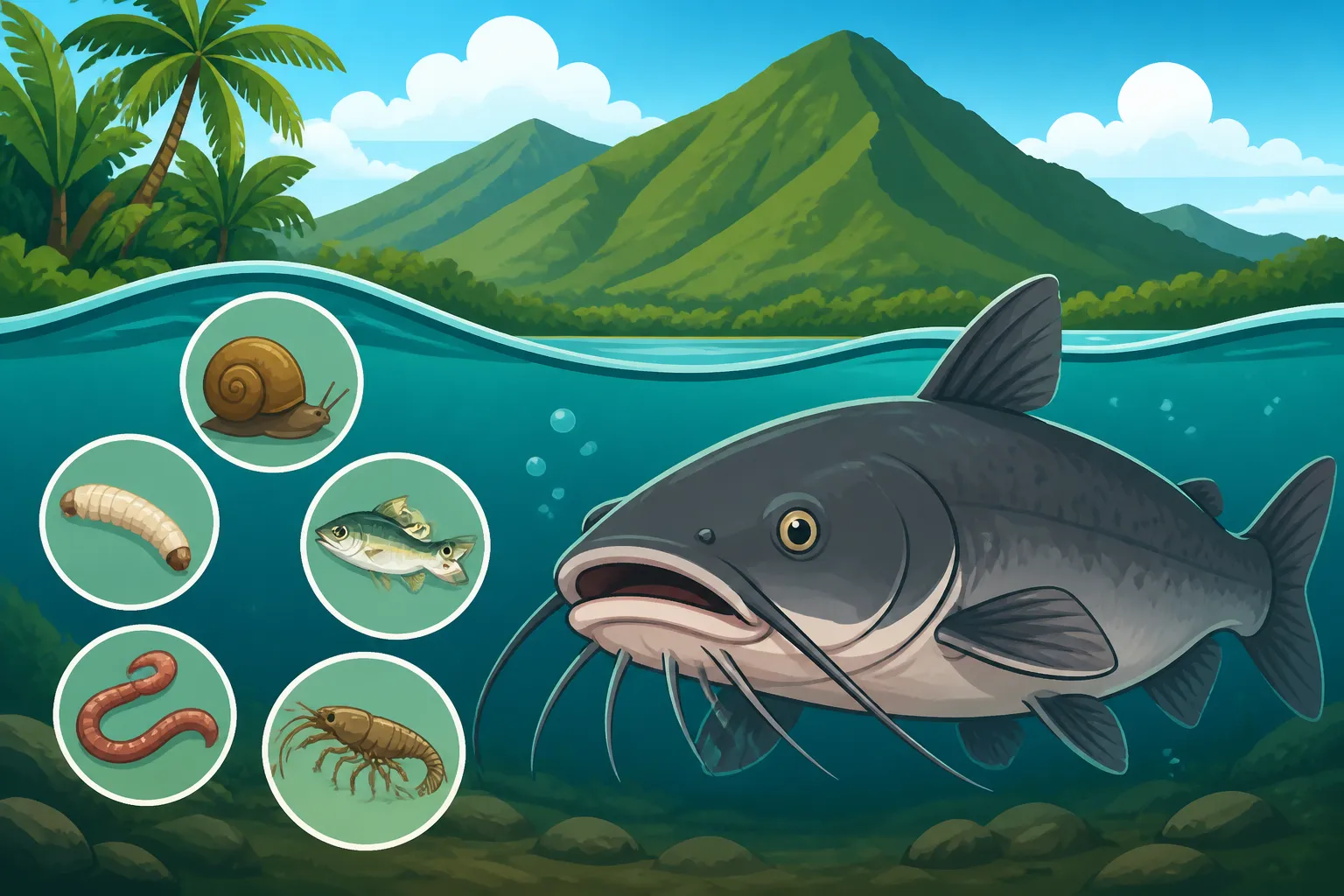
A significant portion of a channel catfish's natural diet in Hawaii's reservoirs consists of various invertebrates and, where present, crustaceans. Think about what lives in the mud, under rocks, or among submerged vegetation. Freshwater shrimp, for instance, if introduced or naturally occurring in certain reservoirs, would be a prime target. These small, protein-rich creatures are easy for a catfish to detect with its barbels and mouth.
Beyond shrimp, catfish will consume a wide array of insect larvae – think dragonfly nymphs, caddisfly larvae, and midge larvae that live in the sediment. Earthworms and other segmented worms that wash into the reservoir after rain events are also highly sought after. These succulent, squirming treats are irresistible to a catfish. Imagine a channel catfish slowly cruising the bottom of a reservoir, its barbels sweeping the substrate, homing in on the subtle scent and movement of a hidden worm. This bottom-dwelling foraging behavior means that baits mimicking these creatures, such as live worms or shrimp, are incredibly effective.
Smaller Fish and Forage Species
While often thought of as bottom-scavengers, channel catfish are also efficient predators, especially as they grow larger. In Hawaiian reservoirs, this often means preying on other introduced fish species. Tilapia, which are pervasive in many of our freshwater systems, are a prime example. Catfish will actively hunt and consume juvenile tilapia, taking advantage of their numbers. They might ambush them from cover or chase them in open water.
Beyond active predation, channel catfish are also adept scavengers. They won't hesitate to consume dead or dying fish, which might be victims of stress, disease, or simply old age. This includes not just tilapia but also other common reservoir inhabitants like guppies, mollies, or even smaller Largemouth Bass in Hawaii's Reservoirs. This scavenging behavior makes cut bait, especially from oily fish, incredibly appealing to them. It's a natural fit for their diet, providing a readily available source of protein.
Plant Matter and Detritus
One often-overlooked aspect of the channel catfish diet is their omnivorous nature, which includes a surprising amount of plant matter and detritus. While they certainly prefer protein-rich foods, they won't shy away from decaying vegetation, algae, and other organic debris, especially if other food sources are scarce. This is particularly true for younger or smaller catfish, but even larger specimens will consume plant material.
This means they might be grazing on algal mats growing on submerged rocks, sifting through decaying leaves that have fallen into the water, or consuming bits of decomposing wood. This helps them derive nutrients from a wide variety of sources, further demonstrating their adaptability. While you wouldn't typically use plant matter as bait, understanding this part of their diet reinforces the idea that catfish are not gourmet eaters; they're survivalists, making the most of whatever the reservoir ecosystem provides. Their ability to process this less nutrient-dense food contributes to their widespread success in diverse habitats like Hawaii's reservoirs.
Effective Baits and Lures Mimicking Their Diet
Now that we've dug into what channel catfish naturally eat in Hawaii's reservoirs, the next logical step is to translate that knowledge into effective bait and lure choices. It's all about presenting something that either smells, looks, or feels like a meal they'd readily encounter. While some anglers might feel intimidated by the unique fishing conditions here, choosing the right bait can simplify things immensely. Whether you're a seasoned angler or just getting started with freshwater fishing in Hawaii, understanding bait selection is crucial.
Natural Baits for Channel Catfish
When it comes to tempting channel catfish, natural baits are often your best bet, especially those that mimic their local diet in Hawaii's reservoirs. Live baits that are wiggling and emitting scent are incredibly attractive to a catfish's keen senses. Earthworms, for example, are universally effective. A big nightcrawler presented on the bottom is hard for any catfish to ignore, especially after a good rain has flushed them into the water.
Another highly effective natural bait, particularly relevant in Hawaii, is cut bait made from locally available species. Small tilapia, readily found in many reservoirs, can be cut into strips or chunks. The oily flesh and strong scent of tilapia make it an excellent choice. Similarly, dead shrimp, either whole or cut, can be incredibly enticing. You can find these at local markets or sometimes even catch your own. When stocking up on your terminal tackle, robust hooks, and sturdy line are a must, and you can find a great selection of these essentials on Amazon to ensure your rig is ready for a feisty catfish.
Prepared Baits and Scents
Beyond natural baits, commercially prepared baits and scents hold a strong appeal for channel catfish, especially in murkier waters where their sense of smell is paramount. These baits are specifically formulated to emit powerful odors that catfish find irresistible. "Stink baits" are the classic example, often made from various fermented cheeses, blood, or decaying animal proteins. They come in different forms: punch baits that you "punch" a treble hook into, dough baits that you mold around a hook, or dip baits that you simply dip a sponge or plastic worm into.
Another effective option includes chicken liver, which is a surprisingly popular choice due to its strong scent and soft, bleeding texture. While it can be messy to work with and tends to come off the hook easily, its effectiveness is undeniable. Scent sprays and gels can also be applied to artificial lures or even natural baits to enhance their appeal. Many anglers swear by commercially prepared stink baits, which are readily available and can be shipped right to your door from retailers like Amazon, making it easy to experiment with different formulas. These pre-made options can be a convenient and potent tool in your catfish arsenal.
Artificial Lures for Aggressive Catfish
While less commonly associated with channel catfish, artificial lures can certainly catch them, especially when fish are in an aggressive feeding mood or actively chasing smaller forage fish. This approach requires a slight shift in mindset from passive bait fishing to more active presentation. Lures that mimic small, injured baitfish or large invertebrates are often the most successful.
Spinnerbaits, with their flashing blades and vibrating skirts, can trigger a predatory response from catfish, particularly if retrieved slowly along the bottom or near submerged structure. Jigs, tipped with soft plastic grubs or worms, can also be effective when bounced off the bottom, imitating a struggling insect or crayfish. Some anglers have even reported success with crankbaits that dive to the depths where catfish are holding. The key is often a slow, deliberate retrieve that keeps the lure in the strike zone for as long as possible. If you're looking to explore different types of catfish lures or even specialized rods and reels for this type of fishing, searching on Amazon can provide a wide array of options suitable for various fishing styles in our reservoirs.
Seasonal Strategies for Bait Selection
Just as a local chef changes their menu with the seasons, a smart angler adapts their bait selection to match the seasonal behaviors of channel catfish in Hawaii's reservoirs. The tropical climate of Hawaii means our seasons aren't as drastic as elsewhere, but subtle changes in water temperature, rainfall, and fish activity still demand adjustments. What works perfectly in the warmth of summer might not get a nibble during a cooler, wetter spell. Being attuned to these nuances is what sets a consistently successful angler apart. This adaptive approach applies to all Bank Fishing Techniques for Freshwater Reservoirs.
Warm Water Tactics
During Hawaii's warmer months, when reservoir temperatures are at their highest, channel catfish become much more active and their metabolism kicks into high gear. This is when they're most aggressive and willing to chase down a meal. In these conditions, you can often get away with more active presentations and baits that disperse a strong scent quickly through the water. Catfish might move into shallower water during dawn and dusk to forage, retreating to slightly deeper, cooler areas during the intense midday heat.
For warm water, don't be shy with strong-smelling baits. Cut bait from oily fish like tilapia or even larger chunks of chicken liver will release a scent plume that catfish can easily track. Prepared stink baits also perform exceptionally well in warmer water, as the elevated temperatures help dissipate their odor more effectively. While a slow retrieve is still generally preferred, you might find catfish willing to strike a slowly jigged lure or a spinnerbait that mimics a darting baitfish, especially if they are actively schooling and feeding on available forage like Tilapia in Hawaii's Freshwater Reservoirs.
Cool Water Considerations
Even in Hawaii, our reservoirs can experience cooler water temperatures, especially during the winter months or after prolonged periods of heavy rain that bring in cooler runoff. When the water cools, a channel catfish's metabolism slows down considerably. They become less active, more lethargic, and their feeding windows may shrink. They tend to conserve energy, moving to deeper, more stable sections of the reservoir, often near submerged structure or channel edges.
In these cooler conditions, subtlety and patience are key. Instead of powerful, fast-dispersing scents, opt for natural baits presented slowly and directly in their strike zone. Live baits like worms or small freshwater shrimp, presented on a simple bottom rig, are excellent. Catfish might not actively pursue a meal, so having a tempting bait right in front of them, allowing them to expend minimal energy, is often the most effective strategy. Think about presenting a single, juicy nightcrawler or a small piece of cut bait gently on the bottom, letting it sit for extended periods in those deeper holes. For those who enjoy the challenge of freshwater fishing in these unique conditions, understanding these cool water considerations can make all the difference.
Post-Rain Runoff Opportunities
One of the most exciting times to target channel catfish in Hawaii's reservoirs is immediately following heavy rainfall. The runoff from surrounding lands washes a tremendous amount of new food sources into the water – think earthworms, insects, and other organic debris. This influx of fresh provisions acts like a dinner bell for catfish, activating their feeding instincts and often drawing them into areas they might not typically frequent.
Concentrate your efforts near stream inlets, culverts, or any area where runoff enters the reservoir. These zones become temporary buffet lines. Baits that mimic these newly introduced food items are incredibly effective. Live earthworms are practically a guarantee of a bite in these conditions, as they are precisely what the catfish are expecting to find. Similarly, small pieces of cut bait or prepared dough baits that mimic the scent of decaying organic matter can also be highly productive. The increased turbidity from runoff also works to your advantage, as catfish rely even more heavily on their sense of smell in cloudy water, making strong-scented baits particularly potent. This is a prime example of how understanding the environment, as much as the fish, can lead to great success.
Best Practices for Targeting Reservoir Catfish
Successfully landing channel catfish in Hawaii's unique reservoir settings goes beyond just picking the right bait. It involves understanding their behavior, knowing where to cast, and employing proper techniques. Our reservoirs, such as Hawaii Wahiawa Reservoir Fishing Rules and Hawaii Nuuanu Reservoir Fishing Guide, offer fantastic opportunities, but they also require a thoughtful approach. By combining knowledge of their diet with smart fishing practices, you'll dramatically increase your chances of a memorable freshwater fishing experience.
Reading the Water and Catfish Behavior
Channel catfish, being bottom-dwellers, rely heavily on structure and depth for both cover and foraging opportunities. When you're fishing a reservoir in Hawaii, learn to "read" the water to identify likely catfish holding spots. Look for areas with submerged timber, rock piles, or sudden drop-offs into deeper channels. These features provide ambush points and offer shelter from stronger currents or sunlight. Catfish also love soft, muddy bottoms where they can root around for invertebrates.
Consider the time of day and year. Catfish are often more active feeders during low-light periods – dawn, dusk, and throughout the night. Their superior olfactory senses and barbels give them an advantage in the dark. During the brighter parts of the day, especially in warm weather, they'll often retreat to the cooler, darker depths. After a heavy rain, as discussed, they'll often move closer to inlets to capitalize on the washed-in food. Paying attention to these subtle cues and adjusting your location accordingly is fundamental to consistent success when targeting Channel Catfish in Hawaii's Reservoirs.
Rigging and Presentation Techniques
The way you present your bait to a channel catfish is almost as important as the bait itself. Since they are primarily bottom-feeders, most effective rigging techniques involve presenting the bait directly on or just above the reservoir bed. The classic slip-sinker rig, also known as a Carolina rig, is a tried-and-true method. It consists of a sliding egg sinker, a swivel, and a leader with a hook. This setup allows the catfish to pick up the bait and move off with it without feeling the weight of the sinker, preventing them from dropping the bait prematurely.
Another effective technique, especially if you're trying to keep your bait just off a snaggy bottom, is a float rig. This uses a bobber to suspend your bait at a predetermined depth, keeping it tantalizingly in the catfish's strike zone. For both methods, patience is a virtue. Catfish often take their time to mouth the bait before committing. Give them a few seconds to really get the bait in their mouth before setting the hook. When preparing your rigs, ensure you have quality fishing line that can handle a strong fight, and you can stock up on durable monofilament or braided line through retailers like Amazon.
Respecting the Ecosystem
As anglers in Hawaii, it's our kuleana (responsibility) to respect the unique and often fragile ecosystems of our freshwater reservoirs. While channel catfish are an introduced species, they are now part of these environments, alongside other popular targets like Largemouth Bass in Hawaii's Reservoirs. Practicing responsible angling ensures that these resources remain viable for future generations and minimizes our impact.
Always clean up after yourself, taking all trash, including discarded fishing line and bait containers, with you. If you practice catch and release, handle the fish gently, minimize its time out of water, and release it in a way that maximizes its chances of survival. For some invasive species, regulations may encourage or require harvesting, so always check the latest Hawaii Freshwater Fishing License and Rules from the Division of Aquatic Resources (DAR). Understanding and adhering to regulations, like those found in List of Hawaii freshwater fishing waters, helps protect our waters. By being good stewards, we help preserve the beauty and bounty of Hawaii's freshwater fishing opportunities for everyone.
| Catfish Food Type | Natural Examples in Hawaii Reservoirs | Best Bait Mimics | Ideal Fishing Conditions |
|---|---|---|---|
| Invertebrates | Earthworms, insect larvae, freshwater shrimp | Live worms, dead shrimp, soft plastic worms | Post-rain, muddy bottom, all seasons |
| Forage Fish | Juvenile tilapia, guppies, mollies | Cut bait (tilapia, sardine), live baitfish | Warm water, active feeding periods |
| Detritus/Organic Matter | Decaying vegetation, algae, organic debris | Prepared stink baits, dough baits, chicken liver | Murky water, low visibility, warm water |
Disclaimer
This article is for general informational purposes only and does not constitute professional advice. Laws, prices and regulations vary by location and change over time. Consult a qualified professional for guidance on your specific situation.