Marlin Growth Rate to Grander Size
Many anglers dream of battling a "grander" marlin, a fish weighing a thousand pounds or more, but the journey these magnificent creatures take to reach such epic proportions is often a mystery. Understanding the growth rate of marlin isn't just a fascinating biological study; it profoundly impacts how we approach conservation, fishing techniques, and even our expectations when we head out onto the deep blue waters. This guide dives deep into the life cycle and growth patterns of marlin, revealing what it takes for these ocean giants to become the legends of the sea that we all admire.
Understanding Different Marlin Species and Their Growth Potential
When we talk about marlin, it's easy to lump them all into one category, but just like people, different species have different growth trajectories and maximum sizes. Each type of marlin has its own unique characteristics that influence how quickly they grow and how large they can ultimately become. It's a critical distinction for any angler hoping to understand the fish they're pursuing.
Blue Marlin: The Ocean's True Giants
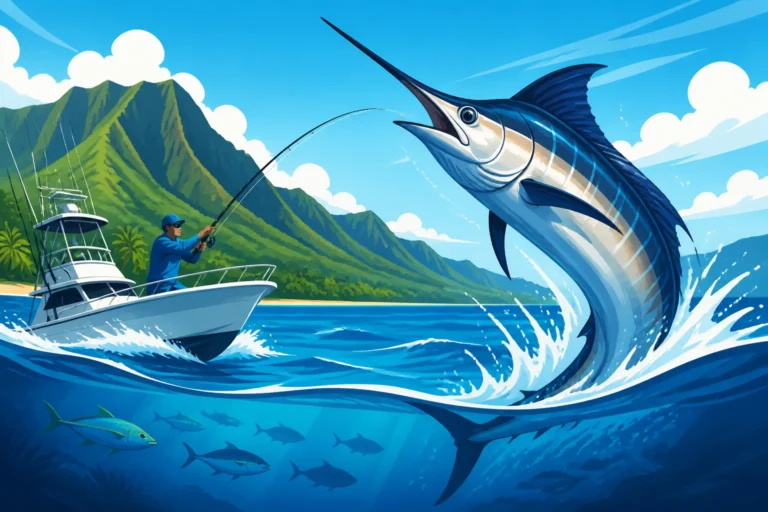
The blue marlin (Makaira nigricans) is often the star of the show when it comes to "grander" aspirations, and for good reason. These are the largest of the marlin species, with females growing considerably larger than males. A male blue marlin rarely exceeds 300 pounds, but female blue marlin are capable of reaching, and sometimes exceeding, the iconic 1,000-pound mark. Their growth is rapid in their early years, a necessary adaptation for survival in the open ocean.
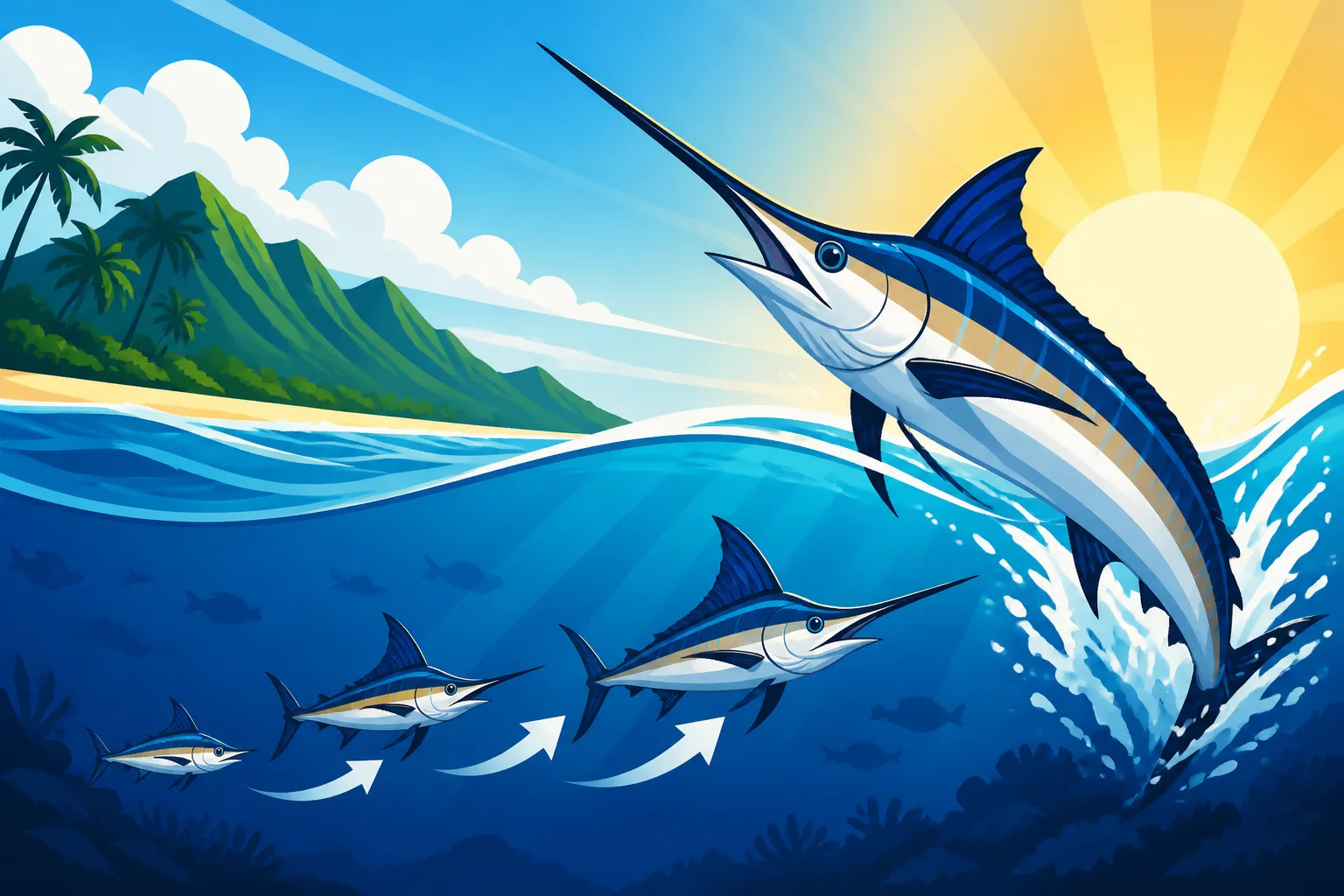
From the moment they hatch, blue marlin are on a mission to grow. They feed voraciously, transforming tiny larvae into formidable predators surprisingly quickly. Within their first year, a blue marlin can easily put on dozens of pounds, rapidly increasing in length. This explosive growth continues, though it begins to slow down as they mature and dedicate more energy to reproduction. A large blue marlin is a fish that has not only survived countless challenges but has also had consistent access to abundant food sources throughout its life.
Black Marlin: Powerhouses of the Pacific
Black marlin (Istiompax indica) are another powerhouse species, particularly prominent in the Indo-Pacific region, including certain parts of Hawaii. They are known for their incredibly thick bodies and rigid pectoral fins, which distinguish them from blue marlin. While often rivaling blue marlin in sheer weight, black marlin tend to be slightly shorter in length for a given weight, giving them an even more robust and powerful appearance.
Like blue marlin, female black marlin grow significantly larger than males, with grander black marlin also being a real possibility for dedicated anglers. Their growth trajectory is similarly aggressive, especially in their juvenile stages. They are efficient predators, and their ability to quickly put on mass is a testament to their feeding prowess and the rich environments they inhabit. Blue Marlin vs Striped Marlin Identification can give you a better idea of how to tell these incredible species apart.
Striped Marlin and Other Billfish: Smaller but Still Impressive
While not typically reaching grander sizes, striped marlin (Kajikia audax) are still incredibly impressive fish, known for their acrobatic fights and beautiful iridescent stripes. They are generally smaller than their blue and black counterparts, with most mature striped marlin weighing between 100 and 300 pounds. While a 500-pound striped marlin would be considered a truly exceptional specimen, they don't grow to the immense sizes of blue or black marlin.
Other billfish, such as shortbill spearfish and swordfish, also inhabit Hawaiian waters but have different maximum sizes and growth rates. Shortbill spearfish, for example, are much smaller, rarely exceeding 70-80 pounds, while swordfish can reach impressive sizes, though their growth patterns and life cycles are distinct from marlin. Each species occupies a different niche, and their growth rates reflect their evolutionary strategies for survival and reproduction.
Factors Influencing Marlin Growth and Size
The ocean is a vast and dynamic environment, and a marlin's journey from a tiny egg to a potential grander is influenced by a complex interplay of factors. It's not just about how long they live, but how well they thrive throughout their lives. Understanding these elements can give us a deeper appreciation for the fish and the intricate marine ecosystem they inhabit.
Diet and Prey Abundance
One of the most critical factors dictating a marlin's growth rate is its diet and the consistent availability of high-quality prey. Marlin are apex predators, feeding on a wide variety of fish and cephalopods. For a marlin to grow rapidly and reach a grander size, it needs a continuous supply of nutrient-rich food. This means traveling to areas where baitfish schools are plentiful, often following migration patterns of species like tuna, mackerel, and squid.
If an area experiences a decline in baitfish populations due to environmental changes, overfishing of forage species, or other factors, it can directly impact the growth rates of marlin. A marlin that constantly has to expend more energy to find food will grow slower than one that lives in a food-rich environment. This is particularly true in their juvenile stages, where a consistent, abundant diet is crucial for that initial burst of rapid growth. What Marlin Eat Off the Kona Coast delves into their dietary habits.
Oceanic Conditions and Habitat
The health and characteristics of the ocean itself play a massive role. Water temperature, salinity, currents, and even the presence of strong oceanographic features like current breaks or deep-water upwellings all influence where marlin can find food and thrive. Warmer waters generally support faster metabolic rates, which can translate to quicker growth, provided there's enough food. However, extreme temperatures can also be detrimental.
Certain habitats offer better conditions for growth. Offshore seamounts, deep-water ledges, and current lines create convergence zones where baitfish gather, making them prime hunting grounds for marlin. Areas like the Kona Coast of the Big Island, with its deep-water access close to shore and consistent baitfish populations, are renowned for producing large marlin. This combination of favorable oceanic conditions and rich feeding grounds provides the perfect recipe for growth. Best Marlin Fishing Spots off the Kona Coast highlights some of these productive areas.
Genetic Predisposition and Individual Variation
Just like in humans, genetics play a role in how big a marlin can get. While environmental factors are huge, there's an underlying genetic blueprint that sets the potential maximum size and growth rate for each individual fish. Some marlin are simply predisposed to grow larger and faster than others. This is part of the natural variation within any species.
It’s not uncommon for anglers to encounter marlin of the same age but vastly different sizes, even when caught in the same general area with access to similar food sources. This individual variation underscores the fact that while we can generalize about species growth, each marlin is unique. A fish that consistently evades predators, successfully hunts, and is lucky enough to carry favorable growth genes has the best chance of becoming a true monster of the deep. It's the combination of good genes and an ideal environment that creates those legendary granders.
Estimating Marlin Age and Size
Determining the exact age of a wild marlin is notoriously challenging. Unlike trees with rings or some fish species that have easily readable otoliths (ear bones), marlin present unique hurdles. However, scientists and seasoned anglers have developed various methods to estimate their age and, by extension, their growth rates. This understanding is vital for conservation efforts and for appreciating the longevity and journey of these magnificent fish.
Challenges in Direct Age Determination
The primary method for aging many fish species involves analyzing their otoliths or other calcified structures that lay down annual growth rings. For marlin, however, their otoliths are incredibly small and delicate, making them difficult to extract and interpret accurately. Other structures, like fin rays, have been used, but they also present challenges and can be less precise for older, larger fish.
Because of these difficulties, direct observation of growth in the wild is almost impossible. Tagging programs have provided some valuable data, but the recapture rate for large marlin is relatively low, and even when recaptured, the time between tagging and recapture might be insufficient to draw definitive conclusions about specific annual growth rates for individual fish. This means we often rely on population-level studies and indirect estimations rather than precise individual measurements over time.
Indirect Methods and Growth Models
Despite the challenges, scientists have developed sophisticated growth models based on extensive data collected from thousands of marlin. These models use length-frequency distributions from catches, coupled with limited age data from fin ray analyses, to estimate growth curves for different species. These curves show that marlin, particularly blue and black marlin, exhibit rapid growth in their juvenile years, often adding significant length and weight annually. This rapid growth tapers off as they reach sexual maturity, with older, larger fish growing at a slower pace.
For example, a young blue marlin might grow several feet in its first few years, while a mature 500-pound marlin might only add a few inches in length and a few dozen pounds of weight over a year. These models also help estimate the average lifespan of marlin, which can range from a decade to potentially 20 years or more for the largest specimens. These estimations are crucial for fisheries management, helping to ensure sustainable populations by understanding how long it takes for these fish to reach reproductive sizes.
| Marlin Species | Average Adult Size (lbs) | Max Recorded Size (lbs) | Estimated Annual Growth (Juvenile) | Estimated Lifespan (Years) |
|---|---|---|---|---|
| Blue Marlin | 200 – 600 | 2000+ | 2-3 feet in length | 15 – 20 |
| Black Marlin | 150 – 500 | 1500+ | 1.5-2.5 feet in length | 12 – 18 |
| Striped Marlin | 100 – 300 | 500+ | 1-2 feet in length | 10 – 15 |
| Shortbill Spearfish | 20 – 50 | 90+ | 0.5-1 foot in length | 5 – 10 |
Note: All sizes and growth rates are approximations and can vary greatly depending on individual fish, geographic location, and environmental factors.
The "Grander" Mythos and Reality
The term "grander" evokes images of monumental battles and legendary catches, representing the pinnacle of big-game fishing. It's a goal that drives countless anglers to the deep blue, especially in places like Kona, Hawaii, known for its consistent production of large marlin. But what truly defines a grander, and how realistic is the pursuit of such a magnificent fish?
What Makes a Marlin a "Grander"?
A "grander" marlin is universally defined as a fish weighing 1,000 pounds or more. This isn't just an arbitrary number; it signifies a marlin that has reached an exceptional size, often representing the largest and oldest individuals within a population. While both blue and black marlin can achieve grander status, it is predominantly the female blue marlin that consistently reaches these epic weights. The immense power, size, and sheer resilience required for a marlin to reach this milestone make a grander catch an incredibly rare and celebrated event in the fishing world.
The pursuit of a grander isn't just about the weight; it's about the entire experience. It's about spending countless hours on the water, enduring the elements, perfecting techniques, and ultimately, engaging in a test of wills against one of the ocean's most formidable predators. Many grander catches are often accompanied by incredible stories of courage, perseverance, and sometimes, a little bit of luck. Equipment suitable for such endeavors, like heavy-duty reels and lines, is often sought from specialized marine suppliers or reputable online retailers like Amazon.
The Rarity of Grander Catches
Despite the dreams and dedication of anglers, grander marlin are exceptionally rare. While regions like Kona, Cairns, and the Azores are famous for producing them, the number of granders caught worldwide each year is surprisingly small. This rarity is a direct reflection of the long and challenging journey a marlin must undertake to reach such a size. They must evade predators, find abundant food, survive storms, navigate vast ocean expanses, and avoid fishing pressure for many years.
Furthermore, a fish that reaches grander status is often an older, highly experienced individual. These are the fish that have learned to survive, making them all the more challenging to hook and land. The pursuit of a grander is a testament to the health of the marine ecosystem where these fish can thrive. For many, landing a grander is a once-in-a-lifetime achievement, if it happens at all, and often becomes the defining moment of an angler's career. Understanding this rarity only deepens our respect for these incredible creatures. You can explore how some anglers target these fish in How to Catch Marlin off the Kona Coast.
Conservation and Sustainable Fishing Practices
The allure of marlin fishing, especially the pursuit of a grander, brings with it a significant responsibility: to ensure the long-term health and sustainability of marlin populations. Understanding their growth rates is not just for bragging rights; it's fundamental to implementing effective conservation strategies and practicing responsible angling. We want future generations to experience the thrill of encountering these majestic fish.
The Importance of Catch and Release
Given the slow growth rate of larger, older marlin and the critical role these big females play in reproduction, catch and release has become a cornerstone of sustainable marlin fishing. Releasing a marlin, especially a potentially grander-sized female, allows her to continue her journey, contribute to future generations, and maintain the genetic diversity of the species. Many anglers now prioritize the release of marlin, embracing the challenge of the fight without needing to bring the fish to the dock.
Modern catch-and-release techniques have been refined to maximize the marlin's survival chances. This includes using appropriate tackle to reduce fight times, carefully handling the fish at the side of the boat, minimizing time out of water, and using de-hooking tools. Marlin Catch and Release Survival Tips provides valuable advice on how to do this effectively. When equipped with quality gear, often found from trusted retailers like Amazon, and armed with knowledge, anglers can greatly increase a released fish's chances.
Data Collection for Scientific Research
Every marlin caught, whether released or harvested, provides valuable data that contributes to our understanding of their populations, migration patterns, and growth rates. Anglers and charter captains often collaborate with scientific organizations by reporting catches, providing length and weight estimates, and even collecting tissue samples. This data is vital for stock assessments, which inform fisheries management decisions and help set regulations like Hawaii Pelagic Species Bag Limits.
When a trophy fish, especially a potential grander, is brought to the dock, its measurements, and sometimes even biological samples, are often collected by fisheries scientists. This information, combined with historical records and ongoing research, paints a clearer picture of marlin health and demographics. Participating in these data collection efforts is a simple yet powerful way for anglers to contribute to the future of the sport and the conservation of these incredible fish.
Balancing Angler Ambition with Conservation
The desire to catch a grander is a powerful motivator, but it must be balanced with a commitment to conservation. Responsible anglers understand that the resource is finite and that the privilege of pursuing these magnificent creatures comes with the duty to protect them. This means adhering to regulations, practicing ethical fishing methods, and supporting organizations dedicated to marine conservation.
Choosing reputable charter operators who prioritize sustainable practices and promote catch and release is another way to support conservation efforts. While the dream of a grander is real and exhilarating, the long-term health of marlin populations ensures that this dream can continue for generations to come. It’s about chasing the fish of a lifetime while ensuring there are plenty more for future lifetimes to chase.
Disclaimer
This article is for general informational purposes only and does not constitute professional advice. Laws, prices and regulations vary by location and change over time. Consult a qualified professional for guidance on your specific situation.