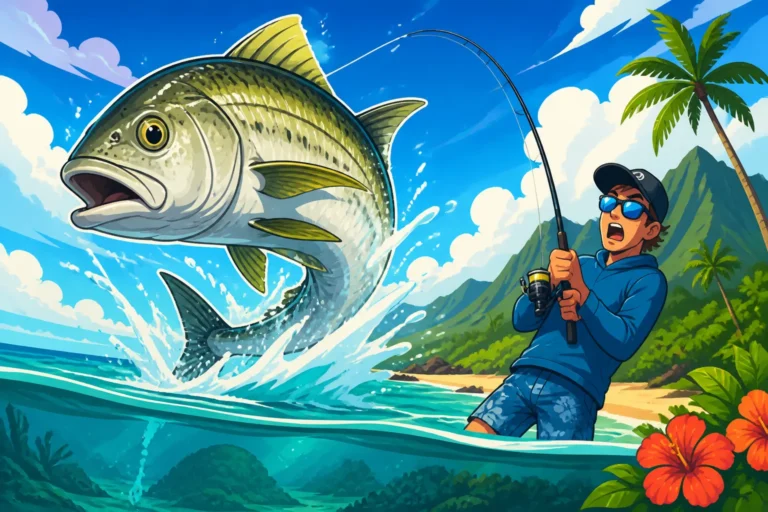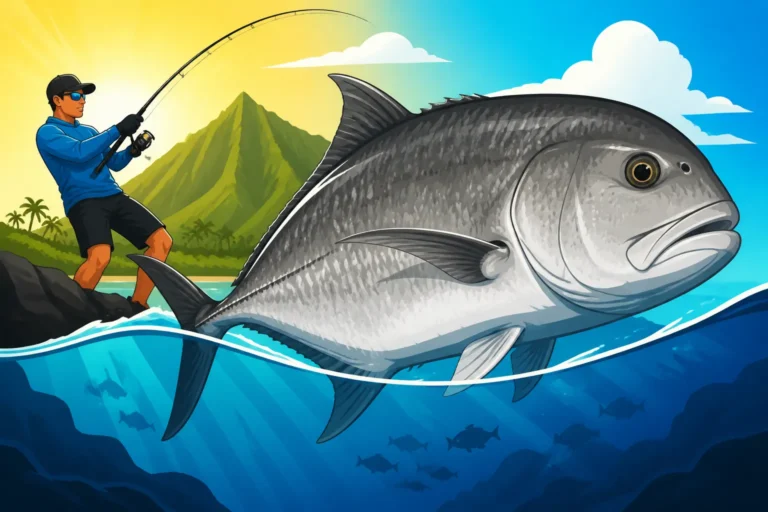
Uhu (Parrotfish) in Hawaii
Trying to catch uhu, or parrotfish, in Hawaii can be a truly rewarding experience, but it also comes with its own set of challenges. Their vibrant colors, skittish nature, and the specific regulations designed to protect them mean you can't just throw a line in anywhere and expect success. This guide will walk you through everything you need to know about targeting these beautiful reef fish, from understanding their habitat and behavior to mastering the right techniques and adhering to the necessary rules.
What Exactly is an Uhu (Parrotfish) in Hawaii?
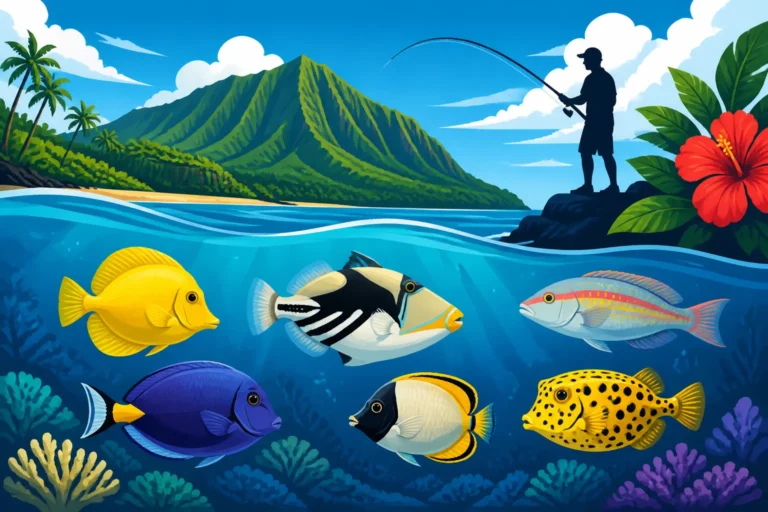
When you talk about uhu in Hawaii, you're not just talking about any fish; you're referring to a group of incredibly important and visually stunning reef inhabitants – the parrotfish. These aren't just pretty faces in the ocean; they play a vital ecological role that keeps our precious coral reefs healthy. Anglers, snorkelers, and divers alike are often captivated by their unique appearance and sometimes even their comical behavior as they graze along the reef.
The Vibrant Appearance of Uhu
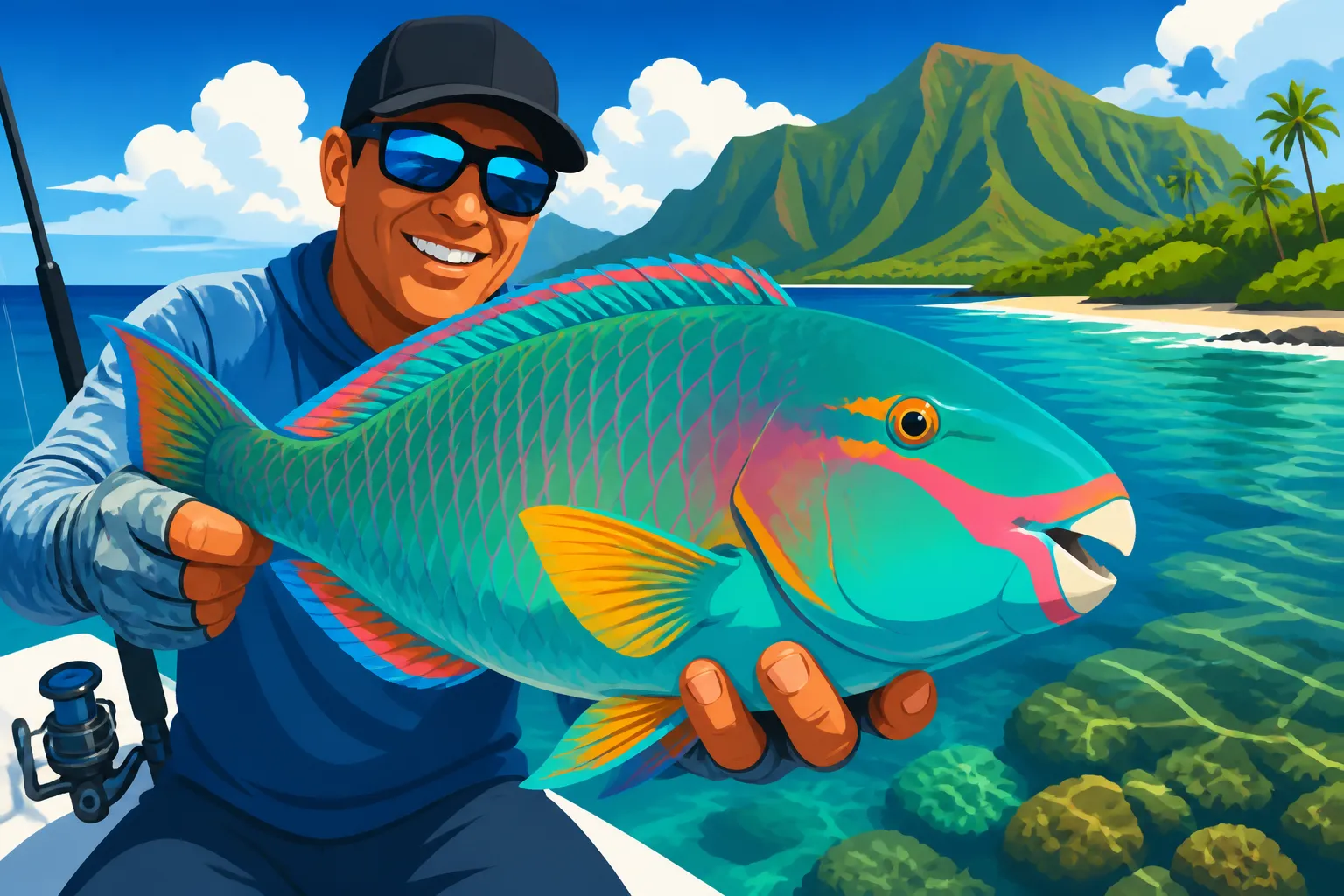
One of the first things anyone notices about uhu is their dazzling array of colors. Depending on the species, their age, and even their sex, you can see them sporting brilliant blues, greens, purples, yellows, and even fiery reds. They often undergo dramatic color changes throughout their lives, sometimes even changing sex! This makes identifying them in the water a fun challenge, as a juvenile might look completely different from an adult of the same species. It's truly like looking at living jewels moving through the reef, making them a prize for many who seek them out, whether for the dinner table or simply to admire.
What sets them apart visually, beyond the kaleidoscope of hues, is their distinctive beak-like mouth. Unlike most fish that have individual teeth, the uhu's teeth are fused together, forming a strong, parrot-like beak. This specialized mouthpart is perfectly adapted for scraping algae and small invertebrates off hard coral and rock surfaces. Watching them feed is fascinating; you'll often see them taking bites right off the coral, leaving tell-tale scrape marks behind.
Uhu's Unique Role on the Reef
Beyond their beauty, uhu are ecological powerhouses for Hawaii's reefs. That beak isn't just for show; it's a critical tool for maintaining the health and balance of the coral ecosystem. As they feed, uhu effectively "graze" the algae that grows on corals, preventing it from overgrowing and smothering the coral polyps. Think of them as the reef's natural lawnmowers, keeping the turf tidy so the corals can thrive and grow. Without uhu, many reefs could quickly become overgrown with algae, leading to degraded habitats.
But their role doesn't stop there. After they scrape and munch on the algae-covered coral, they excrete fine, white sand. Yes, that's right – a significant portion of the beautiful white sand beaches we cherish in Hawaii is actually parrotfish poop! This continuous process of consumption and excretion contributes directly to the formation and replenishment of our sandy beaches and the overall structure of the reef system. It’s a remarkable cycle that underscores their invaluable contribution to the Hawaiian marine environment, making their presence and health absolutely crucial.
Different Uhu Species in Hawaiian Waters
Hawaii is home to several species of uhu, each with its own nuances in appearance, size, and preferred habitat. While they all share the common "parrotfish" characteristics, knowing the specific species you're targeting can help you fine-tune your approach. Some species are larger and more solitary, while others are often found in schools.
Here’s a quick overview of some common uhu you might encounter:
- Uhu-uli (Bullethead Parrotfish): Often recognized by its sleek, dark body, especially in males, and a more pointed head. They tend to be one of the larger species.
- Uhu-palukaluka (Stareye Parrotfish): These are commonly seen and can display quite varied color patterns, often with shades of green and blue. They're a favorite target for many shore anglers.
- Uhu-noni (Spectacled Parrotfish): Distinctive patterns around the eyes often give these their name. They can also grow to a respectable size.
- Uhu-lao (Ember Parrotfish): Known for vibrant colors, especially when mature, with males often showing striking blue and green patterns.
Understanding which uhu species you're after can subtly change your bait presentation or even the time of day you choose to fish. It's a testament to the diversity of Hawaii's reefs that so many beautiful variations of this essential fish call these waters home. For more detailed information, you can always consult Reading the Hawaii DLNR Fishing Regulations, which often includes species-specific details.
The Cultural Significance and Historical Context of Uhu Fishing
Fishing in Hawaii is never just about the catch; it's deeply interwoven with culture, tradition, and a profound respect for the ocean. Uhu, with their vibrant colors and ecological importance, hold a special place in this tapestry. For generations, they've been more than just food; they've been part of the Hawaiian way of life, symbolizing both sustenance and the intricate balance of nature. Understanding this cultural backdrop enriches every fishing experience in these islands.
Uhu in Traditional Hawaiian Culture
In ancient Hawaii, uhu were a significant part of the local diet, especially for those living close to the reef. They were valued not just for their taste, but also for their abundance and accessibility from shore. The diverse array of colors and the unique characteristics of different uhu species likely held symbolic meanings as well, tying them into stories, chants, and the deep observations Hawaiians made about their natural world. The act of fishing for uhu was often communal, involving knowledge passed down through families for generations, connecting people not just to the fish, but to each other and the 'aina (land) and kai (sea).
Beyond food, the uhu’s behavior and life cycle might have influenced traditional beliefs. For instance, the transition of some uhu from female to male, and their dramatic color changes, could have been seen as powerful metaphors for transformation and adaptability. The sustained availability of uhu was a sign of a healthy reef, and traditional resource management practices, such as kapu (taboos or restrictions), were often implemented to ensure future populations, a concept we still strive for today with modern regulations like Hawaii Uhu (Parrotfish) Size and Bag Limits.
Changing Perceptions of Uhu Over Time
As Hawaii has evolved, so too have the perceptions and practices surrounding uhu fishing. In more modern times, with the advent of advanced fishing gear and increased fishing pressure, the abundance of uhu, like many other reef fish, has faced challenges. This has led to a greater awareness of their ecological role as reef cleaners and sand producers. Conservation efforts now emphasize the importance of uhu not just as a food source, but as critical components of a healthy reef ecosystem.
There's a growing appreciation among both locals and visitors for the role uhu play in keeping our underwater world pristine. This shift means that while many still enjoy catching uhu for food, there's also a strong sentiment towards responsible harvesting, catch limits, and even catch-and-release practices, particularly for the larger, reproductively active individuals. This delicate balance between cultural practice and modern conservation is a constant dialogue in Hawaii.
Traditional Harvest Methods and Their Evolution
Traditional Hawaiian fishing methods for uhu were incredibly ingenious and sustainable. One common method was spearfishing using a simple wooden spear, often practiced free-diving on a single breath. This method required intimate knowledge of the reef and the fish's behavior, ensuring a selective harvest. Another technique involved using throw nets, particularly for schooling fish over sand flats adjacent to reefs. These methods, while effective, were generally less impactful on populations compared to some modern techniques.
Another fascinating traditional method was the use of fish traps, often woven from natural fibers or constructed from stone. These traps were designed to capture fish without harming the reef, allowing for sustainable harvests. The knowledge of where and when to set these traps was highly specialized and passed down through families. Today, while some traditional methods are still practiced, many anglers rely on modern rod and reel setups, and spearfishing with more advanced gear. However, the spirit of respect for the resource and the environment remains, influencing current regulations and responsible fishing practices. It's crucial for anglers to be aware of Hawaii Spearfishing Regulations and Hawaii Net Fishing Restricted Areas if they choose to use these methods.
Where to Find Uhu: Prime Habitats and Locations
Finding uhu isn't like finding an ahi in the open ocean; these are reef fish, and they stick to their territories. Knowing their preferred hangouts is half the battle. If you're going to spend time targeting uhu, you need to understand the topography of the reef and shoreline, as their presence is directly linked to the health and structure of these underwater landscapes.
Shallow Reef Flats: A Uhu Paradise
Uhu are quintessential reef fish, and nowhere are they more at home than in the shallow reef flats that fringe Hawaii’s coastlines. These areas, typically just a few feet to about 20 feet deep, are their primary feeding grounds. Here, sunlight penetrates easily, fostering a rich growth of algae on the coral and rock surfaces – their main food source. You’ll often see them actively grazing during the day, their distinctive beak-like mouths scraping away at the reef.
When fishing these areas, look for healthy, vibrant coral formations interspersed with sandy patches. Uhu often graze along the edges of these coral heads, or dart into the sandy areas when startled. Good spots will have a mix of hard coral, rubble, and even some large rocks. Popular reef flats, especially on islands like Oahu, Maui, and the Big Island, can be excellent, though they also see more fishing pressure. Familiarize yourself with spots like those described in Best Reef Fishing Spots in Hawaii for general reef environments.
Rocky Shorelines and Tide Pools
Beyond the expansive reef flats, uhu also frequent rocky shorelines and the larger, deeper tide pools that form along these rugged coasts. These areas provide excellent foraging opportunities, as algae thrives on the wave-washed rocks. When the tide is high, uhu will move closer to the shore, often into areas that might be exposed or very shallow during low tide. This makes them accessible to shore anglers who can carefully navigate these tricky terrains.
Fishing in these rocky zones requires a keen eye for reading the water. Look for areas with current flow that brings in nutrients, and where the wave action isn't so violent that it makes feeding impossible. Deeper pockets within these rocky stretches, or submerged ledges and crevices, provide excellent cover for uhu. Just be mindful of your footing and the powerful Hawaiian surf. Remember, some tide pools might be part of protected areas, so always double-check local regulations before casting a line or spearing.
Finding Uhu Near Marine Protected Areas
This is a critical point that cannot be stressed enough: while uhu are found on reefs, many of Hawaii’s most pristine reef areas are designated as Marine Life Conservation Districts (MLCDs) or Fish Replenishment Areas (FRAs). In these areas, fishing is either severely restricted or completely prohibited to protect the delicate ecosystem and allow fish populations to thrive. It’s absolutely vital to know exactly where these boundaries are before you even think about fishing. Getting it wrong can lead to hefty fines and a lot of heartache. Hawaii Marine Life Conservation Districts, Explained provides crucial information on these zones.
However, the areas adjacent to these protected zones can sometimes be excellent for fishing. The "spillover effect" from healthy, protected populations means that fish often move out of MLCDs into surrounding waters where fishing is permitted. Always consult the official Hawaii DLNR (Department of Land and Natural Resources) maps and regulations before heading out. Ignorance of the law is never an excuse, and we all share the responsibility of protecting Hawaii's unique marine resources. Ensure you understand Hawaii Fishing Regulations Explained to avoid any issues.
Understanding Uhu Behavior: Keys to a Successful Catch
Uhu aren't always the easiest fish to catch; they can be quite skittish and have specific habits that dictate when and where they're most active. To truly improve your chances of success, you need to think like an uhu. Understanding their daily routines, feeding patterns, and how they react to their environment and to anglers will give you a significant advantage.
Daytime Foragers and Their Diet
Uhu are primarily diurnal, meaning they are active during the day. Their main agenda from sunrise to sunset is grazing. They use their strong, fused teeth to constantly scrape algae and small organisms off hard surfaces like coral, rocks, and even submerged structures. This constant feeding is what makes them so vital to the reef’s health. If you observe them underwater, you'll hear the characteristic crunching sound as they work.
Knowing this, the best time to target uhu is typically during daylight hours, especially when the tide is moving. A rising or falling tide often stirs up the water, making food more accessible and encouraging their feeding activity. Overcast days can also sometimes be productive, as the reduced sunlight can make them less wary. When considering what bait or lure to use, think about what they naturally eat: small pieces of crab, shrimp, limu (seaweed), or even small pieces of squid can mimic their natural diet. They are not typically predatory fish, so a fast-moving, flashy lure might not be as effective as something presented slowly and naturally.
The Elusive Nighttime Retreat
While uhu are busy grazers during the day, they have a fascinating and somewhat elusive nighttime behavior. As dusk approaches, many species of parrotfish seek shelter within the reef’s crevices, caves, or beneath large coral heads. Some species even secrete a mucous cocoon around themselves before settling down for the night. This protective "sleeping bag" helps shield them from predators, like sharks, by masking their scent. It’s an incredible adaptation and a testament to the dangers of the nocturnal reef environment.
Because of this behavior, night fishing for uhu is generally not productive, and honestly, not typically practiced. They are essentially "asleep" and hunkered down, making them virtually impossible to entice with bait or lures. If you're out fishing at night, you'll be targeting other species that are nocturnal predators. So, save your uhu efforts for the daylight hours when they are actively foraging and more likely to strike your offering.
Uhu's Reaction to Anglers and Pressure
Uhu are generally wary fish, especially the larger ones, and they can be quite skittish. They live in clear, shallow water, which means they have excellent visibility and are quick to detect movement or shadows from above. Shore anglers often find that noisy footsteps on rocks or casting a large shadow over the water can send a school of uhu scattering in an instant. This wariness increases in areas that receive heavy fishing pressure, where they become educated and even more difficult to approach.
To combat their skittishness, stealth is your best friend. Approach your fishing spot quietly, keeping a low profile. Long casts can help keep your distance from the immediate area you’re targeting. Using lighter leaders and smaller hooks can also make your presentation more natural and less intimidating. Remember, these fish are often in close proximity to divers and snorkelers, so they're accustomed to human presence, but direct fishing pressure makes them much harder to fool. Think of it as a quiet hunt rather than a forceful pursuit.
Effective Techniques for Catching Uhu from Shore
Shore fishing for uhu is a popular pastime in Hawaii, offering accessible and often productive angling opportunities without the need for a boat. However, it requires specific techniques to overcome their wariness and present your bait effectively in the complex reef environment. From light tackle to more traditional methods, there's a technique for every angler looking to connect with these colorful reef inhabitants.
Whip Fishing: Light Tackle Fun
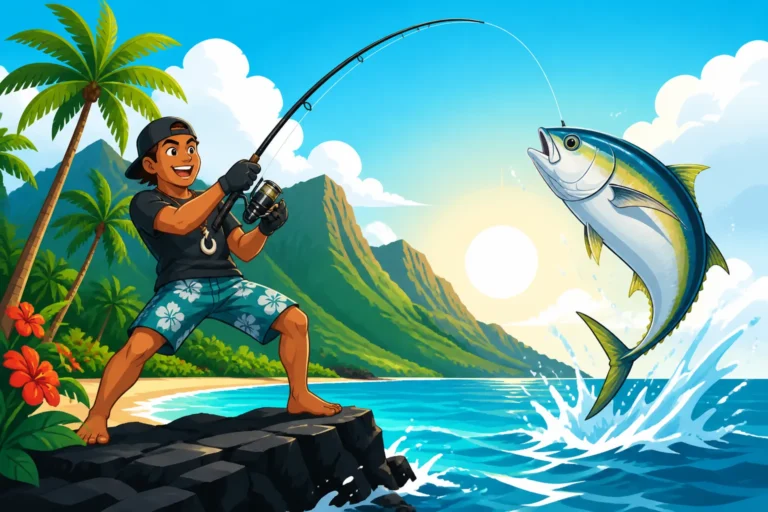
Whip fishing, or whipping, is one of the most common and effective techniques for catching uhu from shore. This method involves using a relatively light spinning rod and reel setup, often ranging from 7 to 10 feet in length, coupled with a sensitive rod tip that allows for precise casting and detection of subtle bites. The idea is to cast light baits or lures into the reef areas where uhu are feeding, allowing them to drift naturally or presenting them with gentle retrieves.
The key to successful whip fishing for uhu lies in accuracy and stealth. You want to place your bait right into the pockets and channels of the reef where the uhu are, without spooking them. Often, a small piece of shrimp, limu, or even bread is fished on a small hook with minimal weight, allowing it to flutter down naturally. Anglers will often sight-fish for uhu, watching for their movements and casting ahead of them. This technique is also fantastic for catching other reef fish like papio. For a broader understanding of this approach, check out Shore Fishing Techniques for Hawaii.
Spearfishing for Uhu: A Skill-Based Approach
For many in Hawaii, spearfishing is not just a recreational activity but a traditional way to harvest fish, and uhu are a common target. Unlike rod and reel fishing, spearfishing requires you to physically enter the water, often free-diving on a single breath, to stalk and shoot your target. This method demands not only excellent breath-hold capabilities and swimming skills but also an intimate understanding of the reef environment and fish behavior.
When spearfishing for uhu, stealth is paramount. They are incredibly wary, and a noisy or clumsy approach will send them darting into the reef for cover. Divers often use long, silent glides and camouflage to get close enough for a shot. The challenging part is that uhu often graze with their heads down, making a good shot placement difficult. A good spear diver will wait for the fish to present a broadside target or for it to be momentarily distracted. It's a highly selective method, allowing divers to target specific fish, but it also comes with strict regulations. Always know and obey Hawaii Spearfishing Regulations, especially concerning protected areas and species.
Net Fishing and Trapping Considerations
While less common for individual recreational anglers today, traditional net fishing and trapping were historically significant methods for catching uhu. Throw nets, often used in shallow reef flats with sandy patches, can be effective for catching schooling uhu, but their use is highly regulated. There are specific areas where net fishing is prohibited or requires special permits.
Trapping, using woven or constructed fish traps, was also a traditional method. These traps would be placed on the reef, often baited, to capture fish. Similar to net fishing, modern regulations heavily restrict the use of fish traps to prevent overharvesting and damage to the reef. While these methods are part of Hawaii's rich fishing heritage, modern anglers seeking to catch uhu primarily rely on rod and reel or spearfishing. If considering any form of net or trap fishing, a thorough review of Hawaii Net Fishing Restricted Areas and other relevant DLNR regulations is absolutely essential to avoid legal issues.
Recommended Gear and Tackle for Uhu Fishing
Having the right gear is crucial when targeting uhu from shore. Since they are often found in shallow, clear water and are quite wary, a light and stealthy approach with appropriate tackle will significantly increase your success rate. You don't need the most expensive equipment, but reliability and suitability for the conditions are key.
Selecting the Right Rod and Reel Setup
For whip fishing uhu, a medium-light to medium action spinning rod is ideal. A length of 7 to 9 feet offers a good balance of casting distance and control, allowing you to reach those reef pockets without making too much noise close to the water. A sensitive tip is a huge bonus, as uhu bites can sometimes be very subtle. Look for a rod that feels comfortable and balanced in your hand, as you'll likely be holding it for extended periods.
Pair your rod with a lightweight spinning reel in the 2000 to 3000 size range. This size is perfect for handling the lighter lines typically used for uhu and offers a smooth drag system, which is important for fighting fish that might try to dive into coral. The reel should be corrosion-resistant, as you'll be fishing in saltwater environments, and splashes are inevitable. A good quality reel will make a noticeable difference in casting smoothness and overall enjoyment.
Line, Leader, and Hook Choices for Uhu
When it comes to line, a good quality braided line in the 8 to 15 lb test range is an excellent choice for your main line. Braid offers superior sensitivity, minimal stretch, and a thinner diameter compared to monofilament, allowing for longer casts with light baits. Its sensitivity means you'll feel even the faintest of bites.
Because braid is visible to fish and can be easily cut by coral, you'll need a monofilament or fluorocarbon leader. Fluorocarbon is often preferred due to its low visibility underwater and its abrasion resistance. A 10 to 20 lb test fluorocarbon leader, about 3 to 6 feet long, connected to your main line with a strong knot like an FG knot or a uni-to-uni knot, is perfect. The leader provides that crucial stealth and protection. For hooks, small but strong circle hooks or J-hooks in sizes #4 to #1 are usually best. Circle hooks are great for protecting the fish if you plan on releasing it, as they tend to hook in the corner of the mouth. You can find a good selection of quality fishing lines and hooks on platforms like Amazon, making it easy to stock up before your trip.
Best Baits and Lures for Tempting Uhu
Uhu are primarily herbivores, so your bait selection should reflect their natural diet. Fresh limu (seaweed) is arguably the best natural bait for uhu. Collect some fresh limu from the rocks at low tide or purchase it from local bait shops if available. Present a small piece on your hook, just enough to cover it. Small pieces of crab or shrimp, especially those found on the reef, can also be effective, as uhu will sometimes consume small invertebrates while grazing. Some anglers even use small pieces of bread, though this can attract smaller, unwanted fish.
As for artificial lures, uhu are not typically targeted with traditional flashy lures. However, very small, subtle jigs or soft plastics designed to imitate small crustaceans or even a piece of algae might occasionally work, especially if fished very slowly and close to the bottom. The key is natural presentation. If you're using bait, a very small split shot or no weight at all, allowing the bait to drift naturally with the current, will often be the most successful approach. Remember, presentation is often more important than the specific bait when it comes to these wary grazers.
Uhu Fishing Regulations in Hawaii: What You MUST Know
Navigating Hawaii's fishing regulations can feel like a maze, but when it comes to uhu, it's absolutely non-negotiable to be informed. These regulations are in place to protect these vital reef cleaners and ensure their populations remain healthy for future generations. Ignoring them can lead to significant penalties, but more importantly, it contributes to the degradation of the very reefs we all love.
Size and Bag Limits for Uhu
Hawaii has specific size and bag limits for uhu, which vary depending on the species and sometimes even the region. For most common uhu species, there are both minimum and maximum size limits. For instance, the general rule of thumb is often an 11-inch minimum length and a 16-inch maximum length. This protects juvenile fish, allowing them to reach maturity and spawn, and also protects the largest, most reproductively active adults (known as "super males" in some species) that are crucial for the population.
The daily bag limit for uhu is usually 20 fish per person, or 20 fish per vessel, whichever is less. However, this is a general guideline, and specific species or locations might have different rules. For example, some regulations might specify that no more than 10 of a particular species can be kept within the overall 20-fish limit. It’s absolutely critical to consult the most current Hawaii Uhu (Parrotfish) Size and Bag Limits or the general Hawaii Bag and Size Limits by Species regulations from the Hawaii Division of Aquatic Resources (DAR) before you head out. These laws are updated periodically, so always check the latest information.
Closed Seasons and Ahuula Designations
Beyond size and bag limits, uhu fishing is also subject to closed seasons and specific designations like "ahuula." Historically, the ahuula was a traditional Hawaiian term referring to a cloaked uhu, specifically a large, mature male parrotfish, which were highly valued and often protected during certain times. Modern regulations reflect this traditional wisdom by implementing closed seasons for certain uhu species.
For example, certain uhu species might have a specific closed season, often correlating with their spawning periods, to allow them to reproduce undisturbed. During a closed season, it is illegal to take or possess that particular species of uhu, regardless of size. The intention is to ensure the species can replenish its numbers. Always verify Hawaii uhu ahuula closed season dates to ensure you're not inadvertently violating a crucial conservation measure. These regulations are serious and are enforced to safeguard the future of Hawaii's unique marine life.
Understanding Marine Life Conservation Districts (MLCDs)
This bears repeating because it's so vital: Hawaii's Marine Life Conservation Districts (MLCDs) are strictly protected areas where fishing is either completely prohibited or extremely limited. These zones are established to conserve and restore marine ecosystems, and they serve as vital refuges for uhu and countless other reef species. Many of the most beautiful and vibrant reef areas where you might expect to find uhu are, in fact, MLCDs.
Examples include Hanauma Bay on Oahu or Kealakekua Bay on the Big Island. In these areas, even simple catch-and-release fishing might be illegal, and spearfishing or net fishing is almost universally banned. Before you even pack your gear, you must know the boundaries and specific rules for any area you plan to fish. You can find detailed information and maps in Hawaii Marine Life Conservation Districts, Explained. Fishing in an MLCD carries severe penalties, including substantial fines and confiscation of gear. It's not just about avoiding punishment; it's about respecting and preserving these irreplaceable natural treasures for everyone.
Conservation and Sustainable Uhu Fishing Practices
As responsible anglers, we all have a role to play in protecting Hawaii's precious marine resources. Uhu, with their critical role in reef health, are particularly important to consider. Sustainable fishing isn't just a buzzword; it's a practice that ensures we can continue to enjoy the bounty of the ocean for generations to come. It's about taking only what you need, respecting the resource, and minimizing your impact.
The Importance of Responsible Harvesting
Responsible harvesting for uhu goes beyond simply adhering to the legal size and bag limits. It involves a conscious decision to make ethical choices that support the long-term health of the fishery. This means asking yourself if you truly need to catch your limit, or if taking just a few fish for a meal is sufficient. It also involves choosing the right gear and techniques that minimize bycatch and damage to the reef.
Consider the "pau hana" philosophy – taking only what you need for your family or immediate community, rather than commercially exploiting the resource. If you're fishing a spot that seems to be under heavy pressure, perhaps consider moving to a different location or trying for a different species. Education is also part of responsible harvesting; share your knowledge of regulations and sustainable practices with fellow anglers, especially newer ones. Remember, the reef is a fragile ecosystem, and every fish plays a part.
Releasing Uhu Safely
If you catch an uhu that is outside the legal slot limit, or if you simply decide you've caught enough for your needs, knowing how to release it safely is crucial for its survival. Uhu are generally pretty hardy, but improper handling can cause unnecessary stress and injury, reducing their chances of making it back to the reef.
Here are some tips for safe release:
- Minimize Handling: Try to handle the fish as little as possible. If you can, unhook it while it's still in the water.
- Wet Hands: Always wet your hands before touching the fish. Dry hands can remove the fish's protective slime coat, making it vulnerable to infection.
- Support the Fish: If you must lift the fish, support its full body weight horizontally, especially if it's a larger uhu. Avoid holding it vertically by the mouth or gills.
- Quick Release: Have your pliers or de-hooking tool ready so you can unhook it quickly and gently.
- Revive if Necessary: If the fish seems stunned or sluggish, gently hold it in the water, facing into a mild current, and allow water to flow over its gills until it regains its strength and swims away on its own.
Practicing careful catch and release, especially for fish outside the legal limits, is a direct way to contribute to the health of uhu populations.
Supporting Healthy Reef Ecosystems
Ultimately, the best way to ensure there are uhu to catch in the future is to support and protect the entire reef ecosystem they call home. Uhu depend on healthy corals and abundant algae, and these are threatened by pollution, climate change, and physical damage. As anglers, we can contribute by being mindful of our impact every time we visit the ocean.
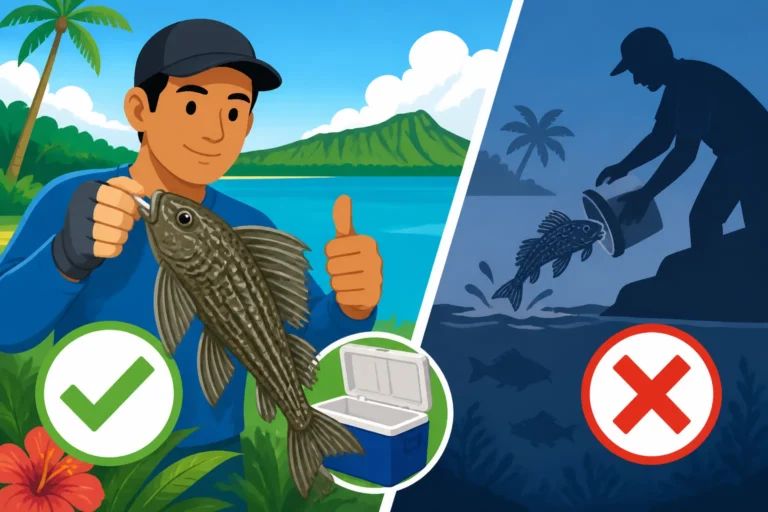
This includes properly disposing of all trash and fishing line (even small pieces can harm marine life), avoiding stepping on corals, and choosing biodegradable products when possible. Advocating for marine conservation initiatives, respecting MLCDs, and staying informed about changing regulations are also part of this commitment. Every action, big or small, contributes to the overall health of Hawaii's oceans. By being responsible stewards of the sea, we ensure that the vibrant uhu will continue to grace our reefs and be a source of wonder and sustenance for generations to come.
| Uhu Species (Common Examples) | Primary Diet | Typical Habitat | Size Range (Adult) | Special Notes |
|---|---|---|---|---|
| Uhu-uli (Bullethead Parrotfish) | Algae, Detritus | Shallow Reefs, Rubble | 12-24 inches | Distinct head shape, often darker. |
| Uhu-palukaluka (Stareye Parrotfish) | Algae, Coralline Algae | Reef Flats, Rocky Shores | 8-18 inches | Very common, varied coloration. |
| Uhu-noni (Spectacled Parrotfish) | Algae, Invertebrates | Inner and Outer Reefs | 10-20 inches | Patterns around eyes, can be wary. |
| Uhu-lao (Ember Parrotfish) | Algae, Detritus | Mixed Coral & Sand | 10-22 inches | Vibrant colors, especially mature males. |
Disclaimer
This article is for general informational purposes only and does not constitute professional advice. Laws, prices and regulations vary by location and change over time. Consult a qualified professional for guidance on your specific situation.