How big ulua get in Hawaii
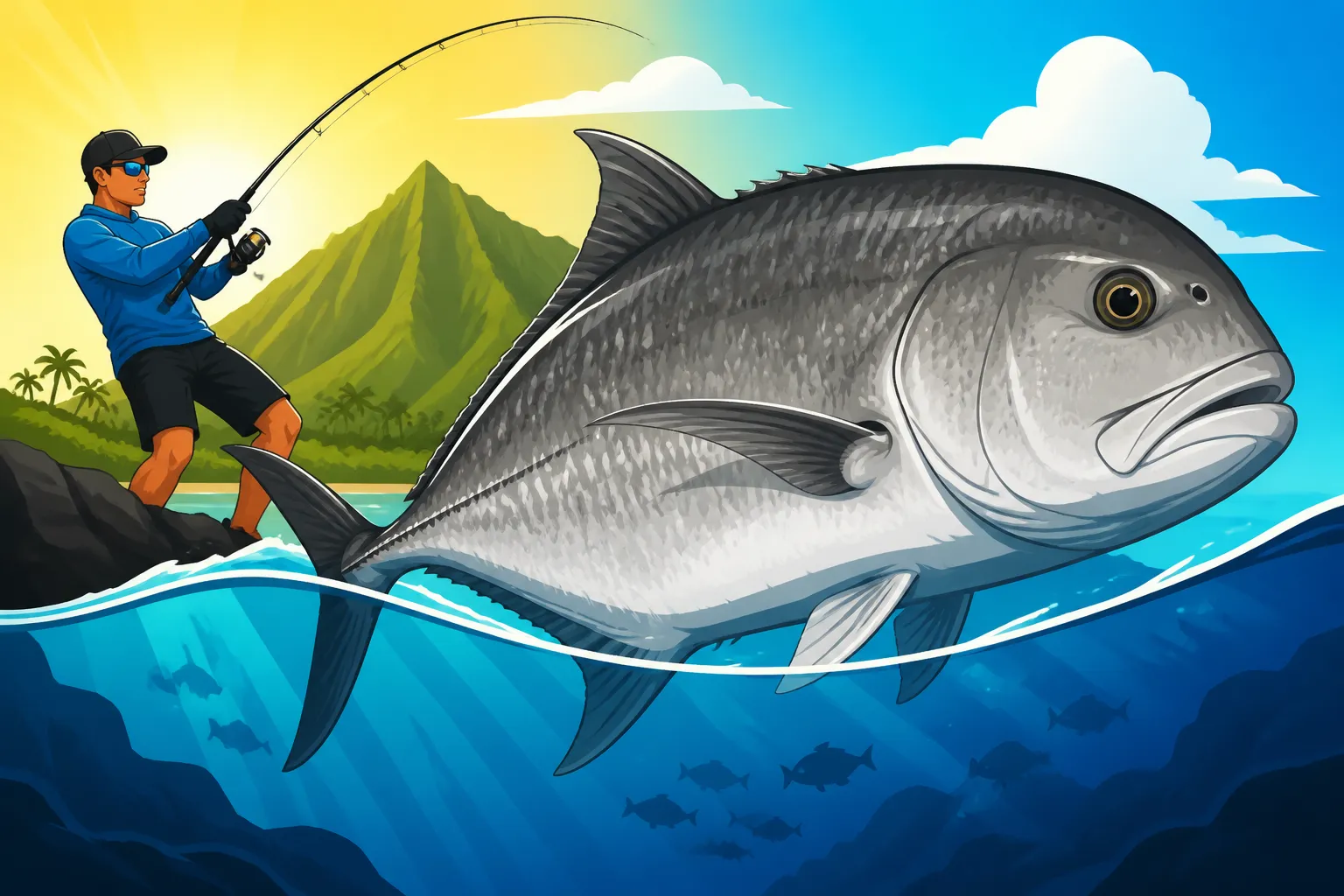
There's nothing quite like the thrill of hooking into a powerful Ulua in Hawaii, feeling that drag scream as it tears line off your reel. But one of the most common questions, and often the source of endless angler discussions, is just how big these magnificent fish truly get in our waters. This guide dives deep into the size expectations, record-breaking catches, and what it takes for these impressive predators to reach their legendary proportions here in the islands.
Understanding Ulua: More Than Just a Fish
For many visiting anglers, and even some kama'aina (locals), the sheer power and size of an adult Giant Trevally, known locally as Ulua, can be mind-boggling. They're built like underwater battering rams, pure muscle and aggression. But their journey to becoming these apex predators starts much smaller, and understanding their growth stages is key to appreciating their potential size.
The Papio to Ulua Journey: Growth Stages
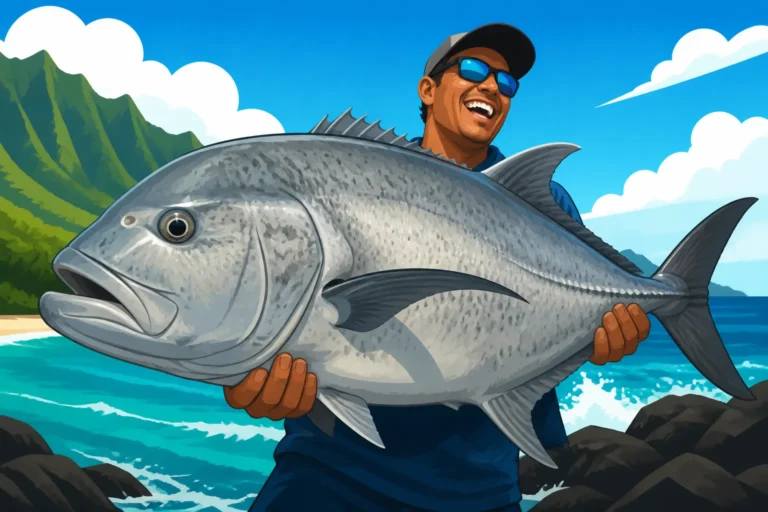
In Hawaii, we have a clear distinction between the juvenile and adult stages of the Giant Trevally. The smaller, younger fish are lovingly called papio. These are often caught closer to shore, in harbors, or on shallow reef flats, and while they put up an incredible fight for their size, they're not the behemoths that haunt the dreams of serious Ulua fishermen. Papio can range anywhere from a few ounces up to about 10-15 pounds, sometimes a bit more, before they officially graduate into the "Ulua" category.
The transition from papio to Ulua isn't strictly defined by a scientific measurement, but rather a generally accepted weight threshold among local anglers. Once a Giant Trevally hits that 15 to 20-pound mark, it's typically considered an Ulua. From there, the growth potential is truly astounding. It's a journey that takes years, demanding a consistent food supply and a bit of luck to avoid predators and anglers. For a deeper dive into these classifications, you might find our guide on Ulua vs Papio: What's the Difference helpful.
Average Size Expectations for Hawaiian Ulua
When you're out fishing specifically for Ulua, whether from the shore or a boat, what can you realistically expect to encounter? Most Ulua caught by recreational anglers typically fall into the 20 to 60-pound range. These are still incredibly strong fish that will test your tackle and your resolve. A 40-pound Ulua is a very respectable catch, capable of making powerful runs and pulling serious drag.
However, it's not uncommon for seasoned anglers to land Ulua in the 70 to 100-pound class. These are considered trophy fish by any standard and are often the result of dedicated effort, specialized techniques, and sometimes, a bit of the famous "mana" (power or spirit) of the islands on your side. Think of battling a fish that strong: it's not just a fight, it's a full-body workout that can last for what feels like an eternity. Many anglers consult resources found on platforms like Amazon for advanced techniques or specialized gear to tackle these larger specimens.
The Giants Among Us: Trophy Ulua and State Records
While the average catch provides plenty of excitement, the true legends of the Ulua world are the giants that push the limits of both the fish and the angler. These are the fish that stories are made of, whispered about on the docks and around the tackle shops.
Hawaii's State Record Ulua: The True Goliaths
Hawaii is home to some truly monstrous Ulua, and the state record for Giant Trevally stands as a testament to their incredible potential size. While specific numbers can fluctuate, the state record for Ulua has historically hovered well over the 100-pound mark, with some exceptional catches nearing or even exceeding 190 pounds. Imagine reeling in a fish that weighs as much as a grown person! These are not everyday occurrences; they are the culmination of decades of fishing experience, prime conditions, and a whole lot of good fortune.
| Ulua (Giant Trevally) Size Categories | Typical Weight Range (Pounds) | General Length Range (Inches) | Rarity of Catch |
|---|---|---|---|
| Papio (Juvenile GT) | Up to 15 lbs | Up to 25 inches | Common |
| Average Ulua | 20 – 60 lbs | 26 – 45 inches | Moderate |
| Trophy Ulua | 70 – 100+ lbs | 46 – 60+ inches | Rare |
| State Record Ulua | 180+ lbs | 65+ inches | Extremely Rare |
These record-setting fish represent the absolute pinnacle of Ulua growth in Hawaii. They are often incredibly old fish, having navigated countless challenges in the ocean. Learning about these massive catches often inspires anglers to seek out their own personal best, pushing them to explore new techniques and locations. For a comprehensive look at other species' records, check out Hawaii State Fish Records by Species.
Factors Contributing to Massive Ulua Size
What allows some Ulua to grow to such colossal proportions while others remain in the "average" category? Several factors play a critical role in the development of these massive fish:
- Age and Longevity: Just like humans, Ulua need time to grow. The biggest Ulua are often decades old, having survived countless threats and adapted to their environment. Their lifespan allows them to accumulate mass over many years. You can learn more about their longevity in Life span of an ulua in Hawaiian waters.
- Abundant Food Supply: Giant Trevally are voracious predators. To reach immense sizes, they need a consistently rich diet of smaller baitfish, crustaceans, and cephalopods. Areas with strong currents that bring in nutrient-rich water and schooling baitfish tend to harbor larger Ulua. They're opportunistic eaters, so a diverse and ample food source is crucial.
- Prime Habitat: Ulua thrive in environments that offer both hunting grounds and protection. Deep ledges, offshore pinnacles, submerged wrecks, and rocky points with strong currents provide ideal ambush points and refuge. These areas are often less accessible to casual anglers, allowing the fish to grow undisturbed. Best waters for trophy ulua in Hawaii delves into specific locations.
- Genetics: While harder to quantify, the genetic predisposition for rapid growth and larger maximum size certainly plays a role. Some fish are simply born with the potential to be bigger and stronger.
- Low Fishing Pressure: While Ulua are highly prized, the truly massive ones often inhabit areas that are difficult to reach or fish effectively, either due to depth, currents, or remote locations. Less pressure means more opportunity for these fish to grow old and large.
Where the Big Ones Hide: Targeting Trophy Ulua
So, if you're dreaming of tangling with one of these Hawaiian giants, where do you even begin your search? It requires a shift in mindset and often, a significant upgrade in your fishing strategy and gear.
Prime Habitats for Large Ulua
Trophy Ulua aren't typically found in calm, shallow lagoons. They prefer areas that challenge them, offering both concealment and abundant prey.
- Deep Offshore Ledges and Pinnacles: Many of the largest Ulua are caught by boat anglers fishing natural deep-water structures. These drop-offs and seamounts create upwellings and current breaks that concentrate baitfish, making them prime hunting grounds. Anglers will often use heavy-duty tackle and large baits, sometimes deploying them hundreds of feet down.
- Rocky Points and Lava Flows: From shore, the most productive spots for large Ulua are often dramatic rocky points, lava flows, and areas where deep water is accessible from land. These structures provide current and ambush points for Ulua waiting for bait to pass by. It's often physically demanding fishing, requiring long casts and the ability to withstand powerful runs against sharp reef. These are also often fantastic spots for night fishing, as Ulua use the cover of darkness to hunt. You can explore this further in Best Night Fishing Spots for Ulua in Hawaii.
- Channel Entrances and River Mouths (during specific conditions): While less common for the absolute giants, larger Ulua can occasionally be found near the mouths of channels or rivers, especially after heavy rains bring out nutrients and baitfish. The turbidity can offer them cover for hunting. However, these are more typically papio grounds.
The Patience and Persistence for Giant Trevally
Catching a trophy Ulua is not for the faint of heart. It demands extreme patience, robust gear, and often, fishing through uncomfortable conditions.
- Heavy Tackle is Non-Negotiable: You'll need heavy-duty rods, large reels spooled with strong braided line, and fluorocarbon leaders in excess of 100 pounds. Trying to land a big Ulua on insufficient gear usually ends in snapped lines and heartbreak. Serious shorecasters often use specialized rods designed for throwing heavy baits over long distances. If you're looking for gear, resources available on platforms like Amazon can help you find suitable heavy-duty reels and rods. For more specifics, check out Best rod setup for surfcasting ulua.
- Big Baits for Big Fish: Ulua are not finicky eaters, but they prefer a substantial meal. Large chunks of fresh dead bait (like Akule or Opelu), live baits (such as small Moi or Mackerel Scad), or oversized artificial lures are the preferred choices. The bigger the bait, the more likely you are to attract a truly large fish.
- Night Fishing Prowess: Many of the biggest Ulua are caught under the cover of darkness. They are powerful nocturnal hunters, using their keen senses to ambush unsuspecting prey. This means long, solitary nights on rocky ledges, often waiting for hours for that one legendary bite. The commitment is immense. If you're curious about specific techniques, our guide on How to Catch Ulua from Shore offers valuable insights.
The Role of Conservation in Ulua Size
The health of Hawaii's Ulua population, and thus the potential for these fish to reach impressive sizes, is directly tied to responsible fishing practices and robust conservation efforts. It's not just about catching big fish now; it's about ensuring future generations can also experience the thrill.
Fishing Pressure and Its Impact on Ulua Populations
Like any popular game fish, Ulua are subject to fishing pressure. While recreational anglers target them for sport and food, commercial pressures also exist. Overfishing, especially of larger breeding individuals, can significantly impact the average size and overall health of the population over time. When too many fish are removed before they have a chance to mature and reproduce, the gene pool for larger, stronger fish can diminish.
This is why regulations are so important. The Division of Aquatic Resources (DAR) within the Hawaii Department of Land and Natural Resources (DLNR) implements rules regarding bag limits and minimum size requirements for various species, including Ulua and Papio. These regulations are designed to allow fish to reach sexual maturity and reproduce, helping to sustain healthy populations. Understanding these rules is crucial for any responsible angler; for detailed information, refer to Hawaii Bag and Size Limits by Species.
Catch and Release for Future Generations of Giants
For many dedicated Ulua anglers, especially those targeting trophy-sized fish, catch and release has become a common practice. While keeping a smaller Ulua for dinner is perfectly fine and within regulations, releasing those massive, old breeding fish has a significant positive impact on the overall Ulua population. These larger fish are often the most prolific breeders, passing on their strong genetics to the next generation.
Releasing a large Ulua ensures that it continues its role in the ecosystem, contributing to the health and vitality of Hawaii's reefs and ocean environment. It's a way to pay respect to these incredible creatures and ensure that the dream of catching a true Hawaiian giant remains alive for years to come. Many online communities and resources, some of which can be found through a quick search on Amazon for fishing forums or instructional books, advocate strongly for responsible angling practices and safe catch-and-release methods.
Disclaimer
This article is for general informational purposes only and does not constitute professional advice. Laws, prices and regulations vary by location and change over time. Consult a qualified professional for guidance on your specific situation.