Best waters for trophy ulua in Hawaii
Finding that elusive trophy ulua in Hawaii is a dream for many anglers, but it often feels like chasing a ghost. You hear whispers of massive catches, but actually figuring out where these giants lurk, let alone how to tempt them, can be incredibly frustrating. This guide is here to cut through the mystery, offering real insights into the best waters across the Hawaiian islands where you stand the best chance of landing that fish of a lifetime.
Understanding the Elusive Ulua
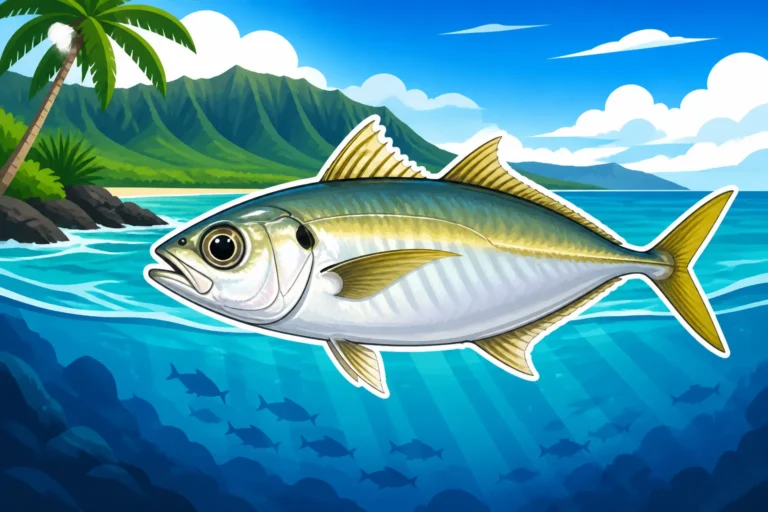
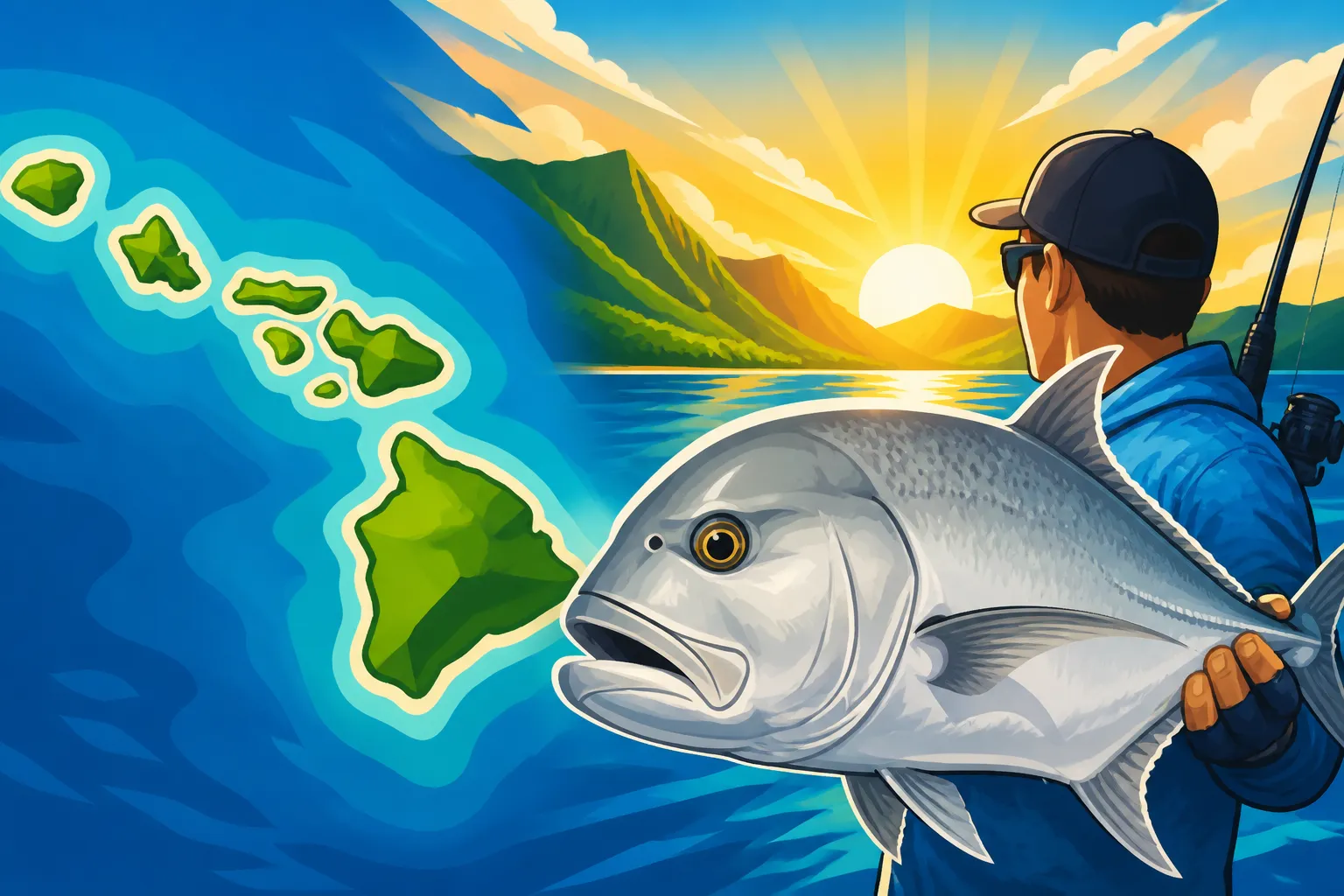
Before we dive into specific locations, let's talk about what makes an ulua a "trophy" and why they're such a challenge. These powerful fish, also known as Giant Trevally or GTs, are the apex predators of our nearshore reefs, and they demand respect, both in terms of skill and sheer physical effort. They're not just big; they're smart, incredibly strong, and often inhabit treacherous areas.
What Defines a Trophy Ulua?
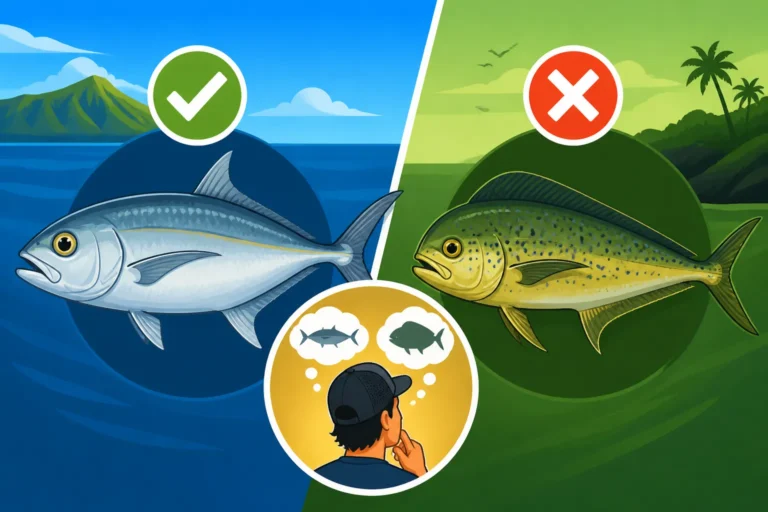
When local anglers talk about a "trophy ulua," they're generally referring to a fish well over the 50-pound mark, with many aspiring to break the triple-digit barrier. While even a 20-pound ulua will give you a fight you won't soon forget, those truly legendary catches often push past 80, 100, or even 150 pounds. It's not just about the size on the scale, though; it's about the pure, unadulterated power they possess when hooked. Imagine a freight train with fins, and you're getting close to understanding the force of a trophy ulua. Many anglers spend decades pursuing this benchmark, making every capture a significant achievement. If you're wondering how they compare to their smaller cousins, you might find our guide on Ulua vs Papio: What's the Difference insightful.
Ulua Habitat Preferences
Trophy ulua aren't just swimming around aimlessly; they are highly attuned to their environment, seeking out specific conditions that offer both abundant food and strategic ambush points. Their preferred habitat is typically characterized by significant underwater structure, like volcanic ledges, deep holes, rocky outcrops, and channels adjacent to reefs. These structures provide cover, a place to rest out of strong currents, and perfect spots to dart out and ambush unsuspecting prey. They also thrive where there's a constant flow of nutrient-rich water and baitfish being pushed around by currents. Think of them as the kings of their castle, meticulously choosing locations that maximize their hunting success. Understanding these patterns is your first step in predicting where they'll be.
The Ulua's Diet and Hunting Grounds
Ulua are opportunistic predators with a voracious appetite. Their diet primarily consists of smaller reef fish, squid, octopus, and crustacean species. They are known to patrol the edges of deep drop-offs, the mouths of harbors, and along expansive reef flats where baitfish congregate. A trophy ulua will often lurk in deeper water during the day, moving into shallower, current-swept areas at night or during specific tidal changes to feed. This is why many anglers targeting these giants prefer Night Fishing for Ulua in Hawaii, as the darkness provides an extra layer of cover for these predators. Finding these "hunting grounds" often means looking for areas with sudden changes in depth, strong current lines, and a healthy population of their preferred forage. A good sonar system can be invaluable if you're boat fishing, but keen observation of the shoreline and water movement is just as important for shore anglers.
The Big Island's Ulua Hotbeds
When it comes to landing a truly massive ulua, many seasoned anglers will point you towards the Big Island, and for good reason. Its unique volcanic geology creates some of the most dynamic and productive fishing grounds in the entire archipelago. The deep offshore trenches meet shallow reefs in dramatic fashion, providing perfect ambush points for these powerful predators.
The Legendary Kona Coast
The Kona Coast, stretching along the western side of the Big Island, is synonymous with world-class big game fishing, and that absolutely includes ulua. While it's famous for marlin and ahi, the unique underwater topography here also creates incredible opportunities for shore-based and nearshore ulua fishing. The steep drop-offs close to shore mean deep water access is often just a cast away. Look for areas with prominent lava flows, deep pockets, and submerged ledges. Locations near Honokohau Harbor or other major marine features often hold large schools of baitfish, which, in turn, attract the biggest ulua. These areas benefit from consistent currents that funnel food right to the waiting predators. This coast offers a blend of accessibility and wildness that is hard to beat, making it a must-visit for any serious ulua hunter. Our Kona Coast Fishing Guide can give you even more insights into this incredible area.
South Point (Ka Lae) and Remote Eastern Shores
If you're willing to go off the beaten path and brave some challenging conditions, the areas around South Point, or Ka Lae, offer some of the most consistent trophy ulua fishing on the Big Island. As the southernmost point in the United States, Ka Lae is pounded by powerful currents, creating a constantly churning environment rich with marine life. This turbulent water is a magnet for large pelagic and reef predators alike. The sheer amount of structure and the consistent baitfish flow make it a prime location. However, be warned: the currents are dangerous, and the terrain is rugged. Similarly, the remote eastern shores, particularly those with deep ledges and less human pressure, can produce giants. These spots often require significant hiking or boat access, but the reward can be immense. For more on navigating these challenging but rewarding waters, check out our piece on South Point Ka Lae Fishing Spots. Always prioritize safety and let someone know your plans when exploring these remote areas.
Oahu's Trophy Ulua Haunts
Oahu might be better known for its bustling cityscapes and world-famous surfing breaks, but don't let that fool you into thinking it's lacking in trophy ulua opportunities. In fact, Oahu boasts some truly incredible spots, particularly if you're willing to explore beyond the most obvious tourist zones. The island's diverse coastline, from rugged lava points to extensive reef systems, provides ample habitat for these powerful fish.
Oahu's North Shore and West Side
The legendary North Shore of Oahu isn't just for surfers; it's a hotspot for trophy ulua, especially during the powerful winter swells. These massive waves sculpt the coastline, carving out deep pockets, ledges, and channels that become prime hunting grounds for ulua. The sheer power of the ocean in these areas constantly churns up food, attracting larger predators. Locations like Kaena Point, on the westernmost tip of Oahu, are particularly renowned. The long, rugged coastline and consistent deep-water access here make it a favorite for seasoned ulua anglers. The West Side, too, with its raw, less developed shores and dramatic lava rock formations, offers excellent opportunities. Anglers here often employ heavy tackle and Sliding Bait Techniques for Ulua to present large baits in the powerful currents. The challenge is real, with strong currents and sharp lava rock, but the potential for a monster ulua is equally compelling. For those brave enough to explore, Kaena Point Shore Fishing provides more detail on this rugged location.
Keehi Lagoon and Urban Edge Opportunities
It might seem counterintuitive to talk about urban areas when discussing trophy fish, but Oahu also offers unique opportunities for ulua in more accessible, yet still challenging, locations. Keehi Lagoon, for example, is primarily known for its Best Bonefishing Spots in Hawaii, but the channels and deeper pockets around the lagoon's mouth and perimeter can hold surprisingly large ulua, especially at night. These areas, often close to boat traffic and harbor entrances, are rich in baitfish and offer structure that attracts ulua looking for an easy meal. While not as wild as the North Shore, these "urban edge" spots require a different kind of finesse and local knowledge. Anglers need to navigate boat traffic, understand specific tidal flows within the harbors, and sometimes adapt their presentation to more pressured fish. Don't underestimate the potential of these overlooked areas; many a trophy has been pulled from waters surprisingly close to civilization, often under the cloak of darkness.
Maui and Kauai's Ulua Potential
While the Big Island and Oahu often steal the spotlight for their trophy ulua populations, Maui and Kauai hold their own secrets for dedicated anglers. Each island offers distinct geographical features that create fantastic habitats for these powerful game fish, often in more remote or less pressured environments.
Maui's Rugged Coastlines
Maui, with its dramatic volcanic landscapes and deep offshore waters, presents excellent prospects for trophy ulua. The island's rugged coastlines, particularly on the eastern and southern sides, feature numerous lava rock points, deep ledges, and channels where ulua can thrive. Areas around La Perouse Bay, for instance, are known for their raw beauty and strong currents that sweep baitfish along the shore. The volcanic rock formations here create complex underwater terrains that are perfect for ambush predators. Anglers often target these zones from shore, casting heavy baits into the deep troughs that run parallel to the coastline. While less frequented by the sheer numbers of ulua anglers seen on other islands, Maui offers a chance for a truly wild experience, pitting your skill against a powerful fish in a stunning natural setting. You might consider exploring Best rocky point fishing spots on Maui for more specific locations on the island.
Kauai's Wild West Side
Kauai, known as the "Garden Isle," also hides some serious ulua potential, especially on its less developed western shores. The wild, dramatic cliffs of the Na Pali Coast and the expansive beaches further south offer remote and largely unpressured fishing grounds. These areas often require significant hiking or boat access, but for those willing to make the journey, the rewards can be substantial. The consistent surf, deep offshore canyons that funnel baitfish towards shore, and pristine reef systems create ideal conditions for large ulua. Anglers who venture to these remote spots often find that the fish here are less wary and more aggressive. The challenge lies in accessing these spots safely and being prepared for extended periods in isolated locations. However, the solitude and the chance to hook into a truly wild, unpressured trophy ulua can make it an unforgettable adventure.
Key Factors for Targeting Trophy Ulua in Any Water
Knowing where to fish is only half the battle. To consistently catch trophy ulua, you need to understand when to fish and how to approach these incredibly powerful and cunning predators. It’s a game of patience, preparation, and knowing the nuances of the ocean.
Understanding Tides and Currents
Ulua are highly sensitive to tidal movements and ocean currents, which play a critical role in their feeding patterns. Strong currents often concentrate baitfish, making them easier targets for ulua. Incoming or outgoing tides around new and full moons, often referred to as "spring tides," tend to produce the strongest currents and, consequently, some of the best ulua action. The movement of water through channels, around points, and over submerged structures creates feeding lanes that ulua actively patrol. Pay close attention to local tide charts and observe how the current affects different areas you fish. A specific tide change might activate one spot, while another might only turn on during a different phase. Sometimes, the hour or two leading up to a peak tide, or just after, can be the most productive. This intimate knowledge of water movement is crucial for mastering Best Time of Day to Catch Ulua.
Essential Gear for Big Ulua
Targeting trophy ulua is not for the faint of heart, and your gear needs to be up to the task. These fish will test every component of your setup to its absolute limit. You'll need heavy-duty rods, often 10 to 12 feet long for shore casting, capable of handling immense leverage. Matching these rods with large, robust spinning or conventional reels spooled with at least 80-pound braided line is essential. Some anglers even go for 100-pound or heavier, especially when fishing treacherous, lava-strewn areas. Fluorocarbon leaders of 100 to 200 pounds are common, designed to withstand the ulua's abrasive mouth and the sharp rocks they try to dive into. Strong, heavy-gauge hooks, typically 12/0 to 20/0, are a must, along with a variety of weights to hold your bait in strong currents. Don't skimp on quality; a weak link in your chain will almost certainly result in a heartbreak when that dream ulua strikes. You can find a fantastic selection of robust gear on Amazon that's built to withstand the punishing force of an ulua, from heavy-duty reels to abrasion-resistant leaders.
The Patience Game
Perhaps the most underrated, yet vital, factor in successfully landing a trophy ulua is patience. Ulua fishing, particularly from shore, is not typically a fast-paced sport. It's often characterized by long hours, sometimes entire nights, spent waiting for that one single, earth-shattering bite. Anglers will often set out multiple rods, rigged with large baits like whole akule, opelu, or even smaller octopus, and settle in for the long haul. You might cast a bait and not get a touch for six, eight, or even twelve hours. But when that bite comes, it's usually explosive and unmistakable, demanding an immediate and powerful response. This dedication is what separates the casual angler from the serious ulua hunter. It's about enjoying the solitude, the stars, and the anticipation, knowing that at any moment, your world could be rocked by a true giant of the Hawaiian seas. Remember, if you're not getting bites, sometimes it's about making small adjustments to your setup or bait presentation, even using items from Amazon like specialized bait clips or glowing beads to attract attention in the dark depths.
Prime Ulua Fishing Locations in Hawaii: A Snapshot
To help you visualize the opportunities, here's a quick comparison of some of the top regions for targeting trophy ulua. Remember, conditions vary greatly, and local knowledge is key!
| Island | Primary Location(s) | Characteristics | Best General Conditions | Common Techniques |
|---|---|---|---|---|
| Big Island | Kona Coast, South Point (Ka Lae) | Deep drop-offs, lava ledges, strong currents, abundant baitfish | New/Full moon tides, Night time | Sliding bait, Heavy bottom rigs |
| Oahu | North Shore (Kaena Point), West Side, Keehi Lagoon | Powerful swells (North Shore), rugged lava, deep channels, urban structure | Winter swells (North), Night, Strong tides | Sliding bait, Live bait, Heavy bottom rigs |
| Maui | La Perouse Bay, remote eastern/southern points | Volcanic rock points, deep troughs, consistent currents | Incoming/outgoing tides, Night | Heavy bottom rigs, Chunking |
| Kauai | Wild West Side (less pressured areas) | Remote cliffs, deep offshore canyons, pristine reefs, strong surf | Calm seas for access, Night | Sliding bait, Heavy bottom rigs |
For a deeper dive into the specific regulations that apply to ulua and other species, you'll want to review Hawaii Bag and Size Limits by Species and Hawaii Papio and Ulua Size Rules. Always make sure you're compliant with local laws.
Landing a trophy ulua in Hawaii is more than just catching a big fish; it's an immersive experience that connects you deeply with the raw power and beauty of the islands. It requires dedication, a willingness to brave challenging conditions, and an unwavering respect for the ocean. Whether you're casting from the rugged shores of the Big Island, navigating the powerful currents of Oahu's North Shore, or seeking solitude on a remote Kauai beach, the thrill of the chase and the potential for that once-in-a-lifetime fight make it all worthwhile. So gear up – perhaps with some robust tackle you picked up on Amazon – embrace the challenge, and go make some unforgettable memories.
Disclaimer
This article is for general informational purposes only and does not constitute professional advice. Laws, prices and regulations vary by location and change over time. Consult a qualified professional for guidance on your specific situation.