Kumu (Goatfish) in Hawaii
For many anglers visiting or living in Hawaii, the idea of fishing often conjures images of massive marlin or acrobatic mahimahi out in the deep blue. But for those who appreciate the subtle beauty and delicious reward of nearshore fishing, the hunt for kumu—the stunning red goatfish—is a true delight. It's a quest that comes with its own set of challenges, from knowing where to look in the complex reef systems to understanding the specific regulations that protect these prized fish. This guide will help you understand everything you need to know about kumu, from identification to successful fishing techniques.
Understanding Kumu: The Reddish Hawaiian Goatfish
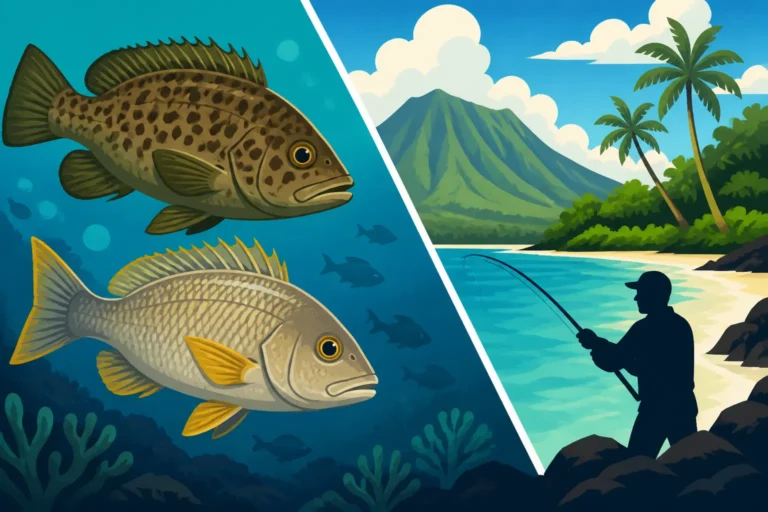
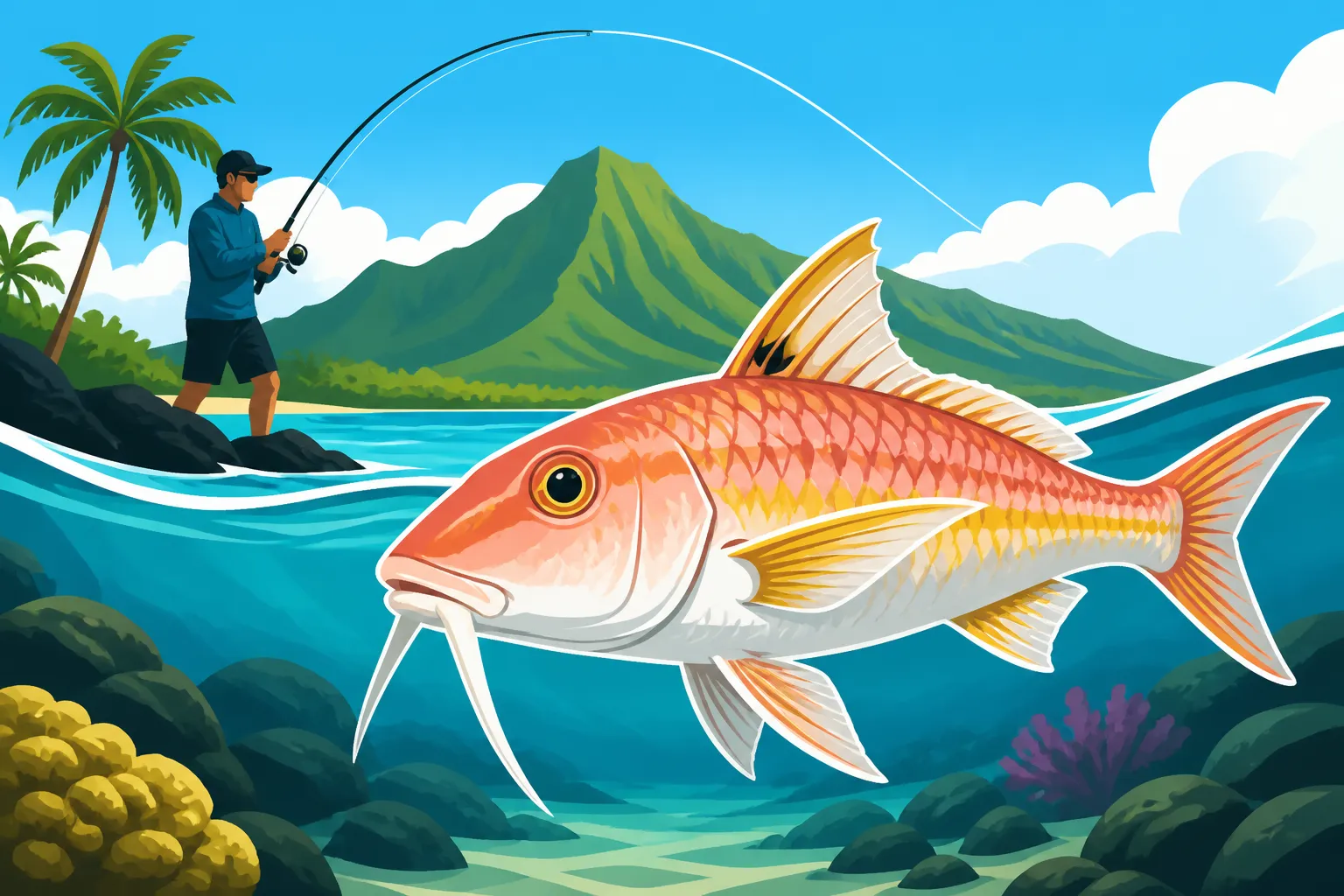
Kumu, often known as the manybar goatfish, are truly iconic Hawaiian reef dwellers. Their striking reddish-orange hue and distinctive barbels (the whisker-like sensory organs under their chin) make them stand out amongst the myriad of vibrant fish on the reef. They're not just beautiful; they're also incredibly smart foragers, always using those barbels to root around in the sand and rubble for their next meal.
For a long time, I've seen visitors get these beautiful fish confused with other species, which is totally understandable given the sheer diversity of Hawaii's aquatic life. But once you learn a few key distinctions, you'll be able to spot a kumu a mile away.
Kumu vs. Weke: Identifying the Differences
It’s easy to look at a reddish fish with barbels and think "goatfish," but there are several species of goatfish in Hawaiian waters, and kumu often get mixed up with their close relatives, the weke. While both are goatfish, distinguishing between them is important, especially when it comes to understanding habits, size limits, and culinary preferences. Weke, like the red weke (also reddish), tend to have a more elongated, less robust body shape than the kumu.
The most reliable way to tell them apart, beyond the general body shape, is to pay close attention to the kumu's distinct markings. Kumu typically have three prominent dark saddles or bars across their back, though these can sometimes fade depending on their environment or stress levels. Their fins, especially the dorsal and tail fins, often have subtle yellowish or reddish tinges with faint banding. Weke species, while also having barbels, generally lack these distinct dark saddles and often have more subtle, sometimes mottled, color patterns. Also, the kumu's barbels are usually longer and more pronounced, extending well past the eyes, which gives them a very characteristic look.
Natural Habitat and Behavior
Kumu are truly creatures of the reef and sandy bottoms, preferring relatively shallow waters, typically from just a few feet deep down to about 100 feet. You'll often find them lurking around coral heads, rocky ledges, and patches of sand or rubble adjacent to reef structures. These areas provide both shelter from predators and a rich feeding ground. They are masters of camouflage, sometimes blending surprisingly well with the reddish hues of the coral or volcanic rock.
Their behavior is fascinating to watch. Kumu are primarily nocturnal feeders, though they will certainly bite during the day if the opportunity arises. At night, those sensitive barbels become their primary tool, sweeping across the seabed, detecting crustaceans, worms, and small invertebrates buried in the sand. During the day, they might be seen schooling in small groups, slowly moving along the bottom, or sometimes even resting motionless, their colors muted to blend in. It's this foraging behavior that makes them such a great target for bottom fishing, as they're constantly on the prowl for a tasty morsel near the seabed. Understanding this preference for specific types of structure and their feeding habits is the first step to successfully targeting them.
Kumu: A Highly Prized Catch in Hawaiian Waters
Beyond their striking appearance, kumu hold a very special place in the hearts of Hawaiian anglers and food enthusiasts alike. They're not just another fish; they represent a blend of cultural heritage and culinary excellence that makes catching one particularly rewarding. Many people consider kumu a true gem of the nearshore fishery.
When you're out fishing in Hawaii, you'll quickly learn which species are considered 'eating fish' and which are more for sport. Kumu definitely fall into the former category, and then some. Their reputation often precedes them, making them a sought-after prize.
Cultural Significance and Culinary Appeal
In traditional Hawaiian culture, kumu were—and still are—highly revered. Their vibrant red color held symbolic importance, often associated with royalty and sacred ceremonies. They were considered a delicacy, a special offering, and a fish reserved for chiefs and significant events. This deep cultural connection elevates the kumu beyond mere sustenance; catching one is participating in a long-standing tradition.
From a culinary perspective, kumu are celebrated for their firm, white, flaky flesh and delicate, sweet flavor. It's incredibly versatile and delicious, whether steamed whole with ginger and scallions, pan-fried, baked, or even used in a traditional Hawaiian poke. There's a reason they fetch a higher price at local fish markets compared to many other reef fish. Many chefs consider kumu to be one of the best-tasting reef fish in Hawaii, and locals often consider it a top-tier table fish. Landing a kumu often means you're bringing home something truly special for dinner, a culinary experience that perfectly embodies the flavors of the islands.
Size and Growth: What to Expect
While kumu aren't typically "trophy" fish in the same way a massive ulua or marlin might be, they certainly grow to a respectable size, making for a satisfying catch on light tackle. Most kumu caught by recreational anglers range from about 8 to 15 inches in length. Within this range, you'll find plenty of delicious fish that are well within legal keeping size.
However, kumu can definitely get bigger. It's not uncommon to hear about anglers landing "papa kumu," or larger, older individuals, that can reach lengths of 20 inches or more and weigh a couple of pounds. These larger specimens are truly magnificent, their colors even more vibrant, and they put up a much stronger fight on the line. They are often found in slightly deeper reef structures or in areas with abundant food and less fishing pressure. Catching a kumu in the upper end of that size range is a fantastic accomplishment and means you've truly connected with a magnificent specimen of this prized Hawaiian goatfish.
Essential Gear and Bait for Targeting Kumu
Like any specific type of fishing, having the right gear and knowing the preferred baits can make a world of difference when you're targeting kumu. These aren't brute force fish, so light to medium-light tackle is usually the name of the game, allowing you to feel their subtle bites and enjoy the fight without overpowering them. Investing in quality gear, even for smaller species, enhances the experience and your success rate.
Many of these items can be found at local tackle shops, but also online retailers like Amazon offer a wide selection if you prefer to shop from home or are planning your trip in advance.
Rod, Reel, and Line Setup
For kumu, you'll want a sensitive setup that allows you to detect their often subtle bites while still having enough backbone to pull them away from reef structure. A good recommendation is a light to medium-light action spinning rod, around 6 to 7 feet in length. This length provides good casting distance from shore or a small boat, while also offering sensitivity. Pair this with a small to medium-sized spinning reel (something in the 2000 to 3000 series range).
For line, a braided main line of 8 to 15 pounds test is excellent for its sensitivity and strength-to-diameter ratio. This lets you feel those faint nibbles and cast further. Crucially, you'll want to use a fluorocarbon leader of about 15 to 20 pounds test. Fluorocarbon is nearly invisible underwater, which is a huge advantage when targeting wary reef fish like kumu, and it offers excellent abrasion resistance against the sharp coral and rocks. A good quality fluorocarbon leader material can be found easily on Amazon or at any well-stocked tackle store. Keep your knots clean and strong, especially where your braid meets your leader, as these are critical points of failure.
Preferred Baits and Lures
Kumu are opportunistic bottom feeders, and they have a distinct preference for natural baits that mimic the crustaceans and invertebrates they forage for. The most effective baits are often readily available locally. Fresh shrimp, cut squid, small pieces of crab, and even chunks of octopus (tako) are all highly effective. Small pieces of fish flesh, particularly oily ones like aku (skipjack tuna) or opelu (mackerel scad), can also work wonders, especially when fished on the bottom.
When it comes to lures, kumu can be enticed, though bait is generally more productive. Small lead-head jigs tipped with a piece of bait are incredibly effective. The jig provides the weight to get down to the bottom, and the bait provides the scent and visual appeal. Soft plastic baits that mimic small shrimp, crabs, or worms, especially in natural colors like brown, red, or clear with glitter, can also draw strikes. Rig these on light jig heads, perhaps 1/8 to 1/2 ounce, depending on depth and current. Even small metal spoons or Kastmasters, retrieved slowly along the bottom, can sometimes provoke a reaction strike. Experimentation is key, but starting with fresh natural bait will almost always put you in the best position for success.
Best Techniques for Catching Kumu from Shore and Boat
Whether you prefer the tranquility of shoreline fishing or the freedom of a boat, there are specific techniques that will increase your chances of hooking into a kumu. These fish aren't always easy to fool, so a patient and methodical approach is often rewarded. Understanding their feeding patterns and preferred hangouts is crucial, regardless of your platform.
Shoreline fishing for kumu often means getting your feet wet and being mindful of the tides, while boat fishing allows access to deeper, less pressured reefs. Both offer unique joys and challenges.
Shore Fishing Strategies
Shore fishing for kumu is incredibly popular and can be very productive. You'll primarily be targeting them from rocky points, sandy beaches adjacent to reef structures, and, most effectively, by wading shallow reef flats. When wading, look for patches of sand or rubble interspersed with coral or rock. Kumu will often hang out on the edge of these sandy patches, ready to dart out and grab a meal.
A simple bottom rig is highly effective: a small weight (1/4 to 1/2 ounce, just enough to hold bottom) on the main line, followed by a small swivel, and then a 12- to 18-inch fluorocarbon leader tied to a small, sharp hook (size #4 to #1/0, depending on your bait size). Bait your hook with a piece of shrimp, squid, or crab. Cast out, let it sink to the bottom, and then slowly reel in just enough slack to feel the weight. Kumu bites can be subtle — a gentle tug, or just a slight tap-tap. Sometimes they'll pick up the bait and swim off, so be ready for a slow pull. Pay close attention to the tide; incoming or outgoing tides often stimulate feeding activity on the reef flats. For more on this, you might find our guide on How to Fish a Reef Flat for Uhu helpful, as many of the principles apply to kumu as well.
Boat and Kayak Fishing Approaches
Fishing from a boat or kayak opens up a wider range of possibilities for kumu, allowing you to access reefs that are unreachable from shore and explore deeper ledges. When boat fishing, look for "puka" (holes), ledges, or coral heads on your sonar, particularly where sand meets rock. Anchoring up-current from these structures and letting your bait drift down into them is a classic and effective method. You can also use a controlled drift, slowly moving over promising areas.
For boat fishing, a similar bottom rig works well, perhaps with a slightly heavier weight if you're in deeper water or stronger current. Dropping your bait directly down to the bottom and keeping a tight line is key. Kayak anglers have the advantage of stealth and maneuverability. You can paddle quietly along reef edges, drop a baited hook into promising spots, or even lightly jig a small soft plastic. Many kayakers find success exploring small bays and protected coves where kumu gather. Remember to be mindful of regulations regarding where you can anchor or fish, especially in protected areas. For a deeper dive into exploring the waters, consider looking into Kayak Fishing Techniques for Hawaii Waters.
Navigating Regulations and Sustainable Kumu Fishing
Fishing in Hawaii is a privilege that comes with the responsibility of adhering to local regulations, which are designed to protect our precious marine resources for future generations. For a highly sought-after species like kumu, understanding these rules is not just about avoiding fines, but about being a good steward of the ocean. The Hawaii Division of Aquatic Resources (DAR) sets these guidelines, and they can change, so always check the most current information.
It's tempting to want to keep every fish you catch, especially when they're as tasty as kumu, but being selective and respectful of the rules ensures a healthy population.
Size and Bag Limits for Kumu
Hawaii has specific rules regarding the size and number of kumu you are allowed to harvest. These limits are in place to allow fish to reach maturity and reproduce, ensuring a sustainable population. For kumu, there is typically a minimum size limit and a daily bag limit per person. It is crucial to measure your fish accurately from the tip of the nose to the fork of the tail. If a kumu is too small, it must be released immediately and carefully.
For example, there may be a minimum size of 10 inches and a daily bag limit of 10 kumu per person. However, these numbers are illustrative. You absolutely must consult the latest regulations from the Hawaii Division of Aquatic Resources (DAR) before heading out. Regulations can vary by specific area or even change seasonally, so always double-check. Ignoring these rules can lead to significant penalties, but more importantly, it harms the fishery that we all enjoy. To get a comprehensive overview of general rules, I recommend checking out Hawaii Bag and Size Limits by Species for a broader understanding of how these limits function across different species.
Best Practices for Catch and Release (and Keep)
Whether you plan to keep your kumu for dinner or release it to fight another day, responsible angling practices are paramount. If you intend to keep a kumu, dispatch it quickly and humanely. Bleed it immediately by cutting the gills, and get it on ice as soon as possible to preserve the quality of the meat. This rapid cooling and bleeding process significantly improves the taste and texture.
For fish you plan to release, minimize handling time. Use barbless hooks or crimp down the barbs on your hooks to make removal easier and reduce harm. If the hook is deep, consider cutting the line as close to the hook as possible rather than trying to wrench it out, which can cause internal damage. Wet your hands before handling the fish to protect its protective slime coat. Hold the fish horizontally, supporting its weight, and avoid touching the gills or eyes. Gently revive the fish by holding it in the water, allowing water to flow over its gills, until it swims away strongly. These small actions collectively ensure that released fish have the best chance of survival, contributing to a thriving kumu population for everyone.
Prime Locations and Seasonal Considerations for Kumu
Knowing where kumu generally hang out and when they are most active can significantly boost your success rate. While kumu can be found around all the main Hawaiian islands, certain types of habitats consistently produce better results. It's not always about finding a secret spot; often, it's about understanding the environment that these fish prefer and timing your efforts accordingly.
The beauty of kumu fishing is that it's often a year-round pursuit, but subtle shifts in conditions can make some periods more productive than others.
Where to Find Kumu Around the Islands
Kumu are widespread throughout the Hawaiian Islands, thriving in environments that offer a mix of sandy bottoms, rubble, and healthy reef structures. On Oahu, areas like the protected bays and nearshore reefs on the Leeward side, or even rocky shorelines near Kailua-Kona on the Big Island, can be excellent. Maui's diverse coastline, from the sheltered waters near Kihei to rocky points, also holds good populations. Kauai, with its pristine reefs and less-developed shorelines, offers ample opportunities as well.
Specifically, target areas with relatively calm, clear water where you can see patches of sand or rubble. Look for reef edges, the mouths of small channels, or areas where current brings food over a sandy flat. Popular shore fishing spots might include small public beaches with reef access, or lesser-known rocky outcroppings. For boaters, offshore pinnacles, ledges, and transition zones where shallow reefs drop off into deeper sand are prime locations. The key is to find that sand-and-reef interface, as kumu are constantly sifting through the sand near structure for food. For broader guidance on prime reef locations, consider exploring Best Reef Fishing Spots in Hawaii or for shore-based opportunities, Best Shore Fishing Spots in Hawaii.
Best Times of Year and Day
One of the great things about kumu is that they can be caught year-round in Hawaii. Unlike some pelagic species that follow migratory patterns, kumu are residents of our reefs and are consistently present. However, certain conditions can make fishing more productive.
Generally, kumu are most active during low-light conditions, making early mornings and late afternoons prime times. Overcast days can extend their feeding window into midday. As primarily nocturnal feeders, they are often on the prowl in the dim light of dawn and dusk. Night fishing for kumu can also be incredibly effective, especially if you can get your bait right on the bottom near their preferred habitats. Tides also play a significant role. Moving water, particularly around the high or low tide changes, often stirs up the bottom and makes crustaceans and other food sources more accessible, triggering a feeding frenzy. Calm ocean conditions are also preferable, as rough seas make it harder to feel subtle bites and keep your bait on the bottom. For a more general understanding of fishing timing in Hawaii, our guide on Best Time of Year to Fish in Hawaii offers valuable insights that can be adapted to kumu fishing.
| Aspect | Kumu (Manybar Goatfish) | Weke (e.g., Red Weke) |
|---|---|---|
| Appearance | Reddish-orange body, 3 distinct dark saddles/bars, long barbels, robust build | Reddish body, often more elongated, less distinct markings, shorter barbels |
| Barbels | Long, extending past eyes, used extensively for foraging | Shorter, less prominent |
| Habitat | Shallow reef flats, sand/rubble near coral, rocky ledges (0-100 ft) | Similar, often slightly deeper or more open sandy areas |
| Feeding Behavior | Primarily nocturnal bottom feeder, roots with barbels for crustaceans/worms | Also bottom feeders, but may be more active during day |
| Cultural Value | Highly prized, culturally significant, premium table fish | Valued for food, but generally less esteemed than kumu |
| Average Size | 8-15 inches, can reach 20+ inches | Varies by species, often similar or slightly smaller |
| Fishing Method | Bottom fishing with natural bait, light tackle jigging | Bottom fishing, light tackle |
| Regulations (Illustrative – Check DAR) | Minimum size (e.g., 10 inches), bag limit (e.g., 10 per person) | Specific to weke species, check DAR |
Disclaimer
This article is for general informational purposes only and does not constitute professional advice. Laws, prices and regulations vary by location and change over time. Consult a qualified professional for guidance on your specific situation.