Introduced freshwater species stocked in Hawaii
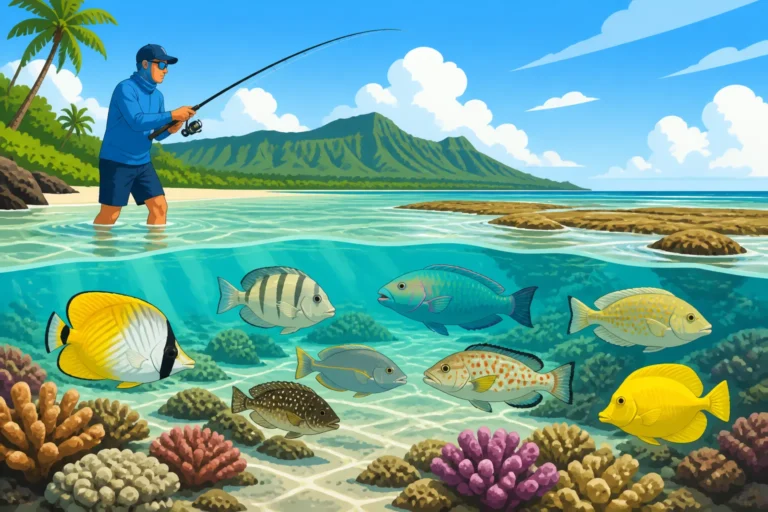
When people dream of fishing in Hawaii, their minds often drift to the vast, shimmering blue Pacific, teeming with marlin and tuna. What many don't realize, however, is that our islands also offer a surprising and often challenging freshwater fishing scene. While not as widely known as our deep-sea adventures, Hawaii is home to several thriving populations of introduced freshwater fish species, creating unique angling opportunities for those willing to explore inland waters. This guide dives deep into the fascinating world of these introduced species, helping you understand what's swimming in our reservoirs and how you can target them.
The Surprising World of Hawaii's Freshwater Fishing
It’s easy to get caught up in the allure of saltwater giants when you think of Hawaii fishing. But tucked away in our valleys and highlands are freshwater reservoirs and streams that offer a completely different kind of angling experience. Unlike many continental landmasses, Hawaii's native freshwater fish species are mostly small, amphidromous goby and sleeper species that spend parts of their lives in both fresh and salt water and aren't typically targeted by sport anglers. This left a niche, and over the decades, various species were introduced, some intentionally for sport or food, others for biological control.
The reasons for these introductions were varied. Early residents and even government agencies sometimes sought to replicate familiar fishing experiences from their homelands or to provide new food sources. In some cases, fish were brought in to control mosquito populations or aquatic vegetation. Regardless of the original intent, these species have established themselves, forming vibrant fisheries that attract dedicated local anglers and curious visitors alike. It's a testament to the adaptability of these fish and the unique, often isolated, ecosystems they've come to inhabit.
A Brief History of Introductions
The history of freshwater fish introductions in Hawaii dates back over a century. Many species were brought in during the early to mid-20th century, a time when ecological impacts were less understood or considered secondary to immediate human needs. For example, rainbow trout were introduced to the streams of Kauai's Kokee region in the early 1900s, providing a temperate-zone sport fishery in an otherwise tropical environment. Other species, like various types of bass and tilapia, found their way into our reservoirs, thriving in the warmer, nutrient-rich waters.
These introductions weren't without their challenges. Balancing the benefits of a new fishery with the potential risks to native ecosystems has been an ongoing conversation for decades. Yet, for the angler, these established populations represent a unique and often rewarding pursuit, far removed from the ocean swells.
Meet the Angler's Targets: Key Introduced Freshwater Species
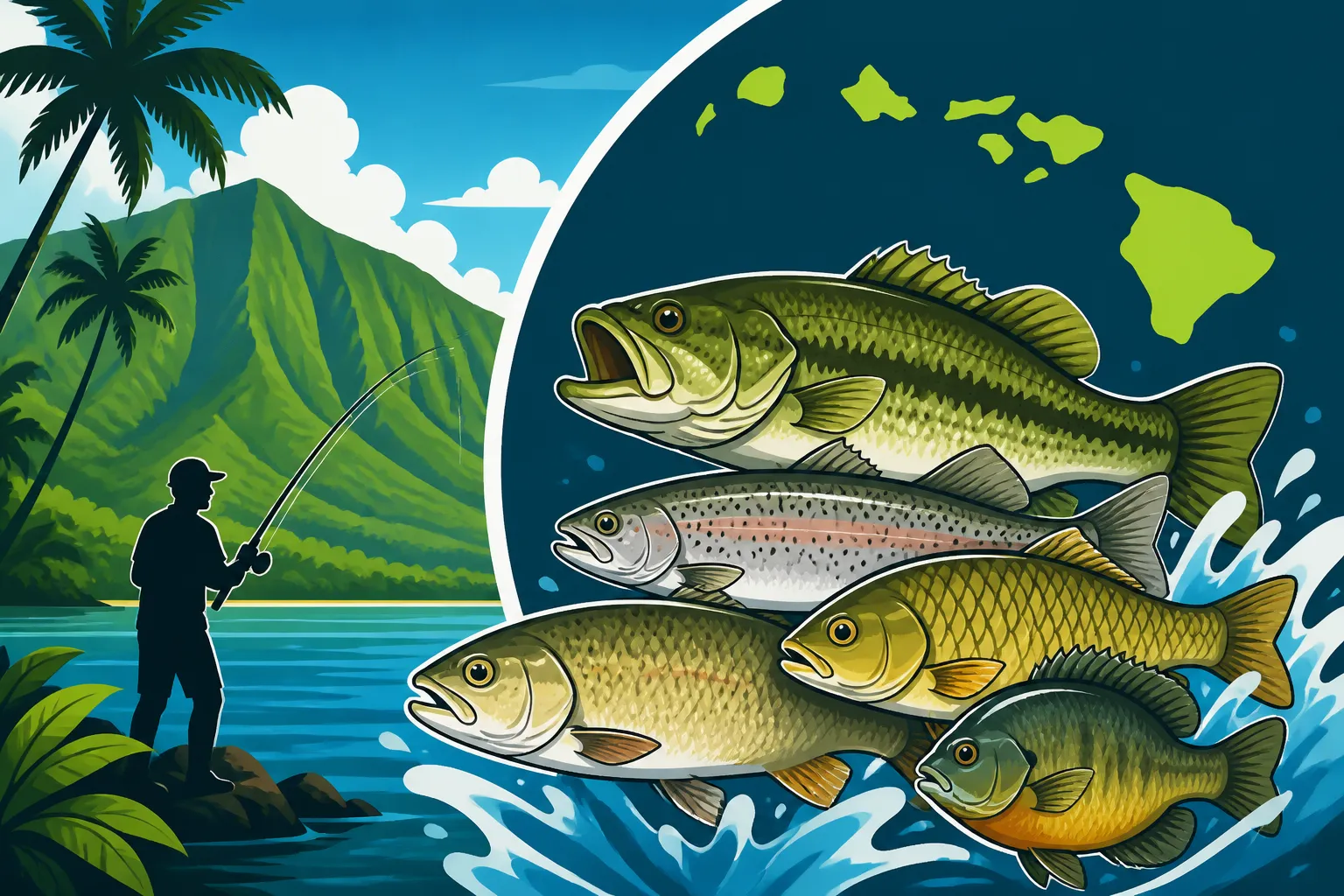
Hawaii's freshwater systems are home to a diverse array of introduced fish, each offering a distinct challenge and reward for the angler. From aggressive predators to abundant panfish, there's something for every skill level.
Rainbow Trout
Perhaps the most iconic introduced freshwater sport fish in Hawaii, rainbow trout thrive in the cooler, higher elevation streams of Kauai's Kokee Public Fishing Area. It's a truly unique experience to catch trout in a tropical paradise. These fish are regularly stocked by the state's Division of Aquatic Resources (DAR) to maintain a viable population for anglers.
Rainbow trout in Hawaii behave much like their mainland counterparts, favoring clear, cool, oxygenated water. They'll readily strike at small spinners, spoons, artificial flies, and even salmon eggs or corn. They offer a spirited fight on light tackle, making them a favorite for fly anglers and spin fishermen alike. The season for trout fishing in Kokee is specific and usually runs for a few months out of the year, so checking the Hawaii Kokee Trout Fishing Season Dates is crucial before planning your trip.
Largemouth Bass
The largemouth bass is a powerhouse freshwater predator, and Hawaii's reservoirs offer some fantastic opportunities to target them. These fish are known for their aggressive strikes and acrobatic fights, making them a thrilling catch. They were introduced primarily for sport fishing and have established healthy populations, particularly on Oahu.
You'll find largemouth bass lurking around submerged structures, weed beds, and drop-offs in our larger reservoirs. They are opportunistic feeders, preying on smaller fish, crayfish, and insects. Anglers often use a variety of techniques, including casting plastic worms, crankbaits, spinnerbaits, and topwater lures. Live bait like tilapia or crayfish can also be incredibly effective. The hunt for a trophy largemouth here can be just as exciting as any ocean pursuit. For specific regulations, you'll want to review Hawaii freshwater license cost for residents or Hawaii freshwater license cost for nonresidents.
Peacock Bass
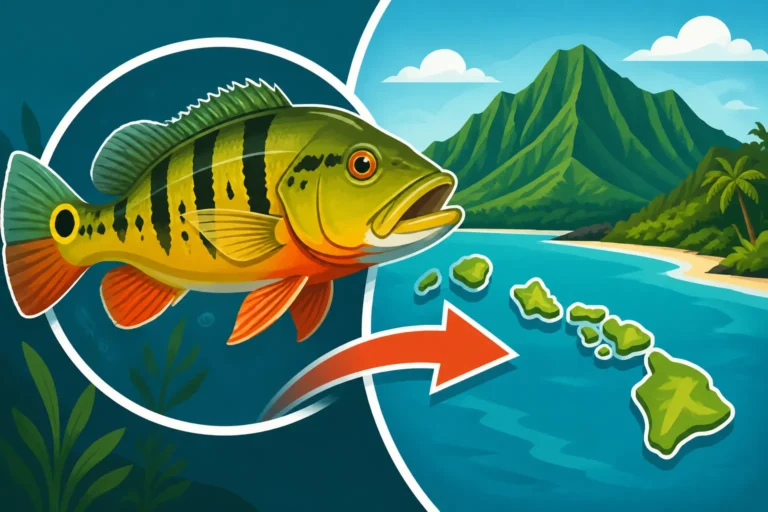
For many, peacock bass represent the pinnacle of tropical freshwater sport fishing, and Hawaii is one of the few places in the United States where you can consistently target them. Known for their vibrant colors and ferocious strikes, these South American natives were introduced to control tilapia populations and have since become a highly sought-after game fish.
Peacock bass prefer warm, shallow waters with plenty of cover like submerged trees, lily pads, and rock structures. They are incredibly aggressive and will readily attack topwater lures, jerkbaits, and brightly colored streamers. The fight is legendary – powerful runs and head shakes that will test your gear and your resolve. They primarily feed during daylight hours, especially when the sun is high. If you're looking for a truly unique freshwater experience, targeting peacock bass in Hawaii is an absolute must. Check out Peacock Bass in Wahiawa Reservoir for more specific insights on this fantastic fishery.
Tilapia
Tilapia are a very common introduced species in many of Hawaii's freshwater bodies. While not always considered a premier sport fish, they are incredibly abundant, easy to catch, and can provide excellent table fare. They were introduced for aquaculture and as a food source, and their rapid reproduction rates mean they're widespread.
You'll find tilapia in nearly all freshwater reservoirs, ponds, and even some brackish areas. They are primarily herbivorous, feeding on algae and aquatic vegetation, but will also take small insects and detritus. For anglers, this means they'll often bite on very simple baits like bread, corn, or worms. They're a great target for beginners and kids, offering consistent action, and can be quite fun on ultra-light tackle. They might not jump like a peacock bass, but they pull hard for their size!
Channel Catfish
While less widespread than bass or tilapia, channel catfish have also been introduced to some of Hawaii's freshwater reservoirs, offering another distinct angling opportunity. These whiskered bottom-dwellers are known for their strong fighting ability and their excellent taste.
Channel catfish are nocturnal feeders, but can be caught throughout the day, especially in deeper, cooler sections of reservoirs. They have an incredible sense of smell and respond well to baits like cut bait, chicken liver, shrimp, and commercial stink baits. Fishing for them typically involves a simple bottom rig with a sinker and a hook. While perhaps not as flashy as a peacock bass, the steady pull of a decent-sized channel cat can be incredibly satisfying, especially for those who enjoy a good fish fry.
Where to Find Them: Prime Freshwater Fishing Spots
Hawaii's freshwater fishing opportunities are primarily concentrated in a few key areas, each offering a unique environment and targeting experience.
| Species | Primary Habitat | Key Locations | Typical Angling Methods | Best Time of Day/Year |
|---|---|---|---|---|
| Rainbow Trout | Cool, clear mountain streams | Kokee Public Fishing Area (Kauai) | Fly fishing, spin fishing | Specific season dates |
| Largemouth Bass | Reservoirs, ponds (structures) | Wahiawa Reservoir (Oahu), Nuuanu Reservoir (Oahu) | Lure casting, live baiting | Early morning, late afternoon |
| Peacock Bass | Warm, shallow reservoirs (cover) | Wahiawa Reservoir (Oahu) | Topwater lures, jerkbaits | Mid-day, sunny conditions |
| Tilapia | All freshwater bodies | Wahiawa, Nuuanu, any pond | Bait fishing (bread, corn) | Any time |
| Channel Catfish | Deeper reservoir sections | Nuuanu Reservoir (Oahu) | Bottom fishing (cut bait) | Night, cooler parts of day |
Oahu's Reservoir Gems: Wahiawa and Nuuanu
When it comes to freshwater fishing on Oahu, the Wahiawa Public Fishing Area, centered around the Wahiawa Reservoir (also known as Lake Wilson), is undeniably the crown jewel. This expansive reservoir is a mecca for bass anglers, particularly those chasing the famed peacock bass. The reservoir's diverse structure, including submerged timber, weed lines, and varying depths, creates ideal habitat for both largemouth and peacock bass. You can find detailed rules for this area in Hawaii Wahiawa Reservoir Fishing Rules.
The Nuuanu Reservoir, also on Oahu, offers another excellent spot, particularly for largemouth bass and channel catfish. Its cooler, deeper waters are conducive to these species. Fishing here can be a bit more secluded, offering a peaceful experience. Before heading out, make sure you understand the specific rules and access points for Nuuanu Reservoir Fishing Guide. These reservoirs require a freshwater fishing license, so ensure you're covered before wetting a line. Where and How to Buy a Hawaii Fishing License will walk you through the process.
Kauai's Kokee: A Trout Angler's Paradise
Over on Kauai, the Kokee Public Fishing Area stands out as the sole public trout fishery in Hawaii. Nestled high in the mountains, the cool, pristine streams here are a world away from the island's coastal beaches. Access can be a bit of an adventure, often involving hiking through lush forest, but the reward of catching a rainbow trout in this unique setting is unparalleled. The state manages the stocking program, making it a sustainable fishery. Remember, specific season dates and catch limits apply, so always consult the Kokee Public Fishing Area Guide.
Other Islands and Lesser-Known Spots
While Oahu and Kauai hold the most prominent public freshwater fisheries, other islands do have smaller ponds, streams, or private waters where introduced species like tilapia, guppies, and even some bass species can be found. These often require local knowledge or special permissions, so doing your homework is key. Always respect private property and be mindful of local regulations wherever you choose to fish.
Gear Up and Cast Out: Tips for Success
Venturing into Hawaii's freshwater fishing scene requires the right approach and the right gear. It's a different game than saltwater, but just as rewarding.
Essential Gear for Freshwater Anglers
For bass and peacock bass, a medium-action spinning or baitcasting rod, ranging from 6'6" to 7'6", paired with a reel spooled with 10-20 lb braided line and a fluorocarbon leader, is a versatile setup. You'll want a selection of lures including topwater poppers and walking baits, diving crankbaits, soft plastic worms and jerkbaits, and spinnerbaits. Look for these high-quality lures on Amazon before your trip. For trout, lighter tackle is key – a 5-6 weight fly rod or an ultra-light spinning rod with 4-6 lb monofilament or fluorocarbon line will do the trick. Small spinners, spoons, and flies are excellent choices.
For tilapia and catfish, a simple medium-light spinning rod with 6-10 lb monofilament and a basic hook-and-sinker setup is all you need. Don't forget essentials like a tackle box, pliers, line clippers, a measuring tape, and a small cooler for your catch. Sunglasses are a must for spotting fish and protecting your eyes, especially when targeting peacock bass on sunny days. You can find robust, angler-specific sunglasses on Amazon that will stand up to the tropical sun.
Best Techniques for Each Species
- Rainbow Trout: Fly fishing with nymphs, dry flies, or small streamers is highly effective in Kokee's clear waters. For spin fishermen, small inline spinners (like Panther Martins or Mepps) and spoons (such as Kastmasters) are great. Drifting salmon eggs or corn under a small float can also produce results.
- Largemouth Bass: Fan-casting with crankbaits and spinnerbaits to cover water is a good starting point. Once you locate fish, slow down with Texas-rigged worms, Senkos, or jigs fished near structure. Topwater lures at dawn and dusk can lead to explosive strikes.
- Peacock Bass: These aggressive predators love a fast retrieve. Topwater lures like poppers or prop baits are incredibly exciting. Jerkbaits and brightly colored lipless crankbaits retrieved quickly are also very effective. Look for blow-ups near submerged cover or around points. Consider a wide brim hat from Amazon to keep the sun off your face while you're focused on those topwater strikes.
- Tilapia: Keep it simple! A small hook (size 8-12) with a piece of bread, corn, or a small worm fished on the bottom or under a bobber will almost guarantee a bite. They often congregate in large schools, so if you find one, you've likely found many.
- Channel Catfish: Bottom fishing with strong-smelling baits is the way to go. Use a Carolina rig or a three-way swivel rig with a pyramid or egg sinker. Cast near deeper channels, drop-offs, or around woody debris and be patient.
Understanding Regulations and Licensing
Even though you're fishing freshwater, proper licensing is required. Non-residents will need a Hawaii freshwater license cost for nonresidents, and residents have their own permits. Always consult the Hawaii Department of Land and Natural Resources (DLNR) Division of Aquatic Resources (DAR) website for the most current regulations, bag limits, and season dates for specific areas. The rules can change, so staying informed is crucial to avoid any unpleasant surprises. Don't risk Fishing Without a Required License in Hawaii: Penalties.
Understanding the Ecological Balance
While the introduced freshwater species offer fantastic fishing opportunities, it's also important to acknowledge their presence within Hawaii's delicate ecosystems. Many introductions were made without a full understanding of the long-term ecological consequences.
Impact on Native Species
The introduction of non-native species can sometimes put pressure on native flora and fauna. Predatory fish, like bass and peacock bass, can outcompete or prey upon smaller native fish, invertebrates, and amphibians. Tilapia, being highly prolific and adaptable, can alter aquatic habitats by consuming vegetation and disturbing sediments. It's a complex issue with no easy answers, but understanding these dynamics is part of being a responsible angler in Hawaii.
Conservation and Management Efforts
The DLNR and DAR actively manage Hawaii's freshwater fisheries, including stocking programs for species like rainbow trout to sustain angling opportunities. They also monitor the health of these aquatic systems and strive to balance recreational fishing with ecological preservation. As anglers, we play a role in this by adhering to all regulations, practicing catch-and-release responsibly when appropriate, and properly disposing of trash and unwanted bait to prevent further ecological disturbances. Supporting local conservation efforts, perhaps by purchasing gear from environmentally conscious brands on Amazon, helps ensure these unique fisheries remain viable for future generations.
The world of Hawaii freshwater fishing is a hidden gem, offering a surprising contrast to the bustling ocean. From the cool mountain streams of Kauai to the bass-filled reservoirs of Oahu, there’s a unique adventure waiting inland. Grab your gear, check your license, and get ready to explore a different side of Hawaii's angling landscape!
Disclaimer
This article is for general informational purposes only and does not constitute professional advice. Laws, prices and regulations vary by location and change over time. Consult a qualified professional for guidance on your specific situation.