Peacock Bass in Wahiawa Reservoir
For many anglers visiting or living in Hawaii, the thought of fishing immediately conjures images of deep blue ocean waters, chasing marlin or ahi. But for those of us who love the tranquility of freshwater, finding a truly exciting inland fishery can feel like a hidden quest. If you're tired of hearing only about the ocean, then get ready, because this guide is all about the thrilling world of peacock bass in Wahiawa Reservoir on Oahu, and how you can experience it firsthand.
Understanding Wahiawa Reservoir's Unique Ecosystem
Wahiawa Reservoir isn't just a body of water; it's a vibrant, thriving ecosystem that offers a unique freshwater fishing experience, unlike anything else you'll find in the Hawaiian Islands. Getting to know its ins and outs is the first step to unlocking its angling potential, especially when it comes to those feisty peacock bass.
The Reservoir's History and Characteristics
Wahiawa Reservoir, often affectionately called "Lake Wilson" by locals, is actually one of Hawaii's largest freshwater impoundments. It was originally created back in the early 1900s to support the booming pineapple industry, providing irrigation for vast agricultural fields. Over the decades, as agriculture shifted, its role evolved, and it became a popular spot for recreation, especially fishing. The reservoir is nestled right in the heart of Oahu, surrounded by lush, green landscapes that hint at the consistent rainfall fueling its waters.
The reservoir itself is quite expansive, featuring numerous coves, submerged structures, and varying depths that create a complex underwater landscape. Its bottom composition ranges from silty flats to rocky areas, providing diverse habitats for a variety of fish species. This varied topography is crucial for the peacock bass, offering them both shallow, sun-warmed areas for feeding and deeper, cooler zones for retreating during the hottest parts of the day. Understanding these historical and physical characteristics really helps when you're trying to figure out where the fish might be hiding.
Freshwater Fish Species Beyond Peacock Bass
While our focus today is definitely on the peacock bass, it's worth noting that Wahiawa Reservoir is home to a diverse array of freshwater species. This is important not just for variety, but because the presence of other species impacts the peacock bass population through food chains and competition. You're likely to encounter largemouth bass, which were actually introduced to Hawaii decades ago and thrive in similar environments. Many anglers find themselves pleasantly surprised by a solid largemouth while targeting peacocks.
Beyond the popular game fish, the reservoir also supports populations of tilapia and channel catfish. Tilapia, often seen in large schools in the shallower areas, provide a significant food source for the larger predatory fish like peacock bass and largemouth. Channel catfish, on the other hand, tend to inhabit the deeper, muddier sections and are often caught incidentally by anglers using cut bait near the bottom. Knowing what else is swimming around can help you adjust your tackle or technique if you find the peacock bass aren't biting as aggressively as you'd hoped, or if you simply want to broaden your angling experience. For more on the specifics of the reservoir's rules, check out Hawaii Wahiawa Reservoir Fishing Rules.
Water Conditions and Habitat for Peacock Bass
Peacock bass are tropical fish, and they absolutely thrive in warm, clear waters with plenty of structure. Wahiawa Reservoir fits this bill perfectly. The water temperatures in the reservoir generally remain warm throughout the year, creating an ideal environment for these heat-loving fish. Clarity can vary depending on recent rainfall and runoff, but generally, it's clear enough for these visual predators to hunt effectively.
The key to finding peacock bass often lies in identifying their preferred habitat within the reservoir. They love cover! Look for areas with submerged trees, brush piles, rocky outcrops, and thick aquatic vegetation. These structures provide ambush points for hunting baitfish and offer protection from the sun and larger predators. The edges of lily pads, weed lines, and even old submerged fence posts are prime locations. Understanding that these fish relate heavily to cover will be a huge advantage in your quest to find them, giving you a clear picture of where to cast your lure.
Identifying and Locating Peacock Bass
Spotting a peacock bass for the first time is an unforgettable experience. Their vibrant colors and distinctive patterns make them stand out, and knowing what to look for, both in the fish itself and in the water, will greatly increase your chances of a successful outing.
Key Identification Features of Peacock Bass
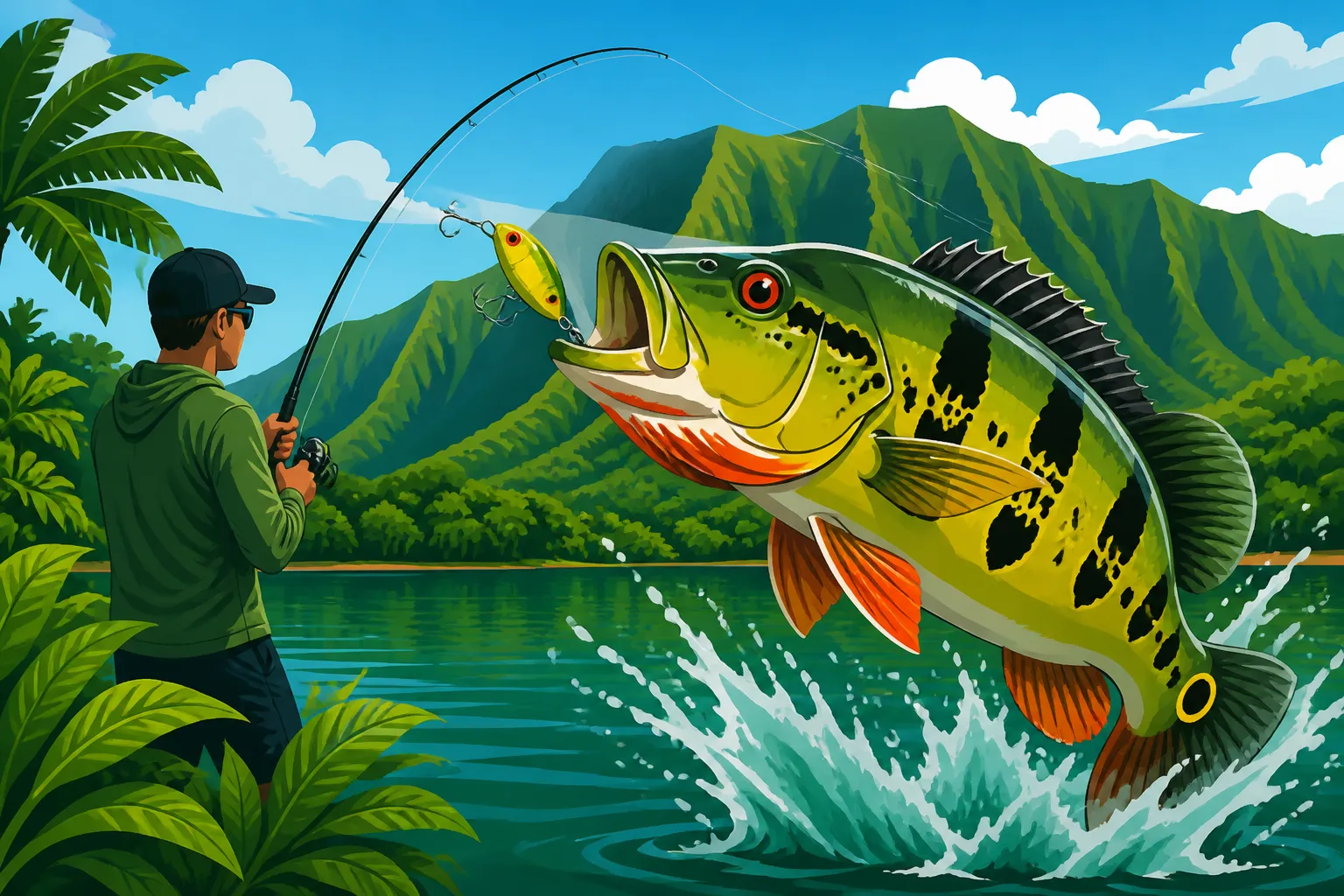
Peacock bass are truly a sight to behold, earning their name from the striking "eye spot" or ocellus near the base of their caudal (tail) fin, reminiscent of a peacock's feather. This spot, often ringed in gold or yellow, is a dead giveaway. Beyond that, their bodies are typically a dazzling combination of greens, golds, and oranges, often with three prominent black vertical bars running down their sides. The intensity of these colors can vary depending on the fish's mood, water conditions, and even its specific location within the reservoir.
Their body shape is robust and powerful, built for explosive strikes and strong fights. They possess a large mouth, indicating their predatory nature, and their dorsal fins are distinct, often with a spiny first part and a softer rayed second part. Distinguishing them from largemouth bass is quite easy once you've seen both; largemouth typically have a more subdued coloration and lack the prominent eye spot and vertical bars. Once you've caught one, you'll instantly recognize that powerful, muscular build that makes them such a prized game fish. For a broader understanding of how this species came to be in Hawaii, you might find What a peacock bass is and where they were introduced interesting.
Where Peacock Bass Thrive in Wahiawa
Peacock bass are creatures of habit, and understanding their preferred hangouts in Wahiawa Reservoir is crucial. As mentioned, they are highly structure-oriented. This means you should focus your efforts around areas where the reservoir offers abundant cover. Think about the many submerged branches and fallen trees that line the banks, especially in the numerous coves and inlets. These provide excellent ambush points for them to dart out and snatch unsuspecting baitfish.
Look for changes in depth, too. While they love shallow cover, they often patrol the drop-offs where shallow water meets deeper channels. This allows them to quickly move into deeper, cooler water if disturbed or to find different food sources. Areas where there's a mix of rock and vegetation, or where creeks flow into the reservoir, can also be hotspots, as these often concentrate baitfish. Identifying these "fishy" areas on a map or by observing the shoreline will give you a major advantage over just randomly casting into open water.
Reading the Water for Active Fish
Successful peacock bass fishing often comes down to your ability to "read the water"—interpreting subtle signs that indicate where fish might be active. One of the most obvious signs is observing baitfish. If you see schools of tilapia or other small fish suddenly scattering or jumping at the surface, there's a good chance a predator, like a peacock bass, is nearby. Keep an eye out for surface boils or splashes that could indicate a peacock bass actively feeding.
Water temperature also plays a role; while they love warm water, extreme heat can push them into deeper, shadier areas. Conversely, a slight drop in temperature might make them more active in sunnier, shallower spots. Pay attention to how the wind affects the water, too. A gentle breeze creating a chop on the surface can break up the light, making it harder for baitfish to spot predators and creating excellent ambush conditions for peacock bass. Being observant and understanding these environmental cues will help you put your lure in the right place at the right time.
Essential Gear and Techniques for Peacock Bass
Getting your gear dialed in is half the battle when targeting peacock bass. These fish are powerful, aggressive, and can quickly expose any weaknesses in your setup. Choosing the right tackle and mastering effective techniques will dramatically improve your catch rate at Wahiawa Reservoir.
Recommended Rods, Reels, and Line Setups
For peacock bass, you'll want a setup that can handle strong fighters and heavy cover. A medium-heavy to heavy action spinning or baitcasting rod, typically 6'6" to 7'6" in length, is ideal. This rod power provides the backbone needed to cast heavier lures, set the hook firmly, and pull fish away from snags. The length offers good casting distance and leverage when battling a fish. Many anglers find a fast action tip beneficial for detecting subtle bites while still providing plenty of power.
Pair your rod with a reliable reel that has a smooth drag system. A spinning reel in the 2500-4000 size range or a baitcasting reel with a good gear ratio (around 6.1:1 to 7.1:1) will do the trick. The drag is paramount, as peacock bass make strong, short runs, and you need to be able to tire them out without breaking your line. For line, 20-40 lb braided line is highly recommended. Braid offers superior strength, sensitivity, and resistance to abrasion from underwater structure. Many anglers will add a 12-20 lb fluorocarbon leader of about 18-36 inches. Fluorocarbon is nearly invisible underwater and is more abrasion-resistant than mono, offering an extra layer of protection against sharp teeth and rough cover.
Top Lures and Baits for Wahiawa Peacock Bass
Peacock bass are visual predators, and they respond exceptionally well to artificial lures that mimic their natural prey, like tilapia or guppies. Topwater lures are incredibly exciting and effective, especially during dawn and dusk or overcast conditions. Poppers, walk-the-dog style baits, and prop baits create commotion on the surface that can trigger aggressive strikes. Imagine a large peacock bass exploding on your popper – it's an adrenaline rush!
Subsurface lures like lipless crankbaits, jerkbaits, and swimbaits are also highly productive. These can be retrieved at various depths to cover different parts of the water column. Jerkbaits, with their erratic darting action, are particularly good at enticing strikes from fish hiding in cover. Soft plastics, such as Texas-rigged worms or creature baits, can be excellent for punching through lily pads or fishing dense brush, offering a more subtle presentation when fish are finicky. When stocking up on your tackle box essentials, Amazon offers a vast selection of these types of lures, often with competitive prices, making it easy to find what you need before your trip. Having a variety of colors and sizes, particularly those that mimic baitfish found in Wahiawa, will give you options no matter the conditions.
| Lure Type | Best Conditions | Retrieval Style | Target Depth | Notes |
|---|---|---|---|---|
| Topwater Poppers | Dawn, Dusk, Overcast | Pop, Pause, Reel | Surface | Explosive strikes, great for active fish. |
| Walk-the-Dog Baits | Calm, Clear Water | Side-to-side cadence | Surface | Entices strikes from lurking fish. |
| Lipless Crankbaits | Varying Depths, Wind | Steady retrieve, yo-yo, Rip-pause | Mid-Water to Deep | Covers water quickly, good vibration. |
| Jerkbaits | Clear Water, Ambush Spots | Jerk, Jerk, Pause | Subsurface | Mimics wounded baitfish, good for cover. |
| Swimbaits | Mimicking Live Bait | Steady retrieve, varying speed | Mid-Water | Realistic presentation, can be very effective. |
| Soft Plastics | Heavy Cover, Finicky Fish | Texas-rig, Carolina-rig, Punching | All Depths | Versatile, weedless options for dense vegetation. |
Effective Fishing Techniques and Strategies
To consistently catch peacock bass in Wahiawa, you need to employ specific techniques tailored to their aggressive nature and preferred habitat. Casting accurately to cover is paramount. These fish often lurk deep within submerged trees or dense weed beds, waiting to ambush prey. A precise cast that lands your lure right on the edge of the cover, or even slightly into it (if using a weedless setup), will increase your chances dramatically. Don't be afraid to make multiple casts to the same piece of structure; sometimes it takes a few presentations to annoy a fish into biting.
Varying your retrieve speed and action is another key strategy. Peacock bass are known for hitting moving targets, so a consistent, enticing action is important. For topwater lures, experiment with different "walking" patterns or popping cadences. With subsurface baits, try a steady retrieve, then introduce sudden jerks and pauses to mimic an injured baitfish. Remember, peacock bass hit hard, so be ready to set the hook quickly and firmly. Once hooked, try to steer them away from snags immediately, as they will instinctively try to bury themselves back into the cover.
Optimal Times and Conditions for Success
Just like any other fish, peacock bass have their prime times and preferred conditions. Knowing when to hit the water and what to look for can turn a slow day into an epic one at Wahiawa Reservoir.
Best Seasons and Months for Peacock Bass Fishing
While peacock bass can be caught year-round in Wahiawa Reservoir thanks to Hawaii's consistently warm climate, certain seasons tend to be more productive. Generally, the warmer months, roughly from late spring through early fall, offer the most consistent action. During these periods, water temperatures are at their peak, and the fish are often more active and aggressive, feeding heavily. This is when you'll find them cruising the shallower coves and actively hunting.
However, even in the "off-season," you can still find plenty of success. During the cooler, wetter winter months, the peacock bass might move to slightly deeper water or become more concentrated in specific, sun-warmed areas. They might also be less aggressive, requiring a slower presentation or more subtle lure choices. Keep an eye on local conditions, and don't rule out a winter trip; sometimes the bigger, less pressured fish are more willing to bite when fewer anglers are out. Understanding these seasonal shifts helps you adapt your approach and manage your expectations.
Ideal Weather and Time of Day Considerations
Peacock bass, being tropical fish, generally prefer sunny, stable weather conditions. Bright sunshine often makes them more active and visible, especially when they're cruising the shallow flats. Overcast days can also be productive, as the reduced light can encourage them to move out from deeper cover and hunt more aggressively. What they generally don't like are drastic changes in weather, like sudden cold fronts (rare in Hawaii but still possible) or heavy, prolonged rain which can muddy the water and turn them off.
The time of day is arguably one of the most critical factors. Early mornings, from first light until mid-morning, and late afternoons, leading into dusk, are typically the prime feeding windows for peacock bass. During these periods, the light is lower, and water temperatures are more comfortable for the fish, encouraging them to hunt in shallower waters. Mid-day, especially when the sun is high and intense, often sees them retreating to deeper, shadier cover. However, a well-placed lure in a shaded pocket can still draw a strike even during the middle of the day. For more on the rhythm of fish behavior, reading about Best Time of Day to Catch Ulua can offer transferable insights, as many predatory fish share similar feeding patterns.
Understanding Spawning and Feeding Patterns
Peacock bass, like many other freshwater species, have distinct spawning cycles that influence their behavior. While exact timing can vary slightly each year based on water temperature and other environmental cues, they generally spawn multiple times throughout the year in Hawaii's favorable climate, with peaks often occurring in the spring and fall. During the spawning period, male peacock bass become highly territorial and aggressive, protecting nests of eggs and fry. This can be an excellent time to catch them, as they will strike at anything perceived as a threat to their offspring.
Beyond spawning, their general feeding patterns are tied to the availability of baitfish. They are opportunistic predators, constantly on the lookout for an easy meal. When baitfish schools are plentiful, peacock bass will actively pursue them, often schooling up themselves to corner their prey. Learning to observe these natural cycles and food sources will give you a significant edge. If you can locate where the baitfish are concentrated, you're likely to find the peacock bass close by, ready to strike.
Navigating Regulations and Access
Before you even make your first cast, it's absolutely essential to understand the rules and regulations governing fishing at Wahiawa Reservoir. Hawaii takes its natural resources seriously, and knowing the legal requirements ensures a fun, respectful, and law-abiding fishing trip.
Wahiawa Reservoir Fishing Rules and Permits
Fishing in Wahiawa Reservoir is managed by the Hawaii Department of Land and Natural Resources (DLNR), Division of Aquatic Resources (DAR). Unlike marine fishing in Hawaii, which often has exemptions for residents, freshwater fishing always requires a license for anyone 15 years of age or older. This is a crucial distinction that often catches visitors and even some residents by surprise. You absolutely need a freshwater fishing license to fish Wahiawa Reservoir, regardless of whether you're a resident or a visitor.
Beyond the license, there are specific rules unique to Wahiawa Reservoir that cover things like legal fishing methods, bag limits, and size restrictions for various species, including peacock bass, largemouth bass, and tilapia. It’s imperative to consult the current regulations, often found on the DAR website or at local fishing license vendors. These rules are in place to ensure the sustainability of the fishery for future generations. Ignoring them can lead to significant fines and penalties. For instance, specific rules might dictate the number of rods you can use at one time or the types of bait that are permitted. Always check the latest Hawaii Freshwater Fishing License and Rules and other specific guidelines for Wahiawa.
Access Points and Restrictions
Wahiawa Reservoir has designated public access points, and it's important to stick to these areas. The most common access is usually through the Wahiawa Public Fishing Area, which provides parking and access to certain sections of the shoreline. However, much of the reservoir's perimeter is private property, and trespassing is strictly prohibited. Respecting private land is not just a legal requirement but also a matter of maintaining good relations with the local community and ensuring continued access for anglers.
There might also be restrictions on the types of boats or watercraft allowed. Often, non-motorized vessels like kayaks and canoes are permitted, but gasoline-powered boats may be restricted or require specific permits to launch. Always verify the current boat launch regulations if you plan to fish from a vessel. Some areas might also have specific hours of operation, so be mindful of gates closing or access points being locked during certain times of the day. Planning your entry and exit points in advance can save you a lot of hassle.
Respecting the Environment and Local Community
Fishing in Wahiawa Reservoir offers a wonderful opportunity to connect with nature, but with that privilege comes the responsibility to protect the environment and respect the local community. This means practicing "leave no trace" principles: packing out everything you pack in, including all trash, discarded fishing line, and bait containers. Littering not only degrades the natural beauty of the reservoir but can also harm wildlife.
Beyond waste, be mindful of noise levels, especially if you're fishing near residential areas. Park only in designated spots and avoid blocking driveways or access roads. If you encounter other anglers or locals, a friendly "Aloha" goes a long way. The continued enjoyment of places like Wahiawa Reservoir relies heavily on responsible behavior from everyone. By adhering to regulations and showing respect, you help ensure that this unique freshwater fishery remains a cherished spot for generations of anglers to come.
Disclaimer
This article is for general informational purposes only and does not constitute professional advice. Laws, prices and regulations vary by location and change over time. Consult a qualified professional for guidance on your specific situation.