What ballyhoo are and why marlin key on them
It’s a common sight when you’re out on the deep blue waters off Hawaii: a captain or deckhand meticulously rigging a slender, silvery fish onto a hook, preparing it for a long troll. If you've spent any time researching big game fishing here, you've likely heard the name "ballyhoo" come up again and again. Many anglers wonder what this unassuming little fish is and why it's such a superstar in the world of Hawaiian marlin fishing. This guide will dive deep into understanding ballyhoo, why marlin just can't resist them, and how they become the ultimate weapon in your offshore tackle box.
Understanding Ballyhoo: A Prized Marlin Bait
When you talk about baitfish, ballyhoo might not look like the flashiest option at first glance. They're not giant squid or massive chunks of bonito. Yet, their subtle appeal and natural behavior make them incredibly effective, particularly when targeting the formidable marlin that roam Hawaii's pelagic waters.
What Exactly Are Ballyhoo?
Ballyhoo (scientific name: Hemiramphus brasiliensis) are a type of halfbeak, characterized by their elongated, silvery bodies and, most distinctly, a lower jaw that extends far beyond the upper jaw. This unique mouth structure gives them a distinctive appearance, almost like they're perpetually pointing forward. They typically range from about 6 to 15 inches in length, making them a perfect, bite-sized meal for larger predatory fish. You'll often find them schooling near the surface, especially around floating debris, sargassum weed lines, or even just patches of calm water where they can find small invertebrates and zooplankton to feed on. Their vibrant, reflective scales are a key feature, shimmering under the tropical sun, which makes them highly visible to hungry predators from below. Many anglers, especially those new to the islands, might confuse them with other small baitfish, but once you know their unique profile, they're unmistakable.
Ballyhoo as a Forage Fish in Hawaii
In the dynamic ecosystem of Hawaii's ocean, ballyhoo play a crucial role as a primary forage fish. They are a staple in the diet of a wide array of predatory species, from smaller game fish like mahimahi and ono to the apex predators we all dream of catching, like marlin and various tuna species. Their schooling behavior and tendency to inhabit surface waters mean they are frequently encountered by pelagic hunters. When you're out looking for signs of life on the water – diving birds, changes in current, or floating debris – you're often looking for indicators that baitfish like ballyhoo are present. A thriving population of ballyhoo in an area can act as a natural beacon, attracting a diverse range of larger fish, creating a vibrant feeding ground. This natural interaction is why they are so effective when presented as bait; they represent a familiar and readily available food source that predators are actively seeking out.
Why Marlin Key in on Ballyhoo in Hawaiian Waters
Marlin are intelligent, powerful predators, but they are also creatures of habit and efficiency. They're looking for the biggest return for their energy expenditure, and ballyhoo, in many ways, perfectly fit that bill.
Natural Prey Preference and Abundance
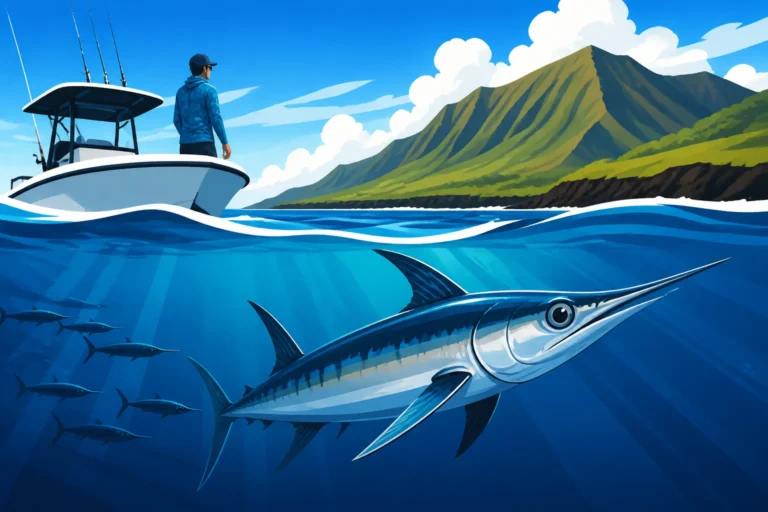
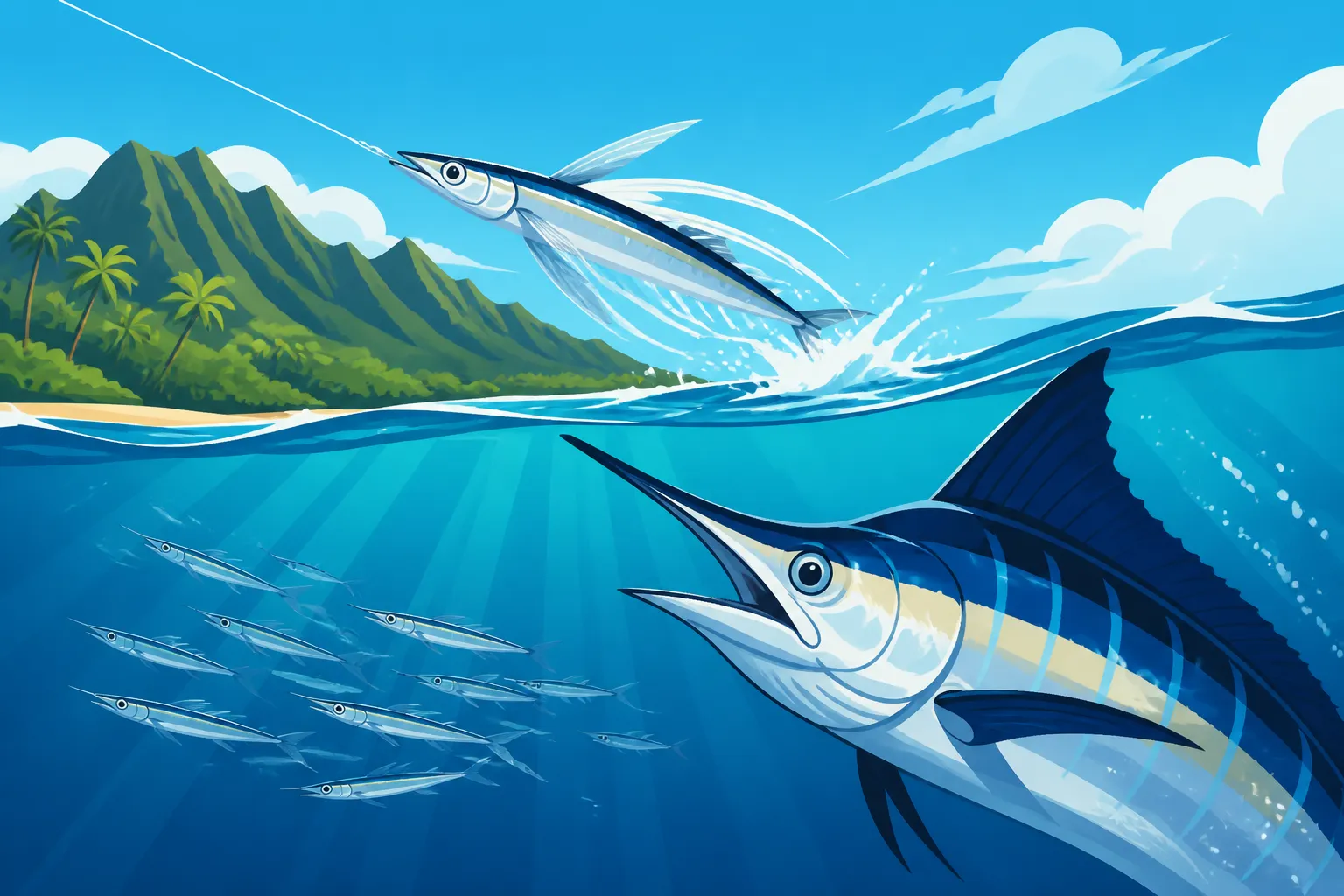
Marlin, especially the large blue marlin and striped marlin found in Hawaiian waters, are highly visual hunters that feed predominantly on other fish. While they'll certainly chase down a fleeing tuna or even a squid, they have a natural preference for smaller, schooling baitfish that are easy to ambush and consume. Ballyhoo, when present in decent numbers, provide an irresistible target. Imagine a marlin cruising below the surface, looking up. A school of shimmering ballyhoo presents a clear, defined meal. They are not too large to be difficult to swallow, nor too small to be insignificant. Their slender profile is easy for a marlin to engulf whole, especially after a stunning strike. This makes them a preferred food source, and any angler presenting a ballyhoo is essentially offering a natural, proven meal ticket. Their availability, especially near certain structures or weed lines, means marlin often associate these areas with a ballyhoo buffet.
The Visual Appeal and Action of Ballyhoo
Beyond their natural abundance, the visual dynamics and swimming action of a properly rigged ballyhoo are simply captivating to marlin. Ballyhoo have a streamlined, elongated body with reflective scales that flash brilliantly in the clear Hawaiian waters. When rigged correctly on a leader, with or without a small skirt or lure head, a ballyhoo will "swim" through the water with a natural, enticing action. This isn't a stiff, dead bait; it's designed to mimic an injured or panicked baitfish struggling to keep up with its school. That erratic, vulnerable movement is a major trigger for predatory strikes. Marlin often attack from below, looking for silhouettes against the brighter surface. A perfectly presented ballyhoo offers that classic baitfish profile, wiggling and darting just like the real thing, making it an irresistible target. The way the light catches their silver sides as they dart and weave is a sight marlin are programmed to respond to.
Marlin Feeding Behavior and Ballyhoo's Vulnerability
Marlin are known for their aggressive and calculated feeding strategies. They often slash through schools of baitfish with their bill, stunning or injuring several fish, before circling back to consume their prey. Ballyhoo, due to their schooling habits near the surface, are particularly vulnerable to this type of attack. When marlin encounter a school of ballyhoo, they see an easy target for their powerful bills. A well-placed ballyhoo bait, trolled alongside a spread of artificial lures, effectively simulates a lone, struggling fish that has been separated from its school, or perhaps injured in a previous marlin attack. This vulnerability triggers the marlin's natural instinct to pursue and capitalize on an easy meal. Furthermore, marlin often patrol areas where baitfish are concentrated, such as current lines or Hawaii Fish Replenishment Areas in West Hawaii, making these spots prime locations to present a ballyhoo and capitalize on the marlin's hunting patterns.
Rigging and Presenting Ballyhoo for Marlin
Presenting a ballyhoo effectively isn't just about sticking a hook in it. There's an art and a science to it, ensuring that your bait looks and swims as naturally as possible to fool wary marlin.
The Art of Rigging Ballyhoo
Properly rigging a ballyhoo is paramount to its effectiveness. A poorly rigged bait will spin, tumble, or swim unnaturally, quickly putting off any discerning marlin. The goal is to make the ballyhoo swim perfectly straight, as if it were alive and swimming on its own. Typically, anglers use a chin weight or lead bullet weight inserted into the ballyhoo's mouth to help it track true and stay submerged just below the surface. The hook, often a circle hook to reduce gut-hooking and improve catch-and-release success, is usually positioned to exit near the anal fin or in the belly. Many riggers also use a small rubber band or copper wire to secure the ballyhoo's mouth shut and attach it to the leader. Precision is key; even a slight bend in the bait can cause it to spin, which is a major turn-off for marlin. Taking the time to master this rigging technique is crucial for success, ensuring the bait presents a lifelike appearance as it moves through the water. You can find many specialized rigging kits and tools, sometimes even on platforms like Amazon, that assist in making the process more efficient and effective.
Trolling Techniques with Ballyhoo for Marlin
Once your ballyhoo is perfectly rigged, the next step is deploying it correctly within your trolling spread. Ballyhoo are typically trolled as part of a larger spread that often includes various Best Lures for Marlin Trolling off Kona. They can be fished "naked" (without a skirt) or under a small lure or chugger head that adds splash and commotion. When setting up your spread, it's common to run ballyhoo in various positions and distances behind the boat, creating a pattern that mimics a school of fleeing baitfish. Different boat speeds can also affect the ballyhoo's action; generally, a slower troll (around 6-8 knots) allows the bait to swim more naturally. Pay close attention to current conditions and boat speed to ensure your ballyhoo is swimming straight and true. Anglers often experiment with different depths, using various weights or planer boards to get the ballyhoo deeper into the water column, especially if marlin are not showing at the surface. The goal is to present a continuous, enticing target that an offshore predator cannot resist.
When and Where to Use Ballyhoo for Marlin
Knowing when and where to deploy your ballyhoo can make all the difference. Ballyhoo are particularly effective in calm to moderate seas, as their natural swimming action is best showcased without excessive boat chop. They are deadly when trolled along weed lines, current rips, or near floating debris, as these are natural aggregation points for baitfish and, consequently, their predators. Many captains targeting marlin off the Kona Coast Fishing Guide will always have ballyhoo in their spread, especially around specific fishing grounds or FADs (Fish Aggregating Devices) where bait schools are known to congregate. Look for signs of bait on your fishfinder or diving birds on the surface – these are strong indicators that ballyhoo and, therefore, marlin might be in the vicinity. Some anglers prefer them in early morning or late afternoon when light conditions create optimal visibility for surface feeders. Understanding the specific habits of marlin in a given area, often learned through experience or by talking to local captains, will guide your decision on when to prioritize ballyhoo in your spread.
Sourcing and Preparing Ballyhoo for Your Hawaii Marlin Trip
Getting your hands on good quality ballyhoo and keeping them in prime condition is almost as important as the rigging itself. The fresher and better-preserved your bait, the more effective it will be.
Fresh vs. Frozen Ballyhoo
The debate between fresh and frozen ballyhoo is ongoing among anglers, but generally, fresh is king. A truly fresh ballyhoo, caught that morning, will have superior natural oils, a firmer texture, and a more lifelike sheen. However, acquiring truly fresh ballyhoo isn't always feasible, especially for recreational anglers. This is where frozen ballyhoo comes in. Most tackle shops and bait suppliers will carry IQF (Individually Quick Frozen) ballyhoo, which, when properly thawed and handled, can be incredibly effective. The key with frozen bait is to thaw it slowly and naturally, ideally in a brine solution, rather than rapidly thawing it in direct sun or hot water, which can "cook" the bait and make it mushy. A mushy ballyhoo won't rig well, won't swim well, and won't stand up to the rigors of trolling. Properly brining your thawed ballyhoo in a saltwater-and-ice mix can also firm it up and make it more durable, enhancing its presentation and scent trail.
Where to Buy or Catch Ballyhoo
For most anglers in Hawaii, buying frozen ballyhoo from a reputable tackle shop or bait supplier is the most common route. These shops often have access to high-quality, pre-rigged or whole frozen bait that has been handled correctly from the moment it was caught. When purchasing, look for baits that are stiff, have clear eyes, and show no signs of freezer burn or damage. Alternatively, some experienced local anglers prefer to catch their own fresh ballyhoo. This can be done using small sabiki rigs or even cast nets in areas where ballyhoo are known to congregate, such as calm bays or near harbors. While time-consuming, catching your own ensures the absolute freshest bait possible, giving you a distinct advantage. Remember to check local regulations regarding baitfish harvesting, as rules can vary. For those who can’t find fresh bait locally, online platforms like Amazon do offer a wide range of fishing equipment and accessories that complement using ballyhoo, from rigging needles to specialized leader materials, even if the bait itself is best sourced in person.
Keeping Ballyhoo Fresh on Board
Once you have your ballyhoo, whether fresh or thawed, keeping it in prime condition throughout your fishing day is vital. Ballyhoo are delicate bait, and they degrade quickly in the heat. The best practice is to keep them on ice in a cooler, ideally submerged in a saltwater brine solution. This brine helps to keep them firm and preserves their natural scent and color. Avoid exposing them to direct sunlight for extended periods; rig them quickly and get them back in the water or into the cooler. Many serious anglers will have a dedicated bait cooler filled with slush ice and brine, pulling out only what they need for immediate rigging. If you're on a multi-day trip, consider using a vacuum sealer for any unused frozen ballyhoo to prevent freezer burn and maintain quality for future use. Proper care and storage of your ballyhoo will directly translate into more time with effective baits in the water, increasing your chances of hooking into that trophy marlin.
Here's a quick comparison of fresh versus frozen ballyhoo:
| Feature | Fresh Ballyhoo | Frozen Ballyhoo (High Quality) | Frozen Ballyhoo (Poor Quality) |
|---|---|---|---|
| Availability | Seasonal, requires effort to catch or find | Readily available at tackle shops | Often found in bulk, cheaper |
| Texture | Firm, resilient, holds up to rigging | Can be firm if IQF and properly thawed | Mushy, brittle, breaks easily |
| Scent | Strong, natural oils, highly attractive | Good if quickly frozen, less potent than fresh | Weak, "freezer burnt" smell, unattractive |
| Appearance | Vibrant silver, clear eyes, natural sheen | Good color retention, clear eyes if well-preserved | Dull, cloudy eyes, freezer burn, discolored |
| Rigging Ease | Excellent, easy to thread and swim straight | Good, if thawed correctly, can be rigged straight | Difficult, prone to spinning or tearing |
| Cost | Varies (time/effort to catch) | Moderate | Low |
| Effectiveness | Often considered superior for finicky fish | Highly effective for most marlin applications | Significantly reduced effectiveness |
Ultimately, ballyhoo are far more than just another baitfish; they are a cornerstone of successful marlin fishing in Hawaii. Understanding their biology, how marlin interact with them, and the best ways to prepare and present them will significantly enhance your chances on the water. Whether you're chasing that elusive grander or simply hoping to put a bend in your rod, a well-rigged ballyhoo should always be a vital component of your offshore arsenal. For more insights into these magnificent pelagic predators, check out our guide on Marlin Fishing off the Kona Coast. You might also find it helpful to learn about How to Choose a Hawaii Fishing Charter if you're planning a guided trip where ballyhoo will likely be part of the spread. Don't forget to review Hawaii Boating Laws for Anglers before heading out on your own boat, and for specific targets, dive into How to Catch Marlin off the Kona Coast. We've also got detailed information on Best Fishing Charters in Hawaii to help you find an experienced crew. If you're wondering about other bait options or techniques, explore Trolling Techniques for Hawaii Pelagics. For a broader understanding of what you might encounter, our Pelagic Species Identification Guide for Hawaii is an excellent resource, and Best Time of Year to Fish in Hawaii can help you plan your trip around peak ballyhoo season.
Disclaimer
This article is for general informational purposes only and does not constitute professional advice. Laws, prices and regulations vary by location and change over time. Consult a qualified professional for guidance on your specific situation.