Bonefish (Oio) in Hawaii
The vast, shimmering flats of Hawaii can be both a blessing and a curse for anglers. While the beauty is undeniable, the elusive nature of the bonefish, or oio as it's known here, can leave even seasoned fishermen scratching their heads. This guide is here to shed light on these incredible "gray ghosts" of the flats, giving you a deeper understanding of their habits, habitats, and the most effective ways to pursue them in Hawaii's stunning waters, without losing your patience or your mind!
The Allure of Oio: Understanding Hawaii's Bonefish
There's something truly magical about chasing bonefish in Hawaii. They aren't the biggest fish in the ocean, nor are they the most colorful, but their sheer speed, incredible fighting spirit, and uncanny ability to disappear into their surroundings make them one of the most sought-after shallow-water game fish on the planet. Many anglers travel thousands of miles just for the chance to hook into one of these powerful fish, and for good reason!
What Makes Oio the "Gray Ghost" of the Flats?
The nickname "gray ghost" isn't just a catchy phrase; it perfectly encapsulates the essence of the bonefish. Imagine standing on a sun-drenched flat, scanning the crystal-clear water for any sign of life. One moment, there's nothing but sand and perhaps a gentle ripple. The next, a flash of silver, and then, just as quickly, it's gone. This incredible camouflage and ability to vanish into its environment is what makes Oio so notoriously challenging and utterly captivating. Their streamlined bodies, silvery scales, and subtle coloration allow them to blend seamlessly with the sandy bottoms and coral rubble where they feed, making sight fishing a true test of an angler's keen eye and patience.
Beyond their stealth, what truly elevates the Oio is their fight. Once hooked, these fish don't just swim away; they explode with blistering runs that can strip line from your reel faster than almost any other fish their size. They are pure muscle, built for speed and endurance, making every encounter a memorable tug-of-war. For many, the challenge isn't just in catching them, but in the entire process of finding, stalking, and finally outsmarting this wily creature on its home turf. It’s an experience that truly connects you with the wild beauty of Hawaii's shallow marine ecosystems.
Distinguishing Features of Hawaii's Bonefish
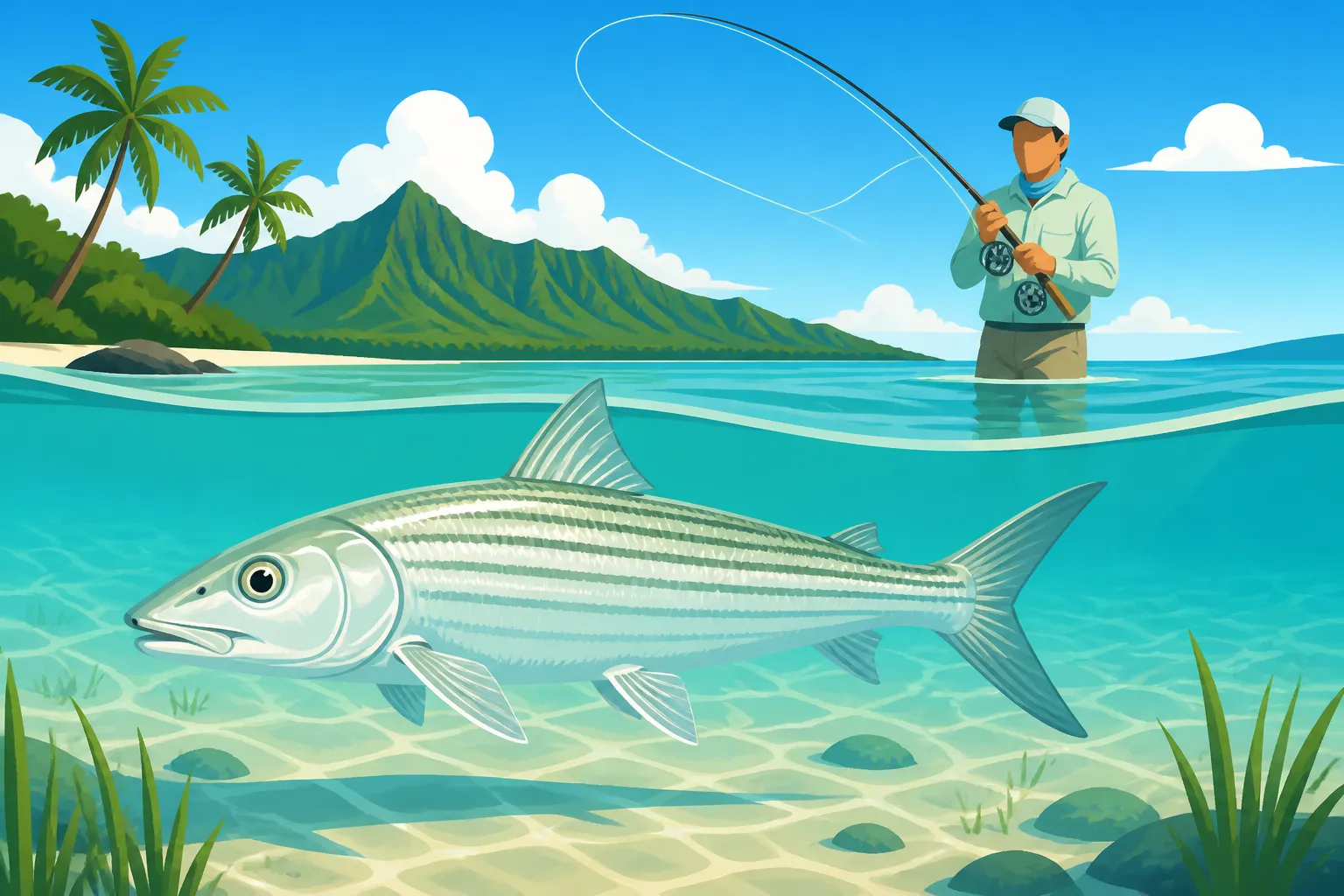
While there are several species of bonefish globally, the ones you'll encounter in Hawaii are typically Albula glossodonta or Albula virgata. At first glance, they all share that characteristic silver body, but there are nuances. Hawaii's Oio are sleek, torpedo-shaped fish with a distinctive pointed snout that extends beyond their mouth, perfectly designed for rooting around in the sand and mud for food. Their dorsal fin is relatively short, and their caudal fin (tail) is deeply forked, signaling their power and speed. The body often has subtle horizontal lines of darker scales, especially when viewed from above, which further aids in their camouflage.
Their coloration can vary slightly depending on the specific environment they inhabit, from a brighter chrome silver over pure white sand to a more mottled, darker gray when they're in areas with coral rubble or darker mud. They have relatively large, reflective scales that catch the light, causing those famous "flashes" that give them away. Pay close attention to the mouth; it's small and positioned slightly underneath their snout, indicating their bottom-feeding habits. Knowing these details is crucial for positively identifying an Oio when you finally get one close, and helps distinguish them from other reef fish or even juvenile trevally (papio) that might frequent similar areas. For more on distinguishing similar species, you might find How to tell ulua from papio by size helpful in understanding the differences in juvenile trevally.
Oio's Place in Hawaiian Culture and Cuisine
Historically, Oio held a significant place in traditional Hawaiian culture. They were a valued food fish, caught using various traditional methods, including nets and hooks. Their flesh is firm and white, and while modern sport anglers often practice catch and release due to the incredible fight and the conservation-minded ethos surrounding bonefishing, they are indeed considered good eating. Many locals still enjoy Oio, often preparing them steamed, baked, or fried.
However, the primary allure for many today is the sporting challenge rather than the culinary reward. The emphasis has shifted towards preserving the robust populations that make Hawaii such a world-class bonefishing destination. This conservation mindset means that while Oio are culturally significant as a food source, their current value often lies more in their role as a magnificent game fish. Understanding this balance is key to respecting both the cultural heritage and the sustainability goals for this prized species in Hawaiian waters. When you're out on the flats, you're not just fishing; you're participating in a tradition that spans centuries, now with an added layer of environmental responsibility.
Prime Oio Habitats and Behavior Patterns
To consistently find Oio, you need to think like an Oio. These fish are creatures of habit, driven by food, safety, and the rhythm of the tides. Understanding where they live and what makes them tick is the first step in successful bonefishing in Hawaii.
Navigating the Shallow Coral Flats and Sand Channels
Oio are absolute masters of the shallow water. Their preferred domain consists of vast, sun-drenched coral flats, expansive sandy bottoms, and the intricate network of channels that cut through them. These areas, often just inches to a few feet deep, provide the perfect hunting grounds where Oio can root around for crustaceans and worms. You'll typically find them in clear, calm waters, which also makes them susceptible to predation from sharks and other larger predators, hence their constant vigilance and impressive speed.
When scanning the flats, look for specific features: mottled bottoms where sand and coral fragments mix, which offer both food and camouflage. Extensive beds of sea grass are also prime areas, as they harbor abundant shrimp and crabs. The edges of these grass beds, where they transition to sand or rubble, are particularly productive. These environments aren't just pretty; they are complex ecosystems that support the entire food chain Oio rely on. The challenge is often distinguishing a coral head from a feeding bonefish, or a patch of dark sand from a school of Oio moving across the flat. This is where patience and a good pair of polarized sunglasses become your best friends.
Dietary Habits and Foraging Strategies
Oio are opportunistic bottom feeders, and their diet consists primarily of small crabs, shrimp, worms, and juvenile baitfish. Their pointed snout and underslung mouth are perfectly adapted for rooting through the sand and mud to unearth these tasty morsels. This feeding behavior is a key indicator for anglers. When an Oio is actively feeding, it often puts its head down and its tail up, creating a "tailing" motion that is visible above the waterline. This is the classic, exciting sight that flats anglers dream of!
Beyond tailing, Oio can create "mud clouds" as they disturb the bottom while foraging. A sudden puff of cloudy water on an otherwise clear flat is a sure sign that an Oio (or several) is actively feeding. They also move in schools, often cruising slowly across the flats, sometimes creating a subtle "nervous water" ripple as they glide just beneath the surface. Knowing what they eat helps immensely in choosing the right fly or bait. Small, lifelike imitations of crabs, shrimp, and worms are almost always the ticket to enticing a hungry Oio.
The Influence of Tides and Moon Phases on Oio Activity
Tides play a paramount role in Oio fishing. As the tide rises, Oio push up onto the shallow flats, following the inundating water to access newly covered feeding grounds. The incoming tide often brings in fresh bait and better visibility for the fish, making it a prime feeding window. Conversely, as the tide recedes, Oio will retreat from the shallowest areas, often congregating in deeper channels or along the edges of the flats, waiting for the next opportunity to move in.
Understanding the daily tidal swings for your chosen fishing spot is crucial. Generally, the last half of the incoming tide and the first half of the outgoing tide are considered the most productive periods. However, this can vary, and sometimes a low tide can concentrate fish in deeper pockets. Moon phases also exert influence, as they dictate the strength of the tides. Full and new moons typically bring stronger tidal movements (spring tides), which can make Oio more active but also mean faster-moving water. Quarter moons bring weaker tides (neap tides), which might mean longer feeding windows on the flats. Knowing when to hit the water based on these factors can dramatically increase your chances of success, and you'll find more insights into this specific timing in Best time to fish for bonefish on the flats.
Mastering the Hunt: Techniques for Oio in Hawaii
Whether you're a seasoned fly angler or prefer the precision of spin fishing, there are effective ways to target Hawaii's Oio. Both methods demand patience, stealth, and a keen eye, but they offer distinct experiences.
The Art of Fly Fishing for Oio
Fly fishing for Oio is often regarded as the pinnacle of shallow-water angling. It's a highly visual and challenging pursuit that requires finesse and precision. The standard setup for Oio typically involves a 7- to 9-weight fly rod, paired with a high-quality saltwater reel that boasts a smooth, reliable drag and ample backing (at least 200 yards). A weight-forward floating line is essential for delicate presentations, and you'll need a tapered leader with a fluorocarbon tippet, usually in the 10-15 lb test range, to withstand their sharp vision and powerful runs.
The real magic happens with the fly and its presentation. Flies like the Gotcha, Crazy Charlie, Squimp, and various crab and shrimp patterns are staples. The key is to match the hatch – or rather, match what the Oio are eating. Casting accuracy is paramount; you'll often need to land your fly within a few feet, or even inches, of a cruising or tailing fish. Once the fly lands, the retrieve is critical: short, subtle strips that mimic the natural movement of the Oio's prey. Too fast, and you'll spook them; too slow, and they might ignore it. This nuanced approach, combined with the thrill of sight fishing, makes fly fishing for Oio an incredibly rewarding experience, truly showcasing why Best fly patterns for Oahu bonefish and Best Bonefishing Techniques for Oahu Flats are such crucial reads.
Effective Spin Fishing Approaches for Oio
Not everyone fly fishes, and that's perfectly fine! Spin fishing can be incredibly effective for Oio, especially for beginners or when conditions aren't ideal for fly casting (like windy days). The key is light tackle. A good setup includes a 6.5 to 7.5-foot light to medium-light spinning rod, paired with a quality 2500 to 3000 size spinning reel spooled with 10-15 lb braided line. A fluorocarbon leader of 15-20 lb test is crucial for abrasion resistance and invisibility.
When it comes to lures, small jigs are king. ¼ to ½ ounce jigs with soft plastic grub tails or shrimp imitations work wonders. Colors like white, pink, tan, or chartreuse can be effective. Cast well ahead of a cruising fish and retrieve with short hops or drags along the bottom, creating those enticing puffs of sand or mud. Natural baits are also highly effective, especially live or fresh dead shrimp, small crabs, or chunks of cut bait like squid. Present these on a small, sharp hook (size 1 to 1/0) with just enough weight to get it to the bottom. Sometimes, simply letting a piece of shrimp drift naturally into the path of a feeding Oio can be irresistible. You can often find a great selection of these specialized jigs and soft plastics, perfect for Oio, by browsing fishing gear on Amazon.
Essential Gear Beyond Rod and Reel
While your rod and reel setup is crucial, several other pieces of gear are non-negotiable for a successful and comfortable Oio expedition. First and foremost: polarized sunglasses. I cannot stress this enough. They cut the glare off the water, allowing you to actually see the fish, the bottom, and any subtle signs of Oio presence. Without them, you're essentially fishing blind. A wide-brimmed hat, long-sleeved shirts, and sunscreen are also vital to protect yourself from Hawaii's strong sun during long hours on the flats.
Footwear is another critical consideration. You'll be wading over coral, sand, and potentially sharp rocks, so a good pair of closed-toe wading boots or sturdy reef shoes with thick soles is essential for comfort and protection. Don't skimp here; a cut foot can ruin your day. A small waterproof backpack or sling pack to carry water, snacks, extra leader, and a camera is also highly recommended. A good pair of pliers for de-hooking, a measuring tape if you're keeping fish (though release is common), and a small first-aid kit complete the essentials. For durable, high-quality polarized sunglasses or reliable wading boots, many anglers find a convenient and wide selection on Amazon. Remember, safety and comfort on the flats make for a much more enjoyable day chasing these incredible fish.
Top Oio Fishing Grounds Across the Hawaiian Islands
Hawaii is blessed with extensive shallow water environments, making it a premier destination for bonefishing. While Oio can be found on many islands, certain locations have earned legendary status among flats anglers.
Oahu's Legendary Bonefish Hotspots
When it comes to bonefishing in Hawaii, Oahu often steals the spotlight, and for good reason. The island boasts some of the most extensive and productive bonefish flats in the world, attracting anglers from all corners of the globe. Two names frequently rise to the top: Keehi Lagoon and Sand Island. Keehi Lagoon Bonefishing is renowned for its vast, wadeable flats, offering miles of prime habitat where Oio can be found tailing, mudding, and cruising. The lagoon's diverse bottom structure, from soft sand to coral rubble, provides ample feeding opportunities, making it a fantastic spot for both fly and spin anglers.
Just a stone's throw away, Sand Island Bonefishing offers another exceptional experience. Its flats are equally expansive, characterized by clear, shallow water and a consistent presence of Oio. Access to these areas can sometimes involve navigating busy areas, but the reward of hooking into a powerful Oio in these productive waters is well worth the effort. Beyond these two giants, other smaller, lesser-known flats exist around the island, often requiring local knowledge or a guided trip to discover. The key to success on Oahu's flats is often patience, stealth, and a willingness to cover ground, always keeping an eye out for those subtle signs of the "gray ghost." For those serious about targeting these fish, exploring Best Fly Fishing Access for Bonefish on Oahu can provide invaluable local insights.
Beyond Oahu: Oio Opportunities on Neighbor Islands
While Oahu gets much of the attention for bonefish, the neighbor islands certainly hold their own, offering fantastic, often less pressured, Oio fishing. Maui, with its expansive southern and western coastlines, has numerous accessible flats. Areas around Ma'alaea Bay and Kihei offer stretches of wadeable water that can hold good numbers of Oio, particularly during favorable tides. These spots might not be as vast as Oahu's famous flats, but they can produce quality fish for those willing to explore.
Kauai, the Garden Isle, also has hidden gems. While its northern shore is known for dramatic cliffs and surf, the calmer southern and western coasts feature bays and reef systems with smaller, productive flats. Finding these spots on Kauai might require more reconnaissance or engaging with local anglers, but the tranquility and stunning backdrops make the effort worthwhile. Even the Big Island, famous for its deep-sea pelagics, has areas of shallow water near harbors and protected coves where Oio can be found. These spots are often smaller and more localized, but for a dedicated angler, the prospect of an unpressured flat can be incredibly enticing. Remember, local knowledge is often your best asset when exploring new territories, and considering a local guide can be a game-changer for finding these less obvious spots.
Locating the "Gray Ghost": Reading the Water
The ultimate challenge in bonefishing is not the fight itself, but the initial detection of the fish. Oio are masters of camouflage, and the clear Hawaiian waters, while beautiful, don't always make it easy. The key is to learn to "read" the water, looking for subtle clues that betray their presence. The most exciting sign, as mentioned, is "tailing" – where an Oio's tail protrudes from the water as it feeds head-down on the bottom. This is a clear indicator of an actively feeding fish, and often a prime target.
Beyond tails, look for "mud clouds" – small, temporary plumes of disturbed sand or mud that indicate an Oio has just rooted up a meal. These can be difficult to spot, but a trained eye will pick them out. "Nervous water" is another key sign: a subtle ripple or disturbance on the surface that looks different from the natural chop or current. This often signals a school of Oio moving just beneath the surface. Finally, look for shadows. On a bright, sunny day, a moving shadow on the bottom, even if the fish itself is nearly invisible, can give away its position. Always walk slowly, scan widely, and stay ready to cast at a moment's notice. Patience, observation, and mastering Best technique for sight fishing bonefish will significantly improve your success rate. For supplementary learning, local fishing guides or even instructional books available on Amazon can provide visual examples and further deepen your understanding of these crucial spotting techniques.
Preserving the Future of Hawaii's Bonefish Fishery
The thrill of catching an Oio is undeniable, but with that excitement comes a responsibility to ensure these incredible fish continue to thrive for generations to come. Conservation is not just a buzzword; it's a vital practice for every angler.
The Importance of Responsible Catch and Release
Bonefish are incredibly resilient, but they are also sensitive, especially to improper handling. Many Oio anglers practice catch and release exclusively, recognizing the value of these fish as a renewable resource that provides endless sporting opportunities. When releasing an Oio, several best practices can significantly increase its survival rate. First, try to minimize the fight time, bringing the fish to hand as quickly and gently as possible. Use barbless hooks or crimp down barbs on your hooks; this makes removal much easier and less damaging.
When handling the fish, keep it in the water as much as possible. If you must lift it for a quick photo, support its body horizontally with both hands, avoiding squeezing its midsection or holding it vertically by the jaw or tail alone. Always wet your hands before touching the fish to protect its protective slime coat. Remove the hook quickly and gently; if it's deeply hooked, cut the line as close to the hook as possible. Finally, revive the fish by holding it gently in the water, facing into a mild current, until it can swim strongly away on its own. These practices are similar in principle to those applied to other sensitive game fish, as you might read in Marlin catch and release survival tips.
Adhering to Hawaii's Fishing Regulations
Hawaii has specific regulations in place to protect its marine resources, and while Oio populations are generally healthy, it's every angler's responsibility to know and follow the rules. This includes understanding bag limits, size restrictions, and any seasonal closures that might apply to various species, including bonefish. While Oio are not currently under strict harvest restrictions like some other species, general marine fishing regulations still apply.
Furthermore, if you're fishing from shore in certain areas, or from a vessel, you may need a valid Hawaii fishing license. The Department of Land and Natural Resources (DLNR) Division of Aquatic Resources (DAR) is the primary source for current and accurate information. Before you head out, take the time to visit their website or contact them directly to ensure you are fully compliant with all local laws. A quick review of resources like Hawaii Fishing Regulations Explained can save you from potential fines and, more importantly, contribute to the sustainable management of Hawaii's unique aquatic environments.
Minimizing Impact on Sensitive Habitats and Other Anglers
The shallow flats where Oio thrive are delicate ecosystems. When wading, be mindful of your steps to avoid trampling sensitive coral, sea grass beds, or disturbing the bottom unnecessarily. Try to walk lightly and avoid dragging your feet. Leave no trace behind; pack out everything you pack in, including any discarded fishing line, food wrappers, or drink containers. The pristine beauty of these flats is part of what makes bonefishing so special, and it's up to us to keep it that way.
Finally, always be respectful of other anglers and local residents. The flats can be popular, and courtesy goes a long way. Maintain a reasonable distance from other fishermen, avoid making excessive noise, and always ask permission if you're unsure about access to a particular area. Share your knowledge, but also respect others' quiet pursuit of these magnificent fish. By practicing responsible angling, we ensure that the magic of Oio fishing in Hawaii endures for all who seek the "gray ghost." You can often find compact, reusable trash bags and other eco-friendly fishing accessories on Amazon to help keep our beautiful Hawaiian flats clean.
| Aspect | Fly Fishing for Oio | Spin Fishing for Oio |
|---|---|---|
| Rod & Reel | 7-9 wt fly rod, saltwater fly reel with strong drag | 6.5-7.5 ft light/med-light spin rod, 2500-3000 size spin reel |
| Line | Weight-forward floating fly line, ample backing | 10-15 lb braided main line, 15-20 lb fluorocarbon leader |
| Terminal Tackle | Tapered leader with 10-15 lb fluorocarbon tippet | Small jigs (1/4-1/2 oz), small hooks (size 1 to 1/0) |
| Baits/Lures | Shrimp, crab, worm patterns (Gotcha, Crazy Charlie) | Soft plastic grubs, shrimp imitations, live/cut bait |
| Technique | Sight casting, delicate presentation, subtle retrieve | Sight casting, jigs hopped along bottom, natural bait drifts |
| Challenge Level | High (casting accuracy, presentation, reading fish) | Moderate (accurate casting, subtle retrieve) |
| Visibility Need | Very High (crucial for sight fishing) | High (still benefits greatly from sight fishing) |
| Typical Range | 20-60 feet (with practice) | 30-80 feet (can cast further with jigs) |
Disclaimer
This article is for general informational purposes only and does not constitute professional advice. Laws, prices and regulations vary by location and change over time. Consult a qualified professional for guidance on your specific situation.