Keehi Lagoon Bonefishing
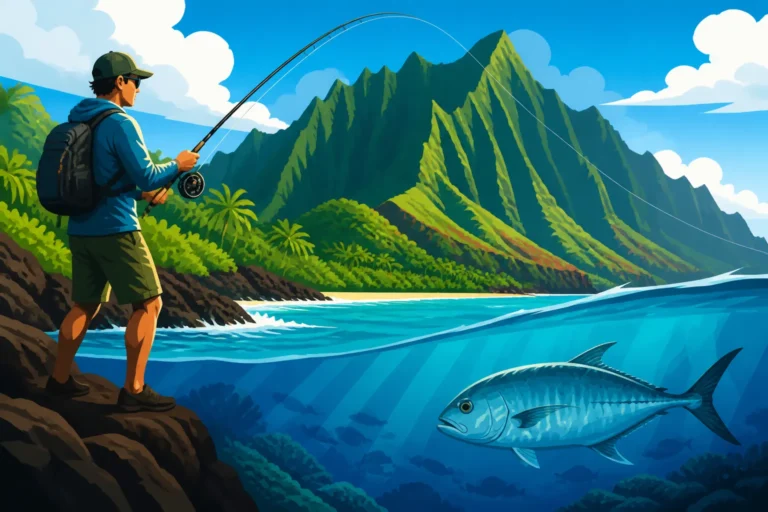
The shimmering flats of Keehi Lagoon, nestled right alongside Honolulu's bustling urban landscape, often present a fascinating challenge for anglers. Many arrive in Hawaii dreaming of deep-sea giants, overlooking the incredible, subtle thrill of stalking bonefish in shallow waters. But finding those elusive "ghosts of the flats" here, especially with the unique urban-meets-wild environment of Keehi, requires a deep understanding and patience. This guide is here to unravel the mysteries of bonefishing in Keehi Lagoon, giving you the insider knowledge to successfully target these prized oio.
Understanding Keehi Lagoon's Unique Ecosystem for Bonefish
Keehi Lagoon isn't your typical pristine, remote flats environment often associated with bonefishing. It's a dynamic, estuarine system right on the fringes of Honolulu, shaped by both natural forces and human activity. This unique blend creates a fascinating, and highly productive, habitat for bonefish (known locally as oio). Think of it as an urban oasis for these silver bullets, but one that demands a specific approach.
The Lagoon's Geography and Bottom Structure
At first glance, Keehi Lagoon might seem like a busy waterway, surrounded by boat ramps, industrial areas, and the airport. However, beneath the surface and along its edges lie extensive shallow flats, intricate channels, and scattered coral patches that form a complex and rich ecosystem. The lagoon is largely protected from the open ocean's heaviest swells by Sand Island and other barrier formations, resulting in generally calmer, more accessible waters.
The bottom here is a mosaic of sand, mud, and rubble, punctuated by areas of patchy coral and seagrass beds. It's this variety that makes it so appealing to bonefish. They'll cruise the vast sandy flats, often in surprisingly clear water during optimal conditions, sifting for small crabs, shrimp, and worms. The deeper channels, some natural and some dredged for navigation, act as highways for bonefish to move between feeding grounds or to seek refuge during lower tides. Coral heads, even small ones, provide structure and ambush points for prey, drawing in the bonefish. These structural elements create numerous current seams and eddies where food concentrates, making them prime hunting grounds. Learning to identify these subtle changes in bottom composition, often visible as color variations from a vantage point, is a key skill for any successful Keehi bonefisherman.
Tides, Currents, and Water Clarity's Role
If you want to unlock the secrets of Keehi Lagoon bonefishing, you absolutely must become intimately familiar with the tides. Bonefish are tidal creatures, and their behavior in Keehi is heavily dictated by the ebb and flow of the ocean.
Generally, an incoming tide is often preferred for flats fishing. As the water rises, it pushes baitfish and crustaceans onto the shallow flats, making them accessible to feeding bonefish. This rising water also tends to improve visibility as clearer ocean water replaces any murkier lagoon water. During the peak of the incoming tide, fish will often move onto the shallowest parts of the flats, sometimes tailing with their dorsal fins and tails breaking the surface as they dig for food. This is the moment sight-fishermen dream of.
Conversely, an outgoing tide can also be productive, especially along the edges of channels or where currents funnel water off the flats. Bonefish will often stage in these areas, waiting for prey to be flushed out. However, a rapidly falling tide can make fish skittish, pushing them off the flats entirely into deeper, safer water. You might find yourself wading in spots that were productive an hour ago, only to find them completely dry.
Water clarity is another huge factor. While Keehi Lagoon isn't always gin-clear like some remote atolls, there are definitely times when the water clears up beautifully. Rain runoff, especially after heavy downpours, can significantly reduce visibility, making sight-fishing incredibly difficult. Days with consistent tradewinds that help circulate and filter the water, combined with several days of no significant rainfall, generally offer the best clarity. Always check the weather forecast and recent conditions before heading out. Overcast days can also make spotting fish challenging, as the sun's angle is crucial for polarized sunglasses to cut glare. This interplay between tide, current, and clarity is what makes each outing unique and demands adaptability from the angler.
Why Keehi Lagoon is a Prime Bonefishing Destination
For those in the know, Keehi Lagoon isn't just another body of water; it's a treasure trove for bonefish anglers, offering a unique blend of abundant fish and convenient access that's hard to beat, especially on Oahu.
Abundance of Bonefish (Oio)
The population of oio (bonefish) in Keehi Lagoon is remarkably healthy and robust. Unlike some destinations where bonefish numbers might fluctuate or be heavily pressured, Keehi consistently holds good numbers of these silvery speedsters. This isn't just a place where you might catch a bonefish; it's a place where you have a very real chance of multiple hookups on a good day.
What makes Keehi truly special is the potential for trophy-sized fish. While many bonefish caught on the flats might be in the 3-6 pound range, Keehi Lagoon regularly produces much larger specimens, often hitting the 8-10 pound mark, and even occasionally pushing into double-digit territory. These bigger fish are powerful, making screaming runs that will test your drag and your knot-tying skills. Their sheer strength and speed are legendary, earning them the nickname "ghosts of the flats" for a reason. Landing one of these larger oio is a truly memorable experience and a testament to the health of the lagoon's ecosystem. These fish are constantly sifting through the bottom, gorging themselves on the abundant crabs, shrimp, and worms found in the lagoon, which contributes to their impressive size and fighting prowess. The consistent food source and relatively protected environment allow them to thrive.
Accessibility and Convenience
One of Keehi Lagoon's most compelling advantages is its sheer accessibility. Located just minutes from downtown Honolulu and directly adjacent to Daniel K. Inouye International Airport, it’s incredibly easy to reach for both local anglers and visitors alike. You don't need to charter an expensive seaplane or embark on a multi-day journey to get to prime bonefishing grounds. For visitors flying into Oahu, you could literally be fishing within an hour or two of landing, depending on traffic and how quickly you can get your gear ready.
There are multiple public access points around the lagoon, making it convenient to launch kayaks, stand-up paddleboards, or simply find a good spot for wading. Areas like Keehi Lagoon Beach Park offer easy access to the water's edge and sufficient parking. This urban proximity means that you're never far from amenities, tackle shops (like Nittos and POP Fishing & Marine), or places to grab a quick bite after a long session on the flats. You can even find local guides right in the area who specialize in bonefishing Keehi Lagoon, offering a fantastic way to learn the ropes. For instance, reputable guides listed on platforms like FishingBooker often operate out of Keehi, providing tailored experiences for anglers of all skill levels. They know the subtle nuances of the lagoon, from reading the water to understanding the specific feeding patterns of the oio here. The convenience factor allows for shorter, more frequent trips, which is ideal for honing your skills and becoming intimately familiar with the lagoon's ever-changing conditions.
Essential Gear for Keehi Lagoon Bonefishing
Success on the bonefish flats of Keehi Lagoon isn't just about showing up; it's about showing up prepared. These fish are notoriously spooky and powerful, demanding appropriate gear that allows for delicate presentations and robust fighting power. Skimping on tackle here can lead to heartbreak.
Rods, Reels, and Line Choices
For fly fishing, which is arguably the most popular and effective method for bonefish in Keehi, an 8-weight rod is the undisputed workhorse. It offers enough power to cast flies accurately into a headwind, handle larger bonefish, and still provide the sensitivity to feel delicate takes. Some anglers opt for a 9-weight if they anticipate larger fish or frequently encounter strong winds. The rod should be a medium-fast to fast action, capable of quick, accurate casts at distances from 20 to 60 feet.
Pair your rod with a high-quality saltwater fly reel that has a smooth, sealed drag system. Bonefish are famous for their blistering first runs, and a sticky or unreliable drag will quickly lose you fish. The reel should also have ample backing capacity – at least 200 yards of 20-30 lb dacron or gel-spun backing – because those oio can strip line faster than you can blink. For lines, a weight-forward floating line specifically designed for saltwater use is essential. A tropical-tapered line with a slightly aggressive front taper helps turn over larger flies and cut through the wind.
If spin fishing is more your style, a light to medium-light spinning rod, around 7-8 feet in length, will serve you well. Look for a rod with a fast action tip for sensitivity and enough backbone to handle a fighting fish. Match it with a quality spinning reel in the 2500-3000 size range, again with a smooth drag and capacity for 150-200 yards of line. For main line, 10-15 lb braided line is excellent for its sensitivity, casting distance, and low diameter. You'll want to add a 6-8 foot leader of 10-15 lb fluorocarbon, as its invisibility in water is a huge advantage when targeting wary bonefish. Fluorocarbon also offers excellent abrasion resistance, which is important around the coral and rubble on the lagoon floor.
Fly and Lure Selection
When it comes to tempting Keehi Lagoon bonefish, presentation is everything. They are discerning feeders, and your choice of fly or lure needs to mimic their natural prey perfectly.
For fly anglers, the classic bonefish flies are a must-have. Patterns like the Gotcha, Christmas Island Special, Crazy Charlie, and various Prawn patterns are staples. It's crucial to carry these in a range of sizes (from #4 to #8) and, critically, different weights. You'll need unweighted flies for extremely shallow water, lightly weighted flies (with bead chain eyes) for average flats, and heavier weighted flies (with lead eyes) for deeper channels or faster currents. The weight dictates how quickly your fly sinks and how it moves on the bottom – too heavy, and it'll spook the fish or snag; too light, and it won't get down to the feeding zone. Natural colors like tan, chartreuse, pink, and root beer are consistently effective.
Spin fishermen will find success with small jigs and soft plastics. Jig heads from 1/8 to 1/4 ounce, tipped with small, natural-colored soft plastic shrimp or crab imitations, are highly effective. Berkley Gulp! Shrimp or similar scented baits can sometimes give you an edge, especially if the water isn't perfectly clear. Small, weedless lead-head jigs dressed with bucktail or synthetic fibers, mimicking a fleeing shrimp, also work wonders. The key is to match the hatch – observe what natural prey is present in the area if possible, and choose your lure accordingly. The movement should be subtle and natural, not overly aggressive.
Wading Gear and Accessories
Your personal comfort and safety on the flats are paramount. The bottom of Keehi Lagoon can be uneven, with patches of sharp coral, shells, and occasional debris. Sturdy wading boots or cleated saltwater sandals are non-negotiable. They provide protection from cuts and scrapes, offer better traction on slippery surfaces, and allow you to wade confidently for hours. Bare feet are generally a bad idea here.
Polarized sunglasses are arguably the most critical accessory for bonefishing. They cut the glare off the water's surface, allowing you to actually see the bonefish, their shadows, or their tell-tale "tails" as they feed. Amber or copper lens tints are often preferred for their contrast-enhancing properties in bright conditions. A wide-brimmed hat, neck gaiter, and long-sleeved sun protection shirts are also essential to protect you from Hawaii's intense sun.
Other crucial accessories include a stripping basket for fly anglers (to manage loose line and prevent tangles), forceps or pliers for hook removal, a small pair of nippers, and a waterproof bag to carry essentials like water, snacks, and your phone. Always carry plenty of water – wading under the Hawaiian sun is thirsty work. A small backpack or sling pack can be useful for carrying these items without impeding your casting. Remember, these fish are sensitive to vibration, so quiet movements and careful wading are key. Before you head out, make sure you understand the nuances of Wading Techniques for Hawaii Shore Fishing to maximize your chances and stay safe.
Proven Techniques for Targeting Bonefish in Keehi Lagoon
Landing a Keehi bonefish is a blend of keen observation, precise casting, and a delicate touch. These fish are often called the "ghosts of the flats" for a reason – they're incredibly wary and can vanish in an instant. Mastering these techniques will significantly increase your odds.
Sight Fishing on the Flats
Sight fishing is the pinnacle of bonefishing, offering an exhilarating visual hunt. It's also the most effective method in Keehi Lagoon's clear, shallow waters. The core principle is simple: you spot the fish first, then cast to it. This requires patience, a good eye, and excellent light conditions.
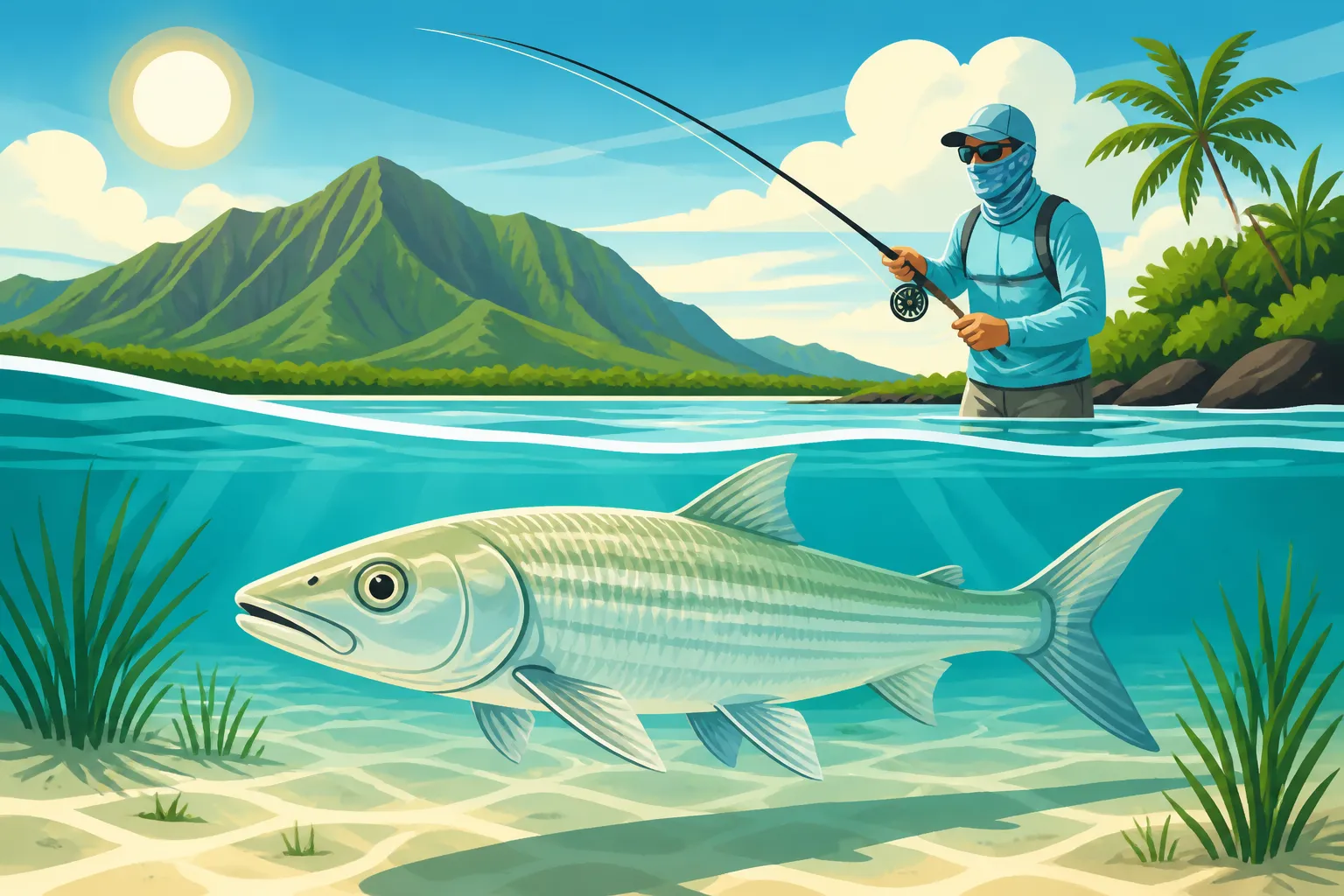
Start by finding a vantage point. This could be by slowly wading, from a stand-up paddleboard, or even from the elevated bow of a skiff. Scan the water with your polarized sunglasses, looking for subtle signs: a dark shadow moving against the lighter bottom, a tail waving gently above the surface, a puff of mud indicating a feeding fish, or the slight glint of silver. Pay close attention to changes in water color, current seams, and the edges of channels where bonefish often cruise. Once you spot a fish or a school, the approach is critical. Move slowly and deliberately, minimizing splashes or vibrations. Bonefish have an incredibly acute sense of hearing and feel vibrations through the water.
When casting, aim to present your fly or lure about 3-5 feet in front of and slightly beyond the fish, allowing it to sink naturally to the bottom before the fish encounters it. Never cast directly on top of a fish unless you want to send it bolting into the next zip code. The goal is to imitate a natural food item that the fish stumbles upon. If the fish is moving, anticipate its path. Once the fly or lure is on the bottom, begin a slow, subtle retrieve, often with short, gentle strips or twitches. Watch the fish's reaction – does it turn towards your offering? Does it speed up? If it sees your bait, pause briefly to let it inspect, then continue a slow retrieve. The moment you see the fish pick up your offering, or feel a subtle "tick," set the hook with a long, firm strip-strike, not a rod sweep.
Fly Fishing Strategies
Fly fishing for bonefish in Keehi is all about finesse and accuracy. Once you've spotted your target and made your precise cast, the retrieve is the next critical step. Most effective retrieves mimic a scurrying shrimp or crab. Start with slow, short strips, just enough to make the fly "crawl" or "hop" along the bottom. Watch the fish's body language. If it's following but not committing, try varying your retrieve speed – a slightly longer strip, then a pause, or a series of quicker, shorter strips. Sometimes, a long, slow draw is what they want.
Presentation also involves considering the fly's weight. On deeper flats or in areas with more current, a heavier fly (with lead eyes) ensures it gets down quickly. In super shallow water, an unweighted or bead-chain eyed fly is better to avoid spooking fish with a heavy splashdown or getting snagged. Always be mindful of potential snags – coral heads or rocky patches can instantly end a fight. If you feel your fly tick the bottom, it's generally a good thing, as it looks natural, but be ready to lift slightly to avoid a snag. When a bonefish takes, they often just "mouth" the fly or suck it in. That subtle tick, or sudden heaviness, is your cue to strip-strike. Maintain firm pressure throughout the fight, but allow the drag to do its job during those explosive runs. Knowing the Best Fly Patterns for Oahu Bonefish will give you a significant advantage in matching what these discerning fish are eating.
Spin Fishing Approaches
Spin fishing for Keehi Lagoon bonefish offers a different, but equally effective, approach, often favored by those new to flats fishing or in windy conditions where fly casting can be challenging. The principles of sight fishing still apply, but your casting and retrieve techniques will differ.
For spin fishing, small jigs or soft plastic imitations are your primary tools. When you spot a fish, cast your lure a few feet ahead of its path, allowing it to sink to the bottom. Once it's settled, employ a slow, twitching retrieve. This often means lifting the rod tip slightly to hop the jig, then letting it fall back to the bottom, reeling in any slack line as it descends. This "lift-and-drop" motion mimics a shrimp trying to escape. Alternatively, a slow, steady retrieve with occasional twitches can also be effective, making the lure crawl. The key is to keep it on or very near the bottom, as that's where bonefish feed.
Spin fishing can be particularly effective when targeting fish along the edges of channels, in slightly deeper pockets, or when blind casting into promising areas where sight fishing is difficult due to water clarity or light. The weight of your jig head is crucial here; it needs to be heavy enough to get to the bottom quickly but light enough to present naturally without excessive thuds. Feeling for the bite often requires a sensitive rod tip and braided line, as bonefish takes can be incredibly subtle – sometimes just a slight increase in pressure or a tiny tap. Set the hook with a firm reel and a gentle sweep of the rod. Many anglers find the immediate feedback of braided line helps them detect those soft takes much faster, ensuring a solid hookset when the moment arrives.
Best Times and Conditions for Keehi Bonefishing
Timing is everything when it comes to bonefishing in Keehi Lagoon. While bonefish are present year-round, certain conditions dramatically increase your chances of success. It's not just about showing up; it's about showing up when the conditions are right.
Optimal Tides and Weather
As we touched on earlier, tides are the absolute most critical factor for successful bonefishing in Keehi Lagoon. The ideal scenario often involves an incoming tide, specifically the last two hours of the incoming and the first hour or two of the outgoing. During this window, the rising water pushes bait onto the shallow flats, and as it begins to recede, it funnels food into more concentrated areas, making bonefish more predictable. A strong tidal swing, where there's a significant difference between high and low tide, usually translates to more active fish. Conversely, slack tide (the period of minimal water movement between tides) can often be the slowest fishing, as bonefish tend to disperse and become less active.
Weather plays a huge role too. Bright, sunny days with minimal cloud cover are generally preferred, especially for sight fishing. The sun's angle helps you spot fish through your polarized sunglasses, cutting the glare off the water's surface. Light, consistent tradewinds (typically out of the northeast) are ideal. They create a ripple on the water that breaks up your silhouette, making it harder for fish to see you, while not being so strong as to make casting impossible or stir up too much sediment. Avoid very windy days, as casting accuracy suffers, and the water often becomes too choppy or murky for effective sight fishing. Similarly, heavy rainfall can dump sediment into the lagoon, reducing visibility to near zero. Always check local marine forecasts and tide charts before planning your trip. For more general insights, understanding the Best Time of Year to Fish in Hawaii can help you plan your visit.
Seasonal Considerations
The beauty of bonefishing in Hawaii, and specifically in Keehi Lagoon, is that it's generally a year-round affair. Unlike some regions that have distinct fishing seasons, Hawaii's consistent tropical climate means bonefish are always active and present in the lagoon. This makes it a fantastic destination for spontaneous trips or for those who can only visit during specific times of the year.
However, there are subtle nuances across the seasons. The summer months (June to October) typically bring calmer weather, more consistent tradewinds, and slightly warmer water temperatures. These conditions often translate to excellent visibility on the flats, making sight fishing particularly productive. The clearer, warmer water can also mean more active feeding fish. This is a prime time for fly anglers looking for classic sight-fishing opportunities.
The winter months (November to May) can bring slightly cooler water temperatures and the possibility of larger North Pacific swells and Kona storms, which can create choppier conditions and reduced clarity in the lagoon. While fishing can still be excellent, you might need to adjust your approach, perhaps favoring spin fishing with jigs that create more vibration, or focusing on areas that remain sheltered. Rainy periods, which are more common in winter, can also temporarily affect water clarity. Despite these variations, the bonefish are still there, still feeding, and still offering a thrilling challenge. The key is to be flexible with your timing and location within the lagoon, choosing the most protected and clear areas on any given day. Local guides, often found through services like FishingBooker, can be invaluable during these transitional periods, as their daily insights into the lagoon's conditions are second to none.
Conservation and Responsible Angling Practices
Keehi Lagoon's robust bonefish population is a testament to the resilience of nature, even in an urban setting. However, it's also a delicate ecosystem that requires our collective respect and responsible practices to ensure it remains a premier bonefishing destination for generations to come.
Catch and Release Importance
Bonefish are incredibly valuable sportfish, but they are generally not considered a prime eating fish in Hawaii. Their bony structure and relatively small size for the effort make them less desirable for the dinner table compared to other species. Therefore, the vast majority of bonefishing in Keehi Lagoon, and across Hawaii, is strictly catch and release. This practice is crucial for maintaining healthy populations and ensuring the sustainability of the fishery.
When practicing catch and release, quick and careful handling is paramount. Avoid over-fighting the fish, especially if you're using light tackle, as prolonged battles can exhaust them. Once landed, minimize the time the fish is out of the water. Handle the fish gently with wet hands or a wet cloth to protect its delicate slime coat. If possible, use barbless hooks, as they make removal much easier and less traumatic. Use forceps or pliers to quickly remove the hook. Avoid excessive squeezing, especially around the gills or belly. When releasing, hold the fish upright in the water, supporting its belly, and allow it to revive itself. It will often kick away strongly when ready. If it seems sluggish, gently move it back and forth to help oxygenate its gills until it swims off under its own power. These best practices not only increase the fish's survival rate but also ensure that future anglers can experience the thrill of catching these magnificent creatures.
Respecting the Environment and Other Users
Fishing in Keehi Lagoon isn't just about the fish; it's about respecting the entire environment and the diverse community that utilizes this unique urban waterway. As anglers, we are stewards of these resources, and our actions directly impact the health of the lagoon and the experience of others.
Always adhere to a "leave no trace" philosophy. Pack out everything you pack in, including any discarded fishing line, lure packaging, or food wrappers. Marine debris is a serious threat to marine life, and it's our responsibility to keep the lagoon clean. Avoid trampling delicate seagrass beds or coral patches when wading, as these are crucial habitats for bonefish and their prey. Be mindful of your wake if you're using a boat or kayak, especially around other anglers or recreational users.
Furthermore, Keehi Lagoon is a shared space. You'll encounter boaters, kayakers, stand-up paddleboarders, and even other fishermen. Practice aloha and common courtesy. Give other anglers plenty of space, avoid casting too close to others, and be friendly. Respect any posted signs regarding protected areas or restricted access. Familiarize yourself with all local Hawaii Fishing Regulations Explained and Hawaii Boating Laws for Anglers, including any specific rules that might apply to Keehi Lagoon itself. These regulations are in place to protect both the fish and the users, ensuring everyone can enjoy the beauty and bounty of this incredible Hawaiian fishing spot. Responsible angling isn't just about following the rules; it's about being a conscientious member of the fishing community and a guardian of our precious natural resources.
| Feature | Fly Fishing for Bonefish | Spin Fishing for Bonefish |
|---|---|---|
| Gear | 8-9 wt rod, saltwater reel with smooth drag & 200+ yds backing, tropical floating line. | 7-8 ft light-medium light spinning rod, 2500-3000 size reel, 10-15 lb braid with fluorocarbon leader. |
| Lures/Bait | Imitative flies (Gotcha, Christmas Island Special, Prawn patterns) in varied weights & sizes. | Small jigs (1/8-1/4 oz), soft plastic shrimp/crab imitations, small bucktail jigs. |
| Primary Technique | Sight fishing, accurate casting, subtle strip-strikes, delicate retrieves. | Sight fishing, accurate casting, slow hop-and-drop or twitching retrieve. |
| Advantages | Highly visual and engaging, precise presentation, stealthy, traditional method. | Easier for beginners, effective in wind, can cover more water, more 'feel' for subtle bites. |
| Challenges | Requires practiced casting skills, can be tough in wind, requires good sight-fishing conditions. | Less traditional for flats, can be less subtle than fly, lure selection can be overwhelming. |
| Ideal Conditions | Bright sun, light wind, clear water, active fish on shallow flats. | Varied conditions, good for covering deeper edges, or when sight fishing is tough. |
Disclaimer
The information provided in this guide is for general informational purposes only and is not intended as legal advice. Fishing regulations and conditions in Hawaii are subject to change. Always consult the most current regulations from the Hawaii Department of Land and Natural Resources (DLNR) Division of Aquatic Resources (DAR) before fishing. Your safety and adherence to local laws are your sole responsibility.