Hilo Bay best fishing access points
Trying to figure out the best places to cast a line in a new area can be daunting, especially when you’re in a place as beautiful and complex as Hilo Bay. With its mix of freshwater influences, volcanic rock, and deep ocean channels, knowing where to go and what to expect is half the battle. This guide is designed to cut through the confusion, offering a detailed look at Hilo Bay's top fishing access points, from easily reachable shoreline spots to areas best explored by boat, helping you make the most of your angling adventure on the Big Island.
Understanding Hilo Bay's Diverse Fishing Environment
Hilo Bay isn't just one type of fishing spot; it's a dynamic mosaic of environments, each offering something different for the eager angler. From brackish lagoons to bustling harbors and the open ocean at its mouth, understanding these diverse habitats is key to a successful day out. The bay sits on the windward side of the Big Island, meaning it can experience a range of weather conditions, from calm, glassy mornings to choppy, rain-swept afternoons, all of which influence where and how fish congregate.
Diverse Habitats and Target Species
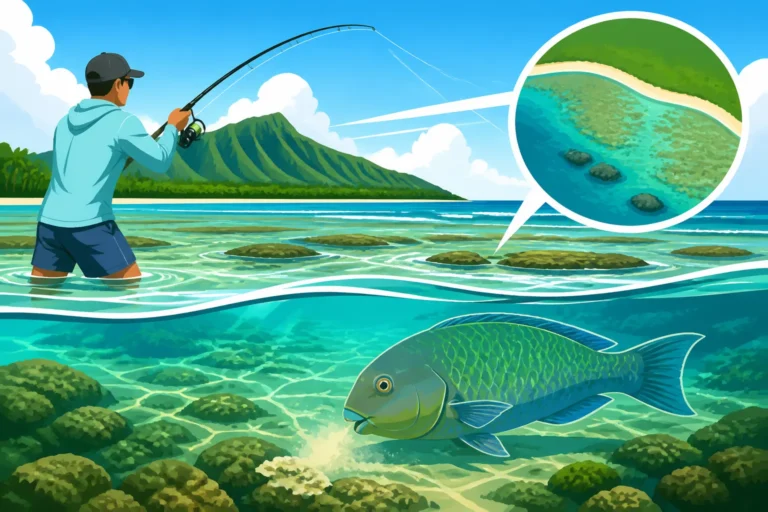
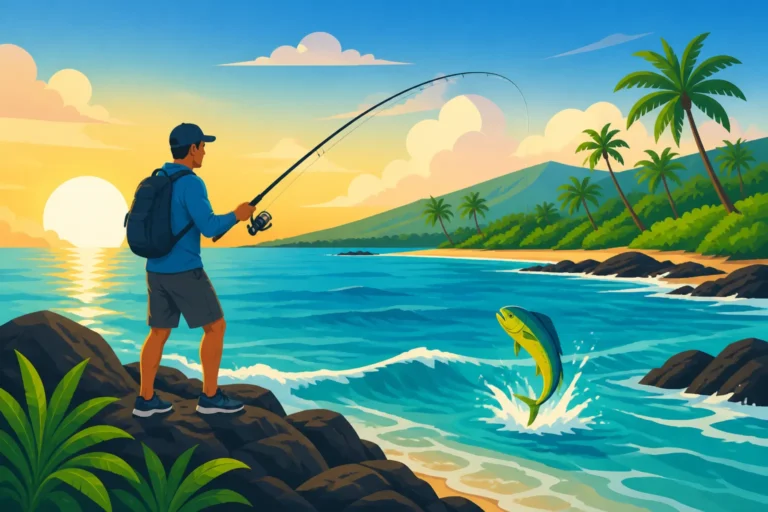
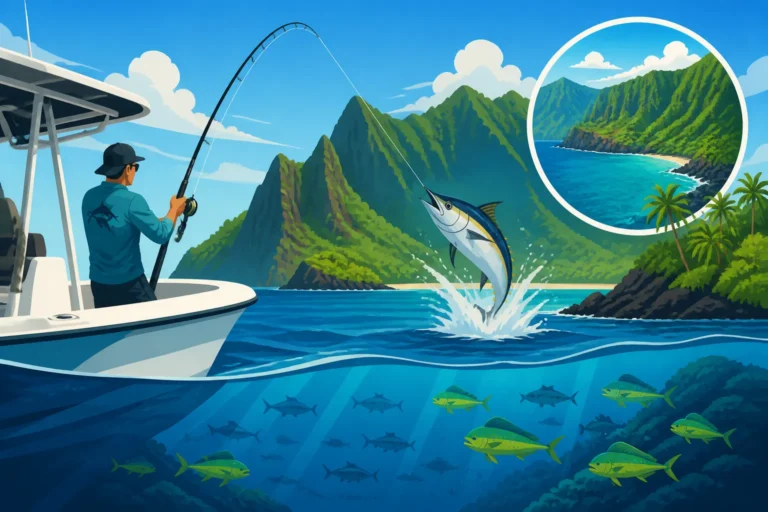
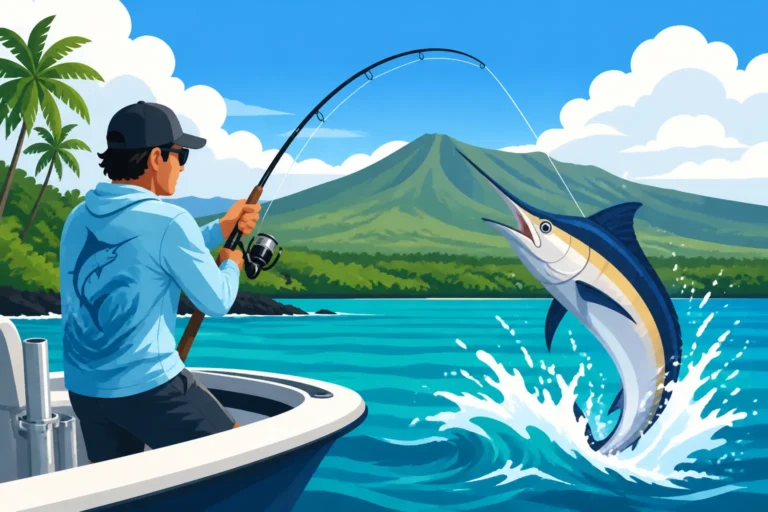
Hilo Bay offers a fascinating blend of fishing opportunities due to its varied underwater landscape. Near the shore, especially around river mouths and protected coves, you'll find shallow flats and brackish water. These areas are prime spots for smaller species, often called "papio," which are juvenile trevally. These energetic fighters can be a blast on light tackle. You might also encounter moi (Pacific threadfin), kumu (goatfish), and a variety of smaller reef fish. Further out, as the bay deepens and approaches the open ocean, the environment shifts to rocky ledges, sandy bottoms, and even deeper channels. This is where you might find larger ulua (giant trevally), known for their incredible power and size, especially during night fishing sessions. Other bottomfish like opakapaka (pink snapper) or onaga (ruby snapper) could be found if you venture out by boat, though they typically prefer deeper offshore waters. And of course, the mouth of the bay can attract pelagic species such as mahimahi, ono (wahoo), and even smaller ahi (yellowfin tuna), particularly when baitfish are plentiful.
The confluence of freshwater runoff from the Wailuku River and the saltwater intrusion creates unique nutrient-rich zones. These areas often attract baitfish, which in turn draw in larger predatory species. Knowing where these freshwater influences meet the ocean can give you a significant advantage. For instance, after heavy rains, the plume of discolored freshwater can concentrate bait and game fish at its edges.
Tidal Influences and Best Fishing Times
Just like any coastal fishery, the tides play a huge role in Hilo Bay. Understanding the ebb and flow can dramatically increase your chances of a good catch. Generally, incoming and outgoing tides, especially around the peak of the tide change, tend to be the most productive. The moving water stirs up the bottom, dislodging food and creating currents that fish use to ambush prey.
During an incoming tide, fresh ocean water brings new food sources into the bay, often pushing baitfish closer to shore and into shallower areas, making them accessible to shore anglers. This is a great time to target papio and moi along the beaches and rocky points. Conversely, an outgoing tide can pull baitfish out of the bay and into the deeper channels, which can be excellent for targeting larger ulua or pelagics at the bay's mouth.
Beyond the tides, the time of day is equally important. Dawn and dusk are universally recognized as prime fishing times in Hawaii, and Hilo Bay is no exception. The lower light conditions provide cover for predators, making them more active. Early mornings, right as the sun breaks, can be spectacular for whipping for papio or casting for ulua. Night fishing in Hilo Bay, particularly for ulua, has a dedicated following. The calm, dark waters can bring out these nocturnal giants, especially around lighted areas or where there’s a strong current. Always consult a local tide chart for Hilo Bay; these are readily available online or at local tackle shops.
Key Shoreline Access Points in Hilo Bay
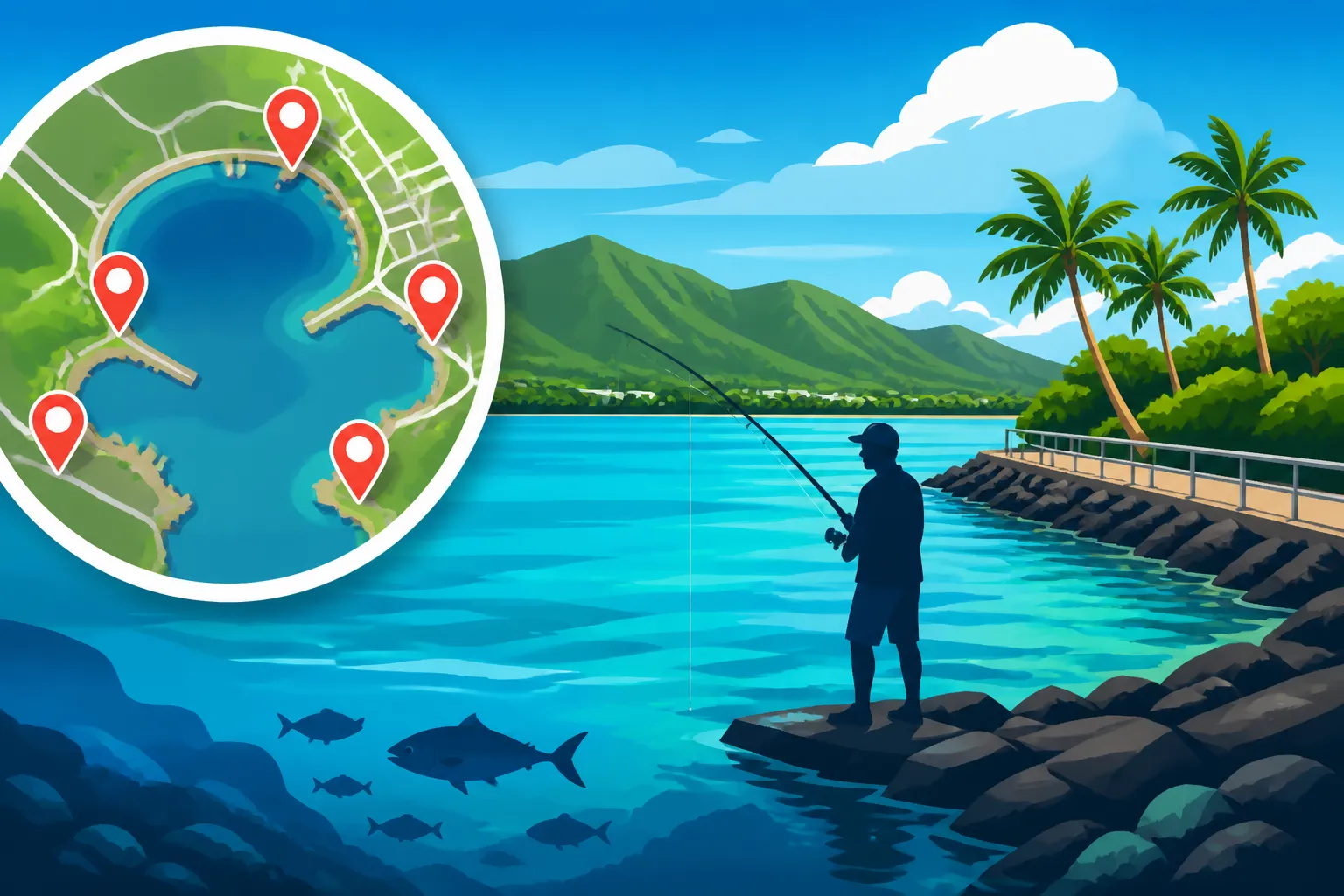
For many anglers, especially those visiting or new to the area, shore fishing is the most accessible and enjoyable way to experience Hilo Bay. Fortunately, Hilo offers several excellent spots that cater to different styles and target species. From tranquil ponds to bustling piers, there’s a place for almost everyone to cast a line.
Waiakea Pond and Surrounding Areas
Waiakea Pond, situated inland from the main bay, offers a unique freshwater and brackish fishing experience. While it's not directly exposed to the open ocean, the pond and the Wailoa River system that feeds into it are teeming with various species. This is a fantastic spot for family fishing or for those looking for something different than saltwater action.
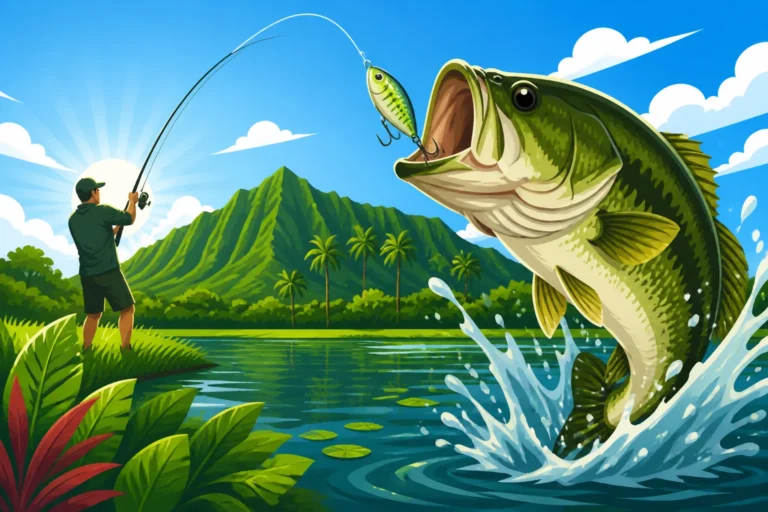
Here, you'll primarily find introduced species such as tilapia and various types of freshwater bass. It's not uncommon to catch largemouth bass or even peacock bass, which can offer a surprisingly strong fight. The banks of Waiakea Pond are generally well-maintained and easily accessible, often with paved pathways and grassy areas perfect for setting up a folding chair. Parking is usually ample, making it a convenient choice. While this area doesn't require an ocean license, it's important to remember that freshwater fishing in Hawaii does have specific requirements, so check out the details on Hawaii freshwater license cost for residents or Hawaii freshwater license cost for nonresidents if you plan on targeting these species. Anglers often use live bait like worms or small pieces of bread, or small artificial lures and soft plastics to entice bites. It's also a great spot for teaching kids how to fish, as the action can be consistent with smaller panfish.
Hilo Pier and Downtown Shoreline
The iconic Hilo Pier, also known as Waiakea Peninsula Pier or the "Bayfront Pier," is a bustling hub for both locals and visitors alike. It offers easy access to deeper water without needing a boat, making it incredibly popular. The pier extends a good distance into the bay, providing opportunities to target a wider range of species than you might from the immediate shoreline.
From the pier, you can expect to catch a variety of papio, often in larger sizes than those found closer to shore. Moi can also be caught here, especially during their seasons. Squid, cut bait, and small live bait are popular choices. Some anglers even try for ulua from the pier, particularly at night, using heavy tackle and sliding bait rigs. The pier also serves as an excellent spot to catch baitfish, such as akule or opelu, with sabiki rigs. Just be mindful of other anglers and boat traffic, as it can get busy, especially on weekends. Along the downtown shoreline adjacent to the pier, there are various smaller rock walls and sandy stretches where you can try your luck with light tackle. These areas are good for whipping for papio or using bait for kumu. Accessibility is generally good, with parking available nearby, though it can fill up during peak times. Remember that while ocean fishing in Hawaii generally doesn't require a license for residents, non-residents do need one, so make sure you understand the Hawaii Fishing License Guide for 2026 requirements.
Coconut Island (Mokuola) and Nearby Flats
Coconut Island, or Mokuola, is a small, picturesque island located just off the Hilo Bayfront. It's connected to the mainland by a pedestrian bridge, making it incredibly accessible and a favorite spot for families and casual anglers. The waters around Coconut Island are predominantly shallow, with sandy flats and some rocky outcrops, making it ideal for light tackle fishing.
The primary targets here are usually papio and various small reef fish. You might also find small crabs hiding in the rocks, which can sometimes be collected for bait (check local regulations for limits on Hawaii crab harvest regulations). The shallow flats are perfect for wading or simply casting from the shore. Kids love the opportunity to spot fish in the clear water, and the calm conditions make it a safe and enjoyable environment. Using small pieces of shrimp, squid, or even bread balls can be effective here. Small artificial grubs or spoons can also entice papio. The scenery is stunning, with views across Hilo Bay to Mauna Kea, making it a peaceful place to spend a few hours. Parking is available at Liliuokalani Gardens, just across the bridge. Always be aware of the tide, as some of the flatter areas can become very shallow at low tide.
Reeds Bay and Liliuokalani Park
Adjacent to Coconut Island, Reeds Bay and the picturesque Liliuokalani Gardens offer further shore fishing opportunities. Reeds Bay is a sheltered cove, often calmer than other parts of the bay, making it another excellent family-friendly spot. The shoreline here features a mix of small beaches and rocky areas.
Anglers in Reeds Bay can expect to catch similar species to Coconut Island – mainly papio and various small reef fish. It’s also a good spot for crabbing with traps or nets if allowed (again, verify current regulations). The calm waters are also popular for kayaking and stand-up paddleboarding, which can extend your fishing range slightly into the bay. Liliuokalani Gardens, with its stunning Japanese architecture and manicured landscapes, provides beautiful backdrops and easy access points along its shoreline. While fishing directly from the ornamental areas is usually discouraged out of respect for the gardens, the fringes along Reeds Bay are generally open. Parking is abundant at Liliuokalani Gardens, making access very easy. These spots are perfect for light spin fishing or bait fishing with a simple setup. For more general advice on shoreline techniques, you might find our guide on Best Shore Fishing Spots in Hawaii helpful.
Boat and Kayak Access within Hilo Bay
While shore fishing in Hilo Bay is fantastic, having access to a boat or kayak truly opens up a world of possibilities. It allows you to reach deeper waters, explore less-pressured spots, and target larger, more elusive species that rarely venture close to shore. Whether you’re trailering your own vessel or looking to rent, Hilo Bay has the infrastructure to support your aquatic adventures.
Hilo Harbor Boat Ramp Facilities
Hilo Harbor is the primary gateway for boaters wanting to access the waters of Hilo Bay and beyond. The harbor features well-maintained public boat ramps that can accommodate a variety of vessel sizes, from small trailer boats to larger offshore sportfishers. There’s usually ample parking for trailers, though it can get busy during popular fishing weekends or holidays.
These ramps provide direct access to the deeper portions of Hilo Bay, allowing anglers to quickly reach areas where larger fish might be holding. From here, you can target larger papio and ulua by trolling or live baiting along the deeper channels and ledges. Moving out towards the mouth of the bay, you start to encounter the possibility of pelagic species like mahimahi, ono, and sometimes even small ahi, especially if you venture a bit further offshore. When launching from Hilo Harbor, it's crucial to be aware of other boat traffic, especially commercial vessels and tour boats. Safety is paramount, so always follow navigation rules and ensure your boat is properly equipped with all required safety gear, as detailed in Hawaii Boating Laws for Anglers. If you’re visiting and don't have your own boat, services like FishingBooker can connect you with local charter captains operating out of Hilo Harbor, offering a range of trips from half-day bay explorations to full-day offshore excursions.
Kayak and SUP Launch Points
For those who prefer a more intimate and quiet approach to fishing, kayaks and stand-up paddleboards (SUPs) are excellent options in Hilo Bay. They offer incredible versatility, allowing you to silently paddle into shallow coves, explore reef edges, and even venture further into the bay on calm days.
Excellent launch points for kayaks and SUPs can be found at Reeds Bay due to its calm, sheltered waters and easy beach access. Coconut Island also offers convenient launching directly from the sand. From these spots, you can paddle out to the shallower reefs around the island or along the breakwalls near the harbor entrance. Kayak fishing is particularly effective for targeting papio and moi along the reef lines. You can cast lures or use small pieces of bait, drifting silently along the structure. For the more adventurous, on calm days, paddling towards the bay’s mouth can put you in range of smaller pelagics, though this requires more experience and caution due to potential boat traffic and ocean swells. Always wear a PFD (personal flotation device), carry a whistle, and be aware of weather conditions, as strong winds can make paddling back a real challenge.
Exploring Nearshore Reefs and Channels
With boat or kayak access, the true potential of Hilo Bay's fishing grounds unfolds. Beyond the immediate shoreline, the bay floor drops off, revealing a network of nearshore reefs, rock ledges, and channels. These structures provide ideal habitat for a variety of fish, offering a chance to escape the crowds and discover productive, less-pressured spots.
For boaters, using a fish finder to locate structure and bait balls is invaluable. Look for sudden changes in depth, rocky pinnacles, or areas where current eddies form. These are often hotspots for bottomfish and cruising predators. Drift fishing with live bait or chunk bait over these structures can yield larger papio and ulua. Jigging with metal jigs is also very effective for triggering strikes from aggressive fish hiding in the rocks. Kayakers can focus on slowly paddling along the edges of visible reef lines, casting into pockets and channels. The quiet approach of a kayak often allows you to get closer to fish without spooking them. Remember to always be respectful of the fragile reef ecosystem and practice sustainable fishing. While a specific Hawaii ocean fishing license for residents is not generally required, understanding Hawaii Fishing Regulations Explained will help you stay compliant with bag and size limits for species like Hawaii Papio and Ulua Size Rules. Exploring these diverse underwater landscapes from a small craft truly enhances the Hilo Bay fishing experience.
Essential Gear and Local Tips for Hilo Bay Fishing
No matter where you choose to fish in Hilo Bay, having the right gear and understanding some local nuances can make all the difference between a frustrating day and a memorable catch. Hawaii fishing often involves adapting to unique conditions, and Hilo Bay is no exception.
Recommended Rods, Reels, and Line
For general shore fishing in Hilo Bay, especially for papio and smaller reef fish, a medium-light to medium action spinning rod, around 7 to 9 feet in length, paired with a 2500-4000 series spinning reel, is a versatile choice. Spool it with 10-20 lb braided line, which offers excellent casting distance and sensitivity, and use a 20-30 lb fluorocarbon leader for abrasion resistance against rocks and invisibility to fish. This setup is perfect for whipping (casting and retrieving lures) for papio. If you're targeting larger ulua from the pier or rocky points, you’ll need to step up your gear significantly. Think heavy-action surf rods (10-14 feet), large conventional or spinning reels (6000-10000 series or larger), spooled with 50-80 lb braided line, and a heavy monofilament shock leader (100-200 lb) to absorb the force of powerful casts and hooksets.
For boat or kayak fishing, a similar range of gear applies, but you might lean towards slightly shorter rods for easier handling in a confined space. For light tackle trolling for smaller pelagics near the bay mouth, a medium-heavy rod with a 30-50 lb conventional reel is appropriate. Don't forget a sturdy pair of pliers for hook removal, a good pair of polarized sunglasses to spot fish and structure, and a comfortable bag or backpack to carry your gear.
Baits, Lures, and Rigs That Work
Hilo Bay offers a wide array of options when it comes to tempting fish. For bait fishing, fresh cut bait like squid, ‘ōpelu (mackerel scad), or akule (bigeye scad) are highly effective, especially for ulua and larger papio. Live bait, if you can catch it (small sabiki-caught baitfish or shrimp), is often irresistible to predatory fish. Don’t underestimate the power of local favorites like limu (seaweed) or 'opihi (limpets) for certain reef species, though be aware of Hawaii Opihi Harvest Limits and Size Rules.
When it comes to lures, metal jigs are a staple for whipping papio and can also attract larger trevally. Popular weights range from 3/8 oz to 2 oz, depending on casting distance and target species. Topwater poppers and stickbaits can create exciting surface strikes, particularly at dawn and dusk. Soft plastics rigged on jig heads can imitate baitfish or crustaceans and work well on the flats and around structure. For bottom fishing from a boat, simple paternoster rigs with circle hooks are effective, baited with squid or cut fish. If you want to learn more about targeting specific species, check out our guide on How to Catch Papio on Hawaii's Shoreline.
Safety and Respecting Local Customs
Fishing in Hawaii comes with unique considerations. Always prioritize safety. When shore fishing, be mindful of rogue waves, especially on rocky points or near areas exposed to open ocean swells. Never turn your back on the ocean. Wear appropriate footwear, like reef shoes or tabi boots, to protect against sharp lava rock and slippery surfaces. If wading, be aware of strong currents and sharp coral. If boating or kayaking, always check marine forecasts and inform someone of your float plan. Services like FishingBooker allow you to communicate with charter captains about safety protocols before you even book a trip.
Beyond physical safety, respecting local customs and the environment is paramount. Hawaii has a rich tradition of fishing, and many local families rely on the ocean for subsistence. Always practice pono (righteousness/harmony) in your fishing. This means not leaving trash, adhering to bag and size limits, avoiding protected areas like Hawaii Marine Life Conservation Districts, Explained (though Hilo Bay doesn't have major MLCDs, the principle applies to any sensitive ecosystem), and generally being a good steward of the ocean. If you see someone fishing, a friendly nod or "Aloha" goes a long way. Never trespass on private property to access fishing spots, and always ask if you’re unsure. By being respectful and responsible, you contribute positively to the local fishing community and ensure these beautiful spots remain vibrant for generations to come.
Hilo Bay Fishing Access Summary
To help you quickly decide where to head out, here's a summary of the prime fishing access points in Hilo Bay:
| Location | Primary Target Species | Accessibility | Best For | Key Considerations |
|---|---|---|---|---|
| Waiakea Pond | Tilapia, Largemouth Bass, Peacock Bass, small Papio | Easy (car, walking) | Family, freshwater, light tackle | Requires freshwater license, calm water, paved paths |
| Hilo Pier | Papio, Moi, Ulua, Baitfish | Easy (car, walking) | Deep water access, bait & lure fishing | Can be crowded, commercial traffic, heavy tackle for ulua |
| Coconut Island | Papio, small reef fish, crabs | Easy (walking) | Light tackle, family, scenic | Shallow flats, good for wading, parking at Liliuokalani Gardens |
| Reeds Bay / Liliuokalani Park | Papio, small reef fish, crabs | Easy (car, walking) | Calm waters, kayak/SUP launch | Sheltered, good for beginners, abundant parking |
| Hilo Harbor Boat Ramp | Papio, Ulua, small Pelagics (by boat), Bottomfish (offshore) | Easy (car w/ trailer) | Boat/Kayak access to deeper bay | Requires boat, aware of commercial traffic, larger fish potential |
Disclaimer
The information provided in this guide is for general informational purposes only and should not be considered legal advice. Fishing regulations in Hawaii, including licensing requirements, bag limits, and protected species, can change. It is your responsibility to consult the latest regulations from the Hawaii Department of Land and Natural Resources (DLNR) Division of Aquatic Resources (DAR) before engaging in any fishing activities. Always prioritize safety and respect local customs and marine life.