Best fishing spots accessible only by boat
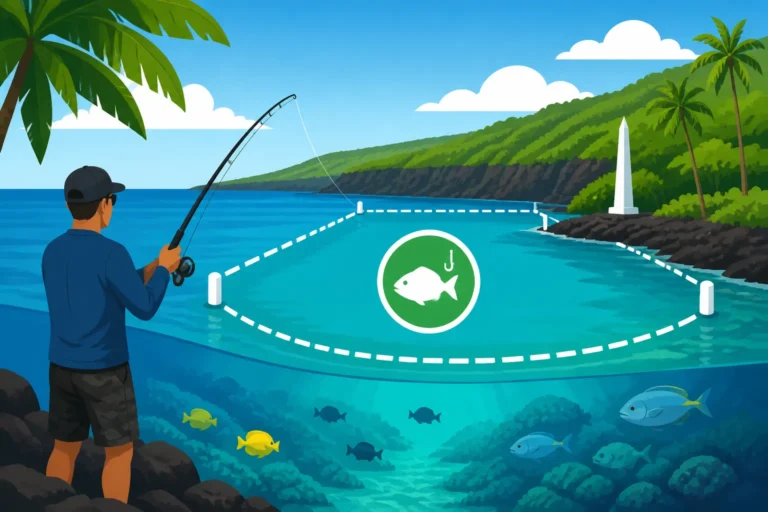
It's no secret that some of Hawaii's most incredible fishing spots are also the most popular, leaving many anglers feeling like they're constantly elbowing for space. If you're tired of crowded shorelines and want to discover those pristine, untapped waters where the fish haven't seen a hook in a while, then this guide is for you. We're going to dive deep into the best fishing spots across the islands that are truly accessible only by boat, unlocking a whole new world of angling opportunities.
Why Boat Access is Key to Unlocking Hawaii's Best Fishing
Let's face it, Hawaii is a paradise, and everyone wants a piece of it. That means many easily accessible fishing locations, especially those reachable by car or a short hike, can get a lot of pressure. The fish in these areas become warier, often smaller, and simply harder to tempt. This can be incredibly frustrating when you're dreaming of that trophy catch or a bountiful dinner.
But there's a secret weapon to escaping the crowds: a boat. When you venture out onto the open ocean, or navigate into remote coves and along rugged coastlines that simply have no road access, you're entering a different world. These boat-only zones often feature thriving, healthy ecosystems where fish aren't constantly dodging lines. You'll find untouched reefs, deeper ledges, and channels that teem with life, offering a truly wild and rewarding Hawaiian fishing experience. It's about getting away from it all and connecting with the ocean on its own terms.
Top Boat-Only Fishing Grounds Across the Islands
Hawaii is blessed with an abundance of diverse marine environments, and many of its most productive spots are, by their very nature, out of reach for land-based anglers. Here are some of the premier boat-accessible fishing grounds you absolutely need to explore.
The Deep-Water Ledges and Canyons of the Kona Coast
When we talk about deep-sea fishing in Hawaii, the Kona Coast of the Big Island immediately springs to mind. What makes it truly special are the dramatic underwater contours — the steep ledges, seamounts, and canyons that drop off quickly to thousands of feet just a few miles offshore. These aren't spots you can reach from a pier or even a long cast from the beach. You need a boat to access these nutrient-rich currents that attract massive pelagic species.
Imagine trolling along the famous "Grander Lane" off Kailua-Kona, a stretch known for its incredible Marlin Fishing off the Kona Coast. Here, the continental shelf virtually disappears, creating an upwelling that brings baitfish closer to the surface, which in turn attracts apex predators like blue marlin, striped marlin, and spearfish. For those targeting yellowfin tuna, often called ahi here, heading out to the FADs (Fish Aggregating Devices) or tracking porpoise schools can be incredibly productive. These FADs, located many miles offshore, are magnet for tuna, dorado (mahimahi), and wahoo (ono). Learning How to Catch Ahi in Hawaii often involves understanding these offshore structures and currents that only a boat can get you to. The sheer thrill of a marlin striking a trolled lure or the explosive run of an ahi is an experience exclusive to those who venture out by boat.
Remote Reefs and Offshore Banks of Maui
Maui offers some fantastic shore fishing, but the real gems, particularly for bottomfish and larger reef species, lie further offshore. Consider the waters beyond La Perouse Bay on the island's remote south side. While the bay itself has some shore fishing, venturing further out by boat opens up access to pristine coral reefs and rocky ledges that are teeming with snapper, trevally (ulua), and various goatfish. These areas are far less pressured than the more accessible inshore spots closer to Lahaina or Kihei.
Similarly, the channel between Maui and Molokai, or the deep drop-offs along the West Maui mountains, hold fantastic opportunities for species like opakapaka (pink snapper) and onaga (ruby snapper). These require specialized gear and knowledge of deep-water bottomfishing techniques, but the rewards are well worth the effort. Charters operating out of Ma'alaea Harbor often target these specific zones. If you’re planning a trip, exploring a comprehensive Maui Fishing Guide can help you pinpoint the best areas and techniques for boat-only access.
The Wild Coastline and Banks of Molokai
Molokai, often called the "Friendly Isle," lives up to its name in terms of its untouched, rugged beauty. The island's north shore, particularly, is a sight to behold with its towering sea cliffs — some of the tallest in the world. This dramatic coastline is virtually inaccessible by land, making it a prime destination for boat-only fishing. The deep waters here hold incredible opportunities for both pelagic and bottom-dwelling species.
Anglers venturing to Molokai's north side can experience exhilarating trolling for ono and mahimahi, often finding less competition than in more heavily trafficked areas. The deep ledges and submerged pinnacles along these cliffs are also fantastic for targeting larger Bottomfish Species of Hawaii. Due to its remote nature, it’s advisable to go with an experienced local captain or ensure your private vessel is well-equipped for open ocean conditions. Many fantastic Molokai Fishing Spots can only truly be explored with proper boat access.
Kauai's Na Pali Coast and Offshore Seamounts
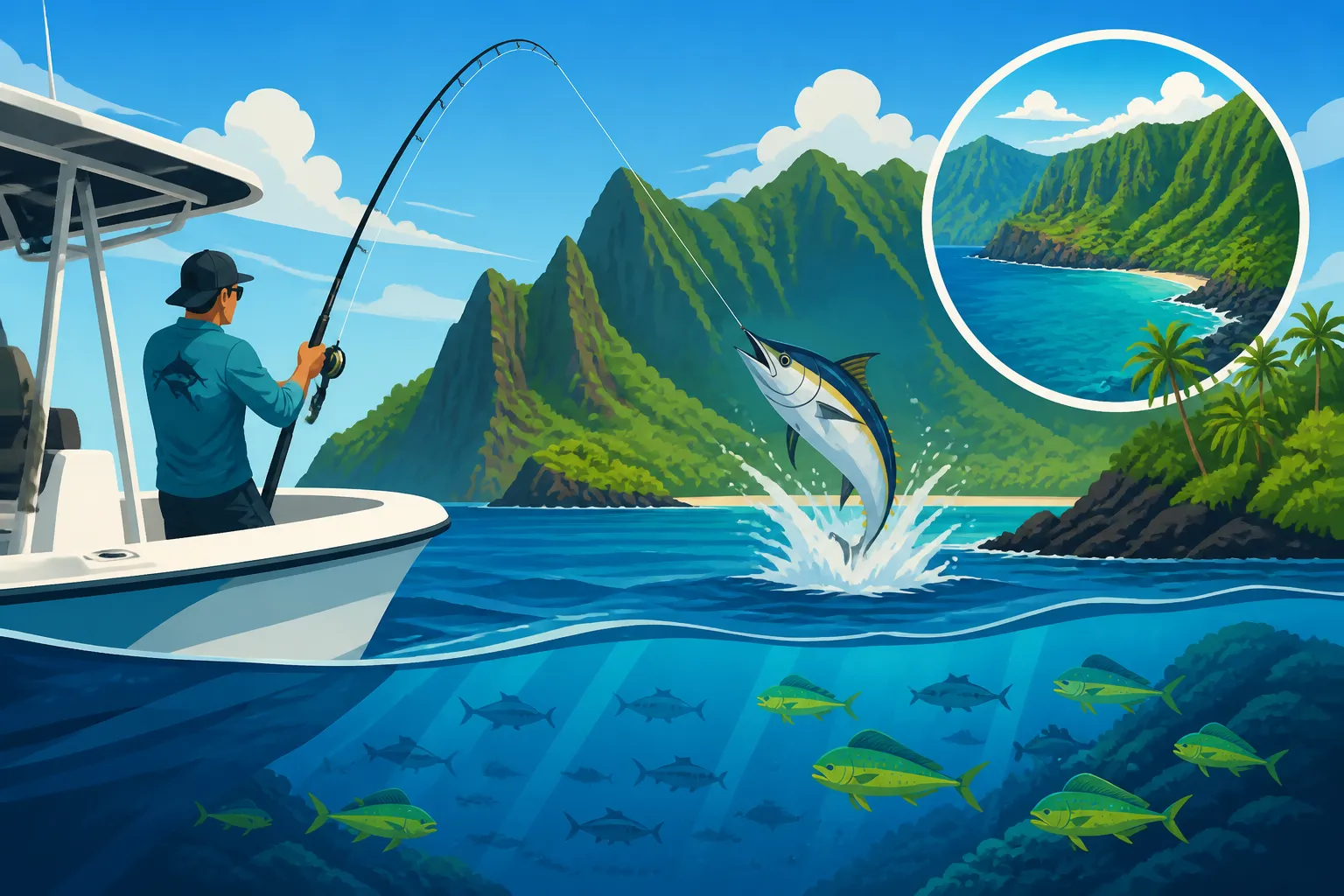
Kauai's Na Pali Coast is another stunning example of Hawaii's wild beauty, characterized by its dramatic cliffs, lush valleys, and hidden sea caves. Like Molokai's north shore, the Na Pali Coast is almost entirely inaccessible by road, making boat travel the only way to experience its full majesty and, crucially, its phenomenal fishing.
Trolling along the Na Pali Coast can yield excellent results for ono, mahimahi, and various tuna species. The deeper waters just offshore from these cliffs are known for their strong currents and abundant baitfish, making them a magnet for predatory game fish. Beyond the immediate coastline, Kauai also has several productive offshore seamounts and FADs that require a significant boat ride. These offer exceptional opportunities for larger tuna, marlin, and deep-water bottomfish like those prized opakapaka and onaga. For a deeper dive into what you can expect, consult a detailed Kauai Fishing Guide.
| Location / Type of Spot | Primary Target Species | Best Techniques | Accessibility (Boat Type) | Key Features |
|---|---|---|---|---|
| Kona Coast Canyons | Marlin, Ahi, Ono, Mahi | Trolling, Jigging | Offshore Charter/Private Large Vessel | Deep drop-offs, FADs, currents |
| Maui Offshore Reefs | Bottomfish, Ulua, Moi | Bottomfishing, Drifting | Nearshore Charter/Private Small-Medium Vessel | Pristine reefs, ledges |
| Molokai North Shore | Ono, Mahi, Ahi, Bottomfish | Trolling, Deep Dropping | Offshore Charter/Private Large Vessel | Steep cliffs, remote, strong currents |
| Na Pali Coast (Kauai) | Ono, Mahi, Tuna, Ulua | Trolling, Bottomfishing | Offshore Charter/Private Large Vessel | Dramatic cliffs, deep water close to shore |
| Statewide FADs | Ahi, Mahimahi, Ono, Marlin | Trolling, Live Bait, Jigging | Offshore Charter/Private Large Vessel | Man-made fish aggregators, often miles out |
| Penguin Bank | Bottomfish (Opakapaka, Onaga) | Deep Dropping, Jigging | Offshore Charter/Private Large Vessel | Large, submerged bank, significant boat ride |
Planning Your Boat Trip to Remote Hawaii Fishing Spots
Embarking on a boat trip to Hawaii's more remote fishing grounds requires careful planning, whether you're bringing your own vessel or hiring a seasoned pro.
Choosing Your Vessel or Charter
If you're fortunate enough to have your own boat, ensure it's properly maintained, well-equipped for open ocean conditions, and capable of covering significant distances. Offshore fishing in Hawaii can mean long runs to distant FADs or seamounts, so fuel capacity and seaworthiness are paramount. You’ll also need to be well-versed in Hawaii Boating Laws for Anglers and ensure your vessel meets all safety requirements.
For many, especially visitors, hiring a fishing charter is the best way to access these remote locations. Local captains possess invaluable knowledge about current conditions, productive spots, and effective techniques. When looking for a charter, consider using reputable platforms like FishingBooker, which allows you to compare different boats, read reviews, and find captains specializing in offshore trolling or deep-drop bottomfishing. A good starting point would be checking out articles like How to Choose a Hawaii Fishing Charter or Best Fishing Charters in Hawaii. These resources can help you vet captains and ensure they have the experience and safety record needed for remote excursions.
Understanding Weather and Ocean Conditions
The ocean can be unpredictable, especially in the vast expanse surrounding the Hawaiian Islands. Always check the marine forecast before heading out, paying close attention to wind speed, swell height, and visibility. Calm seas are ideal for comfort and safety, particularly when venturing far from shore. Conditions can change rapidly, so having a good weather app and radio communications on board is crucial.
Strong currents are also a factor around Hawaii, particularly near points, channels, and offshore banks. These currents, while often bringing in bait and game fish, can also create challenging conditions. An experienced captain will know how to navigate these currents safely and effectively to position the boat for optimal fishing.
Navigating Regulations and Safety
Even in remote waters, Hawaiian fishing regulations still apply. Familiarize yourself with the statewide Hawaii Fishing Regulations Explained, including bag and size limits for various species. For pelagic species, there are often specific Hawaii Pelagic Species Bag Limits that apply. While most recreational fishing doesn't require complex permits beyond a general fishing license (for freshwater, at least – check if you need a Hawaii Fishing License Guide for 2026 for your specific situation, as ocean licenses are generally not required for residents but are for non-residents in freshwater), it's always good practice to stay informed.
Safety should always be your top priority. Ensure your boat (or your chosen charter) is equipped with all necessary safety gear, including life jackets for everyone on board, flares, a first-aid kit, and reliable communication devices like a VHF radio and possibly a satellite phone or EPIRB for true offshore ventures. A handy Hawaii Required Boat Safety Equipment Checklist can ensure you're prepared. Always let someone on shore know your float plan – where you're going and when you expect to return.
Essential Gear and Safety for Boat-Accessible Fishing
When you're heading out to those remote, boat-only spots, your gear and preparation need to be top-notch. These aren't places where you can easily run back to shore for a forgotten item or tackle malfunction.
Specialized Fishing Tackle
For the kind of trophy fish found in Hawaii's boat-accessible waters, heavy-duty tackle is a must.
- Offshore Trolling: For marlin, ahi, ono, and mahimahi, you'll want stout conventional reels paired with 50-80 lb class rods. Spool up with heavy monofilament or braided line, and have a good selection of high-quality trolling lures in various sizes and colors. Live bait, like opelu or akule, can also be deadly when slow-trolled or used for pitching to busting fish.
- Deep-Drop Bottomfishing: Targeting opakapaka, onaga, and other deep-water bottomfish requires even more specialized gear. Electric reels are often used to manage the extreme depths (hundreds to over a thousand feet) and heavy lead weights needed to get your bait down. Strong braided line (80-200 lb test) is essential, along with sturdy leaders and multiple hook rigs baited with squid, cut fish, or even whole dead bait.
- Heavy Spinning Gear: Don't forget a couple of heavy-duty spinning setups for casting to schooling fish or pitching baits to feeding frenzies you might encounter offshore. A 6000-10000 size reel spooled with 50-80 lb braid on a medium-heavy rod can handle most impromptu encounters.
Always bring extra leader material, hooks, weights, and lures. Snags happen, and fish can break you off. Having backup ensures your trip isn't cut short by a simple gear loss.
Navigation and Communication Equipment
Reliable navigation is non-negotiable when venturing far offshore. A good GPS chartplotter with up-to-date Hawaiian charts is essential. Many modern units also integrate sonar, which can be invaluable for locating underwater structure, baitfish schools, and even individual game fish. For deeper bottomfishing, a high-frequency chirp sonar is a huge advantage.
Communication devices are also critical. A VHF marine radio allows you to communicate with other boats and the Coast Guard, typically up to 20-30 miles offshore. For trips further out, a satellite phone or a personal locator beacon (PLB) / EPIRB is highly recommended. Cell phone service can be spotty or non-existent once you're a few miles from shore.
Personal Comfort and Safety Items
While the focus is often on the fishing gear, don't overlook personal comfort and safety.
- Sun Protection: The Hawaiian sun is intense. Bring plenty of high-SPF sunscreen, wide-brimmed hats, sunglasses, and long-sleeved, breathable clothing. Sunburn can quickly ruin a trip.
- Hydration and Food: Bring more water than you think you'll need. Offshore trips can be long and dehydrating. Pack plenty of snacks and meals, especially if you plan to be out for a full day or longer.
- Seasickness Medication: If you're prone to seasickness, take preventative medication well before you depart. Offshore swells can be significant, and getting sick can make the trip miserable for you and potentially others.
- First-Aid Kit: A well-stocked first-aid kit, including items for cuts, scrapes, headaches, and motion sickness, is a must-have.
- Coolers and Ice: Ensure you have ample cooler space and ice to properly store your catch. Freshly caught Hawaiian fish is a delicacy, and proper handling ensures its quality.
Venturing to Hawaii's boat-only fishing spots promises an unparalleled angling adventure, offering the solitude, challenge, and immense rewards that come from exploring truly wild waters. With the right preparation, knowledge, and respect for the ocean, you’ll unlock experiences that few others ever get to enjoy.
Disclaimer
Please be aware that fishing regulations in Hawaii, including license requirements, bag limits, and protected areas, can change. It is always the angler's responsibility to check the most current regulations issued by the Hawaii Department of Land and Natural Resources (DLNR) Division of Aquatic Resources (DAR) before heading out. This guide is for informational purposes only and should not be considered a substitute for official legal advice or up-to-date regulation checks. Always prioritize safety on the water and practice responsible fishing to help conserve Hawaii's precious marine resources.