Best fishing spots within an hour of Kailua-Kona
It can be incredibly frustrating when you're visiting a prime fishing destination like Kailua-Kona, but you don't know where to even begin looking for a good spot without driving for hours. You want to make the most of your limited time, especially if you're on a family vacation or a quick getaway. This comprehensive guide will help you pinpoint the best fishing spots within an hour's drive (or a short boat ride) of Kailua-Kona, ensuring you spend less time searching and more time with a line in the water.
Exploring the Abundant Waters Near Kailua-Kona
Kailua-Kona, nestled on the Big Island's leeward coast, isn't just a picturesque town; it's a world-renowned fishing hub, largely thanks to its incredibly deep waters that lie surprisingly close to shore. The volcanic topography drops off dramatically just a few miles out, creating a natural highway for pelagic species like marlin, tuna, and mahimahi. But it's not all about the offshore giants; the shoreline also offers fantastic opportunities for anglers seeking a more relaxed experience. You truly have a diverse range of fishing experiences at your fingertips, all within a reasonable commute.
Why Kona's Waters Are So Unique
The sheer drop-off of the ocean floor, often referred to as the "Kona fishing grounds," is what sets this area apart. This unique geological feature creates a deep-water canyon effect, bringing nutrient-rich currents close to the coast. These currents attract vast schools of baitfish, which in turn draw in the larger predatory species that anglers dream of. The relatively calm seas on the leeward side of the island, shielded from the prevailing trade winds, also make for more comfortable boating conditions, which is a huge bonus for anyone prone to seasickness or just wanting a smoother ride.
Variety of Fishing Experiences Within Reach
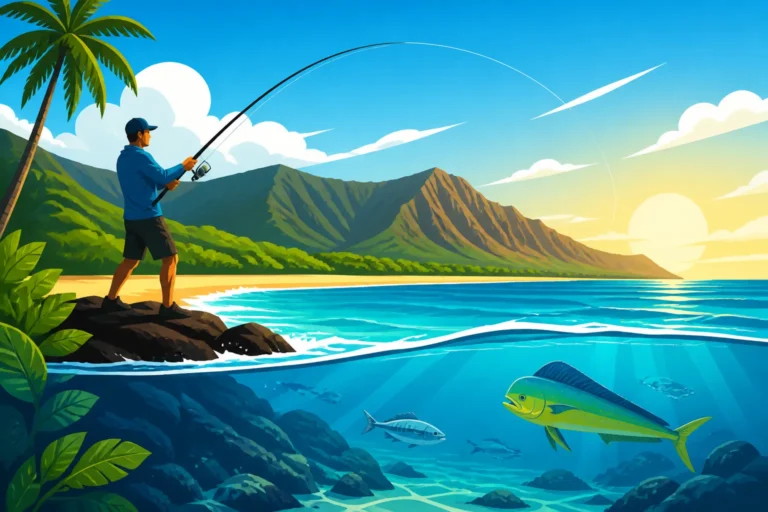
Whether you're an avid big-game enthusiast looking to land a grander marlin, a family hoping to catch some reef fish for dinner, or a shore angler seeking the thrill of a hard-fighting ulua, Kailua-Kona delivers. You can literally be casting from a rocky point one morning and battling a yellowfin tuna miles offshore by the afternoon, all without traveling far from your accommodation. This accessibility to such varied fishing environments is truly special and makes Kona a top-tier destination for anglers worldwide.
Prime Offshore Fishing Grounds Accessible from Honokohau Harbor
For most anglers seeking the thrill of deep-sea fishing off the Kona Coast, Honokohau Harbor is your primary gateway. Located just a short drive north of Kailua-Kona town, this bustling harbor is home to the vast majority of Kona's charter fleet. From here, you're minutes away from some of the most productive waters in the Pacific, known for their consistency in producing world-class catches. When you're considering a trip, this is where you'll typically start your adventure.
The Famous "Grander Lane"
Just beyond the mouth of Honokohau Harbor, the ocean floor plunges dramatically, creating what locals affectionately call "Grander Lane." This stretch of deep water, often marked by the 100-fathom curve, is legendary for its abundance of marlin, particularly blue marlin. While no guarantee exists in fishing, this area provides prime habitat for these majestic billfish. Most experienced captains will spend their day trolling lures or live bait up and down this productive zone, often within sight of the Big Island's coastline. You don't have to venture far from shore to be in prime big-game territory here. To learn more about what you can expect on a deep sea trip, check out our guide on how to choose a Hawaii fishing charter.
Fishing Aggregating Devices FADs
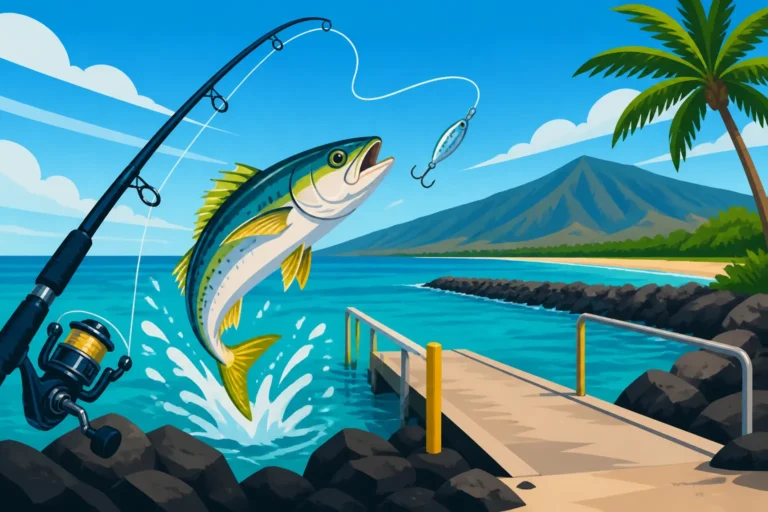
Further out, but still well within an hour's run for most charter boats, are the Fishing Aggregating Devices, or FADs. These buoys are strategically placed by the Hawaii Division of Aquatic Resources (DAR) to attract pelagic fish like ahi (yellowfin tuna), mahimahi, ono (wahoo), and even marlin. These FADs act like oceanic oases, concentrating baitfish and, consequently, the predators that feed on them. Fishing around these FADs often involves trolling, jigging, or live-baiting, and the action can be fast and furious. Many charter boats specialize in FAD fishing when the bite is on, offering a chance at multiple species in one outing. Finding a reputable charter is key, and services like FishingBooker can help connect you with experienced captains who know these spots intimately.
Bottomfishing Nearshore
While Kona is famous for its pelagics, there are also incredible opportunities for bottomfishing within an hour's boat ride from the harbor. These nearshore reefs and ledges, some in depths ranging from 60 to 300 feet, hold a plethora of delicious deep-water species such as opakapaka (pink snapper), onaga (ruby snapper), ehu (red snapper), and hapu'upu'u (grouper). Unlike trolling for marlin, bottomfishing often involves drifting over structure with cut bait or vertical jigs. It’s a different kind of thrill, feeling those deep thumps on your line, and it's fantastic for putting fresh fish on the dinner table. If you're keen on exploring the depths, consider a dedicated bottomfishing charter. Our article on Bottomfish Species of Hawaii delves deeper into what you might encounter.
Accessible Shore Fishing Hotspots Near Kailua-Kona
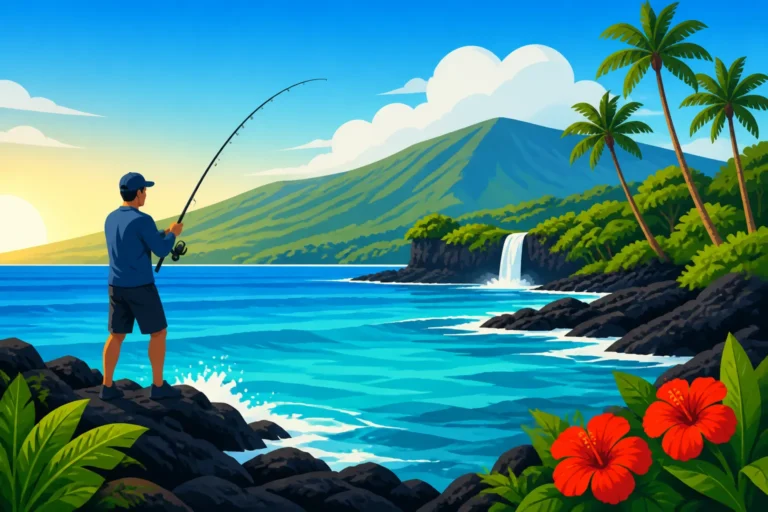
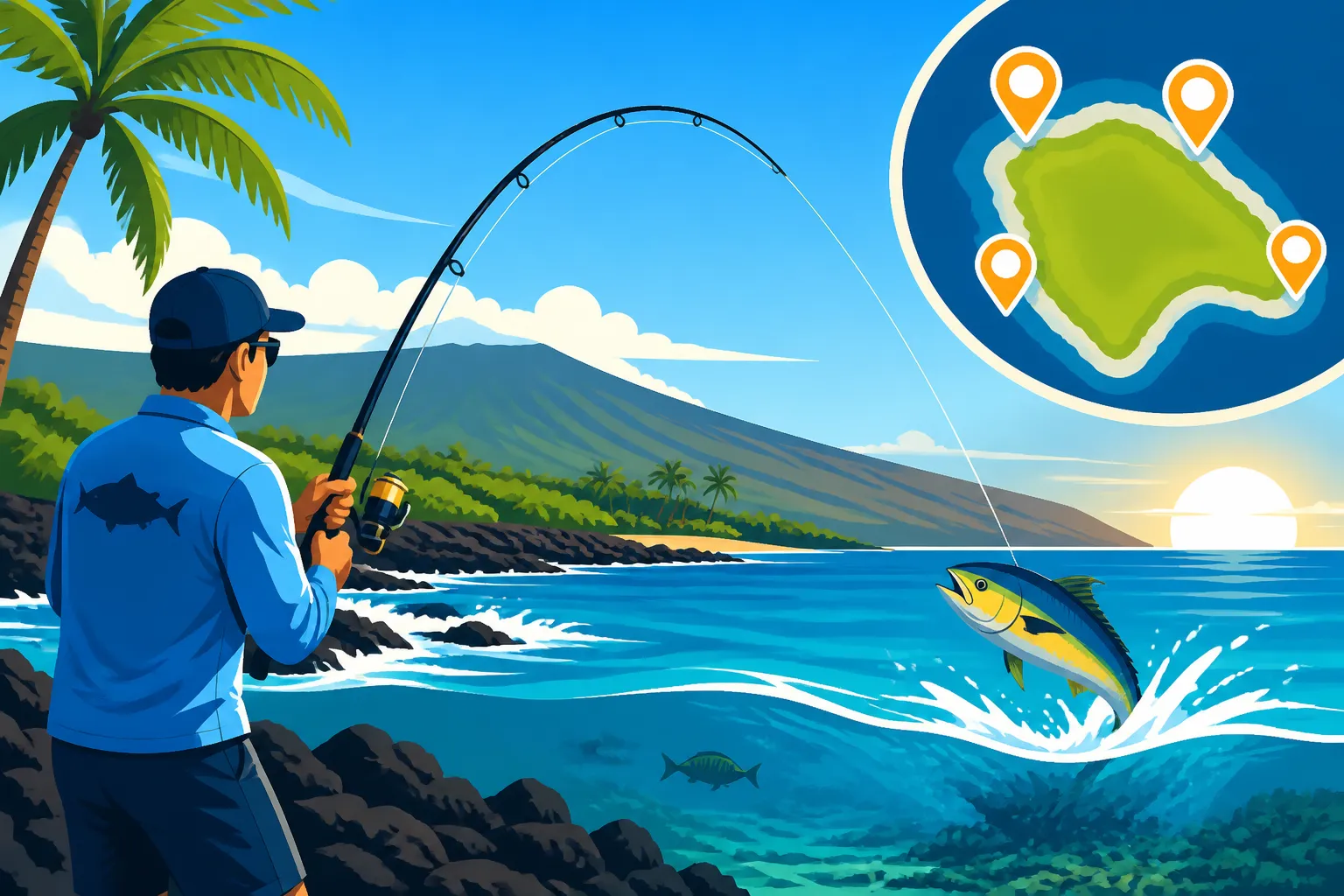
Not everyone wants to spend their day on a boat, and thankfully, the Kailua-Kona area offers plenty of fantastic shore fishing opportunities that are easily accessible. From rocky lava flows to sandy coves, you can find a spot to cast a line without needing a vessel. The beauty of shore fishing here is the sheer diversity of species you can encounter, from hard-fighting ulua and papio to reef fish like kumu and uhu.
Kailua Pier and Kailua Bay
Right in the heart of Kailua-Kona town, Kailua Pier is perhaps the most iconic and accessible shore fishing spot. It's a popular gathering place for locals and visitors alike, offering a safe and convenient platform to cast into Kailua Bay. Here, you can expect to catch papio (juvenile trevally), various reef fish, and sometimes even small barracuda or needlefish. Early mornings and late evenings are often the most productive, especially for papio that move into the bay to feed. It's also a great spot for families with kids, as the action can be steady, and the atmosphere is relaxed. Just be mindful of swimmers and divers, especially during peak daytime hours.
Honokohau Harbor Jetty
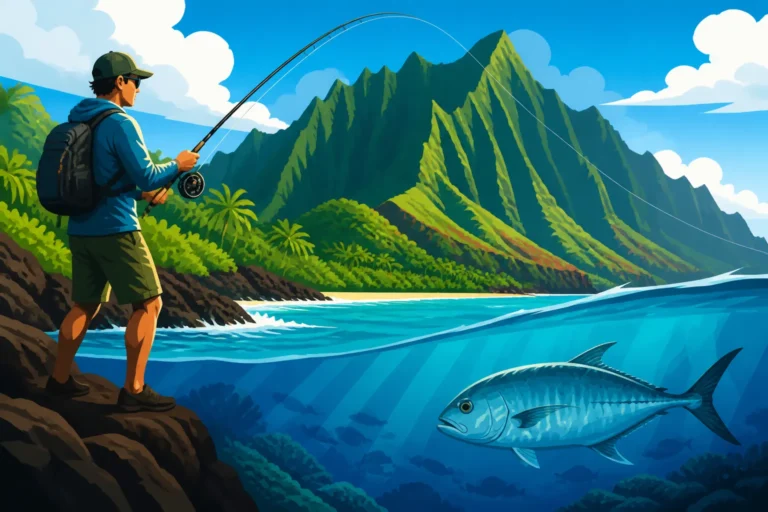
The jetties flanking the entrance to Honokohau Harbor offer another excellent shore fishing option. The lava rock structure provides cover for baitfish, which in turn attracts predators. Anglers here often target ulua (giant trevally) using heavy tackle and sliding bait rigs, especially during night tides. Papio are also common, caught by whipping small lures or baits. Be prepared for strong currents, especially on outgoing tides, and always prioritize safety on the slippery rocks. Access is straightforward, with parking available near the harbor. For more details on catching these elusive giants, read our guide on how to catch Ulua from Shore.
Old Kona Airport State Recreation Area
Just north of Kailua-Kona town, the Old Kona Airport State Recreation Area boasts a long stretch of rocky coastline that's perfect for shore casting. This area offers ample space to spread out, avoiding crowds, and provides access to deeper water relatively close to shore. Anglers here can target a variety of reef and pelagic species that cruise the coastline. Whipping with spoons or plastics can yield papio and small trevally, while bait fishing with heavier gear might hook an ulua or even a small shark. The lava rock can be treacherous, so sturdy footwear is a must. It's a fantastic spot for a sunset fishing session with plenty of space to enjoy the view.
Unique Fishing Experiences and Considerations
Beyond the main offshore and shore fishing locations, the Kailua-Kona area also offers some distinctive fishing opportunities and important factors to keep in mind. From freshwater options (yes, in Kona!) to essential safety tips, it's worth being aware of these aspects to make your fishing adventure as successful and enjoyable as possible.
Kayak Fishing Adventures
For those looking for a more intimate and adventurous experience, kayak fishing has become increasingly popular around Kona. Launching from various points along the coast, kayakers can quickly access nearshore reef systems and even venture out to shallower FADs. Species like mahi-mahi, small tuna, and various reef fish are common catches. The exercise, combined with the thrill of paddling and hooking into a strong fish from a small craft, is an unforgettable experience. Popular launch spots include Kamakahonu Beach (next to Kailua Pier) or areas near Honokohau Harbor, but always check local regulations and safety guidelines before launching. Many local outfitters offer kayak rentals and guided tours. If you're interested in this method, explore our guide on Best Kayak Fishing Spots in Hawaii.
Freshwater Fishing Nearby
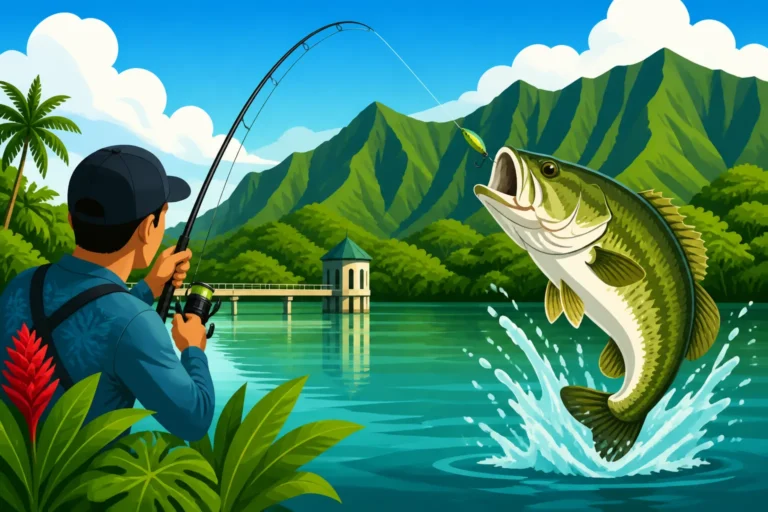
While Hawaii is predominantly known for its ocean fishing, the Big Island does offer a few freshwater fishing opportunities. While not directly "in" Kailua-Kona, the Wahiawa Reservoir (often associated with Oahu, but there are other freshwater spots) or the Kokee Public Fishing Area on Kauai are examples of places where you can target species like rainbow trout, largemouth bass, and peacock bass. On the Big Island itself, look into local ponds or reservoirs, though these are often less publicized and may require more local knowledge to access. Always check the Hawaii Freshwater Fishing License and Rules before planning a trip, as permits and regulations differ significantly from marine fishing.
Essential Gear and Safety Tips
No matter where you choose to fish around Kona, having the right gear and prioritizing safety is paramount. For shore fishing, a sturdy rod and reel combo capable of handling 20-50lb test, a selection of hooks, weights, and lures, and some local bait like opihi or shrimp will get you started. For offshore, charter boats will provide all necessary gear.
Safety Table for Kailua-Kona Anglers
| Aspect | Recommendation | Importance |
|---|---|---|
| Sun Protection | High-SPF sunscreen, wide-brimmed hat, polarized sunglasses, long-sleeve shirts. | Intense tropical sun can cause severe burns and eye damage. |
| Footwear | Closed-toe, non-slip shoes or wading boots, especially for rocky shorelines. | Lava rock is sharp and slippery; prevent cuts and falls. |
| Water & Hydration | Carry plenty of water, even for short trips. | Dehydration is a serious risk in Hawaii's climate. |
| Local Knowledge | Talk to local anglers, tackle shop owners, or hire a guide. | Tides, currents, and hidden hazards vary greatly by location. |
| Buddy System | Never fish alone, especially in remote or challenging areas. | Essential for safety in case of an accident. |
| Emergency Prep | Fully charged phone, basic first-aid kit, know emergency contacts. | Be ready for unexpected situations. |
| Fish Handling | Use appropriate tools (pliers, gloves) for sharp-toothed fish. | Protect yourself and the fish. |
| Respect Wildlife | Maintain distance from monk seals, turtles, and protected marine life. | It's illegal to disturb them, and it's good practice. |
Always double-check the Hawaii Fishing Regulations Explained before heading out, as rules for bag limits, size restrictions, and protected species are strictly enforced to preserve Hawaii's unique marine ecosystem. Many local tackle shops, like West Hawaii Today's Fishing Report or J. Hara Store, can offer up-to-the-minute advice on conditions and what's biting.
Local Insights and Best Practices
To truly make the most of your fishing within an hour of Kailua-Kona, tapping into local knowledge and adhering to best practices can make all the difference. Hawaii has a rich tradition of fishing, and understanding some of these nuances will enhance your experience, both in terms of success and respecting the local culture and environment.
Timing is Everything
Just like anywhere else, certain times are better for fishing in Kona. For offshore pelagics, early mornings often offer the best bite, as fish are actively feeding. Many charters depart well before sunrise to be on the grounds by first light. For shore fishing, dawn and dusk, or the incoming and outgoing tides, are generally the most productive periods. These "crepuscular" times, when light levels are changing, often trigger feeding frenzies among reef fish and opportunistic predators like ulua and papio. Even the moon phase can influence ulua activity. When planning your trip, consider Hawaii Fishing Seasons by Month to align your visit with peak activity for your target species.
Respecting the 'Aina (Land) and Kai (Sea)
In Hawaii, there's a deep cultural respect for the natural environment. When you're fishing, this means practicing responsible angling. Take out everything you bring in, and ideally, pick up any litter you find. Avoid damaging coral reefs or disturbing marine life. If you're using bait, ensure it's not an invasive species that could harm the local ecosystem. And always be mindful of others sharing the space, whether they are fellow anglers, swimmers, or surfers. This mindful approach not only preserves the environment for future generations but also fosters a positive experience for everyone involved.
Utilizing Local Resources
Don't hesitate to visit local tackle shops in Kona. Places like J. Hara Store in downtown Kona or smaller bait shops near Honokohau Harbor are invaluable resources. The staff are often avid anglers themselves and can provide current information on what's biting, the best baits and lures, and any recent regulation changes. They might even share a secret spot or two if you're friendly! They're also great places to pick up local-style rigs that are proven to work in Hawaiian waters. If you're booking a charter, don't be afraid to ask about the captain's experience and what species they typically target. Websites like FishingBooker often provide detailed information and reviews, helping you select the perfect charter for your Kailua-Kona adventure.
Disclaimer
Fishing regulations and conditions can change rapidly. Always consult the official Hawaii Department of Land and Natural Resources (DLNR) Division of Aquatic Resources (DAR) website for the most current rules, licensing requirements, and advisories before heading out on any fishing trip. Your safety and adherence to local laws are your responsibility.