Best fishing spots within an hour of Honolulu
Feeling the itch to cast a line in Hawaii but don't want to spend half your precious day driving to some remote spot? It's a common frustration for both visitors and kama'aina living in the bustling heart of Honolulu – you know there's incredible fishing, but navigating the city traffic and finding genuinely accessible spots can feel like a mission. This guide is all about cutting through that noise, pinpointing the best fishing locations that are conveniently located within an hour's drive of Honolulu, ensuring you spend less time commuting and more time reeling in your next catch.
Urban Fishing Havens: Easy Access from Honolulu
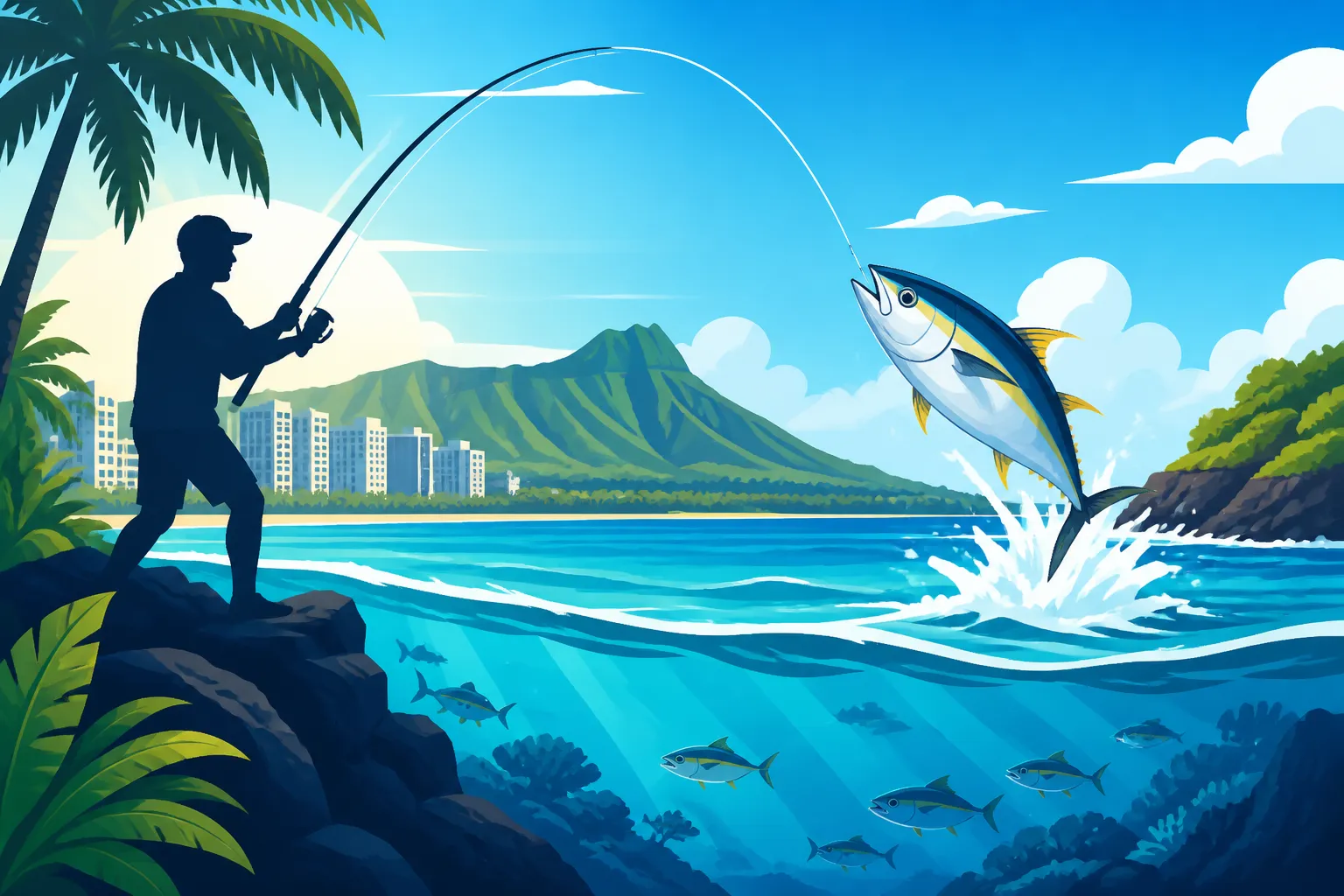
Honolulu might be a concrete jungle, but it's also cradled by an abundant ocean, offering surprisingly robust fishing opportunities right at its edges. These spots are perfect for those quick trips after work, a family outing, or just when you need a dose of saltwater therapy without a long journey.
Kewalo Basin and Ala Moana Beach Park
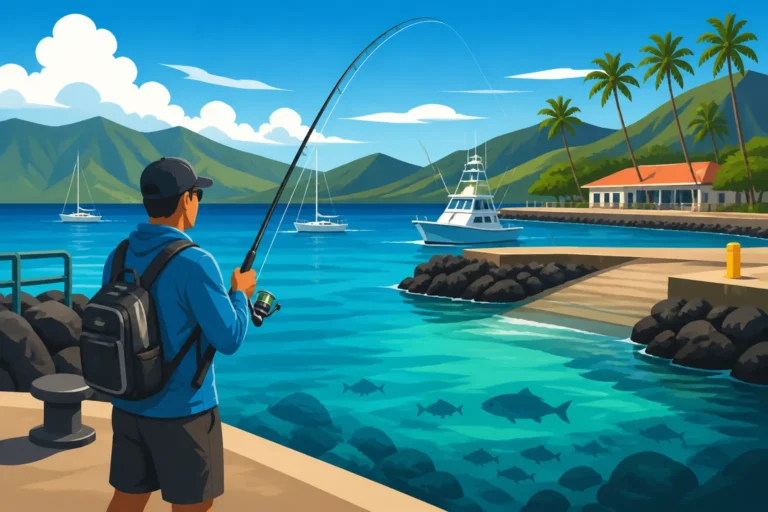
Nestled right on the edge of the city, Kewalo Basin and the adjacent Ala Moana Beach Park offer a fantastic blend of convenience and diverse fishing prospects. Kewalo Basin is primarily a working harbor, bustling with fishing charters and commercial boats, but its perimeter and the channels leading in and out can be very productive. You'll often find anglers lining the edges, trying their luck for papio (juvenile trevally), small reef fish, and even occasional moi (Pacific threadfin) when they're in season. The atmosphere here is lively, with boats coming and going, and plenty of space to set up your gear. It’s an ideal spot if you’re staying in Waikiki or downtown and don't have a car, as it's easily reachable by public transport or a short taxi ride.
Just next door, Ala Moana Beach Park provides a different vibe. With its long, protected stretch of sandy beach and reef, it’s a popular spot for families, swimmers, and casual anglers alike. Light tackle is usually the way to go here, whipping small lures or bait fishing with shrimp or squid. Imagine casting a small spoon into the clear waters, hoping for a flash of silver as a papio chases it down. It's a great place to introduce kids to fishing, as the waters are generally calm, and there's usually some action to keep them engaged. While you won't be targeting grander marlin here, the thrill of a bending rod, even for a smaller catch, is what it's all about. Just remember to be mindful of swimmers and sunbathers, especially during peak hours.
For those looking to expand their skills, understanding How to Catch Papio on Hawaii's Shoreline can be incredibly helpful for these urban spots. The techniques are often simpler, making them perfect for honing your casting and retrieval.
Sand Island and Keehi Lagoon
Just a stone's throw from Honolulu International Airport, Sand Island State Recreation Area offers a unique fishing experience, quite different from the beach park setting. This area, with its blend of industrial backdrop and surprisingly pristine flats, is renowned among local anglers for its bonefish (oio). These ghost-like fish are elusive and offer an incredible challenge on light tackle, often requiring keen eyesight and delicate presentations. Beyond bonefish, you can also find papio, barracuda, and various reef species patrolling the channels and drop-offs. Access is straightforward, and there's plenty of parking, making it an easy escape from the city hustle.
Keehi Lagoon, adjacent to Sand Island, provides extensive shallow flats, perfect for wade fishing or exploring by kayak. The murky waters here can hold a surprising amount of life, from hungry papio ambushing baitfish to cruising bonefish. For the avid bonefish angler, sight fishing with small jigs or natural baits like crabs can be incredibly rewarding. Picture yourself slowly wading through the warm, waist-deep water, scanning for the tell-tale tailing of a bonefish as it roots for food in the sand. This area truly offers a sense of wilderness within minutes of the urban core, a testament to Hawaii's diverse ecosystems.
However, fishing at Sand Island and Keehi Lagoon requires a bit more situational awareness due to the proximity to boat channels and airport operations. Always be vigilant of boat traffic, especially if you're wading or kayaking. Despite the industrial surroundings, the fishing can be exceptionally good, providing a quick fix for anglers seeking a memorable catch. If you’re serious about chasing Oio, a deeper dive into Best Bonefishing Spots in Hawaii will undoubtedly point you to these productive flats.
Pier Fishing Opportunities
When it comes to easy-access fishing right in the city, you can't beat the simplicity and community of pier fishing. While Honolulu isn't dotted with a huge number of expansive fishing-only piers, the pier at Ala Moana-Kewalo Basin is a popular choice. It extends into the channel, offering access to deeper water than the shoreline, making it ideal for targeting a wider variety of species. From bottom-dwelling reef fish like goatfish and snapper to cruising papio and even occasional small pelagics, the pier can be surprisingly productive. It’s a fantastic spot for a casual afternoon, often shared with other anglers, offering a chance to swap stories and tips.
The beauty of pier fishing lies in its low barrier to entry. You don't need a boat, and often, less specialized gear is required. A simple bottom rig with a weight and hook, baited with anything from shrimp to cut bait, can yield results. Many locals will use sabiki rigs to catch baitfish like opelu or akule, and then use those live baits for larger predatory fish. Imagine the gentle sway of your rod tip as you wait for a bite, the sound of the ocean, and the Honolulu skyline twinkling in the distance. It’s a peaceful yet social way to enjoy fishing.
It’s always a good idea to check local signage for any specific rules or restrictions regarding fishing from piers, such as limitations on cast netting or spearfishing. For a broader overview of similar accessible locations, looking into Best Pier Fishing Spots in Hawaii can help you discover other productive spots not just around Honolulu but across the islands. This type of fishing is perfect for those times when you just want to grab a rod and go, without the hassle of a big expedition.
Windward Oahu Wonders: A Short Drive Away
Escape the immediate urban sprawl and head towards the stunning Windward side of Oahu, often just a 30-45 minute drive from Honolulu. The scenery transforms dramatically, with lush green mountains meeting the vibrant turquoise ocean, offering a completely different fishing backdrop and a bounty of diverse species.
Kaneohe Bay's Diverse Fisheries
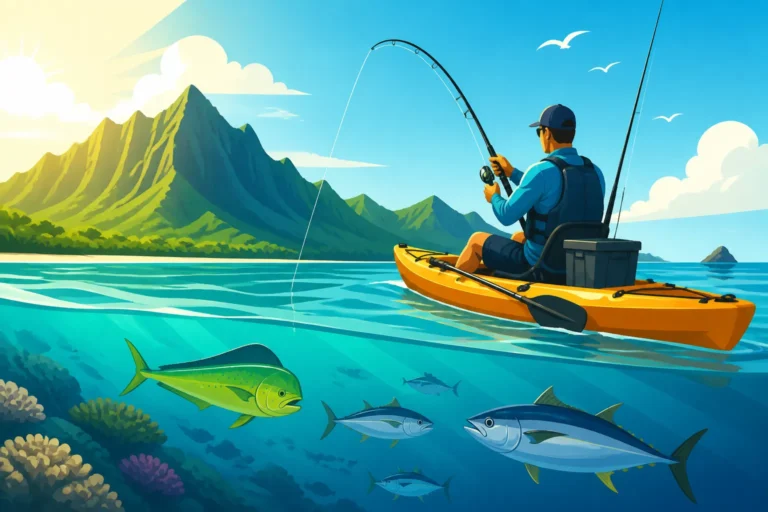
Kaneohe Bay, with its unique barrier reef system, is a gem for anglers seeking variety within a short drive of Honolulu. The drive itself, over the Pali Highway, is breathtaking, preparing you for the natural beauty of the Windward coast. The bay is huge, offering sheltered waters perfect for kayak fishing, small boat excursions, or even shore fishing from various access points. Here, you can expect to find everything from papio and ulua patrolling the reef edges to various snapper, goatfish, and even small pelagics like skipjack tuna (aku) closer to the bay's mouth. The calm waters inside the bay make it incredibly versatile for different fishing styles.
For those with a kayak or a small skiff, Kaneohe Bay truly shines. You can explore vast coral heads, drop-offs, and sand flats. Trolling small lures for papio, casting into pockets in the reef for reef fish, or drifting with bait can all be highly effective. Picture yourself paddling out at dawn, the Ko'olau mountains painted against the rising sun, and the calm waters reflecting the sky. Then, suddenly, your line goes taut as a strong papio makes a run. It's an experience that feels miles away from the city. Even if you don't own a boat, there are several public access points for shore fishing, especially around the edges of the bay and near the sandbars.
However, Kaneohe Bay is also home to several Hawaii Marine Life Conservation Districts, Explained, which are strictly protected areas where fishing is prohibited. It's absolutely crucial to be aware of these boundaries before you cast a line, as ignorance is no excuse for violating conservation rules. You can find maps and detailed information from the Hawaii Department of Land and Natural Resources (DLNR). Understanding these specific zones is vital for responsible fishing in the bay. For a detailed breakdown, checking resources on Best fishing spots in Kaneohe Bay would be highly beneficial.
Waimanalo and Makapu'u Point
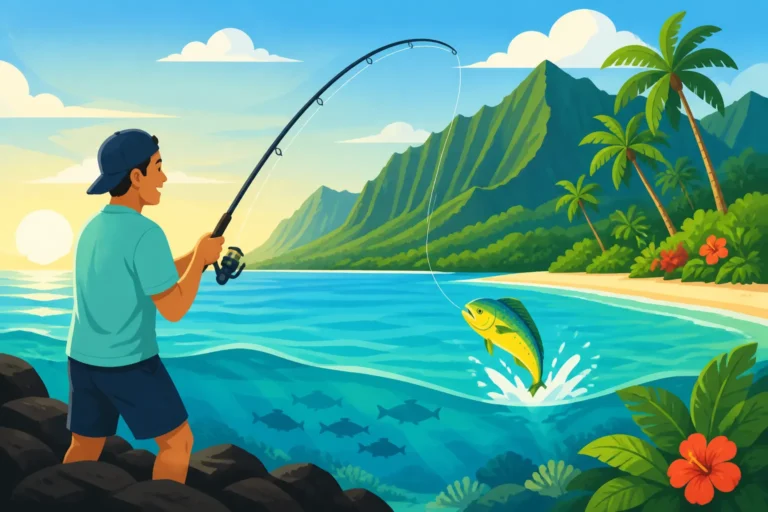
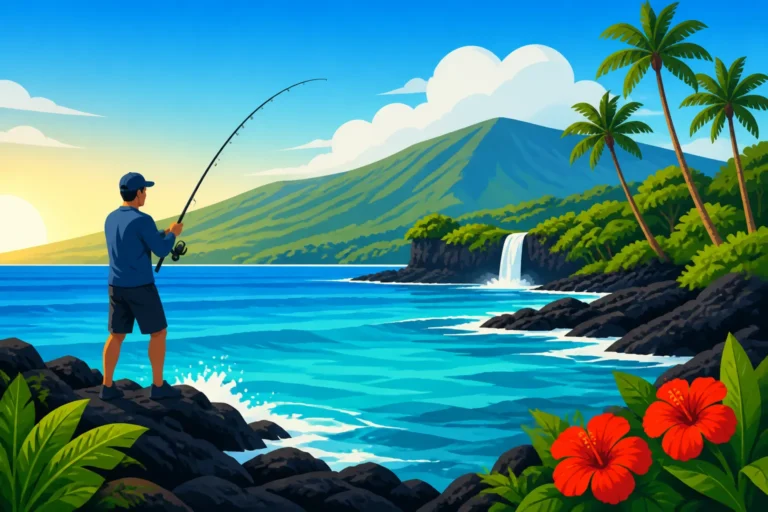
Continuing your drive along the scenic Windward coast, you'll encounter the beautiful white sands of Waimanalo Beach and the dramatic, rocky shores of Makapu'u Point, both offering distinct fishing experiences within an hour's reach of Honolulu. Waimanalo is famous for its long, pristine beach, which makes it a prime location for surfcasting. Anglers here often target ulua, papio, and moi, especially during the early mornings or evenings. The key here is heavy tackle and long casts to reach the deeper troughs where these powerful fish cruise. Imagine the rhythmic roar of the surf, the salty air, and the anticipation as you watch your line for the tell-tale strike of a trophy ulua.
Makapu'u Point, on the other hand, presents a rugged, volcanic landscape, with sheer cliffs and rocky outcroppings providing access to deep, open ocean waters. This spot is popular for whipping small lures for papio and various reef fish, or bait fishing for goatfish, small jacks, and even barracuda. The currents can be strong here, and the waves often crash powerfully against the shore, requiring caution and sturdy footwear. It’s an exhilarating spot for experienced shore anglers who aren't afraid of a bit of a climb or a challenging cast. This is a place where you truly feel the raw power of the Pacific Ocean.
Both Waimanalo and Makapu'u offer a stark contrast to the urban fishing of Honolulu, providing a true taste of Hawaii's wild coastline. The drives are incredibly scenic, making the journey part of the adventure. If you're serious about battling a powerful trevally from the shore, learning How to Catch Ulua from Shore will be an invaluable resource, guiding you on everything from tackle selection to reading the waves. Always remember to prioritize safety at these exposed locations, especially when dealing with big surf or slippery rocks.
Freshwater Retreats: A Different Kind of Catch
While Hawaii is primarily known for its incredible ocean fishing, the island of Oahu also offers some unique freshwater opportunities, providing a welcome change of pace and a chance to target species not found in the surrounding salt. These spots are typically just a short drive inland from Honolulu, offering a peaceful escape.
Wahiawa Reservoir's Bass and Tilapia
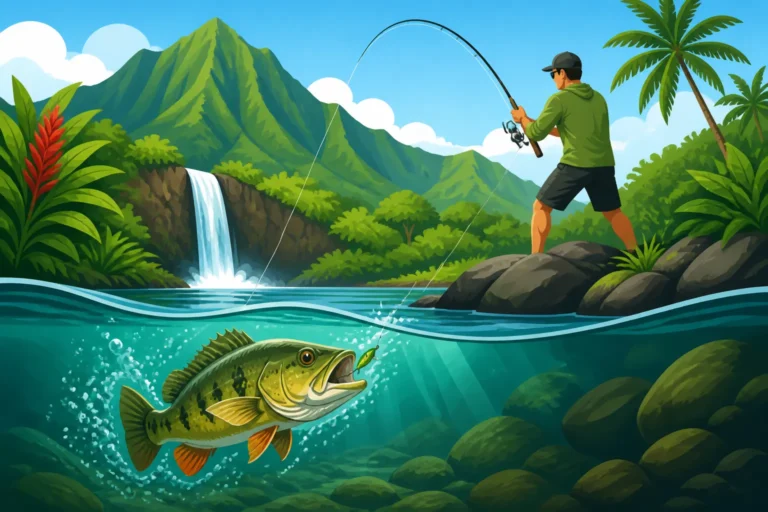
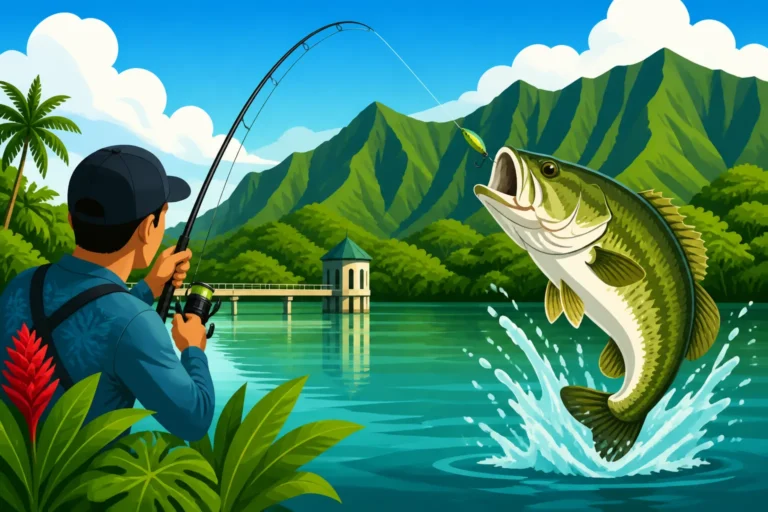
For freshwater fishing enthusiasts, Wahiawa Reservoir, often referred to as Lake Wilson, is an absolute must-visit. Located in the heart of Oahu, about a 45-minute to an hour's drive from Honolulu, it's Hawaii's only public freshwater fishery. This expansive reservoir is famous for its thriving populations of hard-fighting peacock bass, largemouth bass, channel catfish, and various species of tilapia. It's a genuinely unique experience, offering a slice of mainland-style freshwater fishing in the middle of the Pacific. Anglers come from all over to chase the vibrant peacock bass, known for their aggressive strikes and powerful fights.
Techniques at Wahiawa vary widely depending on your target species. For peacock bass, topwater lures like poppers and prop baits, as well as jerkbaits and spinnerbaits, are incredibly effective, especially during the early morning and late afternoon. There's nothing quite like watching a peacock bass explode on a topwater lure near the lily pads! For largemouth bass and catfish, live bait, plastic worms, and jigs work well. Tilapia can be caught on small baits or even fly fishing gear. Imagine the satisfaction of hooking into a feisty peacock bass, its emerald and orange scales flashing as it leaps from the water – a truly memorable freshwater encounter.
It's crucial to remember that Wahiawa Reservoir operates under specific rules and requires special permits from the Department of Land and Natural Resources (DLNR) in addition to a standard Hawaii freshwater fishing license. These permits often specify fishing hours and access points. You can usually acquire these permits online or at specific DLNR offices. Always check the latest regulations before heading out. For a comprehensive guide to maximizing your chances, consulting the Wahiawa Reservoir Fishing Guide is highly recommended, as it details everything from species to specific regulations.
Nuuanu Reservoirs – A Quiet Escape
Nestled in the lush Nuuanu Valley, just a short drive from downtown Honolulu, lies a series of small, serene reservoirs that offer a peaceful freshwater fishing experience. While not as famous for trophy fish as Wahiawa, the Nuuanu Reservoirs (specifically Reservoir No. 4) provide a tranquil setting for catching smaller species like tilapia, a variety of panfish, and sometimes even a small bass. This is less about the grand catch and more about the quiet enjoyment of nature, a true escape from the city's hustle. The drive up into the valley itself is beautiful, offering cool air and verdant surroundings.
Fishing here is typically done with light tackle, using small hooks and baits like worms, bread, or corn. It's an excellent spot for beginners or families who want a relaxing day by the water. The emphasis is often on catch-and-release, which helps maintain the delicate ecosystem of these smaller impoundments. Envision a quiet afternoon, the gentle ripple of the water, and the occasional tug on your line as a small tilapia takes the bait. It’s a perfect spot for unwinding and connecting with nature, making it a favorite for those seeking solitude.
However, accessing the Nuuanu Reservoirs for fishing can be tricky and is often subject to strict regulations by the Board of Water Supply, which manages these critical watersheds. Access is frequently limited, sometimes only open on specific days, or even completely closed due to maintenance or watershed protection concerns. Permits, separate from a state fishing license, are typically required and can be difficult to obtain. Always check with the Honolulu Board of Water Supply and DLNR for the most current access rules and permit requirements before planning a trip. If the rules allow, and you adhere to the Hawaii Catch and Release Only Freshwater Waters guidelines that often apply here, it's a wonderfully calming experience.
Navigating Regulations and Best Practices Near the City
Fishing in Hawaii, even within an hour of Honolulu, comes with a set of rules and cultural considerations that are crucial to understand. Respecting these guidelines ensures sustainable fishing for future generations and a harmonious experience for everyone.
Essential Fishing Licenses and Permits
It's a common misconception that you don't need a fishing license in Hawaii, especially for ocean fishing. This isn't entirely true, and the rules can be a bit nuanced, particularly for non-residents and freshwater fishing. Currently, Hawaii residents generally don't need a license to fish for marine species in state waters, but this exemption does not apply to non-residents. If you're visiting or are not a resident, you absolutely need a marine recreation fishing license. For freshwater fishing, everyone, residents and non-residents alike, is required to have a freshwater fishing license. This distinction is critical and often trips up even seasoned anglers.
Obtaining your license is relatively straightforward. You can usually purchase them online through the Department of Land and Natural Resources (DLNR) Division of Aquatic Resources (DAR) website, or from authorized license agents, which include many local tackle shops and sporting goods stores. Always check the latest information, as rules can change. Having your license readily available, either a physical copy or a digital one on your phone, is important in case you're asked by enforcement officers. Trust me, getting caught without one can lead to unnecessary fines and spoil your day on the water.
Beyond the general fishing license, some specific fishing spots near Honolulu, like the aforementioned Wahiawa Reservoir, require additional permits. These are typically site-specific and help manage access and resources for those particular locations. Always do your homework for the exact spot you plan to visit. A great starting point for understanding all the ins and outs is the comprehensive Hawaii Fishing License Guide for 2026, which details requirements for both residents and non-residents, and outlines where you can purchase them. Additionally, for practical steps on acquisition, check out Where and How to Buy a Hawaii Fishing License.
Respecting Marine Life Conservation Districts and Local Customs
Hawaii is incredibly protective of its marine resources, and rightly so. This means anglers, especially those exploring within an hour of Honolulu, must be acutely aware of Marine Life Conservation Districts (MLCDs) and other restricted areas. These are designated zones where marine life is strictly protected, and fishing or harvesting of any kind is often prohibited or heavily restricted. While some MLCDs are clearly marked, others might not be as obvious, so knowing before you go is paramount. Examples near Honolulu include parts of Waikiki and the famous Hanauma Bay (though fishing is generally not allowed there anyway). Violating MLCD rules carries significant penalties.
Beyond protected areas, understanding and adhering to the Hawaii fishing regulations explained, including bag and size limits for specific species, is non-negotiable. These regulations are in place to ensure the sustainability of fish populations and prevent overfishing. For instance, certain species might have minimum or maximum size limits, or daily bag limits that restrict the number of fish you can take. These limits can vary by species and even by location. A great way to stay informed is by regularly checking the DLNR Division of Aquatic Resources website or picking up a regulations booklet. For specific details on common catches, refer to resources like Hawaii Bag and Size Limits by Species.
Finally, fishing in Hawaii also comes with an unwritten code of respect – for the land, the ocean, and other people. Always pack out what you pack in, leaving no trash behind. Be mindful of traditional fishing rights and access points. If you encounter local kupuna (elders) or seasoned fishermen, a respectful inquiry can often lead to invaluable local knowledge and insights, but never demand information. Embrace sustainable practices, consider catch and release for species you don't intend to eat, and only take what you need. These practices contribute to a healthier environment and a more positive experience for everyone on the water.
Quick Guide to Honolulu Area Fishing Spots
| Location | Primary Access | Target Species (Examples) | Common Techniques | Key Considerations |
|---|---|---|---|---|
| Kewalo Basin / Ala Moana | Shore/Pier | Papio, Moi, Reef Fish | Whipping, Bait fishing | Crowds, Swimmers, Harbor Traffic |
| Sand Island / Keehi Lagoon | Shore/Wade/Kayak | Bonefish (Oio), Papio, Barracuda | Sight fishing, Jigs, Bait fishing | Boat Traffic, Industrial Backdrop, Tide Dependent |
| Kaneohe Bay | Kayak/Small Boat/Shore | Papio, Ulua, Snapper, Reef Fish | Trolling, Lure casting, Bait fishing | MLCDs, Reef Navigation, Windward Drive |
| Waimanalo Beach | Shore (Surfcasting) | Ulua, Papio, Moi | Sliding bait, Heavy tackle surfcasting | Strong currents, High surf, Scenic drive |
| Makapu'u Point | Rocky Shore | Papio, Goatfish, Barracuda | Whipping, Bait fishing | Slippery rocks, Strong currents, Exposure |
| Wahiawa Reservoir | Shore/Boat | Peacock Bass, Largemouth Bass, Tilapia | Lure casting, Live bait, Fly fishing | Freshwater License, Special Permits, Inland Drive |
| Nuuanu Reservoirs | Shore | Tilapia, Panfish | Light tackle, Bait fishing | Restricted access, Permits, Catch & Release |
Disclaimer
Please be aware that fishing regulations in Hawaii, including license requirements, bag limits, and protected areas, can change. Always consult the official Hawaii Department of Land and Natural Resources (DLNR) Division of Aquatic Resources (DAR) website or local authorities for the most current and accurate information before planning your fishing trip. This guide is for informational purposes only and does not constitute legal advice.