Best Freshwater Fishing Spots in Hawaii
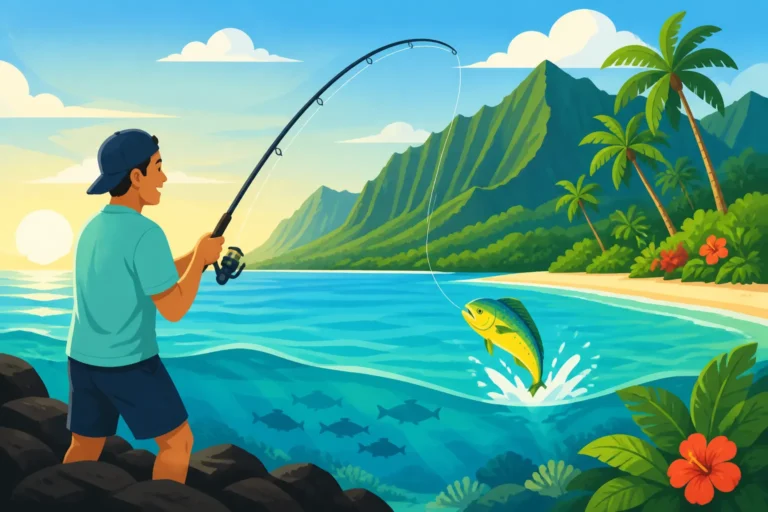
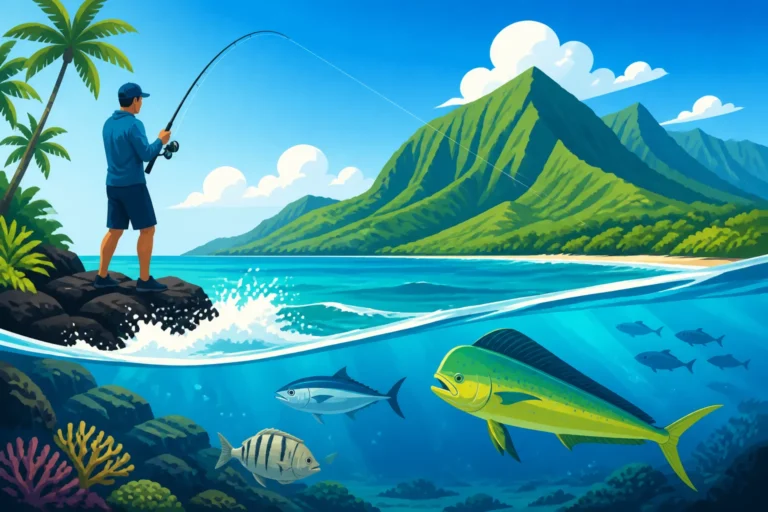
For many folks dreaming of a fishing trip to Hawaii, the first image that pops into mind is usually the sparkling blue Pacific, reeling in a massive marlin or a flashy mahimahi. And while that's certainly a huge part of the allure, it's a common frustration to think that's all there is. The truth is, Hawaii also offers some truly unique and surprisingly robust freshwater fishing opportunities that often go overlooked. This guide is here to shed light on those hidden gems, from serene reservoirs to cool mountain streams, helping you discover where to cast your line for a different kind of Hawaiian angling adventure.
The Unique World of Freshwater Fishing in Hawaii
When you tell someone you're going freshwater fishing in Hawaii, you often get a quizzical look. It's almost as if the very idea contradicts the postcard image of sun-drenched beaches and endless ocean. But I promise you, Hawaii’s freshwater scene is not only real, it's incredibly special and offers a refreshing change of pace from the deep blue.
Dispelling the Ocean-Only Myth
Let's be honest, the vast majority of visitors, and even some residents, picture Hawaii solely as an ocean fishing paradise. The thought of casting for bass or trout in the middle of the Pacific doesn't quite compute for many. This perception is totally understandable given the islands' remote location and world-renowned big-game fishing. However, beneath the radar, nestled among volcanic landscapes and lush valleys, are several impressive freshwater bodies that sustain thriving populations of introduced game fish. It’s a completely different experience, offering tranquility, unique scenery, and the chance to target species you might not expect in the middle of the Pacific.
Many anglers arrive in Hawaii with their sights set on offshore behemoths, completely unaware that a vibrant freshwater fishery exists. They might assume that Hawaii, being a volcanic archipelago, simply doesn't have the extensive river systems or large lakes found on continents. And they'd be partly right – we don't have massive glacial lakes or sprawling deltas. But what we do have are man-made reservoirs, natural ponds, and cool mountain streams, all teeming with life. It's a testament to the resilience of nature and the dedicated efforts of local resource management that these unique fishing opportunities are available.
The misconception often stems from the sheer dominance of Hawaii's marine environment in tourism and angling promotions. Everyone knows about Kona marlin fishing or Oahu's famous surf spots. But few know about the fantastic peacock bass fishing just a short drive from Honolulu or the unique trout fishery on Kauai. This guide aims to correct that oversight, inviting you to explore a side of Hawaiian angling that's just as rewarding, albeit in a much more intimate setting. Prepare to trade the saltwater spray for the rustling of bamboo and the calls of native birds.
The Allure of Hawaii's Hidden Freshwaters
So, what exactly is the draw of freshwater fishing here? Beyond the surprise factor, it’s about accessibility and a different kind of challenge. For starters, freshwater spots often provide a more relaxed, family-friendly environment compared to the sometimes intense world of deep-sea charters. You can often fish from shore, enjoy a picnic, and spend quality time with loved ones in beautiful, serene surroundings.
These hidden freshwaters offer a unique blend of Hawaiian beauty and terrestrial angling. Imagine casting your line surrounded by rainforest, with misty mountains in the distance, rather than the open ocean. It's a chance to connect with the 'aina (land) in a deeply personal way, exploring lush interiors that many tourists never see. The quiet solitude and the thrill of landing a feisty peacock bass in such an unexpected tropical setting create memories that are truly one-of-a-kind.
Furthermore, freshwater fishing can often be a more budget-friendly option than offshore charters, especially if you're bringing your own gear or opting for a shore-based adventure. It's also an excellent way to diversify your Hawaiian fishing experience, providing a counterpoint to the more strenuous marine pursuits. Whether you're a seasoned angler looking for a new challenge or a beginner hoping for a peaceful day by the water, Hawaii's freshwater spots hold a distinct and undeniable allure.
A Brief History of Freshwater Species Introduction
You might wonder how many of these popular freshwater game fish ended up in Hawaii. The answer lies in a long history of species introduction, primarily driven by a desire to create sportfishing opportunities and, in some cases, to control mosquito populations or provide a food source. Most of Hawaii's notable freshwater game fish are non-native, introduced over the last century or so.
Take, for instance, the rainbow trout in Kauai's Kokee Public Fishing Area. These were first introduced in the early 20th century, specifically for recreational angling, and require regular stocking to maintain their numbers. Similarly, the popular peacock bass, a vibrant and aggressive species native to the Amazon, was intentionally brought to Hawaii's reservoirs in the mid-20th century for sport fishing. These introductions, while providing fantastic angling, also highlight the delicate balance of Hawaii's ecosystems and the ongoing management efforts by the Hawaii Department of Land and Natural Resources (DLNR) to ensure their sustainability.
The history of these introductions is fascinating, mirroring similar efforts in other parts of the world to establish sport fisheries. Largemouth bass, smallmouth bass, tilapia, and channel catfish are other examples of species that have found a home in Hawaii's freshwater systems. Understanding this history helps to appreciate the unique challenges and triumphs of managing these diverse fisheries within a tropical island environment. It also underscores the importance of adhering to local regulations, which are designed to protect both native species and the introduced populations that provide such exciting fishing.
Oahu's Premier Freshwater Destination: Wahiawa Reservoir
When it comes to freshwater fishing on Oahu, one name consistently rises to the top: Wahiawa Reservoir, also known as Lake Wilson. This expansive body of water, located in the central part of the island, is a true mecca for freshwater anglers, especially those seeking the thrill of peacock bass.
Unraveling Wahiawa Reservoir's Ecosystem
Wahiawa Reservoir is the largest impoundment on Oahu, covering approximately 400 acres when full. It was originally created for irrigation purposes for the pineapple plantations that once dominated this part of the island. Today, it serves as a vital freshwater resource and a popular recreational area. The reservoir's warm, fertile waters and abundant submerged structure – remnants of flooded fields and old trees – create an ideal habitat for a variety of game fish.
The ecosystem here is surprisingly complex for an island freshwater body. The water levels can fluctuate, influencing fish behavior and access points. There are shallow flats that warm up quickly, drawing in baitfish, and deeper channels where larger predators lurk. The shoreline is a mix of dense vegetation, rocky banks, and occasional open areas, all offering different fishing opportunities. Understanding these dynamics is key to success. Anglers often spend time observing the water, looking for signs of baitfish or surface activity, to pinpoint the best spots.
The reservoir is surrounded by lush, green landscapes, providing a scenic backdrop to your fishing adventure. It’s a far cry from the bustling beaches of Waikiki, offering a serene escape where the sounds of traffic are replaced by bird calls and the splash of a jumping fish. The diverse structure and rich food sources mean that Wahiawa is a lively, productive fishery, constantly rewarding anglers who put in the effort to learn its secrets.
Targeting Peacock Bass and Largemouth Bass
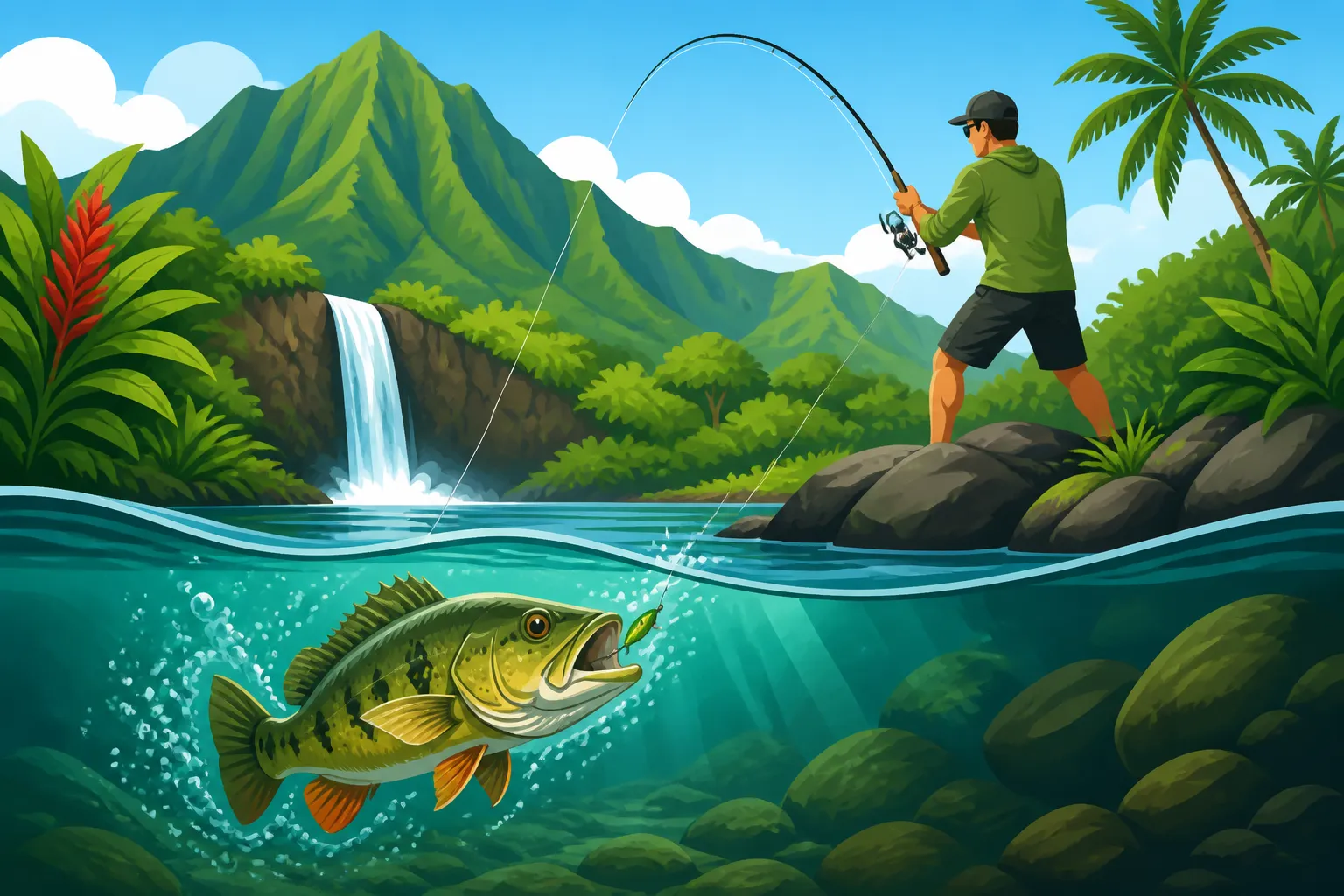
The undisputed stars of Wahiawa Reservoir are the peacock bass (local name Peacock Bass in Wahiawa Reservoir). These vibrant, aggressive fish are a blast to catch, known for their powerful strikes and hard fights. They thrive in the warm waters of Wahiawa and can grow to impressive sizes, with specimens weighing several pounds being common. Anglers often target them with topwater lures, spinnerbaits, and jerkbaits, mimicking the smaller baitfish they feed on.
Beyond the flashy peacocks, Wahiawa is also home to a healthy population of Largemouth Bass in Hawaii's Reservoirs. While perhaps not as celebrated as their peacock cousins, largemouths offer excellent sport, especially during cooler periods or in deeper sections of the reservoir. They respond well to plastic worms, crankbaits, and jigs. Many anglers find success by targeting submerged structures, lily pads, or shady areas along the banks where largemouths ambush their prey.
Other species you might encounter include tilapia, channel catfish, and various panfish. Tilapia, while often considered a nuisance by some, can provide consistent action, especially for younger anglers or those looking to hone their technique. Catfish, though less frequently targeted, can offer a strong fight, particularly when fishing deeper with natural baits. The diversity of species makes Wahiawa an exciting destination, as you never quite know what might hit your line next. For those looking to plan their outing, services like FishingBooker can sometimes help connect you with local guides who specialize in these species.
Access, Permits, and Fishing Tips for Wahiawa
Accessing Wahiawa Reservoir requires a bit of planning, but it's well worth the effort. The primary access point is typically through the Department of Land and Natural Resources (DLNR) facilities. It's crucial to be aware of the specific Hawaii Wahiawa Reservoir Fishing Rules before you go. These rules cover everything from operating hours to approved fishing methods and require that you possess a valid Hawaii Freshwater Fishing License and Rules.
| Wahiawa Reservoir Quick Reference | |
|---|---|
| Location | Central Oahu |
| Primary Species | Peacock Bass, Largemouth Bass, Tilapia, Channel Catfish |
| Best Techniques | Topwater lures, spinnerbaits, crankbaits, plastic worms, jigs |
| Access | DLNR managed access points, boat launch (electric motors only) |
| Permit Required | Hawaii Freshwater Fishing License (available online or at agents) |
| Notes | Catch and release encouraged for bass species; check current regulations for hours and specific rules. Only electric motors allowed for boats. |
When fishing Wahiawa, especially for peacock bass, consider heading out early in the morning or late in the afternoon. These are prime feeding times when the fish are most active. Light to medium-heavy spinning or baitcasting gear is generally recommended, spooled with 10-20 lb braided line and a fluorocarbon leader. Don't forget polarized sunglasses to spot fish and structure, and plenty of water to stay hydrated under the Hawaiian sun. Always respect private property around the reservoir and stick to designated public access areas.
Exploring the Nuuanu Reservoirs on Oahu
Nestled in the lush Nuuanu Valley, just a stone's throw from Honolulu, are the Nuuanu Reservoirs. While perhaps not as widely known as Wahiawa for their fishing, they offer a completely different, often more tranquil, freshwater experience. These reservoirs are part of the Honolulu Board of Water Supply system and are managed primarily for municipal water supply.
The Serenity and Challenges of Nuuanu
The Nuuanu Reservoirs, particularly Reservoirs No. 1 and No. 4, provide a serene escape from the urban hustle. Surrounded by dense, emerald-green vegetation and often shrouded in mist, they exude a quiet, almost mystical ambiance. Fishing here feels like stepping back in time, with ancient trees lining the banks and the gentle ripple of the water. It’s a place for reflection as much as it is for fishing.
However, this tranquility comes with its own set of challenges. Being critical components of the island's water supply, public access is heavily restricted compared to Wahiawa. Historically, Reservoir No. 4 was open for fishing on a very limited basis, often requiring special permits and only allowing certain types of fishing. These restrictions are in place to protect the water quality, which is paramount for Honolulu residents. It means that an impromptu fishing trip to Nuuanu is often not feasible, requiring careful planning and adherence to strict guidelines.
The ecosystem here, while beautiful, is also subject to environmental factors like heavy rainfall, which can cause water levels to rise and turbidity to increase. This can impact fishing conditions, making it more challenging to locate fish. Despite these hurdles, the sheer beauty and the unique experience of fishing in such a pristine, controlled environment make Nuuanu a desirable, albeit exclusive, freshwater fishing destination for those who manage to gain access.
Fish Species and Best Techniques
Given the cooler, deeper nature of Nuuanu Reservoir No. 4, the primary game fish targeted historically has been smallmouth bass. Unlike the warm-water loving largemouth and peacock bass, smallmouths prefer slightly cooler, clearer water and rocky structures, which Nuuanu can offer. They are known for their aggressive fights and are a joy to catch on light tackle. Other species present may include tilapia and various baitfish.
The best techniques for fishing Nuuanu, when permitted, tend to involve finesse presentations. Small jigs, crankbaits, and soft plastics that imitate small baitfish or crawfish are often effective. Since the water can be quite clear, a stealthy approach is crucial. Casting towards submerged rocks, drop-offs, and fallen trees would be prime locations to find active smallmouth bass. Fly fishing with streamers can also be a productive and enjoyable method here.
Due to the limited access and the nature of the fishery, anglers often focus on catch and release to preserve the populations. This mindset ensures that the unique opportunities these reservoirs provide can continue for future generations. The secluded nature of the fishing also encourages a more thoughtful and patient approach, rewarding those who take the time to observe and adapt to the subtle cues of the environment.
Access Restrictions and Important Considerations
Navigating the access to the Nuuanu Reservoirs can be confusing, as rules can change based on water supply needs and ongoing management. Historically, permits were required from the Honolulu Board of Water Supply, often with specific dates and times for fishing. It is absolutely essential to check the latest Hawaii Nuuanu Reservoir fishing rules directly with the Honolulu Board of Water Supply or the DLNR before planning any trip. Failing to do so could result in fines or other penalties.
These are not "drop-in" fishing spots like many mainland lakes. The regulations are stringent, and for good reason. Violating these rules not only puts your fishing privileges at risk but also potentially compromises the drinking water supply for a significant portion of Oahu. Therefore, if you are fortunate enough to gain access, treat the area with the utmost respect. Pack out everything you pack in, avoid disturbing vegetation, and adhere strictly to all guidelines regarding boat usage (which is typically highly restricted or prohibited) and fishing methods.
For anglers keen on experiencing Nuuanu, contacting the relevant authorities well in advance is the only way to proceed. Information can sometimes be scarce online due to the controlled nature of the access, so a direct phone call or email might be necessary. While challenging to access, the reward is a truly unique, serene, and memorable freshwater fishing experience in a rarely seen corner of Oahu.
Kauai's Mountain Trout Fishery: Kokee Public Fishing Area
Leaving Oahu, we venture to the Garden Isle of Kauai, home to Hawaii's only significant wild trout fishery: the Kokee Public Fishing Area. Perched high in the Kokee Plateau, this area offers a completely different freshwater experience, transporting anglers to a cooler, wetter environment where rainbow trout thrive.
The Kokee Plateau: A Trout Angler's Paradise
The Kokee Public Fishing Area is located within Kokee State Park, a dramatic landscape of lush forests, deep canyons, and misty plateaus on the west side of Kauai. The cooler climate and higher rainfall in this region feed several streams, most notably the Mohihi and Waiawa streams, which collectively form the Kokee trout fishery. It's an incongruous sight – casting for trout surrounded by tropical flora, a true testament to Hawaii's incredible ecological diversity.
This unique environment provides cold, oxygenated water, which is crucial for rainbow trout. The streams flow through dense native forests, creating picturesque cascades, deep pools, and riffles that are classic trout habitat. The air is crisp, often cooler than coastal areas, and the sounds of nature are truly immersive. It’s a stark contrast to the tropical heat of the lowlands and a delightful surprise for anglers expecting only ocean ventures.
The Kokee Plateau is not just a fishing spot; it's an adventure in itself. The drive up winding roads offers breathtaking views of Waimea Canyon, often called the "Grand Canyon of the Pacific." The park itself has numerous hiking trails, making it an ideal destination for those who want to combine fishing with exploring Kauai’s stunning interior. Just be prepared for rapidly changing weather conditions; sunshine can quickly give way to misty rain, adding to the adventurous feel.
Seasons, Stocking, and Targeting Rainbow Trout
Fishing for Rainbow Trout: Hawaii's Only Freshwater Trout Fishery at Kokee is a highly anticipated annual event. The season is generally short and regulated, typically opening in early August and closing around the end of September. These specific Hawaii Kokee Trout Fishing Season Dates are strictly enforced by the DLNR to manage the fishery and allow the trout to recuperate and grow.
The trout population in Kokee is primarily sustained through Rainbow Trout Stocking at Kokee by the DLNR. Hatchery-raised rainbow trout are released into the streams before and during the season, providing ample opportunities for anglers. While some wild reproduction does occur, stocking is vital to support the recreational fishery. This means that while you might catch a feisty wild fish, many of your catches will be freshly stocked, offering a predictable and often fruitful experience.
Targeting rainbow trout in Kokee typically involves light spinning gear or fly fishing setups. Small spinners, spoons, and various bait (like salmon eggs or PowerBait) are popular choices for spin anglers. Fly fishers find success with traditional trout patterns such as nymphs, dry flies, and small streamers, matching the insect life present in the streams. Look for trout in deeper pools, behind rocks, or in areas with current breaks where they can ambush insects and small prey. Success often comes from moving frequently and fishing different types of water.
Essential Gear and Rules for Kokee Fishing
A successful trip to Kokee requires specific gear and a thorough understanding of the rules. Given the variable weather, layers of clothing are a must, including a waterproof jacket. Waders and wading boots are highly recommended for comfortable and safe access to the stream, as the banks can be slippery and overgrown. A small backpack with water, snacks, and any necessary tackle will also be useful.
As with all Hawaiian freshwater fishing, a valid Hawaii Freshwater Fishing License and Rules is absolutely mandatory. Kokee also has specific bag limits and size restrictions, which can vary slightly year to year, so always check the latest regulations from the DLNR. For example, there might be a daily bag limit for trout and no minimum size, but these details are subject to change. It's also important to note that only single, barbless hooks are permitted to minimize harm to the fish, encouraging responsible catch and release practices, especially for any wild trout encountered.
Respect for the environment is paramount in Kokee. The park is a natural treasure, and anglers are expected to practice Leave No Trace principles. Pack out all trash, avoid disturbing the stream banks, and be mindful of other park users, including hikers. While guides are less common for this specific fishery compared to offshore charters, local knowledge from tackle shops or experienced anglers can be incredibly valuable. Always double-check the DLNR website or call their local office on Kauai for the most up-to-date information before heading out.
Lesser-Known Freshwater Gems and Opportunities
While Wahiawa, Nuuanu, and Kokee are the marquee names for freshwater fishing in Hawaii, there are other, smaller, and often overlooked opportunities scattered across the islands. These might not be grand fishing destinations, but they offer intimate experiences and a chance to discover your own hidden spot.
Smaller Ponds and Streams: Hidden Prospects
Beyond the well-known reservoirs, Hawaii has numerous smaller ponds, irrigation ditches, and stream sections that can hold surprising catches. These spots are rarely publicized and often require local knowledge or a bit of adventurous exploration to find. They might not offer trophy-sized fish, but they can provide consistent action, particularly for panfish species and smaller bass or tilapia.
For example, many agricultural areas still utilize irrigation systems that create small canals or ponds, some of which inadvertently become home to tilapia, Largemouth Bass in Hawaii's Reservoirs, and even some catfish. These are often accessible from public roads or with permission from landowners. Similarly, some of the smaller, slower-moving stream sections, especially those impacted by human development, can hold fish. The key is to look for areas with calm water, vegetation, and some depth.
Discovering these List of Hawaii freshwater fishing waters is part of the fun. It’s akin to a treasure hunt, and the reward is a peaceful fishing experience away from any crowds. Just remember that many of these smaller spots are on private land or within municipal areas, so always be respectful, ask permission if unsure, and practice extreme caution to avoid trespassing. Light tackle, small baits, and a patient approach are often the most successful strategies for these quaint, often forgotten, fishing holes.
Urban Freshwater Fishing: Surprising Catches
You might be surprised to learn that even within Hawaii's urban and suburban areas, there are freshwater fishing opportunities. Local parks with retention ponds, flood control channels, or small community lakes can sometimes harbor fish populations. These often consist primarily of tilapia, but occasionally, a rogue bass or other species might show up, having made its way through connected waterways.
One example might be drainage canals or retention ponds in areas like Ewa Beach or Waipahu on Oahu. While not glamorous, these spots can be great for introducing kids to fishing, as the action can be steady, even if the fish are small. Using simple setups with bobbers and small pieces of bread, corn, or worms can yield surprising results. The convenience of these urban spots means you don't have to travel far for a quick fishing fix.
Of course, fishing in urban areas comes with its own considerations. Water quality can be a concern, so catch and release is almost always recommended. Public access needs to be respected, and anglers should always be mindful of their surroundings and other park users. While perhaps not the "Hawaiian fishing dream," these urban spots provide accessible, no-frills opportunities to simply enjoy the act of fishing, even if it's just for a few small tilapia on a lazy afternoon.
Ethical Considerations for Exploring New Spots
Venturing into lesser-known or new freshwater spots in Hawaii requires a strong sense of ethics and responsibility. Many of these areas are fragile ecosystems, some with native stream life that could be impacted by introduced species or improper angling practices. Always prioritize the health of the environment over personal gain.
This means practicing diligent Catch and Release Only Freshwater Waters where advised, ensuring minimal stress to the fish. It means never introducing new species, intentionally or accidentally, into an ecosystem. It also means leaving no trace of your visit – pack out all trash, including discarded fishing line and bait containers. Respect property boundaries and privacy, and if you're unsure about access, always err on the side of caution and seek permission.
Exploring these hidden gems is a privilege, not a right. By adhering to strong ethical guidelines, we help ensure these unique freshwater opportunities remain available for future generations of anglers. It's about being a good steward of the 'aina and recognizing that while we seek recreation, we are also guests in a delicate natural environment.
Key Species to Target in Hawaii's Freshwater
Hawaii's freshwater fisheries, though limited in number compared to the ocean, boast a diverse array of introduced game fish that provide exciting angling opportunities. Understanding what you're targeting is half the battle, and it helps you pick the right gear and techniques.
The Prized Peacock Bass
Without a doubt, the Peacock Bass in Wahiawa Reservoir stands as the most sought-after freshwater game fish in Hawaii. These magnificent fish, with their brilliant colors and aggressive nature, are a tropical angler's dream. Originally from the Amazon basin, they've found a perfect home in the warm, nutrient-rich waters of Wahiawa Reservoir.
Peacock bass are visually striking, adorned with iridescent greens, yellows, and oranges, and a distinctive black "eye spot" at the base of their tail fin. What they lack in size compared to some ocean species, they more than make up for in sheer power and tenacity. A peacock bass strike is often explosive, and they fight hard, making powerful runs and head shakes right up to the boat or shore. This makes them incredibly popular among both experienced bass anglers and newcomers looking for an exciting fight.
They are ambush predators, often found lurking around submerged structures, weed lines, or shaded areas. Topwater lures that mimic baitfish, like Zara Spooks or poppers, are incredibly exciting to use, as you often get to witness the full, explosive strike. Spinnerbaits, jerkbaits, and soft plastics are also highly effective, especially when worked slowly around cover. Catching a Hawaiian peacock bass is a truly memorable experience and a bucket-list item for many freshwater anglers.
Largemouth Bass and Tilapia: Abundant Opportunities
While peacock bass often steal the spotlight, Largemouth Bass in Hawaii's Reservoirs offer a fantastic fishing experience in their own right. Found in Wahiawa and other freshwater bodies like the Nuuanu Reservoirs (historically for smallmouths, but largemouths are more prevalent elsewhere), these fish are familiar to many anglers worldwide. They provide a solid fight and can grow to respectable sizes in Hawaii's productive waters.
Largemouth bass are typically targeted using classic bass fishing techniques: plastic worms, jigs, crankbaits, and spinnerbaits. They prefer areas with cover, such as submerged timber, weed beds, or rocky outcrops, where they can hide and ambush prey. Fishing early morning or late evening often yields the best results, as bass become more active during these cooler periods. Their presence offers a more traditional bass fishing experience in a unique tropical setting.
Tilapia, on the other hand, are incredibly abundant in virtually all of Hawaii's freshwater systems. While often overlooked as a "sport fish," they provide consistent action, making them perfect for beginners, kids, or anyone simply looking to bend a rod. They can be caught on a wide variety of baits, from bread and corn to worms and small jigs. Many anglers consider them a nuisance due to their invasive nature, but they can be decent table fare if harvested from clean waters, and they certainly offer plenty of practice. Catching tilapia can be an excellent way to guarantee some bites when other species are shy.
Rainbow Trout: A Unique Island Challenge
The Rainbow Trout: Hawaii's Only Freshwater Trout Fishery on Kauai's Kokee Plateau provides a truly unique angling opportunity. While most of Hawaii is warm and tropical, the high-elevation streams of Kokee offer the cool, oxygenated water that rainbow trout require. These fish are primarily sustained through a stocking program, creating a specific, seasonal fishery that draws anglers from all over.
Targeting rainbow trout in Kokee requires a different approach than bass fishing. Anglers often use light spinning tackle with small inline spinners, spoons, or natural baits like salmon eggs. Fly fishing is also incredibly popular, with anglers casting nymphs, dry flies, and streamers into the clear, flowing water. The challenge lies in navigating the stream's natural obstructions, making accurate casts, and presenting baits or flies naturally in the current.
The trout in Kokee, while perhaps not reaching the trophy sizes of some mainland fisheries, are feisty and beautiful, perfectly adapted to their unique island home. Catching one is a badge of honor for many Hawaiian anglers, a testament to seeking out and conquering a truly singular fishing experience. This fishery is heavily managed, so understanding the Hawaii Kokee Trout Fishing Season Dates and adhering to all regulations, including catch limits and gear restrictions, is crucial for preserving this special resource.
Essential Regulations and Best Practices for Freshwater Anglers
Understanding and adhering to Hawaii's fishing regulations isn't just a suggestion; it's a legal requirement and a critical part of being a responsible angler. The rules are designed to protect Hawaii's unique ecosystems and ensure sustainable fishing opportunities for everyone.
Understanding Hawaii's Freshwater Fishing License Requirements
This is perhaps the most important rule for any freshwater angler in Hawaii: you absolutely need a license. Many visitors are often surprised by this, assuming that because marine licenses aren't always required for recreational ocean fishing from shore, the same applies to freshwater. Not so. A Hawaii Freshwater Fishing License and Rules is mandatory for anyone 15 years of age or older to fish in designated freshwater public fishing areas.
The cost of a Hawaii freshwater license cost for residents is typically quite reasonable, with different options available for annual licenses. For visitors, there are also short-term options, such as the Hawaii 30-day tourist freshwater license cost, which can be very convenient. These licenses can usually be purchased online through the DLNR Division of Aquatic Resources (DAR) website, or in person at various authorized vendors across the islands. Always carry your license with you when fishing, either a physical copy or a digital version on your phone, as enforcement officers do check.
It's also crucial to understand specific Hawaii Freshwater License Age Requirements. Children under 15 generally do not need a license, making freshwater fishing a fantastic, accessible activity for families. However, rules can vary, so a quick check of the DLNR website for the most current information is always a smart move. Fishing without a required license is a serious offense and can result in Hawaii fishing without a license penalty, including hefty fines. It's simply not worth the risk.
Catch Limits and Special Area Rules
Beyond the license, each public fishing area and target species will have its own set of specific regulations regarding catch limits (bag limits) and, sometimes, minimum or maximum size limits. These are put in place to manage fish populations, prevent overfishing, and allow fish to reproduce.
For instance, the Kokee Public Fishing Area on Kauai will have very specific Hawaii Kokee Trout Fishing Season Dates and daily bag limits for rainbow trout. Similarly, Hawaii Wahiawa Reservoir Fishing Rules will outline what you can and cannot do when targeting peacock bass or largemouth bass, including potential catch-and-release recommendations for certain species. It’s not uncommon for some waters to be designated Hawaii Catch and Release Only Freshwater Waters to protect fragile populations.
Always check the current regulations for the specific body of water you plan to fish. The DLNR Division of Aquatic Resources website is the authoritative source for this information, and it's updated regularly. These rules are not arbitrary; they are the result of scientific assessment and public input, all aimed at preserving Hawaii’s unique aquatic resources. Knowing and following these rules ensures that everyone can enjoy these special fisheries for years to come.
Protecting Hawaii's Delicate Freshwater Ecosystems
Hawaii's freshwater ecosystems are incredibly fragile and highly susceptible to outside pressures. Introduced species, while providing sportfishing, can also pose threats to native stream life, many of which are endemic and found nowhere else on Earth. As responsible anglers, it's our duty to minimize our impact.
This means practicing Leave No Trace principles rigorously. Pack out everything you pack in, including all trash, discarded fishing line, and bait containers. Never release live bait purchased from outside the area into Hawaii's waters, as this can introduce invasive species or diseases. Clean your gear – boots, waders, boats, and tackle – before moving between different bodies of water to prevent the spread of aquatic invasive species.
Additionally, handle fish with care, especially if you plan to release them. Use barbless hooks, minimize their time out of water, and revive them gently before letting them go. Avoid disturbing stream banks or sensitive vegetation. By being mindful and proactive, we can help protect the delicate balance of Hawaii's freshwater environments, ensuring that these unique fishing opportunities continue to thrive alongside the native species that call these waters home.
Planning Your Freshwater Fishing Adventure in Hawaii
You're ready to trade the ocean for inland waters, but how do you actually pull off a successful freshwater fishing trip in Hawaii? It's all about planning, packing smart, and being respectful of the local environment and community.
When to Go and What to Bring
The "best" time to go freshwater fishing in Hawaii can depend on your target species and location. For Rainbow Trout: Hawaii's Only Freshwater Trout Fishery at Kokee, your window is typically limited to the specific Hawaii Kokee Trout Fishing Season Dates in late summer. For bass species at Wahiawa Reservoir, fishing is generally good year-round, but the cooler mornings and late afternoons are often most productive, especially for peacock bass, as they become more active when the sun isn't directly overhead. Avoid the hottest parts of the day if possible.
When it comes to what to bring, think versatility and comfort. Here's a quick checklist:
- Fishing License: Absolutely essential! Have your Hawaii Freshwater Fishing License and Rules ready.
- Rod & Reel: Light to medium-heavy spinning or baitcasting gear (6-10 lb test line for trout, 10-20 lb for bass) is usually sufficient.
- Lures & Bait: A selection of topwater lures, spinnerbaits, crankbaits, jigs, plastic worms for bass; small spinners, spoons, salmon eggs, or PowerBait for trout.
- Sun Protection: Sunscreen, a wide-brimmed hat, and polarized sunglasses are non-negotiable.
- Hydration: Plenty of water. It can still get hot, even in the shade.
- Footwear: Sturdy, comfortable shoes, or even wading boots for stream fishing. The terrain can be uneven.
- Rain Gear: Especially for places like Kokee, a light rain jacket is a smart addition.
- Bug Spray: Mosquitoes and other biting insects can be present in lush, freshwater environments.
- Small Cooler: For snacks, drinks, and potentially keeping your catch if regulations allow.
- First-Aid Kit: Basic essentials for cuts, scrapes, or minor emergencies.
- Camera: To capture those unique Hawaiian freshwater moments!
Remember to pack light enough to easily move around, especially if you plan to hike to different spots.
Guided Trips and Local Insights
While many freshwater spots in Hawaii are accessible for self-guided trips, consider tapping into local expertise if you're unfamiliar with the area or keen on maximizing your chances of success. Though not as prevalent as ocean charters, some specialized guides do offer freshwater fishing trips, particularly for peacock bass on Oahu. Services like FishingBooker might have listings for these unique freshwater guides, or a quick search for "Oahu peacock bass guide" could yield results.
A local guide can provide invaluable insights:
- Current Conditions: They'll know recent water levels, fish activity, and what baits are currently working best.
- Access & Regulations: They can navigate complex access rules and ensure you're fishing legally.
- Technique Refinement: They can offer tips on casting, retrieves, and presentation specific to Hawaiian freshwater fish.
- Safety: They know the safest spots and can help you avoid hazards.
If a guide isn't in your budget or available, visiting local tackle shops can be a fantastic alternative. Shop owners and staff are often passionate anglers themselves and can offer current advice, recommend local hot spots, and point you to the right gear. Don't be shy about striking up a conversation – local knowledge is golden!
Respecting the Aina (Land) and Fellow Anglers
Fishing in Hawaii, whether in freshwater or saltwater, comes with a deep cultural responsibility to respect the aina (land, literally "that which feeds us"). This philosophy extends beyond just environmental protection to showing respect for local customs and fellow users of the land.
- Leave No Trace: We've mentioned it, but it bears repeating: Pack out everything you pack in. Do not leave trash, fishing line, or cigarette butts.
- Respect Private Property: Many prime fishing spots, especially smaller ponds or stream access points, might be near or on private land. Always be aware of signs, ask permission if unsure, and never trespass.
- Share the Space: Public fishing areas are shared spaces. Be mindful of other anglers, hikers, and families enjoying the outdoors. Give others plenty of space and keep noise levels down.
- Cultural Sensitivity: Some areas might have cultural significance. If you encounter any local practices or warnings, respect them. The land, and the resources within it, are cherished.
- Report Violations: If you witness someone violating fishing regulations or harming the environment, consider reporting it to the DLNR. It helps protect these resources for everyone.
By embodying these principles, you not only ensure a more enjoyable and successful fishing trip for yourself but also contribute positively to the preservation of Hawaii's unique freshwater fisheries and the perpetuation of its respectful outdoor culture.
Disclaimer
Please remember that fishing regulations, access rules, and environmental conditions in Hawaii can change. Always check the latest information from the Hawaii Department of Land and Natural Resources (DLNR) Division of Aquatic Resources (DAR) before planning any fishing trip. This guide is for informational purposes only and should not be considered legal advice.