Hawaii Catch and Release Only Freshwater Waters
Navigating the unique world of freshwater fishing in Hawaii can be a bit of a maze, especially when you're trying to figure out which waters allow you to keep your catch and which are strictly catch-and-release. It's easy to get confused with the diverse rules across different islands and even within different sections of the same reservoir. This guide aims to clear up that confusion, providing clear, actionable information on Hawaii's catch-and-release-only freshwater waters, helping you fish responsibly and within the law.
Understanding Catch and Release in Hawaii's Freshwater
The Hawaiian Islands are renowned for their incredible marine biodiversity, but many anglers often overlook the unique and surprisingly diverse freshwater fishing opportunities. Unlike the ocean, which often has more liberal harvest regulations for certain species, Hawaii's freshwater systems are delicate and often home to introduced species that require careful management. This is why catch and release becomes a critical conservation tool in specific areas.
Why Catch and Release is Important Here
Catch and release isn't just a suggestion in some of Hawaii's freshwater spots; it's a crucial part of the management strategy to ensure sustainable fisheries and protect the health of these unique ecosystems. Many of the freshwater species, like rainbow trout in Kokee, are stocked and their populations need careful monitoring to maintain a viable fishery for future generations. For other species, like certain bass populations, catch and release helps to spread the angling pressure and ensures that trophy-sized fish can continue to grow and reproduce. Without these strict regulations, these limited freshwater resources could quickly become depleted, ruining the experience for everyone.
Moreover, Hawaii's freshwater environments, though seemingly robust, are often fragile. They rely on consistent water quality and careful balance of species. Releasing fish minimizes the impact on the overall population structure and reduces the chance of accidental harm to native invertebrates or plants that are often overlooked but vital to the ecosystem's health. It's about recognizing that every fish caught is a privilege, and ensuring that privilege remains for others.
The Role of DLNR in Conservation
The Hawaii Department of Land and Natural Resources (DLNR), specifically its Division of Aquatic Resources (DAR), is the primary agency responsible for managing and conserving Hawaii's aquatic resources, both marine and freshwater. They are the ones who establish and enforce the regulations, including those pertaining to catch and release. Their decisions are based on scientific research, population surveys, and public input, all aimed at balancing recreational opportunities with ecological preservation.
The DLNR's role extends beyond simply setting rules; they actively engage in stocking programs, habitat restoration, and public education. When you see a "catch and release only" sign, it's a direct result of their ongoing efforts to manage a particular fishery. For instance, the specific rules for different freshwater bodies, such as those detailed in the Hawaii Freshwater Fishing License and Rules guide, are a testament to their granular approach to conservation, recognizing that a one-size-fits-all approach simply doesn't work for Hawaii's varied aquatic landscapes.
Distinguishing Freshwater vs. Marine Regulations
It’s easy to assume that all fishing in Hawaii operates under similar rules, but nothing could be further from the truth. The regulations for freshwater fishing are distinctly separate from those for marine waters, and this is where many visitors and even some residents get tripped up. For instance, while you don't typically need a state-issued license for recreational ocean fishing if you're a Hawaii resident, you absolutely need one for freshwater fishing for certain species, regardless of residency. You can find more details on this in our guide on Do You Need a Fishing License in Hawaii.
The species targeted, the methods allowed, and especially the harvest limits (or lack thereof, in the case of catch-and-release-only waters) differ significantly. Marine regulations often focus on size limits and daily bag limits for a vast array of species like ahi, mahimahi, and ulua. Freshwater rules, on the other hand, are much more localized, often specific to a single reservoir or stream section, and focus on species like rainbow trout, largemouth bass, and peacock bass. Understanding this fundamental distinction is the first step to fishing legally and responsibly in Hawaii's diverse waters.
Specific Catch and Release Only Waters on Oahu
Oahu, being the most populated island, offers a few freshwater angling opportunities, some of which come with strict catch-and-release mandates to protect their unique fisheries. It’s vital to know these specific locations to avoid any accidental violations.
Nuuanu Reservoir Fishing Rules
Nuuanu Reservoir, located in the lush mountains above Honolulu, is a prime example of a catch-and-release-only freshwater fishery on Oahu. While it's historically been a popular spot for freshwater bass and tilapia, the specific rules around Nuuanu are stringent. Anglers here must adhere to the catch-and-release policy for all species caught. This means no fish are to be harvested or removed from the reservoir. This policy helps maintain the delicate balance of the introduced species and ensures a healthy fishery for all who visit.
Access to Nuuanu Reservoir is also tightly controlled, often requiring special permits from the Board of Water Supply (BWS), as it is a municipal water source. It's not a place where you can just show up with a pole and start casting. These access restrictions, combined with the catch-and-release rule, underscore the importance of this unique fishery and the need for its protection. Always check the latest regulations and permit requirements before planning a trip, as rules can change. You can delve deeper into the specific guidelines by checking out our Hawaii Nuuanu Reservoir fishing rules article.
Other Designated C&R Areas and Exemptions
While Nuuanu Reservoir is the most prominent catch-and-release-only freshwater body on Oahu, other areas may have similar restrictions or special rules that effectively lead to a C&R approach for certain species or times of the year. For instance, some smaller streams or ponds might be designated as "no take" areas to protect breeding populations or sensitive habitats, even if not explicitly labeled as "catch and release only." It's always crucial to consult the Hawaii DLNR's Division of Aquatic Resources (DAR) website or local signage at any fishing location.
It's also worth noting that some areas might allow the harvest of invasive species (like certain tilapia or taape) while mandating catch and release for game fish. This creates a nuanced environment where anglers need to be able to identify their catch accurately and understand the specific intent behind the regulations. The complexity means a quick check of the regulations is always a good idea, as even local exemptions or temporary closures can impact what you can and cannot do.
Navigating Access and Permits
Getting to fish in Hawaii's freshwater often involves more than just buying a license; it can also require navigating specific access rules and obtaining permits. This is particularly true for reservoirs that also serve as municipal water sources, like Nuuanu. These areas are not always open to the public, or they may have restricted hours, designated entry points, and require an additional permit from the managing authority (e.g., Board of Water Supply, Department of Hawaiian Home Lands, or private landowners).
The process for obtaining these permits can vary, sometimes involving an online application, an in-person visit to an office, or even a lottery system due to limited access. It's not uncommon for these permits to have their own set of rules, such as limitations on the number of anglers, specific fishing methods allowed, or even requirements for designated parking. Ignoring these access rules can lead to trespassing charges or fines, so it’s essential to do your homework well in advance of your fishing trip. Always verify the most current access and permit information directly from the responsible agencies before heading out.
Special Considerations for Kauai's Kokee Public Fishing Area
Kauai, the Garden Isle, offers a distinctly different freshwater fishing experience, primarily centered around its unique rainbow trout fishery in the Kokee Public Fishing Area. This high-altitude, stream-fed fishery is a world away from Oahu's reservoirs and comes with its own set of seasonal catch-and-release rules designed to manage a stocked, rather than self-sustaining, population.
Kokee Rainbow Trout Season Dates and C&R Rules
The Kokee Public Fishing Area is the only place in Hawaii where you can fish for rainbow trout. This isn't a year-round fishery; it operates on a strictly seasonal basis, typically from August through September, with specific opening and closing dates announced annually by the DLNR. What's particularly important here, and what often leads to confusion, is that the regulations during this short season can fluctuate between harvest and catch-and-release, or a combination thereof, depending on the specific stream section and the health of the stocked population.
For instance, the initial opening days might allow for a small bag limit, while later in the season, or in certain designated stream sections, it might revert to catch-and-release only to stretch the limited resource. This dynamic management requires anglers to be incredibly diligent in checking the specific rules for the current season. Our guide on Hawaii Kokee Trout Fishing Season Dates provides the most current information, which is crucial for planning any trout fishing adventure on Kauai. Without adherence to these rules, the unique Kokee trout fishery simply wouldn't be sustainable.
Managing a Stocked Fishery with C&R
The rainbow trout in Kokee are not native to Hawaii; they are introduced species that are actively stocked by the DLNR. This makes it a put-and-take fishery, meaning the population is sustained by human intervention rather than natural reproduction. Catch and release plays a critical role in managing this stocked fishery, even when some harvest is permitted. By releasing a portion of the catch, particularly larger, healthier specimens, the DLNR aims to maximize the angling experience throughout the short season. It allows more anglers to enjoy the thrill of catching trout and distributes the resource more broadly.
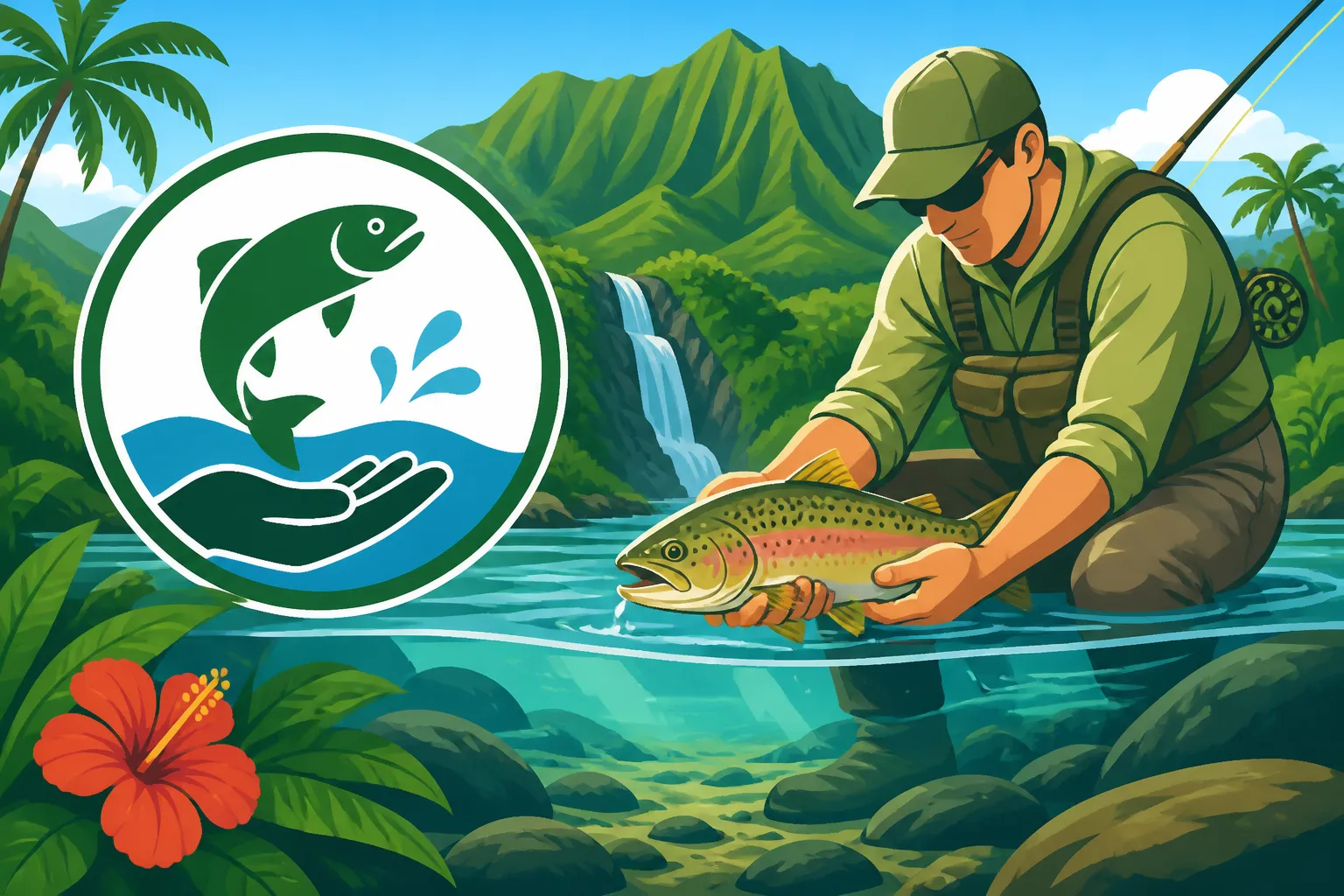
The challenge in managing a stocked fishery with catch and release is that trout can be sensitive to handling. Proper techniques for unhooking and releasing are paramount to ensuring the fish survive. This includes minimizing the time the fish is out of water, using wet hands to handle them, and avoiding squeezing them. Anglers often choose single, barbless hooks to facilitate easier and less damaging releases. This conscious effort by anglers directly contributes to the success and longevity of the Kokee trout program.
Permit Requirements for Kokee
Just like some of Oahu's freshwater spots, fishing in the Kokee Public Fishing Area also comes with its own permit requirements, in addition to needing a valid Hawaii Freshwater Game Fishing License Cost. Anglers must obtain a special Kokee Public Fishing Area license, often issued by the DLNR, which specifies the dates and conditions under which fishing is allowed. This permit is usually tied to the specific short season mentioned earlier.
The process for obtaining these permits is typically well-communicated by the DLNR in the months leading up to the season opening. It might involve an online application or a visit to a local DLNR office on Kauai. These permits help the state manage angler numbers, track participation, and gather vital data on the fishery. Without the proper permit, fishing in Kokee is illegal and can result in significant penalties. It's a small administrative step that ensures you're contributing to the careful management of this unique Hawaiian fishing experience.
Regulations Beyond Catch and Release in Freshwater
While catch-and-release rules are a major part of Hawaii's freshwater fishing landscape, they aren't the only rules. There’s a broader framework of regulations that every freshwater angler needs to understand to ensure a legal and ethical fishing trip, whether they're targeting species to keep or strictly releasing them.
License Requirements for Freshwater Fishing
This is a point of frequent confusion: unlike Hawaii's ocean waters, which do not typically require a recreational fishing license for residents, freshwater fishing for certain species does require a license for both residents and non-residents. This applies to fishing for game fish like trout, bass, and peacock bass. If you're planning to fish in designated freshwater game fishing areas, you need to acquire a Hawaii Freshwater Fishing License and Rules beforehand.
The cost and duration of these licenses vary. Non-residents, for example, can often purchase short-term tourist licenses (e.g., 7-day or 30-day options), while residents might opt for an annual license. There are also specific age requirements and potential exemptions, such as those for seniors or disabled residents, which you can read more about in our article on Hawaii Freshwater License Age Requirements or Hawaii Senior and Disabled Freshwater License Exemption. It's crucial to have your license on you while fishing, either in physical or digital form, as wardens frequently check.
Bag and Size Limits for Keepable Species
For freshwater areas that do allow harvest, there will be strict bag and size limits in place, similar to marine regulations but tailored for freshwater species. For instance, in places like Wahiawa Reservoir on Oahu, where you might be targeting largemouth bass, peacock bass, or tilapia, specific numbers and minimum/maximum sizes will apply for what you can keep. These limits are set to ensure sustainable populations and prevent overfishing.
It's not enough to simply know if you can keep a fish; you need to know how many and how big. Exceeding a bag limit or keeping an undersized or oversized fish is a violation, even if you have a valid license. Always consult the most current DLNR regulations booklet or website for the specific body of water you intend to fish. These details are paramount, especially since misidentification of species or incorrect measurement could lead to inadvertently breaking the law. Our guide on Hawaii Wahiawa Reservoir Fishing Rules is a good resource for specific details on that popular Oahu spot.
Prohibited Methods and Gear
Hawaii's freshwater regulations also include rules on prohibited fishing methods and gear, designed to protect the environment, prevent overharvest, and ensure fair chase. These prohibitions can range from specific types of nets, traps, or spears that are not allowed in freshwater, to restrictions on certain baits or chumming practices. For example, the use of live bait might be restricted in some areas to prevent the introduction of new invasive species.
It's also common for regulations to specify hook types, such as mandating single, barbless hooks in certain catch-and-release areas to minimize harm to the fish. Electric reels, certain scent attractants, or even particular boat types might also be prohibited in sensitive freshwater environments. Familiarize yourself with these gear restrictions before you pack your tackle box. What's perfectly fine for saltwater might be illegal in freshwater, so don't assume. Having the right, compliant gear is essential, and you can often find good, regulation-friendly options, like single barbless hooks, on platforms like Amazon to ensure you're ready.
Essential Gear and Techniques for Catch and Release
Successful and responsible catch-and-release fishing requires more than just knowing the rules; it demands the right gear and techniques to ensure the fish you release have the best chance of survival. This is especially true in Hawaii's unique freshwater environments where every fish contributes to the overall health of the fishery.
Minimizing Harm with Proper Tackle
The first step in responsible catch and release is selecting tackle that minimizes harm to the fish. This primarily means using appropriate hook types. Opt for single hooks over trebles whenever possible, as they are much easier to remove. Furthermore, using barbless hooks, or at least pinching down the barb on your regular hooks, makes a massive difference. A barbless hook slides out cleanly with minimal tearing, drastically reducing stress and injury to the fish's mouth. You can find a wide array of barbless hooks from brands like Gamakatsu or Owner on Amazon that are perfect for this purpose.
Beyond hooks, consider your line and rod setup. Using a line that's too heavy can result in fighting the fish for too long, exhausting it to the point of no return. Conversely, a line that's too light can prolong the fight, similarly stressing the fish. A balanced setup that allows you to land the fish efficiently, without overworking it, is ideal. Also, avoid using nets with abrasive knotting; rubberized or knotless landing nets are much gentler on a fish's slime coat and fins, minimizing scale loss and injury.
Best Practices for Handling and Releasing Fish
Once you've hooked a fish, how you handle it is critical for its survival. The key principles are speed, gentleness, and keeping the fish in the water as much as possible.
- Minimize Air Exposure: Fish gills are designed for water, not air. Keep the fish submerged while you remove the hook if possible. If you must remove it from the water for a quick photo, do so for only a few seconds.
- Wet Hands: Always wet your hands before touching a fish. Dry hands can remove the protective slime coat, leaving the fish vulnerable to disease and infection.
- Support the Fish: When lifting, support the fish horizontally, especially larger ones, to avoid damaging its internal organs or spine. Never hold a fish by the gill plates or by the jaw alone if it's a heavy fish, as this can dislocate its jaw.
- Quick Hook Removal: Use a pair of long-nosed pliers or a dehooking tool to quickly and cleanly remove the hook. If the hook is deeply swallowed and cannot be easily removed, cut the line as close to the hook as possible. The hook will often dissolve or be expelled naturally.
- Revive Before Release: For an exhausted fish, hold it gently in the water, facing into a mild current, and allow water to flow over its gills. Once it starts to regain its strength and can swim away on its own, gently release it. Don't just toss it back; ensure it's ready to go.
Recommended Lures and Baits for C&R
When fishing for catch and release, especially in sensitive freshwater environments, the choice of lure or bait can further aid in fish survival. Artificial lures are generally preferred over live bait because they often result in fewer deep hook-ups. Soft plastic lures, spinners, spoons, and flies are excellent choices. They are easy to rig with single, barbless hooks. If using crankbaits or other lures with treble hooks, it's highly recommended to replace them with single barbless hooks.
If bait fishing is allowed and desired, consider using baits that are less likely to be swallowed whole, or use circle hooks. Circle hooks are designed to hook fish in the corner of the mouth, making for easier, less damaging releases compared to J-hooks which are more prone to gut-hooking. Always check specific regulations for bait restrictions, as some freshwater areas might prohibit certain types of bait to prevent the introduction of pathogens or invasive species. Investing in a good selection of single-hook, artificial lures can be a smart move, and you can easily browse and compare options on Amazon to build out your collection.
Practicing Responsible Angling in Hawaii's Unique Ecosystems
Fishing in Hawaii is a privilege, and with that privilege comes a responsibility to protect the unique and often fragile ecosystems that make these islands so special. Responsible angling goes beyond just following the rules; it's about adopting practices that minimize your impact and contribute to the long-term health of the environment.
Protecting Native Species and Habitats
While much of Hawaii's freshwater fishing focuses on introduced game fish, it's crucial to remember that there are native freshwater species and delicate habitats present. These include various species of 'o'opu (gobies) and 'opae (shrimp) that are vital components of the native stream ecosystems. Careless wading, trampling stream banks, or leaving litter can severely damage these habitats and impact native populations.
Always be aware of your surroundings. Avoid disturbing spawning beds, identified as shallow depressions or cleared areas in the streambed. Stick to established trails and access points to minimize vegetation disturbance. Education is key; learn to identify native species so you can treat them with extra care if accidentally caught, ensuring their quick and safe release. Protecting these often-overlooked native species contributes to the overall biodiversity and ecological health of the islands.
Invasive Species and Their Management
Hawaii faces significant challenges from invasive species, both in its marine and freshwater environments. While many of the popular freshwater game fish like largemouth bass and peacock bass are introduced, other invasives can be highly detrimental. Certain non-native plants can choke waterways, and unauthorized releases of aquarium fish or bait can introduce new predators or diseases that devastate native populations.
Anglers play a critical role in managing invasive species. If a specific invasive species is legal to harvest and has no bag limit, consider keeping them (if you intend to eat them) rather than releasing them. Never, under any circumstances, relocate fish from one body of water to another. This is one of the primary ways invasive species spread. If you encounter an unfamiliar species, report it to the DLNR. It's a collective effort to keep Hawaii's ecosystems as healthy as possible.
Leave No Trace Principles
The "Leave No Trace" philosophy is paramount in Hawaii's natural environments, including its freshwater fishing spots. This set of outdoor ethics encourages minimizing human impact. For anglers, this means:
- Pack it in, pack it out: Everything you bring with you—food wrappers, empty bait containers, fishing line, etc.—must leave with you. This includes discarded fishing line, which can be particularly harmful to wildlife.
- Dispose of waste properly: If you do harvest fish in an authorized area, dispose of offal responsibly, preferably far from the water's edge or in designated waste bins.
- Respect wildlife: Observe animals from a distance. Do not feed them.
- Minimize campfires: If allowed, keep fires small and in established fire rings. Ensure they are completely out before leaving.
- Respect others: Be courteous to other anglers and visitors.
- Plan ahead and prepare: Knowing the regulations, having the right gear, and understanding the environment you're entering are all part of responsible angling.
By embracing these principles, you not only protect Hawaii's precious natural resources but also ensure that these stunning fishing opportunities remain pristine for generations of anglers to come. Whether you're enjoying the unique challenges of the Best Freshwater Fishing Spots in Hawaii or just learning about the Rainbow Trout: Hawaii's Only Freshwater Trout Fishery, your mindful approach makes a world of difference.
Freshwater Catch and Release Regulations Summary
To help clarify the differences in catch-and-release regulations for various freshwater bodies in Hawaii, here's a concise table. Please note that regulations are subject to change, and it's always best to check the official DLNR website or local signage before fishing.
| Freshwater Body | Island | Primary Target Species | Catch & Release Only? | License Required? | Additional Permits? | Key Consideration |
|---|---|---|---|---|---|---|
| Nuuanu Reservoir | Oahu | Largemouth Bass, Tilapia | YES | YES | YES (BWS Permit) | Strict access, water source protection |
| Wahiawa Reservoir | Oahu | Largemouth Bass, Peacock Bass, Tilapia | NO (Bag/Size Limits) | YES | NO | Popular for bass, harvest allowed with limits |
| Kokee Public Fishing Area | Kauai | Rainbow Trout | Seasonal C&R/Harvest | YES (Kokee Permit) | YES (DLNR Permit) | Short season, stocked fishery, check annual rules |
| Other Streams/Ponds | Various | Various (Native/Introduced) | Varies | Varies | Varies | Highly localized, consult DLNR for specifics |
Disclaimer
The information provided in this guide is for general informational purposes only and is subject to change. While we strive to provide accurate and up-to-date information, fishing regulations in Hawaii, particularly for freshwater, can be complex and are often updated by the Department of Land and Natural Resources (DLNR). Always consult the official Hawaii Division of Aquatic Resources (DAR) website, regulation booklets, or local signage at your fishing destination for the most current and specific rules and requirements before engaging in any fishing activity. Non-compliance with regulations can result in significant penalties.