Best public fishing access near Kihei
Finding a fantastic public fishing spot in a bustling visitor hub like Kihei, Maui, can sometimes feel like searching for a needle in a haystack. With beautiful beaches often teeming with swimmers and resorts lining the coast, it’s easy to wonder where an angler can actually cast a line without trespassing or running afoul of local regulations. This guide is designed to cut through that confusion, pointing you directly to the best, most accessible, and legally sound public fishing areas around Kihei, ensuring you can enjoy some incredible Hawaii fishing.
Unpacking Kihei's Shoreline Fishing Potential
Kihei, on Maui's sunny south shore, is famous for its stunning golden beaches and vibrant atmosphere. For anglers, this area offers a unique blend of opportunities and considerations. Understanding the nuances of its coastal environment and the local access rules is key to a successful and enjoyable fishing trip.
The Diverse Coastal Landscape
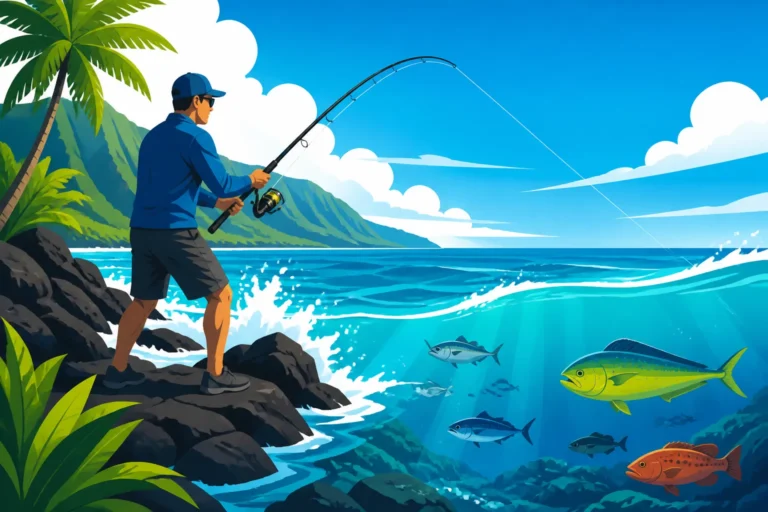
Kihei's shoreline is a truly captivating mix, stretching from long, sandy beaches perfect for sunbathing to rugged lava rock points and extensive shallow reef flats. This geographical diversity creates a myriad of habitats for a wide range of fish species. You'll find an ecosystem where common targets like the feisty papio (juvenile trevally), various types of weke (goatfish), and even the elusive moi (Pacific threadfin) thrive. These mixed environments, while incredibly appealing for fishing, also present unique challenges. Sandy bottom areas transition quickly to coral reefs, demanding different approaches and gear setups. Many anglers, especially those new to the area, can feel a bit overwhelmed by the sheer variety or unsure where to start. Rest assured, with a bit of local insight, you'll learn to read these waters like a book.
Navigating Public Access and Regulations
One of the biggest hurdles for any angler, especially those visiting, is navigating the often-murky waters of public access and local fishing regulations. In Hawaii, while beaches are generally considered public up to the high-water mark, getting to those beaches can sometimes mean crossing private property. It's crucial to always respect private land and utilize designated public access points. Furthermore, Hawaii's commitment to marine conservation means there are specific rules and protected areas you need to be aware of. Places like Marine Life Conservation Districts (MLCDs) are strictly no-take zones, and fishing within their boundaries is prohibited. Before you even cast your first line, familiarizing yourself with the general guidelines is a must. Checking the Hawaii Fishing Regulations Explained can save you a lot of headaches, and you’ll want to know if you need a Hawaii Fishing License Guide for 2026 for certain species or methods. Remember, the spirit of "mālama 'āina" (care for the land) extends to respecting all local rules and the natural environment.
Prime Public Fishing Spots Directly in Kihei
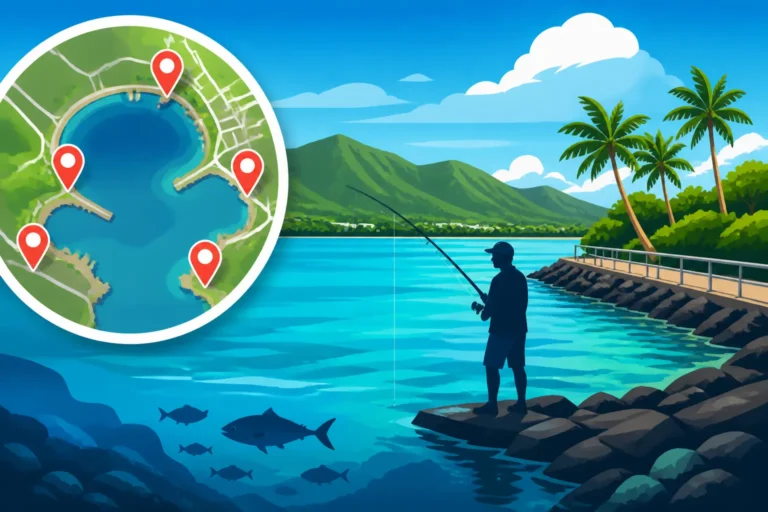
Now, let's get down to brass tacks: where can you actually go fishing in Kihei without a boat or a special permit? The good news is, there are several excellent public access points right within town that offer fantastic shore fishing opportunities.
Kamaole Beach Parks (I, II, & III) for Easy Access
The Kamaole Beach Parks—affectionately known as "Kam I," "Kam II," and "Kam III"—are iconic Kihei spots, and for good reason. While they're bustling with swimmers and sunbathers during the day, they transform into promising fishing grounds during the quieter hours of dawn and dusk. These parks feature expansive sandy stretches, perfect for those long casts, but the real gems for anglers are the rocky points and outcroppings that naturally separate each beach.
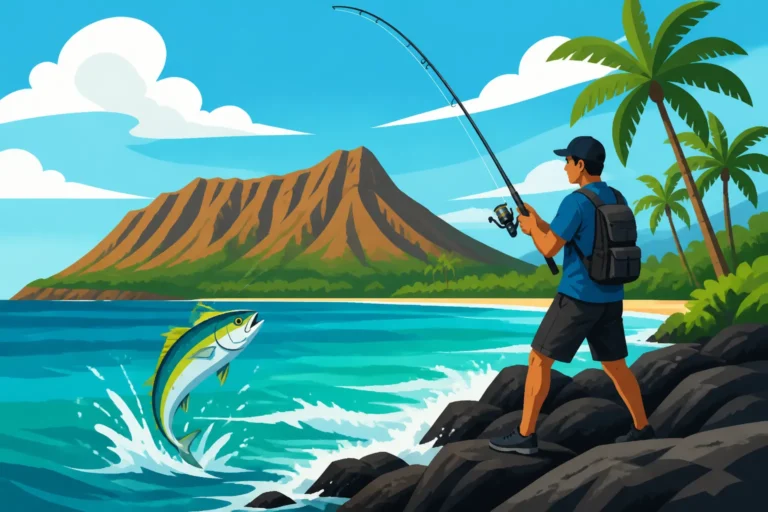
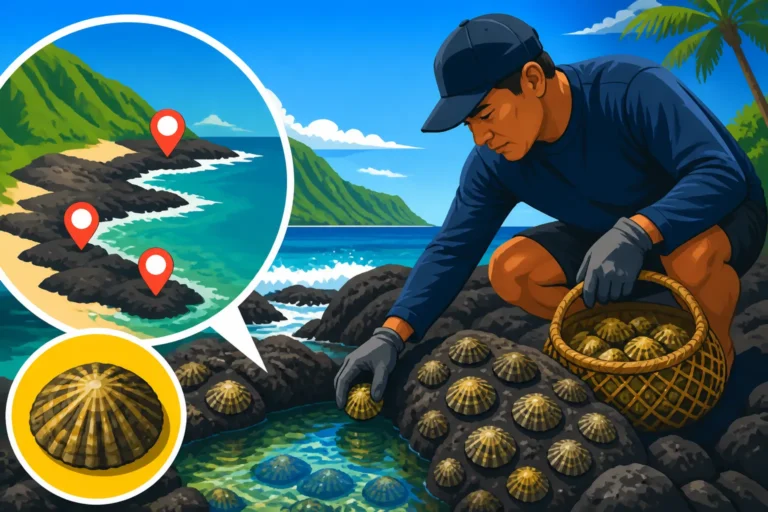
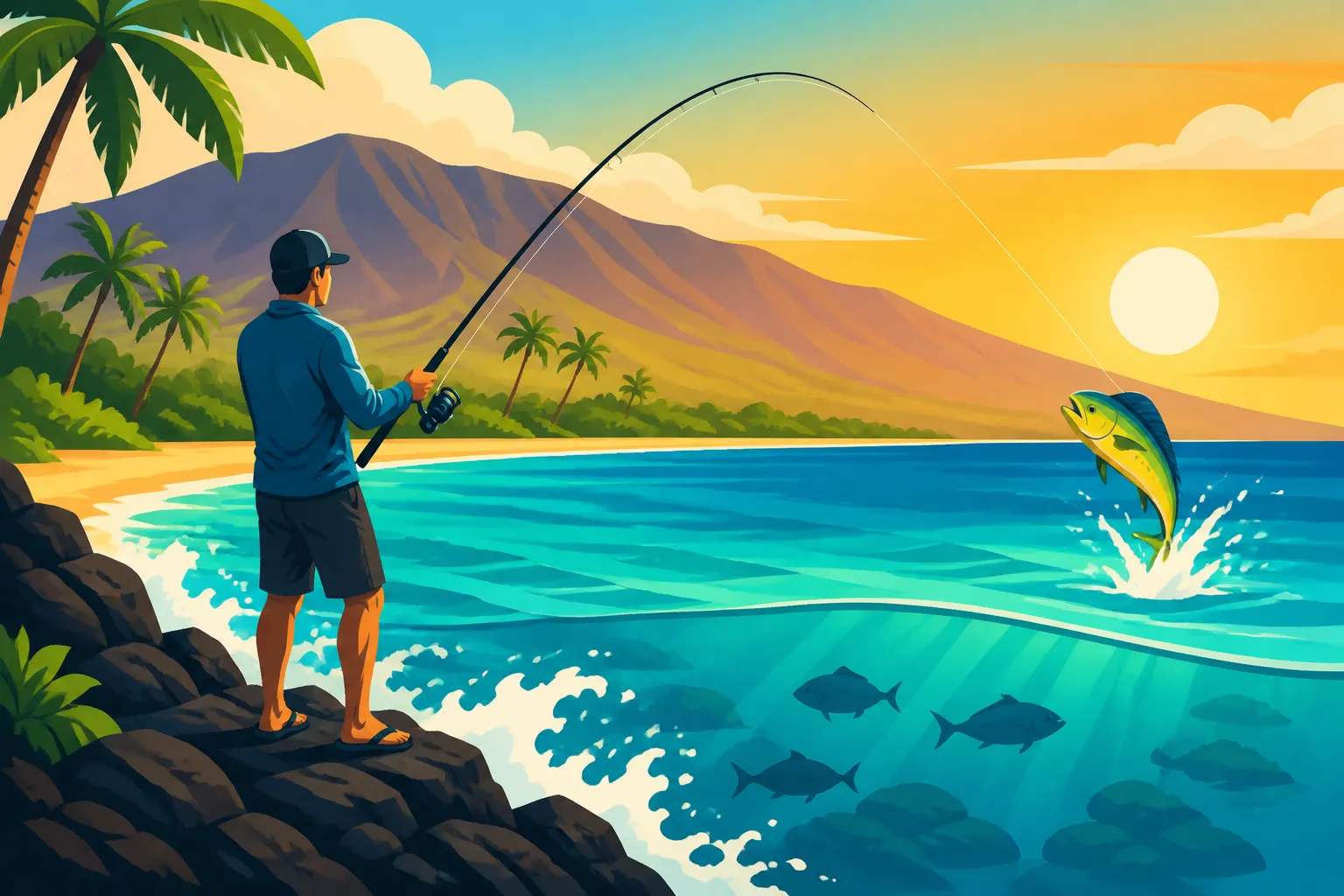
These rocky structures provide vital habitat and ambush points for a variety of inshore species. You'll often find schools of papio cruising the edges, looking for an easy meal, making them a prime target for whipping (light tackle lure casting). Small ulua, the larger cousins of papio, can also be caught here, especially during incoming tides or at night. Goatfish (weke and kumu) are also common inhabitants of these mixed sand and rock bottoms. For success, consider using light spinning gear with small artificial lures like Kastmasters or leadhead jigs with soft plastics. Alternatively, bait fishing with fresh squid or pieces of opihi (limpets, if legally gathered) cast near the submerged rocks can yield excellent results. Just be mindful of swimmers and other beachgoers, especially during peak daylight hours. If you're looking to specifically target How to Catch Papio on Hawaii's Shoreline, these spots are an ideal starting point.
Kalepolepo Beach Park and the Ancient Fishpond
Just north of the main Kamaole beaches, you'll discover Kalepolepo Beach Park, a site rich in cultural history. The centerpiece here is the ancient Hawaiian fishpond, Ko‘ie‘ie Loko I‘a. This historic site is under active restoration, and fishing within the fishpond itself is strictly prohibited to protect both the cultural heritage and the marine life within its walls.
However, the surrounding public shoreline outside the fishpond offers its own unique fishing opportunities. This stretch of beach is generally shallower and can be quite rocky in places, making it a good spot for light tackle fishing. Anglers here might encounter various small reef fish, and sometimes papio will venture into the calmer waters. It’s a great place for beginners or families looking for a relaxed fishing experience, provided they respect the boundaries of the fishpond. The key here is to cast outside the pond's rock wall, focusing on areas where the sand meets the scattered coral or rocks. Always prioritize respecting the cultural significance of the area, and ensure your activities don't interfere with the ongoing preservation efforts.
Waipuilani Park & Kalama Park for a Local Vibe
For those seeking a slightly less tourist-centric experience, Waipuilani Park and Kalama Park offer a more local fishing atmosphere. These parks feature longer, often less crowded stretches of beach and more extensive reef flats compared to the Kamaole parks. This allows for more solitude and, sometimes, the potential for larger catches due to less fishing pressure.
Waipuilani Park, with its mix of sand and scattered rock, is a favorite among local bait fishermen. The reef structure here creates channels and deeper pockets where various goatfish (like weke 'ula and kumu) forage. It's a prime location for traditional bait casting, often using fresh local baits. Kalama Park also offers a good shoreline access with public amenities, and its mixed bottom makes it suitable for both lure casting and bait fishing. Many local anglers prefer these areas for early morning or late evening sessions, as the quieter conditions allow for a more peaceful fishing experience. These spots are excellent for trying out different Shore Fishing Techniques for Hawaii to see what works best on a given day.
Expanding Your Horizons: Nearby Boat Access and Specialized Fishing
While Kihei offers fantastic shore fishing, sometimes you want to chase bigger game or explore more remote areas. For that, you'll need to look beyond the immediate shoreline to boat access points and specialized techniques.
Ma'alaea Harbor: Your Gateway to Deeper Waters
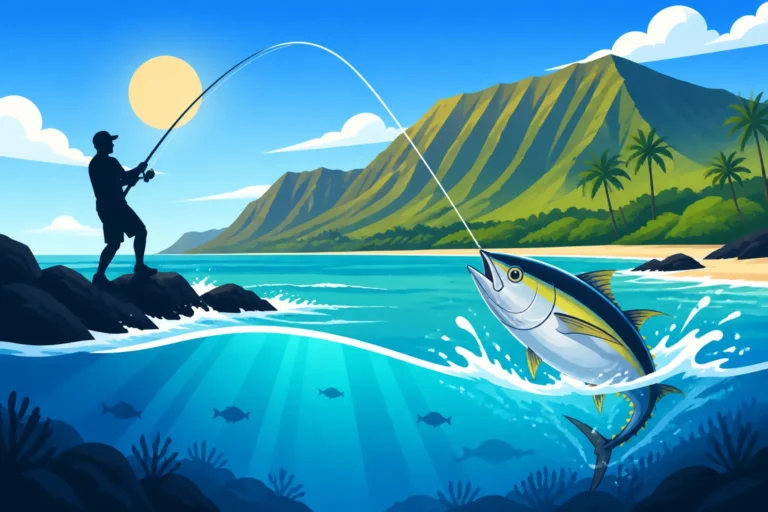
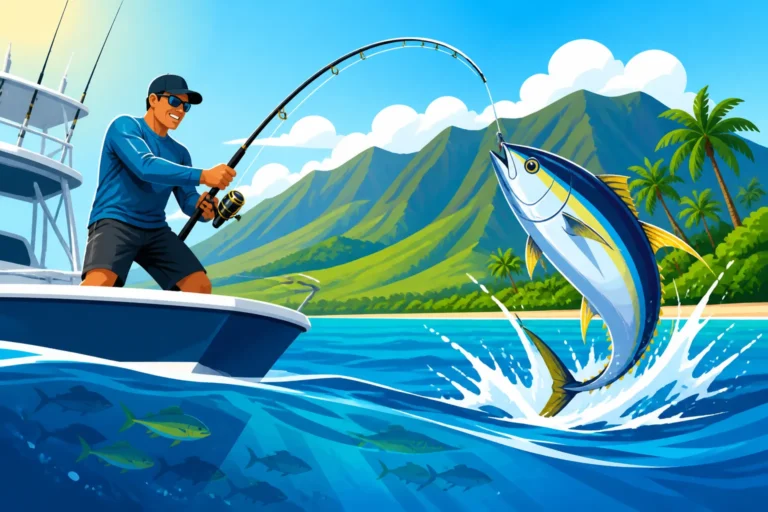
Just a short drive northwest of Kihei, Ma'alaea Harbor stands as Maui's primary hub for serious boat anglers. If your sights are set on the true giants of the Pacific—the magnificent marlin, powerful ahi (yellowfin tuna), fast-running ono (wahoo), or acrobatic mahimahi—then a trip out of Ma'alaea is essential. The harbor provides excellent facilities for launching private boats, but for most visitors, it's the departure point for numerous fishing charters.
These charters offer everything from thrilling deep-sea trolling adventures for pelagic species to more relaxed bottomfishing trips targeting delicious snapper and trevally. For those who don't have their own vessel or the expertise to navigate Hawaii's challenging offshore waters, booking a charter is the most practical and often the most rewarding option. Platforms like FishingBooker make it incredibly convenient to browse and compare different charter operations based out of Ma'alaea, ensuring you find the perfect trip for your group and target species. It's a great way to experience Best Deep Sea Fishing Spots in Hawaii without needing your own boat. Whether you're interested in a full-day excursion or a half-day trip, you can find options to suit your schedule and budget. For a deeper dive into choosing the right vessel, check out How to Choose a Hawaii Fishing Charter.
Kayak and SUP Fishing from Kihei's Beaches
For anglers who want to expand their reach beyond the casting range of shorelines without the commitment of a large boat charter, kayak and stand-up paddleboard (SUP) fishing has exploded in popularity. Several of Kihei's beaches, particularly Kamaole III and Waipuilani, offer excellent, relatively calm conditions for launching these smaller, non-motorized crafts.
The beauty of kayak or SUP fishing lies in its stealth and accessibility. You can quietly paddle out to the edges of the nearshore reefs, exploring channels and ledges that are just out of reach for shore casters. This opens up opportunities for a wider variety of reef fish and often less-pressured papio and small ulua. It's also an incredible way to experience the beauty of Maui's coast from a unique perspective. You can target species with light spinning gear, focusing on dropping small jigs or live bait into deeper pockets. Always prioritize safety: check weather and swell conditions before heading out, wear a PFD, and let someone know your float plan. This method offers a fantastic blend of exercise, exploration, and fishing, tapping into some of the Best Kayak Fishing Spots in Hawaii.
Maximizing Your Kihei Fishing Success
To truly make the most of your Kihei fishing adventure, a few practical tips regarding gear, timing, and local etiquette can go a long way.
Essential Gear, Bait, and Best Practices
When fishing the Kihei shoreline, versatility is your friend. A good starting point is a medium-light to medium-heavy spinning rod, typically in the 7 to 9-foot range, paired with a reel spooled with 15-20 lb braided line and a 20-30 lb fluorocarbon leader. This setup offers enough backbone to handle larger papio or small ulua, while still being sensitive enough for smaller reef fish.
- Lures: For whipping, small metal spoons (like Kastmasters), leadhead jigs with grub tails, and topwater poppers work wonders for papio.
- Bait: Fresh bait is often king. Frozen squid is readily available and effective for a wide range of species. For a more traditional local approach, if legal and accessible, fresh opihi (limpets) or small pieces of octopus can be irresistible to reef fish and goatfish.
- Best Practices: Always check your knots, keep your hooks sharp, and bring plenty of water and sun protection. Consider a small backpack for tackle, water, and snacks to keep your hands free. And remember, when you're fishing in Hawaii, it's always smart to double-check local regulations regarding Hawaii Bag and Size Limits by Species for anything you plan to keep.
Timing is Everything: Tides, Seasons, and Conditions
Just like anywhere else, understanding the subtle rhythms of the ocean can significantly impact your fishing success in Kihei.
- Tides and Moon Phases: Generally, the hour before and after a high or low tide can be particularly productive as fish move to feed. Incoming tides often push baitfish closer to shore, bringing predatory species with them. Stronger tidal movements associated with full or new moons can also stimulate feeding activity. Keep an eye on local tide charts.
- Time of Day: Dawn and dusk are almost universally the best times for shore fishing in Kihei. The cooler temperatures and lower light conditions often bring fish into shallower waters, making them more accessible. Night fishing, especially for ulua, can also be highly productive, but requires extra caution and appropriate lighting.
- Seasons: While Hawaii offers year-round fishing, certain species are more prevalent at different times. Knowing the Hawaii Fishing Seasons by Month can help you tailor your expectations and target species. For instance, while moi can be found year-round, there are specific Hawaii Moi Closed Season, Explained to be aware of.
- Weather and Swell: Calm, clear water is often ideal for sight-fishing on the flats, but sometimes a small to moderate swell can stir up bait and attract predators. Always prioritize safety and avoid fishing during large swells or rough conditions, especially on rocky shorelines.
Respecting the Environment and Local Culture
Fishing in Hawaii is not just a pastime; it's deeply intertwined with the local culture and the health of the delicate marine ecosystem. Practicing "mālama 'āina" – caring for the land and sea – is paramount.
- Leave No Trace: Always pack out everything you pack in, including fishing line, hooks, and any trash. Litter can be devastating to marine life.
- Know Your Limits: Be intimately familiar with Hawaii's fishing regulations, including bag and size limits for all species you might encounter. This is especially true for regulated species like the Hawaii Uhu (Parrotfish) Size and Bag Limits. Releasing fish that are too small, too large, or outside the legal limit ensures healthy fish populations for the future.
- Respect Marine Life: Hawaii is home to protected species like green sea turtles ('honu') and Hawaiian monk seals. Maintain a respectful distance and never disturb them. If you accidentally hook one, know how to safely release it or call local authorities for assistance.
- Cultural Sensitivity: Show respect to local fishermen and residents. Public access is a privilege, and being a responsible and polite angler helps maintain positive relationships within the community. If you see someone practicing traditional methods, observe respectfully from a distance.
By following these guidelines and embracing the spirit of aloha, you'll not only have a more successful fishing trip but also contribute to the preservation of Hawaii's unique natural and cultural heritage.
Kihei Public Fishing Access Summary
To help you quickly reference the best public fishing spots around Kihei, here's a brief overview:
| Fishing Spot | Primary Characteristics | Target Species (Common) | Recommended Technique(s) | Notes |
|---|---|---|---|---|
| Kamaole Beach Parks I-III | Sandy beaches, accessible rocky outcrops | Papio (trevally), Weke (goatfish), small Ulua | Whipping, bait casting | Popular, can be crowded. Fish rocky points during dawn/dusk. |
| Kalepolepo Beach Park | Sandy beach, historic fishpond (protected) | Small reef fish, occasional Papio | Light tackle, bait fishing | Respect fishpond boundaries; fish the surrounding public shoreline. |
| Waipuilani Park | Longer sandy stretches, scattered reef | Papio, Weke, occasional Ulua | Bait casting, light whipping | Less crowded, good for extended sessions and local experience. |
| Kalama Park | Mixed sand/rock, shallow reef, public amenities | Papio, small reef fish | Whipping, lure casting | Often active, good for family outings. |
| Ma'alaea Harbor (nearby) | Boat launch, gateway to offshore waters | Marlin, Ahi, Ono, Mahimahi (via boat) | Offshore trolling/bottom, jigging | Main hub for charters (e.g., FishingBooker); limited shore access. |
Disclaimer
The information provided in this guide is for general informational purposes only and is subject to change. Always consult the latest regulations from the Hawaii Department of Land and Natural Resources (DLNR) Division of Aquatic Resources (DAR) before engaging in any fishing activities. Adherence to all local, state, and federal laws is the responsibility of the angler. Fishing carries inherent risks, and caution should always be exercised.