Best public fishing access near Kaanapali
It can be incredibly frustrating to arrive in a beautiful place like Kaanapali, Maui, rod in hand, only to feel lost about where you can actually cast a line without trespassing or running afoul of local rules. So many prime spots seem to be swallowed by resorts or marked as protected areas, leaving you wondering if a good, honest day of shore fishing is even possible. This guide is here to unravel that mystery, providing you with a clear roadmap to the best public fishing access points near Kaanapali, complete with tips on what you might catch and how to make the most of your time on the water.
The Unique Challenges of Shore Fishing Near Kaanapali
Kaanapali, with its stunning beaches and vibrant resort scene, is undeniably picturesque. But for the angler, this popularity can create a few headaches. While the beaches themselves are public, getting to a good fishing spot that isn't teeming with swimmers or directly in front of someone's private lanai can be a real trick. You're looking for that sweet spot where accessibility meets opportunity, all while respecting the local environment and its inhabitants. Understanding these nuances is key to a successful and enjoyable fishing trip.
Navigating Resort-Heavy Coastlines
Maui's west coast, particularly the Kaanapali stretch, is a prime example of where development meets pristine natural beauty. This means that while the sandy beach itself is public up to the high-tide line, actual access points and suitable fishing spots require a bit of local knowledge. Many resorts offer public access paths to the beach, often with designated parking, but these are primarily for beachgoers, not necessarily the best casting platforms. You need to look for areas with less swimming traffic, deeper water access, or rocky structures that hold fish.
For instance, trying to fish right in front of the bustling Kaanapali Beach Hotel or the Hyatt Regency Maui Resort and Spa at midday is probably not going to be productive or polite. You'll be dodging swimmers and snorkelers, and the fish, if any, will be long gone. Instead, thinking about the fringes of the main resort areas, or even slightly away from them, becomes crucial. These spots often provide a more serene environment and better fishing opportunities without the constant foot traffic. It's about finding those quieter pockets where the ocean's rhythm can truly be appreciated, and where fish feel more comfortable foraging closer to shore.
Understanding Local Marine Environments and Species
The waters around Kaanapali are teeming with diverse marine life, but not all of it is fair game, and knowing what you're targeting helps you choose your spot and gear wisely. Shore fishing here typically yields reef fish and smaller pelagics. You might encounter papio (juvenile trevally), various goatfish like kumu and weke, surgeonfish, and sometimes even moi (Pacific threadfin), though moi have specific closed seasons you need to be aware of. You can check out the Hawaii Moi Closed Season, Explained for more details on that. The reef structure, while beautiful, also means snags are common, so be prepared for that.
Beyond the immediate shore, the ocean floor drops off relatively quickly in some areas, offering a chance for slightly larger species, but those are generally targeted by boat. For shore anglers, understanding the sandy flats, rocky ledges, and small patches of coral is paramount. These micro-habitats dictate where baitfish hide and where predators hunt. For example, a sandy stretch near a rocky point might attract papio looking for crustaceans, while a deeper pocket near a coral head could hold a good-sized weke. This awareness not only improves your catch rate but also deepens your appreciation for Hawaii's rich underwater world. It’s a good idea to research Hawaii Bag and Size Limits by Species before you head out, as regulations vary greatly depending on what you're hoping to reel in.
Top Public Shore Fishing Spots Around Kaanapali
When you're looking for prime public fishing access near Kaanapali, it's all about finding those sweet spots that offer both convenient entry and a decent chance at a bite. While the main Kaanapali Beach fronting the resorts is beautiful for swimming and sunbathing, serious shore fishing opportunities typically lie just a little bit north or south, or at designated public parks that cater more to local recreational activities. These spots balance accessibility with fish habitat, giving you the best shot at a successful outing.
Airport Beach Kahekili Beach Park
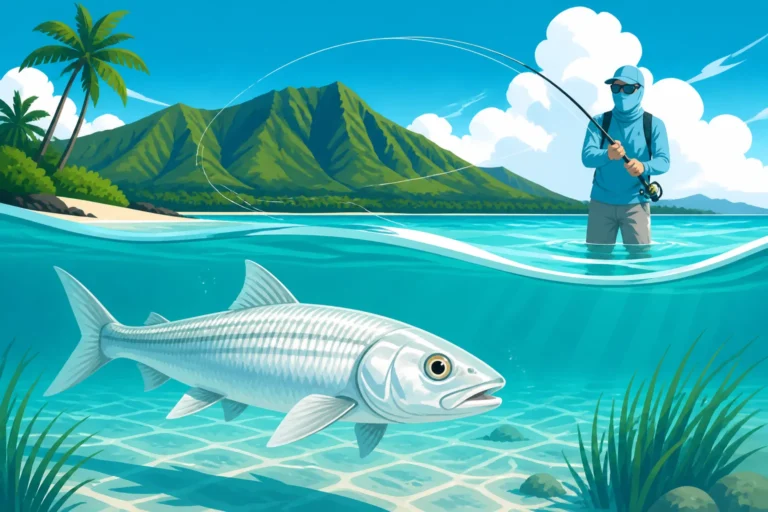
Located just north of the main Kaanapali resort stretch, Kahekili Beach Park, often called Airport Beach by locals, is a fantastic option for shore anglers. This park offers ample public parking, restrooms, and showers, making it very convenient. The beach here is a mix of sand and scattered coral, with a vibrant reef system not too far offshore, easily accessible for wading or casting. The area is popular for snorkeling, but if you go early in the morning or later in the afternoon, you'll find plenty of space to fish.
What makes Airport Beach so good? The reef structure extends from the shoreline, providing excellent habitat for a variety of inshore species. You'll often find papio (juvenile trevally) patrolling the sandy edges where they meet the reef, as well as goatfish (kumu, weke) foraging in the shallows. Sometimes, small wrasse and even triggerfish can be caught, though they're not typically target species. The water here is generally clear, allowing for sight fishing on calm days if you're keen-eyed. Early mornings, especially during a rising tide, tend to be the most productive. The area further north of the main park pavilion, towards the rocky points, can be particularly fruitful, offering slightly deeper water and more complex structure that holds bigger fish. It’s also generally less crowded than the central beach.
Wahikuli Wayside Park
A bit south of Kaanapali, closer to Lahaina, you'll find Wahikuli Wayside Park. This park is another gem for public access and offers a different fishing experience than Airport Beach. It features grassy areas, picnic tables, restrooms, and plenty of parking, making it ideal for a family outing where some want to fish and others want to relax. The shoreline here is primarily sandy with some rocky outcroppings, and the water deepens gradually.
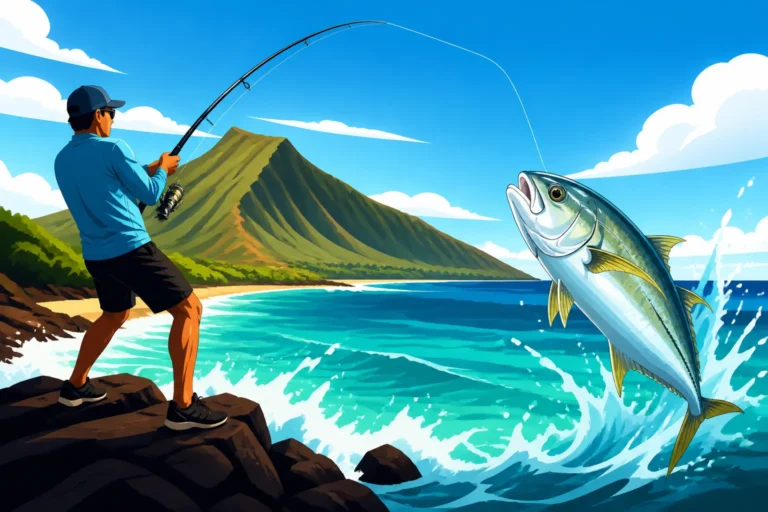
Wahikuli is a great spot if you're looking to cast longer distances into slightly deeper water. The sandy bottom interspersed with occasional rock and coral patches can hold various species. Papio are common targets here, often caught on light tackle. You might also encounter needlefish, which are a blast on light gear, and various types of small jacks. The rocky points on either end of the park can be excellent spots to target larger papio or even ulua (giant trevally) if you're lucky and using heavier tackle and bait, especially during twilight hours. The ease of access and facilities make it a comfortable spot for a longer fishing session. Just be mindful of swimmers and families enjoying the beach during peak hours, and always practice good etiquette.
Northern Kaanapali Beaches and Rocky Outcroppings
Venturing just a little further north from Airport Beach, beyond the immediate resort boundary, you'll find some less-trafficked beaches and rocky outcroppings that offer excellent fishing. These areas require a bit more effort to access, often involving walking along the beach from a public access point or parking further down and strolling. However, the reward is often worth it: fewer people and more undisturbed fish habitat. Places like Honokowai Beach Park or spots further up toward Kapalua Bay can be quite productive.
These areas are characterized by a more rugged coastline, with extensive lava rock formations creating intricate reef systems. This kind of environment is a magnet for reef fish. Here, you can try whipping for papio, or even some smaller game like kaku (barracuda). The rocky structure also provides cover for larger predators. Remember, these spots can be a bit more challenging to navigate, especially if the surf is up, so always prioritize safety. Look for natural channels or pockets of deeper water within the reef. Anglers should also be aware of the tides, as low tide can expose much of the reef, making casting difficult and increasing the risk of snags. These areas can sometimes offer opportunities for moi, particularly during their active seasons, if you know the specific spots. For a broader perspective on similar areas, you might find inspiration in exploring other Best Shore Fishing Spots in Hawaii.
Exploring Beyond Kaanapali: Lahaina Area
While Kaanapali itself offers some great spots, don't limit yourself. Just a short drive south, the historic town of Lahaina provides additional public fishing access points, especially around its harbor. Lahaina Harbor is a busy hub for charter boats and ocean activities, but there are areas where shore fishing is permitted and can be quite productive. You can read more about Lahaina Harbor Fishing Access to get a full picture.
The breakwall and rocky areas around the harbor entrance can hold a surprising variety of fish, including papio, goatfish, and even some smaller snapper. The presence of boats constantly coming and going, and the artificial structures of the harbor, create unique feeding opportunities for fish. It's a different vibe from the open beaches of Kaanapali, more urban, but still very much Hawaii. Early mornings are best here before the harbor traffic really picks up. You'll need to be mindful of boat traffic and other harbor users, but it's a worthwhile alternative if you're looking for a change of scenery or different species. Fishing off a pier or similar structure can sometimes get you into deeper water without needing a boat, reaching species that might not come as close to the open beach.
| Fishing Spot | Location Relative to Kaanapali | Primary Shoreline Type | Target Species (Common) | Best Time to Fish | Key Amenities | Notes |
|---|---|---|---|---|---|---|
| Airport Beach | Just North | Sand & Coral | Papio, Goatfish, Wrasse | Early Morning, Late PM | Parking, Restrooms, Showers | Good reef structure, popular for snorkeling. |
| Wahikuli Wayside Park | South, towards Lahaina | Sand with Rocky Outcrops | Papio, Needlefish, Small Jacks | Early Morning, Twilight | Parking, Restrooms, Picnics | Gradual deepening water, good for casting. |
| Northern Kaanapali Outcrops | Further North | Lava Rock, Reef | Papio, Kaku, Reef Fish | Vary by tide/surf | Limited, often walk-in | More rugged, fewer people, good structure. |
| Lahaina Harbor | South, in Lahaina Town | Seawall, Rocks | Papio, Goatfish, Small Snapper | Early Morning | Parking, Restrooms (nearby) | Urban setting, boat traffic, artificial structure. |
Essential Gear, Techniques, and Local Wisdom
Stepping onto the shores of Kaanapali with your fishing gear means adapting to the unique challenges and opportunities that Hawaii's diverse marine environment presents. It's not just about having the right rod and reel, but also understanding the local conditions, what the fish are biting on, and how to present your offering effectively. A little bit of preparation and local insight can go a long, long way in turning a hopeful cast into a memorable catch.
Recommended Tackle and Baits for Kaanapali Shores
For most shore fishing in Kaanapali, a medium-light to medium spinning setup is usually ideal. A 7-9 foot rod paired with a 3000-4000 series reel spooled with 15-20 lb braided line is a versatile choice. You'll want a fluorocarbon leader of about 20-30 lb test to contend with the sharp coral and the possibility of toothy fish, and to provide some stealth in the clear water. A variety of hooks, from size 1 to 2/0, will cover most bait options.
When it comes to bait, fresh is always best. Small pieces of cut bait like squid, shrimp, or even leftover fish scraps can be incredibly effective for goatfish and smaller papio. For those looking for something more active, live bait like small opelu or akule (if you can catch them with a cast net, which requires a separate permit sometimes) can entice larger papio and even ulua if you're fishing a deep rocky point. Artificial lures are also very popular. Small Kastmasters, Ahi Killers, or even soft plastic grub tails on a jig head can work wonders for papio. For covering more water and enticing a wider range of species, consider surface poppers or small stickbaits, especially during the early morning or late evening hours when predators are more active. Remember to bring a good pair of pliers for hook removal and a small cooler for any keepers. If you're looking for more general guidance on what gear to pack, thinking about What to Bring on a Hawaii Fishing Charter might give you some transferable ideas, even for shore-based trips.
Effective Shore Fishing Techniques
The techniques you employ from the shore around Kaanapali will largely depend on the specific spot and what you're targeting.
- Whipping/Casting Lures: This is a very popular and effective method for papio. Use light to medium spinning gear and cast small metal jigs (like Ahi Killers or Kastmasters), plastic grubs, or small poppers. Cast out, let it sink to your desired depth, and retrieve with a varied action – sometimes a steady retrieve, sometimes twitching and pausing. Pay attention to structure like rocky points and current seams. The key is often to cover a lot of water and vary your retrieve until you find what the fish are reacting to. For a deep dive into this, check out How to Catch Papio on Hawaii's Shoreline.
- Bait Fishing (Bottom/Float): For goatfish, wrasse, and other bottom dwellers, a simple bottom rig with a weight and a single or double hook baited with shrimp or squid is effective. Cast it out and let it sit on the bottom, or slowly retrieve it to cover ground. If you suspect fish are suspended in the water column or you're fishing over a very snaggy bottom, a float (bobber) rig can keep your bait at a desired depth, just above the reef. This is also a good approach for moi if they are in season and in the area.
- Slide Baiting (for Ulua): If you're feeling ambitious and targeting larger ulua from a rocky point or breakwall, slide baiting can be a game-changer. This technique involves casting out a heavy weight to get your main line into deep water, then attaching a live bait (like a small moi or opelu) via a sliding rig that "slides" down your main line to the desired fishing depth. This allows you to present a large, live bait far offshore, which is often what's needed for trophy-sized giant trevally. This method requires specific heavy-duty gear and patience, but the potential reward is huge.
No matter the technique, always be mindful of the currents, which can be strong, and the swell. Safety first, especially when fishing from rocky areas.
Respecting the Aina and Fellow Anglers
Fishing in Hawaii is about more than just catching fish; it's about connecting with the 'aina (land) and kai (sea) and respecting the local culture. This means practicing responsible angling. Always pack out everything you pack in, and if you see any trash, consider taking that too. Leave no trace. Be mindful of marine life; if you see sea turtles or monk seals, keep a respectful distance – there are specific Hawaii turtle and monk seal proximity rules for anglers you should be aware of.
When fishing in public areas, be courteous to other beach users. Avoid casting near swimmers, snorkelers, or sunbathers. Share the space, and if a spot is crowded, find an alternative. Learning a few Hawaiian phrases like "Aloha" (hello/goodbye/love) and "Mahalo" (thank you) can also go a long way in showing respect. Many local anglers are friendly and happy to share advice if approached respectfully. Sometimes the best "catch" isn't a fish, but a conversation and a deeper understanding of the island's spirit. If you're seeking to refine your approach, consulting a seasoned local guide can be incredibly insightful. You might even find some reputable local guides on platforms like FishingBooker, even if you're not booking a boat charter, they often offer invaluable shore-based wisdom.
Navigating Regulations and Maximizing Your Kaanapali Fishing Experience
Understanding the rules of the game is paramount when fishing in Hawaii. The state has specific regulations designed to protect its unique and delicate marine ecosystems, ensuring that future generations can also enjoy the bounty of the ocean. Ignoring these regulations can lead to hefty fines and, more importantly, can harm the very resources we cherish. Getting familiar with the rules isn't just about avoiding trouble; it's about being a responsible steward of Hawaii's natural treasures.
Understanding Hawaii's Fishing License Requirements and Regulations
One of the most common questions from visitors and even new residents is about fishing licenses. For ocean fishing in Hawaii, recreational anglers do not typically need a license for marine waters. This is a significant difference from many other states. However, this exemption only applies to saltwater fishing. If you venture into freshwater for species like rainbow trout in Kokee, Kauai, or bass in Wahiawa Reservoir, Oahu, you will need a freshwater fishing license. For comprehensive information, definitely consult the Hawaii Fishing License Guide for 2026.
Even without a general marine license, specific regulations are rigorously enforced by the Hawaii Department of Land and Natural Resources (DLNR), Division of Aquatic Resources (DAR). These regulations cover a wide array of topics:
- Bag and Size Limits: Crucial for managing fish populations, these limits dictate how many fish of a certain species you can keep and their minimum or maximum legal size. For example, some species like moi have specific minimum size limits to allow them to reproduce. Always have a measuring device handy.
- Gear Restrictions: Certain types of fishing gear might be prohibited in specific areas or for certain species. For instance, the use of gillnets might be restricted in some nearshore waters.
- Closed Seasons: Some species have closed seasons to protect them during critical spawning periods. The aforementioned moi closed season is a prime example.
- Prohibited Methods: Certain destructive fishing methods are strictly forbidden statewide.
It's absolutely essential to stay informed about these rules, as they can change. The best practice is to always check the most current regulations directly from the Hawaii DLNR website before you head out. A quick search on a platform like FishingBooker might also lead you to resources or local guides who can clarify the latest rules, particularly if you're looking for up-to-the-minute information on specific areas or species. Getting a clear understanding of Hawaii Fishing Regulations Explained will ensure you're fishing legally and sustainably.
Identifying Restricted Areas and Protected Species
Beyond general regulations, Hawaii has established several types of restricted areas to further protect its unique marine ecosystems. Fishing in these zones can lead to severe penalties.
- Marine Life Conservation Districts (MLCDs): These are strictly protected areas where fishing, collecting, or disturbing marine life is generally prohibited. While there isn't an MLCD directly off Kaanapali Beach itself, nearby areas might have them. For instance, Molokini Crater and Honolua Bay on Maui are well-known MLCDs. It's crucial to know the boundaries of these areas. Understanding What a Marine Life Conservation District means for anglers is vital. Always look for signage when approaching a new fishing spot.
- Fishery Management Areas (FMAs) and other Protected Areas: There are other designations with varying levels of restriction, from no-take zones to areas with specific gear limitations. These are often established to protect critical habitats or specific species.
- Protected Species: Certain marine animals are federally and state protected, and interacting with them (including accidental hooking) requires specific protocols. Hawaiian Monk Seals, Green Sea Turtles (honu), and Humpback Whales (in season) are examples. If you accidentally hook a protected species, you must know how to safely release it without causing harm. Never attempt to feed or harass these animals. Always follow the Hawaii turtle and monk seal proximity rules for anglers to ensure their safety and your own compliance with the law.
When exploring new fishing spots near Kaanapali or elsewhere on Maui, take the time to look for informational signs or check online maps from the DLNR. Sometimes, even what looks like a perfect fishing spot might be adjacent to or part of a restricted area. Being a responsible angler means doing your homework, respecting the land and sea, and helping to preserve Hawaii's incredible aquatic resources for generations to come. If in doubt, don't cast! You can always reach out to the local DLNR office for clarification.
Disclaimer
Please note that fishing regulations in Hawaii are subject to change. While every effort has been made to provide accurate and up-to-date information in this guide, it is your responsibility to verify all current rules and regulations with the Hawaii Department of Land and Natural Resources (DLNR) Division of Aquatic Resources (DAR) before engaging in any fishing activities. This guide is for informational purposes only and does not constitute legal advice. Always prioritize safety and respect for the local environment and community.