Best shore fishing spots near Lihue
Finding reliable information on the best shore fishing spots near Lihue can feel like trying to catch a fish with a net full of holes – frustrating and often unproductive. Many guides generalize about Kauai, but what you really need are the nitty-gritty details for this specific area. This comprehensive guide will cast a wide net over Lihue's coastline, helping you pinpoint prime locations, understand local regulations, and equip yourself for a successful and respectful fishing adventure right from the shore.
Why Lihue is a Shore Angler's Gem (and How to Navigate It)
Lihue, as the bustling hub of Kauai, offers a unique blend of accessibility and diverse fishing opportunities right off its shores. Unlike some of the more remote, wilder coastlines on the island, Lihue's proximity to amenities and relatively easy access points make it incredibly appealing for both seasoned local anglers and visiting enthusiasts. However, this convenience also means navigating busier areas and understanding specific nuances that differ from a secluded beach.
The Lihue Shoreline Advantage
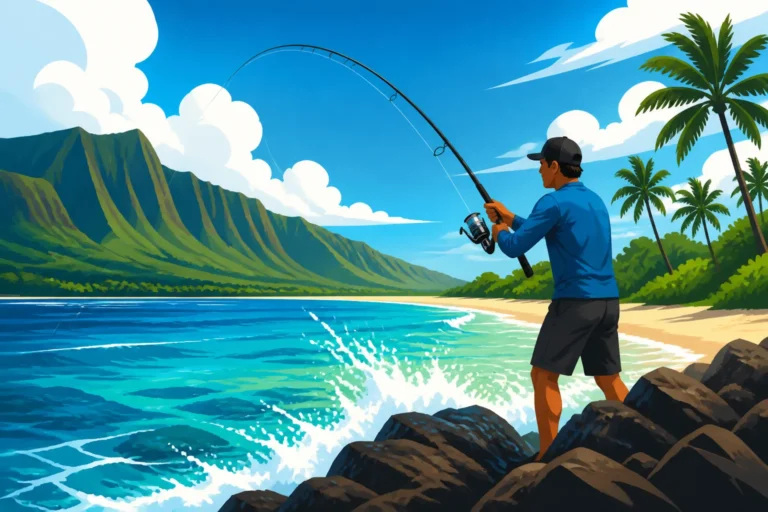
The coastline around Lihue is a mosaic of sandy beaches, rocky points, and protected harbor areas, each attracting different species and offering varied fishing experiences. From the calm waters perfect for family fishing to more exposed spots for casting into deeper channels, there’s a surprising amount of variety packed into this central region. You'll find everything from aggressive papio (juvenile trevally) patrolling the reef edges to larger ulua (giant trevally) lurking in deeper channels, especially during prime night fishing conditions. The mixed bottom, with its combination of sand, rock, and coral, provides excellent habitat for a wide array of reef fish, too, making it an exciting challenge for light tackle anglers. Plus, the ease of getting to these spots, often with paved parking nearby, means less hassle and more time with a line in the water.
Navigating the Challenges of Urban Shorelines
While Lihue's accessibility is a huge plus, it also comes with its own set of challenges. Public access can sometimes be limited by private properties, hotels, or restricted areas, so it's crucial to know exactly where you're allowed to set up. You might also encounter more recreational beachgoers, especially at popular spots like Kalapaki Beach, so being mindful of swimmers and other ocean users is paramount. Furthermore, understanding the ebb and flow of local tides and currents, which can be influenced by man-made structures like breakwaters, becomes even more critical for successful fishing. Local knowledge, often gained by observing other anglers or chatting with tackle shop owners, is gold here. Don't be shy about asking questions; most local fishermen are happy to share a tip or two if you approach them with respect.
Top Shore Fishing Hotspots Near Lihue
Let's dive into some of the most promising spots where you can wet a line near Lihue, each with its own character and potential catch.
Kalapaki Beach and Nawiliwili Harbor
Kalapaki Beach is probably the most iconic beach in Lihue, backed by the sprawling Timbers Kauai oceanfront resort and the Hōkūala Golf Course. While it's a popular spot for swimming and surfing, certain areas, especially towards the mouth of Nawiliwili Harbor, offer excellent shore fishing. The calm, protected waters of the bay itself can hold smaller papio, various reef fish, and even barracuda. Look for areas near the rock jetties or where the channel deepens towards the harbor entrance. Early mornings or late evenings, especially mid-week, tend to be less crowded.
Nawiliwili Harbor itself, with its deep-water access and commercial activity, is a prime location. The concrete pier near the old harbor master's office or the seawall areas are often frequented by local anglers. Here, you're looking at a diverse range of species. Papio are almost a given, but you also stand a good chance of hooking into larger ulua, especially during incoming and outgoing tides when baitfish are moving. Whipping with artificial lures or using natural bait like live opelu or cut squid can be very effective here. Just be mindful of boat traffic and commercial operations. Checking the local rules on access and fishing specific sections of the harbor is always a smart move.
Lydgate Beach Park: A Family-Friendly Option
Lydgate Beach Park, located just north of Lihue, is famous for its two rock-enclosed swimming ponds that offer incredibly safe swimming for families. However, beyond these protected pools, Lydgate offers significant shore fishing opportunities. The areas outside the rock walls, both to the north and south, provide access to open ocean and reef environments. To the north, you'll find more exposed rocky shoreline interspersed with sandy patches, ideal for casting into surf breaks. To the south, beyond the protected swim area, there's a long stretch of sandy beach where you can cast for papio, moi (Pacific threadfin) when in season, and various smaller reef fish.
This park is particularly good if you're fishing with keiki (children) because of the easy access and amenities. You can set up closer to the calmer areas while still having productive water within casting distance. Just remember, the protected swimming ponds themselves are generally not for fishing, and you should always respect the rules posted by the Department of Parks and Recreation, as well as the Department of Land and Natural Resources (DLNR). This is also a fantastic spot for casual bait fishing with shrimp or small pieces of cut fish, and perhaps even some light whipping for papio. If you’re unsure about what species you might encounter, our guide on Reef Fish Species Identification Guide for Hawaii can be a great resource.
Ahukini Landing and Nearby Rocky Outcrops
For those looking for a bit more rugged adventure and a departure from the more tourist-heavy spots, Ahukini Landing, just north of the Lihue Airport, is a local favorite. This old commercial pier and the surrounding rocky coastline offer deep-water access very close to shore. The pier itself is a known spot for catching papio, ulua, and even pelagic species like small ono (wahoo) or mahimahi when they venture close. You'll often see locals throwing nets for baitfish here before setting up their lines. The currents around Ahukini can be strong, so be prepared with heavier tackle if you plan to target larger fish.
Beyond the pier, the rocky outcrops and small coves stretch along the coast. These areas require careful footwork but can yield excellent results, especially for bottom fishing or slide baiting for ulua. These spots are less crowded and provide a more solitary fishing experience. Always prioritize safety when navigating rocky shorelines – wear sturdy shoes and be aware of incoming waves. Because of the deeper water, you might also find some of the larger bottomfish species if you have the right setup. If you're targeting big ulua, you might want to read up on How to Catch Ulua from Shore for specialized techniques.
Hanamaulu Beach Park
A little further north from Lydgate, Hanamaulu Beach Park offers another accessible option, though it's often quieter than its southern counterparts. This crescent-shaped beach is a mix of sand and some rocky areas, with a small stream emptying into the ocean. The brackish water near the stream mouth can attract different baitfish, which in turn draws in predatory species like papio and small barracuda. The reef structure further out provides habitat for various panfish.
Hanamaulu is a great spot for throwing light lures or bait fishing with shrimp or limu (seaweed) for smaller reef fish. It’s generally a calmer area, making it pleasant for a relaxed day of fishing. While it might not produce the trophy-sized ulua that Ahukini or Nawiliwili might, it's a consistent spot for action and a beautiful place to spend a morning.
Essential Gear and Techniques for Lihue Shore Fishing
Having the right gear and understanding effective techniques will significantly boost your chances of success on Lihue's diverse shorelines. It’s not just about having a rod, it’s about having the right rod for the conditions.
Recommended Rods, Reels, and Line
For general shore fishing around Lihue, versatility is key. A medium-heavy spinning rod, typically 9 to 11 feet long, paired with a reliable spinning reel in the 5000-8000 size range, will cover most situations. This setup provides enough backbone for casting heavy lures or bait rigs, while still offering sensitivity for smaller bites.
- Rods: Look for rods rated for 15-40 lb line with a fast to moderate-fast action. Brands like Daiwa, Shimano, or local favorites like St. Croix (though less common in Hawaii) make excellent surf rods.
- Reels: A sealed spinning reel is ideal to protect against saltwater intrusion. Capacity for 200-300 yards of line is crucial.
- Line: Braided line, typically 20-50 lb test, is highly recommended for its casting distance, sensitivity, and strength. Spooling up with a good quality braid like PowerPro or Sufix 832 will make a huge difference. Always tie on a fluorocarbon leader (30-60 lb test) for abrasion resistance and stealth. The clearer waters around Lihue mean fish can be line-shy, so a good leader is non-negotiable.
For more aggressive, heavy-duty ulua fishing, especially at night or in areas with strong currents like Ahukini, you might want to step up to a heavier "slide bait" or "heavy whipping" setup. This involves much longer rods (12-14 feet), larger conventional or spinning reels (10000+ size), and heavier line (60-80 lb braid with 80-150 lb monofilament leaders).
Best Baits and Lures for Lihue Fish
Matching your bait or lure to what the local fish are eating is paramount.
- Natural Baits:
- Live Bait: Small opelu (mackerel scad), akule (bigeye scad), or halalu (juvenile akule) are prime live baits for larger predators like ulua and papio. You might need a cast net to catch these yourself or buy them from local bait shops if available.
- Cut Bait: Pieces of fresh opelu, akule, squid, or even store-bought shrimp can be incredibly effective. Squid is a universal bait, great for bottom fish and opportunistic predators.
- Limu (Seaweed): Certain species like uhu (parrotfish) and moi (Pacific threadfin) are vegetarians, and a small piece of green limu can be irresistible. This is particularly effective in rocky, shallower areas.
- Artificial Lures:
- Whipping Lures: Small metal spoons, Kastmasters, or Tady jigs (1/2 oz to 2 oz) are excellent for papio and smaller predatory fish. Silver, gold, or holographic finishes are popular. Work them with a fast retrieve and occasional pauses. Check out Best Techniques for Whipping for Papio for more specific tactics.
- Poppers and Stickbaits: Topwater lures are thrilling for aggressive papio and sometimes smaller ulua, especially during dawn and dusk.
- Grubs and Soft Plastics: Weighted curly-tail grubs or paddle-tail swimbaits can entice a variety of reef fish and papio when fished slowly near the bottom or around structure.
- Plugs and Jigs: For targeting bigger ulua or deeper species, heavier jigs or large casting plugs can be used, particularly from locations like Ahukini Landing.
Reading the Water and Tides
Understanding how the ocean moves is like having a secret weapon. Look for key indicators:
- Rip Currents: These can be dangerous for swimmers but are highways for baitfish and predators. Cast to the edges of rips.
- Color Changes: Discolored water often indicates runoff or a drop-off. Fish often congregate where clear and murky water meet.
- Structure: Rocks, coral heads (where permitted to fish), ledges, and channels are all fish magnets. Learn to "read" the water for these subtle signs, even if you can't see the bottom.
- Tides: Generally, the incoming and outgoing tides (the hours around high and low tide) are the most productive as moving water stirs up bait and concentrates fish. Stronger tidal movements can bring larger fish closer to shore. Always check the local tide charts for Lihue before heading out.
- Swell: While big swells can make fishing dangerous, the days after a large swell can be incredibly productive, as the churning water dislodges food and disorients baitfish. Just be cautious of rogue waves.
When planning your trip, you might also consider what time of year is best. Our Hawaii Fishing Seasons by Month guide offers a broader perspective on seasonal trends across the islands.
Respecting the Aina (Land) and Regulations
Fishing in Hawaii is not just a recreational activity; it's deeply ingrained in the culture and tradition. Respect for the 'aina (land) and kai (sea) is paramount, and adhering to regulations ensures these resources remain abundant for future generations.
Understanding Local Rules and Etiquette
While Hawaii residents do not need a license for most marine (ocean) recreational fishing, non-residents generally do, or if you're targeting freshwater species. It’s always best to double-check the latest regulations. You can find comprehensive information in our guide: Do You Need a Fishing License in Hawaii. Beyond licenses, pay close attention to:
- Bag and Size Limits: The Hawaii Division of Aquatic Resources (DAR) sets specific limits for different species to ensure sustainable harvesting. These limits can vary seasonally or by region. Know your target species and their respective limits. For instance, there are strict rules for moi and uhu, which are popular shore catches. Our article on Hawaii Bag and Size Limits by Species is an excellent resource.
- Closed Seasons/Areas: Some species have closed seasons during spawning periods, and certain areas, like Marine Life Conservation Districts (MLCDs), are entirely off-limits to fishing. Always be aware of your surroundings and any posted signs. For example, Hawaii Marine Life Conservation Districts, Explained clarifies where fishing is restricted.
- Shoreline Access: Public access to shorelines is generally protected in Hawaii, but always be mindful of private property boundaries. Don't trespass to reach a fishing spot. Respect signs and local landowners. More details on your rights can be found in Hawaii Shoreline Fishing Rights and Public Access Rules.
- Cleanliness: Pack out everything you pack in. Leave no trash, discarded line, or bait behind. Keeping the shoreline clean is a sign of respect for the environment and the local community.
Conservation and Sustainable Practices
As anglers, we have a responsibility to be stewards of the ocean.
- Catch and Release: Practice catch and release, especially for juvenile fish or species you don't intend to eat. Handle fish with wet hands, minimize their time out of water, and use de-hooking tools when possible to reduce stress.
- Targeting Invasive Species: Hawaii actively encourages the harvest of certain invasive species like taape (bluestripe snapper) and roi (peacock grouper) to help protect native populations. If you catch these, consider keeping them.
- Avoid Overfishing: Only take what you need for a meal, not enough to fill a freezer. Sustenance fishing is part of the local culture, but commercial-level harvests by recreational anglers are discouraged.
For those interested in exploring beyond solo shore fishing, or for beginners who want to learn from a pro, considering a guided trip can be incredibly insightful. Companies like FishingBooker list many local guides who specialize in shore fishing and can teach you the ropes, share local secrets, and ensure you're fishing responsibly. These guides can often provide all the gear and even teach you about the specific regulations for various species and locations, ensuring you have a fun and compliant experience.
Lihue Shore Fishing Summary
| Fishing Spot | Primary Target Species | Best Techniques | Notes |
|---|---|---|---|
| Kalapaki Beach | Papio, various reef fish, small barracuda | Light whipping, bait fishing (shrimp, cut bait) | Busy with beachgoers; fish near jetties/harbor mouth. |
| Nawiliwili Harbor | Papio, Ulua, Barracuda, reef fish | Whipping, sliding bait (for Ulua), bottom fishing | Deep water access; watch for boat traffic. |
| Lydgate Beach Park | Papio, Moi, small reef fish, occasional Ulua | Light whipping, bait fishing (shrimp, limu) | Family-friendly; fish outside protected swim areas. |
| Ahukini Landing | Ulua, Papio, Barracuda, pelagics, bottomfish | Heavy whipping, slide bait, deep bottom fishing | Rugged access; strong currents; local favorite. |
| Hanamaulu Beach Park | Papio, small barracuda, various reef fish | Light whipping, bait fishing (shrimp) | Quieter beach; good for relaxed fishing; near stream mouth. |
This table provides a quick reference, but remember that conditions and fish activity change daily. The key to successful shore fishing around Lihue is patience, observation, and a willingness to adapt your approach. Don't be afraid to try different spots, baits, and techniques. The beauty of shore fishing in Hawaii is the constant surprise – you never know what might bite next!
Ultimately, Lihue offers some fantastic opportunities for shore anglers. Whether you're a seasoned pro targeting a trophy ulua or a family looking to catch some panfish for dinner, the diversity of its coastline and the abundance of its waters make it a truly special place to fish. Remember to always fish responsibly, respect the ocean and its creatures, and cherish the unique experience of fishing in Hawaii. If you’re ever considering a guided trip to maximize your chances, reputable services found on platforms like FishingBooker can connect you with experienced local captains and guides who know these waters like the back of their hand.
Disclaimer
Fishing involves inherent risks, including but not limited to, strong currents, sharp objects, marine life encounters, and slippery surfaces. Always prioritize your safety and be aware of your surroundings. Adhere strictly to all local fishing regulations, size limits, and bag limits. This guide is for informational purposes only and does not endorse or encourage any illegal fishing practices. Before heading out, check the latest rules and conditions from the Hawaii Division of Aquatic Resources (DAR).