Best marlin fishing spots off the Kona Coast
Dreaming of that epic marlin fight off Hawaii's world-renowned Kona Coast, but feeling a bit lost on where to even begin looking for these magnificent fish? It's a completely understandable feeling! The vastness of the Pacific can be daunting, but the good news is that Kona offers some truly legendary hotspots. This guide is designed to cut through the noise, pinpointing the best marlin fishing spots off the Kona Coast and giving you the local insights you need for an unforgettable big game fishing adventure.
The Unrivaled Marlin Grounds of the Kona Coast
The Kona Coast of the Big Island isn't just a pretty place; it's a geographic marvel that has earned its reputation as the "Marlin Capital of the World" for very good reason. Anglers flock here year after year, hoping to land a grander (a marlin weighing 1,000 pounds or more), and many succeed! This incredible fishery isn't by accident; it's a perfect storm of unique oceanography and consistent conditions that create a marine ecosystem tailor-made for pelagic predators like marlin.
Deep Water, Close to Shore: Kona's Unique Oceanography
What truly sets Kona apart from almost any other deep-sea fishing destination globally is how quickly the ocean floor drops off from the shoreline. Within just a few miles of the coast, you'll find depths plunging thousands of feet. This dramatic underwater topography, a direct result of the Big Island's volcanic origins, means that offshore pelagic species, particularly various types of marlin, can be found incredibly close to land. You don't need to spend hours running offshore to find blue water and big fish. This proximity to deep water not only saves valuable fishing time but also keeps fuel costs down for charter operators and private boaters alike. Imagine leaving the harbor and being in prime marlin territory within minutes – that's the Kona advantage. This unique setup also means that baitfish, which are crucial for attracting marlin, have immediate access to both shallow, nutrient-rich reef systems and the deep, open ocean.
The Kona "Calm" and Its Impact on Fishing
Another phenomenal characteristic of the Kona Coast is the often-mirrored surface of its ocean waters, affectionately known as the "Kona Calm." Thanks to the towering volcanoes of Mauna Kea and Mauna Loa blocking the prevailing trade winds, the leeward side of the Big Island often experiences incredibly calm seas, especially in the mornings. This isn't just pleasant for boaters; it's a huge factor in successful marlin fishing. Calm seas make it easier for captains to spot subtle signs of feeding activity, like diving birds or bait schools splashing on the surface. It also allows for more comfortable and effective trolling, as lures track smoothly through the water without being tossed around by rough waves. When you're spending long hours searching for that monster blue marlin, a comfortable ride can make all the difference, helping you stay focused and alert for that explosive strike. These calm conditions are a big reason why many anglers consider Kona to be the ultimate destination for How to Catch Marlin off the Kona Coast.
Mapping Your Marlin Hunt: Top Productive Areas
Knowing where to cast your lines is half the battle when you're targeting grander marlin. While marlin are highly migratory and can be found almost anywhere in Kona's deep blue waters, certain areas consistently produce more hook-ups due to their specific characteristics that attract baitfish and, consequently, their predators. Understanding these key fishing grounds will significantly boost your chances of success.
The Legendary 100-Fathom Line: A Blue Marlin Highway
Perhaps the most famous marlin fishing ground off the Kona Coast is the "100-Fathom Line." For those unfamiliar with nautical terms, a fathom is six feet, so the 100-fathom line refers to the area where the ocean depth consistently hits around 600 feet. This depth contour, which runs parallel to the Kona coastline, is essentially an underwater highway for pelagic species. The reason it's so productive lies in its role as a natural aggregation point. Currents pushing up against the steep underwater slopes create upwellings that bring nutrient-rich water to the surface, concentrating baitfish like skipjack tuna, mahimahi, and opelu. Where there's bait, there are predators. Experienced captains will meticulously troll along this line, looking for bait schools, current breaks, and temperature changes that indicate a prime feeding zone. Many of the record-breaking marlin caught in Kona have been hooked right along this invisible but critically important underwater feature. For more on what these fish eat, check out What marlin eat off the Kona Coast.
FADs and Offshore Buoys: Bait Magnets for Predators
Beyond the natural contours, the Hawaii Division of Aquatic Resources (DAR) has strategically deployed Fish Aggregating Devices, or FADs, in offshore waters. These FADs are essentially large buoys anchored in deep water that act like magnets for baitfish. For reasons not entirely understood, baitfish are naturally drawn to these floating structures, seeking shelter or simply aggregating in their vicinity. Where baitfish congregate, larger predatory fish, including various species of marlin, ahi (yellowfin tuna), and ono (wahoo), are sure to follow.
Kona has several well-known FADs that charter captains frequent, such as those designated as "OTEC" (near the Natural Energy Laboratory of Hawaii Authority) or "K-Buoy." Each FAD has its own personality and can be hot or cold depending on the day, current, and season. Charters often make runs to these FADs, trolling around them or even pitching live bait to capitalize on the concentrated fish life. It's a fantastic spot to find not only marlin but also other prized pelagics, making it a diverse and exciting fishing spot. When you're booking a trip, especially through platforms like FishingBooker, you might hear captains mention plans to fish around these FADs.
Underwater Topography: Seamounts, Canyons, and Ledges
While the 100-fathom line is a continuous feature, the Kona Coast also boasts a complex underwater topography of seamounts, canyons, and ledges that serve as additional hotspots for marlin. These features interrupt the currents, creating eddies and upwellings that concentrate plankton, drawing in smaller baitfish, and ultimately, the larger predators.
- Seamounts: These are underwater mountains that don't quite break the surface. They act as islands in the deep ocean, attracting a diverse range of marine life from the bottom up. Marlin patrol their slopes and peaks, ambushing baitfish that school around these underwater structures.
- Canyons: Deep underwater gorges carve into the seabed, providing pathways and ambush points for marlin. The edges of these canyons often hold temperature breaks and current lines, making them prime trolling areas.
- Ledges and Drop-offs: Similar to the 100-fathom line, these sudden changes in depth create areas where currents interact, bringing food to the surface and concentrating bait. Marlin will often "work" these ledges, moving up and down the water column in search of prey.
Captains often have their favorite "secret spots" – specific seamounts or parts of canyons that consistently produce. These are often named after the charter boats that first found them or the fish that were caught there. Being on a charter with a knowledgeable local captain, often found via resources like FishingBooker, means you'll benefit from years of accumulated wisdom about these specific, nuanced spots.
Decoding Marlin Movement and Feeding Patterns in Kona Waters
Understanding where marlin are is crucial, but knowing why they're there and when they're most likely to bite transforms good fishing into great fishing. Marlin are apex predators, and their movements are largely dictated by the availability of food and favorable environmental conditions. In Kona, specific oceanic cues often reveal where these elusive giants might be hunting.
Current Lines and Temperature Breaks: Where the Food Gathers
The ocean is rarely a uniform body of water; it's a dynamic environment with constantly shifting currents and temperature gradients. For marlin anglers, these subtle changes are critical indicators.
- Current Lines: These visible seams in the water are often formed where two different currents meet, or where a current brushes against an underwater obstruction like a seamount or an island. These lines frequently accumulate debris, Sargassum weed, and, most importantly, plankton and baitfish. It's like a conveyer belt for food. Marlin patrol these current lines, waiting for an easy meal to be delivered. Savvy captains will often troll along these lines, knowing that they increase the chances of encountering a feeding marlin. Keeping an eye out for floating debris or a distinct change in water color can lead you right to a productive current line.
- Temperature Breaks: Marlin, particularly the larger blue marlin, have preferred water temperatures. Significant changes in surface water temperature can indicate a boundary where different water masses meet. Often, baitfish will concentrate along these temperature breaks, and marlin will follow. Modern fishing boats equipped with advanced electronics, like sea surface temperature (SST) satellite data, allow captains to identify these breaks even before leaving the harbor. Trolling lures or live bait through these thermal fronts is a highly effective strategy for finding actively feeding fish. Understanding What water temperature marlin prefer can give you a significant advantage.
Seasonal Migration and Resident Marlin Behavior
While Kona is celebrated for its year-round marlin fishery, there are distinct seasonal patterns that influence the prevalence of different marlin species and their sizes. Knowing these patterns helps anglers time their trips for specific goals.
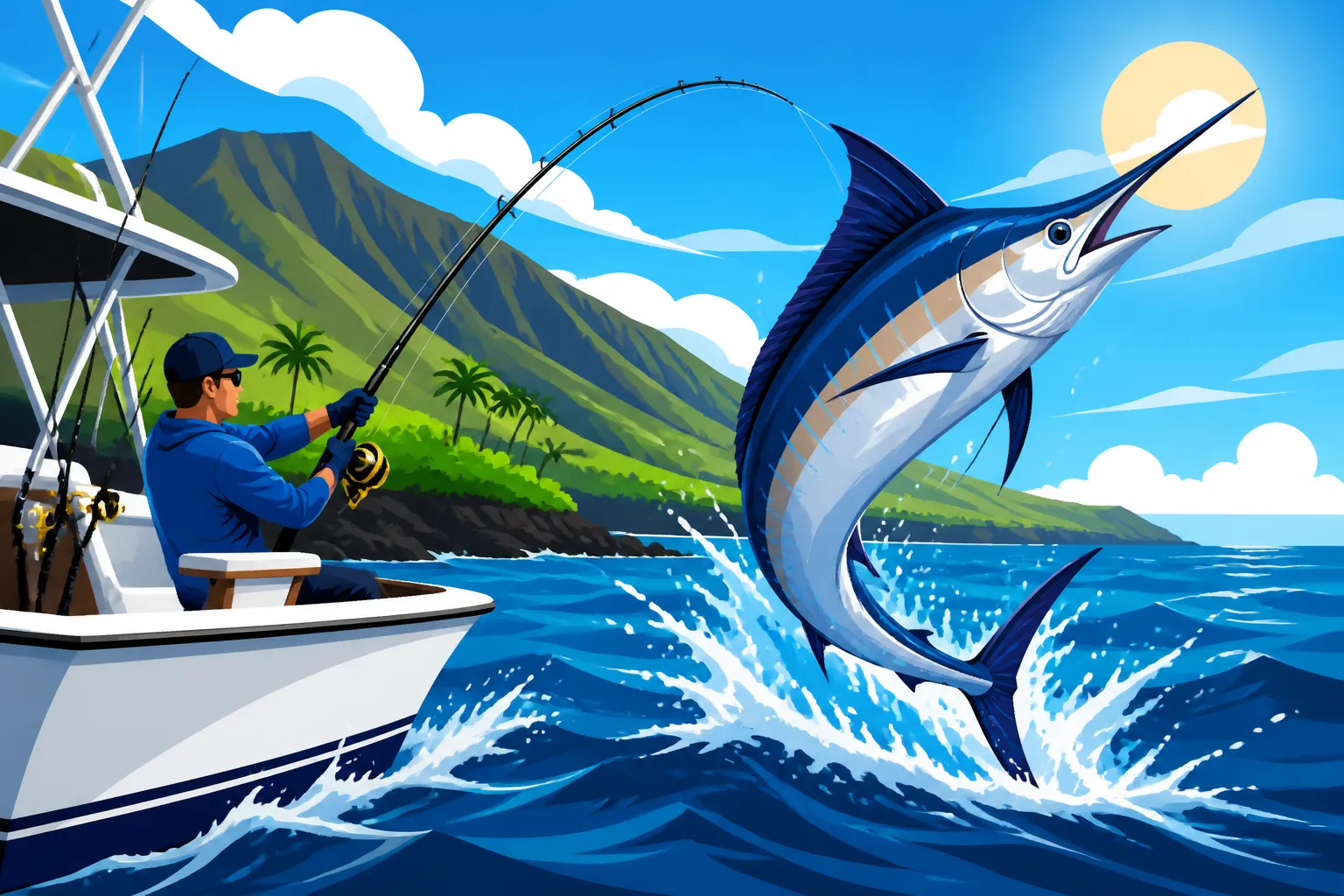
- Blue Marlin: These are the superstars of Kona. While present all year, the peak season for blue marlin, especially the really big "grand slam" contenders, typically runs from May through September. During these warmer months, larger females move into Kona's waters, often following schools of ahi (yellowfin tuna) and skipjack. This is when the odds of landing a true trophy blue marlin significantly increase.
- Striped Marlin: Striped marlin are more prevalent during the cooler months, generally from November through March. They are smaller than blue marlin but offer an incredible fight on lighter tackle. Many anglers specifically target striped marlin for their acrobatic jumps and spirited battles.
- Black Marlin: While not as common as blue or striped marlin, black marlin are occasionally caught off Kona, usually in the same prime blue marlin territories. They tend to be solitary and extremely powerful.
- Shortbill Spearfish: Often found in Kona's waters, spearfish are smaller billfish species that are present year-round but peak in winter and spring. They are a fun catch on lighter gear and are often a welcome addition to a day's catch while searching for their larger cousins.
- Resident vs. Migratory: Kona also benefits from a population of "resident" marlin that don't migrate far, taking advantage of the consistent bait schools. However, the true giants are often migratory fish that pass through Kona's rich feeding grounds during specific seasons. For a deeper dive into their seasonal movements, consider reading about When marlin migrate past the Kona Coast.
Maximizing Your Success at Kona's Marlin Spots
Knowing the spots and understanding marlin behavior is fantastic, but translating that knowledge into a successful fishing trip requires careful planning and the right approach. Kona offers various ways to chase these magnificent fish, each with its own advantages.
Choosing the Right Vessel and Crew
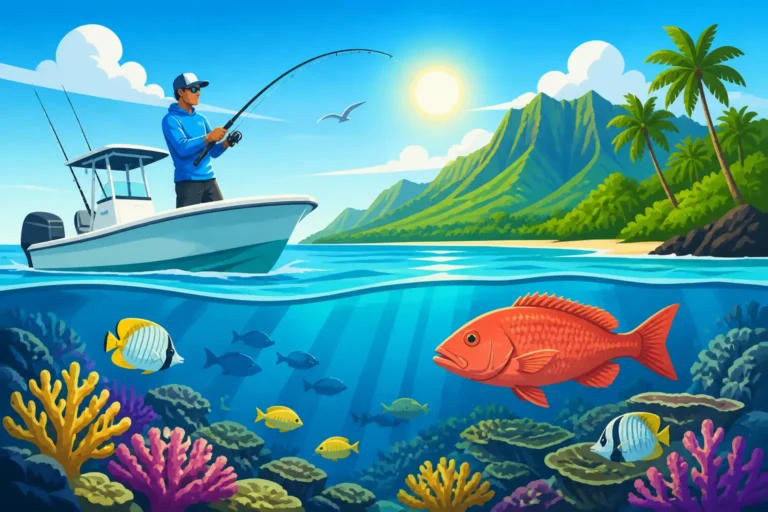
For most visitors and even many local anglers, the best way to tackle Kona's marlin fishing spots is by booking a reputable fishing charter. The investment in a quality charter boat and an experienced crew is invaluable.
- Expertise: Kona charter captains and their deckhands have spent countless hours on these waters. They know the subtle nuances of the current, the recent bait movements, the productive depths, and the specific underwater structures that hold fish. They know which FADs have been active, and how the fish are biting on any given day. Their local knowledge is simply irreplaceable.
- Equipment: A dedicated marlin charter boat is a sophisticated machine, outfitted with top-of-the-line rods, reels, lures, outriggers, fighting chairs, and advanced sonar and navigation systems. This specialized gear is expensive and perfectly tuned for targeting big game fish. Trying to bring your own less-specialized gear on a general fishing trip likely won't yield the same results.
- Safety: Offshore fishing always carries risks. Professional charters prioritize safety, with experienced captains trained in navigation, emergency procedures, and first aid, ensuring you have a secure and enjoyable experience.
When looking for a charter, don't just pick the cheapest option. Research captains, read reviews, and consider what kind of experience you want. Platforms like FishingBooker can be an excellent resource for finding and comparing reputable charters, offering details on the boat, crew experience, and target species. Many anglers specifically seek out Best Marlin Charters off the Kona Coast for their specialized knowledge.
Effective Strategies for Targeting Kona Marlin
Once you're on the water, the crew's expertise really shines in implementing the best strategies for the day's conditions.
- Trolling Lure Spreads: This is the most common and effective method for covering ground and attracting marlin. A typical spread involves multiple rods with various lures, each designed to run at a different depth and create a distinct action and commotion in the water. The choice of lure color, size, and shape can vary greatly depending on the time of year, water clarity, and the baitfish currently in the area. Captains meticulously arrange their spread to mimic a school of baitfish or a lone, wounded prey. You might be interested in learning about Best Lures for Marlin Trolling off Kona.
- Live Baiting: While trolling artificial lures is productive, sometimes a frisky live bait is what it takes to tempt a finicky marlin. This technique often involves catching smaller tunas (aku or skipjack) or other local baitfish and then deploying them on heavy tackle. Live baiting is particularly effective when marlin are present but not aggressively chasing trolled lures, or when targeting a specific "grander" that might be a bit more cautious.
- Chumming and Drifting: Less common for marlin but sometimes employed, especially for ahi, chumming involves dispersing cut bait into the water to create a scent trail and attract fish. While marlin aren't typically "chummed" in the same way, some larger baitfish that marlin feed on can be attracted this way, indirectly drawing in the billfish.
Remember, patience is a virtue in marlin fishing. You could troll for hours without a strike, but when that reel screams, all the waiting becomes worth it. Be prepared for a long, grueling fight, and listen to your captain and crew's instructions, especially when it comes to the fighting chair and rod technique. This is why many anglers consider a Hawaii Fishing License Guide for 2026 before even stepping foot on the islands.
| Kona Marlin Hotspot | Primary Target Species | Key Characteristics | Best Strategy |
|---|---|---|---|
| 100-Fathom Line | Blue Marlin, Striped Marlin | Consistent depth contour, current breaks, high baitfish concentration | Trolling lures parallel to the line |
| FADs & Offshore Buoys | Blue Marlin, Ahi, Ono | Man-made structures attracting bait, often found in deep water | Trolling around, live bait pitching |
| Seamounts & Canyons | Blue Marlin, Bottomfish | Underwater mountains/gorges, create upwellings, ambush points | Trolling edges, deep jigging nearby |
| Current & Temperature Breaks | All Marlin Species | Visible seams in water, thermal fronts, concentrate bait & debris | Trolling directly along these lines |
Disclaimer
The information provided in this guide is for general informational purposes only and does not constitute professional advice. Fishing regulations, conditions, and best practices can change. Always consult the latest rules and regulations from the Hawaii Department of Land and Natural Resources (DLNR) and exercise caution and good judgment when fishing. Fishing involves inherent risks, and safety should always be your top priority.