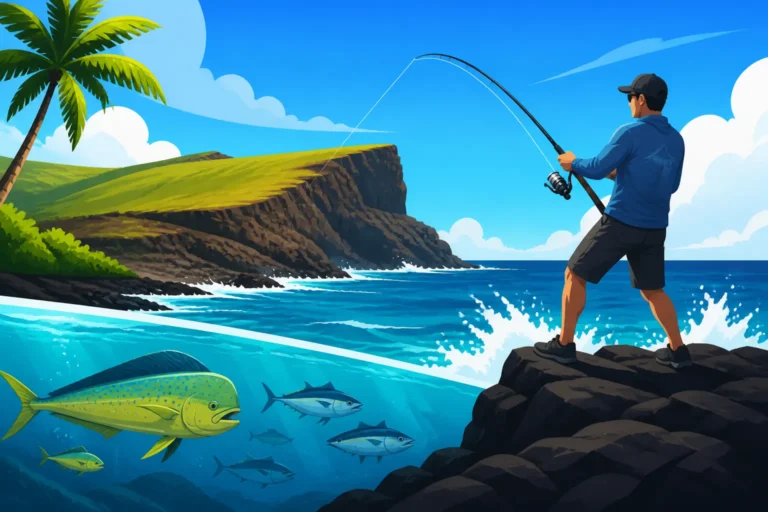
Best fishing spots for octopus hunting on reef flats
There’s nothing quite like the thrill of spotting a well-camouflaged octopus, or heʻe (often called tako in pidgin), tucked away in its lair on Hawaii’s beautiful reef flats. For many local families and seasoned anglers, hunting octopus is more than just fishing; it’s a cultural practice and a source of delicious, fresh protein. But let's be real, finding those prime octopus hunting spots isn't always easy. These clever creatures are masters of disguise, making the search a real treasure hunt. This guide is here to walk you through identifying the best reef flats for tako, offering insights into their behavior, recommending specific island locations, and sharing essential tips for a successful and responsible hunt.
Understanding the Tako (Octopus) and Its Preferred Lairs on Hawaiian Reef Flats
Before you even step foot on a reef flat, knowing a little about the Hawaiian octopus and what makes them tick will drastically improve your chances of a successful hunt. These intelligent cephalopods aren't just hiding anywhere; they have specific preferences when it comes to setting up their homes.
Why Reef Flats are Prime Tako Territory
Reef flats are the expansive, shallow areas of coral or lava rock that become exposed or remain in very shallow water during low tide. They are bustling ecosystems, teeming with crabs, small fish, and other invertebrates – all prime food sources for tako. What makes these flats particularly attractive to octopus is the abundance of natural hiding spots. Unlike open sandy bottoms where they would be exposed, reef flats offer an intricate maze of crevices, caves, and rocky overhangs where they can tuck themselves away from predators and wait for prey.
Imagine a busy underwater neighborhood with countless nooks and crannies. That's what a healthy reef flat represents to a tako. They thrive in environments where they can easily disappear into the background, often plugging the entrance to their den with rocks and shells to make it even harder for you to spot them. These areas also tend to have consistent water flow and food delivery, creating a perfect habitat for them to grow and reproduce.
Reading the Signs: What to Look For
Spotting a tako isn't always about seeing the octopus itself; it's often about recognizing the subtle clues they leave behind. Think of it like a detective story where you're looking for evidence. One of the most common indicators of an active tako den is what we call "tako garbage" or "tako trash." This is essentially a pile of discarded shells, crab carapaces, and other remnants of their recent meals, usually found just outside the entrance to their den. This debris field is a clear sign that a tako is regularly feeding in that spot.
Beyond the "tako garbage," keep an eye out for tell-tale "fresh" holes. These aren't just random depressions; they're often perfectly round or oval openings in the rock, sometimes with a slight discoloration around the edges from the octopus's ink or mucus. An active den entrance will often look "cleaner" than surrounding rocks, as the octopus keeps it clear for easy entry and exit. Sometimes, you might even notice a slight movement in the water near a hole, indicating the subtle breathing motions of a camouflaged octopus within. Also, pay attention to tide pools and their edges, especially during outgoing tides when water levels are dropping, as this can expose new areas where tako might be retreating or settling in for the long haul.
Top Octopus Hunting Locations Across the Hawaiian Islands
Hawaii's unique geology and diverse coastal environments mean that excellent tako hunting spots can be found across all major islands. While the specific names of secret local spots are often guarded carefully (and for good reason!), there are general areas and characteristics that point to productive reef flats.
Oahu's Abundant Nearshore Flats
Oahu, with its bustling population, still holds many fantastic reef flats for tako hunting, especially if you know where to look. The east side (Windward Coast), particularly around areas like Kāneʻohe Bay and its surrounding shallow reefs, is renowned. The bay itself is massive, with extensive patch reefs and coral heads providing ample habitat. While Kāneʻohe Bay has various designated areas, you should always check the local rules regarding access and harvest in specific zones, especially in a place as ecologically rich as Kāneʻohe Bay.
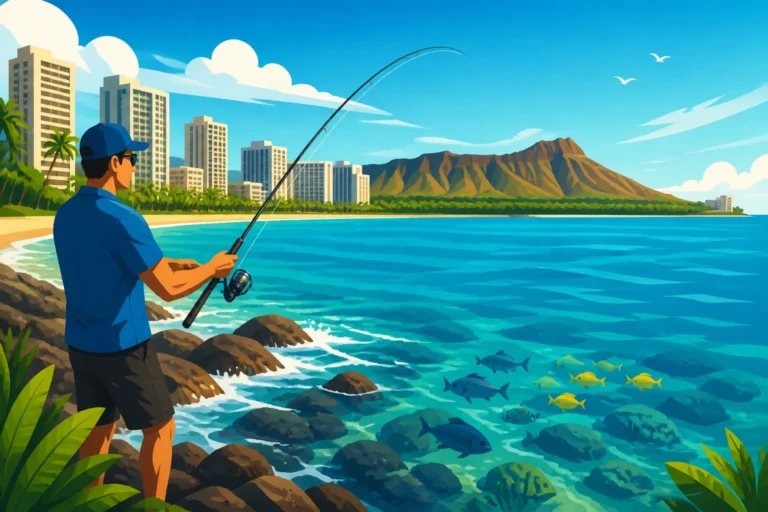
Heading towards the south shore, areas from Kewalo Basin eastward towards Diamond Head and beyond can offer productive flats, especially those with volcanic rock formations. Many of these areas are easily accessible from public parks and beaches. However, some sections are within or near the boundaries of designated areas like the Hawaii Marine Life Conservation Districts Explained, so it's crucial to understand where you can and cannot harvest. For instance, fishing in areas like Hanauma Bay is strictly regulated, so always know your boundaries. Farther west, along the Waiʻanae Coast, the rugged shoreline features numerous lava rock formations and shallow reefs that are perfect hideouts for tako. Public beach access points along this stretch often lead to expansive, less-pressured flats. When exploring these spots, always remember to respect the local community and their access traditions, as outlined in the Hawaii shoreline fishing rights and public access rules guidelines.
Maui's Diverse Coastal Ecosystems
Maui offers a fantastic blend of developed and wild coastlines, providing varied opportunities for tako hunters. The south Maui coast, stretching from Kīhei down through Wailea and into La Perouse Bay, is particularly popular. This region is characterized by extensive lava flows that have created incredibly intricate reef systems with countless holes and crevices. Near Kīhei, the beaches often front shallow, rocky flats that become exposed during lower tides, revealing many potential tako dens. Further south, the remote and rugged volcanic landscapes of La Perouse Bay provide untouched, complex reef structures that can be highly productive, though access can be more challenging.
On West Maui, around Lāhainā and Honokōwai, the fringing reefs and rocky shorelines also offer good tako hunting. While some of these areas are heavily frequented, the sheer amount of structure means that dedicated hunters can still find success. It’s always a good idea to scout these spots during different tides to understand the best times for accessibility and visibility. Many of these spots are also considered some of the Best Reef Fishing Spots in Hawaii for a variety of other species, so you might even spot some kumu or weke while you're out there.
Big Island's Lava-Sculpted Shores
The Big Island, with its relatively young volcanic geology, presents a unique challenge and reward for tako hunters. The Kona Coast, in particular, is a prime area. The constantly flowing lava has created dramatic, labyrinthine reef systems perfect for tako. Areas around Kailua-Kona, extending north and south, feature black sand beaches and rocky shorelines where ancient lava flows meet the ocean. These hardened flows are riddled with tunnels, cracks, and overhangs – ideal tako habitat. Access points near places like Honokōhau Harbor or public beach parks often lead to these productive areas. The clearer, calmer waters on the leeward side also make spotting tako or their signs much easier.
On the Hilo side, the coast is generally rougher and wetter, but there are still productive flats, especially during calmer weather. Hilo Bay itself has some protected, rocky sections that can hold tako, though visibility might not be as consistently clear as on the Kona side. The key here is to find the sheltered coves and tide pools that offer refuge for these creatures. Due to the Big Island's active volcanic nature, always be mindful of changing coastal conditions and pay attention to recent lava flow activity, which can alter access and reef structures.
Kauai's Serene and Productive Reefs
Kauai, often called the Garden Isle, boasts stunning natural beauty, and its reef flats are no exception. The south shore around Poʻipū is a popular tourist destination, but it also has excellent shallow reef systems. The waters here are generally calmer, and the reef structures are well-developed, providing plenty of cover for tako. Public beaches and resort areas often have accessible reef flats that can be explored during low tide. Just be mindful of swimmer activity and resort-specific rules.
The east side, from Līhuʻe up towards Kapaʻa and beyond, also offers extensive fringing reefs. Many public access points along the highway lead to rocky and coral-filled shorelines that can be very productive. While some areas might require a bit more walking to get away from the immediate beach-goer crowds, the reward can be worth it. Like all islands, scouting during different tide cycles is key to finding the most accessible and productive sections of these Best Shore Fishing Spots in Hawaii.
Remember, while specific locations are mentioned, local conditions, tides, and recent fishing pressure can all impact success. The best way to find a consistent spot is to spend time exploring and learning the local waters.
Essential Gear, Effective Techniques, and Ethical Practices for Tako Hunting
Tako hunting, or "tako poking" as it's often called, is a specialized form of foraging that requires a specific approach. It's not about casting a line; it's about observation, patience, and knowing how to safely and respectfully interact with your prey and the environment.
Your Tako Hunting Toolkit
You don't need a lot of fancy equipment to hunt tako, but what you do need is important for safety and success.
- Tako Stick or Gaff: This is your primary tool. It's usually a long, sturdy stick or metal rod with a sharp, barbed point at one end. The length allows you to probe into crevices and dislodge the octopus. A common type of tako stick has a spear-like end or a gaff-like hook. Ensure it's not overly long, perhaps 4-6 feet, so it's manageable in shallow water.
- Collection Bag: A mesh bag or a burlap sack is perfect for holding your catch. The mesh allows water to drain, and a durable material will prevent the tako from escaping or damaging the bag.
- Footwear: This is non-negotiable for safety. Reef shoes, old sneakers, or tabi boots with good grip are essential to protect your feet from sharp coral, lava rock, and potential sea urchins (wana). The last thing you want is a painful injury that cuts your hunt short.
- Gloves: Durable gloves can protect your hands from scrapes and the tako's powerful grip, should you need to handle it directly.
- Mask and Snorkel: While not always strictly necessary for very shallow flats, a mask and snorkel can be invaluable. It allows you to peer into deeper crevices and get a much clearer view of potential dens and the surrounding environment, especially in slightly deeper tide pools or channels.
- Sun Protection: Hat, sunglasses, and reef-safe sunscreen are a must. You'll be spending a lot of time exposed to the Hawaiian sun.
Mastering the Hunt: Patience and Precision
Tako hunting is less about brute force and more about finesse and keen observation.
- Go at Low Tide: This is crucial. Low tide exposes the maximum amount of reef flat, making dens easier to spot and access. Consult tide charts for your specific area.
- Move Slowly and Observe: Don't rush. Walk slowly, scanning the reef for the tell-tale signs: piles of "tako garbage," perfectly round holes, or subtle shifts in water movement. Octopus are masters of camouflage, so take your time.
- Probing the Dens: Once you find a suspicious hole or pile of "garbage," gently probe the opening with your tako stick. If there's a tako inside, you'll often feel resistance, and the octopus might try to grab the stick. Be patient here; sometimes they just hold on tight. You might need to gently coax them out.
- Dislodging and Securing: Once you've confirmed a tako is inside, the challenge is getting it out. They can cling with incredible strength. Gently but firmly work the stick around them, trying to dislodge them from the rocks. Once they release, quickly use the gaff or stick to guide them into your bag. If you're going hands-on, be prepared for a strong suck!
- Focus on Structure: Always pay extra attention to areas with complex rock formations, small caves, and overhangs. These are their preferred hiding spots. Look in the shadows and under ledges.
When working the flats, especially if you're exploring for new spots, consider referring to resources like FishingBooker for insight into popular fishing areas, which often overlap with good foraging grounds due to the general health of the marine ecosystem. While they primarily focus on boat charters, their platform can sometimes offer clues about productive shallow water zones by showing areas with high reported catch rates for various reef species.
Being a Responsible Tako Hunter
Tako hunting is deeply ingrained in Hawaiian culture, and with that comes a responsibility to protect the resource for future generations.
- Know the Regulations: Always, always be aware of the current Hawaii octopus (tako) harvest regulations. This includes minimum size limits and bag limits. Harvesting undersized octopus or exceeding daily limits is illegal and unsustainable. These rules are in place to ensure a healthy population. If there aren't specific octopus rules, then the general Hawaii Bag and Size Limits by Species still applies to all marine life.
- Respect Marine Life Conservation Districts (MLCDs): Do not hunt tako, or any marine life, within MLCDs. These are protected areas vital for reef health and fish replenishment. Understanding What a Marine Life Conservation District means for anglers is paramount. Fishing or foraging within these zones can result in hefty fines and damage the ecosystem.
- Take Only What You Need: Practice sustainable harvesting. If you've caught enough for your meal, consider stopping. Don't take extra just because you can.
- Minimize Disturbances: When probing for tako, try to disturb the reef as little as possible. Avoid breaking corals or unnecessarily overturning rocks, as this destroys habitat for many other marine creatures.
- Safety First: Always go with a buddy, especially if you're exploring new areas. Inform someone of your plans. Be aware of changing tides, currents, and surf conditions. The ocean can be unpredictable, and a reef flat can quickly become dangerous if a large swell comes in. Remember that while spearfishing is distinct, the principles of safe and respectful interaction with marine life, as highlighted in Hawaii Spearfishing Regulations, carry over to other forms of traditional hunting like tako gathering.
- Leave No Trace: Pack out everything you pack in, and leave the reef cleaner than you found it.
By following these guidelines, you're not just ensuring your own success, but you're also contributing to the health and sustainability of Hawaii's precious marine environment. Happy hunting, and may your cooler be heavy with fresh tako!
Disclaimer
The information provided in this guide is for general informational purposes only and does not constitute legal advice. Fishing regulations, licensing requirements, and specific area closures in Hawaii are subject to change by the State of Hawaii Department of Land and Natural Resources (DLNR) Division of Aquatic Resources (DAR). Always consult the most current official Hawaii fishing regulations before engaging in any fishing or foraging activity. It is the individual's responsibility to understand and comply with all applicable laws and regulations. Fishing and foraging involve inherent risks; always prioritize safety and environmental stewardship.