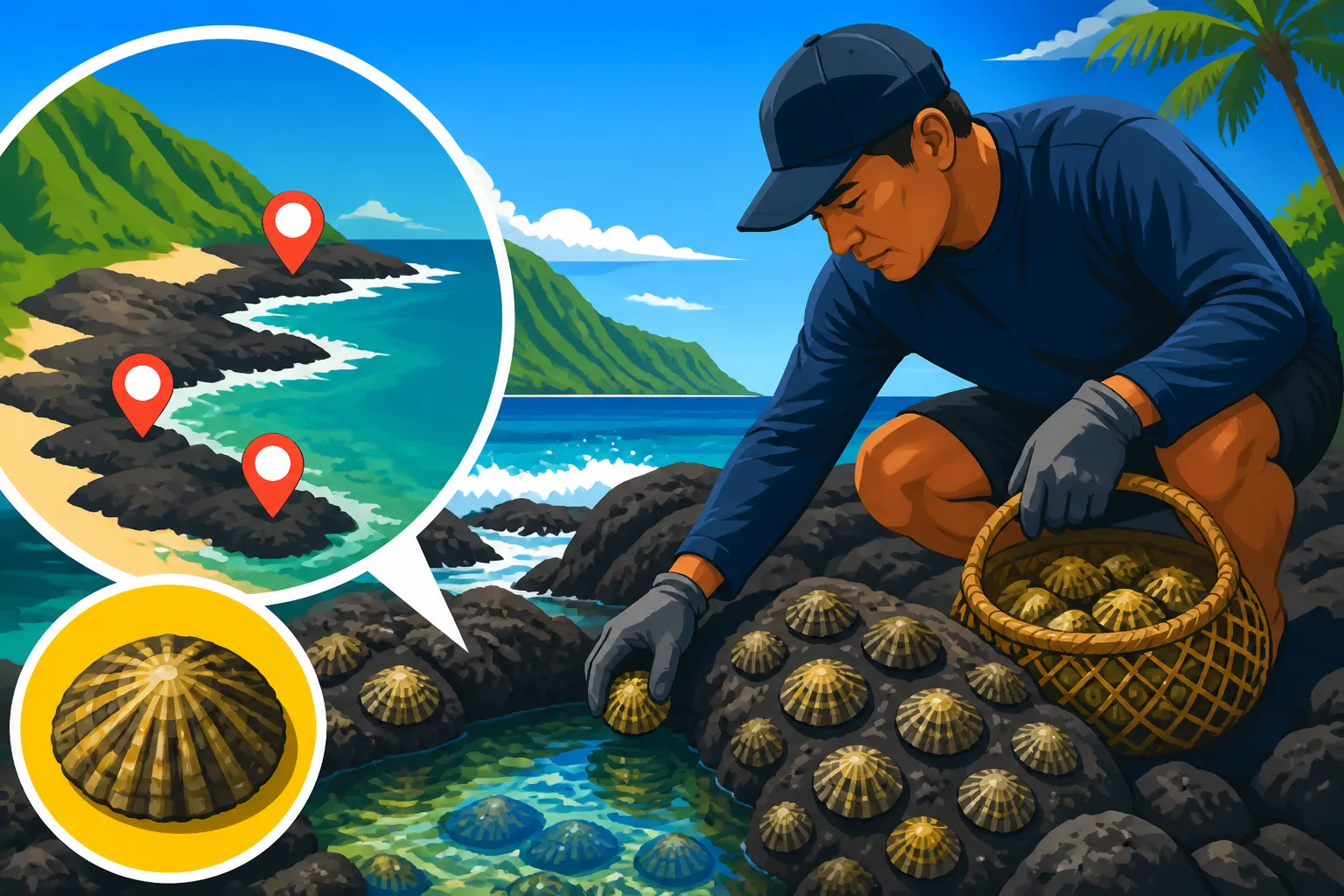
Best fishing spots for opihi gathering on rocky shores
There's nothing quite like the experience of gathering opihi from Hawaii's rugged, wave-battered coastlines. It's a deep-rooted tradition, a true connection to the 'āina (land) and kai (sea), but it's also incredibly demanding and notoriously dangerous. Many kama'āina (locals) and visitors alike often wonder where the best and safest spots are to find these prized limpet delicacies without putting themselves at undue risk. This comprehensive guide is here to walk you through the nuances of opihi gathering, helping you identify promising rocky shores and, most importantly, equip you with the knowledge to do so responsibly and safely.
Understanding Opihi and Their Preferred Habitat
Before we dive into specific locations, let's talk a little about opihi themselves. These aren't just any limpets; they're a cornerstone of Hawaiian culture and cuisine, clinging tenaciously to the rocks, braving the relentless surf. Knowing their habits is key to finding them.
The Three Main Types of Opihi
In Hawaii, you'll primarily encounter three main species of opihi, each with slightly different preferences for their rocky abodes:
- 'Opihi 'Alīlea (Black-foot Limpet): These are often found in the splash zone, slightly higher up on the rocks where they are exposed to air and occasional waves. Their shells are typically smooth and dark. They're hearty and can withstand more exposure.
- 'Opihi Kō'ele (Rough-foot Limpet): You'll find these a bit lower, in the intertidal zone, meaning they're frequently submerged and then exposed by the tides. They have a rougher, more ridged shell, often with algae growing on them, helping them camouflage. They prefer areas with more consistent water movement.
- 'Opihi Mākole (Yellow-foot Limpet): These are the true wave riders, living in the low intertidal to subtidal zone, constantly pounded by the surf. Their shells are flatter and stronger, designed to endure the most violent conditions. Gathering mākole is generally the most dangerous due to their exposure to powerful waves.
Understanding these distinctions helps you gauge not only where to look but also the level of risk involved. If you're new to opihi gathering, starting with 'alīlea spots, which are typically higher and less exposed, is a much safer approach.
Ideal Rocky Shore Characteristics
Opihi aren't just found on any rock. They thrive in specific environments that offer both protection and abundant food sources (algae). Look for these characteristics when scouting potential spots:
- Basalt Lava Rock: Hawaii's volcanic geology creates the perfect substrate. The rough, porous nature of basalt lava rock provides an excellent surface for opihi to cling to and for the algae they feed on to grow. Smooth, sandy rocks or loose rubble are far less productive.
- Exposure to Consistent Wave Action: Opihi need turbulent, oxygen-rich water. This is why you'll find them on exposed coastlines rather than calm, sheltered bays. The constant churn brings in nutrients and cleans the rocks, fostering algae growth. However, "consistent" doesn't mean "overwhelmingly dangerous." There's a fine line between productive wave action and deadly surf.
- Rich Algae Growth: The rocks should be visibly covered in a film of green, brown, or black algae. This is their primary food source. Healthy algae growth signals a healthy opihi population.
- Crevices and Undercuts: Opihi often congregate in areas where there's some shelter from direct sun or the most powerful direct impacts of waves. Look for cracks, crevices, and slight undercuts on the rock face where they can hide and feed.
Safety First: Navigating Hawaii's Rocky Coastlines
Let me be brutally honest here: opihi gathering is one of the most dangerous traditional activities in Hawaii. Every year, people get swept out to sea, suffer serious injuries, or even die. It's not something to be taken lightly. Your life is absolutely more precious than any amount of opihi.
Understanding Ocean Conditions
This is hands down the single most important factor. Never, ever turn your back on the ocean.
- Know the Tides: Opihi are exposed during low tide. Plan your trip to coincide with the lowest tides of the day. Check tide charts religiously. Trying to gather opihi during a rising or high tide is asking for trouble, as more rocks will be submerged, and wave action will be more powerful and unpredictable.
- Monitor the Swell and Surf Forecast: This is critical. Even on a seemingly calm day, a rogue wave can appear out of nowhere. Websites like NOAA and local surf reports provide detailed swell heights, directions, and periods. A long-period swell (15+ seconds) can create powerful, unpredictable surges even if the swell height looks moderate. Avoid areas with high surf warnings.
- Wind Conditions: Strong winds can make standing on slippery rocks even more precarious and can push waves onshore with greater force. Always check wind forecasts.
- Local Knowledge: The absolute best resource is local knowledge. Talk to experienced opihi gatherers if you have the opportunity. They know the nuances of specific spots and how they react to different ocean conditions better than any forecast.
Essential Gear and Practices
Don't go empty-handed or unprepared. The right gear can literally save your life.
- Footwear with Excellent Grip: This is non-negotiable. Felt-soled tabi boots or shoes specifically designed for wet, slippery rocks are highly recommended. Regular athletic shoes or flip-flops are a death wish. The lava rock can be razor sharp and incredibly slick when wet.
- Protective Clothing: Long pants and long-sleeved shirts can protect against scrapes and cuts from sharp rocks and coral, and offer some sun protection.
- Heavy-Duty Dive Gloves: Your hands will be working against sharp shells and jagged rock. Good gloves are essential for grip and protection.
- Sturdy Bag or Net: A mesh bag or net that drains easily is ideal for carrying your catch. Don't use a solid bucket that could fill with water and weigh you down.
- Opihi Tool (Chisel/Scraper): A specialized opihi tool (a small, blunt chisel or scraper) is a must. Trying to pry them off by hand is difficult and can damage the opihi or your fingers.
- Go with a Partner: Never go opihi gathering alone. Having at least one other person with you can be a lifeline in an emergency. They can spot rogue waves, help if you fall, or call for help.
- Stay Hydrated and Bring Snacks: This is strenuous work in the sun.
- Tell Someone Where You're Going: Always inform a trusted friend or family member of your exact location and estimated return time.
Top Regions for Opihi Gathering Across the Islands
Hawaii is blessed with thousands of miles of coastline, much of it rugged and rocky. While specific "secret spots" are closely guarded by local families (and for good reason, to prevent over-harvesting and ensure safety), we can talk about general areas known for productive opihi gathering. Remember, even within these regions, conditions vary wildly.
The Big Island (Hawaiʻi Island)
The youngest and largest island, the Big Island, has extensive lava rock coastlines, making it a prime location.
- Ka Lae (South Point): While famous for fishing and dramatic cliffs, the rocky shores leading up to and around Ka Lae can be productive. However, this area is incredibly exposed to powerful currents and large swells, making it extremely dangerous. This is a place for highly experienced gatherers only, and often avoided due to the sheer power of the ocean here. The beauty of Ka Lae hides a treacherous reality.
- Puna Coast: The Puna district, particularly the newer lava flows and older rocky sections, offers vast stretches of prime opihi habitat. Areas like Kalapana and beyond have incredibly rugged, beautiful, and often remote coastlines. Remoteness means fewer people, but also less immediate help if something goes wrong. Access can be challenging over fresh lava.
- North Kohala Coast: Less crowded than some other areas, the northern tip of the Big Island features dramatic sea cliffs and rocky shorelines that can hold good opihi populations. Similar to other remote areas, the exposure to open ocean swells can be significant. This area is known for its rugged beauty and isolated fishing spots.
Maui
Maui offers some excellent opportunities, particularly along its more windward and exposed shores.
- East Maui (Hana Coast): The famous Road to Hana isn't just about waterfalls and lush rainforests; its coastline is dotted with remote, rocky coves and points. These areas are constantly pounded by ocean swells, creating ideal conditions for opihi. However, the sheer remoteness and often slippery, moss-covered rocks make access and gathering particularly challenging and risky. There's a reason this coast feels so wild and untouched – it often is.
- West Maui (North of Lahaina): Beyond the resort areas, the coastline heading north from Lahaina towards Kahakuloa Bay becomes more rugged and less developed. Many local families have long-standing gathering spots along these stretches. Again, be mindful of accessibility and wave action.
Oʻahu
Even with its bustling population, O'ahu has its share of productive opihi grounds, often on the windward and North Shore sides.
- Kaʻena Point: The northwesternmost tip of O'ahu is a wild, rugged area accessible by hiking or 4×4. Its exposed rocky shores are excellent habitat. Both the Waiʻanae (west) and North Shore (north) sides of Kaʻena Point offer potential, but also immense danger due to powerful currents and massive surf, especially during winter months on the North Shore. This area is a significant Kaena Point Shore Fishing spot for many, but opihi gathering carries its own specific risks.
- Windward Coast (e.g., Makapuʻu to Kahuku): The entire Windward coast is exposed to the persistent trade wind swells, providing ideal conditions for opihi. Spots around Makapuʻu Point and further north towards Kahuku can be very productive. Access can be tricky, involving traversing sharp lava rock ledges. Always be aware of the specific regulations for Hawaii Marine Life Conservation Districts, Explained if you are in areas like Hanauma Bay, which would strictly prohibit any gathering.
Kauaʻi
The Garden Isle lives up to its name, with dramatic cliffs and a rugged coastline that provides excellent opihi habitat.
- Na Pali Coast (Western End): While largely inaccessible, the very fringes of the Na Pali Coast on the western side, near Polihale and points north, offer incredible, untouched opihi grounds. These are extremely remote and typically only accessed by boat or strenuous, multi-day hikes, making gathering here a true expedition for the most experienced.
- Mahaʻulepu Heritage Trail (South Shore): This trail near Poipu leads to undeveloped, rocky coastlines that offer a glimpse into old Hawaii. These stretches can be good for opihi, but like any exposed area, require vigilance regarding ocean conditions. Poipu Shore Fishing is popular here, and the same rocky features that attract fish also attract opihi.
Responsible Gathering Practices and Regulations
The spirit of mālama 'āina (to care for the land) and pono (righteousness) extends to our ocean resources. Opihi populations have faced pressures from over-harvesting, so gathering responsibly is crucial for their future.
Size and Bag Limits
The Hawaii Division of Aquatic Resources (DAR) sets strict regulations to ensure sustainable harvesting. These rules are not suggestions; they are law.
- Minimum Size Limits: For 'opihi 'alīlea (black-foot) and 'opihi kō'ele (rough-foot), the minimum shell length is 1.5 inches. For 'opihi mākole (yellow-foot), it's a slightly larger 2 inches. This ensures that opihi have a chance to reproduce before being harvested. Trying to estimate these sizes on slippery rocks in surging water can be challenging, but it's your responsibility to know. A small ruler or piece of marked string in your gear can be helpful. You can find detailed information on Hawaii Opihi Harvest Limits and Size Rules.
- Bag Limits: While there isn't a strict "bag limit" in terms of numbers for recreational opihi gathering, the spirit of the law encourages taking only what you need and what can be reasonably consumed or shared. Commercial gathering has different, more stringent rules. The focus is on sustainability, not hoarding.
- Closed Seasons/Areas: Be aware that certain areas may have temporary or permanent closures to allow populations to recover. Always check the latest Hawaii fishing regulations explained by the Department of Land and Natural Resources (DLNR) before heading out.
Ethical Gathering Techniques
How you gather is just as important as where.
- Harvesting Technique: Use your opihi tool to quickly and cleanly pry the opihi from the rock. Avoid twisting or damaging the shell or the "foot" (the muscle that holds it to the rock). A clean harvest minimizes stress to the opihi and leaves the rock surface intact for future growth.
- Leave the Small Ones: Even if an opihi meets the minimum size, if it's borderline, consider leaving it to grow and reproduce. This is a practice of lokomaika'i (generosity) that benefits everyone in the long run.
- Don't Over-Harvest a Single Spot: Spread your gathering efforts across a wider area to avoid depleting a specific rock or patch. This allows for quicker recovery of the population.
- Respect Private Property and Traditional Rights: Always be mindful of land ownership and public access. While many coastlines offer public access, ensure you're not trespassing. Traditional and customary fishing rights are recognized, but this doesn't automatically grant access everywhere. Familiarize yourself with Hawaii shoreline access parking permit rules and general access guidelines.
- Avoid Diving for Opihi: While it might seem easier, diving for opihi (Is It Legal to Dive for Opihi in Hawaii?) can be more impactful on deeper populations and is subject to different rules and interpretations. Most traditional opihi gathering is done from the exposed shoreline.
Planning Your Opihi Gathering Adventure
You've learned about the opihi, safety, potential regions, and regulations. Now, how do you put it all together for a successful trip?
Pre-Trip Checklist
Before you even leave your house, go through this mental checklist:
| Item | Importance | Notes |
|---|---|---|
| Ocean Forecast | Critical | Check tides, swell height/period, wind. Never ignore. |
| Partner Confirmation | Critical | Never go alone. |
| Informed Contact | Critical | Tell someone your exact location and return time. |
| Footwear | Essential | Felt-soled tabi boots or specialized grip shoes. |
| Gloves | Essential | Heavy-duty, durable dive gloves. |
| Opihi Tool | Essential | Small, blunt chisel/scraper. |
| Catch Bag/Net | Essential | Mesh, drains water easily. |
| Water & Snacks | Important | Stay hydrated, especially in the sun. |
| First Aid Kit | Recommended | Small kit for cuts, scrapes. |
| Sun Protection | Recommended | Hat, sunglasses, long-sleeved shirt, reef-safe sunscreen. |
| Phone (Waterproof) | Recommended | For emergencies, stored in a waterproof bag. |
| Ruler/Measuring Tool | Recommended | To ensure you're harvesting legal-sized opihi. |
On-Site Assessment
Once you arrive at your chosen spot, take your time to observe before stepping onto the rocks.
- Watch the Waves for 15-20 Minutes: Seriously, just stand back and observe. Look for sets of larger waves. Identify areas where waves consistently break higher or surge further up the rocks. Never assume the ocean is predictable.
- Identify Escape Routes: Before you commit to a spot on the rocks, know exactly how you would get to higher ground if a large wave suddenly appeared. Look for ledges, cracks, or paths of least resistance.
- Look for Natural Indicators: Are there other marine creatures present? Healthy populations of crabs, small fish in tide pools, and vibrant limu (seaweed) indicate a thriving ecosystem, which usually means good opihi grounds.
- Assess the Rock Surface: Is it too slippery with wet algae? Are there loose rocks? Lava rock is notorious for its sharp, unstable nature. Proceed with extreme caution.
While opihi gathering is a uniquely Hawaiian experience, deeply connected to the land and sea, it's also a stark reminder of the ocean's raw power. Unlike booking a deep-sea fishing adventure through a platform like FishingBooker, where much of the safety gear and expertise is provided, opihi gathering places the responsibility squarely on your shoulders. It's a solitary pursuit in terms of self-reliance, even when you go with a partner. Approach it with immense respect, thorough preparation, and an unwavering commitment to safety, and you'll not only enjoy the fruits of your labor but also continue a cherished tradition for generations to come.
Disclaimer
The information provided in this guide is for general informational purposes only. Opihi gathering can be extremely dangerous, and ocean conditions in Hawaii are unpredictable and powerful. Always exercise extreme caution, prioritize your safety above all else, and adhere to all local regulations. The author and publisher are not responsible for any accidents, injuries, or legal issues that may arise from following this advice. Always assess conditions yourself and, if in doubt, do not go.