Where to shore fish near Kailua-Kona
Trying to figure out where to cast a line along the stunning coastline near Kailua-Kona can be a real head-scratcher, especially with all the lava rock and hidden gems. Many visitors and even new residents feel overwhelmed by the sheer beauty but uncertain about the best, safest, and most productive spots. This comprehensive guide is designed to cut through that confusion, giving you the insider scoop on the best shore fishing locations near Kailua-Kona, the gear you'll need, and how to fish responsibly.
The Unique Appeal of Kailua-Kona Shore Fishing
Kailua-Kona, nestled on the leeward side of the Big Island, offers a truly distinctive shore fishing experience that's unlike anywhere else in Hawaii. The calm, clear waters and dramatic volcanic landscapes create a breathtaking backdrop, but they also present specific challenges and opportunities for anglers. It's not just about catching fish; it's about immersing yourself in the raw, natural beauty of Hawaii.
The Lava Rock Landscape and its Challenges
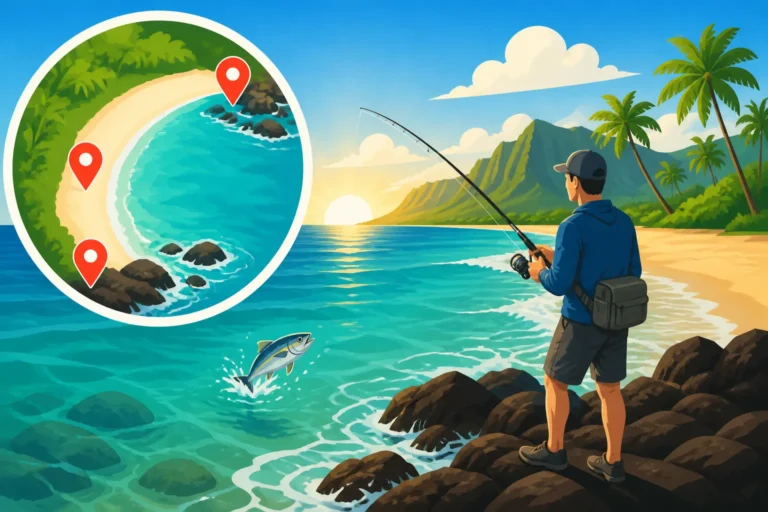
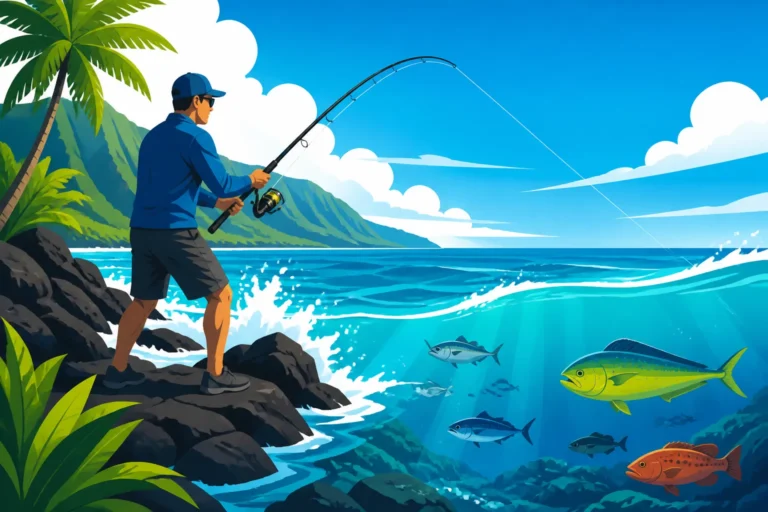
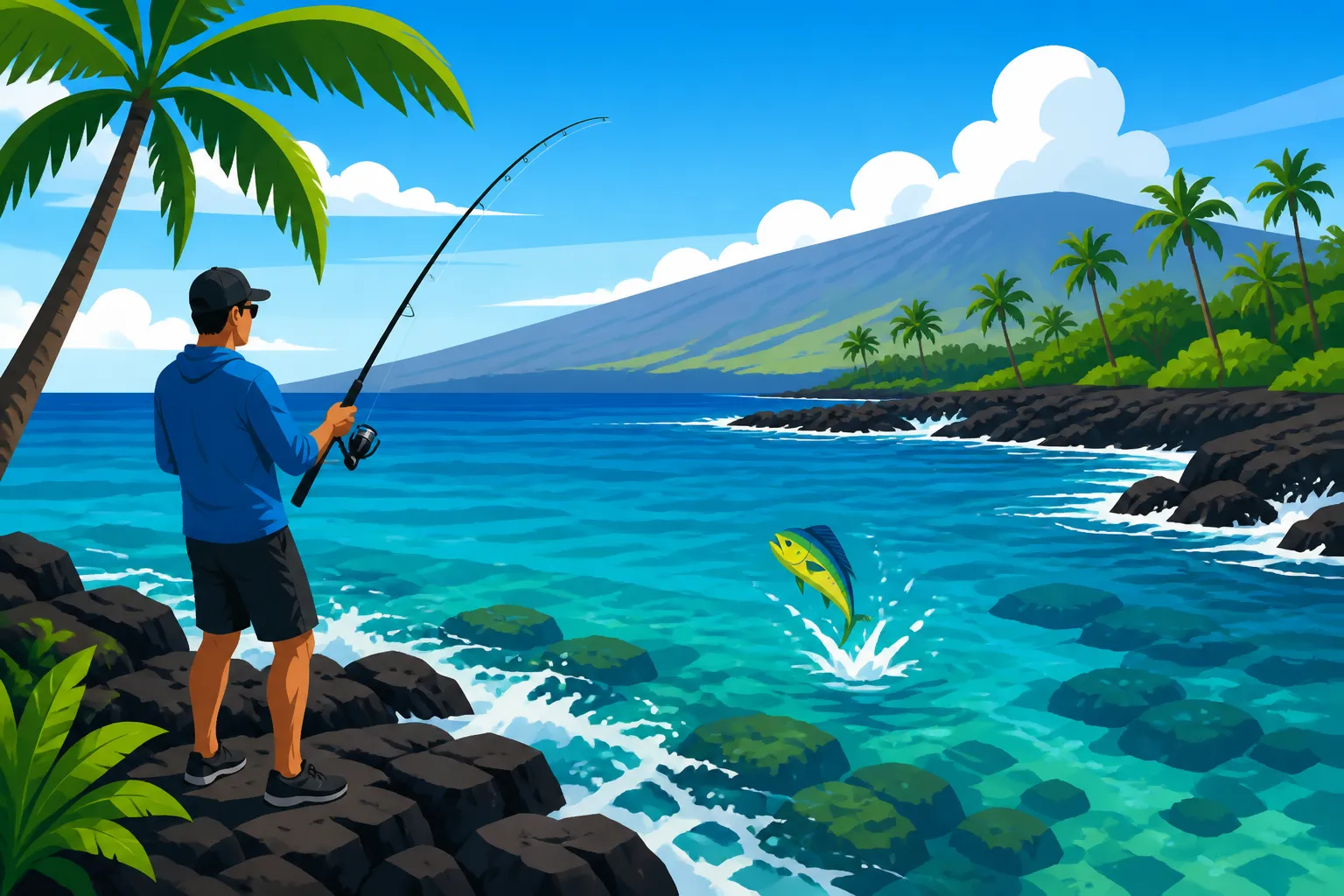
One of the most striking features of the Kona coast is its rugged, volcanic terrain. Instead of long, sandy beaches (though there are some beautiful ones), you'll often find yourself clambering over ancient lava flows that extend right into the ocean. This creates incredible structure for fish, offering hiding spots and feeding grounds galore, but it also demands caution from anglers. The sharp, uneven surfaces can be treacherous, and getting too close to the breaking waves on slippery rock is a recipe for disaster. You'll need sturdy footwear with good grip – leave the flip-flops at home! The abrasive nature of the lava means your line and leader will take a beating, so come prepared with extra spools and heavier abrasion-resistant materials. The depth can drop off quickly in many areas, creating access to deeper water species even from shore, which is a huge bonus compared to many other coastlines.
Target Species from Shore in Kona
Shore fishing in Kona isn't about landing giant marlin (though the dream of a grander ulua is always alive!), but there's an impressive array of species you can target right from the rocks and beaches. One of the most common and exciting catches is the papio, the juvenile form of the formidable giant trevally, or ulua. These hard-fighting fish love to cruise the shallow reefs and current lines, making them a prime target for light tackle. You might also encounter moi, also known as Pacific threadfin, especially in sandy-bottomed areas. These delicious fish were once reserved for Hawaiian royalty and still offer a fantastic fight.
Other common catches include various reef fish like goatfish (kumu and weke), triggerfish, and wrasses, which are often caught using bait close to the bottom. For those looking for a real challenge, the elusive ulua itself can be caught from shore, though it typically requires heavy tackle, live bait, and a lot of patience, often fishing at night. Knowing what you might catch helps you prepare your tackle and techniques. If you're really lucky, you might even hook into an uku (gray snapper) or an omilu (bluefin trevally) which are both powerful fighters and excellent table fare. To get a better understanding of what's swimming around, check out our guide on Hawaii Bag and Size Limits by Species.
Top Shore Fishing Spots Near Kailua-Kona
While the entire Kona coast offers potential fishing opportunities, some spots are more accessible, productive, or simply safer for shore-based anglers. Always remember to respect private property, be mindful of local cultural sites, and observe all posted signs regarding fishing restrictions. Hawaii has a rich tradition of fishing, and understanding local nuances is key to a rewarding experience.
Kailua Pier and Kailua Bay
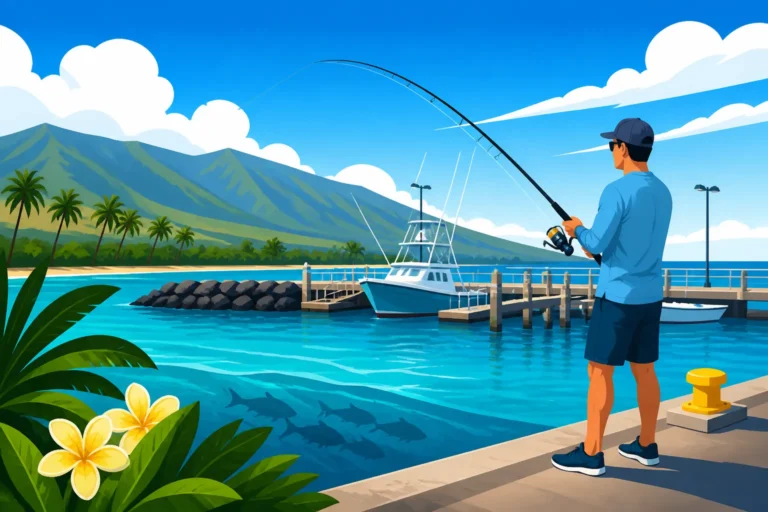
The Kailua Pier is arguably the most famous and accessible shore fishing spot right in the heart of Kailua-Kona. It’s a bustling hub, popular with locals and tourists alike for swimming, snorkeling, and, yes, fishing. The pier offers easy, stable access to deeper water without having to navigate tricky lava rock. From the pier, you can often target papio, various reef fish, and sometimes even smaller pelagic species like skipjack tuna (aku) if they come close to shore. It's an excellent spot for families or beginners, as it provides a safe, paved surface to fish from.
The waters around the pier and within Kailua Bay itself can be productive, particularly during early mornings or late afternoons when boat traffic is lighter. Small schools of baitfish often congregate here, attracting predators. Using small jigs, artificial lures, or even simple bait like squid or shrimp can yield good results. Keep an eye out for any specific restrictions on the pier itself, as rules can change. For a more general overview of fishing here, consider our broader Kona Coast Fishing Guide.
Old Kona Airport Beach Park (Kaloko-Honokohau National Historical Park area)
Just north of Kailua-Kona town, the Old Kona Airport Beach Park offers a mix of sandy beach, rocky outcrops, and tide pools, providing varied shore fishing opportunities. While the main beach area might be shallow, the rocky points and edges can be very productive. This area is less crowded than the pier and offers a more natural, expansive fishing experience. Just to the south, areas bordering the Kaloko-Honokohau National Historical Park are worth exploring, but always be mindful of protected cultural sites and marine conservation zones. Some areas within the park might have restrictions, so it's vital to check signage.
Anglers here often target papio, omilu, and various goatfish. The mix of sandy and rocky bottom is ideal for whipping or throwing artificial lures, as well as bait fishing on the bottom. Early mornings are often best, before the heat and crowds pick up. Parking is usually readily available, making this a convenient option for a relaxed fishing session. Many anglers like to explore the various coves and small beaches to find their perfect spot.
Honokohau Harbor Mouth
The entrance to Honokohau Harbor, located a bit further north of Kailua-Kona, is a renowned fishing hotspot, not just for charter boats but also for shore anglers. The channel and the rocky areas flanking the harbor mouth create a natural funnel for baitfish and a prime ambush point for predatory species. This spot can be incredibly productive, especially around tide changes when currents are moving bait.
Here, you have a solid chance at larger papio and even ulua, particularly if you're using live bait or larger artificial lures. The rock jetties on either side of the harbor entrance offer good casting platforms, but again, caution is paramount due to slippery surfaces and wave action. This area is a bit more exposed than the calm bay, so be prepared for stronger winds and swells. For more detailed information on accessing and fishing this area, our Honokohau Harbor Fishing Access guide is an invaluable resource. The convergence of currents here brings a lot of nutrients, making it a fish magnet.
Near Keauhou Bay
South of Kailua-Kona, Keauhou Bay offers another set of unique shore fishing opportunities. While the bay itself is home to resorts and tour operations, the rocky points and lava flows on its outer edges can be fantastic. This area tends to have slightly deeper water close to shore in many spots, allowing access to a different range of species. It's often less crowded than the immediate Kailua-Kona area, offering a more serene fishing experience.
Anglers targeting papio, omilu, and reef fish will find success here. The diverse bottom structure, with its mix of reef, sand patches, and ledges, provides habitat for a wide variety of fish. Throwing small poppers or stickbaits over the reef edges can entice aggressive strikes, while bait fishing with squid or chunks of fish can bring up bottom dwellers. Always be aware of marine life, like Hawaiian green sea turtles, which are frequently spotted here and are federally protected – give them plenty of space.
Scenic Spots Further South and North
Beyond these specific locations, the entire coastline around Kailua-Kona is dotted with countless smaller coves, rocky points, and secluded beaches that can be explored. Heading further south towards the Captain Cook area or north past Honokohau towards areas like Pine Trees (Kekaha Kai State Park) can reveal hidden gems. These spots often require a bit more effort to access, sometimes involving a short hike over uneven terrain, but the reward can be solitude and untouched fishing grounds.
When exploring these more remote locations, always prioritize safety. Let someone know where you're going and when you expect to return. Pay close attention to ocean conditions, as rogue waves can be a real danger on exposed lava rock. These areas are ideal for those seeking a more adventurous shore fishing experience and a chance to truly connect with Hawaii's wild beauty. Platforms like FishingBooker can sometimes offer insights from local guides on less-traveled spots, though they primarily focus on boat charters, local knowledge is invaluable regardless.
Here’s a quick overview of some popular shore fishing spots near Kailua-Kona:
| Fishing Spot | Accessibility | Primary Target Species | Recommended Techniques | Key Considerations |
|---|---|---|---|---|
| Kailua Pier | Easy (Paved) | Papio, Reef Fish, Aku | Light spinning, Bait fishing | Crowded, observe pier rules, good for families |
| Old Kona Airport Beach Park | Moderate (Trail) | Papio, Omilu, Goatfish | Whipping, Bait fishing | Mix of sand & rock, cultural sites nearby (check signs) |
| Honokohau Harbor Mouth | Moderate (Rocky) | Papio, Ulua, Omilu | Live bait, Lure casting | Strong currents, slippery rocks, active boat traffic |
| Keauhou Bay Outer Edges | Moderate (Rocky) | Papio, Omilu, Reef Fish | Lure casting, Bait fishing | Less crowded, deeper water access, turtle sightings |
Essential Gear and Techniques for Kona Shore Fishing
Having the right gear and knowing how to use it effectively can make all the difference when tackling the unique challenges of Kona's shorelines. It's not just about brute strength; it's about matching your tackle to the conditions and the fish you're targeting.
Rods, Reels, and Line for the Kona Shoreline
For general shore fishing in Kona, you'll want a versatile setup. A medium-heavy spinning rod, typically 9 to 11 feet long, is a good all-around choice. This length provides enough casting distance to reach productive water beyond the immediate shoreline and enough leverage to fight fish in strong currents or near abrasive lava. Pair this with a durable saltwater spinning reel in the 4000 to 6000 size range, capable of holding at least 200 yards of line. You'll want a reel with a smooth drag system, as even smaller papio can make powerful runs.
When it comes to line, braid is often preferred for its strength-to-diameter ratio and sensitivity, allowing you to feel even subtle bites. A 20 to 40 lb braided main line is a good starting point. However, the lava rock is notoriously harsh on braid, so you'll absolutely need a fluorocarbon leader. A leader of 40 to 80 lb test, about 4-6 feet long, will provide the necessary abrasion resistance and stealth. This heavier leader is crucial for preventing cut-offs on sharp coral or lava, which are abundant here. For serious ulua fishing, you might even consider a heavier "slide bait" setup, which is a specialized technique that our How to Catch Ulua from Shore guide delves into.
Baits and Lures that Work Best
Kona's shore fish respond well to a variety of baits and lures. For papio and other active predators, artificial lures are often highly effective. Metal jigs, small poppers, stickbaits, and soft plastics rigged on weighted jig heads are excellent choices. Look for lures that imitate baitfish common in Hawaiian waters, such as opelu (mackerel scad) or akule (bigeye scad). Popular colors include chrome, blue/silver, green, and pink. Vary your retrieve speed and depth until you find what triggers a strike. Many local anglers prefer a "whipping" technique, which involves rapid casting and retrieving with small, flashy lures, to cover a lot of water and entice aggressive bites.
When it comes to natural bait, fresh squid is a universal favorite and readily available at local tackle shops or grocery stores. Chunks of fresh reef fish (if legally caught and within regulations), or even store-bought shrimp can also be effective, especially when targeting bottom dwellers like goatfish or smaller snappers. Live bait, such as opelu or akule, is often the most potent choice for larger predators like ulua, but catching live bait can be a sport in itself! For a deeper dive into effective strategies, our Shore Fishing Techniques for Hawaii article offers valuable insights.
Safety First: Navigating Kona's Rocky Coasts
Fishing from Kona's lava rock shores is an exhilarating experience, but it comes with inherent risks. Safety should always be your top priority. First and foremost, wear appropriate footwear – closed-toe, sturdy shoes with excellent grip are non-negotiable. Felt-soled wading boots or even old athletic shoes with aggressive tread can work. Avoid smooth-soled shoes at all costs.
Secondly, always keep an eye on the ocean. Rogue waves can appear without warning, even on seemingly calm days, and can easily sweep you off a rock. Never turn your back on the waves. Fish during calm conditions, especially if you are new to the area. If you're fishing alone, let someone know where you are and when you expect to return. Consider bringing a dry bag for your phone and essentials, and carry plenty of water to stay hydrated in the Hawaiian sun. A small first-aid kit is also a good idea for minor scrapes and cuts that are almost inevitable on the sharp lava. Remember, no fish is worth risking your life for.
Understanding Regulations and Responsible Angling
Fishing in Hawaii, like anywhere else, comes with a set of rules and regulations designed to protect marine resources for future generations. Being a responsible angler means understanding and adhering to these guidelines. Ignorance of the law is not an excuse, and penalties for violations can be steep.
Hawaii Fishing License Requirements
This is a point of frequent confusion for many visitors and even new residents. For recreational marine (ocean) fishing in Hawaii, there has traditionally been no license requirement for residents or non-residents. This makes shore fishing incredibly accessible for everyone! However, for freshwater fishing, a license is required. Since most of the Kailua-Kona shore fishing is ocean-based, you typically won't need one.
It's crucial to stay updated, as regulations can change. While a blanket ocean license has not been historically required, specific activities or areas might have permits or restrictions. For the most current information, it’s always best to consult the Hawaii Department of Land and Natural Resources (DLNR), Division of Aquatic Resources (DAR) website. You can also read our comprehensive guide on Do You Need a Fishing License in Hawaii for a full breakdown.
Local Rules and Conservation Efforts
Beyond the general license requirements (or lack thereof for marine fishing), Hawaii has numerous specific regulations regarding bag limits, size limits, closed seasons for certain species, and gear restrictions. For example, some fish, like moi or uhu (parrotfish), have specific size and bag limits or even closed seasons to protect spawning aggregations. Certain methods, like the use of lay nets in specific areas or certain types of spearfishing, are also regulated.
Additionally, certain areas are designated as Marine Life Conservation Districts (MLCDs) or Fish Replenishment Areas (FRAs), where fishing may be prohibited or severely restricted. For instance, the renowned Kealakekua Bay, while beautiful, has very specific rules about where and how you can fish. Always check local signage and the DLNR website for the exact rules of the specific spot you plan to fish. You can learn more about these protected areas in our article Hawaii Marine Life Conservation Districts, Explained. These efforts are vital for preserving Hawaii's unique marine biodiversity and ensuring sustainable fishing for generations to come. Responsible anglers contribute to these efforts by practicing catch and release when appropriate, properly disposing of all trash, and only taking what they need.
Disclaimer
The information provided in this guide is for general informational purposes only and is subject to change. Fishing regulations, accessibility, and conditions can vary. Always consult the latest rules and advisories from the Hawaii Department of Land and Natural Resources (DLNR), Division of Aquatic Resources (DAR) before engaging in any fishing activity. Personal safety is paramount; assess conditions carefully before fishing, especially on rocky shorelines.