Best kayak fishing spots off Maui
Kayaking and fishing in Hawaii's stunning waters is a dream for many, but the reality can often feel overwhelming when you're staring at a vast, beautiful ocean and wondering where to even begin. For those of us looking to hit the water off Maui, finding the perfect launch spot, understanding the currents, and knowing what fish to target from a small craft can be a real headache. This guide is here to break down the best kayak fishing spots off Maui, ensuring you have the insider knowledge to make your paddling and angling adventures as successful and safe as possible.
The Unique Appeal and Challenges of Kayak Fishing on Maui
There's something incredibly personal and deeply satisfying about propelling yourself across the ocean on a kayak, line in the water, anticipating the tug of a powerful fish. Maui, with its diverse coastline and rich marine life, offers an unparalleled backdrop for this kind of adventure. However, it's not without its unique set of hurdles.
Why Paddle Power is a Game Changer for Anglers
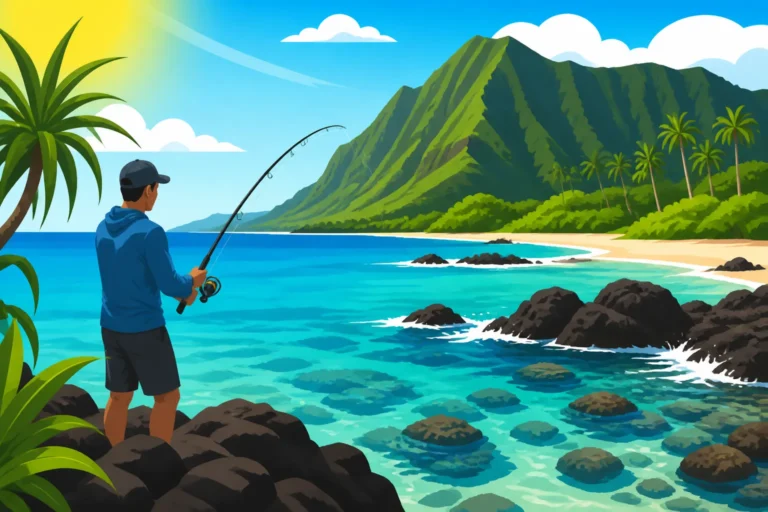
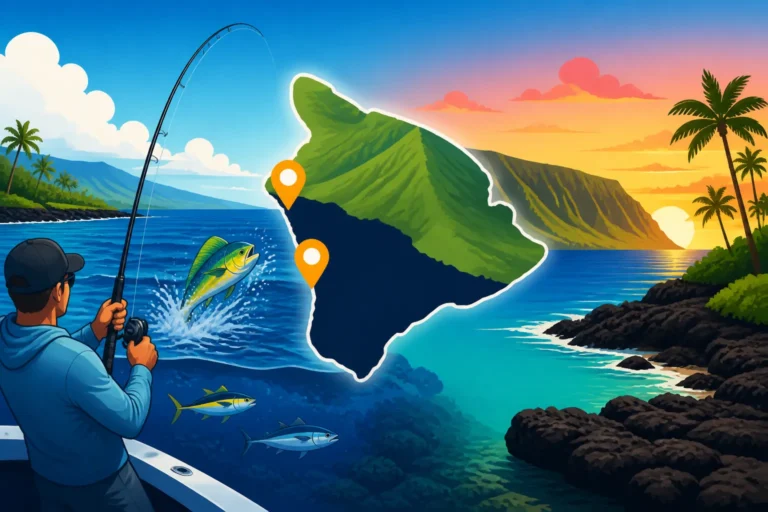
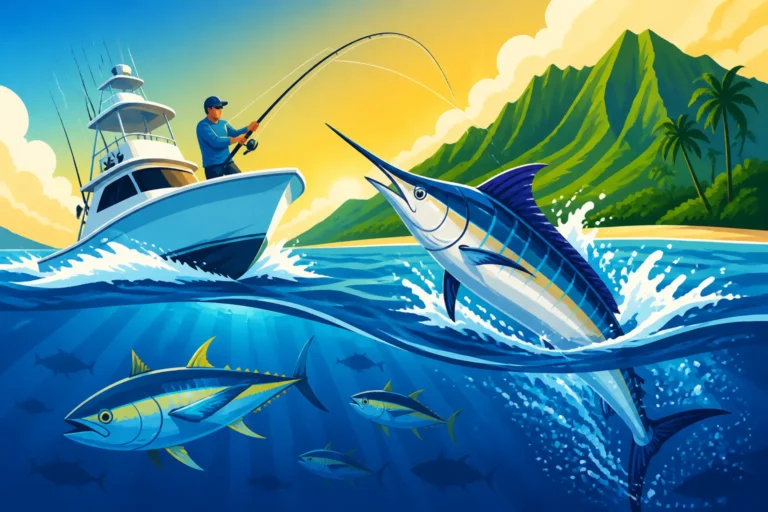
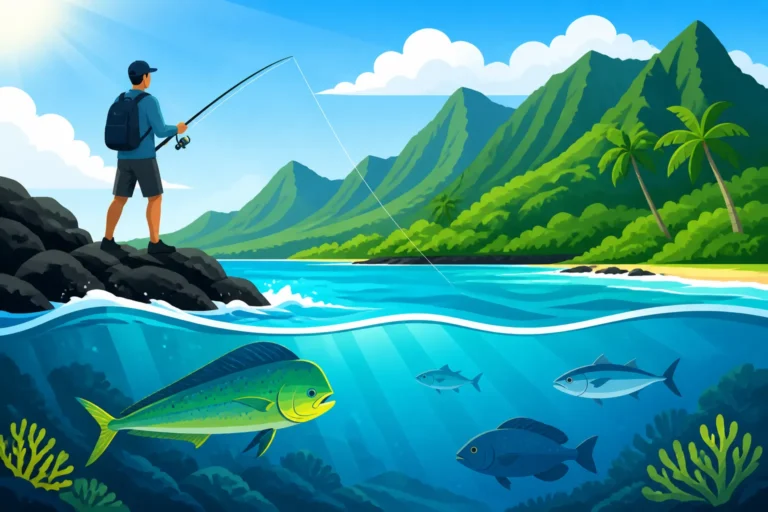
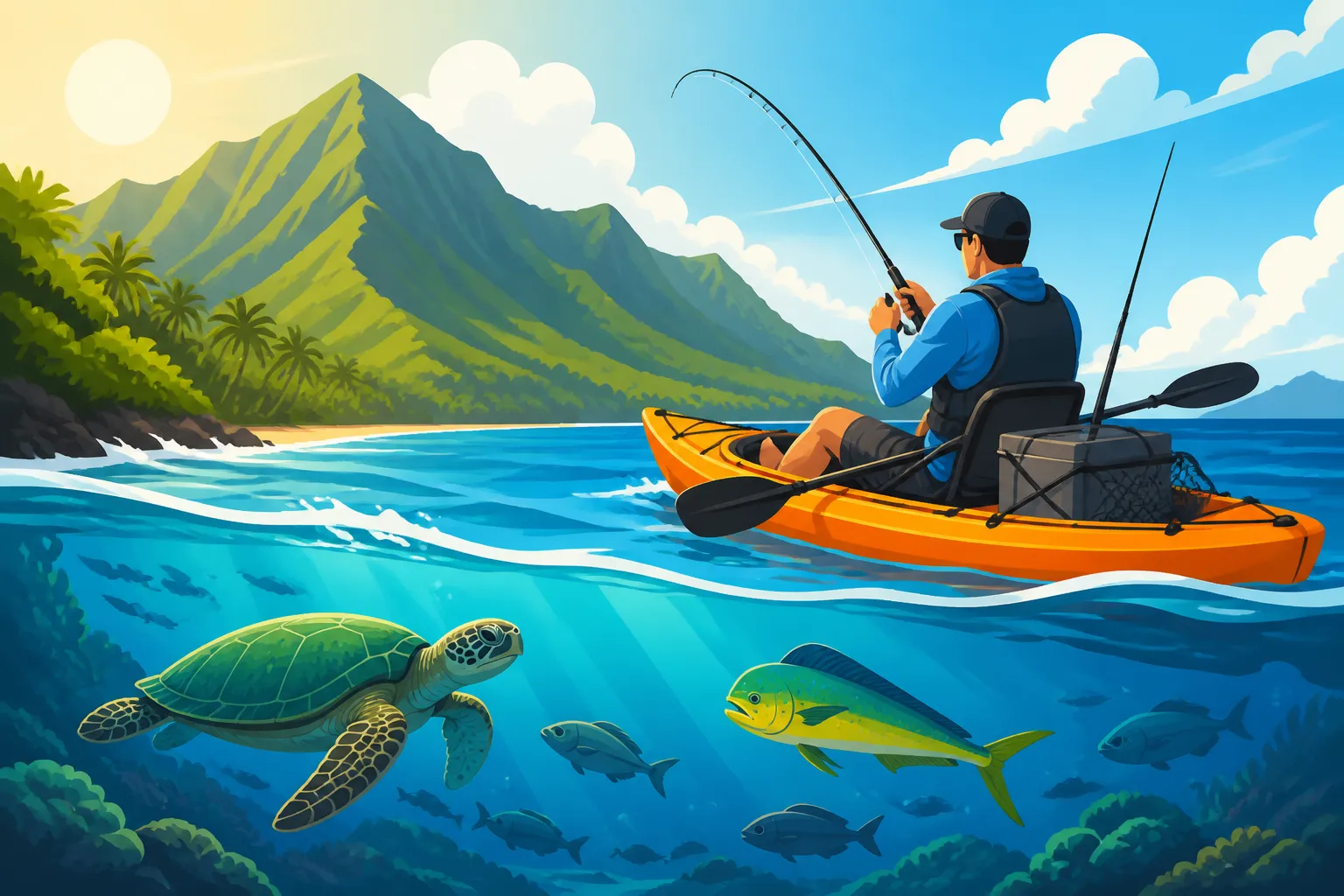
Forget the roar of an engine; kayak fishing offers a silent, stealthy approach to the best fishing grounds. This quiet access allows you to get into nooks and crannies that bigger boats simply can't reach, like shallow reef edges, hidden coves, or the fringes of extensive flats. Imagine silently gliding over crystal-clear waters, spotting schools of papio or even an 'o'io (bonefish) cruising beneath you, then making a perfectly placed cast. This intimate connection with the environment, feeling every paddle stroke and every surge of the ocean, is what draws so many to the sport. Plus, the physical workout is a bonus! You're not just fishing; you're truly earning your catch, which makes the rewards taste even sweeter. Whether you're targeting small reef fish for dinner or hoping to hook into something larger like an 'ahi or 'ono, the kayak offers a unique, low-impact way to experience Maui's vibrant underwater world.
Navigating Maui's Dynamic Ocean Environment
While the appeal is undeniable, anyone who's spent time on Maui's ocean knows it can be a fickle beast. Strong currents, unpredictable swells, and sudden wind shifts are real concerns for kayak anglers. What looks calm from shore can quickly turn into a challenging paddle, especially if you're venturing further offshore. The sheer physical exertion required, even on a relatively calm day, can be surprising, and getting caught in a chop or a strong current without a plan is a quick way to turn a fantastic outing into a stressful ordeal. This is why local knowledge and careful planning are absolutely paramount. Understanding the wind forecast, checking swell reports, and knowing your own physical limits are crucial before you even think about launching. It's not just about finding fish; it's about navigating the powerful forces of the Pacific from a small, human-powered craft.
Prime Kayak Fishing Grounds Across Maui's Coastline
Maui boasts a variety of kayak fishing opportunities, each with its own charm and target species. From the calmer, sheltered waters of the leeward side to the more exposed, adventurous zones, there's a spot for every skill level, provided you choose wisely and respect the conditions.
West Maui's Sheltered Leeward Spots
The western coast of Maui, stretching from Ma'alaea up to Kapalua, offers some of the most accessible and popular kayak fishing spots due to its generally calmer, protected waters, especially in the mornings before the trade winds pick up.
-
Ma'alaea Harbor and Surrounds: This area is fantastic for both beginners and experienced anglers. Launching from the harbor itself or nearby beaches like Haycraft Park gives you quick access to some productive waters. Just outside the harbor entrance, you can often find papio (small trevally), kumu (goatfish), and various reef fish. Venture a bit further out, and you might encounter 'ōio (bonefish) on the flats, or even schoolie 'ahi (tuna) and 'ono (wahoo) if you're trolling small lures or baits. The waters here are relatively shallow initially, gradually sloping into deeper channels. For detailed information on this area, check out our guide on Maalaea Harbor Fishing Access. When planning your trip, consider using a platform like FishingBooker to scout potential launching points or even connect with local guides who specialize in kayak fishing, as they can provide invaluable insights into the best spots and techniques for the day.
-
Lahaina and Kaanapali Area: Further north, the waters off Lahaina and Kaanapali are also popular. Launching near the historic Lahaina Harbor, you'll find diverse fishing opportunities. The reefs just offshore hold a variety of species, including 'uhu (parrotfish), 'ōmilu (bluefin trevally), and triggerfish. If you're feeling adventurous and the conditions are right, paddling out towards the FADs (Fish Aggregating Devices) can yield pelagic species like 'ahi and mahimahi. However, remember that these areas can see significant boat traffic, so visibility and awareness are key. Learning more about the options here can be found in our comprehensive Lahaina Harbor Fishing Access article.
-
Honolua Bay (Seasonal/Permit Restrictions): While incredibly beautiful and teeming with marine life, Honolua Bay is part of a Marine Life Conservation District (MLCD). This means fishing is highly restricted or entirely prohibited in certain zones to protect its pristine ecosystem. Always double-check the latest Hawaii DLNR regulations for any MLCDs you plan to visit. Understanding rules in areas like this is crucial, which is why we've put together a guide on Hawaii Marine Life Conservation Districts, Explained. It's a prime example of where environmental stewardship takes precedence, and responsible anglers always do their homework.
South Maui's Expansive Flats and Deep Drops
South Maui, from Kihei down to La Perouse Bay, offers a different flavor of kayak fishing, characterized by expansive reef flats that transition quickly into deeper water, providing opportunities for both inshore and offshore targets.
-
Kihei's Reef Flats: The long stretch of coastline in Kihei, particularly around the Kamaole Beach Parks, features accessible beach launches and vast, shallow reef flats. These flats are a haven for papio, goatfish (like kumu and weke), and various panfish. It's a fantastic spot for light tackle and sight fishing. As you paddle further out, the depth drops off, and you can start targeting small jacks or even the occasional 'ono or mahimahi if they're cruising close to shore. The early mornings are generally calm, but the trade winds can pick up strongly by late morning or early afternoon, making the paddle back challenging.
-
La Perouse Bay: At the southern tip of Maui, La Perouse Bay is known for its rugged, lava-rock coastline and pristine waters. It's a bit more remote and requires a longer drive on a rougher road, but the rewards can be substantial. The bay itself offers excellent opportunities for papio and reef fish. Beyond the bay, the waters drop off significantly, opening up possibilities for larger pelagic species. This area is more exposed to swells and currents, making it suitable for experienced kayak anglers who are confident in their abilities and well-equipped. For specific details on shore fishing in this beautiful but rugged area, you can refer to our La Perouse Bay Shore Fishing guide. The solitude and wild beauty here are truly unmatched, but safety is paramount.
North and East Maui: Rougher Waters, Unique Rewards
The north and east sides of Maui are generally more exposed to the prevailing trade winds and ocean swells, creating rougher conditions that often deter all but the most seasoned kayak anglers. However, for those willing to brave the elements, these areas can offer unique fishing experiences.
-
Hookipa and Paia (North Shore): Known primarily for surfing, the North Shore can be incredibly challenging for kayak fishing due to constant swell and strong winds. However, during rare calm spells (often in summer or early mornings), it can yield some impressive catches, particularly various trevally species (ulua and papio) and even an occasional 'ono. This area demands a very high level of skill and caution. Always prioritize safety here.
-
Hana Coastline (East Maui): The remote and stunning Hana coastline is less explored by kayak anglers due to its isolation and exposure. The rocky shoreline and strong currents make launches difficult and the paddling strenuous. However, for a multi-day camping and fishing adventure, certain sheltered coves might offer incredible, untouched fishing for reef species and jacks. This is truly for the adventurous and self-sufficient, requiring extensive planning and backup.
| Maui Region | Typical Conditions | Target Species (Kayaking) | Skill Level | Key Considerations |
|---|---|---|---|---|
| West Maui | Calm mornings, afternoon winds | Papio, 'Ōio, Kumu, Weke, 'Ahi, Mahimahi, 'Ono | Beginner to Advanced | Boat traffic near harbors, MLCDs |
| South Maui | Calm flats, deeper offshore | Papio, Goatfish, Jacks, 'Ahi, Mahimahi | Intermediate to Advanced | Afternoon winds, remote access at La Perouse |
| North/East Maui | Exposed, strong winds & swells | Ulua, Papio, 'Ono, Reef fish (calm days) | Expert Only | Extremely challenging, unpredictable, highly remote |
Essential Gear, Safety Protocols, and Responsible Practices
Hitting the water in a kayak, especially off Maui, requires more than just a rod and reel. Having the right equipment and a strong commitment to safety and ethical angling practices are non-negotiable.
Kayak and Rigging for Success and Stability
Choosing the right kayak is your first crucial step. For ocean fishing, a sit-on-top kayak is almost universally preferred over a sit-inside. They're more stable, easier to re-enter if you capsize, and provide ample space for gear. Look for models specifically designed for fishing, often featuring rod holders, gear tracks, and good storage. Brands like Hobie (with their pedal drives) or Old Town (known for stability) are popular choices, but many other reliable brands exist. Consider the length and width: longer kayaks track better and are faster, while wider kayaks offer more stability, which is vital when fighting a fish or navigating choppy water.
Rigging your kayak properly means making sure all your essential gear is secured and easily accessible. Use leashes for paddles, rods, and any valuable electronics to prevent loss overboard. A cooler or fish bag is essential for keeping your catch fresh, and a reliable anchor system is a must, especially if you plan to fish specific structure or bottom spots. Many anglers add a small fishfinder/GPS unit to locate structure and mark waypoints, which can be a game-changer for finding those elusive bottomfish.
As for fishing tackle, it really depends on what you're targeting. For inshore papio and reef fish, a medium-light spinning rod with 10-15 lb braid is perfect. If you're chasing 'ahi or 'ono further out, you'll need heavier conventional or spinning setups, capable of handling 30-50 lb class fish, with strong leaders and robust lures or live bait rigs. You'll want to be familiar with the various Hawaii Bag and Size Limits by Species to ensure you're fishing legally and sustainably.
Prioritizing Safety: What Every Kayak Angler Needs
I cannot stress this enough: safety is not optional. The ocean, even on a beautiful day, can be unforgiving. Always wear a U.S. Coast Guard-approved Personal Flotation Device (PFD). It's not just a recommendation; it's often a legal requirement under Life Jacket Requirements for Hawaii Boaters. Even if you're a strong swimmer, a PFD saves lives when unexpected events occur.
Beyond a PFD, here's a checklist of critical safety gear:
- Communication: A waterproof VHF radio or a satellite communication device (like a Garmin InReach) is crucial for offshore trips. A fully charged cell phone in a dry bag is a minimum for inshore, but remember service can be spotty.
- Visibility: A bright flag or safety light (especially for dawn/dusk or foggy conditions) makes you more visible to other boats. Your kayak should also be brightly colored.
- Navigation: A GPS (even a reliable app on your phone) and a compass are essential. Know how to use them.
- Signaling Devices: A whistle, signal mirror, and a flare kit can attract attention in an emergency.
- First Aid Kit: A basic waterproof kit for minor injuries.
- Water and Snacks: Dehydration and bonking (hitting the wall from exhaustion) are real dangers in the tropical sun.
- Sun Protection: Rash guards, wide-brimmed hats, sunglasses, and reef-safe sunscreen are a must.
- Knife/Line Cutter: Essential for cutting tangled lines or emergency situations.
- Paddle Leash: Don't lose your paddle in the middle of the ocean!
- Buddy System: Always try to fish with a buddy or at least let someone know your float plan (where you're going, when you expect to return).
Before every outing, check the marine weather forecast (wind, swell, tide, and current). If in doubt, stay on shore. No fish is worth risking your life for.
Understanding Local Regulations and Respecting the 'Aina
Hawaii has specific fishing regulations that apply to all anglers, including those on kayaks. It's not enough to just want to catch fish; you have to understand the rules of the game. First and foremost, check if you need a fishing license. While Hawaii residents traditionally haven't needed a marine fishing license for recreational purposes, that's changing. It's always best to consult the current Hawaii Fishing License Guide for 2026 and verify current requirements with the Division of Aquatic Resources (DAR). Freshwater fishing does require a license for most, regardless of residency.
Beyond licenses, familiarize yourself with:
- Bag and Size Limits: These vary by species and are designed to ensure sustainable populations. Ignorance is no excuse, and wardens do patrol. Our article on Hawaii Bag and Size Limits by Species is a great resource.
- Closed Seasons and Areas: Certain species have closed seasons to protect spawning fish (e.g., Moi, Uhu). Specific areas, like Marine Life Conservation Districts (MLCDs), have strict rules or outright bans on fishing. Always know if you're entering one of these zones.
- Prohibited Gear: Certain fishing methods or gear types (e.g., specific nets or traps) might be restricted.
- Boating Laws: Even kayaks fall under some general Hawaii Boating Laws for Anglers. Ensure you know the rules of the road for waterway navigation, especially around harbors.
Respecting the 'aina (land and sea) is a core Hawaiian value. This means practicing "leave no trace" principles, disposing of all trash responsibly, and being mindful of the fragile marine ecosystem. Avoid disturbing corals, nesting birds, or resting marine mammals like Hawaiian monk seals and sea turtles (which are federally protected). When launching or landing, be careful not to damage the reef. If you're unsure about a certain area or species, a quick search on a platform like FishingBooker might also lead you to local kayak fishing charters that can provide expert guidance and ensure you're fishing responsibly within all local guidelines. They are often the best source for current, hyper-local information.
Kayaking and fishing off Maui offers an incredible blend of adventure, tranquility, and the thrill of the catch. By understanding the unique challenges, knowing the prime spots, equipping yourself safely, and respecting the environment and its rules, you're setting yourself up for an unforgettable experience on these beautiful Hawaiian waters.
Disclaimer
The information provided in this guide is for general informational purposes only and is not intended as legal, financial, or professional advice. Fishing regulations and conditions in Hawaii can change frequently. Always consult the most current regulations from the Hawaii Department of Land and Natural Resources (DLNR) Division of Aquatic Resources (DAR) before engaging in any fishing activities. Safety precautions and proper gear are essential for ocean activities; always prioritize your safety and well-being.