Best fishing spots in Malaekahana State Park
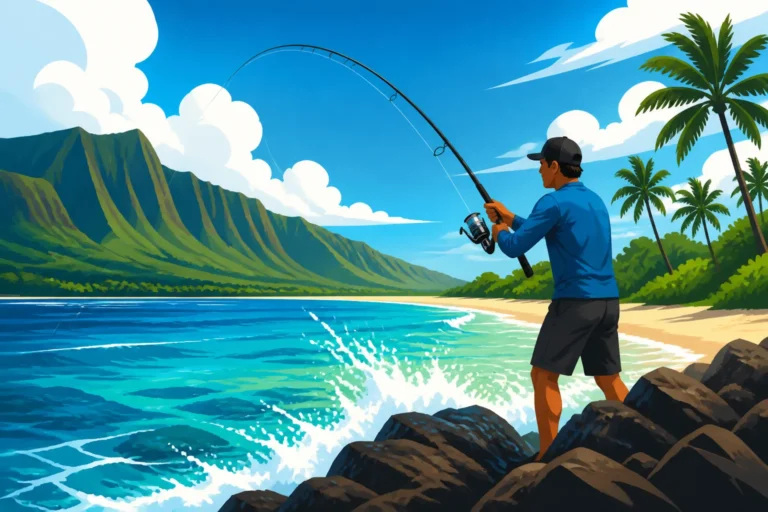
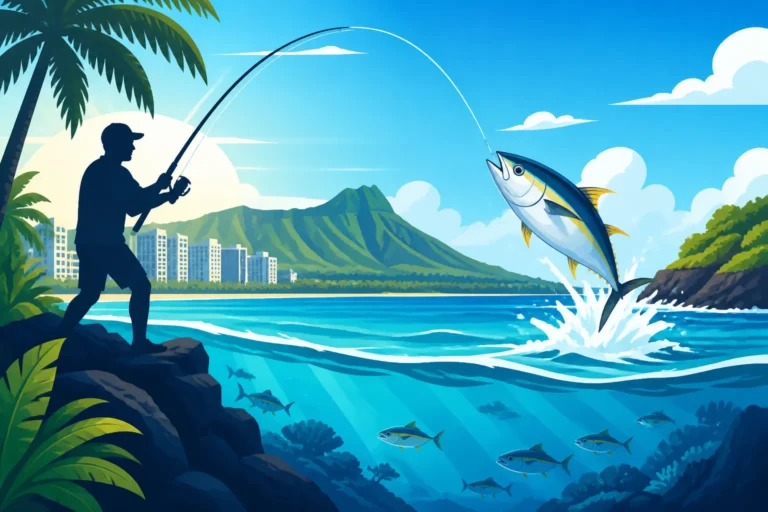
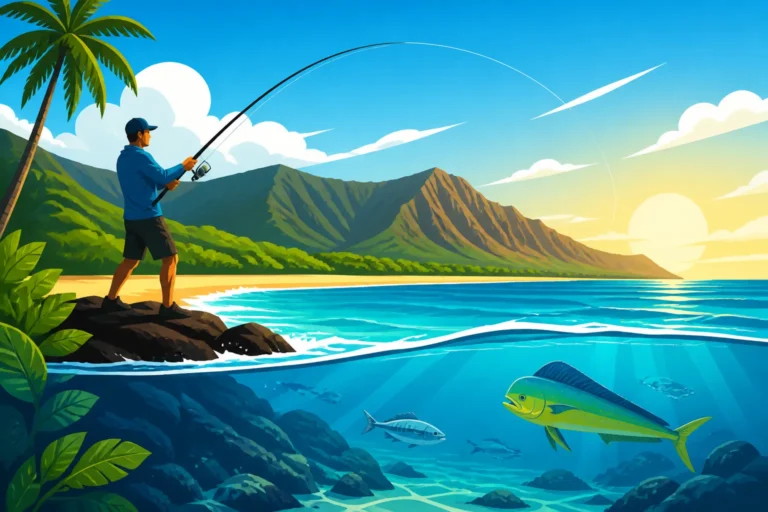
The tranquility of Malaekahana State Park, with its swaying ironwood trees and crescent of sandy beach, often hides a secret from the casual visitor: it's a fantastic spot for shore fishing. However, just walking up and casting a line without local knowledge can be a recipe for frustration rather than a successful catch. This comprehensive guide will peel back the layers of this beautiful North Shore gem, revealing the best fishing spots within the park and arming you with the practical advice you need to hook into some memorable Hawaiian fish.
Understanding Malaekahana State Park for Anglers
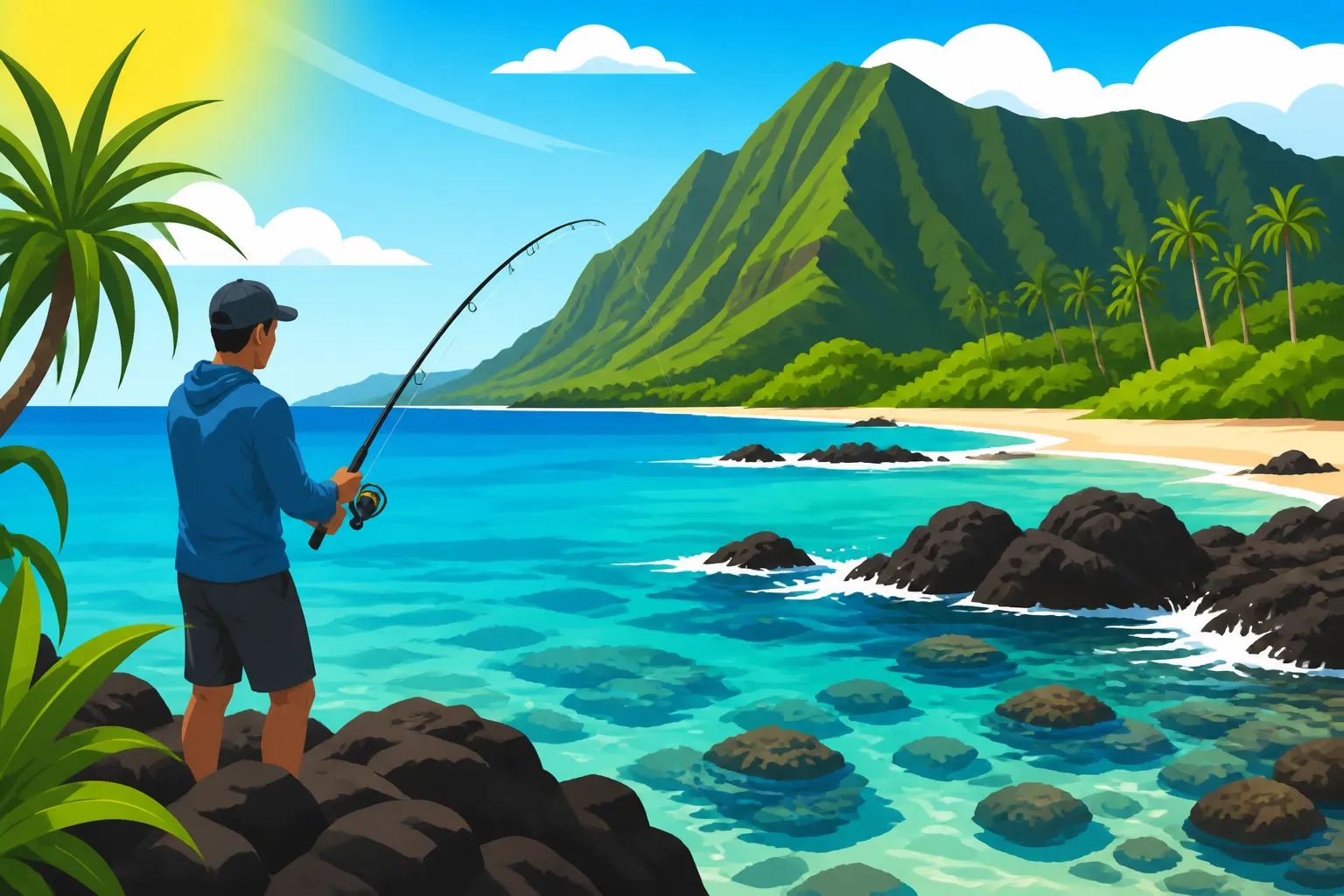
Malaekahana State Park, nestled on Oʻahu's windward coast between Lāʻie and Kahuku, is a place of serene beauty and surprising fishing potential. It's not as famous for fishing as some of the more rugged, remote spots, and that’s precisely part of its charm. You’ll find a mix of sandy stretches, rocky points, and shallow reef flats, each offering different opportunities depending on what you’re hoping to catch.
What Makes Malaekahana Special for Fishing?
One of the biggest draws of Malaekahana is its relative accessibility combined with a feeling of being away from the hustle and bustle. Unlike some of the more crowded beaches closer to Honolulu, Malaekahana offers a more relaxed environment, perfect for a peaceful day of casting. The diverse underwater terrain contributes to a good variety of fish species, from popular inshore fighters like papio and ulua to various reef fish. The park's layout, with its long beach and offshore islet, creates varied conditions—from exposed surf-swept areas to more protected, calmer waters.
The long shoreline here provides ample space, meaning you rarely feel crowded, even on busier weekends. It's a great spot for both seasoned anglers looking for a new challenge and families wanting to introduce their keiki (children) to the joy of fishing in a beautiful, relatively safe environment. Plus, the surrounding natural beauty, with Mokuauia (Goat Island) just offshore, adds an extra layer of enjoyment to any fishing trip.
General Fishing Regulations and Considerations
Before you even think about rigging up, it's crucial to understand that fishing in Hawaii, even in a state park, comes with rules. While Malaekahana State Park itself doesn't impose additional permits for recreational shore fishing beyond statewide regulations, you must always adhere to the Department of Land and Natural Resources (DLNR) rules. This includes understanding bag limits, size restrictions, and any seasonal closures for specific species.
For instance, certain fish like moi (Pacific threadfin) have specific seasons and size limits that are strictly enforced. Knowing these before you go is non-negotiable. You’ll also want to be mindful of your surroundings; this is a public park, so always practice good aloha 'āina (love of the land) by packing out everything you pack in, respecting other beachgoers, and avoiding sensitive coral areas. Remember, you can always check out the latest updates on the Hawaii Fishing Regulations Explained for a full rundown.
Prime Shore Fishing Locations within Malaekahana
Malaekahana State Park offers a range of habitats along its coastline, and knowing where to focus your efforts can significantly improve your chances of success. Each section of the park has its unique characteristics, attracting different species and lending itself to various fishing techniques.
Northern End: Kahuku Point Access
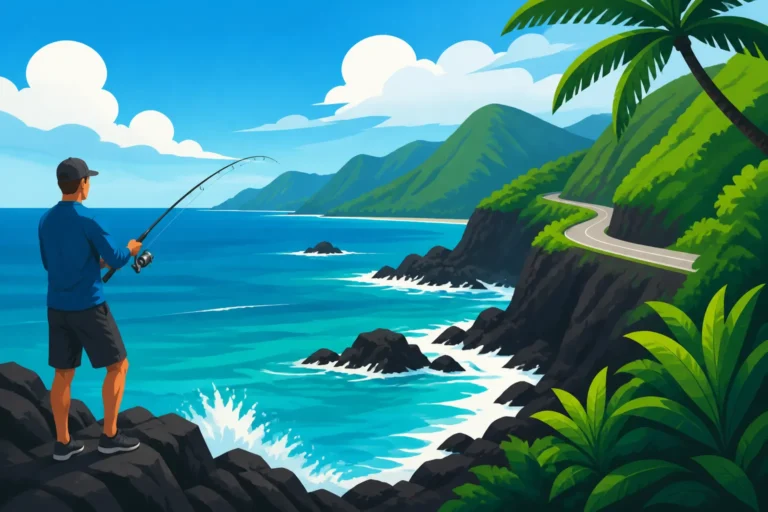
As you move toward the northern end of Malaekahana, closer to Kahuku Point, the coastline becomes rockier and more exposed. This area is often favored by experienced anglers targeting larger, more powerful fish like ulua (giant trevally) and papio (juvenile trevally). The rocky bottom provides excellent ambush points for these predatory species, and the deeper water just offshore can hold larger fish.
Access here is often a bit more challenging than the main beach, requiring a bit of rock hopping, but the reward can be substantial. Anglers here often employ heavy tackle and "slide bait" techniques, sending out a sizable baitfish or chunk bait on a balloon or float to entice a strike from a cruising ulua. The currents can be stronger here, so always exercise caution, especially during higher tides or large swells. For those serious about targeting trophy fish from shore, this northern stretch offers some of the best opportunities within the park.
Central Beach Stretch: Sandy Bottoms and Reef Patches
The main, central stretch of Malaekahana Beach is characterized by its expansive sandy bottom, interspersed with occasional reef patches and scattered rocks. This is arguably the most versatile and family-friendly fishing area within the park. While you might not be targeting grander ulua here, it’s an excellent spot for papio, various smaller trevally species, goatfish (kumu, weke), and sometimes even moi when they are in season and feeding in shallower waters.
Whipping with light to medium tackle is very effective along this section. Small Kastmasters, clear plastic grubs, or even a simple baited hook with squid or shrimp can yield good results. Look for areas where the sandy bottom meets reef structures, as these transition zones are often hotspots for feeding fish. This area is also ideal for wading out a bit, casting into deeper troughs, or fishing the edges of sandbars. It's a fantastic spot to enjoy the beauty of the North Shore while reeling in some fun-sized fish.
Southern End: Near Goat Island (Mokuauia)
The southern end of Malaekahana State Park, particularly the area closest to Mokuauia, also known as Goat Island, offers a more protected fishing environment. Mokuauia is a designated bird sanctuary, and while you can wade out to it at low tide, it's important not to disturb the wildlife. The channel and surrounding reef flats between the mainland and Goat Island can be incredibly productive for smaller reef fish, papio, and sometimes even bonefish (oio) on the flats.
The water here is generally calmer, making it an excellent spot for beginners or those using lighter tackle. Bait fishing with small pieces of shrimp, squid, or limu (seaweed) can be very effective for a variety of reef dwellers. For those interested in sight fishing for bonefish, the expansive sand flats exposed at lower tides can be an exciting challenge. Just remember to always observe the rules regarding the protected island itself; fishing is permitted in the surrounding waters, but approaching or disturbing the nesting birds on the island is prohibited.
Essential Gear and Techniques for Malaekahana Fishing
Having the right gear and knowing which techniques to employ can dramatically impact your success at Malaekahana. It's not about having the most expensive equipment, but rather choosing tools that are appropriate for the environment and the fish you're targeting.
Recommended Tackle for Shore Casting
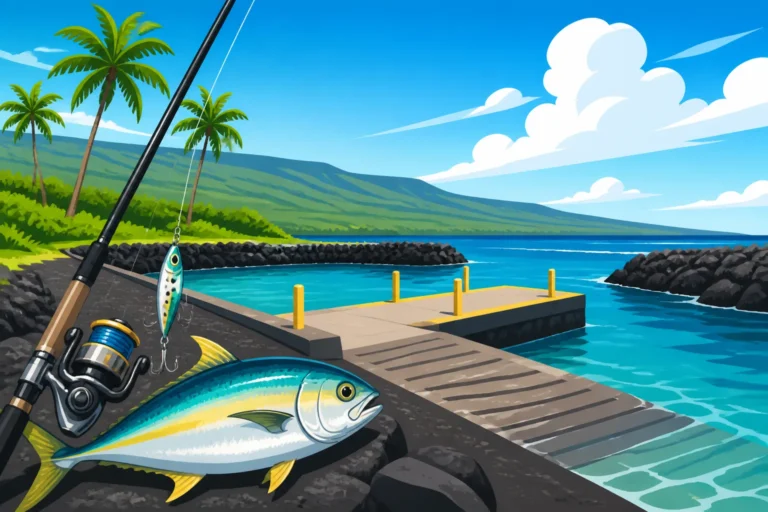
For the majority of fishing at Malaekahana, especially in the central and southern areas, a medium to heavy spinning rod setup is your best bet. A 9-to-11-foot rod paired with a 4000-6000 size spinning reel spooled with 20-30 lb braided line is a versatile choice. This allows for long casts, gives you the backbone to fight fish in the surf, and offers sensitivity for detecting subtle bites. For leader material, 30-50 lb fluorocarbon is usually sufficient to handle abrasion from rocks and provide invisibility in clear Hawaiian waters.
If you’re venturing to the northern, rockier areas targeting ulua, you might want to step up to a heavy-duty surf rod, perhaps 12-14 feet, with a larger reel (8000-10000 size) and 50-80 lb braid. This is for truly launching heavy baits and having the leverage to pull a powerful fish away from structure. Lure choices can vary: metal spoons like Kastmasters (1-3 oz), poppers for topwater action, and soft plastics on jig heads are all effective. Don't forget your bait bucket; frozen squid, shrimp, and cut baitfish are local favorites. You can find more specific advice on Shore Fishing Techniques for Hawaii to fine-tune your approach.
Best Fishing Techniques for Success
The type of technique you use will often depend on the specific spot and target species.
- Whipping (Spin Casting): This is a popular and effective method, especially in the central beach areas for papio and smaller trevally. It involves casting metal spoons, plugs, or soft plastics and retrieving them at varying speeds. Experiment with retrieves—some days fish prefer a fast, erratic twitch, while others a slow, steady pull is key. Cast parallel to the shore, into troughs, and around any visible structure.
- Bait Fishing: A classic for a reason. Using a simple bottom rig with a weight and a single or double hook baited with squid, shrimp, or cut bait is excellent for goatfish, triggerfish, and smaller papio. This works well in both sandy and reefy areas. For moi, a smaller hook and lighter line with limu or a very small piece of shrimp can be deadly.
- Sliding Bait (Ulua Fishing): For those targeting the larger ulua in the northern rocky sections, the slide bait technique is paramount. You cast a heavy lead weight out as far as possible, then "slide" a live or dead baitfish (like akule or opelu) down your main line to the desired fishing depth. This presents a large, natural bait to trophy fish lurking in deeper water or around structure. This takes practice and specialized gear but can yield impressive results. Check out tips for How to Catch Ulua from Shore for more detailed instructions on this technique.
Planning Your Fishing Trip to Malaekahana
A successful fishing trip isn't just about showing up with gear; it's also about smart planning, understanding conditions, and prioritizing safety.
Best Times to Fish
Just like anywhere else, timing is everything at Malaekahana. Generally, the early morning hours (dawn to mid-morning) and late afternoon/early evening (dusk) are the most productive times. This is when many fish species are actively feeding, and the lower light conditions provide an advantage.
Tides also play a critical role. For fishing the reef flats, a rising tide often brings fish in closer to shore to feed. For ulua and papio, a strong incoming or outgoing tide can concentrate baitfish and predatory activity. During big surf conditions, shore fishing can be challenging and dangerous, so always check the surf report before heading out. Keep an eye on local conditions, and remember that even during peak times, a bit of patience and persistence usually pays off. For more general advice on seasonal fishing, you might look into Best Time of Year to Fish in Hawaii.
Essential Supplies and Safety Tips
Beyond your fishing gear, there are a few absolute essentials for a comfortable and safe day at Malaekahana:
- Sun Protection: The Hawaiian sun is intense. Bring plenty of reef-safe sunscreen, a wide-brimmed hat, sunglasses, and lightweight, long-sleeved clothing.
- Hydration and Snacks: Pack plenty of water and some snacks. You might be out there for hours, and staying hydrated is crucial.
- First Aid Kit: A basic kit for cuts, scrapes, and hook injuries is a must. Especially if you're venturing onto rocky areas, accidents can happen.
- Footwear: Wear sturdy reef shoes or tabis if you plan on wading or walking on rocky shorelines. Slippery rocks are a real hazard.
- Headlamp/Flashlight: If you're fishing at dawn or dusk, or staying into the night, a reliable light source is essential.
- Trash Bag: Always practice "leave no trace." Pack out all your trash, including fishing line scraps.
- Respect Wildlife: Malaekahana is home to various birds and marine life. Keep a respectful distance from monk seals, turtles, and nesting birds, especially around Goat Island. Remember, disturbing them is illegal and harmful.
- Check Conditions: Always check weather and surf forecasts before you go. Strong currents and large waves can be dangerous for shore anglers. If in doubt, don't go out.
While Malaekahana is fantastic for independent exploration, if you're planning a broader fishing adventure across the islands or simply want to understand the different options available, resources like FishingBooker can be incredibly helpful for finding local charter services in other parts of Oahu or other islands. They can connect you with experienced captains who specialize in different types of fishing, from deep-sea trolling to inshore reef fishing, providing another layer of expertise for your Hawaiian fishing journey. Sometimes, even just browsing the options on FishingBooker can give you a better idea of what species are biting and where, offering valuable insights into local conditions and trends.
Here's a quick overview of what you might expect at different spots:
| Location Within Malaekahana | Primary Target Species | Recommended Technique | Key Features & Tips |
|---|---|---|---|
| Northern End (Kahuku Point) | Ulua, Papio, Jack Crevalle | Sliding Bait, Heavy Lure | Rocky outcrops, deeper water, strong currents. Exercise caution on slippery rocks. |
| Central Beach Stretch | Papio, Moi, Goatfish, Trevally | Whipping, Bait Fishing | Sandy bottom with scattered reef, accessible. Good for beginners and families. |
| Southern End (near Goat Island) | Papio, Reef Fish, Bonefish | Bait Fishing, Light Lure | Protected, calmer waters, shallow reef flats. Respect bird sanctuary rules. |
Remember, fishing is as much about the experience as it is about the catch. Enjoy the stunning views, the sound of the waves, and the incredible natural beauty of Malaekahana State Park. Whether you're reeling in a feisty papio or simply soaking in the aloha spirit, a day spent fishing here is a day well spent. For those looking to explore other freshwater options, understanding the Hawaii Freshwater Game Fishing License Cost might be a next step, though Malaekahana is strictly marine. Also, if you plan to combine your fishing trip with boating, being familiar with Hawaii Boating Laws for Anglers is essential.
Disclaimer
Fishing conditions and regulations in Hawaii can change. Always consult the official Hawaii Department of Land and Natural Resources (DLNR) Division of Aquatic Resources (DAR) website for the most current and accurate regulations before planning any fishing trip. This guide is for informational purposes only and should not be considered a substitute for official legal guidance.