Best fishing spots on the Hana Highway coastline
The Hana Highway on Maui is world-renowned for its stunning vistas, dramatic cliffs, and lush rainforests, but for the angler, this winding, beautiful stretch of road presents a unique challenge: finding those prime fishing spots that aren't immediately obvious. It’s easy to get lost in the scenery and miss out on incredible opportunities to cast a line. This comprehensive guide is designed to help you navigate the rugged, enchanting coastline of the Hana Highway, revealing the best places to fish from shore, what you can expect to catch, and how to make your fishing adventure truly unforgettable amidst Maui's untouched beauty.
The Allure and Obstacles of Fishing the Hana Coastline
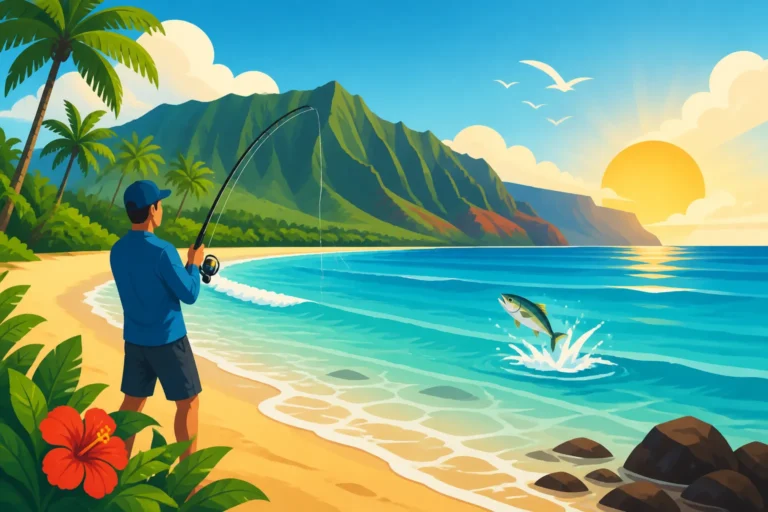
Fishing along the Hana Highway isn't your typical day at the beach. This isn't where you'll find easily accessible piers or perfectly manicured fishing parks. Instead, you're venturing into a wild, untamed environment where the land meets the sea in a dramatic fashion. It's a place that rewards patience, respect, and a willingness to explore, but it also demands caution and preparedness. The allure lies in the pristine conditions, the sense of solitude, and the chance to pull a fish from waters that see far less pressure than the more popular spots on Maui.
Navigating the Remote Beauty and Rugged Terrain
The biggest hurdle for many anglers along the Hana Highway is simply finding a safe, legal, and productive spot to fish. The highway itself is narrow and winding, with limited parking, and many areas are privately owned or culturally significant, meaning access might be restricted. You'll often find yourself parking alongside the road and hiking down slippery, sometimes overgrown trails to reach the shoreline. This isn't a place for flip-flops and a flimsy rod; think sturdy hiking shoes, a backpack with water and snacks, and gear that can withstand a bit of a trek. The remote nature means that help can be a long way off, so safety should always be your top priority. Always tell someone where you're going and when you expect to return, especially if you plan to venture off the beaten path.
Respecting the 'Aina (Land) and Local Customs
Hawaii's rich cultural heritage is deeply intertwined with its natural environment. Along the Hana Highway, you'll encounter numerous sacred sites, ancient Hawaiian fishponds, and areas of significant historical importance. It's not just about knowing the local fishing regulations, but also about understanding and respecting the 'aina (land) and the local community. Always practice malama 'aina (care for the land) by packing out everything you pack in, leaving no trace behind. Be mindful of traditional gathering rights and keep a respectful distance from any areas that appear to be in use by local families. Sometimes, a quiet observation is more valuable than casting a line in a spot that might be culturally sensitive. If you're unsure about an area, it's always better to err on the side of caution and find another spot. Additionally, remember to familiarize yourself with general information in our Hawaii Fishing Regulations Explained guide.
Prime Shore Fishing Locations Along the Hana Highway
While much of the Hana Highway coastline is rugged and inaccessible, there are several key areas that offer fantastic shore fishing opportunities. Each spot has its own character, target species, and access considerations.
Hana Bay and Surrounding Areas
Hana Bay, nestled right in the heart of Hana town, is probably the most accessible and "developed" fishing spot along the highway. The bay itself is often calm, making it a good option for families or those looking for a less strenuous experience. The pier at Hana Bay is a popular spot, providing easy access to deeper water without the need for rugged hiking. From the pier, you can expect to catch a variety of reef fish, including papio (juvenile trevally), small jacks, and various types of snapper. Locals often use squid, shrimp, or small pieces of cut bait here.
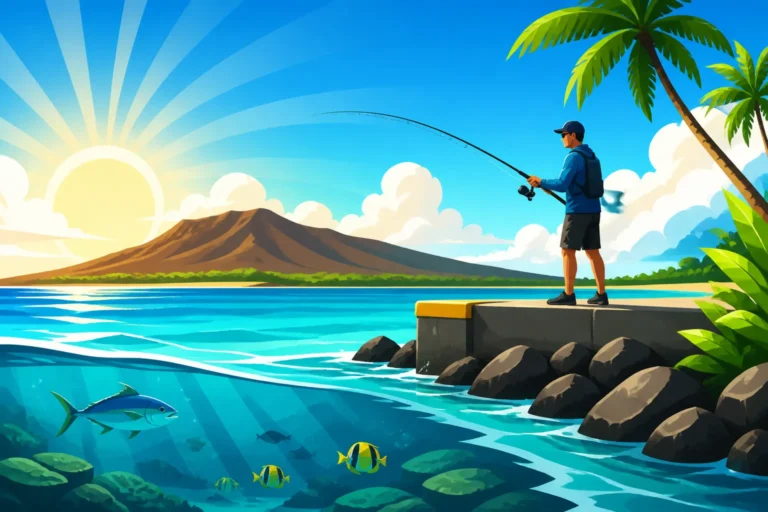
Beyond the pier, the rocky points on either side of Hana Bay can be productive for whipping or casting artificial lures. These areas are more exposed to currents and waves, which can attract larger predators. Look for pockets of calmer water adjacent to breaking waves, as these are often where fish ambush bait. Access to these rocky areas generally requires a short walk from the bayfront park. Remember to check out the Maui Fishing Guide for more localized information on the island.
Waiʻanapanapa State Park's Rocky Shores
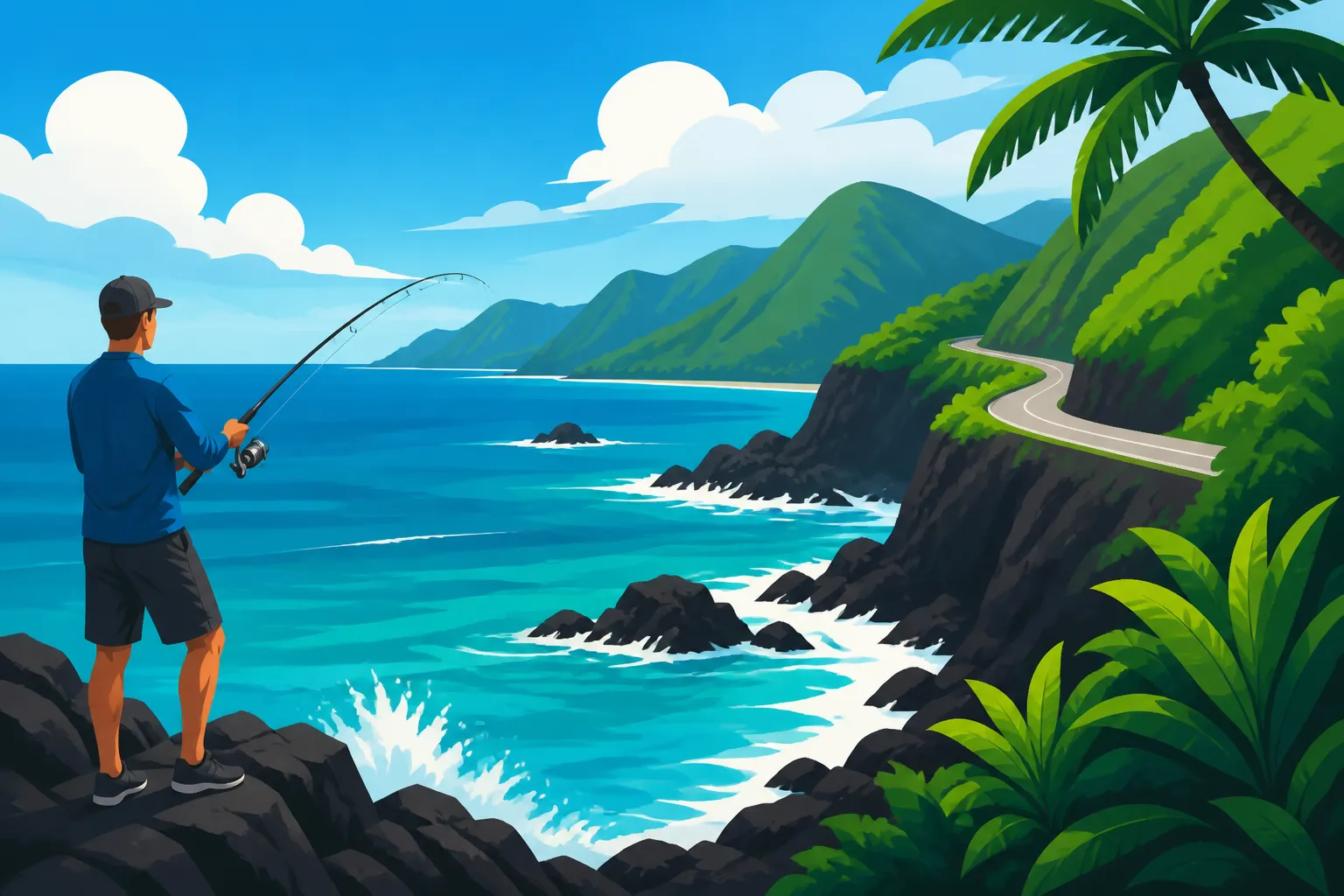
Waiʻanapanapa State Park, famous for its black sand beach (Paiola Beach) and sea caves, also offers some incredible, albeit challenging, shore fishing. While fishing directly from the black sand beach itself is less common due to the popular swimming and cultural activities, the rocky coastline and lava flows surrounding the main beach areas can be exceptional. These dramatic lava formations create ledges, deep channels, and hidden pockets that are perfect habitats for a variety of inshore species.
Anglers here often target ulua (giant trevally), papio, omilu (bluefin trevally), and various types of reef fish like uhu (parrotfish). The key here is to find elevated vantage points on the lava rocks that allow for good casting distance and safe footing. Be extremely cautious of rogue waves, as the lava rock can be incredibly slick and unforgiving. Strong currents are also common. You'll need stout gear, heavy line, and tackle that can withstand being dragged across sharp lava. Live bait, such as opelu (mackerel scad) or akule (bigeye scad) if you can catch them, can be highly effective for bigger ulua. Always remember to consult the Hawaii Uhu Parrotfish Size and Bag Limits before you go, as regulations are strictly enforced.
Lesser-Known Pull-offs and Coves
One of the most rewarding aspects of fishing the Hana Highway is discovering those hidden gems that aren't marked on any map. There are numerous small pull-offs along the highway, particularly between the more popular stops like Nahiku and Hana, that offer access to secluded coves and rocky points. These spots often require a keen eye and a bit of courage to explore. Look for faint trails leading from the road down towards the ocean. These are often used by local anglers and can lead to incredibly productive, undisturbed waters.
Species here can vary widely, from papio and omilu to moi (Pacific threadfin) in sandy-bottomed coves, and even small pelagics like skipjack tuna if you're casting into deeper water from an exposed point. Light tackle spinning setups are popular for casting small spoons or plugs, while heavier setups with sliding bait rigs are excellent for targeting larger ulua. Always exercise extreme caution when exploring these unmarked areas. The terrain can be treacherous, and tides can quickly cut off access to certain coves. Before venturing out, it's wise to review information like our guide on Hawaii Shoreline Fishing Rights and Public Access Rules to ensure you're fishing legally and respectfully.
Essential Tips for a Successful Hana Fishing Trip
A successful fishing trip along the Hana Highway is as much about preparation and safety as it is about angling skill. This remote and beautiful environment demands a certain level of respect and forethought.
Gear Up for Rugged Terrain and Marine Conditions
Your fishing gear needs to be robust enough to handle both the journey and the fish. For shore casting, a medium-heavy to heavy spinning rod (9-12 feet) paired with a reel spooled with 30-50 lb braided line is a good starting point. Bring extra spools of leader material (fluorocarbon is preferred for its abrasion resistance), hooks, sinkers, and a variety of lures. Heavy jigs, poppers, and large spoons are effective for covering water and attracting predatory fish. Don't forget a sturdy tackle bag that's comfortable to carry on a hike.
Beyond your fishing tackle, consider personal safety equipment. Water shoes or boots with good grip are essential for navigating slippery rocks. A hat, sunglasses, and plenty of reef-safe sunscreen are non-negotiable. Bring a first-aid kit, a headlamp or flashlight (just in case), and enough water and snacks for your entire outing. A sturdy cooler with ice is crucial if you plan on keeping your catch. For those interested in finding guides for other parts of Hawaii, FishingBooker can be a useful resource to find experienced local captains who can provide specific gear recommendations for different types of fishing.
Understanding Tides, Swell, and Weather Patterns
The ocean conditions along the Hana Highway can change rapidly and dramatically. Always check the local marine forecast before heading out. High surf warnings, strong winds, or heavy rain can make fishing unsafe and unproductive. Tides play a significant role in shore fishing; incoming tides often bring baitfish closer to shore and can activate predatory species. However, a rising tide can also make certain rocky ledges inaccessible or dangerous.
Pay close attention to swell direction and size. Even a moderate swell can create powerful, unpredictable waves that can sweep you off your feet on exposed lava rock. Look for calmer periods and choose spots that offer some protection from direct wave action if conditions are rough. Remember, no fish is worth risking your safety. Our article on Hawaii Fishing Season Dates and Closures can help you plan your trip around optimal conditions for specific species.
Catching and Releasing or Keeping Your Haul Responsibly
Before you cast a line, it is absolutely vital to know the current Hawaii Bag and Size Limits by Species for any fish you might encounter. Hawaii has specific regulations to protect its marine resources, including closed seasons for certain species like moi (Pacific threadfin), and size limits for others such as uhu (parrotfish), ulua, and papio. It is your responsibility as an angler to know and follow these rules.
If you plan to keep your catch, bring a tape measure to ensure it meets legal size. Dispatch fish quickly and humanely, and place them immediately on ice in a cooler to preserve freshness. If you're practicing catch and release, handle fish minimally, keep them in the water as much as possible, and use de-hooking tools to minimize stress. Releasing an undersized or unwanted fish quickly and safely ensures it has the best chance of survival and contributes to the health of Hawaii's fish populations. And for broader understanding of requirements, always check if you need a Hawaii Fishing License Guide for 2026.
Common Species and How to Target Them
The waters along the Hana Highway coastline are teeming with diverse marine life, offering exciting opportunities for a range of species. Knowing what you're targeting can help you select the right gear and techniques.
Papio and Ulua: The Shoreline Brawlers
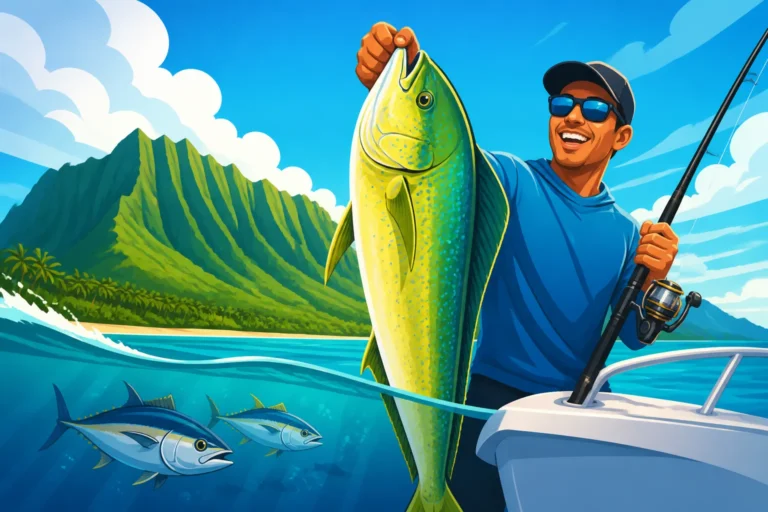
Papio and ulua are perhaps the most sought-after game fish for shore anglers in Hawaii. Papio are juvenile trevally (jacks), while ulua are the formidable adults, also known as giant trevally (GTs). Both are powerful fighters, making for an exhilarating experience when hooked. They patrol rocky shorelines, reef edges, and sandy channels, preying on baitfish and crustaceans.
- Papio: Often targeted with lighter tackle, papio respond well to whipping techniques using small spoons, jigs, and poppers. Live or cut bait (squid, shrimp, small fish) fished on a slip sinker rig can also be very effective. Look for them in areas with mixed sand and rock, especially where waves are breaking and stirring up food. Dawn and dusk are prime times. Our How to Catch Papio on Hawaii's Shoreline guide offers more detailed techniques.
- Ulua: These heavyweights require robust gear. Sliding bait rigs, where a live or large cut bait (like a whole opelu or akule) is slid down the main line to a heavy lead, are popular for targeting ulua from deep rocky ledges or points. They are often most active at night or during periods of strong current. Be prepared for a long, grueling fight – these fish don't give up easily! If you're serious about battling a big one, our How to Catch Ulua from Shore article is a must-read.
Reef Dwellers: Moi, Uhu, and Omilu
Beyond the trevally, the reef systems along the Hana Highway host a colorful array of delicious and fun-to-catch species.
- Moi (Pacific Threadfin): Revered as a Hawaiian delicacy, moi are often found in sandy-bottomed areas near reefs or in channels with moderate current. They are typically targeted with light tackle and small baits like limu (seaweed), pieces of shrimp, or small crab. Moi have specific closed seasons in Hawaii, so always check the current Hawaii Moi Closed Season, Explained before attempting to fish for them.
- Uhu (Parrotfish): These beautiful, brightly colored fish are primarily herbivores, grazing on algae from rocks and coral. They are often caught incidentally while targeting other reef species with small pieces of bait. They put up a decent fight and are excellent eating. Again, strict size and bag limits apply, so reference the Hawaii Uhu (Parrotfish) Size and Bag Limits before harvesting.
- Omilu (Bluefin Trevally): Another member of the jack family, omilu are distinctively blue-tinged and aggressive predators. They are often found in similar habitats to papio, around rocky points and reef edges, and respond well to small lures, spoons, and live bait. They are smaller than ulua but pack a punch for their size.
Here’s a quick overview of some potential fishing spots and their characteristics along the Hana Highway:
| Location | Accessibility | Target Species | Recommended Techniques | Notes |
|---|---|---|---|---|
| Hana Bay Pier | Easy walk, ample parking | Papio, small jacks, reef fish | Bait fishing (shrimp, squid), light spinning | Family-friendly, often crowded with swimmers/snorkelers during peak hours. Good for casual fishing. |
| Hana Bay Rocky Points | Short walk from park | Papio, omilu, small ulua, reef fish | Whipping, lure casting, bait fishing | More challenging terrain than the pier. Good current flow, watch for sharp rocks and waves. |
| Waiʻanapanapa State Park | Hike down lava flows (caution!) | Ulua, papio, omilu, uhu, various reef fish | Sliding bait, heavy shore casting | Extremely rugged and slippery terrain. High potential for large fish, but dangerous conditions. Exercise extreme caution, especially with swell. Avoid designated swimming areas. |
| Koki Beach / Hamoa Beach | Limited shore access | Papio, omilu (rocky areas), small reef fish | Light spinning, bait fishing | Main beaches are popular for swimming/surfing. Look for rocky outcrops to either side for fishing. Respect local use. |
| Unmarked Pull-offs | Faint trails, often steep | Mixed bag: Papio, ulua, moi, reef fish | All shore techniques, depending on spot | Rewards adventurous anglers with solitude and potentially untouched waters. Requires utmost caution regarding safety, access, and respect for private/cultural lands. Research or ask locals discreetly. |
No matter where you choose to fish along the Hana Highway, always prioritize safety, respect the environment, and adhere to all local regulations. This journey is as much about experiencing the raw beauty of Maui as it is about the thrill of the catch.
Disclaimer
The information provided in this guide is for general informational purposes only and is not intended as legal advice. Fishing regulations in Hawaii can change, and it is the sole responsibility of the angler to understand and comply with all current local, state, and federal laws and regulations before engaging in any fishing activities. Always check the latest Hawaii Division of Aquatic Resources (DAR) rules and advisories. Fishing in remote and rugged areas, like the Hana Highway coastline, carries inherent risks, including but not limited to slippery terrain, strong currents, and unpredictable ocean conditions. Always exercise extreme caution, prioritize your safety, and inform others of your fishing plans.