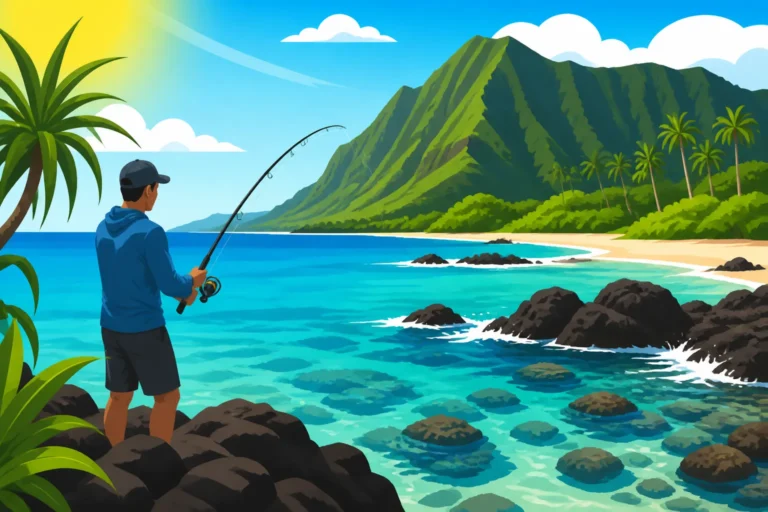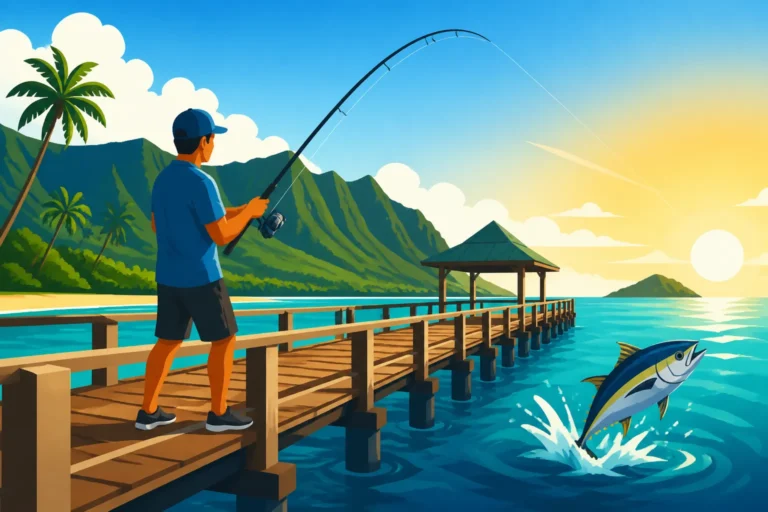
Best canoe fishing routes in Hawaii
Trying to figure out the perfect canoe fishing route in Hawaii can feel a bit overwhelming, right? You're not just looking for a spot with fish, but also a place that's safe, accessible for your canoe, and ideally, steeped in that unique Hawaiian fishing culture. It's tough to know where to launch, what species you might encounter, and how to navigate the local nuances of each bay or shoreline without some insider knowledge. This guide is here to unravel those complexities, offering you a detailed look into some of the best and most rewarding canoe fishing routes across the islands, ensuring you have a memorable and successful experience.
The Allure of Canoe Fishing in Hawaii
There's something incredibly special about paddling out in a canoe in Hawaii, feeling the rhythm of the ocean beneath you, and casting a line. It connects you directly to the ancient traditions of the islands, to the very essence of how fishing has been done here for centuries. It's not just a method of catching fish; it's an experience that fosters a deeper appreciation for the 'āina (land) and the kai (sea).
A Deep Dive into Tradition and Technique
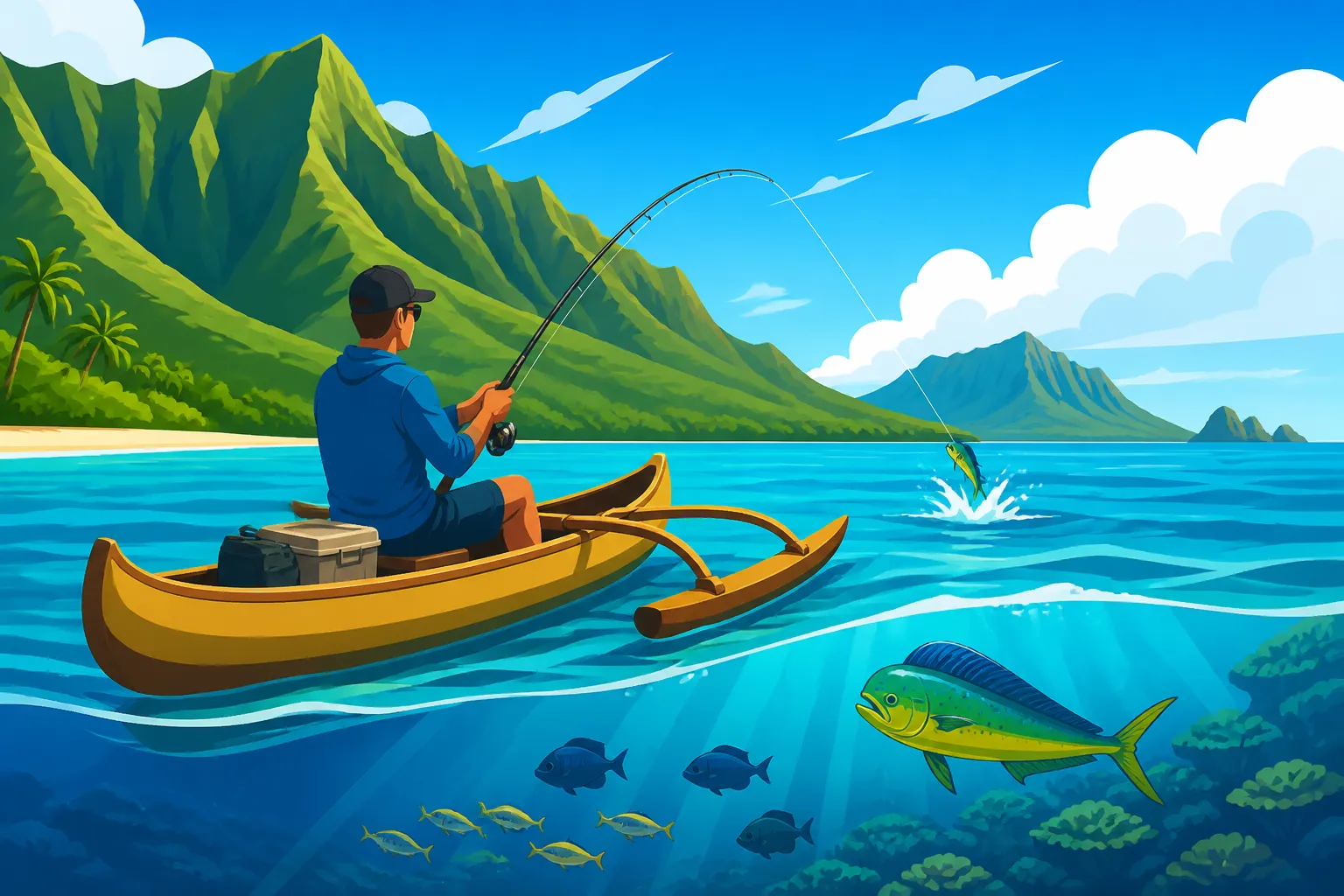
Canoe fishing in Hawaii is much more than just putting a boat in the water. It's a living tradition, a direct link to the ingenuity of the Polynesian voyagers who first navigated these waters. The craftsmanship of the canoes themselves, from the traditional outrigger waʻa to modern interpretations, speaks to a deep respect for the ocean. Anglers often employ traditional techniques like whipping, using light lines and small lures or baits to target species found closer to shore or around reef structures, or small-scale trolling for pelagics just beyond the surf line. It’s a quiet, stealthy approach that can put you right on top of fish that might be spooked by larger, noisier vessels.
The beauty of it lies in its simplicity and efficiency. You're not burning expensive fuel or dealing with the complexities of a large motorboat. Instead, you're relying on your paddle, your knowledge of the currents and tides, and your understanding of where the fish like to congregate. This minimalist approach allows for a truly immersive experience, where every paddle stroke and every cast feels intimately connected to the environment. It's a fantastic way to experience the quiet majesty of Hawaii's coastlines, often in places inaccessible to bigger boats.
Advantages of Canoe Fishing for Local Anglers
For local anglers, especially those without access to larger powerboats, canoe fishing offers a multitude of advantages. Firstly, accessibility is a huge factor. Many shorelines and smaller bays that lack proper boat ramps are perfectly suited for launching a canoe. You can literally walk it into the water from a sandy beach or a calm rocky point, opening up a vast array of fishing grounds that are often less pressured by other anglers. This means more undisturbed fish and a better chance at a productive outing.
Secondly, the stealth factor cannot be overstated. A canoe glides through the water with minimal noise, allowing you to approach schools of fish, bonefish on the flats, or shy reef dwellers without alarming them. This quiet approach is particularly effective in shallow water environments like Keehi Lagoon or certain sections of Kaneohe Bay, where a noisy outboard would send fish scattering. Moreover, the ability to maneuver into tight spaces, like small channels between reefs or around lava rock formations, gives canoe anglers a distinct edge in targeting species that hug structure. It’s a truly intimate way to explore the nearshore fisheries, offering a unique perspective and often yielding surprising catches.
Essential Considerations Before Paddling Out
Before you even think about putting your paddle in the water, there are a few critical things to consider. Hawaii's ocean environment is beautiful but can also be unpredictable, and understanding the local regulations is paramount. Taking a moment to plan ahead can make all the difference between a fantastic day and a challenging one.
Safety First: Gear, Weather, and Planning
Safety should always be your number one priority when heading out in a canoe, especially on the open ocean. Always, always wear a U.S. Coast Guard-approved Personal Flotation Device (PFD). Even if you're a strong swimmer, unexpected currents, boat wakes, or a sudden capsize can happen quickly. It's not just about staying afloat, but also about being easily visible to others. Make sure your canoe is equipped with basic safety gear: a whistle, a spare paddle, a bailing device (like a small bucket or sponge), and a bright flag or light if you plan to be out near dawn or dusk.
Checking the weather forecast is absolutely non-negotiable. Hawaii's weather can shift rapidly, with calm mornings giving way to strong trade winds and choppy seas by afternoon. Pay close attention to wind speed and direction, as paddling against a strong headwind can be exhausting and dangerous. Always tell someone your float plan – where you're launching, your intended route, and when you expect to return. Consider carrying a waterproof phone or a VHF radio for emergencies. Remember, being prepared means you can truly relax and enjoy your time on the water.
Navigating Regulations and Access Points
Understanding Hawaii's fishing regulations is crucial for any angler, and canoe fishing is no exception. While marine fishing licenses are not currently required for residents in Hawaii, freshwater fishing does require a license. However, regulations regarding bag and size limits, closed seasons for certain species like Moi or Uhu, and restrictions in Marine Life Conservation Districts (MLCDs) apply to everyone. Always check the latest regulations from the Division of Aquatic Resources (DAR) before you go. You can easily find comprehensive information in resources like the Hawaii Fishing License Guide for 2026 or Hawaii Fishing Regulations Explained to ensure you're compliant.
Access points are another important consideration. While canoes are versatile, you still need a safe and legal place to launch. Public beaches, designated boat ramps, and certain parks often provide good access. However, be mindful of private property, cultural sites, and protected areas. For instance, while certain areas like the shoreline around Pearl Harbor might appear accessible, they are often restricted due to military operations. Always look for signage and respect local land-use rules. A quick search for "public boat launches Oahu" or "kayak access Maui" can often provide specific locations.
Top Canoe Fishing Routes Across the Islands
Now for the exciting part – discovering some of the most rewarding canoe fishing routes Hawaii has to offer! Each island presents unique opportunities and challenges, from sheltered bays to more exposed coastlines. We'll explore a few prime locations where your paddle power can unlock some incredible angling.
Oahu's Diverse Waters
Oahu, with its bustling urban centers, still boasts surprisingly productive and accessible canoe fishing routes. You just need to know where to look beyond the popular tourist beaches.
Kaneohe Bay's Sheltered Haven
Kaneohe Bay, located on Oahu's windward side, is a truly special place for canoe fishing. It's the largest sheltered bay in Hawaii, protected by a barrier reef that keeps the ocean swells at bay, making for relatively calm waters on most days. This expansive bay offers incredibly diverse habitats: shallow sand flats, seagrass beds, coral reefs, and deeper channels. This variety means you can target a wide array of species. On the flats and around the reef fringes, you might find Papio (juvenile Trevally), various Weke (Goatfish), and even the prized Moi (Pacific Threadfin) during open season. The deeper parts of the bay can hold larger Trevally, Barracuda, and even small pelagic species that venture inside.
Access to Kaneohe Bay is generally good. He'eia Kea Small Boat Harbor offers public launch facilities, and many smaller beach parks along the shoreline provide easy hand-launch spots for canoes. Just remember to check for any specific local rules or restricted areas within the bay, especially around the Sandbar or military training zones. The sheer size and ecological richness of Kaneohe Bay mean you could spend countless days exploring different sections and still discover new fishing hot spots. For tactics here, consider light spinning gear for whipping small lures or bait, or even fly fishing on the shallower flats for Papio or Bonefish.
Keehi Lagoon's Bonefish Flats
If you're into sight fishing and targeting the elusive Bonefish (O'io), Keehi Lagoon, near Honolulu, is a must-visit for canoe anglers. While it's right next to the airport and industrial areas, this lagoon holds some surprisingly healthy populations of Bonefish, especially on its expansive sand and mud flats. The calm, shallow waters make it ideal for quietly paddling and spotting cruising fish. You’ll need a keen eye and a stealthy approach, as Bonefish are notoriously skittish.
Canoe access is relatively straightforward from various points along the lagoon's edge, including the Keehi Lagoon Beach Park. The key here is to fish during the incoming or outgoing tides when the water movement encourages baitfish activity and brings the Bonefish onto the flats to feed. Using light spinning gear with small jigs, soft plastics, or even live ghost shrimp can be incredibly effective. Fly anglers will find this area challenging but immensely rewarding. This area also offers opportunities for Papio and smaller Barracuda, making it a diverse inshore fishery accessible by canoe. You can learn more about Best Bonefishing Techniques for Oahu Flats to prepare for your trip.
West Side Explorations: Waianae and Nanakuli
The leeward coast of Oahu, particularly around Waianae and Nanakuli, offers a different kind of canoe fishing experience. While more exposed to open ocean swells than Kaneohe Bay, the nearshore waters here can be incredibly productive for larger reef fish and even some pelagic species that hug the coastline. Think about paddling out just beyond the immediate surf zone, where the reef drops off into deeper water. Here, you might find Ulua (Giant Trevally), Omilu (Bluefin Trevally), and various types of bottom fish like Goatfish and Snapper.
Launching spots can be found at public beach parks along Farrington Highway. Always exercise caution, as swells can pick up quickly, and entering and exiting the water can be challenging in active surf. This area is particularly good for those looking to cast larger lures or live baits for bigger fish. The deeper reefs and ledges just offshore are prime territory for bigger catches. For those feeling adventurous, the rugged beauty of the Waianae coast from a canoe is an experience in itself, offering spectacular views and potentially epic fishing. Just be sure to check swell forecasts diligently.
Maui's Protected Coves and Channels
Maui offers stunning natural beauty and some fantastic canoe fishing opportunities, especially on its calmer leeward and south shores. The island's geography provides many protected areas perfect for a leisurely paddle and productive fishing.
Ma'alaea Bay Area
Ma'alaea Bay, on Maui's central south coast, is well-known for being a consistent fishing ground and a major harbor. While the harbor itself is busy, the surrounding bay offers excellent canoe fishing. The bay's relatively shallow, sandy bottom transitions to reef structure, creating ideal habitat for a variety of species. You can target Papio, Weke, and various small reef fish closer to shore, while venturing a bit further out might put you on Omilu or even smaller Mahimahi that come into the bay to feed.
Access is convenient, with public areas near Ma'alaea Harbor allowing for canoe launches. The bay can be windy, especially in the afternoons when the "Ma'alaea winds" pick up, so mornings are usually best for a calm paddle. This area is great for drifting with bait or slow-trolling small lures just outside the main boat traffic lanes. It’s a fantastic spot for anglers who want a good chance at catching dinner while enjoying scenic views of the West Maui Mountains and Haleakala.
La Perouse Bay's Unique Opportunities
Further south along Maui's rugged coastline, beyond the developed areas of Kihei and Wailea, lies La Perouse Bay. This bay is famous for its stark, black lava rock landscape and incredibly clear waters. It’s a bit more remote and requires a slightly longer drive, but the rewards can be significant. The lava flows create intricate underwater structures, caves, and ledges that are prime habitat for a wide array of reef fish, including Ulua, Omilu, and various Snapper and Goatfish species. The deep, clear water also attracts larger predatory fish.
Canoe launching here is generally from rocky or small sandy patches, so be prepared for a slightly more rugged entry. The waters tend to be calm in the mornings, but watch for afternoon winds. Fishing with live bait or casting jigs and heavy lures around the lava formations can be very productive. Be extremely mindful of the pristine environment and practice strict catch-and-release for anything you don't intend to keep for sustenance. Always remember that areas within MLCDs have strict prohibitions, so familiarize yourself with Hawaii Marine Life Conservation Districts, Explained before heading out.
The Big Island's Kona Coast
The Big Island, particularly the Kona Coast, is world-renowned for its deep-sea fishing. While many think of giant marlin boats, the nearshore waters also hold incredible opportunities for canoe anglers, especially for those willing to paddle a bit further or fish at prime times.
Near Honokohau Harbor
Honokohau Harbor is the main hub for sportfishing charters on the Kona Coast. While the channel itself is busy, the areas just outside the harbor, both north and south along the coastline, offer excellent canoe fishing. The drop-offs are steep here, meaning you don't have to paddle far to get into deeper water where pelagic species like Skipjack Tuna (Aku), small Yellowfin Tuna (Ahi), and Mahimahi might be found. Closer to shore, around the lava fingers and small coves, you can target Papio, Omilu, and various reef dwellers.
Launching from the harbor's public ramp or nearby beaches is common. Mornings are often glass calm, perfect for paddling out a mile or two. Slow trolling with small lures or live bait (if you can catch it) along the contour lines can be incredibly effective for pelagics. For those sticking closer to shore, casting spoons or plastics around the lava rock can yield good results. This area is also a great place to connect with local fishing communities, and you might even pick up some tips on the best spots from other canoe or kayak anglers. If you're looking for guidance, sometimes even small local operations can be found via platforms like FishingBooker that offer guided canoe or kayak trips, or you might find locals willing to share knowledge.
Kealakekua Bay's Restricted Beauty
Kealakekua Bay is a place of immense natural beauty and historical significance, home to the Captain Cook monument and incredibly vibrant coral reefs. However, much of the bay is designated as a Marine Life Conservation District (MLCD), meaning fishing is strictly prohibited in most areas. This is a crucial detail. However, there are specific, limited areas where regulated fishing is allowed from the shoreline or outside the MLCD boundaries. For instance, the northern part of the bay, particularly outside the MLCD lines, can offer opportunities for shoreline casting from a canoe for species like Omilu and Papio.
If you choose to explore the fringes of Kealakekua Bay by canoe, your primary focus should be on respectful observation of the marine life within the MLCD. Always refer to the latest Kealakekua Bay Fishing Rules and Access and DAR maps to understand the exact boundaries where fishing is permitted. This is a location where the primary allure for a canoe angler might be the breathtaking scenery and the chance to paddle alongside dolphins, with fishing being a secondary, and highly restricted, activity. It’s a prime example of why knowing local regulations is paramount.
Kauai's Lush East and South Shores
Kauai, the Garden Isle, offers a more tranquil and often less crowded canoe fishing experience. Its lush landscapes extend right to the coastline, providing incredibly scenic backdrops for your angling adventures.
Hanalei Bay's Calm Waters
Hanalei Bay on Kauai's North Shore is famously picturesque, with its crescent beach and dramatic mountain backdrop. While the North Shore is known for its big winter surf, Hanalei Bay itself is quite protected during the summer months (roughly May to September), making it an ideal canoe fishing spot. The calm, clear waters over sandy bottoms and scattered reef patches are perfect for targeting Papio, Weke, and various small reef fish.
Access is easy from Hanalei Beach Park. During the calmer seasons, you can paddle out and explore the edges of the bay, casting light lures or bait. It's an excellent spot for families or beginners due to the generally calm conditions. The mouth of the Hanalei River, where it meets the bay, can also be a productive area, especially after a good rain, as it washes nutrients and baitfish into the bay. Always be aware of other water users, especially surfers and swimmers, who frequent this popular bay.
Poipu Area's Reef Fishing
On Kauai's sunny South Shore, the Poipu area provides excellent reef fishing opportunities for canoe anglers. The coastline here is characterized by a mix of sandy beaches and rocky outcroppings with extensive fringing reefs. These reefs are teeming with life and offer prime habitat for a variety of desirable species. You can expect to find Papio, Omilu, various Snapper species, and Goatfish like Kumu.
Launch points are available at various public beach parks and access points around Poipu. The waters here are generally calmer than the North Shore, making for comfortable paddling. Concentrate your efforts around the edges of the reef, where the current brings in food, and fish can ambush prey. Live bait, cut bait, or small jigs and soft plastics worked along the reef structure can be very effective. This area combines beautiful scenery with consistent fishing action, perfect for a day out on the canoe. Remember to always respect private property and access points, and be mindful of your impact on the delicate reef ecosystem.
Techniques and Target Species for Canoe Anglers
Canoe fishing demands a blend of traditional knowledge and modern techniques. The intimacy of being close to the water allows for a diverse approach, but choosing the right methods and knowing your target species will significantly increase your success rate.
Light Tackle and Trolling Strategies
One of the most effective and enjoyable ways to fish from a canoe in Hawaii is with light tackle. This involves using lighter rods, reels, and lines, which not only makes the fight more exhilarating but also allows for a more natural presentation of your bait or lure. For species like Papio, Omilu, and even small Mahimahi that might cruise closer to shore, a 7-foot spinning rod with 10-20 lb braided line and a fluorocarbon leader is a fantastic setup. You can cast small spoons, metal jigs, or soft plastics with great accuracy around reef edges, channels, or even into breaking surf. The responsiveness of light tackle makes it easier to feel subtle bites and manage spirited fish in close quarters.
Beyond casting, slow trolling from a canoe can be surprisingly productive, especially for smaller pelagic species or larger reef predators. A common technique involves paddling at a steady, slow pace while dragging a small lure, a rigged ballyhoo, or even a live bait (if you've caught some baitfish) behind the canoe. Lures like Rapalas, small jet heads, or feather jigs in natural colors can imitate baitfish effectively. This method allows you to cover more ground and present your offering to fish that might be suspended deeper or cruising along drop-offs. Imagine paddling gently along the contour line off Honokohau Harbor, the rhythmic splash of your paddle, and then suddenly, your rod bends over with the powerful run of a small Ahi! It's an incredible experience and highlights the versatility of canoe fishing.
Shoreline and Reef Fishing from a Canoe
While you might be in a canoe, many of the techniques you'd use from shore are still highly applicable, with the added advantage of being able to reach spots inaccessible to land-based anglers. "Whipping" is a popular local term for casting and retrieving small lures or plastics, and it's incredibly effective from a canoe when targeting Papio, Omilu, and various Weke species around reef flats and rocky points. Positioning your canoe quietly, then making accurate casts into channels, current breaks, or alongside submerged structure, can yield excellent results.
Bait fishing is another go-to strategy, especially when you're targeting species like Moi or larger Ulua that prefer a stationary meal. You can anchor your canoe subtly (or use a shallow water anchor stick) near a promising reef patch or a sandy pocket surrounded by rock, and then fish with chunks of cut bait (like Opelu or Akule) or live bait. This method is particularly useful in areas like Kaneohe Bay, where Moi are known to patrol the edges of deeper channels or reef fringes. Furthermore, light jigging with small metal jigs or soft plastics right over reef structures can entice Snappers, Groupers, and even larger Trevally lurking in the depths. The quiet nature of a canoe means you can hover directly over promising spots without spooking the fish below, giving you a distinct advantage.
Respecting the Aina and Kai: Responsible Angling
Canoe fishing in Hawaii isn't just about the catch; it's about connecting with the environment and the culture in a meaningful way. This means approaching every trip with a strong sense of responsibility and stewardship for the 'āina (land) and the kai (sea).
Practicing Sustainable Fishing
Sustainable fishing practices are critical in Hawaii, where marine resources are precious and often under pressure. Always adhere strictly to bag limits and size limits for all species, as outlined by the Hawaii Division of Aquatic Resources. These regulations are in place to ensure healthy fish populations for future generations. If you're not sure about the regulations for a specific fish, it's always better to err on the side of caution or release the fish. For instance, knowing the current Hawaii Moi Closed Season, Explained or Hawaii Uhu (Parrotfish) Size and Bag Limits is essential.
Consider practicing catch-and-release, especially for species you don't intend to eat or for larger, older fish that are important breeders. If you do practice catch-and-release, learn proper handling techniques to minimize stress and injury to the fish, ensuring their survival. This includes using circle hooks, wetting your hands before touching the fish, and quickly releasing them without excessive handling. Taking only what you need and being mindful of your impact helps preserve the delicate balance of Hawaii's marine ecosystems.
Cultural Sensitivity and Ocean Stewardship
Hawaii has a rich history of fishing, deeply intertwined with its culture. When you're out in your canoe, you're participating in a tradition that spans centuries. This means approaching your activity with cultural sensitivity and respect. Be mindful of traditional and customary fishing rights, and always respect private property and local community access points. When you're near residential areas or popular local spots, maintain a low profile and avoid excessive noise.
Beyond fishing, be an active steward of the ocean. Pack out everything you pack in, and if you see any trash or discarded fishing line, consider picking it up. Minimizing your environmental footprint—from using non-toxic sunscreens to avoiding disturbance of coral reefs—contributes to the health of the ocean for everyone. Remember the Hawaiian proverb, "He aliʻi ka ʻāina, he kauā ke kanaka," which means "The land is a chief, man is its servant." This encapsulates the philosophy that we are caretakers of these precious resources, not their masters.
| Canoe Fishing Route | Island | Primary Target Species | Key Considerations |
|---|---|---|---|
| Kaneohe Bay | Oahu | Papio, Moi, Weke, Omilu, Barracuda | Sheltered, diverse habitats; easy access; check for military zones. |
| Keehi Lagoon | Oahu | Bonefish (O'io), Papio, Barracuda | Shallow flats for sight fishing; urban backdrop; best on moving tides. |
| Waianae/Nanakuli Coast | Oahu | Ulua, Omilu, various Snapper/Goatfish, small pelagics | More exposed; potential for larger fish; check swell forecasts; public beach access. |
| Ma'alaea Bay | Maui | Papio, Weke, Omilu, small Mahimahi | Sheltered, sandy/reef mix; busy harbor area; often windy in afternoons. |
| La Perouse Bay | Maui | Ulua, Omilu, reef predators | Remote, lava landscape; very clear water; rugged access; respect MLCD fringes. |
| Honokohau Harbor Vicinity | Big Island | Aku, Ahi, Mahimahi, Papio, Omilu | Steep drop-offs for pelagics close to shore; busy harbor channel; calm mornings often best. |
| Kealakekua Bay Fringes | Big Island | Papio, Omilu (restricted areas) | MLCD-heavy, strict regulations; focus on outer boundaries; primary appeal is scenery. |
| Hanalei Bay | Kauai | Papio, Weke, small reef fish | Very scenic; protected in summer; easy access; watch for other water users. |
| Poipu Area | Kauai | Papio, Omilu, Snapper, Goatfish | Sunny, calmer south shore; extensive reef fishing; good public access. |
Disclaimer
The information provided in this guide is for general informational purposes only. Fishing regulations and conditions in Hawaii can change, and it is always your responsibility to check the most current rules and local advisories from the Hawaii Department of Land and Natural Resources (DLNR) Division of Aquatic Resources (DAR) before engaging in any fishing activity. Always prioritize safety, respect marine life, and adhere to all local laws and cultural practices. Fishing in Hawaii's diverse waters carries inherent risks; proceed with caution and at your own responsibility.