Best fishing spots on the Hamakua Coast
The Hamakua Coast of the Big Island, with its dramatic cliffs, lush valleys, and sometimes turbulent waters, can feel like a mystery to anglers looking for productive spots. It’s easy to feel overwhelmed by the sheer scale of the coastline and wonder where to even begin. This guide is designed to cut through that uncertainty, offering you an in-depth look at some of the best fishing spots along the Hamakua Coast, from accessible shoreline areas to offshore opportunities, ensuring you spend less time searching and more time with a bend in your rod.
Understanding the Hamakua Coast's Unique Fishing Landscape
The Hamakua Coast isn't your typical sandy beach paradise. It's a rugged, wild stretch of coastline on the Big Island of Hawaii, characterized by towering sea cliffs, deep gulches carved by ancient rivers, and a general lack of protected, calm waters. This dramatic landscape profoundly influences the kind of fishing you'll find here, making it a different experience from other parts of the island.
Geographical Features and Their Impact on Fishing
Imagine sheer volcanic cliffs dropping hundreds of feet into the ocean, punctuated by the occasional black sand beach or rocky point. That's the Hamakua Coast. The deep drop-offs close to shore mean that pelagic species, often associated with offshore fishing, can sometimes be caught surprisingly close to the coastline. However, the lack of extensive, shallow reef systems in many areas also means that the typical "reef fishing" for smaller panfish might be less prevalent directly from shore compared to other Hawaiian islands. The powerful northeast trade winds often create strong currents and rough surf, which can be both a challenge and a blessing. While it might make shore fishing difficult on some days, these conditions can also push baitfish closer to shore, attracting larger predators. Freshwater runoff from the numerous streams and waterfalls after heavy rains can also create productive fishing conditions where the freshwater meets the salt, concentrating bait and game fish. Understanding these nuances is crucial for success. For those interested in exploring these unique aquatic environments further, a comprehensive look at the various Hawaii Marine Life Conservation Districts Explained might offer additional insights into protected areas and their impact on surrounding fisheries.
Key Species You'll Encounter
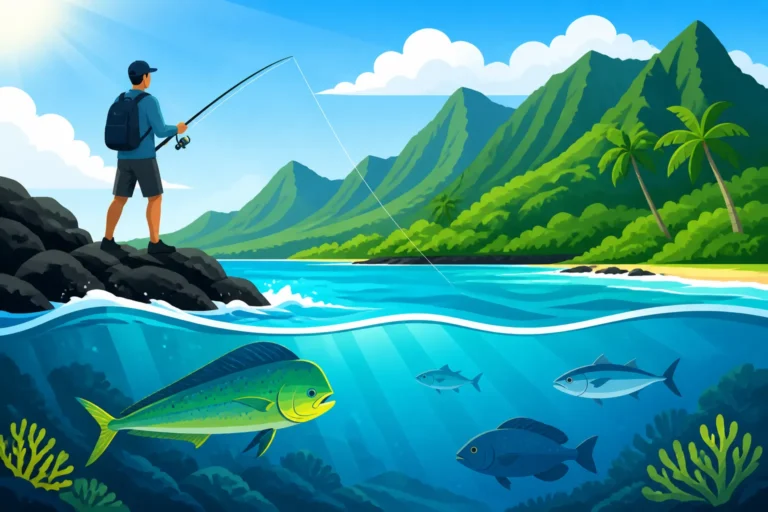
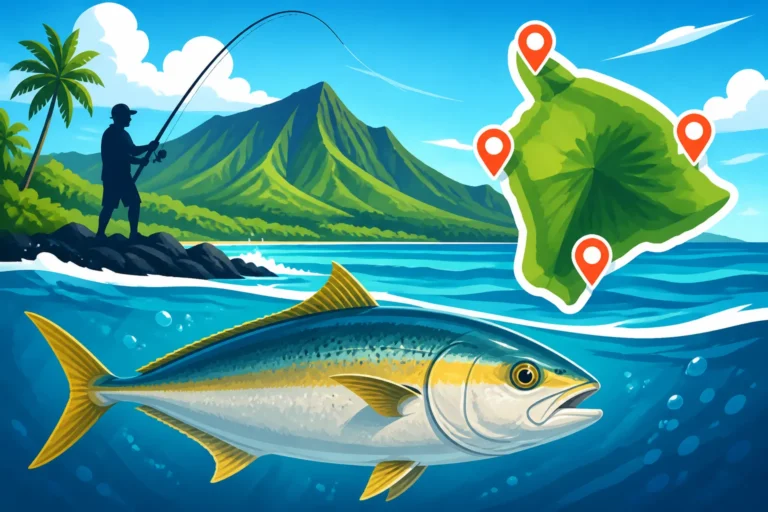
Given the diverse environment, the Hamakua Coast offers a range of species for both shore and offshore anglers. From the rocks and points, you might tangle with various types of trevally, locally known as ulua (giant trevally) and papio (juvenile trevally). These powerful fighters are a favorite target for many local anglers. You might also encounter moi (Pacific threadfin), especially in calmer, sandy areas, or perhaps the hard-fighting kumu (goatfish) and weke (goatfish). The deeper waters, even relatively close to shore, hold the potential for pelagic species. Anglers targeting these waters often seek ahi (yellowfin tuna), ono (wahoo), and mahimahi (dolphin fish), especially when conditions are right and baitfish are present. Don't be surprised if you also hook into some of the invasive species like taape (bluestripe snapper) and roi (peacock grouper), which are abundant in Hawaiian waters and often targeted for removal due to their impact on native ecosystems. Knowing what you're likely to find helps you choose the right gear and techniques, making your fishing trip more productive.
Best Times to Fish Along the Coast
Timing is everything when it comes to fishing the Hamakua Coast. The constant interplay of weather, tides, and swells means that some days will be far more productive than others. Generally, early mornings and late evenings are prime times, as these periods often coincide with calmer winds and when many fish species are actively feeding. Pay close attention to tide charts; a rising or falling tide can create feeding frenzies, particularly around points and channel mouths where currents increase. When considering the best time of year to fish in Hawaii, the Hamakua Coast generally offers year-round opportunities, but specific seasons might favor certain species. For instance, the summer months can be excellent for pelagic species offshore, while the cooler, often rougher winter months might be better for targeting ulua from the shore, especially after a big swell has settled. Always check local weather forecasts and surf reports before heading out, as conditions can change rapidly and safely is paramount on this rugged coast.
Top Shoreline Fishing Spots on the Hamakua Coast
Shoreline fishing along the Hamakua Coast offers a raw, immersive experience. It's not always about comfort; it's about finding those unique spots where the deep ocean currents bring game fish within casting range. While access can sometimes be challenging due to the steep terrain, a few popular and relatively accessible locations offer excellent opportunities.
Laupahoehoe Point Beach Park
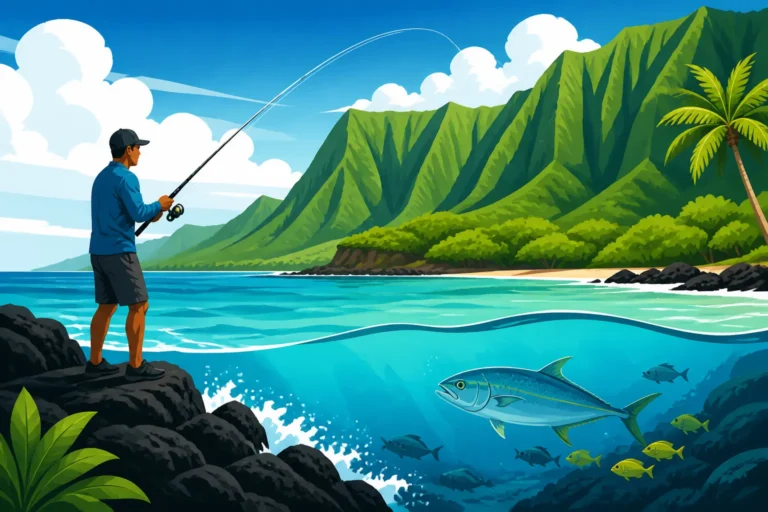
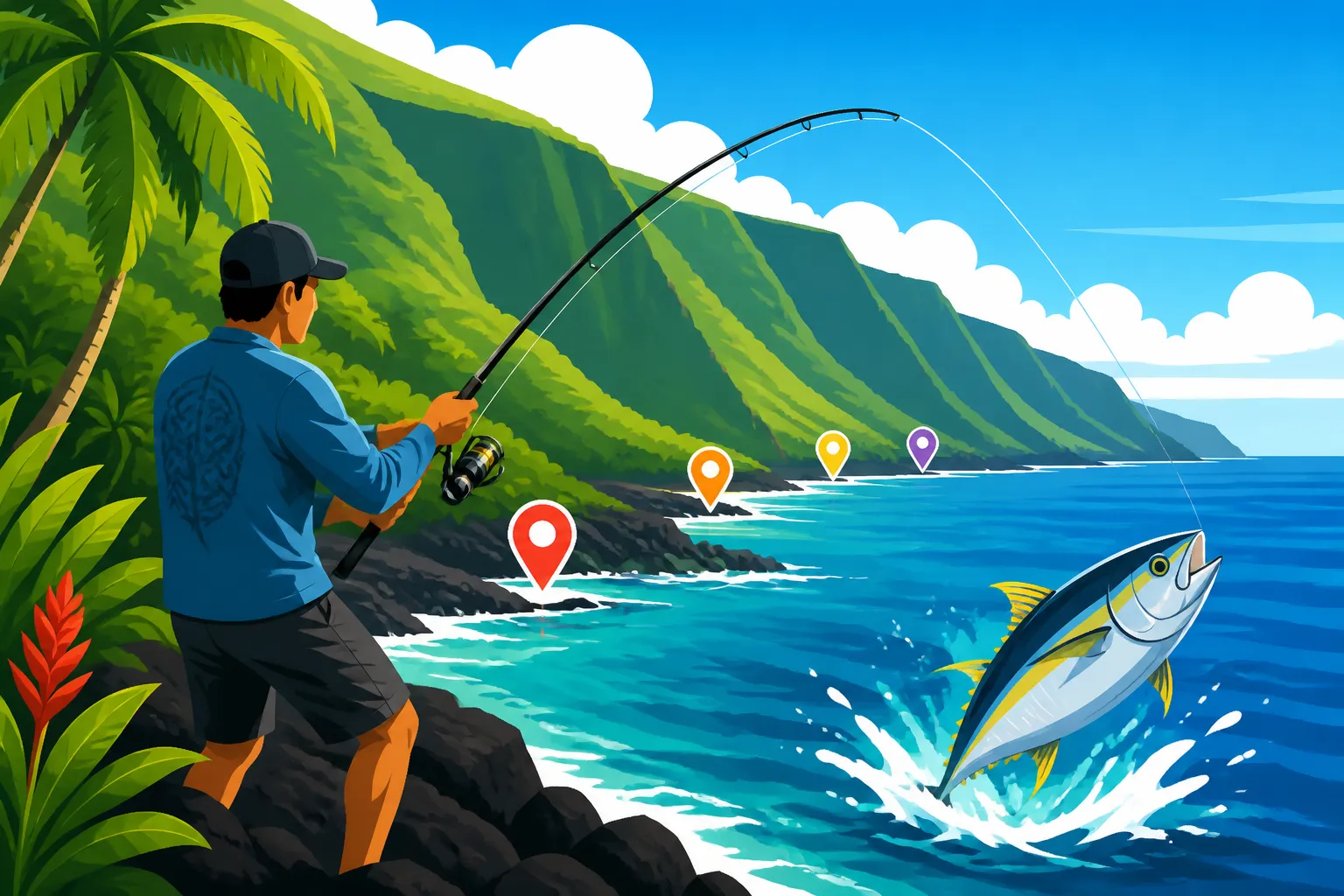
Laupahoehoe Point is one of the most iconic and beloved fishing spots on the Hamakua Coast, and for good reason. This dramatic lava rock peninsula juts out into the ocean, offering access to deep water surprisingly close to shore. The point provides excellent opportunities for both whipping (casting lures) and slide-baiting for larger fish. Anglers here frequently target ulua and papio, especially during strong currents or incoming tides. The varied underwater structure around the point – with its ledges, crevices, and deeper channels – creates perfect ambush points for predators. You might also encounter omilu (bluefin trevally) and even some moi in the calmer pockets. When fishing here, be mindful of the powerful waves that can break over the rocks, particularly during high surf conditions. It's not uncommon to see locals setting up their elaborate slide-bait rigs here, often with long rods designed to cast heavy weights far out to sea. This spot truly exemplifies the rugged beauty and productive potential of the Hamakua Coast, though it demands respect for the ocean's power.
Honolii Beach Park
Closer to Hilo, Honolii Beach Park offers a slightly different fishing experience. While it's known more as a surf spot, the rocky coastline and the mouth of the Honolii Stream provide interesting angling opportunities, particularly after heavy rains. The freshwater runoff can attract baitfish, which in turn draw in predatory species like papio and ulua. From the rocky ledges, anglers can cast spoons, plastics, or natural baits into the surf zone. The deeper water accessible from certain points also makes it a good spot for slide-baiting. Be aware that the beach itself is primarily black sand, and the shore break can be quite strong. Early mornings, before the crowds arrive and the wind picks up, often yield the best results. You'll find a mix of locals and visitors here, all enjoying the raw beauty and the thrill of the catch. For those looking for a different freshwater experience, exploring the Hawaii Wahiawa Reservoir Fishing Rules might be a good comparative read.
Kolekole Beach Park
Located just north of the famous Akaka Falls, Kolekole Beach Park is another excellent shore fishing destination on the Hamakua Coast. The park is situated where the Kolekole Stream meets the ocean, creating a unique brackish water environment at the stream mouth. This confluence of fresh and saltwater can be a magnet for various fish species, from papio to larger ulua, especially after rains when the stream brings nutrients and bait into the ocean. The park features a rocky shoreline with some sandy patches, offering diverse fishing opportunities. Anglers often cast from the rocks near the bridge or along the accessible shoreline. Live bait, cut bait, and various lures can all be effective here. It's a fantastic spot for a family outing, with picnic areas and restrooms, making it more comfortable than some of the more remote points. Just like at Laupahoehoe, respect the ocean's power and be aware of changing conditions. The diverse environment here offers a chance to catch a wide array of species, making it a favorite for many.
Boat and Kayak Fishing Opportunities Off Hamakua
While shore fishing dominates the conversation along the Hamakua Coast, the deeper waters just beyond the cliffs offer phenomenal opportunities for those with access to a boat or kayak. The immediate drop-offs mean that you don't have to venture miles offshore to find deep-water pelagics or bottomfish.
Access Points and Launch Considerations
Launching a boat along the rugged Hamakua Coast isn't as straightforward as in other areas with protected harbors. The primary access point for larger boats and charter operations is typically Honokohau Harbor Fishing Access on the Kona side or Hilo Bay on the east side, both of which require a significant commute if your base is directly on the Hamakua Coast. However, for kayak anglers or those with smaller, easily launched boats, there are a few options, though they require careful planning and a keen understanding of ocean conditions. Some local fishermen might use designated beach parks like Laupahoehoe Point or Kolekole Beach Park to launch kayaks, but this should only be attempted in calm conditions and with experience navigating shore breaks. It's crucial to scout the launch point thoroughly, check marine forecasts, and have a buddy system in place. Due to the lack of formal ramps, many boat anglers interested in the Hamakua waters will launch from Hilo, offering a safer and more established entry point. If you're considering a guided trip, companies often depart from these larger harbors. When thinking about navigating these waters, ensure you are familiar with Hawaii Boating Laws for Anglers, which cover safety equipment and regulations.
Targeting Pelagics and Bottomfish
Once you're out on the water off the Hamakua Coast, a whole new world of fishing opens up. The deep waters are prime hunting grounds for some of Hawaii's most prized game fish.
-
Pelagic Species: Trolling offshore is incredibly popular for targeting the "big three": ahi (yellowfin tuna), ono (wahoo), and mahimahi (dolphin fish). The deep blue water, often just a mile or two from the dramatic coastline, holds schools of baitfish that attract these powerful predators. Anglers use a variety of lures and rigged baits, trolling at different speeds depending on the target species. Keep an eye out for bird activity, which often indicates bait balls and feeding fish below. The fishing here can be truly epic, with multiple hookups a common occurrence when the conditions are right. For those without their own vessel, booking a charter can be an excellent way to experience this. You can often find reputable charters specializing in targeting these species through services like FishingBooker, which connect you with local captains who know the waters intimately. Learning how to catch Ahi in Hawaii or mastering the art of How to Catch Mahimahi in Hawaii will greatly improve your chances.
-
Bottomfish: The steep underwater terrain off the Hamakua Coast also harbors excellent bottomfishing opportunities for deep-water species. Targeting opakapaka (pink snapper), onaga (ruby snapper), ehu (red snapper), and hapu'upu'u (grouper) requires specialized gear, often electric reels, to fish in depths ranging from 300 to over 1,000 feet. These fish are delicious and offer a different kind of challenge. Locating the right structure – ledges, seamounts, and deep canyons – is key, often requiring advanced sonar equipment. Experienced charter captains are invaluable for this type of fishing, as they have spent years mapping these productive spots. If you're considering trying this, look for charters specifically advertising deep-drop bottomfishing trips. A great resource for exploring guided fishing options, including bottomfishing, is FishingBooker, which can help you find a boat that fits your needs and experience level.
Essential Gear and Safety Tips for Hamakua Anglers
Fishing the Hamakua Coast is an adventure, and like any adventure, it requires the right preparation. The ruggedness of the terrain and the power of the ocean demand respect and careful consideration of your gear and safety protocols.
Recommended Rods, Reels, and Tackle
The type of gear you bring depends heavily on your target species and chosen fishing method.
-
Shoreline Angling: For whipping and casting lures from the rocks, a medium-heavy to heavy spinning rod, typically 9 to 12 feet in length, paired with a robust spinning reel (like a Shimano Spheros or Penn Spinfisher V) spooled with 40-60 lb braided line is a good starting point. This setup provides the casting distance needed to reach productive waters and the backbone to handle strong fish in heavy currents. For slide-baiting, some local anglers use specialized, very long rods (up to 15 feet or more) with large conventional reels and 80-100 lb mono or braided line, designed for launching heavy baits far offshore and muscling in big ulua. You'll also need a variety of lures, such as heavy spoons (Krokodile, Kastmaster), large poppers, and durable soft plastics. Don't forget a strong leader material, like 80-150 lb fluorocarbon or monofilament, and an assortment of heavy lead weights to hold bottom in strong currents. Swivels, hooks (circle hooks are often preferred for catch and release and safer handling), and pliers are also essential.
-
Boat and Kayak Fishing: For trolling for pelagics, 30-50 lb class conventional trolling setups are standard. Look for rods with medium-heavy action and reels with good drag systems (e.g., Penn International, Shimano Tiagra). Spool them with 50-80 lb mono or braid. A selection of skirted lures, diving plugs, and ballyhoo rigs will cover most trolling scenarios. For bottomfishing, specialized electric reels paired with stout rods are almost a necessity for the extreme depths, spooled with 80-130 lb braided line. You'll need heavy lead sinkers (often 1-3 lbs), large circle hooks, and plenty of tough leader material. Always have a gaff, a sturdy net, and a cooler with ice on board for your catch. For kayak anglers, a smaller version of the shoreline spinning gear is often sufficient, along with PFDs, a VHF radio, and a bilge pump for safety. Considering a professional guide service can also simplify gear selection, as they provide all necessary equipment, and you can easily compare options on platforms like FishingBooker.
Navigating the Elements and Local Hazards
The Hamakua Coast is stunningly beautiful, but it can be unforgiving. Safety should always be your top priority.
- Ocean Conditions: Always check the marine forecast and surf reports before heading out, especially if you plan to fish from shore or launch a kayak. The north-facing nature of much of the coast means it can be exposed to significant swells. Never turn your back on the ocean; rogue waves can and do sweep people off rocks. If conditions look questionable, err on the side of caution and postpone your trip.
- Terrain: The shoreline is predominantly rocky and uneven, often slippery from sea spray and algae. Wear appropriate footwear with good grip – felt-soled wading boots or sturdy reef shoes are highly recommended. Be mindful of steep trails and loose rocks when accessing fishing spots.
- Sun and Hydration: The Hawaiian sun is intense. Wear a wide-brimmed hat, sunglasses, and sun-protective clothing, and apply reef-safe sunscreen liberally. Bring plenty of water to stay hydrated, even on cooler days.
- Local Knowledge: When in doubt, observe what local anglers are doing and politely ask for advice. They often have invaluable insights into safe access points, current conditions, and productive techniques. Always respect private property and follow all Hawaii Fishing Regulations Explained, including bag and size limits for various species. Remember, the ocean here is not a playground; it's a powerful natural force that deserves your utmost respect.
Remember, responsible angling also includes knowing the Hawaii Bag and Size Limits by Species for anything you plan to keep.
Hamakua Coast Fishing Spot Comparison
To help you quickly decide where to focus your efforts, here's a quick comparison of the top shoreline spots mentioned.
| Fishing Spot | Primary Access | Main Target Species | Best Technique(s) | Terrain | Notable Features | Skill Level Recommended |
|---|---|---|---|---|---|---|
| Laupahoehoe Point | Paved Road | Ulua, Papio, Omilu, Moi | Whipping, Slide-bait | Rugged Lava Rock | Deep water access close to shore, dramatic point | Intermediate to Expert |
| Honolii Beach Park | Paved Road | Papio, Ulua, Tilapia (stream mouth) | Casting Lures, Bait | Black Sand/Rocky Ledge | Stream mouth, known surf break | Beginner to Intermediate |
| Kolekole Beach Park | Paved Road | Papio, Ulua, Moi, Aholehole | Casting Lures, Bait | Rocky Shoreline/Sand | Stream mouth, family-friendly amenities | Beginner to Intermediate |
Disclaimer
Fishing in Hawaii carries inherent risks. Ocean conditions can change rapidly, and accidents can occur. Always prioritize safety, understand your limitations, and adhere to all local regulations. This guide is for informational purposes only and does not guarantee fishing success or safety. Always consult official Hawaii DLNR Fishing Regulations and local experts before heading out.