Best pier fishing spots at Kewalo Basin
Trying to find a convenient, productive, and truly local fishing spot amidst the hustle and bustle of Honolulu can feel like searching for a hidden gem. Many visitors and even kamaʻāina (locals) assume that good fishing requires a boat or a trek to a remote shoreline, often overlooking accessible urban treasures. If you've been yearning for an authentic Hawaii fishing experience right in the heart of the city, this guide will walk you through everything you need to know about pier fishing at Kewalo Basin, a surprising hotspot for anglers seeking a diverse catch without straying far from Honolulu's vibrant energy.
Why Kewalo Basin is an Urban Angler's Haven
Kewalo Basin isn't just a busy commercial harbor for fishing charters and tour boats; it’s a living ecosystem right on the edge of downtown Honolulu, offering fantastic, often overlooked, pier fishing opportunities. What makes this spot so appealing is its unique combination of urban accessibility and rich marine life, sheltered somewhat by the man-made structures that define its perimeter. For anyone craving a quick fishing fix or a relaxed afternoon with a line in the water, Kewalo provides a surprisingly robust experience.
Unmatched Accessibility and Family-Friendly Comfort
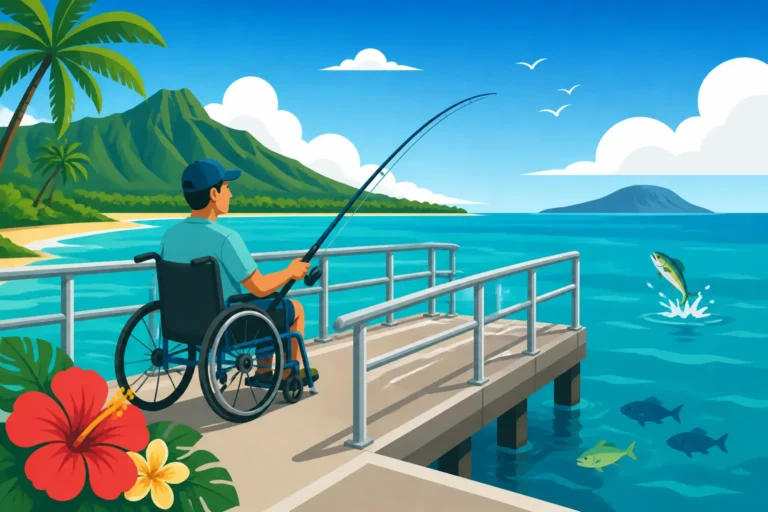
One of the biggest frustrations for anglers in popular tourist destinations is often the lack of convenient access to prime fishing spots. Kewalo Basin completely sidesteps this problem. Located right between Waikiki and Downtown Honolulu, it's incredibly easy to get to, whether you're driving, taking public transport, or even walking from a nearby hotel. While parking often requires payment, the convenience of being able to pull up, unload your gear, and walk a short distance to the pier is a huge plus. This accessibility also makes it a fantastic spot for families with keiki (children) who might not have the patience for a long drive or a remote hike. There are often amenities nearby, like restrooms and food trucks, adding to the comfort of a day out fishing.
Sheltered Waters Attracting Diverse Marine Life
Despite its urban setting, Kewalo Basin's waters are surprisingly productive, largely due to the protection offered by its breakwaters and the deeper channels maintained for boat traffic. These structures create a somewhat sheltered environment that attracts a wide variety of fish species, from common reef dwellers to larger predatory fish that follow baitfish into the harbor. The constant movement of boats also churns the water, dislodging food sources and creating current, which can draw in species like papio (juvenile trevally), ulua (giant trevally), and various types of goatfish. It’s a dynamic environment where you never quite know what might take your bait, adding an exciting element of surprise to every cast. You might even find yourself bumping into baitfish schools like akule (bigeye scad), which can turn a slow day into a frenzy of action.
Prime Fishing Locations within Kewalo Basin
Kewalo Basin offers several distinct areas for pier fishing, each with its own characteristics and target species. Understanding these nuances can significantly improve your chances of a successful outing, transforming a casual cast into a targeted effort.
The Main Pier and Channel Mouth
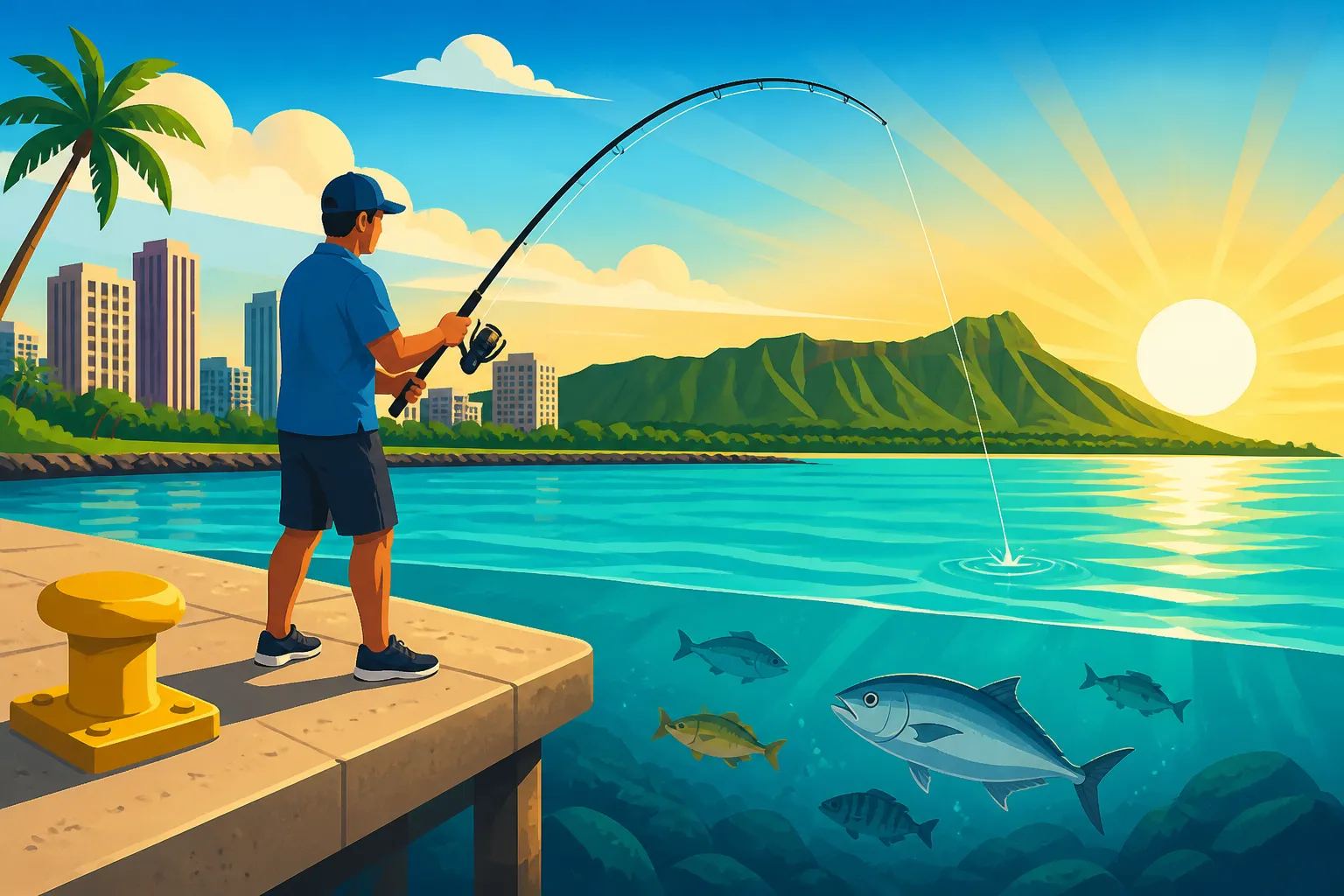
The most popular and often most productive area is undoubtedly the main pier itself, particularly closer to the channel mouth where the basin opens to the open ocean. This area benefits from the tidal flow and currents that carry nutrients and baitfish in and out of the harbor. Here, anglers commonly target hard-fighting game fish.
- Target Species: Papio, ulua, barracuda, jacks, and sometimes even smaller pelagic species that venture close to shore. You might also encounter moana (goatfish) or weke (bigeye goatfish) along the edges. For those aiming for a trophy, understanding what ulua (Giant Trevally) Fishing in Hawaii entails can be crucial here.
- Techniques:
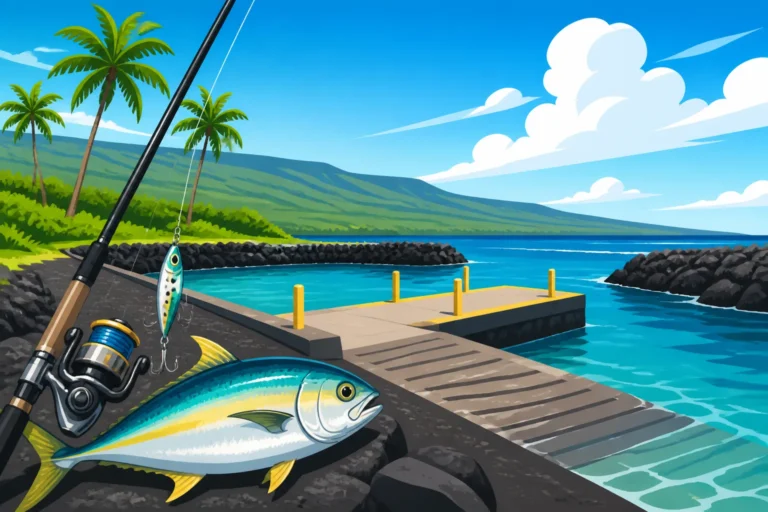
- Whipping: Using light to medium spinning gear with various lures like Kastmasters, Apex, or small poppers. Cast towards the channel mouth or along the pier edges and retrieve with erratic movements to mimic fleeing baitfish. This is often the best technique for catching papio.
- Bait Fishing: Using live bait (like opelu or akule, if you can catch them with a sabiki rig) or cut bait (squid, mackerel, or leftover scraps) on a sliding sinker rig. Cast out into the deeper channel and let it sit. This is a common method for larger ulua, especially at night.
- Best Times: Early mornings and late evenings, or during incoming/outgoing tides, tend to be the most active periods. Night fishing can be incredibly productive for ulua, which are nocturnal hunters.
- Insider Tip: Keep an eye on the water for signs of baitfish schools or feeding activity. Diving birds or splashes can indicate a feeding frenzy, which is the perfect time to cast a whipping lure.
Inner Harbor Walls and Smaller Piers
While the main pier gets a lot of attention, don't overlook the inner harbor areas, including the various rock walls and smaller, less crowded piers tucked away from the main channel. These spots are often calmer and shallower, making them ideal for different species and a more relaxed fishing experience, especially for beginners or those with children.
- Target Species: You're more likely to find smaller reef fish here, such as various species of goatfish (kumu, weke), taape (bluestripe snapper – an invasive species, so harvest as many as you can!), roi (peacock grouper – another invasive), Menpachi (squirrelfish), and sometimes even moi (Pacific Threadfin) if the conditions are right and you're fishing near sandy patches.
- Techniques:
- Bottom Fishing: Simple bait rigs with small hooks and weights, using squid, shrimp, or small pieces of cut bait. Drop your line straight down along the walls or cast a short distance into the calmer waters. This is excellent for catching dinner-sized fish.
- Light Tackle: Very light spinning gear with small jigs or soft plastics can also be effective for the smaller predators.
- Best Times: These areas can be productive throughout the day, though dawn and dusk remain prime. High tide can bring more fish into the shallower areas.
- Insider Tip: For catching moi, focus on sandy bottoms near structure and use small pieces of shrimp or limu (seaweed) as bait. Remember to check current Hawaii Bag and Size Limits by Species for anything you intend to keep.
Essential Techniques and Tackle for Kewalo Pier Fishing
Successfully fishing at Kewalo Basin, like any spot, comes down to having the right gear and understanding the basic techniques. You don't need a fancy setup, but a versatile approach will serve you well. For a broader perspective on shore fishing, you might also want to read up on Shore Fishing Techniques for Hawaii.
Rods, Reels, and Line Choices
When you’re fishing a diverse environment like Kewalo, versatility is key. You want to be prepared for anything from a small panfish to a surprisingly large ulua.
- Medium-Heavy Spinning Setup: A 7-9 foot medium-heavy action spinning rod paired with a 4000-6000 series reel is an excellent all-around choice. This setup provides enough backbone to cast heavier lures or bait rigs, handle larger fish, and still be sensitive enough for smaller bites.
- Line: Spool your reel with 30-50 lb braided line. Braid offers superior casting distance and sensitivity. Always add a fluorocarbon leader of 30-60 lb test, depending on your target species and the clarity of the water. Fluorocarbon is less visible to fish and more abrasion-resistant, which is crucial around the pier's structure.
- Light Spinning Setup (Optional but Recommended): For targeting smaller papio, goatfish, or using sabiki rigs for bait, a 6-7 foot medium-light rod with a 2500-3000 series reel spooled with 10-20 lb braid and a 15-20 lb fluorocarbon leader will make the experience much more enjoyable. This lighter setup allows for more delicate presentations and better feel for smaller bites.
Bait and Lure Strategies
Choosing the right bait or lure is paramount. The fish at Kewalo are used to a variety of natural food sources, so mimicking those will increase your success.
- Live Bait: If you can get your hands on small akule, opelu (mackerel scad), or even small tilapia (caught from freshwater ponds if allowed), these are often irresistible to larger predators like ulua and barracuda. Rig them alive on a large circle hook with a sliding sinker setup.
- Cut Bait: Freshly cut pieces of squid, mackerel, or skipjack tuna (aku) are excellent all-around baits. They appeal to almost everything, from papio to goatfish and even bottom-dwelling snapper. Use smaller pieces for smaller hooks and targets, and larger chunks for bigger game.
- Whipping Lures: Metal jigs (Kastmasters, Krocodiles, various spoons), soft plastic swimbaits, and small poppers are highly effective for actively searching for papio and smaller jacks. Focus on lures that imitate small baitfish, like sardines or anchovies. Vary your retrieve speed and action until you find what triggers a bite.
- Sabiki Rigs: These multi-hook rigs with small, flashy flies are your secret weapon for catching baitfish like akule and opelu, especially if you see schools swimming by. Once you've caught fresh bait, your chances of hooking something bigger dramatically increase.
Understanding Tides and Time of Day
Fishing success is rarely random; it often aligns with specific environmental conditions. At Kewalo Basin, paying attention to tides and the time of day can significantly improve your odds.
- Tidal Flow: Strong tidal movements, particularly incoming or outgoing tides, create currents that sweep baitfish and food into and out of the harbor. This congregates predatory fish along the channel edges and near the pier. Aim to fish during these periods.
- Dawn and Dusk: As with most fishing, the periods around sunrise and sunset are typically the most productive. The lower light conditions provide cover for predators, making them more active in their hunt for food.
- Night Fishing: For serious ulua hunters, night fishing is almost mandatory. These powerful jacks are nocturnal feeders and often venture closer to the pier under the cover of darkness. Use glow sticks on your rod tip and consider a headlamp with a red light setting to preserve your night vision. You'll find many local anglers swear by Best Time of Day to Catch Ulua being at night.
Navigating Regulations and Responsible Angling
Fishing in Hawaii is a privilege, and respecting the local regulations and environment is crucial for ensuring these opportunities continue for future generations. While shore fishing typically has fewer stringent licensing requirements for residents when targeting marine species, it's always best to be informed. Non-residents, however, have specific rules to follow.
Licensing and Species-Specific Rules
Hawaii's fishing regulations can sometimes feel a bit complex, especially for newcomers. When fishing from a pier at Kewalo Basin, understanding these rules is not just good practice, it's the law.
- Marine Fishing for Residents: Currently, Hawaii residents generally do not need a license to fish recreationally in marine (ocean) waters, which includes Kewalo Basin. This is a common point of confusion for those from the mainland. However, this is for recreational fishing only; commercial activities require different licenses. For more details, refer to the guide on Hawaii Resident Ocean Fishing License Exemption.
- Marine Fishing for Non-Residents: If you're visiting Hawaii, the rules are different. Non-residents do need a license for marine recreational fishing. You can purchase these for various durations, such as a 1-day, 7-day, or annual license. It’s imperative to acquire the correct license before casting your line to avoid penalties. You can find comprehensive information in resources like the Hawaii Nonresident Marine Fishing License, Explained.
- Freshwater Fishing: It's important to distinguish between marine and freshwater fishing. If you were to venture to a freshwater reservoir like Wahiawa Reservoir, you would need a freshwater license, regardless of residency. This guide focuses on Kewalo Basin's saltwater environment.
- Bag and Size Limits: Beyond licenses, always be aware of the specific bag and size limits for the species you might encounter. The Hawaii Division of Aquatic Resources (DAR) publishes these regulations, and they can change. For example, there are strict rules for Moi (Pacific Threadfin) in Hawaii, including closed seasons and minimum size limits. Similarly, if you happen upon a school of Akule (Bigeye Scad) Schooling Behavior, there are limits to how many you can take. Ignoring these rules can result in fines and loss of fishing privileges.
- Protected Species: Be mindful of protected species. While rare from a pier, you might occasionally encounter a protected animal like a Hawaiian Monk Seal or a sea turtle. If you do, it’s illegal to harass them, and you should take all necessary steps to avoid disturbing them.
Respecting the Environment and Other Anglers
Kewalo Basin is a shared resource, used by commercial operators, recreational boaters, and numerous anglers. Practicing respectful and responsible angling helps ensure everyone can enjoy the area.
- Litter Control: The most critical rule: Pack out everything you pack in. Fishing line, bait containers, food wrappers – all of it needs to leave with you. Litter not only makes the area unpleasant but can also harm marine life. Many local anglers are passionate about keeping their spots clean, and leaving trash is a sure way to earn their disapproval.
- Noise and Space: Be mindful of your noise level, especially if fishing early mornings or late evenings when others might be seeking peace. Share the pier space courteously with other anglers. If someone is already set up, maintain a reasonable distance and avoid casting over their lines.
- Discarded Fishing Line: Fishing line, especially braided line, can be a serious hazard to marine life. Never leave tangled line or broken off sections on the pier or in the water. Properly dispose of all fishing line in designated bins or take it home.
- Catch and Release: While many fish from Kewalo are excellent table fare, consider practicing catch and release for species that aren't intended for consumption, or for larger game fish like ulua that contribute to the breeding population. Handle fish gently, minimize their time out of water, and use appropriate tools (like de-hookers) to ensure a high survival rate.
Planning Your Kewalo Basin Fishing Adventure
Getting ready for your trip to Kewalo Basin is straightforward, but a little preparation can make a big difference. Think about what you need to bring and how to make the most of your time on the pier.
What to Bring for a Day on the Pier
Beyond your rod and reel, a few essentials will make your experience more comfortable and productive.
- Sun Protection: Hawaii's sun is no joke. Bring a wide-brimmed hat, sunglasses, and plenty of reef-safe sunscreen. Even on cloudy days, the UV index can be high.
- Water and Snacks: Stay hydrated, especially during the warmer parts of the day. A small cooler with drinks and snacks is always a good idea.
- Tools: Pliers for removing hooks, a knife for cutting bait, and a pair of braid scissors are indispensable. A rag or towel is also handy for wiping hands.
- Bucket/Cooler: For keeping your catch fresh if you plan to keep fish, or for holding bait.
- Chair: For comfort, especially if you plan on a longer session of bait fishing.
- Camera: To capture those memorable catches and the beautiful Hawaiian scenery.
Beyond the Pier: Exploring Other Fishing Opportunities
While Kewalo Basin is fantastic for pier fishing, Hawaii offers a wealth of other angling adventures. For those looking to explore beyond the pier, or perhaps even book a dedicated shore fishing guide, resources like FishingBooker can offer insights into local operations and even connect you with guides specializing in specific techniques or target species. Whether it's the thrill of deep sea fishing off the Kona Coast for marlin, or the challenge of finding bonefish on Oahu flats, the islands truly have it all.
For a broader perspective on fishing around the island of Oahu, checking out a comprehensive Oahu Fishing Guide can help you discover other hotspots and techniques. You might also want to explore other prime locations on the island, such as the Best Pier Fishing Spots on Oahu, which could offer a different experience entirely.
| Target Species | Common Location at Kewalo | Preferred Bait/Lures | Best Time | Keep Size/Limit (Consult DAR) |
|---|---|---|---|---|
| Papio (Jacks) | Main Pier, Channel Mouth | Metal jigs, small poppers, cut bait | Dawn/Dusk, Tide | Varies by species |
| Ulua (Giant Trevally) | Main Pier, Channel Mouth | Live bait, large cut bait | Night, Tide | Varies by species |
| Goatfish (Kumu, Weke) | Inner Harbor, Rock Walls | Small cut bait, shrimp | Day, High Tide | Varies by species |
| Taape (Bluestripe Snapper) | Inner Harbor, Rock Walls | Small cut bait, squid | Day | No limit (invasive) |
| Akule (Bigeye Scad) | Anywhere in open water (schools) | Sabiki rigs | Day, Dawn/Dusk | Varies by species |
| Barracuda | Main Pier, Channel Mouth | Live bait, large lures | Day | Varies by species |
Kewalo Basin is a fantastic example of how urban environments in Hawaii can still provide vibrant and accessible fishing opportunities. With the right approach and a respect for the ocean, you can enjoy a truly rewarding experience, whether you're a seasoned angler or introducing someone new to the joys of fishing.
Disclaimer
Fishing conditions and regulations in Hawaii are subject to change. Always consult the official Hawaii Department of Land and Natural Resources (DLNR) Division of Aquatic Resources (DAR) website for the most current rules, bag limits, and licensing requirements before engaging in any fishing activity. This guide is for informational purposes only and does not constitute official legal advice.