Best drop-offs to fish off Lanai
Finding those truly productive deep-water fishing spots around Hawaii can feel like chasing a ghost, especially when you're looking for the prime drop-offs near an island like Lanai. It's not just about finding deep water, but the right deep water where the currents bring in bait and the big pelagics and bottomfish congregate. This guide will dive deep into the best drop-offs to fish off Lanai, giving you the local insights you need to make your next angling adventure a success.
Understanding Lanai's Unique Oceanography for Anglers
Lanai, often called the Pineapple Isle, might be smaller than some of its Hawaiian counterparts, but its surrounding waters boast some seriously impressive and complex underwater topography. This isn't just pretty scenery for divers; it's a blueprint for incredible fishing, particularly when you understand how the landmass interacts with the ocean currents and the structure below the surface. The abrupt changes in depth, known as drop-offs, are essentially oceanic highways for baitfish and the predators that hunt them.
The Significance of Deepwater Drop-offs
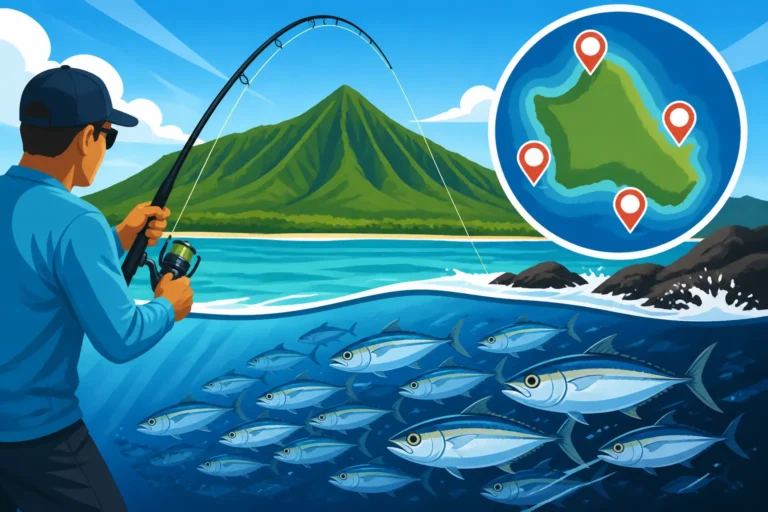
Imagine standing on a mountain peak and looking down into a vast canyon – that's often what the ocean floor looks like off Lanai's coasts. These dramatic underwater cliffs and ledges, where depths can plunge from a few hundred feet to thousands of feet in a relatively short distance, create an upwelling effect. As currents hit these underwater walls, they're forced upwards, bringing nutrient-rich, cooler water from the depths to the surface. This creates a veritable buffet for smaller marine life, which in turn attracts larger game fish. From a fishing perspective, these drop-offs are convergence zones, often holding vast schools of baitfish, which then draw in hungry predators like marlin, tuna, and wahoo. They also provide perfect ambush points for bottom-dwelling species seeking shelter or prey. Understanding these natural phenomena is key to knowing where and when to drop your lines.
These significant changes in depth can be subtle on the surface but are monumental below. A shift from 200 feet to 1000 feet within a short horizontal distance provides a dynamic environment where cold, nutrient-rich water from the deep mixes with warmer surface layers. This creates thermoclines and current breaks that are irresistible to many species. Larger predators will patrol these edges, waiting for an opportunity to ambush baitfish that are pushed up or trapped by the varying depths. It's a natural phenomenon that concentrates marine life, making these drop-offs prime real estate for savvy anglers.
Ocean Currents and Baitfish Concentration
The currents swirling around Lanai are a critical factor in understanding where the fish will be. The island sits in a complex system where the prevailing North Pacific currents interact with localized eddy currents and tidal flows. These currents act like conveyor belts, transporting plankton, larval fish, and larger baitfish like opelu and akule schools. When these baitfish highways intersect with the deepwater drop-offs, it's like a traffic jam for predators. For instance, the currents pushing up against the southern shelf of Lanai often concentrate bait, making it a hotspot for opportunistic feeders. Monitoring current reports and water temperature changes can give you a significant advantage.
Experienced captains often look for current lines, where two different currents meet, as these are frequently laden with debris and, more importantly, bait. These current breaks often appear as visible seams on the surface, sometimes with a line of floating debris or a distinct change in water color. This is where smaller organisms gather, creating an easy meal for larger fish. Knowing how to read these signs, whether you're on your own boat or booking a trip through a service like FishingBooker, can drastically improve your chances of a successful outing. Moreover, understanding how these currents influence various Hawaii Fishing Seasons by Month can further refine your approach.
Key Drop-off Zones Around Lanai
Lanai's coastline, while relatively short, presents a diverse range of fishing opportunities, particularly when it comes to deep-water drop-offs. Each side of the island offers unique characteristics, attracting different species and requiring varied approaches. It's not a one-size-fits-all situation; rather, it's about understanding the specific underwater geography of each zone.
Southern Lanai: The Productive Ledge
The southern coast of Lanai is arguably one of the most consistent and well-regarded areas for targeting larger game fish. Here, the island's shelf extends outward for a considerable distance before plunging into the deep abyss of the 'Alalākeiki Channel. This extensive ledge, often referred to as "The Southern Ledge" or "The Pinnacles," is rich with structure. You'll find a series of seamounts, ridges, and canyons that act as magnets for baitfish. The currents here, often interacting with the larger swells from the south, create a dynamic environment. Anglers targeting pelagic species like marlin and ahi will often troll along the edge of this drop-off, particularly where it makes an abrupt turn or where sonar indicates a dense baitball.
For bottomfishing, the ledges and humps at depths of 600-1200 feet are prime for opakapaka and onaga. The consistent productivity here makes it a popular spot for both local fishermen and visiting charters. Many of the state's record-breaking bottomfish have come from these precise deep-water structures. The nuances of the currents, which can shift throughout the day, play a vital role in positioning your boat for the perfect drift. Knowing the intricate details of this zone is what truly separates a good trip from an unforgettable one.
Western Lanai: Channels and Pinnacles
The western side of Lanai is characterized by its dramatic cliffs and deeper, more immediate drop-offs, especially towards the northern end of this coast. This area faces the open ocean towards Oahu and is often exposed to stronger currents and larger swells, making for more challenging but potentially very rewarding fishing. What truly defines western Lanai are the deep underwater channels and isolated pinnacles that rise from the seafloor. These act as unique ecosystems, providing shelter and feeding grounds. The waters here are particularly known for transient pelagics that follow bait schools passing through the channels.
Anglers often find success targeting ono (wahoo) and mahimahi closer to the surface, especially around any floating debris or FADs (Fish Aggregating Devices). The depth changes are steep and dramatic, which can make for exhilarating deep drop fishing, but also requires careful navigation. Exploring this side might require a more robust vessel and keen navigational skills, as the waters can become rough quickly. The deep channels here are essentially underwater highways for migrating fish, making them hotspots during certain times of the year.
Northern and Eastern Lanai: Deeper, Less Frequented Grounds
While the southern and western coasts often get the most attention, the northern and eastern sides of Lanai offer unique, albeit often deeper and less explored, drop-off opportunities. The northern side, facing the ʻAuʻau Channel towards Maui and Molokai, features a gradual slope that eventually drops into deeper water. This area can be productive for certain pelagic species, particularly when specific currents push bait into the channel. It's less dramatic than the southern or western drop-offs but can offer surprises. The eastern coast, being the windward side, is typically rougher and less sheltered. However, it harbors significant deep-water opportunities further offshore, where the ocean floor plunges into the deep channels between Lanai and Maui.
These areas are often less pressured and can hold impressive numbers of bottomfish, particularly onaga, and even larger pelagics when conditions align. It's an area that might require more exploration and a willingness to brave choppier conditions, but the rewards can be substantial for those seeking less crowded fishing grounds. For those keen to venture here, securing a knowledgeable local guide is paramount, which you can often arrange through services like FishingBooker. These deeper, less frequented grounds often hold some of the largest specimens simply because they see less fishing pressure.
Target Species and Techniques for Lanai's Drop-offs
The diverse topography of Lanai's drop-offs means you'll encounter a wide array of fish species, each requiring specific techniques to entice them. From the fast-paced action of pelagic trolling to the patient art of deep-dropping for bottomfish, knowing your quarry and how to target them is half the battle.
Pelagic Hunters: Marlin, Ahi, Ono, and Mahimahi
When you're fishing the drop-offs off Lanai, especially the edges where shallow water rapidly gives way to deep blue, you're in prime territory for Hawaii's most iconic pelagic species.
-
Marlin: The waters off Lanai are excellent for all three Hawaiian marlin species – blue, striped, and shortbill spearfish. Blue marlin are often found prowling the 100-fathom line (approximately 600 feet) and beyond, especially where bait schools congregate. Trolling large lures or rigged baits like skipjack tuna or mahimahi is the go-to technique. Anglers might find great success reading the water for current breaks and bird activity, which often signal baitfish. Learn more about How to Catch Marlin off the Kona Coast – many of those techniques apply here. The constant search for bait along these productive drop-offs makes them a reliable area for these magnificent billfish.
-
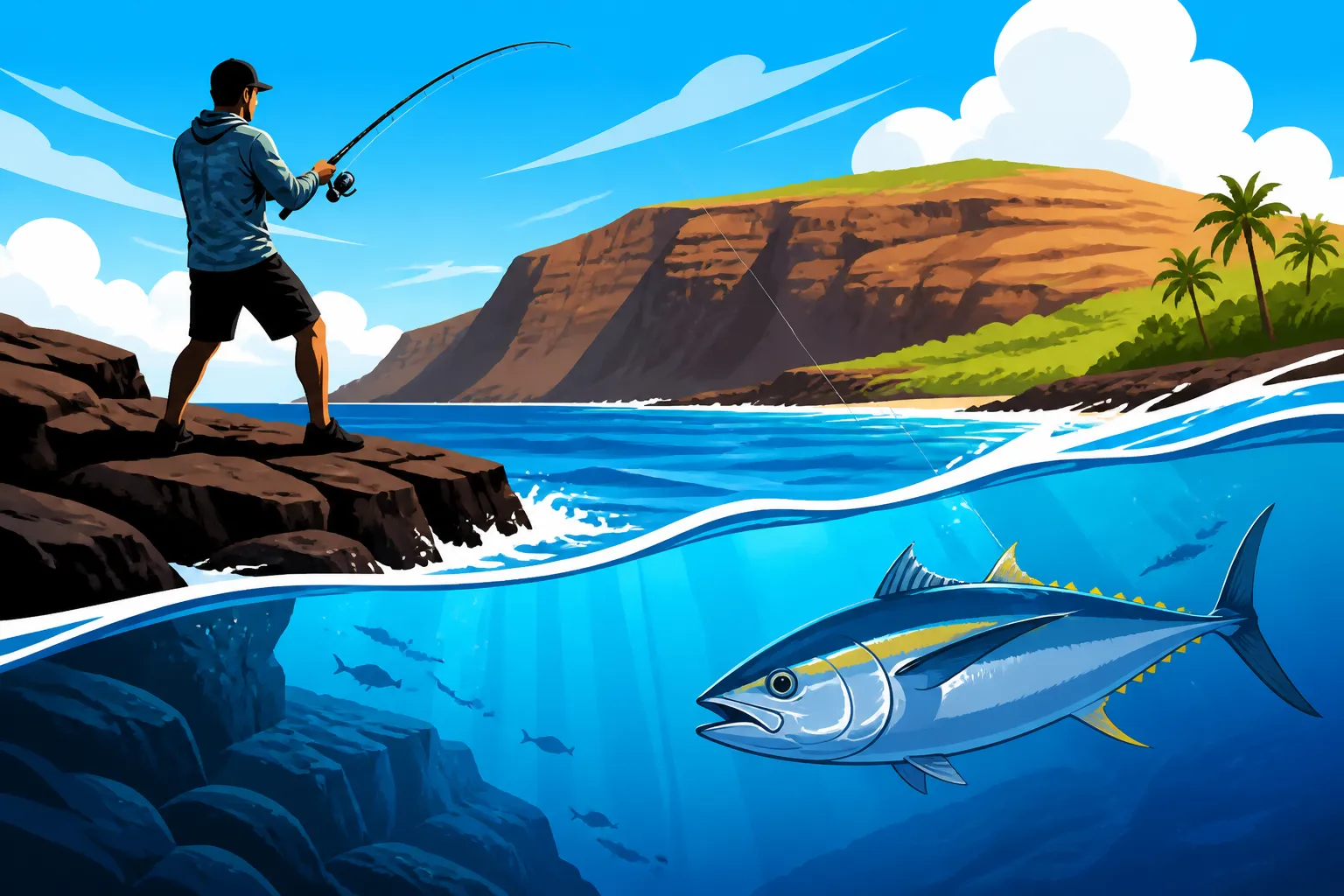
Ahi (Yellowfin Tuna): Ahi are powerful fighters and a prized catch. They tend to follow bait schools along the drop-offs and around FADs. Trolling smaller lures, live baiting with opelu, or even chunking (chumming with cut bait) are effective. Early morning and late afternoon are often the best times to target ahi, particularly if you're looking to jig or chunk at the buoys. You can find more specific advice in our guide on How to Catch Ahi in Hawaii. The sheer power of an ahi hooked in deep water is an experience few anglers forget.
-
Ono (Wahoo): These toothy speedsters love to ambush prey near structure and along current lines. High-speed trolling with bullet lures or jet heads is incredibly effective for ono. They often hang out on the shallower side of the drop-offs, around 50-200 feet, especially where there's good current. For more details, check out Ono (Wahoo) Fishing in Hawaii. Their blistering runs are legendary, and catching one requires quick reflexes and sharp hooks.
-
Mahimahi (Dorado/Dolphin Fish): Mahimahi are often found near floating debris, logs, or FADs, where they feed on smaller fish and squid. They are incredibly aggressive and visually striking fish. Trolling with skirted lures or small baits like flying fish works wonders. When you hook one, keep it in the water near the boat for a bit; mahimahi are schooling fish, and others will often follow it up, allowing for multiple hookups. Understanding their behavior is key, as discussed in How to Catch Mahimahi in Hawaii. Their vibrant colors and acrobatic fights make them a favorite target.
Deepwater Bottomfish: Opakapaka, Onaga, and Ehu
Beyond the surface, the deep ledges and canyons of Lanai's drop-offs hold a treasure trove of delicious bottomfish. This requires specialized gear and patience, but the rewards are well worth it.
-
Opakapaka (Pink Snapper): These are a staple of Hawaiian deep-water fishing. They prefer depths of 300 to 600 feet, often congregating around rocky ledges and pinnacles. Using squid, cut fish, or even specialized jigging lures can be very effective. A multi-hook rig with heavy lead is standard. Learn about Opakapaka Pink Snapper Habits to refine your approach. The delicate flavor of opakapaka makes them a highly sought-after food fish.
-
Onaga (Ruby Snapper): Known for their striking red color and exquisite taste, onaga typically live in deeper waters than opakapaka, usually from 600 to 1200 feet or more. They are often found on steep slopes and near deep crevices. Fresh squid or cut fish are prime baits. The bite can be subtle, so sensitive rods and braided line are essential. More on Onaga Ruby Snapper Habits can help you prepare. Landing an onaga from such extreme depths is a true accomplishment for any angler.
-
Ehu (Squirrelfish Snapper): Ehu are another highly sought-after red snapper species, usually found in slightly shallower depths than onaga but often alongside opakapaka, typically between 200 and 600 feet. They respond well to similar baits like squid or small chunks of fish. Fishing multiple depths on a single drift can help you locate where these species are holding. The key to successful deep-dropping is finding structure, identifying specific depths where fish are marking on your sonar, and making precise drifts over those areas. These deep-dwelling fish are not only beautiful but also provide some of the finest eating in the ocean.
Essential Gear and Safety Considerations
Venturing into the deep waters around Lanai, especially to target specific drop-offs, requires more than just a rod and reel. Having the right equipment and a strong understanding of safety protocols are non-negotiable for a successful and secure fishing trip.
Rods, Reels, and Terminal Tackle for Deep Dropping
When you're fishing depths of several hundred to over a thousand feet, your everyday fishing gear simply won't cut it.
- Rods: Look for heavy-duty conventional rods, often with a fast or extra-fast action, capable of handling significant weight and fighting powerful fish from extreme depths. Many anglers opt for specialized electric reel rods designed for deep dropping, which are often shorter and stout.
- Reels: This is where electric reels truly shine for deep-dropping. Brands like Daiwa Tanacom or Shimano Beastmaster are popular choices among serious bottomfishermen. While incredibly helpful for reeling up heavy weights and fish from the abyss, manual conventional reels with high gear ratios can also be used for shallower deep drops (200-500 feet), but prepare for a serious workout! For pelagic trolling, robust 50-80 class conventional reels paired with appropriate trolling rods are standard.
- Line: Braided line (e.g., 80-130 lb test for bottomfishing, 50-100 lb test for pelagics) is essential due to its lack of stretch, which provides much better sensitivity at depth and significantly increases strength-to-diameter ratio. This is then typically connected to a monofilament or fluorocarbon leader (e.g., 80-200 lb test, depending on the target species) via a strong knot or swivel.
- Terminal Tackle: For deep-dropping, you'll need heavy lead weights (1-5 lbs or more, depending on current and depth), multi-hook rigs (often with three to five hooks), and sturdy circle hooks sized appropriately for your target species (e.g., 6/0 to 9/0). Swivels, beads, and glow-in-the-dark squid skirts are also commonly used to attract fish in the dim light of the deep. For pelagic trolling, heavy-duty swivels, snap swivels, and a selection of skirted lures in various colors and sizes are critical.
Navigational Tools and Weather Awareness
Safety in these remote waters cannot be overstated.
- GPS and Chartplotter: A reliable GPS and detailed marine chartplotter are absolutely essential for identifying drop-off coordinates, marking productive spots, and navigating safely. These tools help you stay on course, avoid hazards, and return to your favorite fishing areas. Ensure your charts are up-to-date and consider having a backup navigation system.
- Sonar/Fish Finder: A high-quality sonar or fish finder is your eyes beneath the waves. It allows you to identify the contours of the drop-off, locate schools of baitfish, and mark individual fish or bottom structure. For deep-dropping, a transducer capable of reading thousands of feet is crucial. Modern side-scanning and 3D sonar technologies can give you an unparalleled view of the underwater landscape.
- VHF Radio and Emergency Gear: A functional VHF radio is critical for communication with other vessels and shore, especially in an emergency. Always carry all required safety equipment, including life jackets for everyone on board (check out Life Jacket Requirements for Hawaii Boaters), flares, a first-aid kit, and an EPIRB or personal locator beacon (PLB) for offshore trips.
- Weather Awareness: Hawaii's weather can change rapidly. Always check multiple weather forecasts before heading out and throughout your trip. Be aware of wind direction and strength, swell height and period, and potential rain or storm cells. If you're on a private vessel, be prepared to adjust your plans or turn back if conditions deteriorate. Reputable charter services, like those you can find on FishingBooker, will always prioritize safety and provide detailed briefings. Planning your trip around favorable weather windows is paramount for a safe and enjoyable experience. Remember, even local waters have their dangers, and knowing Hawaii Boating Laws for Anglers is crucial.
Planning Your Lanai Fishing Expedition
Successfully navigating and fishing the drop-offs off Lanai requires not just knowledge of the spots and species, but also meticulous planning. Whether you're a seasoned angler with your own boat or planning to hire a charter, a well-thought-out approach makes all the difference.
Choosing Your Vessel and Crew
The type of fishing you plan to do will largely dictate your vessel choice. For serious deep-dropping or offshore pelagic trolling on Lanai's more exposed drop-offs, a robust offshore center console or a sportfishing yacht is ideal. These vessels offer the stability, range, and electronics necessary for such expeditions. If you're coming from out-of-state, ensure your boat registration is handled according to Hawaii Boat Registration Requirements. A well-maintained vessel with experienced crew is paramount for a safe and productive day far from shore.
For those without their own vessel or looking for a guided experience, hiring a local charter is an excellent option. Charter captains have intimate knowledge of the best spots, current conditions, and target species. They come equipped with all the specialized gear and, most importantly, the experience to navigate these challenging waters safely. When looking for a charter, consider using platforms like FishingBooker, which allows you to compare different boats, read reviews, and find a captain whose expertise matches your fishing goals, whether you're after a trophy marlin or a cooler full of bottomfish. Don't hesitate to ask about the captain's experience specifically with Lanai's drop-offs. They can provide invaluable insights into seasonal patterns and specific techniques for that day.
Best Practices and Environmental Stewardship
As anglers, we have a responsibility to protect Hawaii's fragile marine ecosystem. Practicing good environmental stewardship ensures that these incredible fishing opportunities remain for future generations.
-
Know the Regulations: Before every trip, familiarize yourself with the latest Hawaii Fishing Regulations Explained. This includes bag limits, size limits, and any seasonal closures for specific species like Hawaii Moi Closed Season, Explained or Hawaii Uhu Parrotfish Size and Bag Limits. Regulations can change, so staying informed is crucial. Ignorance of the law is not an excuse, and penalties for violations can be steep.
-
Practice Catch and Release (Responsibly): For certain species, especially larger pelagics like marlin, responsible catch and release practices are encouraged to help sustain populations. If you plan to release a fish, be prepared with appropriate tools (dehookers, line cutters) and minimize the time the fish is out of the water. For deep-water bottomfish, barotrauma can be an issue; learn about proper venting or descent techniques. Consider taking photos quickly and getting the fish back into the water as soon as possible.
-
Minimize Your Impact: Avoid littering, use biodegradable products where possible, and be mindful of your anchor placement to avoid damaging coral reefs. Support efforts to control invasive species. If you're venturing near sensitive areas like Marine Life Conservation Districts, know what fishing is allowed – or not allowed – as detailed in Hawaii Marine Life Conservation Districts, Explained. Every piece of trash removed or conscious decision to protect the environment contributes to a healthier ocean.
-
Respect Local Customs: Hawaii has a rich tradition of fishing, and showing respect for the ocean (Aloha Kai) and local customs is part of the experience. Be courteous to other fishermen, whether they are on boats or shore fishing. Understanding local practices, like leaving an area if another boat is clearly working it, goes a long way in fostering good relationships on the water.
Taking these steps not only enhances your fishing experience but also contributes to the health and sustainability of Hawaii's precious marine environment.
Lanai Deepwater Drop-off Zones Overview
| Zone | Primary Target Species | Typical Depths (feet) | Recommended Techniques | Key Features |
|---|---|---|---|---|
| Southern Lanai | Blue Marlin, Ahi, Opakapaka, Onaga | 100 – 1500+ | Trolling, Deep Dropping, Live Baiting | Extensive Ledge, Pinnacles, Current Breaks |
| Western Lanai | Ono, Mahimahi, Spearfish, Ahi | 200 – 2000+ | High-Speed Trolling, Jigging, Drifting | Steep Drop-offs, Deep Channels, Isolated Pinnacles |
| Northern Lanai | Aku, Mahimahi, Opakapaka | 100 – 800+ | Trolling, Bottomfishing | Gradual Slope to Deeper Water, Channel Influence |
| Eastern Lanai | Onaga, Ehu, Ahi | 400 – 2000+ | Deep Dropping, Trolling (further offshore) | Windward Exposure, Deeper Offshore Canyons |
Disclaimer
Fishing involves inherent risks, including but not limited to adverse weather conditions, strong currents, and encounters with marine wildlife. Always prioritize safety, wear appropriate personal flotation devices, and be aware of your surroundings. Adhere strictly to all local, state, and federal fishing regulations. This guide is for informational purposes only and should not replace professional advice or a thorough understanding of current conditions.