Best rocky point fishing spots on Maui
Ah, Maui. Just the name conjures up images of paradise, right? But for us anglers, it often brings a different kind of challenge: finding those elusive, productive spots away from the crowds. You might have found yourself staring at a map, wondering where to cast a line along that incredible, rugged coastline without running into a dozen other folks. Well, you're not alone in that frustration. This guide is all about cutting through the guesswork and taking a deep dive into some of the best rocky point fishing spots on Maui, offering up the local intel you need to truly make the most of your next fishing adventure.
Why Rocky Points are a Treasure Trove for Maui Anglers
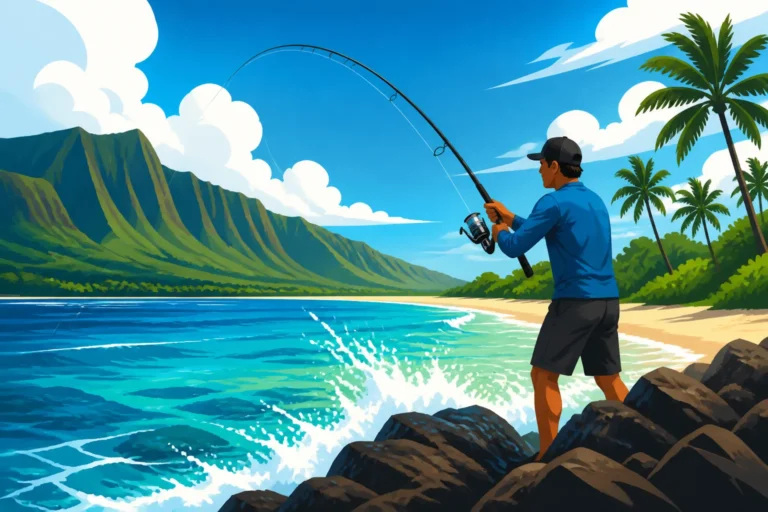
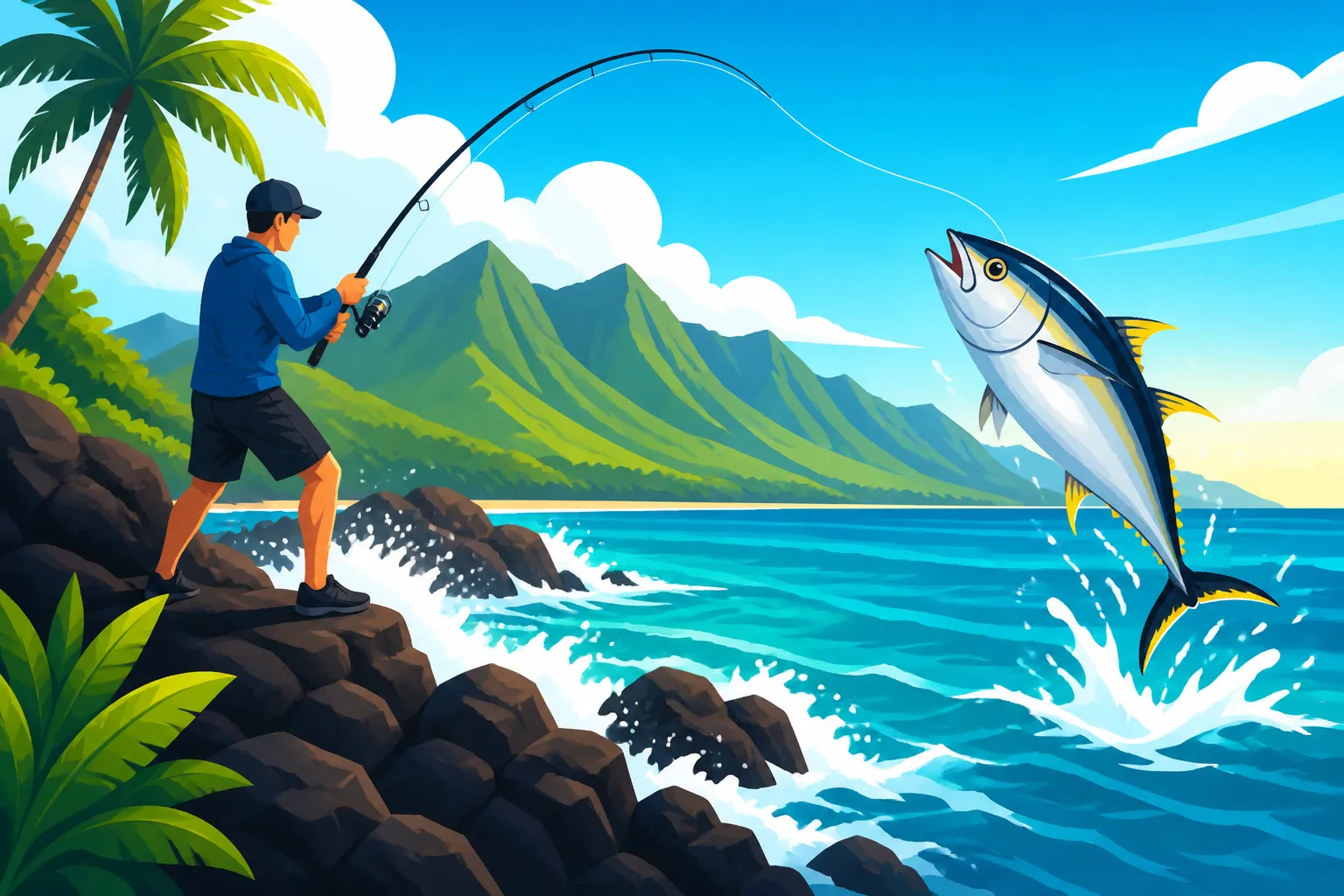
When you look at Maui's coastline, especially the parts less developed, you see a lot of rocky points jutting out into the ocean. These aren't just pretty features; they are biological magnets, creating perfect habitats and hunting grounds for a wide array of desirable fish species. It’s where the raw power of the Pacific meets the hard, volcanic rock, creating a dynamic environment that smart anglers learn to read and appreciate.
The Ecosystem Advantage: Reefs and Forage
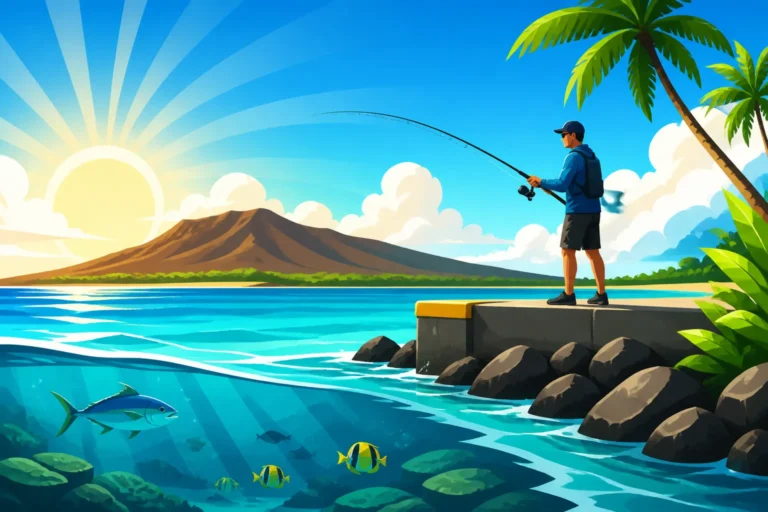
Think about what makes a fish happy: food, shelter, and a place to avoid bigger predators. Rocky points deliver on all fronts. The submerged portions of these lava flows and ancient coral formations create intricate reef systems that are absolutely teeming with life. From tiny crabs and shrimp to small baitfish like opelu and akule, these reefs offer a constant buffet for larger, more sought-after species. These rocky outcrops act like natural barriers, creating eddies and current breaks where baitfish can congregate, and where predatory fish can lie in ambush.
Imagine standing on a point where the waves crash, then recede, pulling nutrients and dislodged morsels back into the deeper water. That constant ebb and flow doesn't just shape the rocks; it constantly stirs up the marine ecosystem, making it a vibrant, active feeding ground. Anglers often find success here because they're essentially casting into a living, breathing pantry. The structural complexity means fish have endless places to hide, rest, and ambush prey, making them feel secure enough to reside there consistently.
Strategic Hunting Grounds for Predatory Fish
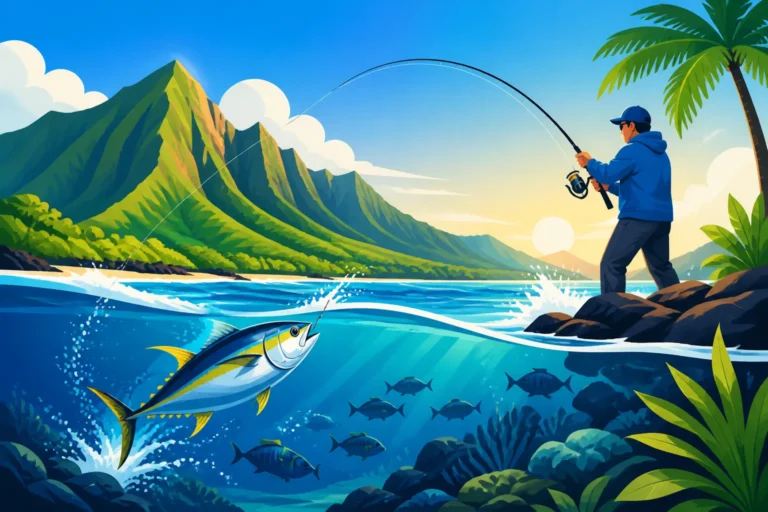
For species like ulua (Giant Trevally), papio (young trevally), kumu (goatfish), and even some of the deeper-dwelling bottomfish that venture closer to the edges, rocky points are prime hunting grounds. These areas often have abrupt drop-offs, underwater ledges, and channels that provide perfect ambush points. Pelagic species like mahimahi or ono might cruise by the deeper water near prominent points, especially if there's a good current bringing bait through.
Consider a large ulua. It’s a powerful, opportunistic predator. It’s not going to expend energy chasing bait in open, featureless water if it can simply sit in a trench or behind a large rock on a point, waiting for the tide to deliver a meal right to its mouth. The turbulent water around rocky points also disorients baitfish, making them easier targets. This is why you'll often hear stories of big fish being caught right at dawn or dusk from these very spots – these are peak feeding times when the predators are most active and confident in their hunting. Learning to identify these ambush spots, whether it's a deep pocket carved by the waves or a sheltered eddy, is a key skill for any angler tackling Maui's rocky points. If you're looking to dive deeper into techniques, our guide on how to catch ulua from shore offers some fantastic insights specifically for these powerful fish.
Top Rocky Point Fishing Spots Across Maui
Maui offers an incredible diversity of rocky point fishing opportunities, from easily accessible spots to remote, adventurous locales. Each area has its own unique characteristics, current patterns, and target species, so understanding the lay of the land is crucial. When exploring any of these spots, always remember to check the local Hawaii Fishing Regulations Explained and be mindful of Hawaii Bag and Size Limits by Species.
West Maui's Rugged Coastline Gems
The west side of Maui, from Lahaina stretching north towards Kapalua, is characterized by its dramatic lava flows and rocky shorelines that offer some truly exceptional fishing.
Honolua Bay Area
Just north of Kapalua, Honolua Bay is renowned for its natural beauty and incredible surf, but the surrounding rocky points also hold great potential for anglers. While the bay itself is a Marine Life Conservation District (MLCD) where fishing is highly restricted, the points just outside its designated boundaries can be very productive. Be absolutely certain you understand the MLCD lines to avoid hefty fines; the Division of Aquatic Resources (DAR) website has maps that clearly delineate these zones. On the seaward side of the points, particularly where the water drops off quickly, you can target papio and ulua with whipping techniques or even sliding baits. The currents here can be strong, so be prepared with appropriate tackle. The rocky, uneven terrain means sturdy footwear is a must, and it's always wise to fish with a buddy, especially in less accessible areas. The solitude and stunning scenery, however, make the effort worthwhile for many.
Near Ka'anapali and Lahaina
While areas directly in front of resorts are often crowded and might not be ideal for serious fishing, the rocky outcrops just a short walk or drive away from the main tourist hubs like Ka'anapali and Lahaina can surprise you. South of Lahaina, near the old sugar mill, you’ll find volcanic rock formations that extend into the ocean. These points offer varied depths and structure, making them good for a mix of reef fish and schooling pelagics that might come close to shore. Early mornings are usually best before boat traffic picks up and before the sun gets too high. For those interested in deeper fishing or even charter options that might access these outer areas, platforms like FishingBooker can help you find experienced local captains. Even around the bustling Lahaina Harbor Fishing Access, there are subtle rocky edges and jetties where smaller papio and jacks can be found by those who know how to work the structure.
South Maui's Lava Flows and Reef Edges
Moving south, the coastline transforms into vast lava fields, particularly past Kihei and Wailea, culminating in the dramatic La Perouse Bay. These areas are wilder, more exposed, and truly offer a backcountry feel for shore anglers.
La Perouse Bay and Beyond
This is arguably one of Maui's most famous rocky point fishing destinations, and for good reason. The entire coastline beyond Big Beach (Makena) leading to La Perouse is a series of ancient lava flows and stark, rugged beauty. La Perouse Bay Shore Fishing itself is a fantastic area, but the real gems are often found by hiking further south along the King's Highway trail, past the main bay. Here, you'll encounter countless rocky points, channels, and blowholes. The fishing can be phenomenal for ulua, papio, moana kali (red goatfish), and various reef species. However, it's also incredibly exposed, with no shade, rough terrain, and potentially dangerous swells. Sun protection, plenty of water, and proper footwear are non-negotiable. This is where dedication truly pays off. Anglers often employ heavy spinning gear or conventional setups, casting large plugs, poppers, or sliding live baits for trophy-sized fish. The sheer raw power of the ocean here is exhilarating, but demands respect.
South Kihei Reef Edges
While much of Kihei is known for its sandy beaches, there are numerous rocky sections and reef edges, especially between Charley Young Beach and Kamaole Beach Parks. These aren't always dramatic points, but rather subtle transitions from sand to rock that can hold surprising numbers of fish. Early mornings or late evenings, especially on incoming tides, can yield good results for papio, bonefish (oio) on the flats adjacent to the rocks, and various reef dwellers. Light tackle spinning with grubs, small plugs, or bait can be very effective here. It's a more accessible option than La Perouse, making it great for a quick session or for anglers who prefer less strenuous hikes.
North and East Maui's Less-Frequented Haunts
The north and east sides of Maui offer a completely different vibe, with lush landscapes, dramatic cliffs, and a sense of remoteness. The rocky fishing here often requires more effort to access but can reward those seeking solitude and untapped potential.
Kahakuloa Loop Road Points
The winding, often single-lane Kahakuloa Loop Road that circles the West Maui mountains is not for the faint of heart, but it opens up access to some truly wild and spectacular fishing spots. Along this rugged stretch, particularly past Kahakuloa village, you'll find numerous rocky points and coves. The ocean here is typically rougher and more powerful than on the calmer west side, making for challenging but potentially very rewarding fishing. Target species include ulua, papio, and various reef fish. Strong currents are common, and wave action can be intense, so situational awareness is paramount. These spots are truly for the adventurous angler, offering a chance to connect with Hawaii's wild side. Many anglers who frequent these remote spots are adept at various Shore Fishing Techniques for Hawaii, including throwing heavy metal jigs or working large poppers through turbulent water.
Hana Highway Overlooks and Shoreline Access
The famous Road to Hana isn't just about waterfalls and scenic vistas; it also has hidden fishing opportunities along its incredibly rugged, rocky coastline. While direct access to the ocean can be challenging due to steep cliffs and dense vegetation, there are points where fishermen have carved out trails or where pull-offs offer casting opportunities. The area around Honomanu Bay and farther east towards Hana offers black sand beaches interspersed with rocky outcrops. These spots can be excellent for moana (goatfish), kumu, and often schooling akule and opelu if you catch them during their runs. Again, respect for private property, safety from falling rocks, and careful navigation of slippery, uneven terrain are key here. For those planning a broader fishing trip around Maui, our general Maui Fishing Guide offers more comprehensive advice on various types of fishing across the island.
Here's a quick overview of some notable rocky point fishing spots on Maui:
| Location Area | Primary Target Species | Key Characteristics | Access Difficulty | Recommended Gear | Notable Features |
|---|---|---|---|---|---|
| Honolua Bay (Outside MLCD) | Papio, Ulua, various reef fish | Strong currents, deep drop-offs near points | Moderate (some hiking) | Heavy spinning/conventional, plugs | Dramatic cliffs, clear water, beautiful scenery (check MLCD boundaries!) |
| La Perouse Bay | Ulua, Papio, Moana, reef fish | Extensive lava fields, exposed, strong sun | Strenuous (long hikes) | Heavy conventional, large plugs/poppers, sliding bait | Remote, wild, abundant structure, potential for trophy fish, no shade |
| South Kihei Reef Edges | Papio, Oio (bonefish), reef fish | Sandy transitions to rock, varied depths | Easy (short walk) | Light-medium spinning, grubs, small plugs | Accessible, good for quick trips, family-friendly in calmer sections |
| Kahakuloa Coast | Ulua, Papio, various reef fish | Rugged, exposed, stronger currents | High (remote, winding road) | Heavy spinning/conventional, robust tackle | Wild, solitary, dramatic scenery, powerful ocean conditions |
| Hana Coastline (Specific Pull-offs) | Moana, Kumu, Akule, Opelu, Papio | Cliffside access, black sand & rock mix, remote | Moderate to High (limited access) | Medium-heavy spinning, bait, jigs | Lush surroundings, turbulent waters, less crowded, requires local knowledge |
Essential Techniques and Safety for Rocky Point Fishing
Tackling Maui's rocky points is an exhilarating experience, but it demands proper preparation, technique, and a healthy respect for the ocean. It’s not just about finding the fish; it’s about doing it safely and sustainably.
Gear Up for Success: Rods, Reels, and Rigs
Forget your ultralight freshwater setup for these places; you'll need gear that can handle powerful fish and abrasive environments. For general rocky point fishing, a medium-heavy to heavy spinning rod (9-12 feet) paired with a robust spinning reel (size 5000-8000) spooled with 30-60 lb braided line is a great starting point. The braid's sensitivity helps you feel subtle bites, and its strength is crucial for battling fish around jagged rocks. You'll want a heavy fluorocarbon or monofilament leader (60-100 lb) to resist abrasion.
For those targeting serious ulua, a dedicated surf-casting setup with a 12-15 foot rod and a large conventional reel (like a Penn Senator or similar) spooled with 80-100 lb mono or braid is often necessary, especially when employing Sliding Bait Techniques for Ulua. Large plugs, poppers, and heavy metal jigs are common artificial lures. For bait fishing, fresh chunks of akule, opelu, or squid are often irresistible. Don’t forget terminal tackle: heavy-duty swivels, snap-swivels, appropriate hooks (circle hooks are great for conservation and often required for certain species), and an assortment of weights (pyramid or bank sinkers work well to hold bottom in current).
Mastering the Cast and Reading the Water
Casting accuracy is vital from rocky points. You need to be able to place your lure or bait precisely into pockets, along ledges, or into current lines where fish are likely to be holding. Practice your casting, especially with heavier setups. Learning to "whip" effectively with lighter lures for papio is an art form; our guide on Best Techniques for Whipping for Papio can help you refine your approach.
But beyond casting, the real skill lies in reading the water. Look for signs:
- Whitewater and Eddies: Where waves crash and then swirl, creating calm pockets or currents running opposite to the main swell. These are prime ambush points.
- Color Changes: Clear water meeting murky water often indicates a current seam or a depth change.
- Baitfish Activity: Birds diving, nervous baitfish skipping on the surface, or even just subtle flashes beneath the water indicate a food source – and potentially a predator below.
- Current Lines: Identify where currents converge or create distinct lines; fish often travel and feed along these.
- Underwater Structure: If the water is clear, look for darker patches indicating deeper reefs or large boulders. Even if you can't see it, assume the bottom is rugged around rocky points.
Understanding these cues, combined with knowledge of tides and moon phases, significantly increases your chances of success. For a broader overview of seasonal patterns, check out our Best Time of Year to Fish in Hawaii guide.
Navigating the Terrain and Ocean Swells Safely
Safety on Maui's rocky points cannot be overstated. These environments are beautiful but unforgiving.
- Footwear is Paramount: Wear sturdy, closed-toe shoes with excellent grip. Slippery rocks covered in limu (algae) or wet from spray are a constant hazard. Felt-soled wading boots, tabi boots, or even old sneakers with good tread are far better than sandals.
- Watch the Waves: Never turn your back on the ocean. Rogue waves are a real phenomenon and can easily sweep an unsuspecting angler off a rock. Observe the wave patterns for at least 15-20 minutes before approaching a spot. If a set of larger waves comes through, know that another one might follow.
- Know Your Escape Route: Before you even cast, identify a safe, higher ground escape route in case of an unexpected large swell.
- Buddy System: Whenever possible, fish with a partner. If someone gets injured or swept in, having a second person can be a lifesaver.
- Sun Protection: Maui's sun is intense. Wide-brimmed hats, long-sleeved shirts, neck gaiters, and plenty of reef-safe sunscreen are essential.
- Hydration and Snacks: Especially if hiking to remote spots, carry more water than you think you'll need.
- Respect the Environment: Pack out everything you pack in. Don't leave trash or discarded fishing line. Be mindful of cultural sites or sensitive marine areas. For the ultimate guide to fishing in the islands, take a look at our Best Shore Fishing Spots in Hawaii article.
Many of these remote rocky points are best accessed with local knowledge. If you're new to the area or unsure about a particular spot, don't hesitate to consult local tackle shops or even consider a guided trip. Reputable guides, often found through services like FishingBooker, can provide invaluable insights into safe access, current conditions, and productive techniques, ensuring a more enjoyable and safe experience.
Remember, fishing these incredible rocky points on Maui is a privilege. Approach each outing with preparation, respect, and a keen sense of adventure, and you'll undoubtedly create lasting memories.
Disclaimer
The information provided in this guide is for general informational purposes only and is not intended as legal or safety advice. Fishing regulations, conditions, and access points can change rapidly. Always consult the most current Hawaii Division of Aquatic Resources (DAR) regulations before fishing. Exercise extreme caution when fishing from rocky shorelines, as conditions can be hazardous. Your safety is your responsibility.