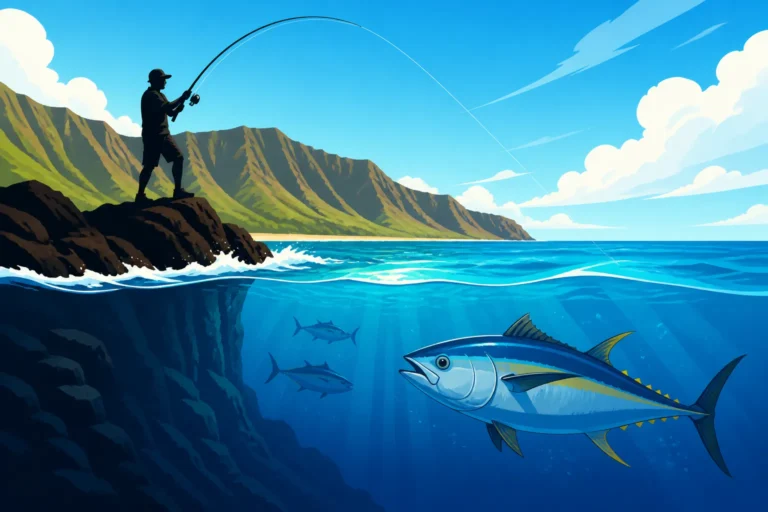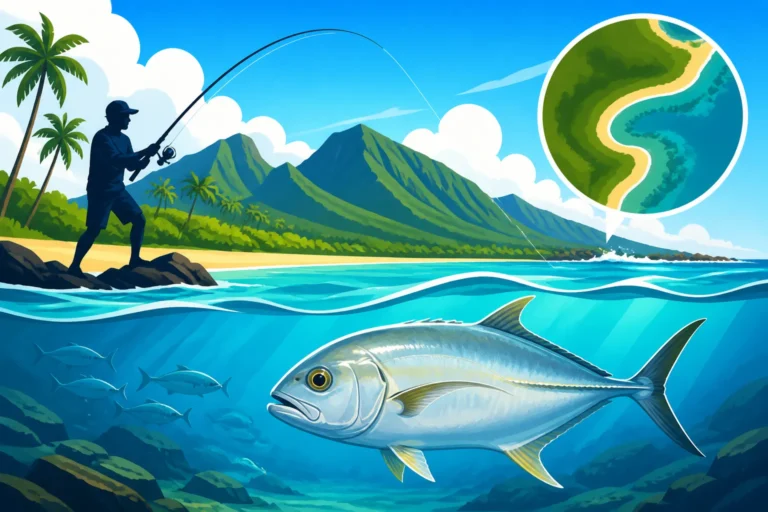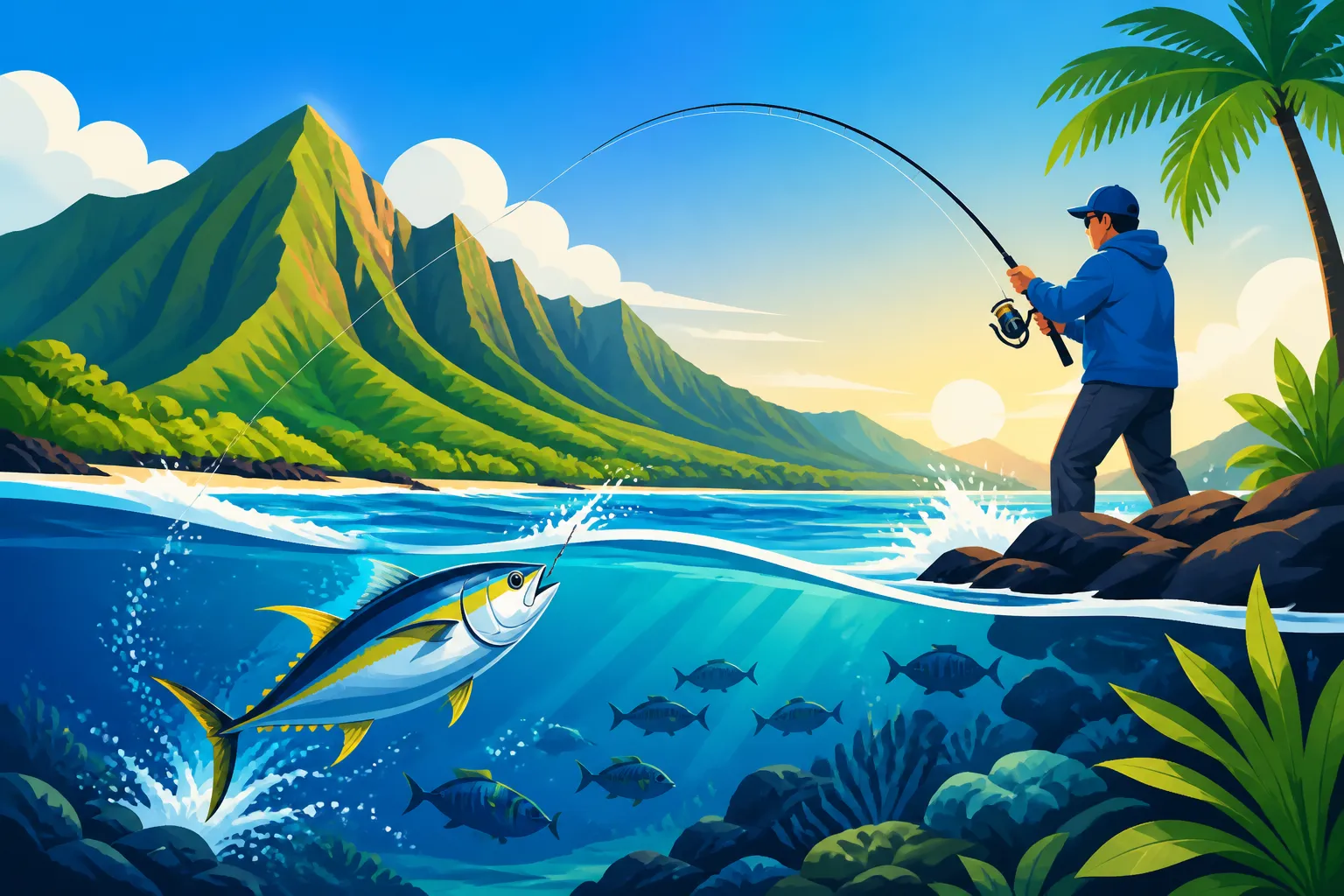
Best winter fishing spots in Hawaii
Many anglers, especially those visiting from colder climates, often wonder if Hawaii’s legendary fishing slows down during the winter months. It’s a common misconception that with the arrival of cooler temperatures (by Hawaiian standards, mind you!), the fish pack up and disappear. The truth is, while some patterns shift, winter in Hawaii offers incredibly productive and diverse fishing opportunities, often with fewer crowds. This guide will dive deep into the best winter fishing spots across the islands, helping you understand where to cast your line for a fantastic cold-weather (or rather, not-so-cold-weather) catch.
Understanding Winter Fishing in Hawaii
Let’s be real, when most folks hear “winter fishing,” they picture ice shanties, numb fingers, and huddled layers of clothing. Forget all that when you’re talking about Hawaii! Our winters are a far cry from what you'll find on the mainland, and understanding this difference is key to appreciating the fantastic angling opportunities that persist year-round.
Dispelling Winter Fishing Myths
The biggest myth to bust right away is that fishing somehow shuts down in Hawaii during winter. That couldn't be further from the truth. While air temperatures might dip into the comfortable 70s during the day and perhaps the low 60s at night, our ocean water temperatures remain remarkably stable and warm, typically hovering between 75°F and 78°F. This is a far cry from the near-freezing conditions that halt fishing activities in many other parts of the world.
Because the water stays warm, the vast majority of our prized game fish and reef dwellers don't simply vanish. They might adjust their feeding patterns or move to slightly different depths or areas, but they are absolutely still here and actively feeding. Think of it less as a "winter slowdown" and more as a "seasonal shift." Anglers who understand these subtle changes are often rewarded with some truly memorable catches. You're not battling blizzards; you're often enjoying beautiful, crisp days on the water.
Key Factors for Winter Success
Successfully navigating winter fishing in Hawaii often comes down to paying attention to a few crucial environmental factors that can influence fish behavior. Unlike the consistent summer tradewinds, winter often brings more varied weather patterns, including occasional "Kona Lows" that can bring southerly winds, rain, and larger swells to typically calmer leeward coasts.
Conversely, the stronger winter swells hitting the north shores of islands like Oahu and Maui can push baitfish into more protected areas or stir up nutrients, attracting predatory fish. Understanding these patterns – knowing which side of the island might be calmer, or where bait is likely to congregate – can dramatically increase your chances. Prevailing currents can also shift, impacting where pelagic species like tuna and marlin might be found. Keep an eye on local forecasts for wind and swell, as these will be your primary indicators for choosing the best fishing spot on any given winter day. It’s all about adapting to nature’s rhythm.
Top Winter Fishing Destinations Across the Islands
Hawaii is a chain of islands, each with its own unique charm and, more importantly for us anglers, its distinct fishing characteristics. During winter, some spots truly shine, offering consistent action despite the seasonal shifts. Let's break down where you should be heading.
Kona Coast, Big Island: Marlin and Tuna Still Roam
Ah, the Kona Coast – legendary for its calm waters and year-round big game fishing. Many people associate Kona with summer's "grander" marlin season, but let me tell you, winter here is far from quiet! The deep, sheltered waters off the Big Island's leeward side often remain remarkably calm even when other parts of the archipelago are experiencing rougher seas. This makes it a prime destination for offshore angling.
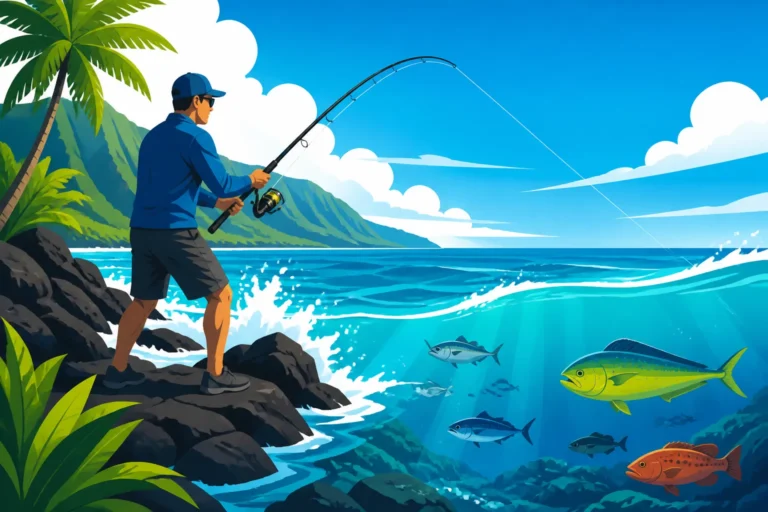
While the sheer numbers of blue marlin might fluctuate compared to peak summer, the potential for trophy fish is still very real. Striped marlin often become more prevalent closer to shore during these months, and the elusive spearfish make a stronger showing. For those chasing pelagic giants, Kona still delivers. Yellowfin tuna, or Ahi (Yellowfin Tuna) Fishing in Hawaii, while perhaps not in their massive summer schools, can still be found, especially around the FADs (Fish Aggregating Devices). When you're dreaming of Marlin Fishing off the Kona Coast in December or January, rest assured that the ocean here is very much alive.
If you're looking to book an offshore adventure, remember that Best Marlin Charters off the Kona Coast operate year-round, and winter can sometimes offer more flexible booking schedules than the frenetic summer months. You'll often find that the crews are still heading out daily, confident in their ability to put you on fish.
Oahu's Diverse Shoreline and Nearshore Reefs
Oahu often gets overlooked by serious anglers who fly straight to Kona for big game, but that's a mistake, especially in winter. Oahu's diverse coastline offers incredible opportunities for Best Shore Fishing Spots in Hawaii, from sandy beaches to rocky points and expansive reef flats. While the famous North Shore experiences massive winter swells, the leeward and windward sides often provide protected areas that become fish magnets.
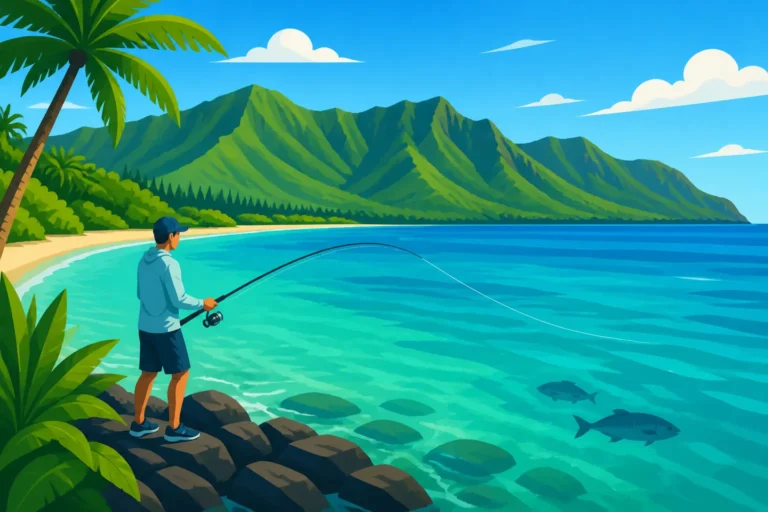
Winter is an excellent time to target How to Catch Papio on Hawaii's Shoreline (juvenile trevally) and even How to Catch Ulua from Shore (giant trevally) from the beaches and rocky outcrops. These hard-fighting fish are often cruising closer to shore, ambushing baitfish that might be seeking refuge from rougher waters or stirred-up conditions elsewhere. Areas like the sheltered bays on the leeward side of the island can offer fantastic whipping and sliding bait opportunities. Don't forget the shallow reef flats where you can target various reef fish, often on light tackle. The consistent warm water means these areas remain vibrant and full of life throughout the winter, providing a completely different but equally rewarding fishing experience compared to offshore pursuits.
Maui's Productive Channels and Bays
Maui, with its stunning landscape, also offers some seriously productive winter fishing. The channels between Maui, Molokai, and Lanai are dynamic ecosystems, constantly influenced by currents and baitfish movements, making them prime hunting grounds. In winter, these channels can be particularly good for pelagic species that venture closer to shore.
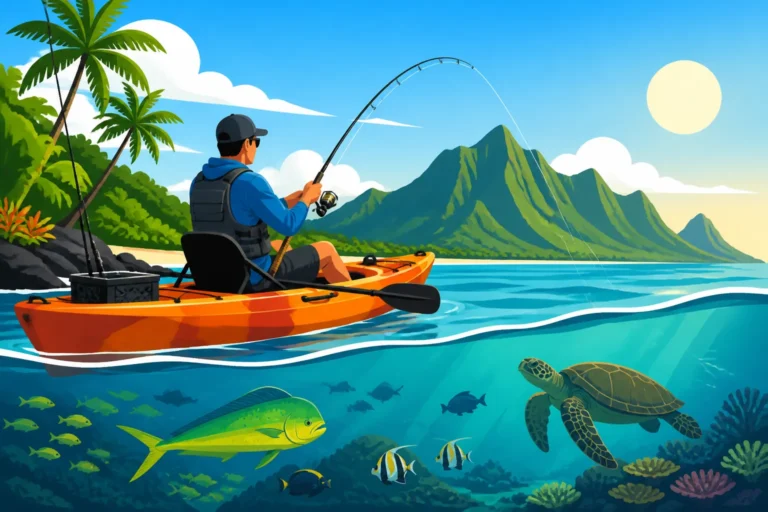
You'll find Mahimahi Fishing in Hawaii to be excellent in winter, often encountered closer to the coast or in the channels, chasing baitfish schools. These vibrant, acrobatic fish are a blast to catch and make for delicious table fare. Ono (Wahoo) Fishing in Hawaii) also remain a strong possibility, especially when trolling along current lines or drop-offs. Beyond the pelagics, Maui’s protected bays, like Ma’alaea Bay, can offer fantastic Best Bottomfishing Spots in Hawaii opportunities. Drop a line down to the deeper ledges and reefs, and you might hook intoopakapaka, onaga, or a variety of other delicious deepwater species that are less affected by surface conditions or seasonal shifts. The relatively consistent currents within these channels keep the food chain active, ensuring consistent action for anglers willing to explore.
Kauai's Untouched North Shore and South Side Spots
Kauai, the Garden Isle, offers a more serene and wild fishing experience. Winter definitely brings its own set of challenges and rewards here. While the North Shore, famous for Hanalei Bay and the Na Pali Coast, can get hammered by large surf, making boat access and shoreline fishing difficult on many days, its south and east sides often remain more accessible and productive.
The Kauai Fishing Guide will tell you that the island’s south side, with spots around Poipu, tends to be more sheltered from the dominant winter swells, providing better conditions for shore fishing and nearshore boating. Anglers can target papio, ulua, and various reef fish from the rocky points and sandy beaches. Kayak fishing can also be highly rewarding in these calmer waters, allowing access to productive reef edges and drop-offs for species like kumu and weke. Even when the north is raging, the south can offer tranquil, clear waters. For those seeking a truly wild experience, and if conditions permit, exploring the dramatic coastline by boat (with an experienced local guide, of course) can lead to encounters with larger pelagics moving through the deeper waters just offshore.
Techniques and Species for Winter Anglers
Winter fishing in Hawaii isn't just about finding the right spot; it's also about knowing which techniques will be most effective and understanding which species are most likely to bite. Different conditions often call for different approaches, and flexibility is your best friend.
Pelagic Pursuits: Still Hot for Offshore Action
Despite the common belief that pelagic action is purely a summer affair, Hawaii's offshore waters remain incredibly vibrant through the winter. The big three—marlin, tuna, and mahimahi—are absolutely still out there, albeit sometimes in different concentrations or locations. The key is understanding their winter movements.
Trolling, as always, is a primary method for these migratory species. High-speed trolling with lures, or slower trolling with live baits, can both be highly effective. During winter, baitfish schools might be pushed around by larger swells or stronger currents, and finding these schools is paramount. Often, charter captains will be looking for bird activity or working current lines and temperature breaks where these baitfish congregate. Jigging can also be a killer technique for tuna and bottomfish, especially when schools are located deeper. While Ahi (Yellowfin Tuna) Fishing in Hawaii might not see the same massive, widespread schools as summer, individual large 'ahi are still caught regularly, often by patient anglers willing to work deeper water or target specific FADs. When considering an offshore trip, remember that excellent local guides and charters are available on platforms like FishingBooker, offering invaluable local knowledge to help you find the fish that are active during the winter months.
Reef and Shoreline Exploits: Consistent Bites
For those who prefer to keep their feet on solid ground or explore the vibrant nearshore reefs, winter offers incredibly consistent action. The warmer water temperatures ensure that our reef ecosystems remain bustling with life. Shore Fishing Techniques for Hawaii are particularly rewarding now, as many species come closer to the shoreline.
Whipping, which involves casting small lures or baits from shore, is a fantastic way to target How to Catch Papio on Hawaii's Shoreline and smaller trevally that are actively feeding in the surf zone or along rocky edges. Sliding bait rigs, using larger baits like whole akule or opelu, are the go-to for dedicated anglers hunting How to Catch Ulua from Shore at night from points and beaches. The cooler ambient temperatures of winter make those overnight ulua missions a bit more comfortable, I tell ya! Beyond the trevally, you'll find plenty of goatfish (kumu, weke), triggerfish, and various snapper species willing to bite. And let's not forget Spearfishing Techniques for Hawaii Reefs – while regulations vary by area, the clear winter waters on sheltered coasts can provide excellent visibility for freedivers targeting uhu (parrotfish) and other reef dwellers, always adhering to local size and bag limits, of course.
Deep Dropping for Bottom Dwellers
When surface conditions get a bit too choppy or if you're just looking for a different kind of challenge, deep-dropping for bottomfish is an absolute winter winner. These species live in depths of several hundred to over a thousand feet, making them largely unaffected by surface weather patterns.
Bottomfish Species of Hawaii like opakapaka (pink snapper), onaga (ruby snapper), ehu (squirrelfish snapper), and hapu'upu'u (sea bass) are highly prized for their exquisite table quality and their often substantial size. The technique involves specialized electric reels and heavy weights to get baits down to these extreme depths. It’s a very different game from trolling or whipping, requiring patience and specific gear, but the rewards are well worth it. Many Best Bottomfishing Spots in Hawaii charters specialize in this method, and winter can be a prime time as these fish tend to be consistent biters regardless of what's happening overhead. Plus, reeling in a beautiful, vibrant red onaga from a thousand feet below on a calm winter's day? Pure bliss.
Essential Tips for a Successful Winter Fishing Trip
Even though Hawaii's winter isn't like other places, there are still some key considerations to keep in mind to make sure your fishing trip is as successful and enjoyable as possible. A little preparation goes a long way, especially when dealing with the ocean's unpredictable nature.
Weather Awareness and Flexibility
This is perhaps the most crucial tip for winter fishing in Hawaii. While we don't get blizzards, we do get what locals call "Kona Lows" or strong cold fronts that can bring significant wind, rain, and large swells, especially to the normally calm leeward coasts. Conversely, the North Shore, which is usually rough in winter, might have a few precious "flat days" when the swell takes a break.
Always, and I mean always, check the marine forecast before you head out, whether it's for Shore Fishing Techniques for Hawaii or an offshore charter. Pay close attention to swell height, direction, and wind speed. Be prepared to be flexible with your plans. If one side of the island is getting hammered by wind and waves, the other side might be perfectly calm and fishable. Don't be afraid to change your target area or even your fishing method if conditions dictate. A planned offshore trip might become a prime day for deep dropping if the surface gets too rough, or a shoreline expedition might move from a rocky point to a sheltered bay.
Gear Considerations for Colder (Relatively) Waters
While you won't need a parka, a little extra consideration for your gear and clothing can make a big difference. Hawaiian winters, especially mornings and evenings, can feel surprisingly cool, especially with a brisk wind or after a rain shower. Layering is always a good idea. A lightweight, waterproof jacket is often a lifesaver, and long pants can be more comfortable than shorts, especially on a boat when there's spray.
For your fishing gear, ensure everything is in good working order. Winter fish can be surprisingly feisty, and you don't want to lose a trophy because of faulty drag or old line. If you're targeting bigger game offshore or larger ulua from shore, make sure your reels are spooled with fresh, strong line and your knots are meticulously tied. The fish don't go on vacation just because it's December, and a well-maintained setup will give you the best chance of landing that winter catch of a lifetime.
The Value of Local Knowledge
No matter how many articles you read or videos you watch, nothing beats real, on-the-ground local knowledge. Hawaii's fishing spots and patterns can be incredibly nuanced, influenced by microclimates, seasonal bait movements, and specific reef structures that only seasoned locals know.
Don't be shy about striking up conversations at local tackle shops – they are treasure troves of information and often willing to share general tips on what's biting and where, assuming you're respectful and don't ask for their secret spots! Even better, consider booking a trip with a local guide or charter. Services like FishingBooker can help you find experienced captains and guides who live and breathe Hawaiian fishing. They spend every day on the water and understand the subtle shifts that winter brings. A good guide will not only put you on fish but also teach you about the local environment, culture, and conservation efforts, making your winter fishing experience truly unforgettable. They can adapt on the fly, moving to where the fish are active, rather than sticking to a predetermined plan that might not match current conditions.
Winter Fishing Outlook by Island
| Island | Primary Fishing Type | Target Species (Winter) | Key Locations/Notes |
|---|---|---|---|
| Big Island | Offshore, Bottomfishing | Blue/Striped Marlin, Spearfish, Ahi, Onaga, Opakapaka | Kona Coast (calm lee side), FADs, deepwater ledges. Less affected by winter swells. |
| Oahu | Shore Fishing, Nearshore | Papio, Ulua, Moi, Menpachi, Reef Fish, some Mahimahi/Ono | Leeward/Windward Coasts (sheltered bays/points), Sand Island, Keehi Lagoon. North Shore often too rough for shore. |
| Maui | Offshore, Bottomfishing, Nearshore | Mahimahi, Ono, Kumu, Weke, Bottomfish, occasional Tuna | Channels between islands (e.g., Maui-Molokai), Ma'alaea Bay. South/West Maui typically calmer. |
| Kauai | Shore Fishing, Nearshore | Papio, Ulua, Reef Fish, Bonefish | South Shore (Poipu, Port Allen) generally calmer. North Shore often big swells, limited access. |
Disclaimer
The information provided in this guide is for general informational purposes only and does not constitute legal advice. Fishing regulations in Hawaii can change frequently. Always consult the latest rules and regulations from the Hawaii Department of Land and Natural Resources (DLNR) Division of Aquatic Resources (DAR) before engaging in any fishing activities. This includes checking for required licenses, bag limits, size limits, closed seasons, and restricted areas. Adherence to all local, state, and federal laws is the sole responsibility of the angler.